













What we know about food today is very different from what people once believed, thanks to decades of research, improved technology, and careful scientific study. Everyday choices in the kitchen are now guided by evidence rather than guesswork, which makes healthy eating feel far more informed and practical.
New discoveries continue to reshape how we think about nutrients, balance, and long-term wellbeing. Taking a closer look at how this knowledge developed offers a fascinating glimpse into how science quietly influences daily life.
All information is provided for general educational purposes only and should not be considered medical advice. Nutritional needs and responses to foods vary between individuals. Always consult a qualified healthcare professional for personalised dietary guidance.
Early Discoveries Of Vitamins And Deficiency Diseases
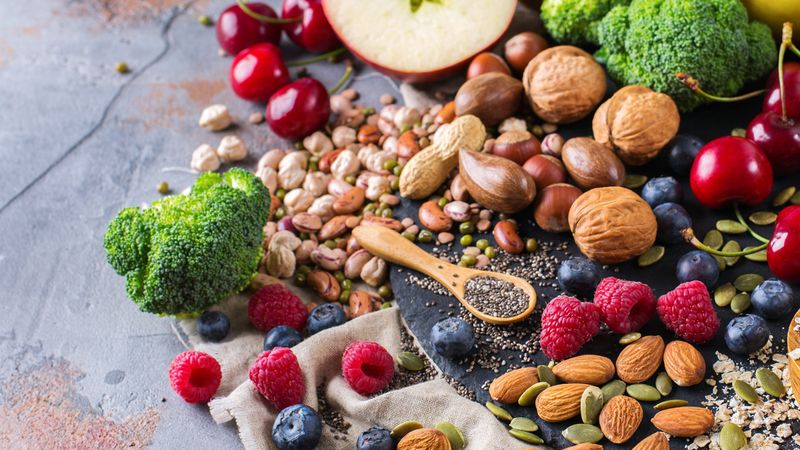
Sailors once suffered from scurvy during long voyages, their gums bleeding and teeth falling out, until someone noticed citrus fruits could prevent it. This observation sparked one of nutrition's greatest revelations: invisible substances in food could prevent terrible illnesses.
Scientists eventually identified these mystery compounds as vitamins, naming them after letters of the alphabet. Vitamin C cured scurvy, vitamin D prevented rickets, and vitamin B1 stopped beriberi from ravaging populations.
Before these discoveries, people had no idea that tiny nutrients could be so powerful for health and survival.
The Rise Of Food Groups And Dietary Guidelines
Remember learning about the food pyramid at school? That iconic triangle didn't always exist.
Governments first created food groups in the early 20th century to help people choose balanced meals without needing advanced nutrition knowledge.
Early versions were quite simple, dividing foods into basic categories like proteins, grains, and vegetables. Over time, these evolved into more detailed guides reflecting new scientific understanding.
Today's guidelines emphasise variety and moderation, though they continue changing as researchers uncover fresh insights about optimal eating patterns for different populations and health goals.
How Calories And Energy Balance Were First Understood

Did you know the calorie was originally a physics term measuring heat energy? Scientists in the 1800s realised they could measure the energy in food by literally burning it and recording the heat released.
This led to understanding that our bodies need specific amounts of energy to function, and eating too much or too little affects our weight. The concept revolutionised how people thought about portions and activity levels.
Whilst calorie counting remains popular today, modern nutrition recognises that food quality matters just as much as quantity for overall health and wellbeing.
The Shift From Single Nutrients To Whole Foods
For decades, nutrition advice focused obsessively on individual nutrients—eat more protein, avoid all fat, load up on vitamin supplements. Scientists eventually realised this approach missed something crucial: foods work together in complex ways.
An orange provides vitamin C, but also fibre, flavonoids, and countless other compounds that interact beneficially. Taking vitamin C tablets alone doesn't replicate these effects.
Current research champions eating whole, minimally processed foods rather than chasing specific nutrients. This holistic view acknowledges that nutrition is wonderfully complicated, and real food beats isolated supplements every time.
Advances In Gut Health And Microbiome Research
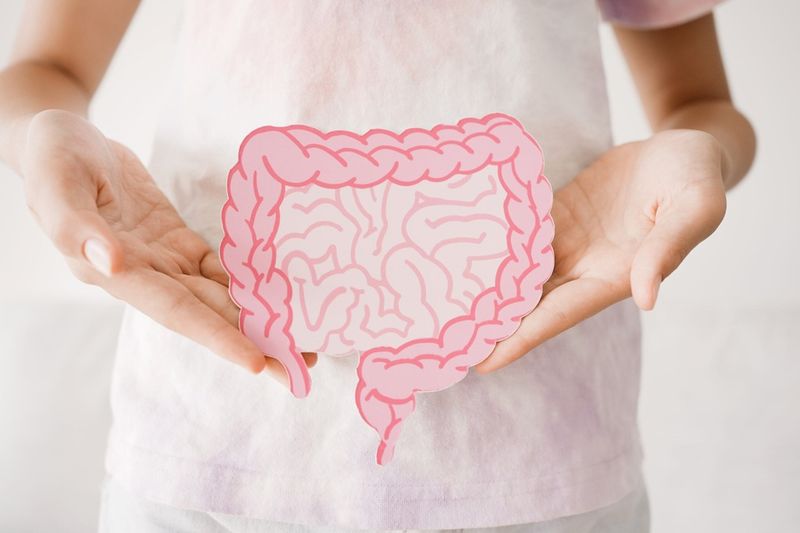
Imagine discovering an entire ecosystem living inside you, influencing everything from digestion to mood! That's exactly what happened when scientists developed tools to study the trillions of bacteria inhabiting our intestines.
These microscopic residents, collectively called the microbiome, help digest food, produce vitamins, and even communicate with our brains. Different foods feed different bacterial species, affecting our health in surprising ways.
Fermented foods like yoghurt and kimchi, once considered old-fashioned, are now celebrated for supporting these beneficial bugs. This research has completely transformed how we think about digestive health.
How Long-Term Studies Changed Nutrition Advice
Some nutrition studies follow thousands of people for decades, tracking what they eat and how their health changes over time. These massive projects, like the Framingham Heart Study, revealed patterns impossible to spot otherwise.
Researchers discovered that certain dietary habits increased disease risk whilst others offered protection, leading to major shifts in recommendations. For example, we learned that trans fats were harmful and Mediterranean-style eating patterns promoted longevity.
Without patient, long-term observation, nutrition science would still be guessing. These studies provide the solid evidence behind today's dietary advice and guidelines.
The Growing Role Of Personalised Nutrition Science

What if your perfect diet differed completely from your best friend's? Cutting-edge research suggests this might actually be true, as genetics, microbiome composition, and lifestyle all influence how individuals respond to foods.
Some people process carbohydrates efficiently whilst others do better with higher fat intake. Certain genetic variations affect vitamin absorption or caffeine metabolism, making one-size-fits-all advice increasingly outdated.
Though still developing, personalised nutrition promises tailored recommendations based on your unique biology. The future of healthy eating might involve DNA tests and customised meal plans designed specifically for you.



