













Meal timing often receives less attention than what is on the plate, yet it can play a meaningful role in how the body functions throughout the day. The body follows natural rhythms that influence energy levels, digestion, and appetite, and these patterns can be affected by when meals are eaten.
Aligning eating habits with daily routines may help support steadier energy and a more balanced day overall. Understanding how timing fits into everyday eating offers a practical way to think about meals beyond ingredients alone.
This article is for general information only and does not replace medical or nutritional advice. Individual routines, health conditions, and dietary needs vary.
Readers with specific concerns should consult a qualified healthcare professional.
Breakfast Timing Sets The Tone For The Day

Your body's been fasting all night, and by morning it's ready to refuel. Eating breakfast within an hour of waking, ideally between 7 and 8am, kickstarts your metabolism and signals to your body that it's time to get moving.
Skipping this crucial meal can leave you sluggish and more likely to overeat later. Think of breakfast as flipping the switch on your internal engine.
A balanced morning meal stabilises blood sugar levels and helps you concentrate better throughout the morning, whether you're tackling schoolwork or just trying to stay alert during that first lesson.
The Midday Window That Works Best For Lunch

Around noon to 1pm, your digestive system hits peak performance mode. This is when your body processes food most efficiently, making it the ideal window for your largest meal if you fancy it.
Eating lunch about four to five hours after breakfast keeps your energy steady and prevents that afternoon slump. Your metabolism is firing on all cylinders during these hours, so nutrients get absorbed brilliantly.
Missing this window or eating too late can throw off your natural rhythm, leaving you feeling tired when you should be most productive.
How Late Is Too Late To Eat Dinner

Aim to finish dinner by 7pm, or at least two to three hours before you hit the hay. Late night eating can seriously mess with your sleep quality and digestion.
When you eat too close to bedtime, your body's still working hard to digest food when it should be winding down for rest. This can lead to uncomfortable bloating, heartburn, and restless nights tossing about.
Earlier dinners also give your digestive system proper time to do its job before you're horizontal, which makes for much better sleep all round.
What Research Suggests About Snacking Times

Strategic snacking between meals can actually work wonders for maintaining steady energy. Mid-morning around 10 or 11am and mid-afternoon between 3 and 4pm are your sweet spots.
These mini-meals bridge the gap between main courses and prevent you from getting so ravenous that you demolish everything in sight later. Choose snacks with protein and fibre to keep you satisfied longer.
Random grazing throughout the day, however, can disrupt your natural hunger signals and make it harder to recognize when you're genuinely hungry versus just bored or stressed.
Meal Timing Affects Energy Levels
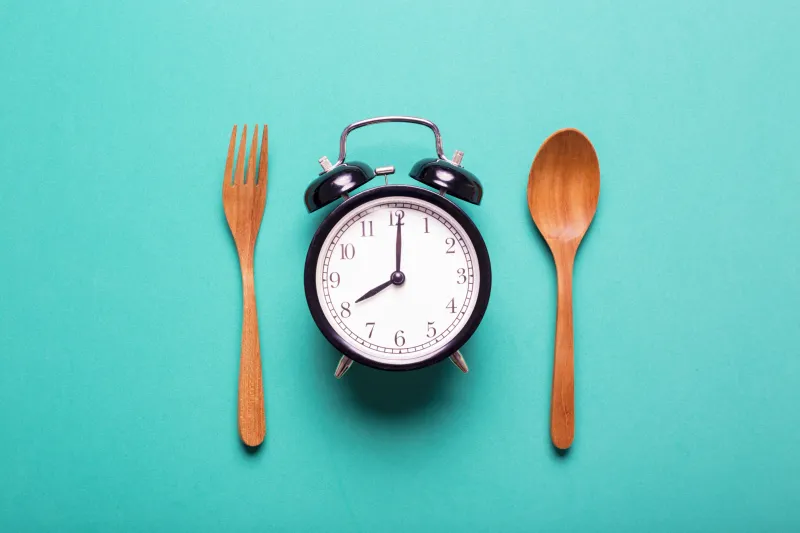
When you eat matters just as much as what you eat for keeping your energy consistent. Regular meal times train your body to expect fuel at certain intervals, preventing dramatic blood sugar spikes and crashes.
Eating at wildly different times each day confuses your internal systems, leading to unpredictable energy dips and surges. Your body thrives on predictability and rhythm.
Spacing meals evenly throughout the day, roughly every four to five hours, maintains steady glucose levels and keeps your brain functioning at its best without those dreaded afternoon crashes.
The Link Between Eating Schedules And Sleep Quality

Your eating schedule and sleep quality are more connected than you might think. Late meals force your digestive system to work overtime when your body should be preparing for rest, disrupting your natural sleep cycle.
Finishing eating at least two to three hours before bed allows your body to focus on repair and restoration rather than digestion. This timing helps regulate melatonin production, the hormone that makes you sleepy.
Consistent meal times also strengthen your circadian rhythm, making it easier to fall asleep and wake up naturally feeling refreshed.
Consistency Often Matters More Than Exact Times

Here's the thing: your exact eating times matter less than sticking to a regular pattern. Your body loves routine and adapts brilliantly when you eat at similar times each day.
This consistency helps regulate hunger hormones, making you naturally hungry at appropriate times rather than constantly battling cravings. Your digestive system becomes more efficient when it knows what to expect.
Whether you eat breakfast at 7am or 9am matters less than eating it at roughly the same time daily, allowing your body to establish its own healthy rhythm.
Lifestyle And Routine Influence Ideal Meal Timing

Not everyone's ideal eating schedule looks identical, and that's perfectly fine. Your personal routine, work schedule, exercise habits, and natural body clock all play important roles in determining your best meal times.
A student's schedule might differ from someone who works shifts or trains intensely for sports. The key is finding a pattern that fits your life whilst still respecting basic principles of spacing and timing.
Listen to your body's hunger cues and adjust accordingly, but try maintaining consistency within your unique schedule for the best results and overall balance.



