













Beans often sit quietly in the cupboard, yet they offer a combination of fibre, plant protein, and essential nutrients that can support everyday eating in practical ways. Adding them more regularly to meals can influence digestion, appetite, and overall balance in the diet, while also fitting well into budget conscious shopping.
From soups and salads to stews and quick midweek dishes, beans are easy to incorporate without changing cooking habits too drastically. Understanding how the body may respond over time helps set realistic expectations and encourages more informed food choices.
This article is for general informational purposes only. Individual dietary needs and health responses vary.
Any significant changes to diet should be discussed with a qualified healthcare professional or registered nutritionist. Photos are for illustrative purposes only.
Fibre Intake Naturally Increases
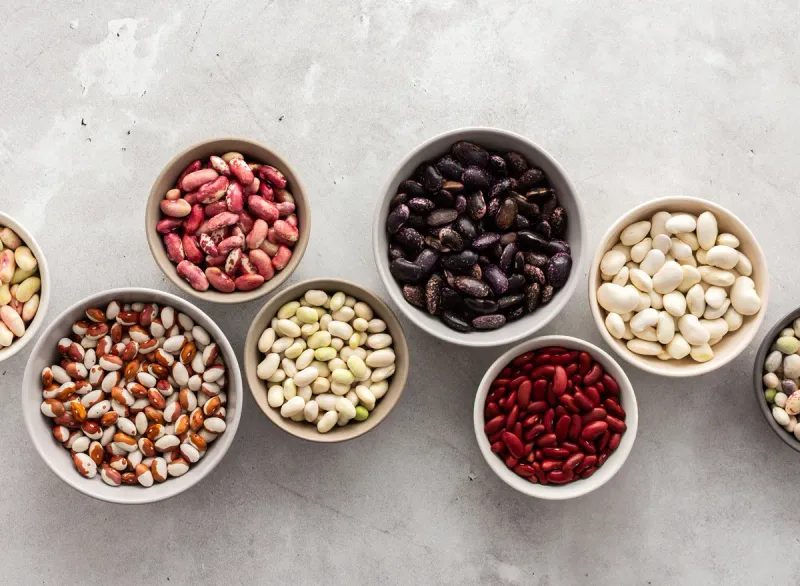
Beans are absolute fibre champions, packing in both soluble and insoluble types that your body craves. A single cup can deliver around 15 grams of fibre, which is nearly half your daily target without even trying.
Soluble fibre dissolves in water and forms a gel-like substance that helps slow digestion, whilst insoluble fibre adds bulk to your stool and keeps things moving smoothly. This combo makes beans one of the easiest ways to hit your fibre goals without downing supplements or forcing down boring bran flakes.
Your digestive system will thank you for the upgrade.
Changes In Digestion And Regularity

Right, let's be honest: beans have a bit of a reputation for causing wind, and there's truth to it. When you first start eating them regularly, your gut might protest a bit with bloating or gas as it adjusts to the extra fibre.
But stick with it. After a week or two, most people find their digestion settles down and regularity improves dramatically.
You'll likely notice more predictable bowel movements and less straining, which is a win for overall gut comfort.
Soaking dried beans and starting with smaller portions can ease the transition nicely.
Plant Protein Supports Everyday Energy
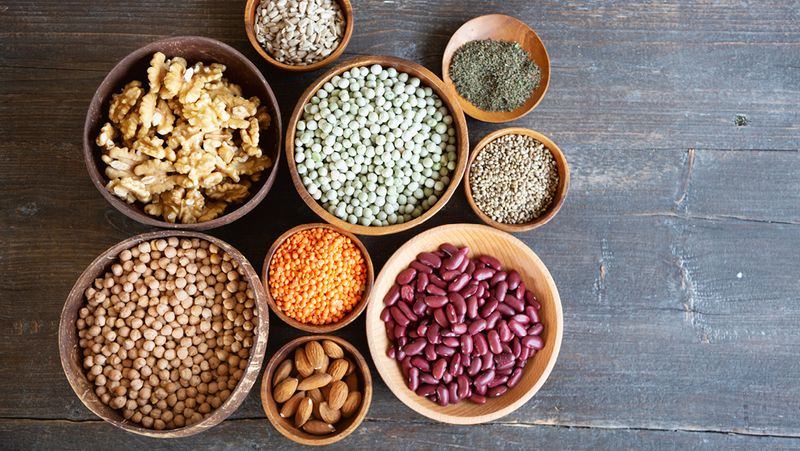
Forget the myth that you need meat to get proper protein. Beans deliver a solid dose of plant-based protein that fuels your muscles, repairs tissues, and keeps your energy steady throughout the day.
A cup of cooked lentils, for example, offers about 18 grams of protein, which rivals many animal sources. Unlike sugary snacks that cause energy spikes and crashes, the protein in beans provides slow-burning fuel that keeps you alert and focused.
Pair them with whole grains for a complete amino acid profile and you're sorted.
Beans Help Keep You Fuller For Longer
Ever notice how a bean-based meal sticks with you for ages? That's the magic combo of protein, fibre, and complex carbs working together to slow digestion and keep hunger at bay.
Research shows that people who eat beans regularly feel more satisfied after meals and are less likely to snack mindlessly between them. This satiety factor makes beans brilliant for weight management without feeling deprived or constantly peckish.
Add them to soups, salads, or wraps and you'll breeze through to your next meal without the munchies.
Possible Shifts In Blood Sugar Balance
Beans have a low glycaemic index, meaning they release sugar into your bloodstream slowly rather than causing dramatic spikes. This steady release helps maintain stable blood sugar levels, which is brilliant news for anyone managing diabetes or trying to avoid energy crashes.
The soluble fibre in beans slows down carbohydrate absorption, giving your body time to process glucose without overwhelming your system. Regular bean consumption has been linked to improved insulin sensitivity over time.
Swap out refined carbs for beans and feel the difference in your energy stability.
How Gut Bacteria May Respond Over Time
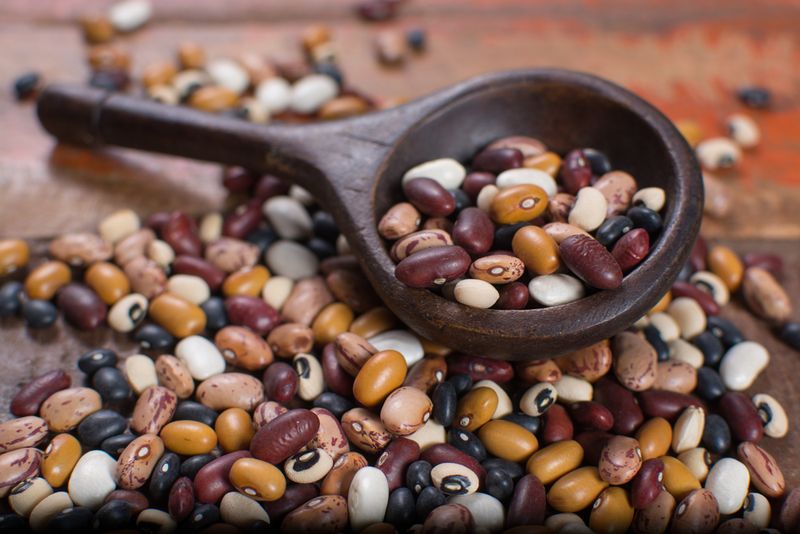
Your gut is home to trillions of bacteria, and beans are like a five-star feast for the good ones. The resistant starch and fibre in beans act as prebiotics, feeding beneficial microbes that support digestion, immunity, and even mental health.
As your gut bacteria flourish on this wholesome fuel, you might notice improvements in overall wellbeing, from better mood to stronger immune defences. The fermentation process that occurs when gut bacteria break down bean fibre also produces short-chain fatty acids, which protect your colon.
A happy gut microbiome equals a happier you.
Supporting Heart Health
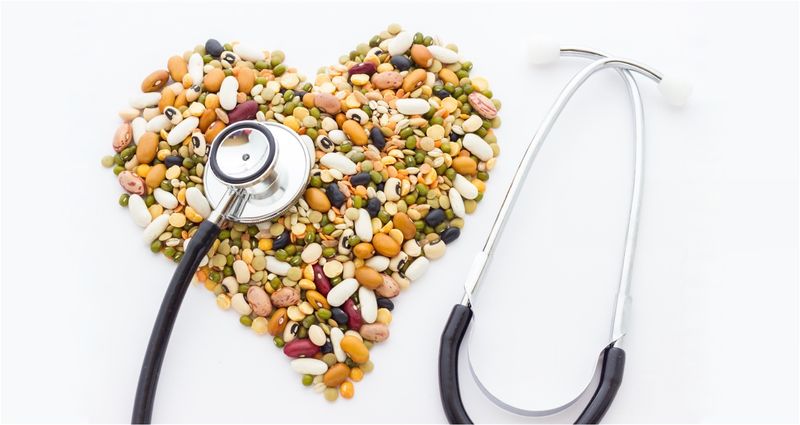
Heart disease remains a leading health concern, but beans offer genuine protection thanks to their impressive nutrient profile. Studies consistently show that regular bean consumption lowers LDL cholesterol (the bad kind) whilst supporting healthy blood pressure levels.
The soluble fibre binds to cholesterol in your digestive system and helps remove it before it enters your bloodstream. Meanwhile, potassium and magnesium in beans work together to regulate blood pressure and keep your ticker ticking smoothly.
Your cardiovascular system will be quietly grateful for every bean-filled meal.
Mineral Intake Improves With Regular Consumption
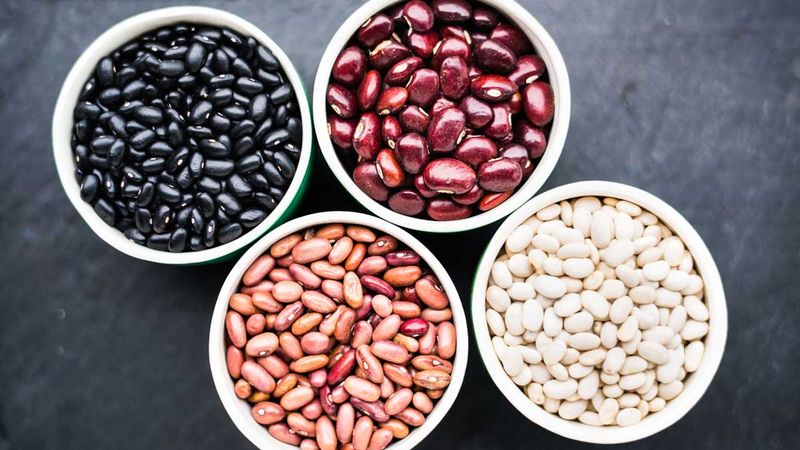
Beans are quietly brilliant at delivering essential minerals that many people fall short on. Iron, magnesium, potassium, zinc, and folate all feature prominently, supporting everything from energy production to bone strength and red blood cell formation.
Iron from beans is non-haem, which means pairing them with vitamin C-rich foods like tomatoes or peppers boosts absorption significantly. Magnesium supports muscle function and nerve health, whilst folate is especially important for pregnant women and cell development.
One serving covers a surprising chunk of your daily mineral needs effortlessly.
Supporting Budget Friendly Meal Planning
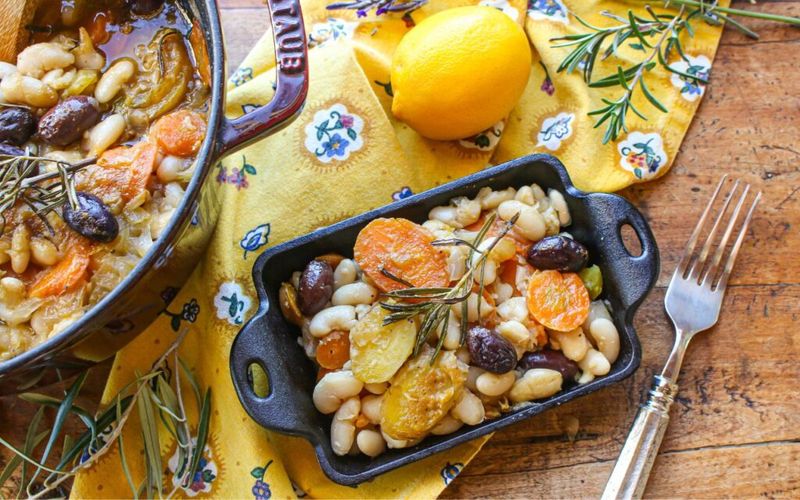
Let's talk money. Beans are ridiculously affordable, especially when bought dried in bulk, making them one of the most cost-effective protein sources around.
A bag of dried beans costs pennies per serving compared to meat or fish, yet delivers comparable nutrition.
They store for ages in your pantry, stretch easily across multiple meals, and bulk out dishes beautifully without compromising flavour or satisfaction. From student budgets to family meal planning, beans help you eat well without breaking the bank.
Smart eating doesn't have to mean expensive eating.
What To Expect As Your Body Adjusts In The First Few Weeks
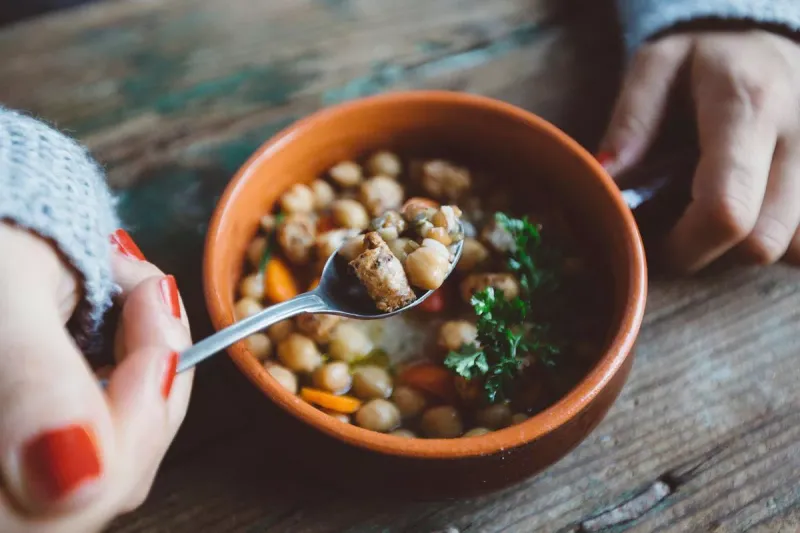
Starting any dietary shift takes a bit of patience, and beans are no exception. During the first couple of weeks, you might experience some bloating, gas, or mild digestive discomfort as your gut adapts to the increased fibre load.
This is completely normal and typically fades as your digestive enzymes and gut bacteria adjust. Start with smaller portions, chew thoroughly, and gradually increase your intake to ease the transition.
Drinking plenty of water also helps fibre do its job effectively.
Push through the adjustment period and the long-term benefits are absolutely worth it.



