













Matcha has become increasingly visible across cafés in London, Manchester, and Edinburgh, appearing in drinks, desserts, and even some savoury dishes. Once primarily associated with traditional Japanese tea ceremonies, it has expanded into mainstream British menus.
Its growing appeal is driven by a combination of flavour, health benefits, and visual appeal. Many enjoy matcha for its antioxidant content, moderate caffeine, and vibrant presentation.
As more cafés offer creative ways to serve it, matcha has established itself as a versatile and popular choice among UK consumers.
All information is provided for general interest only. Consult a qualified professional for health-related advice. Taste, appearance, and availability may vary. Photos are for illustrative purposes only.
The Health Benefits Driving Matcha's Popularity

Packed with antioxidants called catechins, matcha delivers a powerful punch that coffee simply can't match. These compounds help fight inflammation, support heart health, and may even boost your metabolism.
It's no wonder health-conscious Brits are swapping their morning espresso for a matcha latte.
Beyond antioxidants, matcha contains L-theanine, an amino acid that promotes calm focus without the jittery crash you get from coffee. This unique combination of caffeine and L-theanine creates a sustained energy boost that lasts for hours, making it perfect for busy workdays or study sessions.
How Cafés Are Reinventing Classic Matcha Recipes
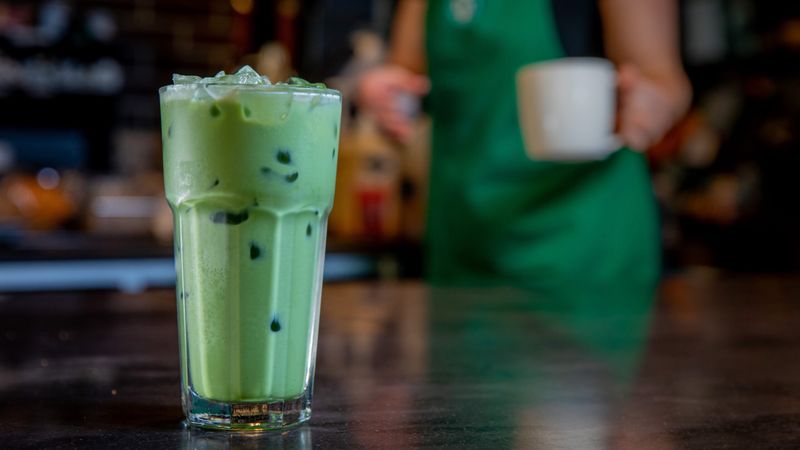
British cafés have taken matcha and run wild with it, creating everything from matcha cappuccinos to matcha affogatos. Blank Street Coffee, which landed in London in 2022, quickly became famous for its innovative matcha drinks that blend traditional Japanese techniques with modern British tastes.
Independent coffee shops are experimenting with flavour combinations you'd never find in Tokyo. Think matcha paired with salted caramel, lavender, or even ginger and turmeric.
These creative twists make matcha accessible to those who might find the traditional taste too earthy or intense.
Matcha's Role In The Rise Of Specialty Tea Culture
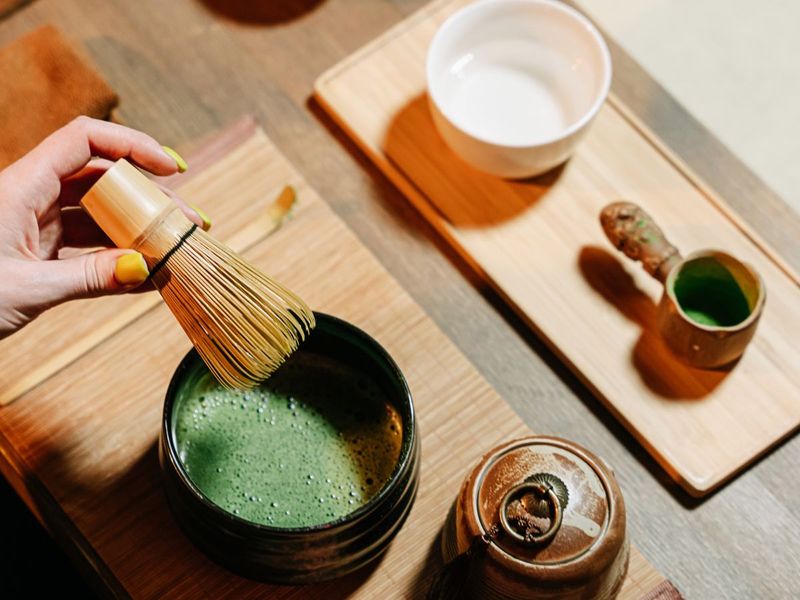
Gone are the days when tea meant a simple builder's brew with milk and two sugars. Specialty tea culture has exploded across the UK, and matcha sits proudly at the forefront of this movement.
Tea enthusiasts are now seeking out high-quality, single-origin teas with the same passion once reserved for craft coffee.
Matcha's ceremonial roots and artisanal production methods appeal to consumers craving authenticity and craftsmanship. This shift reflects a broader desire for mindful consumption, where the story behind your cuppa matters as much as the taste itself.
From Ceremonial Powder To Everyday Latte
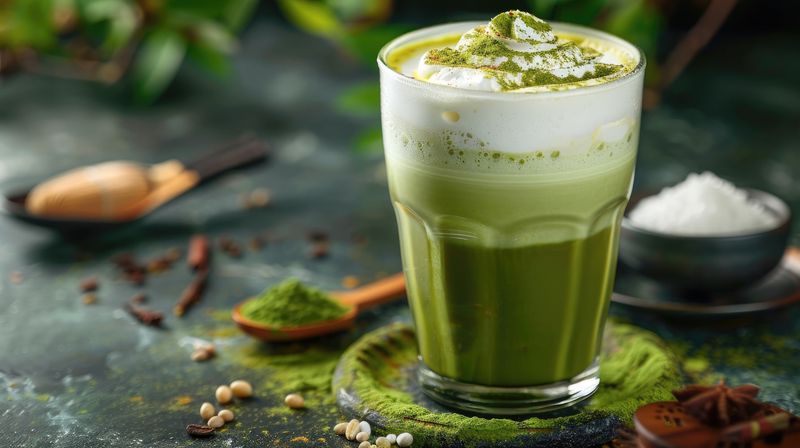
Matcha's journey from sacred Japanese tea ceremonies to your local Pret is quite the transformation. Traditionally, preparing matcha involved precise rituals, specific tools like bamboo whisks, and years of training.
Now, baristas whip it up in seconds, making this once-exclusive drink accessible to everyone.
This democratisation hasn't diminished matcha's appeal. Instead, it's introduced millions of Brits to a drink they might never have encountered otherwise.
The everyday latte version serves as a gateway, often inspiring people to explore the more traditional ceremonial preparation at home.
Why Social Media Is Fueling Matcha Obsession
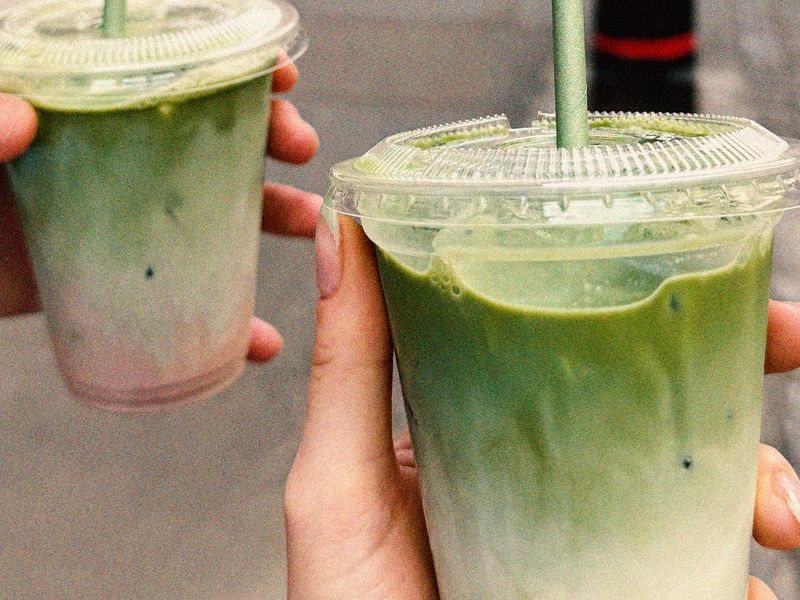
That electric green colour is pure Instagram gold, and social media algorithms absolutely love it. TikTok and Instagram feeds overflow with mesmerising videos of matcha being whisked into frothy perfection, creating a visual feast that's impossible to scroll past.
This photogenic quality has turned matcha into a status symbol among younger consumers.
Influencers and food bloggers have embraced matcha as their go-to aesthetic drink, creating countless recipes and styling tips. The result?
A self-perpetuating cycle where visibility drives demand, which creates more content, which drives even more visibility.
Matcha And Mindfulness: A Sip For Calm And Focus

In our increasingly frantic world, matcha offers something rare: energy without anxiety. The L-theanine content promotes alpha brain waves, the same relaxed yet alert state you experience during meditation.
It's like having a mini mindfulness session in a mug, perfect for our stressed-out modern lives.
This calming quality has made matcha a favourite among yoga practitioners, meditation enthusiasts, and anyone seeking a gentler energy boost. Rather than the caffeine spike and crash of coffee, matcha provides smooth, sustained focus that supports productivity without sacrificing peace of mind.
The Difference Between Ceremonial And Culinary Matcha
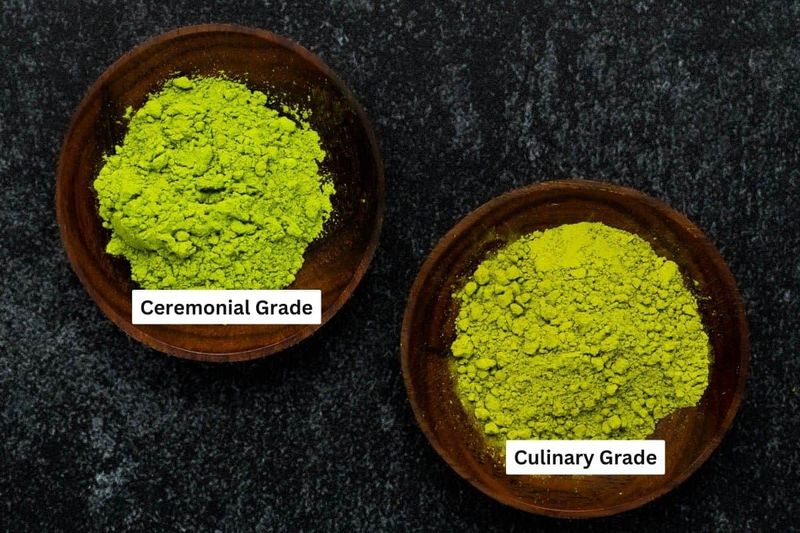
Not all matcha is created equal, and understanding the difference can save you from disappointment. Ceremonial grade matcha comes from the youngest tea leaves, offering a delicate, sweet flavour and vibrant colour that's perfect for drinking straight.
It's pricier but worth every penny for that authentic experience.
Culinary grade matcha, on the other hand, uses older leaves and has a stronger, more bitter taste that holds up beautifully in lattes, smoothies, and baked goods. Using ceremonial matcha in your banana bread would be like cooking with vintage champagne, wasteful and unnecessary.
Pairing Matcha With Food: Sweet And Savoury Ideas
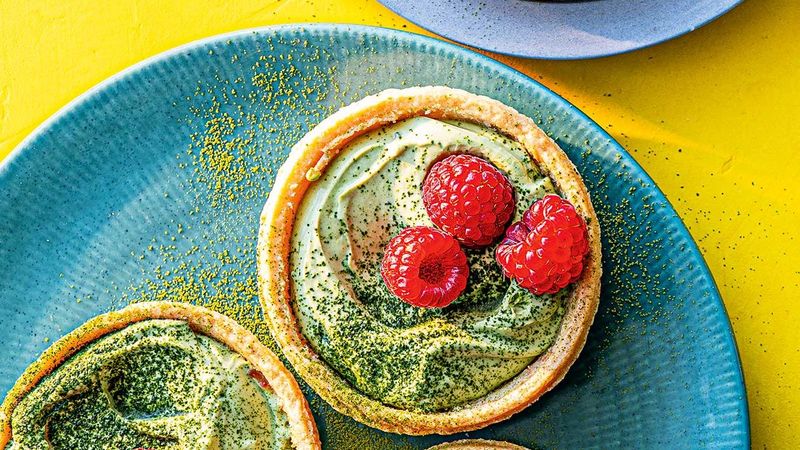
Matcha's earthy, slightly vegetal notes make it surprisingly versatile in the kitchen. Sweet pairings like white chocolate, vanilla, and coconut complement matcha's natural bitterness, creating balanced flavour profiles that sing.
British bakeries have caught on, stuffing croissants with matcha cream and swirling it through cheesecakes.
On the savoury side, matcha works brilliantly in noodle dishes, salad dressings, and even as a crust for fish. Its umami qualities enhance rather than overpower other ingredients, adding depth and that gorgeous green hue that makes any dish look restaurant-worthy.



