













The arrival of the microwave in British kitchens during the 1980s marked more than just a new appliance on the countertop – it signalled a major shift in how we approached mealtimes. What began as a handy way to warm up leftovers soon reshaped shopping habits, cooking routines and expectations around convenience.
Ready meals, quick snacks and heat-and-eat dinners became everyday staples, and the idea of a meal taking hours to prepare began to fade. The microwave didn’t just save time – it changed the rhythm of British home cooking in ways that are still felt today.
This article is for general informational and cultural discussion purposes only. Household habits and food traditions vary widely, and the impact of kitchen technology can differ from one family to another.
Frozen Ready Meals Became A Weeknight Standard
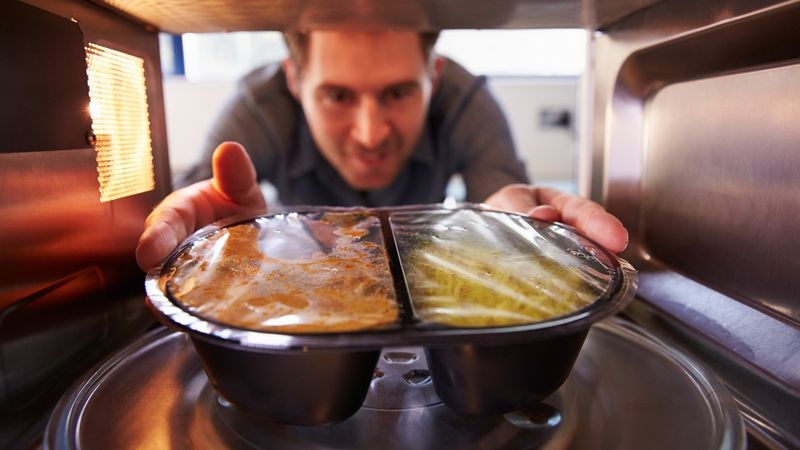
By the late 1980s, supermarket aisles began filling with colourful boxes promising restaurant-quality dinners in minutes. Brands like Birds Eye and Findus capitalised on busy lifestyles, offering everything from lasagne to chicken tikka masala that could go from freezer to plate in under ten minutes.
Families who once spent hours preparing Sunday roasts found themselves reaching for plastic trays more often than roasting tins. The convenience was undeniable, especially for working parents juggling long commutes and school runs.
Traditional meal planning started to feel old-fashioned as freezers became stocked with individual portions rather than ingredients for scratch cooking.
Traditional Cooking Skills Started To Fade

Generations of Britons grew up learning to make proper gravy, roast a chicken, or bake a Victoria sponge from their mums and grans. But when the microwave arrived, those skills suddenly seemed less essential to everyday survival.
Why spend an hour peeling potatoes and stirring pots when a plastic tray could deliver similar results in five minutes? Young adults leaving home often skipped learning the basics entirely, relying instead on microwave instructions printed on packaging.
Cooking programmes remained popular on telly, but fewer people actually practised what they watched, creating a curious gap between aspiration and reality.
Portion Sizes Shifted Toward Single-Serve Meals
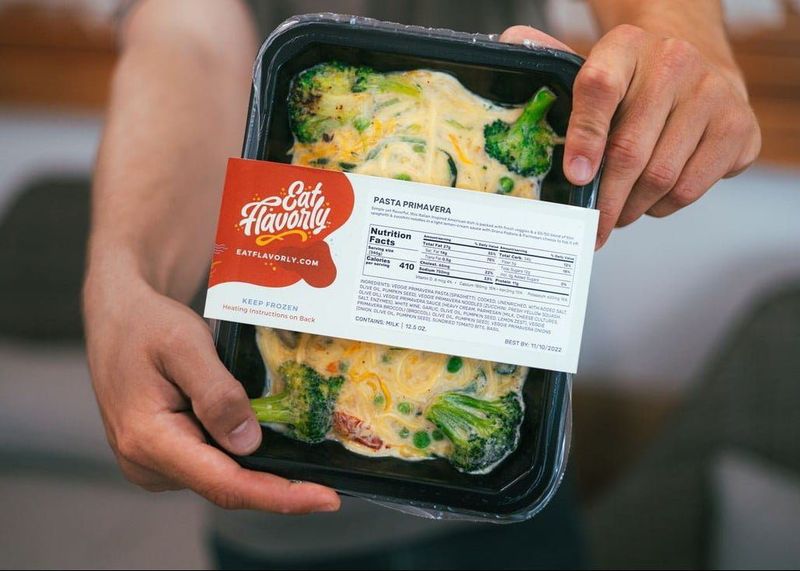
Before microwaves dominated, British dinners were typically cooked in quantities meant for sharing around a table. A casserole fed the whole family, and leftovers were reheated the next day in the oven or on the hob.
Microwave culture flipped that script entirely. Suddenly, everyone could heat up their own meal at different times, choosing individual flavours and portion sizes tailored to personal taste.
Supermarkets responded by shrinking package sizes and marketing meals for one or two people.
This shift made eating alone feel normal rather than unusual, changing the social dynamics of mealtimes across the country.
Snacking Replaced Structured Sit-Down Dinners

The ritual of gathering around the table at half six for a proper meal began losing its grip once microwaves made eating on demand effortless. Teenagers could nuke a jacket potato after football practice, whilst parents heated something different after working late.
Grazing throughout the evening became increasingly common, with multiple small snacks replacing one substantial dinner. Foods like microwave popcorn, mini pizzas, and potato waffles became staples of this new eating pattern.
Family conversation time suffered as everyone ate separately, often in front of the telly or whilst doing homework, fundamentally altering household routines.
Speed Took Priority Over Flavour And Freshness
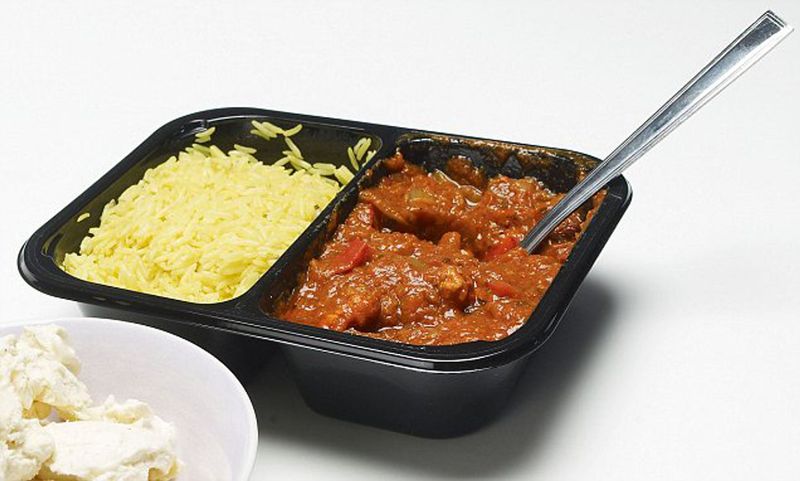
There's no denying that microwave meals saved time, but something was lost in translation. Fresh ingredients with vibrant flavours gave way to foods engineered for reheating, often loaded with salt and preservatives to compensate for texture and taste compromised by freezing.
A home-cooked shepherd's pie with proper mince and creamy mash couldn't quite be replicated in a plastic container, yet speed became the deciding factor for many households. Convenience trumped quality more often than anyone initially expected.
Nutritionists began noticing shifts in British diets as processed foods became everyday staples rather than occasional shortcuts.
Packaging And Food Brands Began Designing Meals Specifically For Microwaving
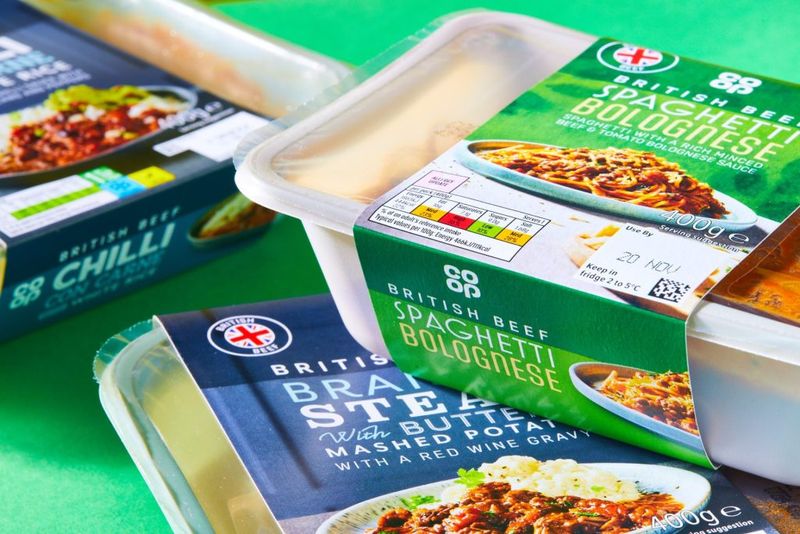
Food manufacturers quickly realised that microwave ownership was skyrocketing, so they started engineering products from scratch with reheating in mind. Special containers prevented sogginess, steam vents kept meals from exploding, and portion sizes fit standard microwave turntables perfectly.
Brands like Charlie Bigham's and Waitrose elevated the game with premium ranges that promised gastropub quality at home. The packaging itself became a selling point, with clear windows showing off the contents and detailed heating instructions ensuring perfect results.
This innovation cemented the microwave's place as essential kitchen equipment rather than a novelty gadget.



