











• Skip to primary navigation
  • Skip to main content
  • Skip to primary sidebar
The Daily Dish
  • About Me
  • Recipes
  • Wellbeing🧡
  • Contact
  • Subscribe
  • Gluten-Free
  • Navigation Menu: Social Icons

    Connect With Me

    • Facebook
    • Instagram
    • Pinterest
menu icon
go to homepage
  • About Me
  • Recipes
  • Wellbeing🧡
  • Contact
  • Subscribe
  • Gluten-Free
  • Let's Connect

    • Facebook
    • Instagram
    • Pinterest
  • subscribe
    search icon
    Homepage link
    • About Me
    • Recipes
    • Wellbeing🧡
    • Contact
    • Subscribe
    • Gluten-Free
  • Let's Connect

    • Facebook
    • Instagram
    • Pinterest
  • ×
    • 10 Indiana Catfish Houses Where The Weekend Fish Fry Is A Ritual
    • 12 North Carolina Food Halls Where Every Stall Is Worth A Visit
    • 11 Ohio Spots Where Pierogi Are Made By Hand Like The Old Country
    • 15 Classic Pies That Deserve A Place On The Winter Table
    • 14 Easy Ways To Use Up A Bag Of Potatoes
    • 9 Wisconsin Spots Where The Butter Burger Is The Whole Point
    • 12 Indiana Mexican Restaurants Locals Drive Out Of Their Way For
    • 11 New Hampshire Farm-To-Table Spots Serving The Freshest Local Ingredients
    • 13 Simple Fillings For Homemade Toasties
    • 12 Chesapeake Bay Virginia Restaurants Where The Oysters Come Straight Off The Boat
    • 13 Hole-In-The-Wall New Hampshire Diners Locals Have Loved For Years
    • 10 Easy Sauces That Make Roast Chicken Taste Even Better
    Home » Food news & trends

    That Everyday Drink You Love Might Be Doing More For Your Brain Than You Think

    Published:Feb 16, 2026· Modified: Feb 13, 2026 by Sophie Hayes

    • Share
    • Email

    Many people reach for coffee or tea without thinking twice about it beyond taste or routine. Yet long-term research has explored whether those everyday habits could be linked to changes in brain health over time.

    Large observational studies in the United States have followed thousands of adults for decades, comparing their drink choices with later cognitive outcomes. While the findings do not prove cause and effect, they highlight an interesting pattern around caffeinated drinks and dementia risk.

    Below is a closer look at what researchers found and how caffeine might play a role.

    This article is based on findings from long-term observational research and expert commentary. Observational studies identify associations but do not prove that caffeinated drinks directly prevent dementia.

    Individual health outcomes vary, and caffeine consumption may not be suitable for everyone. Always consult a qualified healthcare professional for personalised medical advice.

    Findings From A Long Term Study On Caffeine And Brain Health

    Findings From A Long Term Study On Caffeine And Brain Health
    Image Credit: © Yahoo Life UK

    Researchers combined data from two major US studies that tracked more than 130,000 people for over 40 years. Participants regularly completed dietary questionnaires, and their health was monitored throughout the follow-up period.

    By the end of the studies, around 11,000 participants had developed Alzheimer’s disease or another form of dementia.

    Those who drank two to three cups of coffee a day showed an 18 per cent lower risk of dementia compared with people who drank little or none. A similar association appeared among tea drinkers who had at least one to two cups daily.

    Interestingly, having more than three cups did not appear to offer extra protection, suggesting there may be a moderate threshold rather than a “the more the better” effect.

    Why Caffeinated Drinks Showed Benefits While Decaf Did Not

    One of the more striking findings was that the lower dementia risk was not seen among people who mainly chose decaffeinated coffee. This led researchers to suggest that caffeine itself may be the key component behind the association.

    Decaffeinated tea was not examined in the same way, so conclusions there remain unclear.

    Coffee contains thousands of compounds, including polyphenols and antioxidants, which have previously been linked to reduced inflammation. However, the absence of a similar pattern in decaf strengthens the idea that caffeine – rather than other plant chemicals alone – may play a central role.

    That said, the link remains observational and cannot be taken as definitive proof.

    Caffeine’s Potential Influence On Amyloid Build Up And Blood Vessel Health
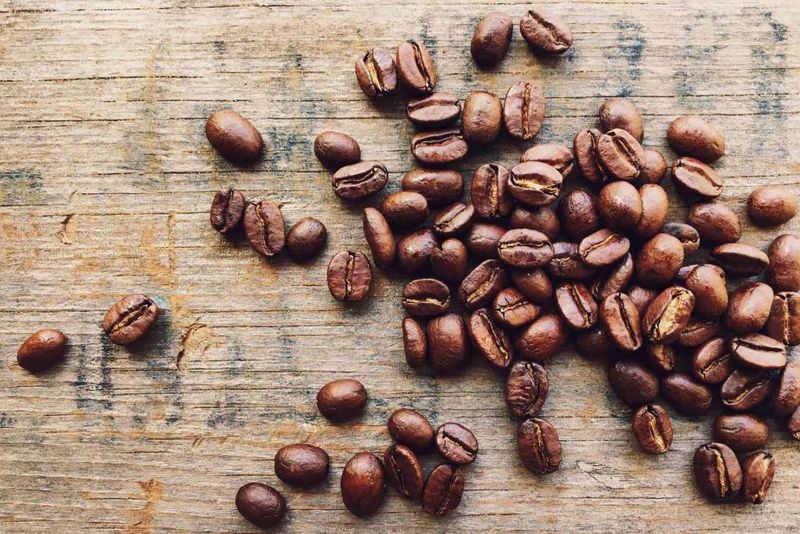
    Caffeine’s Potential Influence On Amyloid Build Up And Blood Vessel Health
    Image Credit: © Sunbasket

    Laboratory research offers possible explanations for how caffeine might support brain function. In animal studies, caffeine has been shown to slow the build-up of amyloid protein – one of the hallmarks of Alzheimer’s disease.

    Excess amyloid accumulation in the brain is strongly associated with cognitive decline.

    Caffeine has also been linked to improved insulin sensitivity. Better insulin regulation may help maintain healthy blood vessels, including those supplying the brain, which is important in reducing the risk of vascular dementia.

    Even so, experts stress that tea or coffee alone cannot replace the broader lifestyle habits known to support long-term cognitive health – such as balanced eating, regular physical activity and ongoing mental stimulation.


    More Food news & trends

    • 13 Missouri Diners Where The Regulars Never Need A Menu
    • The 12 Best Breakfast Spots In And Around Des Moines, Iowa, Ranked By Locals
    • 10 Pittsburgh, Pennsylvania Restaurants Where The Wait Is Always Worth It
    • 10 Kentucky Spots Serving The Hot Brown The Way It Was Meant To Be

    Primary Sidebar

    Keri Bevan

    Welcome, I'm Keri

    I'm the food photographer and recipe developer and writer behind Daily Dish.

    More About Me
    SUBSCRIBE

    Popular Posts

    • 12 Illinois Italian Beef Stands Locals Swear By
    • 13 Texas Steakhouses Where The Ribeye Is Bigger Than The Plate
    • 14 Secret California Dining Spots Most Visitors Never Find
    • 16 Classic Fillings For A Homemade Omelette

    Cozy Soups

    • Fava bean soup in a ceramic bowl.
      Fava Bean Soup
    • Vegan potato soup in a bowl with chives and croutons.
      Creamy Vegan Potato Soup
    • Bok choy soup with garlic and ginger.
      Bok Choy Soup With Garlic & Ginger
    • gluten free and dairy free tomato soup
      Creamy Gluten Free And Dairy Free Tomato Soup
    Company logs of people I have worked with.

    Footer

    ↑ back to top

    Recipes

    • Breakfast
    • Lunch
    • Dinner
    • Sauces and Dips
    • Gluten Free

    Newsletter

    • Sign Up! for emails and updates

    Contact

    • Contact
    • Privacy Policy
    • Daily Dish Web Stories

    As an Amazon Associate I earn from qualifying purchases.

    Copyright © 2024 Daily Dish