











Flour is one of those kitchen staples that often sits quietly in cupboards for months at a time. While it may appear unchanged, flour can gradually lose freshness, develop off flavours, or become unsuitable for baking if stored for too long or in the wrong conditions.
Using flour that is past its best can affect texture, flavour, and overall baking results. Understanding how to recognise early signs of deterioration helps prevent wasted ingredients and disappointing bakes.
Simple checks involving appearance, smell, and storage conditions can help determine whether flour is still suitable to use or should be replaced.
All information is provided for general interest only. Storage conditions, product quality, and shelf life may vary. Photos are for illustrative purposes only.
Visual Signs Your Flour May No Longer Be Fresh
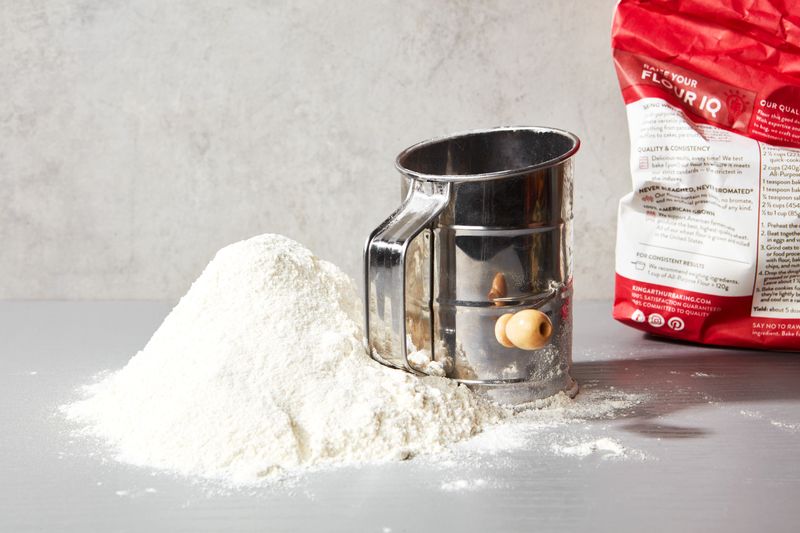
Fresh flour should look pretty much the same as the day you bought it. White flour stays bright and clean, whilst wholemeal has that warm, tan colour.
If you notice any yellowing, greyish patches, or odd spots appearing, something's gone wrong.
Clumps are another red flag. Flour ought to be loose and powdery, not stuck together in lumps.
Moisture can sneak in and cause clumping, which often leads to mould growth you might not spot straight away.
And if you see tiny bugs or webby bits? That's weevils or pantry moths setting up camp.
Whilst they're not dangerous to eat, they're absolutely grim and mean your flour's compromised. Chuck it out and give your cupboard a proper clean before restocking.
How Smell And Texture Reveal Flour Quality
Give your flour a good sniff before using it. Quality flour smells neutral or faintly nutty, never unpleasant.
A sour, musty, or downright rancid whiff means the oils inside have oxidised and turned, especially common with wholegrain varieties that contain more natural fats.
Texture tells its own story too. Run some flour between your fingers.
It should feel soft, fine, and completely dry. If it's sticky, damp, or weirdly dense, moisture has got in and spoilage is likely underway.
Trust your instincts here. Your nose and fingers are brilliant detection tools.
Even if the flour looks alright, these sensory checks can catch problems early. Bad flour won't just taste off, it can actually make you feel unwell, so it's worth the few seconds to check properly before baking.
Understanding Shelf Life For Different Types Of Flour
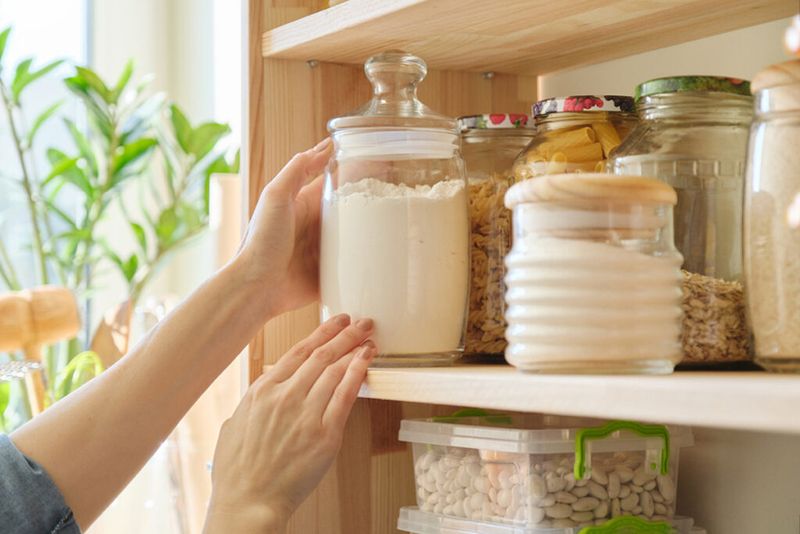
Not all flour ages the same way. Plain white flour can hang about for ages, typically staying fresh for six to twelve months in your cupboard.
Its lower oil content means it's pretty stable and forgiving with storage.
Wholemeal and specialty flours are different beasts entirely. Because they contain the whole grain, including the oily germ, they go off much faster.
Expect three to six months at room temperature, tops. Almond flour, coconut flour, and other alternative varieties also have shorter lifespans.
Always check the best before date as your starting point. But remember, that's just a guideline.
How you store it matters more. Keeping flour cool, dry, and sealed properly can extend its life significantly.
Some people freeze wholemeal flour to make it last longer, which genuinely works a treat.
Storage Mistakes That Cause Flour To Spoil Faster
Leaving flour in its original paper bag after opening is asking for trouble. Those bags aren't airtight, so moisture, air, and pests can waltz right in.
Transfer it to a proper sealed container instead, preferably something see-through so you can spot any problems quickly.
Location matters enormously. Storing flour near your oven, kettle, or anywhere warm speeds up deterioration.
Heat and humidity are flour's worst enemies. A cool, dark cupboard away from appliances is ideal, or even better, pop it in the fridge or freezer for long-term keeping.
Don't forget about cross-contamination either. If you've had a weevil problem before, thoroughly clean your storage area first.
Those little blighters can hide in cracks and re-infest new flour. A clean, cool, sealed environment keeps your flour fresher for much longer and saves you money in wasted ingredients.