











Prebiotics are types of dietary fibre that support the activity of beneficial gut bacteria and contribute to normal digestive function. While supplements are widely available, many everyday foods naturally contain meaningful amounts of these fibres and can form part of a balanced eating pattern.
Understanding which ingredients provide higher prebiotic content helps place food choices alongside supplements rather than viewing them as separate options.
This content is for general information only. Individual nutritional needs, taste preferences, appearance, and product availability may vary.
For personalised dietary advice or health-related concerns, consult a qualified healthcare or nutrition professional. Images are for illustrative purposes only.
1. Chicory Root
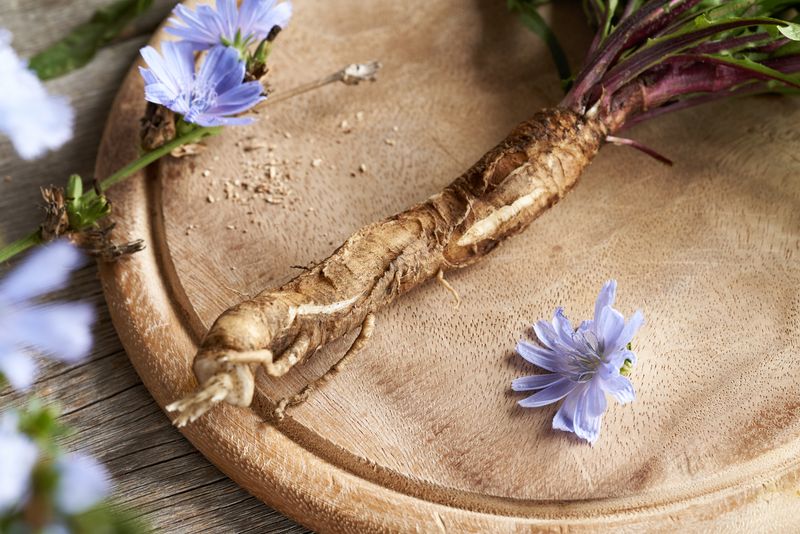
Often roasted and brewed as a caffeine-free coffee substitute, chicory root is an absolute powerhouse when it comes to inulin content. Nearly half of its fibre is this prebiotic superstar, making it one of the richest natural sources you can find.
Its slightly bitter, earthy flavour adds depth to dishes, and you can toss it into salads or blend it into smoothies. Because it's so concentrated, even a small amount goes a long way in supporting your gut bacteria.
Plus, it's been used for centuries in traditional remedies, so you're tapping into some proper old-school wisdom.
2. Jerusalem Artichoke (Sunchoke)
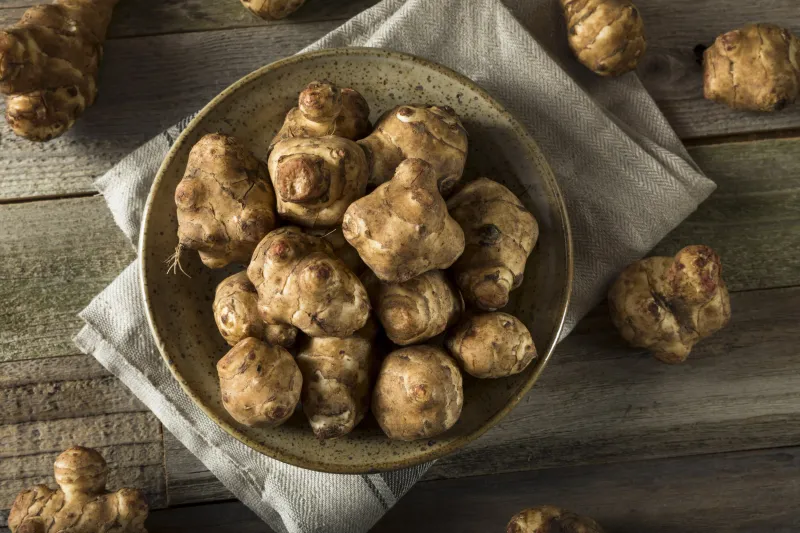
Don't let the name fool you: these knobby tubers have nothing to do with Jerusalem or traditional artichokes. They're actually sunflower relatives packed with inulin, offering a sweet, nutty flavour that's brilliant roasted or mashed.
Sunchokes contain more prebiotic fibre per serving than many supplements, and they also bring vitamins, minerals, and antioxidants to the table. Their crunchy texture works wonders in slaws and stir-fries.
Just a heads-up: start slow, because their high fibre content can cause a bit of wind if you're not used to them.
3. Garlic
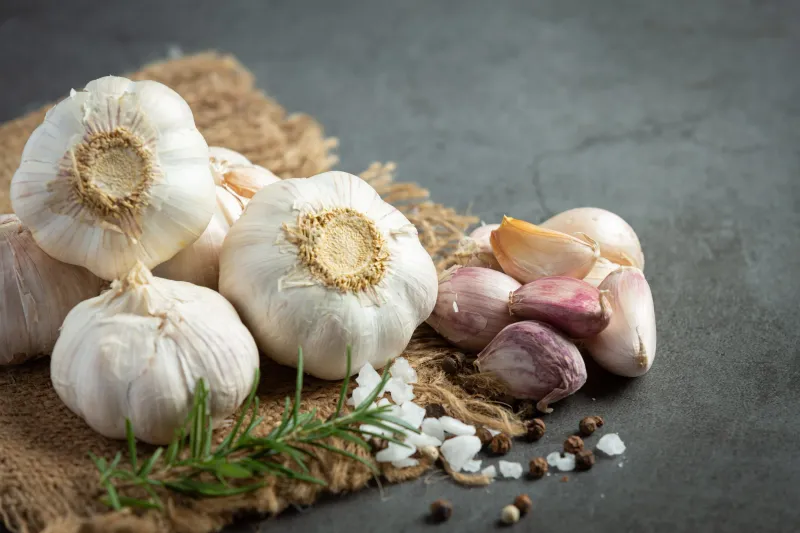
Raw garlic might make your breath a bit dodgy, but it's a champion for your gut. Each clove is loaded with inulin and fructooligosaccharides, two types of prebiotic fibre that your beneficial bacteria absolutely love.
Cooking garlic mellows its pungency, but eating it raw delivers the most prebiotic bang for your buck. Toss minced garlic into dressings, marinades, or homemade hummus for a flavour boost and a gut health win.
It's also been celebrated for centuries in folk medicine, so you're in good company when you reach for that bulb.
4. Onions
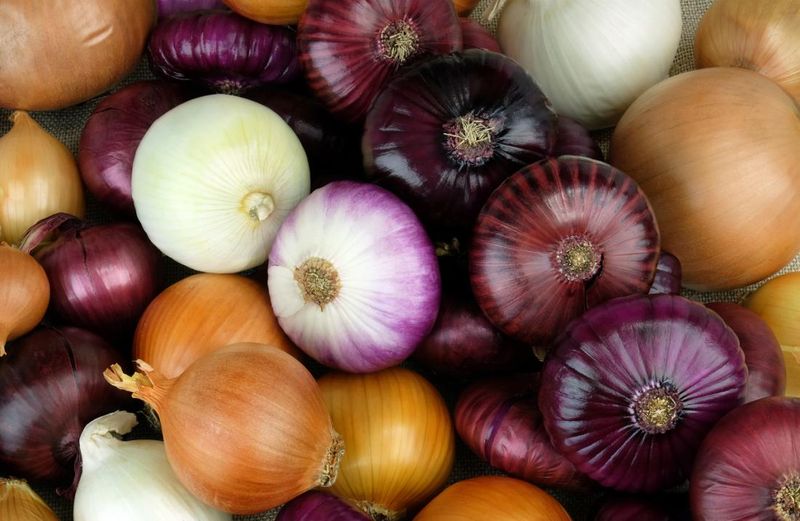
Whether you're caramelising them for a topping or slicing them raw into a salad, onions are prebiotic all-stars. They're rich in inulin and fructooligosaccharides, and they also pack quercetin and anthocyanins, antioxidants that fight inflammation.
Red, white, yellow: all varieties deliver gut-friendly fibre, though red onions tend to have the highest antioxidant levels. Their versatility means you can sneak them into almost any meal without much fuss.
Plus, they're dirt cheap and available year-round, making them one of the easiest prebiotic foods to keep on hand.
5. Leeks
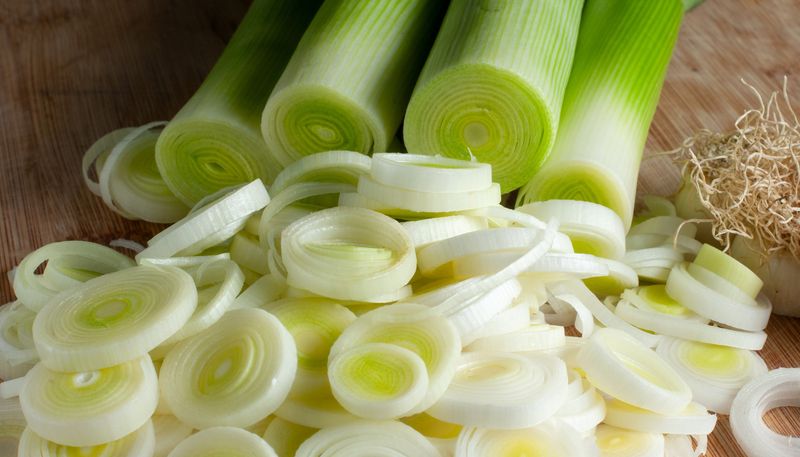
Leeks are like onions' more sophisticated cousin, with a milder, sweeter flavour and a hefty dose of inulin. They're brilliant in soups, quiches, or simply sautéed with a bit of butter and herbs.
Beyond prebiotics, leeks offer vitamins K, A, C, and B6, making them a nutritional multitasker. Their tender texture and subtle taste mean even picky eaters might give them a chance.
Just remember to rinse them well: dirt loves to hide between those layers. Once you've cleaned them up, they're ready to work their gut-friendly magic in your kitchen.
6. Asparagus
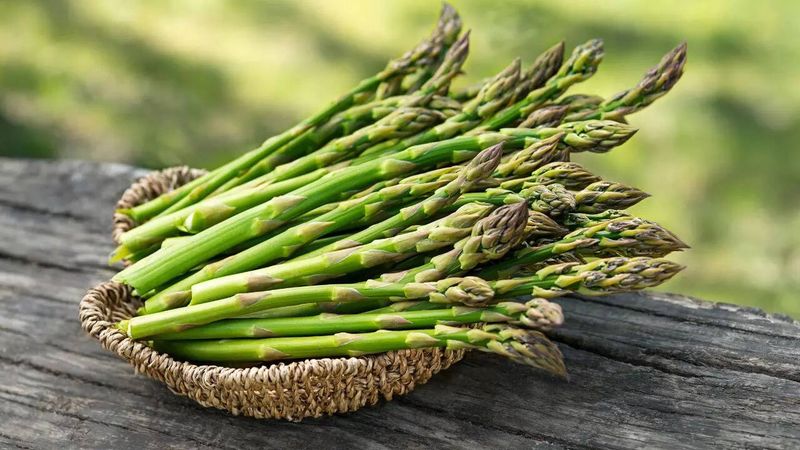
Springtime favourite asparagus isn't just elegant on the plate; it's also loaded with inulin and other gut-friendly fibres. Roast it, grill it, or steam it lightly, and you've got a side dish that's as good for your microbiome as it is delicious.
Asparagus spears are also rich in folate and vitamins A, C, and K, so you're getting a proper nutritional package. Their slightly grassy, earthy taste pairs beautifully with lemon, garlic, or parmesan.
And yes, it might make your wee smell funny, but that's a small price to pay for happy gut bacteria.
7. Green (Unripe) Bananas
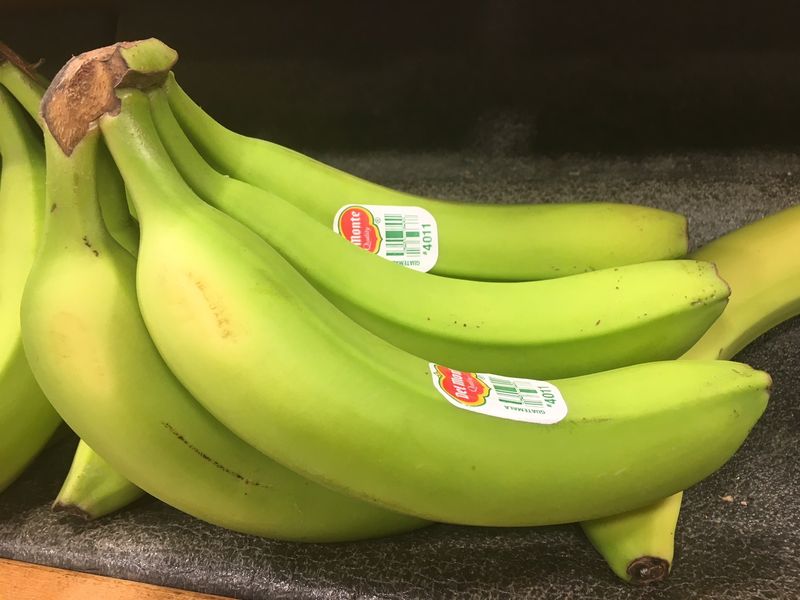
Most of us wait for bananas to turn yellow and spotty, but unripe green bananas are prebiotic gold. They're packed with resistant starch, a type of fibre that resists digestion and feeds your beneficial gut bacteria instead.
As bananas ripen, that resistant starch converts to sugar, so the greener, the better for prebiotic benefits. You can slice them into smoothies, cook them like plantains, or even dry and grind them into flour.
They're a bit firmer and less sweet than ripe bananas, but your gut will thank you for the extra fibre boost.
8. Oats
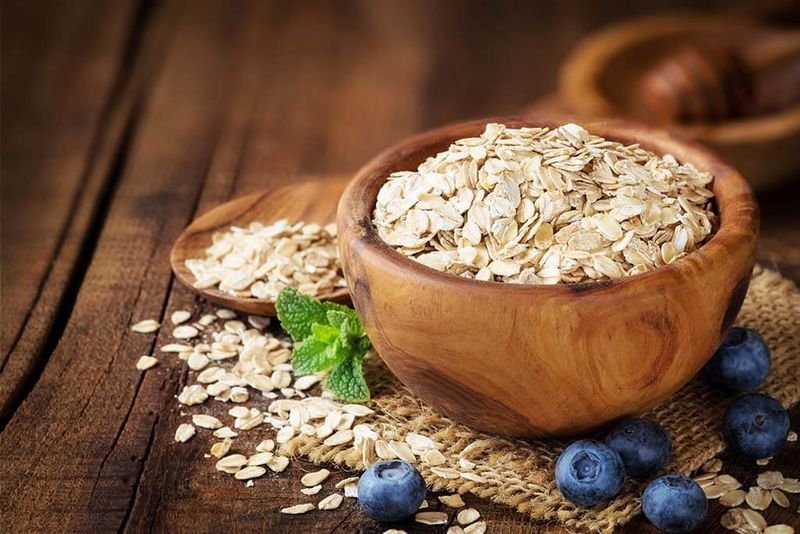
Your morning porridge is doing more than filling you up: oats are loaded with beta-glucan, a soluble fibre with powerful prebiotic effects. This fibre forms a gel in your gut, slowing digestion and feeding friendly bacteria along the way.
Oats also contain resistant starch, especially when cooked and cooled, giving your microbiome an extra boost. They're incredibly versatile, too: overnight oats, flapjacks, granola, or savoury porridge all work.
Plus, they're budget-friendly and shelf-stable, making them a no-brainer for anyone looking to support gut health without breaking the bank.
9. Barley
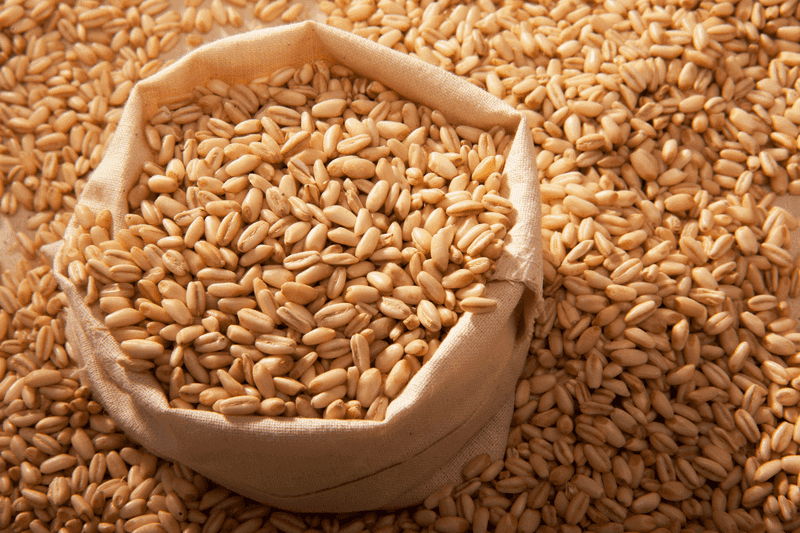
Barley might not get the spotlight like quinoa or rice, but it's a prebiotic heavyweight thanks to its high beta-glucan content. This ancient grain has a chewy texture and a nutty flavour that works brilliantly in soups, stews, and salads.
It's also rich in resistant starch, especially when cooked and cooled, doubling down on gut health benefits. Pearl barley is quicker to cook, while hulled barley retains more fibre and nutrients.
Swap it in for rice or pasta every now and then, and you'll give your gut bacteria a proper feast without even trying.