








Daily food routines often shape the body in quiet ways that are easy to miss until habits start stacking up. A rushed breakfast here, a sugary pick-me-up there, and suddenly small choices feel bigger than expected.
Noticing these patterns can make everyday eating feel more intentional and easier to adjust without turning life upside down. Stick around for a closer look at the habits that can gently influence how the body stores energy over time.
All information is provided for general interest only and should not be treated as medical or nutritional advice. Individual health needs vary, and any ongoing concerns should be discussed with a qualified healthcare professional.
1. Regularly Skipping Breakfast

Starting your day without breakfast might seem like an easy way to cut calories, but it often backfires spectacularly. Your metabolism slows down when you skip this crucial meal, making your body more likely to store fat later.
Plus, you'll probably feel ravenous by lunchtime and end up overeating or reaching for unhealthy snacks. Research shows that breakfast eaters tend to have lower body weight and less visceral fat than those who skip it regularly.
2. Frequent Consumption Of Sugary Drinks
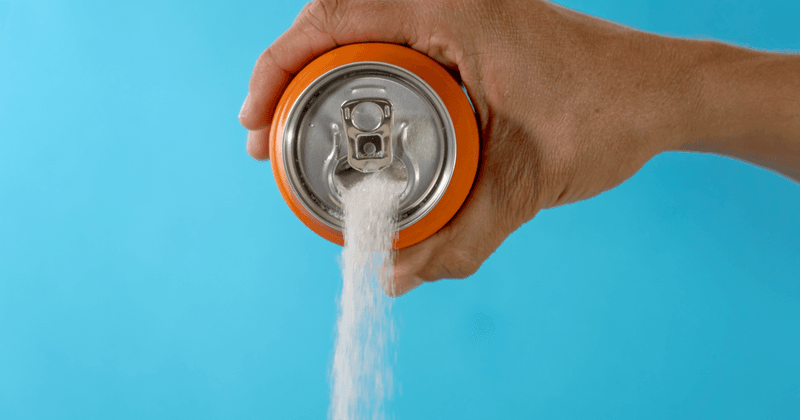
Sugary drinks deliver a lot of energy very quickly without creating much fullness. Because they’re easy to drink fast, it’s simple to consume more than intended without noticing.
Over time, regular intake of sweetened drinks can contribute to excess calorie intake alongside normal meals. Choosing water, sparkling water, or unsweetened teas more often can gently shift daily habits in a positive direction.
Small swaps like this tend to feel manageable rather than restrictive.
3. Highly Processed Food Intake
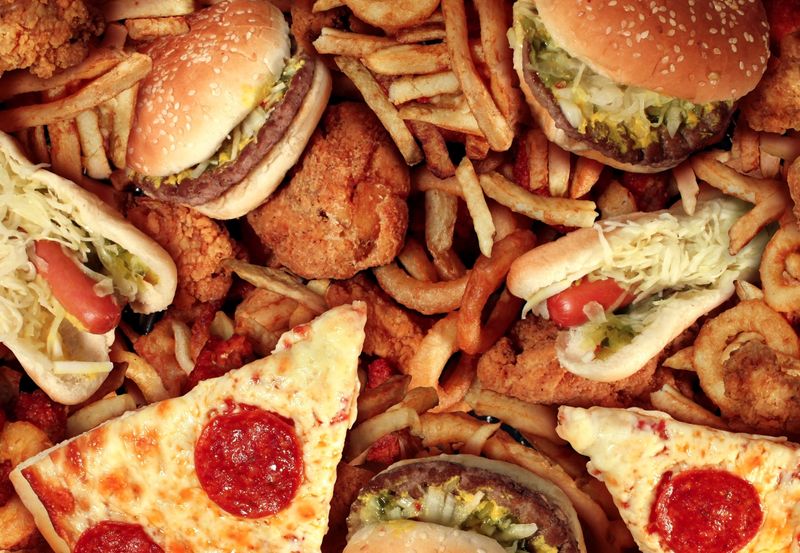
Packaged snacks, ready meals, and fast food are engineered to be irresistible, but they're loaded with refined carbohydrates, unhealthy fats, and hidden sugars that promote fat storage. These foods cause rapid blood sugar spikes followed by crashes that leave you craving more.
Your body struggles to recognise when it's had enough processed food, leading to overeating. Choosing whole foods like vegetables, fruits, and lean proteins helps regulate appetite and reduces visceral fat accumulation naturally.
4. Eating Large Portions Late In The Evening

Eating heavy meals close to bedtime can make it harder for the body to regulate appetite and energy use. Late eating is often linked with higher overall calorie intake because tiredness can dull hunger signals and decision-making.
Digestion also slows naturally at night, which may affect how efficiently food is processed. Regular late-night eating has been associated with increased abdominal fat in several population studies.
Keeping evening meals lighter and earlier can support more balanced daily intake without feeling restrictive.
5. Snacking Frequently Without Hunger

Grabbing snacks out of habit, boredom, or convenience can quietly add a surprising number of extra calories to the day. Because these snacks are often eaten quickly and without much awareness, fullness cues can easily be missed.
Repeated small intakes throughout the day can raise overall energy intake even when meals feel reasonable. Research shows that mindful eating patterns tend to support healthier body composition over time.
Pausing to check whether hunger is genuine helps bring more intention back into everyday eating.
6. Relying Heavily On Refined Carbohydrates

White bread, pastries, and many packaged cereals digest quickly and can cause rapid rises in blood sugar. These sharp changes may increase hunger soon after eating, encouraging larger portions or extra snacks later on.
Diets high in refined carbohydrates have been associated with higher levels of abdominal fat in long-term studies. Whole grains tend to digest more slowly and support steadier energy levels throughout the day.
Swapping even a few refined choices for wholegrain options can gently improve overall balance.
7. Eating While Distracted

Meals eaten in front of screens or while rushing tend to disappear faster than the body can register fullness. Distraction makes it harder to notice portion size, taste, and satisfaction cues.
Studies suggest that distracted eating often leads to higher calorie intake compared with mindful meals. Over time, this pattern can quietly contribute to gradual weight gain around the midsection.
Slowing down and paying attention to meals helps the body naturally regulate appetite more effectively.