





Step through the doors at Quo Vadis and Soho seems to soften its pace. The dining rooms carry an easy confidence, where familiar rituals, polished service, and quietly assured cooking invite you to slow down and settle in.
Light filters across white tablecloths, conversation hums without hurry, and the menu leans into Modern British dishes that value clarity over fuss. Nearly a century on, this remains a place where regulars return out of habit and affection, while first-timers quickly sense they have stepped into something enduring rather than fashionable.
All information is provided for general interest only. Dining experiences, menus, pricing, and availability may change over time.
Taste and presentation may vary. Photos are for illustrative purposes only.
How The Room Shapes The Way People Linger And Return
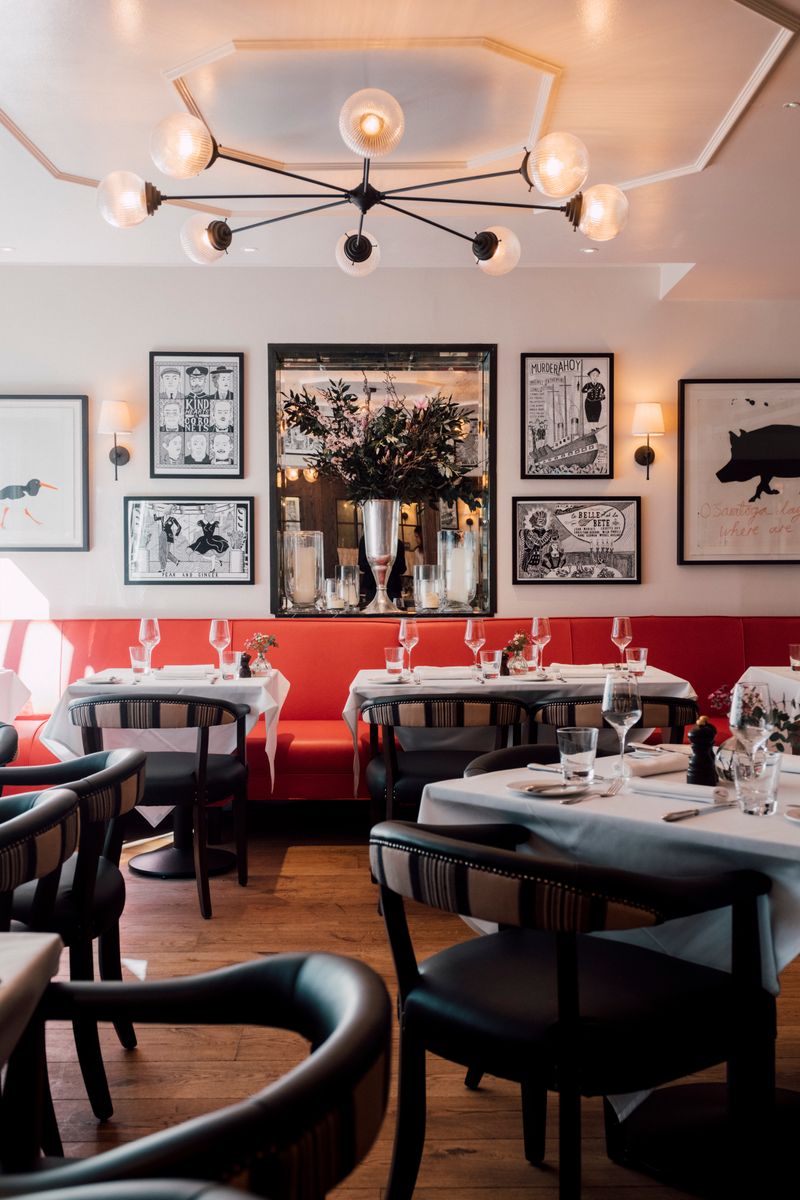
The room often makes its impression before the food arrives. High ceilings and softened light create a sense of calm, allowing conversations to feel private even when the tables begin to fill.
Spacing is generous, so you can linger without feeling crowded, and the gentle division between the two dining rooms adds a quiet sense of movement rather than bustle.
Stained glass details and classic fittings root the space firmly in Soho’s past, yet nothing feels dusty or staged. It is familiar without becoming predictable, which makes returning feel natural rather than habitual. The atmosphere encourages unhurried meals and easy repeat visits, the kind that slowly become part of someone’s routine.
What Nearly A Hundred Years Of Service Has Taught The Kitchen
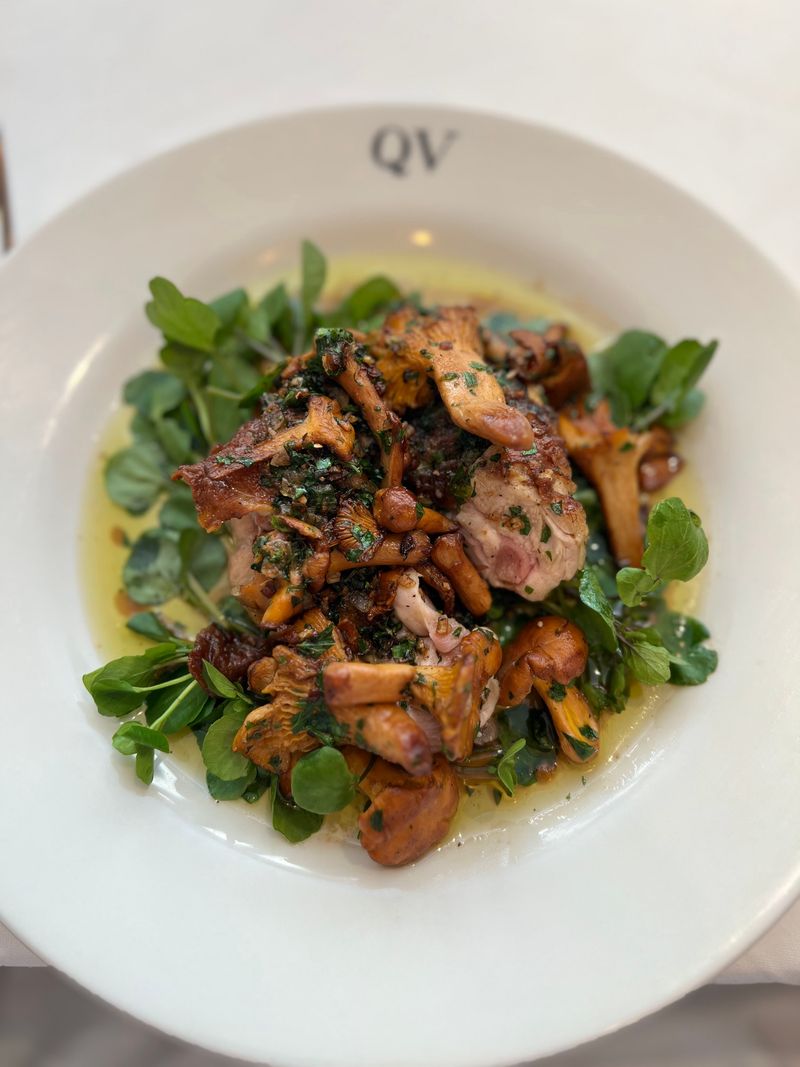
Time has given the kitchen a steady hand and a clear sense of judgement. Dishes rarely chase novelty for its own sake, instead leaning on seasonal British produce and careful technique. Slow-cooked pies, gently smoked eel, and restrained sauces show confidence without unnecessary showmanship.
Experience brings clarity about when to simplify and when to lean into flavour. Balance matters more than drama, and consistency matters more than reinvention. That maturity is what turns solid cooking into something quietly dependable, while still leaving room for small moments of surprise.
How The Menu Balances Comfort, Craft, And Seasonal Rhythm
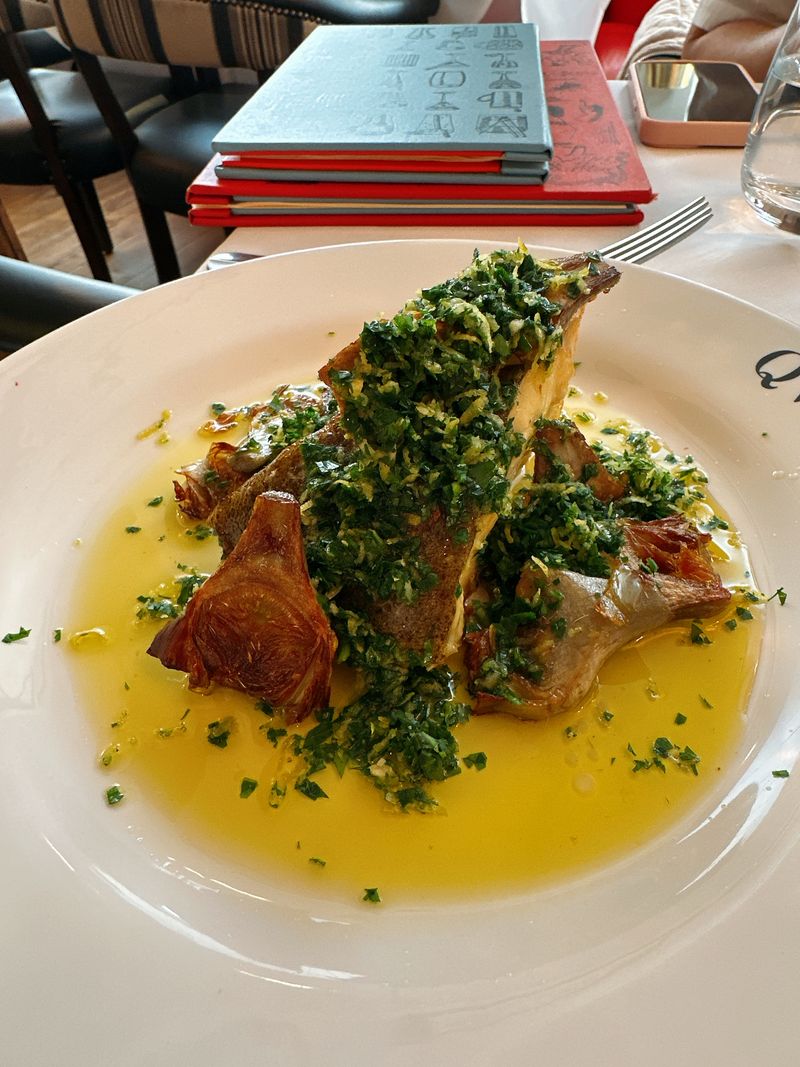
The menu feels like a thoughtful edit of British classics shaped by modern sensibility. Comforting anchors such as the pie of the day sit alongside lighter plates that reflect what is fresh and available. Smaller dishes add flexibility, allowing diners to shape a meal around mood rather than obligation.
Seasonal changes keep the menu feeling alive rather than fixed. Familiar favourites remain reassuringly present, while subtle shifts introduce new flavours throughout the year. That balance allows guests to return often without the experience feeling repetitive.
Why Familiar Rituals Still Matter In Modern London Dining
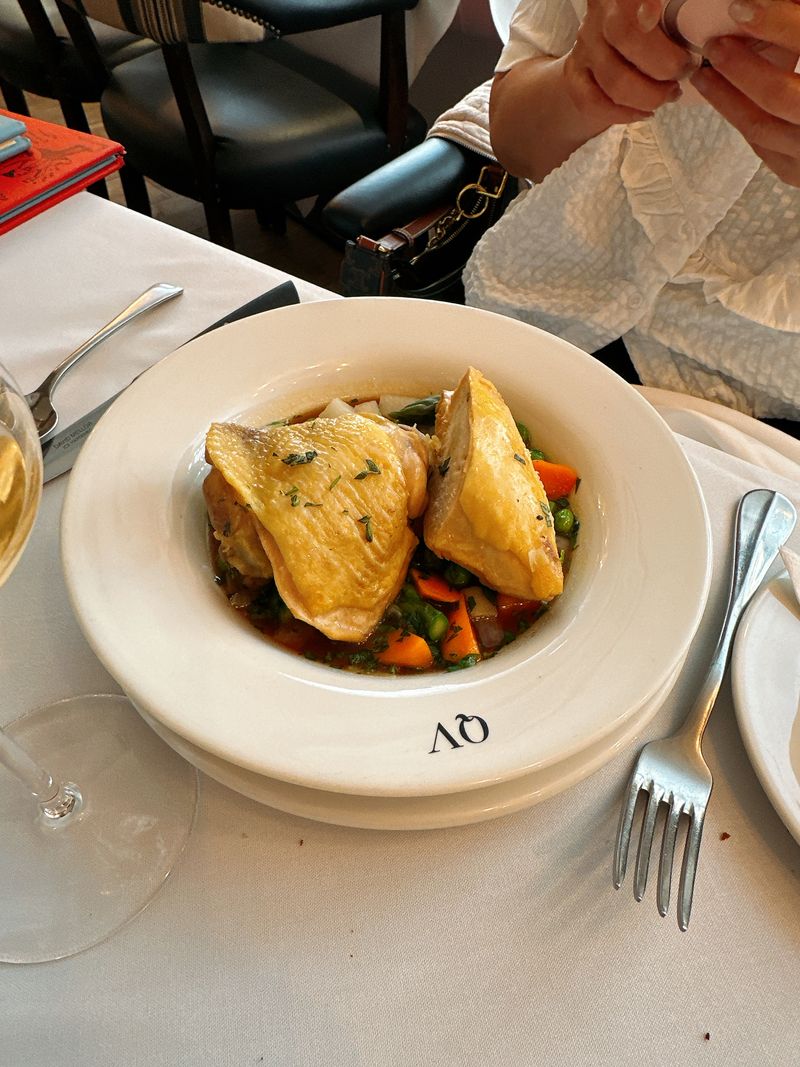
There is comfort in predictable rhythms that are handled well. Menus arrive with care, plates land at an easy pace, and staff quietly understand the flow of a table. These small consistencies give a meal shape and reassurance, especially in a city that rarely slows down.
Details matter. The way a sandwich is presented, how a pie arrives at just the right temperature, and how service stays attentive without intrusion all contribute to a sense of ease. Rituals like these turn dining into something that feels deliberate rather than rushed.
The Quiet Confidence That Comes From Doing Things Well
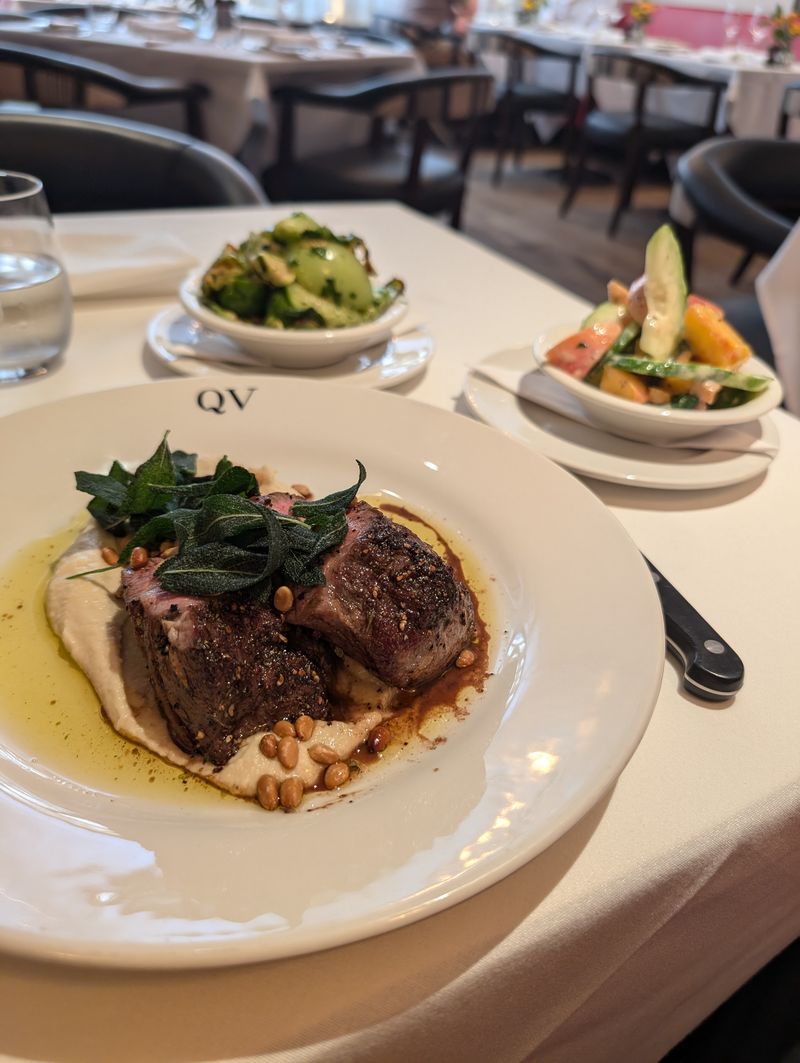
Nothing here shouts for attention. The restaurant relies on steady execution, clear flavours, and calm service to create its reputation. Guests quickly sense the assurance that comes from repetition done properly rather than spectacle.
That confidence shows in the consistency of the food. Pastry holds its structure, meats arrive tender and well seasoned, and portions feel considered. It is the kind of reliability that builds trust and encourages people to book again without hesitation.
How Tradition And Contemporary Tastes Share The Same Table
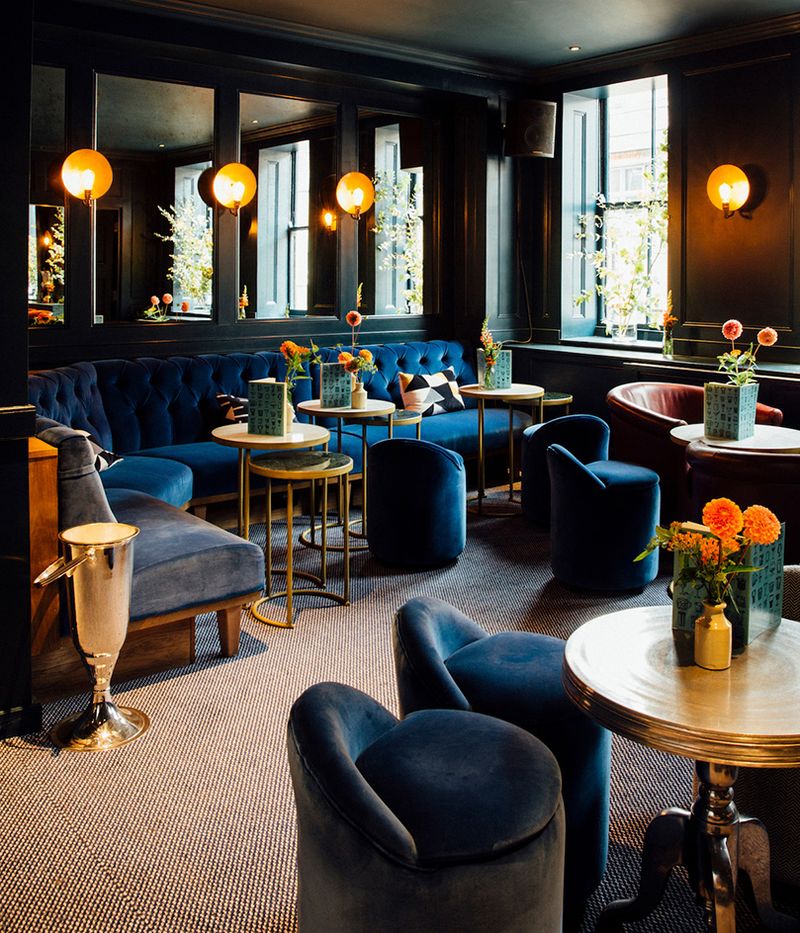
Traditional dishes sit comfortably alongside lighter, modern plates without either feeling forced. The kitchen treats heritage as a foundation rather than a constraint, allowing familiar flavours to evolve gently with seasonal produce and updated technique.
This approach keeps the menu welcoming for first-time visitors while remaining interesting for regulars. It allows classic British cooking to feel current without losing its identity, creating a sense of continuity rather than contrast.
What Regulars Notice That First-Time Visitors Often Miss
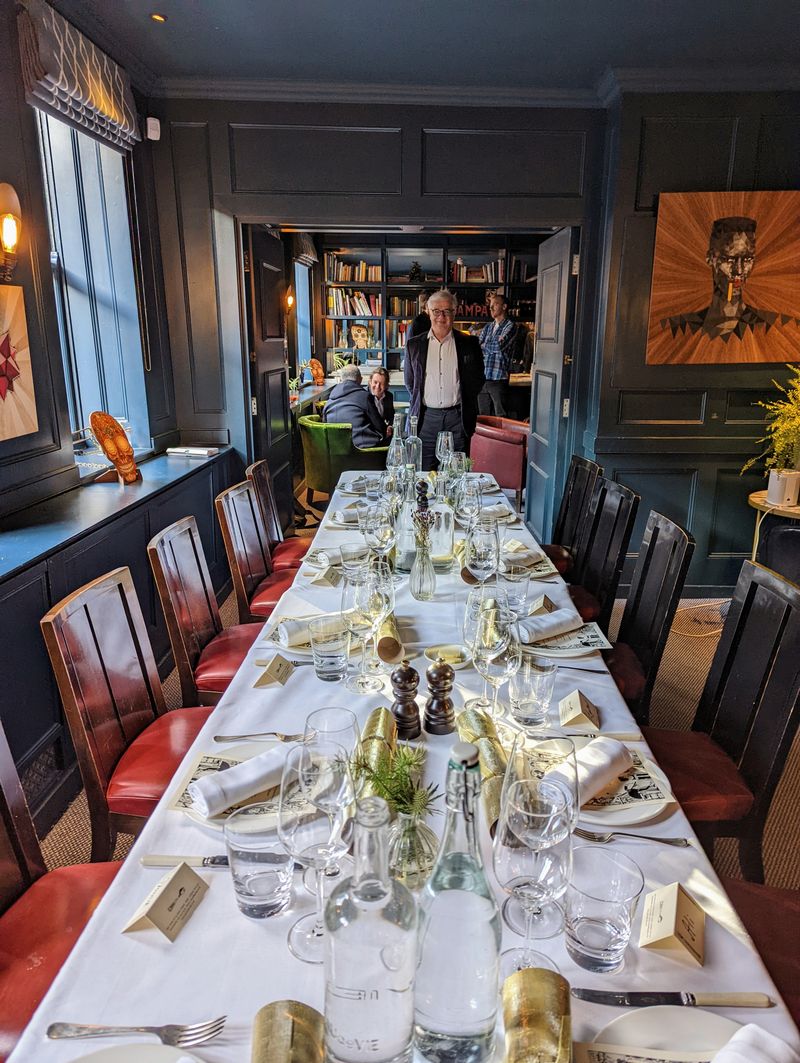
Regulars begin to recognise the quiet patterns that shape each visit. Certain tables suit quieter conversations, familiar faces remember preferences, and timing becomes part of the rhythm. These details build a sense of belonging without ever feeling exclusive.
First-time guests may focus on standout dishes or the room’s atmosphere, while regulars notice the subtler refinements, small adjustments to portions, seasonal tweaks, and thoughtful pacing. Those nuances turn a good meal into a reliable habit that people look forward to repeating.