








Oatmeal has long been a quiet fixture on British breakfast tables – simple, affordable and endlessly adaptable. Behind that familiar bowl of porridge sits a surprising amount of nutritional value, from steady energy release to fibre that supports heart and digestive health.
Nutritionists often point out that small choices around portion size, toppings and preparation can significantly shape how beneficial oatmeal really is. Understanding what goes into your bowl helps turn a routine breakfast into a smarter everyday habit.
This article is provided for general information only and does not replace professional dietary or medical advice. Individual nutritional needs vary, and readers should consult a qualified healthcare or nutrition professional for personalised guidance.
Product availability and nutritional values may vary by brand and preparation method. Photos are for illustrative purposes only.
1. Why Oats Support Steady Energy Levels

Oats release energy gradually rather than giving you that quick spike and crash you might get from sugary cereals. This slow burn comes from complex carbohydrates that take time to break down in your digestive system.
Beta-glucan, the soluble fibre in oats, slows digestion and keeps blood sugar levels stable throughout the morning. You'll feel energised for longer without needing a mid-morning snack attack.
That steady fuel makes oats brilliant for busy days, whether you're heading to work or tackling a workout.
2. How Fibre In Oatmeal Affects Digestion And Fullness
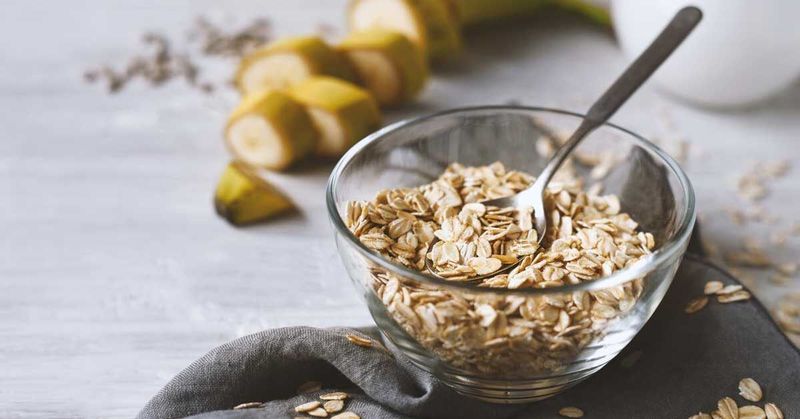
Feeling peckish an hour after breakfast is frustrating, but oats tackle that problem head-on. The fibre content, especially beta-glucan, absorbs water and swells in your stomach, creating a satisfying sense of fullness.
This same fibre acts as a prebiotic, feeding the good bacteria in your gut and keeping your digestive system running smoothly. Regular bowel movements become easier, and bloating often reduces.
Satiety from oats can help manage your appetite throughout the day, making mindless snacking less tempting.
3. The Difference Between Porridge Oats, Jumbo Oats, And Instant Oats
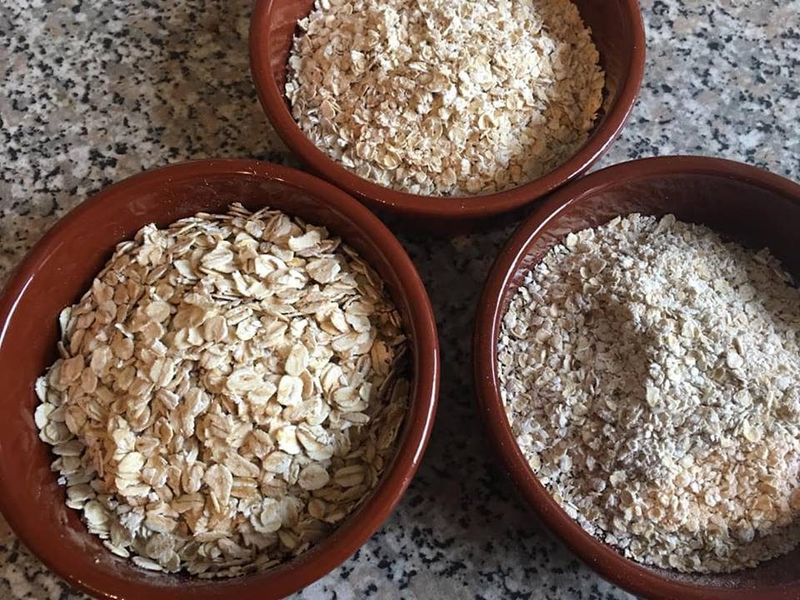
Not all oats are processed the same way, and that affects both texture and nutrition. Jumbo oats are minimally processed, keeping more of their natural structure and requiring longer cooking times for a hearty, chewy bite.
Porridge oats are rolled thinner, cooking faster whilst still retaining decent fibre and nutrients. Instant oats, however, are pre-cooked and often come with added sugar and flavourings, losing some nutritional value in the process.
Choosing less processed varieties gives you more fibre, a lower glycemic index, and better overall nutrition.
4. What Makes Oats Helpful For Heart Health
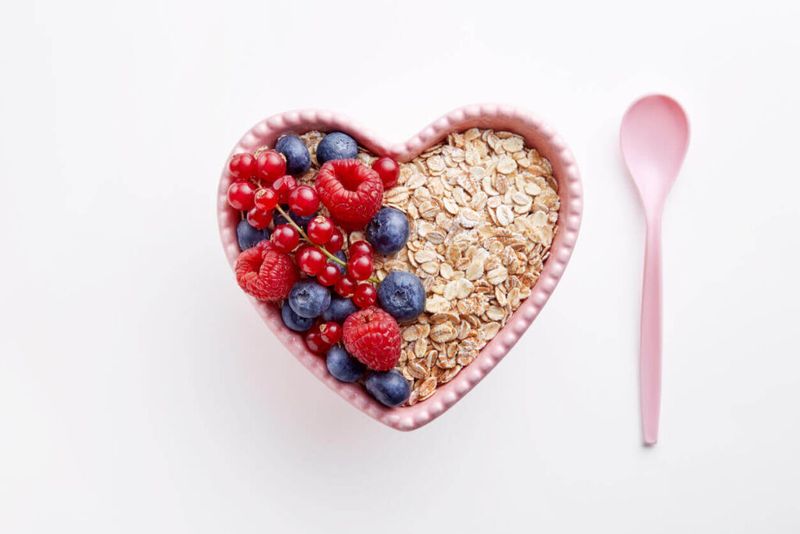
Your heart loves oats almost as much as you do. Beta-glucan has been shown to reduce LDL cholesterol, the type that clogs arteries and raises heart disease risk.
Oats also contain avenanthramides, unique antioxidants with anti-inflammatory properties that help lower blood pressure and improve blood vessel function. Regular consumption can genuinely support cardiovascular health over time.
Adding oats to your routine is a simple, tasty way to look after your ticker without needing a complete diet overhaul.
5. How To Build A More Balanced Bowl Of Oatmeal
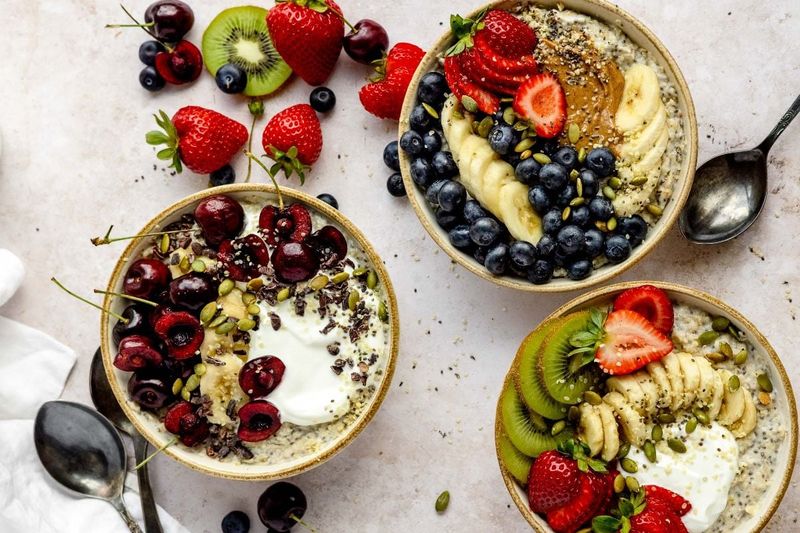
Plain oats are nutritious, but they're mostly carbohydrates. To make your bowl more balanced, add protein from Greek yoghurt, nuts, or seeds, which helps with muscle repair and satiety.
Healthy fats from almond butter or flaxseeds slow digestion further and support nutrient absorption. Toss in some fresh fruit for vitamins, antioxidants, and natural sweetness.
Combining macronutrients transforms your oatmeal from a simple breakfast into a powerhouse meal that keeps you satisfied and nourished for hours.
6. When Oatmeal May Not Suit Everyone
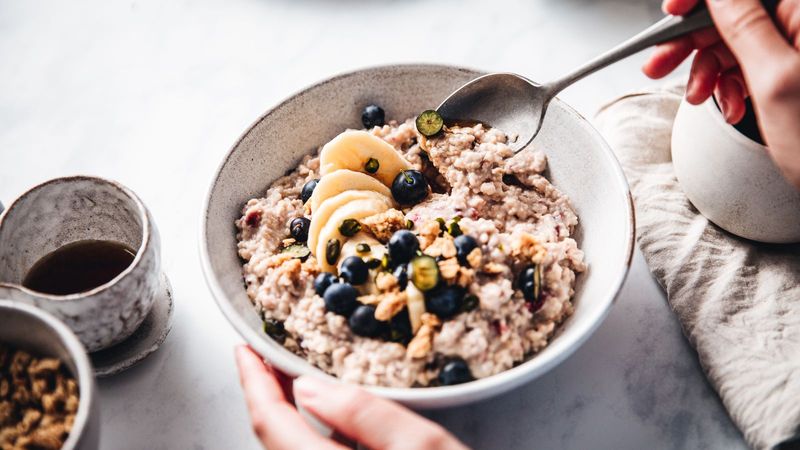
Whilst oats are generally brilliant, they don't work for everyone. Some people with irritable bowel syndrome find the high fibre content triggers bloating or discomfort, especially when introducing oats too quickly.
Oats are naturally gluten-free, but cross-contamination during processing can be an issue for those with coeliac disease. Always choose certified gluten-free oats if you're sensitive.
Listening to your body is key; if oats don't agree with you, there are plenty of other wholesome breakfast options to explore.
7. How Portion Size Changes The Benefits
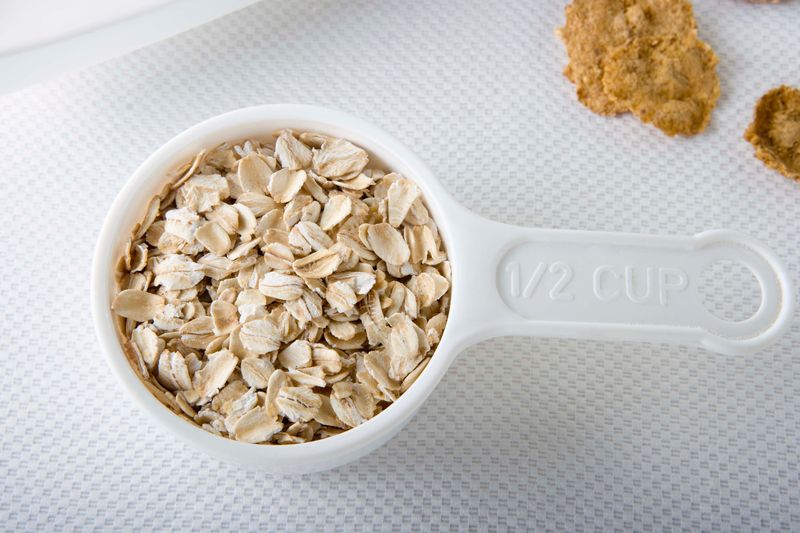
More isn't always better, even with something as healthy as oats. A typical serving is around 40 to 50 grams of dry oats, which provides ample fibre and energy without overloading on calories.
Eating oversized portions can lead to excessive calorie intake, especially when you pile on toppings like honey, dried fruit, and nut butters. Balance matters.
Measuring your oats helps you enjoy the benefits without accidentally turning a healthy breakfast into a calorie bomb that leaves you sluggish rather than energised.
8. Why Added Sugar Can Undermine A Healthy Bowl
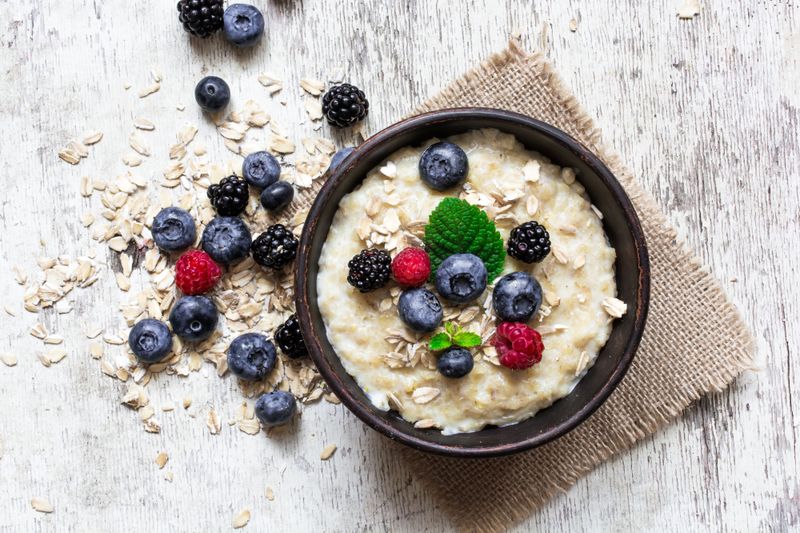
Flavoured instant oatmeal packets might seem convenient, but they're often packed with added sugar that cancels out many health benefits. Some varieties contain as much sugar as a biscuit.
Excess sugar spikes your blood glucose, leading to energy crashes and increased cravings later in the day. It also adds empty calories without any nutritional value.
Preparing plain oats and sweetening them naturally with mashed banana, berries, or a drizzle of maple syrup gives you control over sugar content and keeps things healthier.
9. How Protein Pairings Improve Satiety
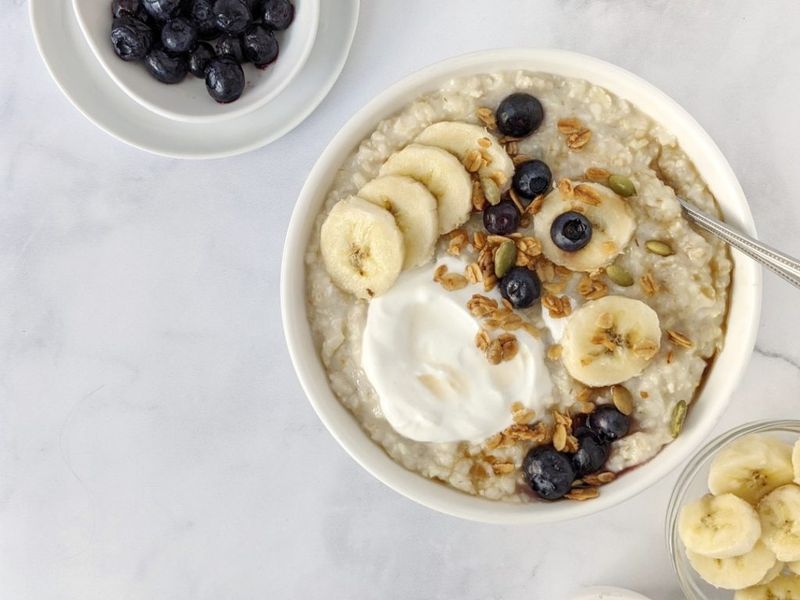
Oats alone don't contain much protein, which means you might feel hungry sooner than you'd like. Adding protein-rich foods transforms your bowl into a more satisfying meal.
Greek yoghurt, a scoop of protein powder, or a handful of chopped nuts can easily boost protein content. Even a dollop of nut butter works wonders.
Protein slows digestion, stabilises blood sugar, and helps repair muscles after exercise, making your breakfast work harder for you and keeping hunger at bay until lunchtime.
10. Simple Ways To Make Oatmeal More Nutrient-Dense
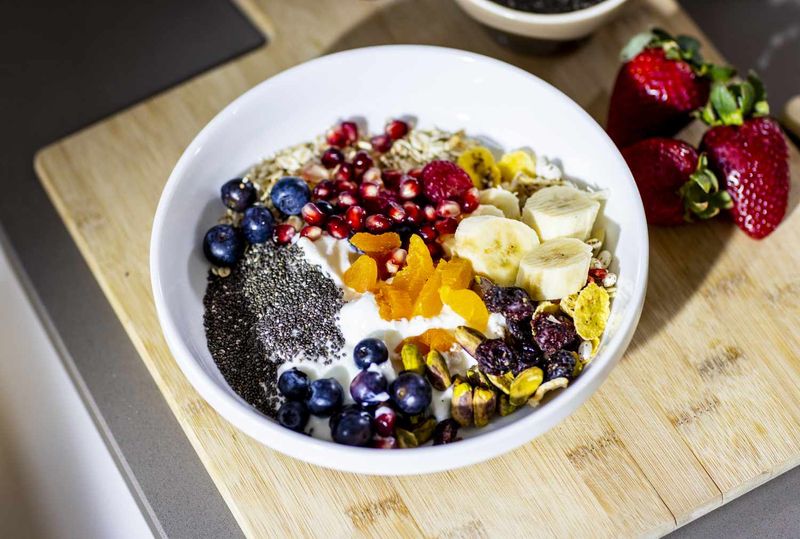
Boosting the nutritional punch of your oatmeal is easier than you think. Stir in a tablespoon of ground flaxseeds or chia seeds for omega-3 fatty acids and extra fibre.
Add a handful of spinach or grated courgette whilst cooking for hidden veggies that blend seamlessly. Top with cinnamon for blood sugar regulation and antioxidants, or sprinkle on cacao nibs for magnesium.
Small tweaks like these turn a simple bowl into a nutrient powerhouse without compromising on taste or adding much prep time.