













Pasta is so much more than just noodles and sauce. Across Italy and beyond, every region has its own special way of making pasta, using local ingredients, traditions, and flavors passed down through generations.
From the mountains of northern Italy to the sunny coasts of the south, each dish tells a story about the people who created it. Get ready to explore 24 incredible regional pasta dishes that are full of local personality and taste.
1. Cacio e Pepe from Rome
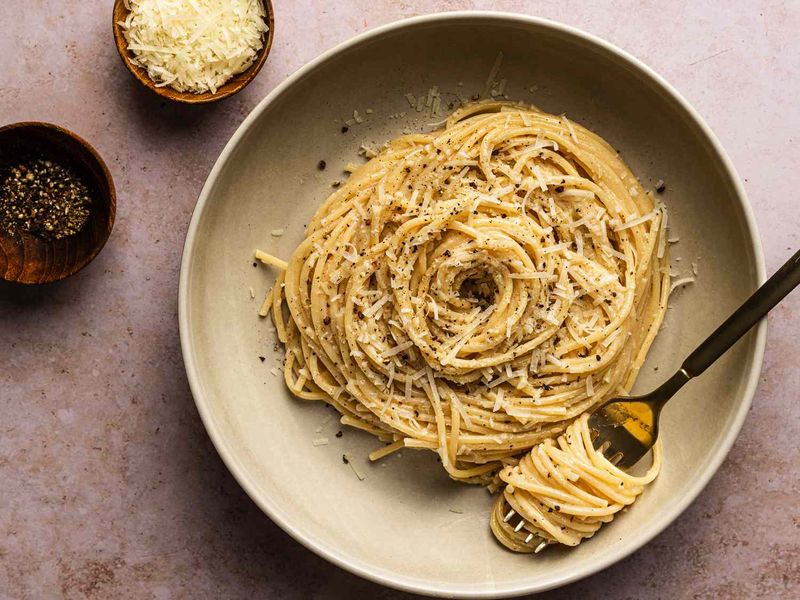
Romans have a saying: the best food needs the fewest ingredients. Cacio e Pepe proves it perfectly.
Just pasta, aged pecorino Romano cheese, and cracked black pepper come together in a dish that has been feeding hungry Romans for centuries.
The trick is in the technique. The cheese must melt into a silky, creamy sauce without clumping.
It sounds simple, but getting it right takes real practice and patience.
2. Orecchiette with Broccoli Rabe from Puglia
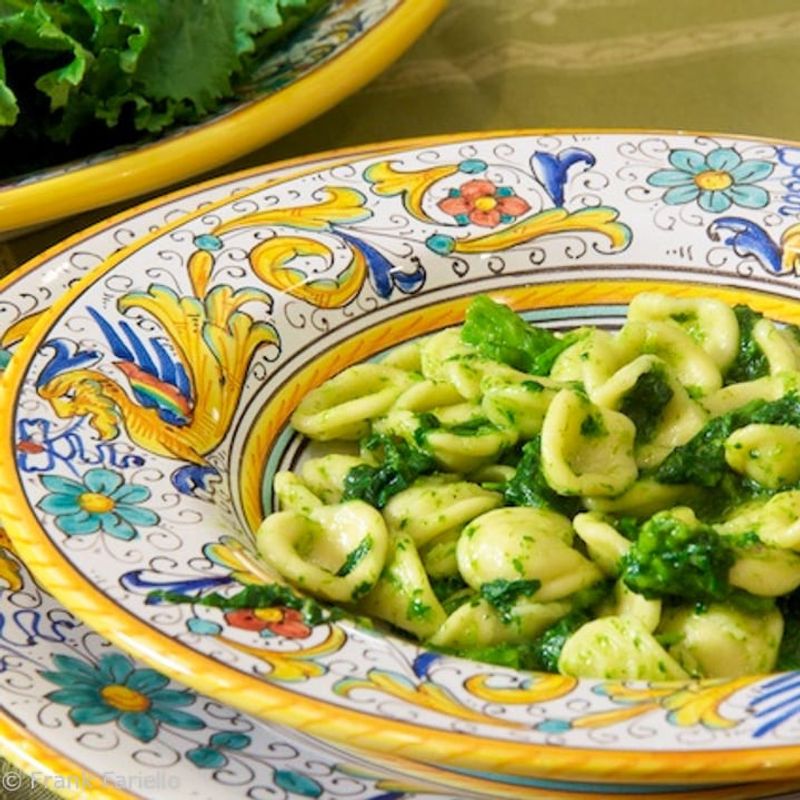
Shaped like tiny ears, orecchiette is one of Italy's most recognizable handmade pastas. In Puglia, the heel of Italy's boot, grandmothers still roll and shape each piece by hand on wooden boards outside their front doors.
The pasta is traditionally paired with broccoli rabe, a slightly bitter green that balances beautifully with garlic and anchovies. Together, they create a bold, earthy flavor that feels completely rooted in southern Italian soil.
3. Bigoli in Salsa from Venice
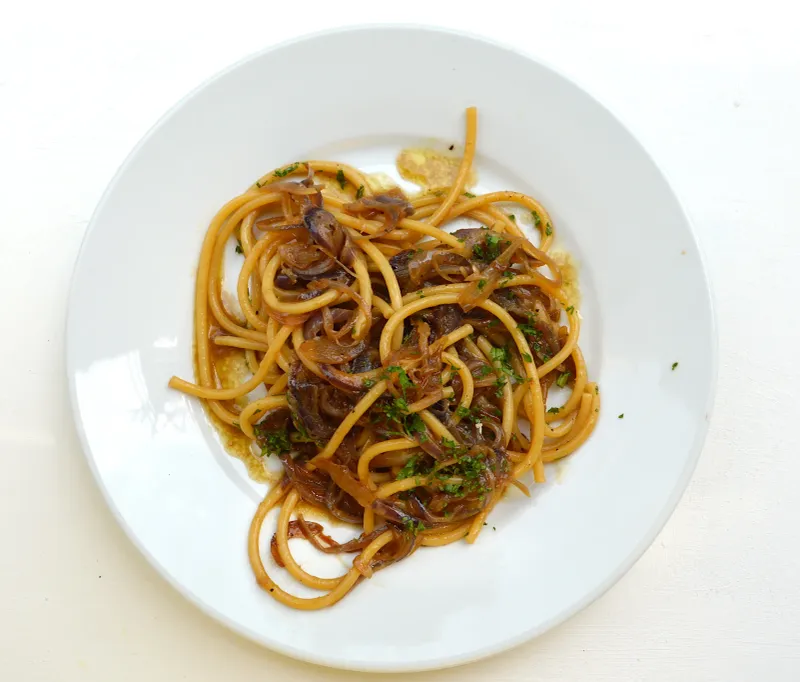
Venice has canals, gondolas, and bigoli in salsa. This humble dish is made from thick, rough-textured whole wheat pasta called bigoli, which soaks up its rich sauce like a sponge.
The sauce itself is beautifully simple: slowly caramelized onions melted together with salted anchovies.
Historically, this was a dish eaten on days of fasting in Catholic Venice. Today, it remains a beloved comfort food that connects modern Venetians to their deep maritime past.
4. Trofie al Pesto from Liguria
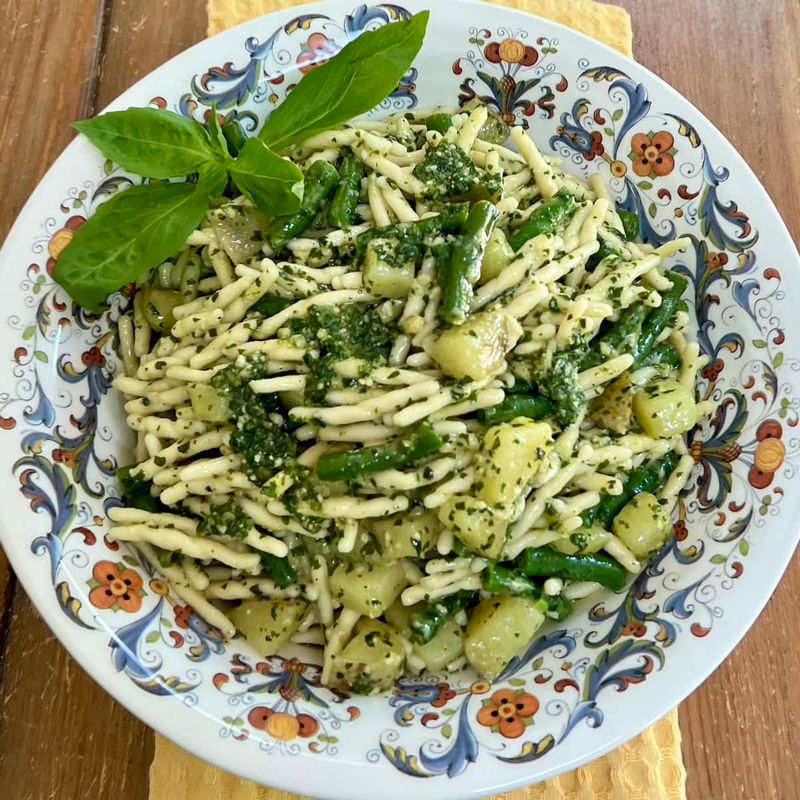
Fresh basil grows wild along the rugged Ligurian coast, and locals have been turning it into pesto for hundreds of years. Trofie pasta, hand-rolled into short twisted spirals, is the traditional partner for this fragrant green sauce.
What makes the dish extra special is the addition of boiled green beans and potatoes right in the same pot as the pasta. It sounds unusual, but the starchy vegetables help the pesto cling to every single bite.
5. Amatriciana from Amatrice
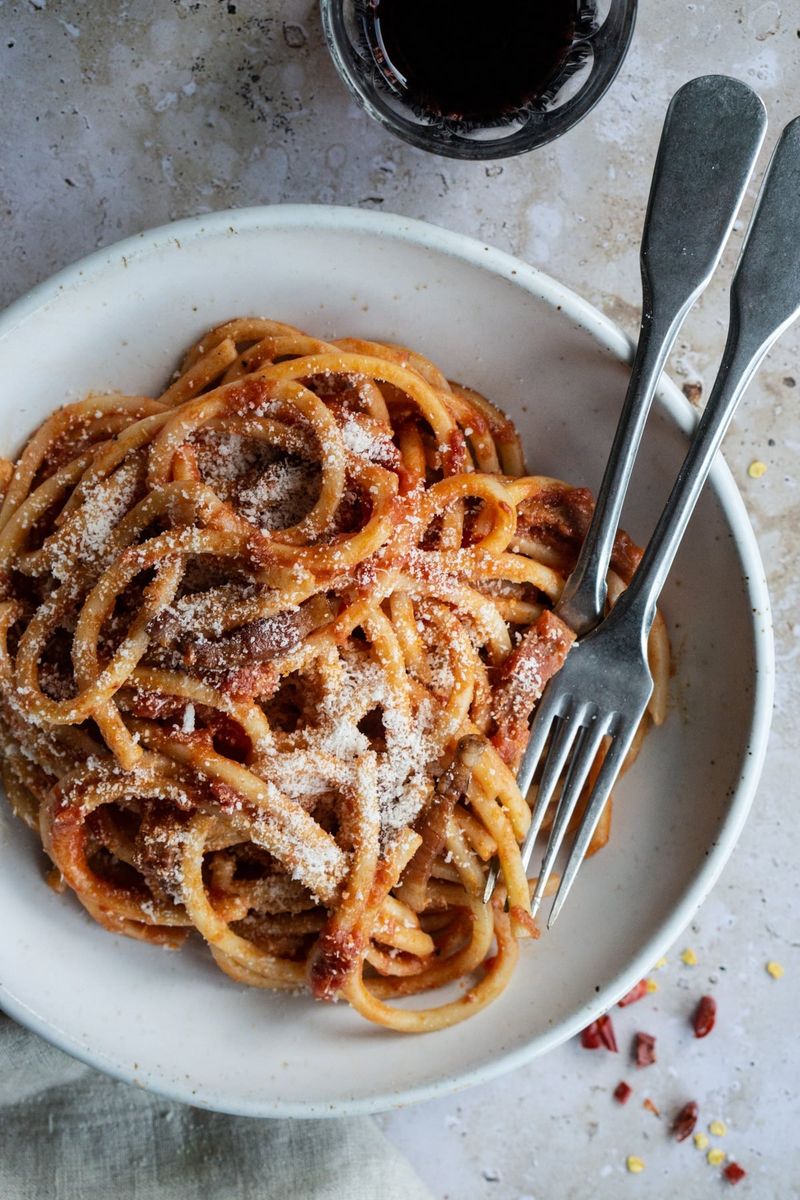
Long before it became a Roman staple, amatriciana was born in the mountain town of Amatrice. Shepherds carried guanciale (cured pig cheek), pecorino cheese, and dried pasta into the hills, creating a filling meal with very little fuss.
Tomatoes were added later, transforming the dish into the tangy, savory sauce we know today. After a devastating earthquake hit Amatrice in 2016, eating amatriciana became a quiet act of solidarity with its hometown.
6. Pappardelle al Cinghiale from Tuscany
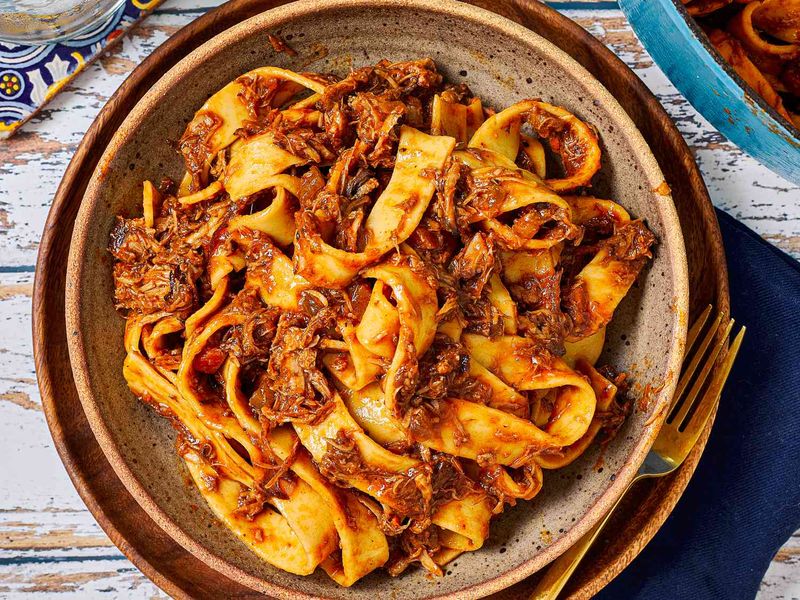
Tuscany's forests are full of wild boar, and hunters have been turning their catches into thick, hearty ragu for generations. Pappardelle, wide ribbon-like pasta, is the only choice for holding this meaty sauce without falling apart.
The boar is slowly braised with red wine, tomatoes, rosemary, and juniper berries until it practically melts into a sauce. Every autumn in Tuscany, the smell of cinghiale ragu drifting from a farmhouse kitchen feels like a warm hug.
7. Pasta alla Norma from Sicily
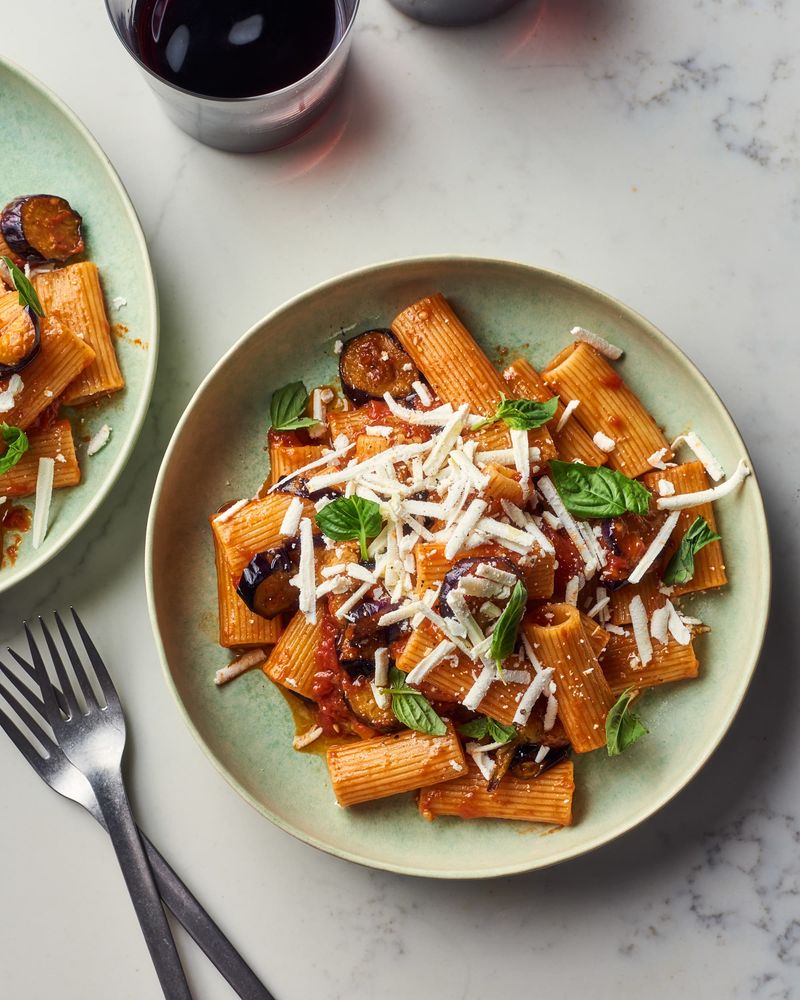
Named after Vincenzo Bellini's famous opera, pasta alla Norma is Sicily's proudest pasta dish. Fried eggplant, fresh tomato sauce, basil, and salty ricotta salata cheese come together in a combination that is colorful, bold, and unmistakably Sicilian.
The story goes that a food lover once tasted the dish and declared it as magnificent as the opera itself. Whether or not that is true, the name stuck.
Few pasta dishes feel as theatrical or as satisfying as this one.
8. Carbonara from Lazio
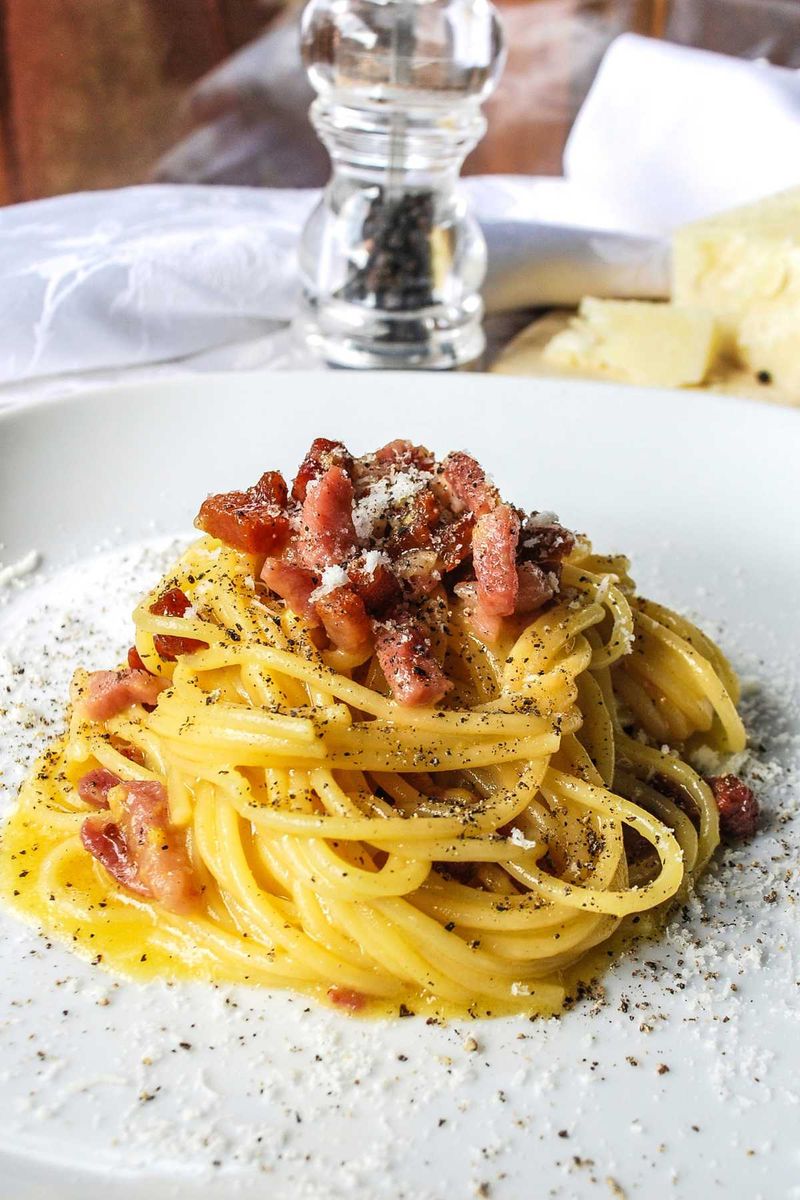
Real carbonara has no cream. That is the first rule every Roman will tell you.
The magic comes from whisking egg yolks and pecorino cheese together and letting the heat of the pasta cook them into a luscious, golden sauce.
Crispy guanciale adds salty, porky richness, and freshly cracked pepper gives it a gentle kick. The origins of carbonara are still debated, but one thing is certain: no place makes it better than Rome.
9. Tagliatelle al Ragu from Bologna
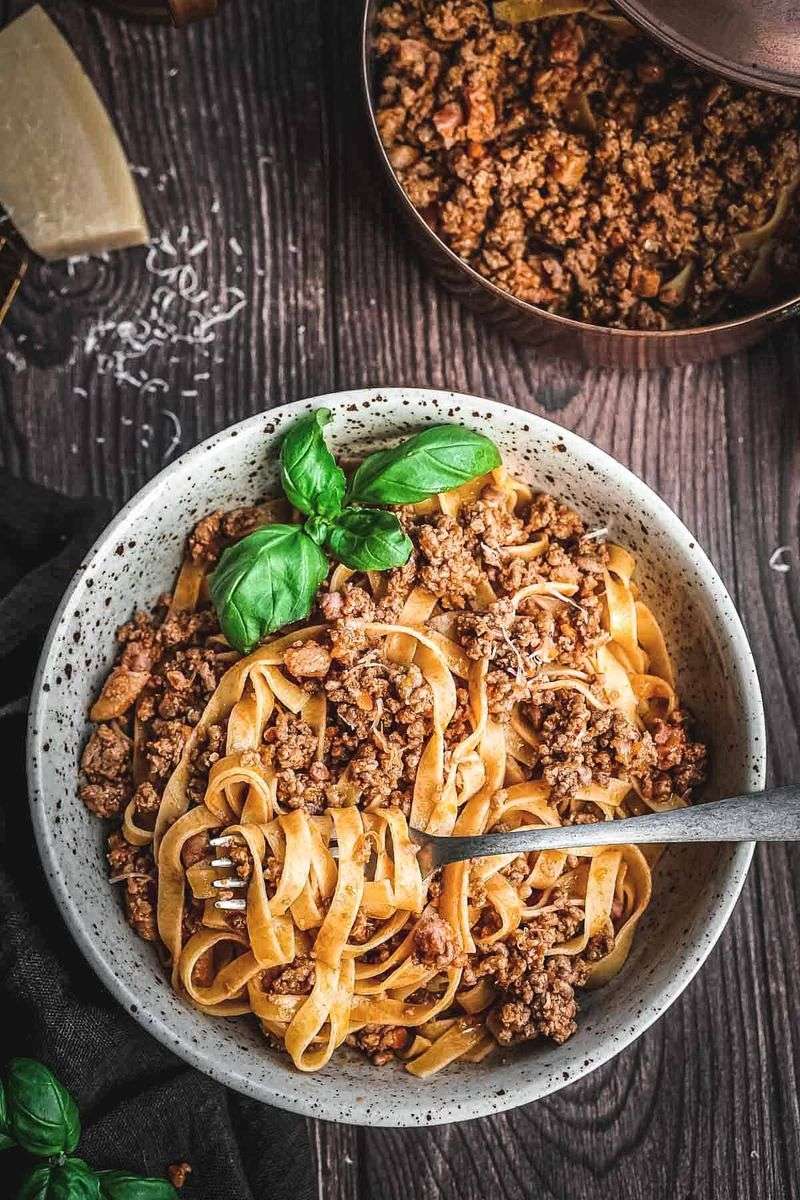
Bologna is so famous for its food that Italians nicknamed it La Grassa, meaning the fat one. Tagliatelle al ragu is the city's crown jewel.
The official width of the tagliatelle noodle is even registered with Bologna's Chamber of Commerce.
The ragu is a slow-cooked blend of beef, pork, soffritto, and just a touch of tomato. It simmers for hours until everything melts together into something deeply savory and completely unlike the spaghetti Bolognese found outside Italy.
10. Spaghetti alle Vongole from Naples
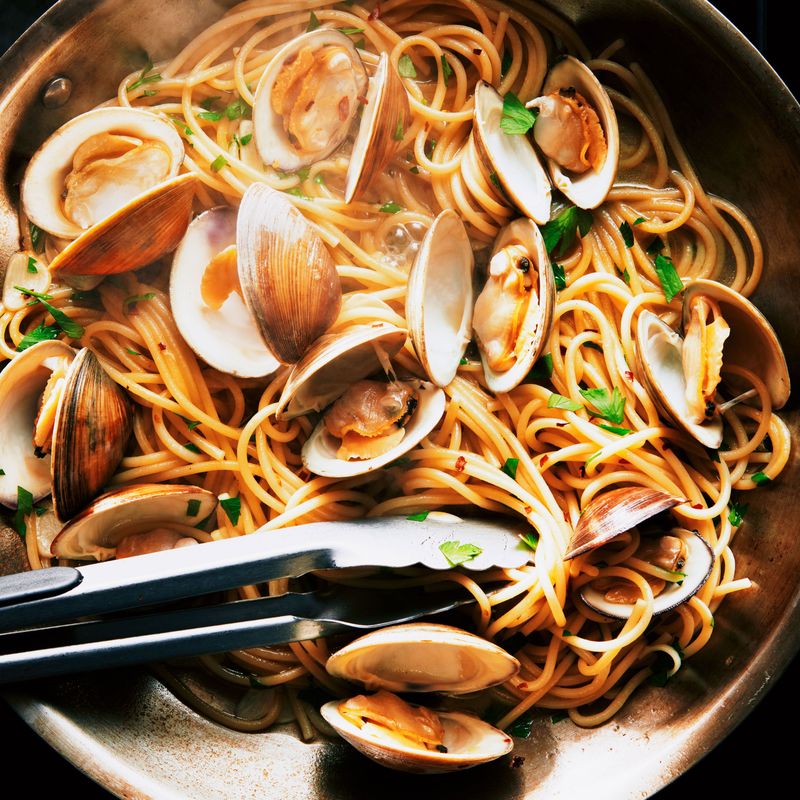
Nothing says Naples seaside quite like a steaming plate of spaghetti alle vongole. Fresh clams, garlic, white wine, olive oil, and parsley come together in a light, briny sauce that tastes like the ocean on a warm afternoon.
There are two versions: in bianco (without tomato) and in rosso (with tomato). Neapolitans argue passionately about which is better.
Both are delicious, but the white version lets the natural sweetness of the clams truly shine through.
11. Pizzoccheri from Valtellina
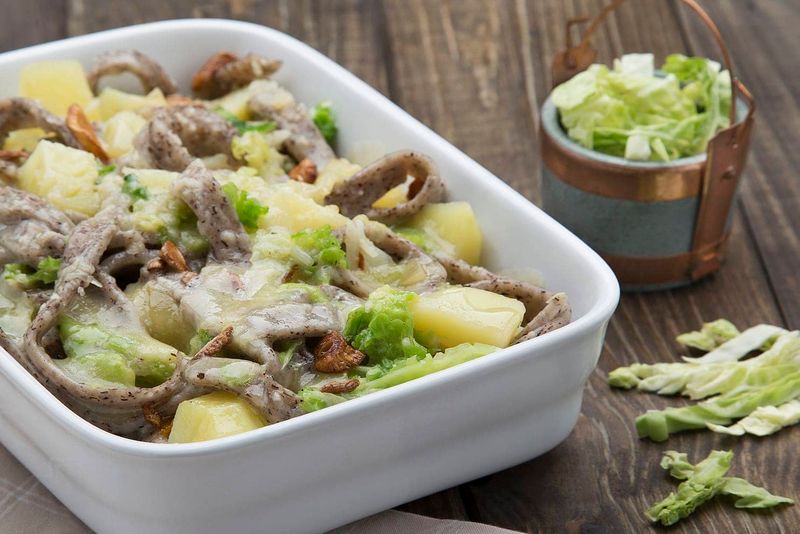
High in the Alps of northern Lombardy, winters are long and cold, and pizzoccheri is the answer. Made from dark buckwheat flour, these short, flat noodles are dense, nutty, and incredibly filling.
They are layered with cabbage, potatoes, butter, garlic, and melted Valtellina Casera cheese.
Every bite feels like a warm blanket on a freezing mountain day. Buckwheat grows well at high altitudes where wheat struggles, making pizzoccheri a dish born purely from the landscape around it.
12. Malloreddus alla Campidanese from Sardinia
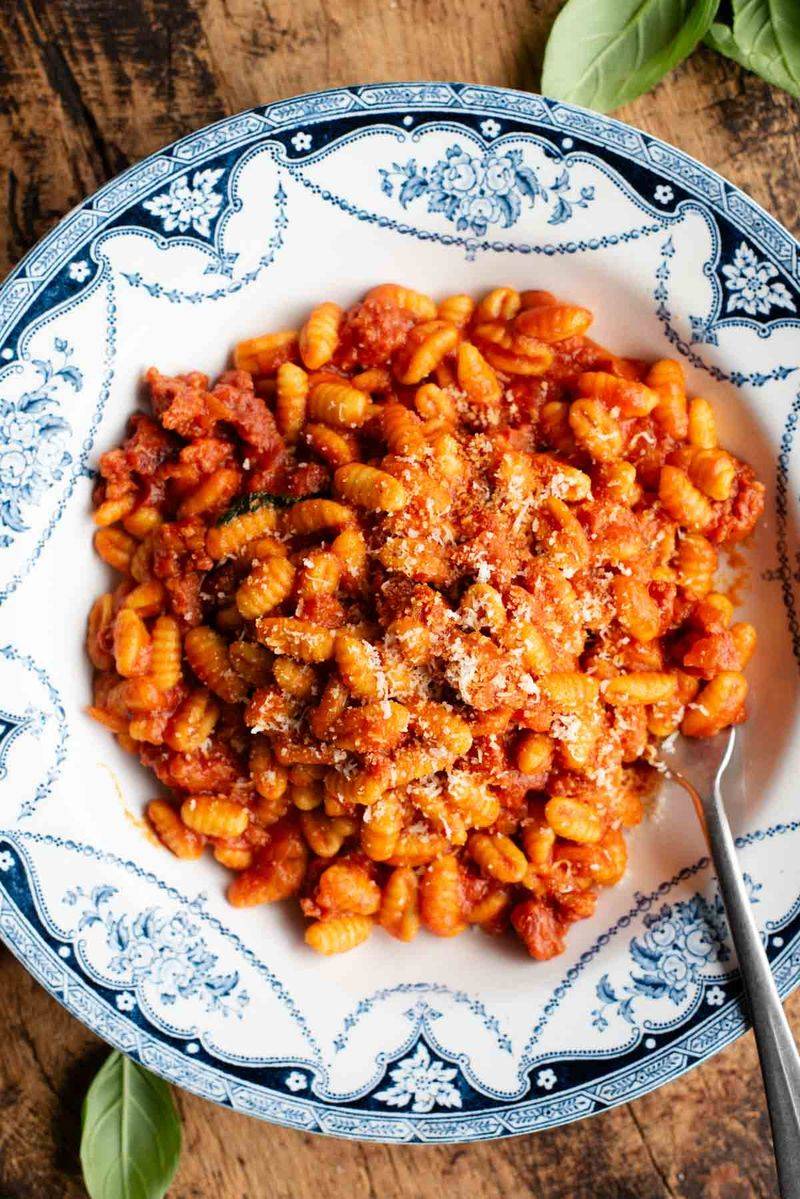
Sardinia feels like its own world, separate from mainland Italy in culture, language, and food. Malloreddus, also called gnocchetti sardi, are small ridged pasta shells flavored with saffron, a spice that has grown on the island for centuries.
Paired with a slow-cooked pork sausage and tomato ragu, the dish is hearty, fragrant, and deeply satisfying. It is traditionally served at Sardinian weddings and festivals, making every bowl feel like a celebration.
13. Pasta e Fagioli from Veneto
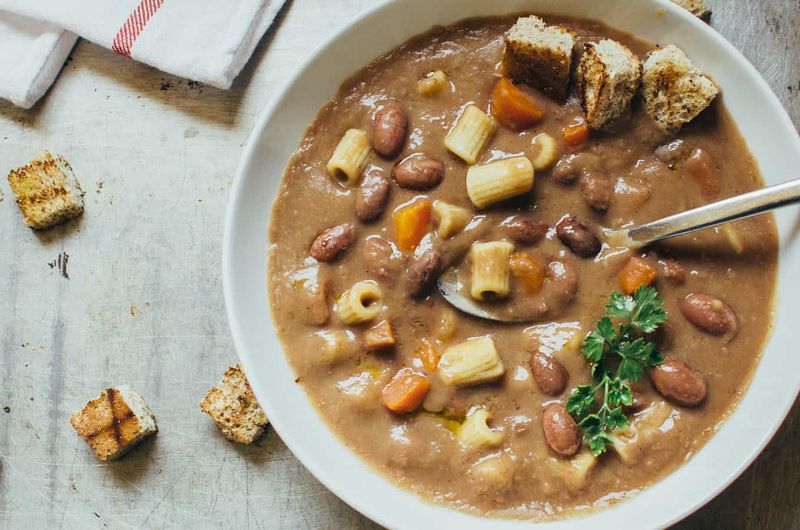
Pasta e fagioli sits happily between a soup and a stew, and nobody does it better than the Veneto region. Borlotti beans, grown locally for centuries, are the star.
Some get blended into the broth to make it thick and creamy, while the rest stay whole for texture.
Small pasta shapes like tubetti or ditalini are stirred in at the end. This dish was once peasant food, but today even fancy restaurants in Venice proudly serve it.
14. Vincisgrassi from Le Marche
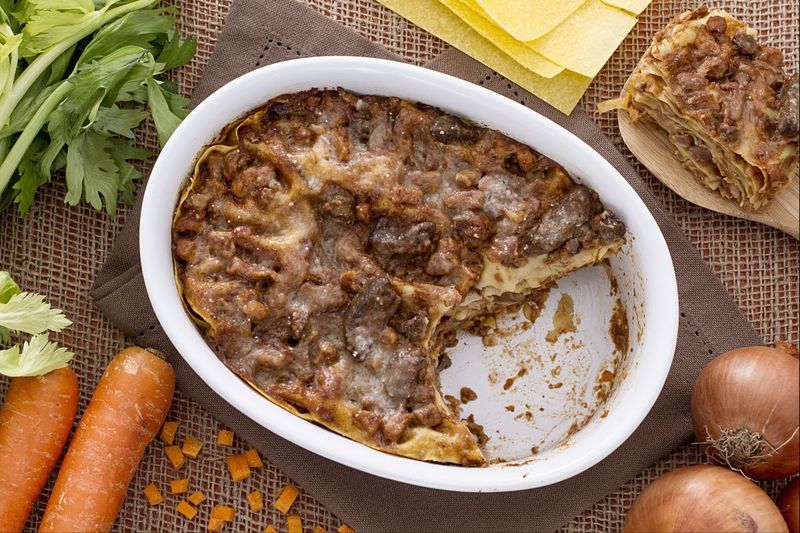
Forget everything you know about lasagna, because vincisgrassi plays by its own rules. This layered baked pasta from Le Marche uses a ragu made with chicken livers, sweetbreads, and other offal, giving it an intense, deeply savory flavor unlike any ordinary meat sauce.
The name supposedly honors an Austrian general named Windisch-Graetz who loved the dish during the Napoleonic Wars. Whether or not that story is true, vincisgrassi remains one of Italy's most proudly unique regional recipes.
15. Sagne Ncannulate from Salento
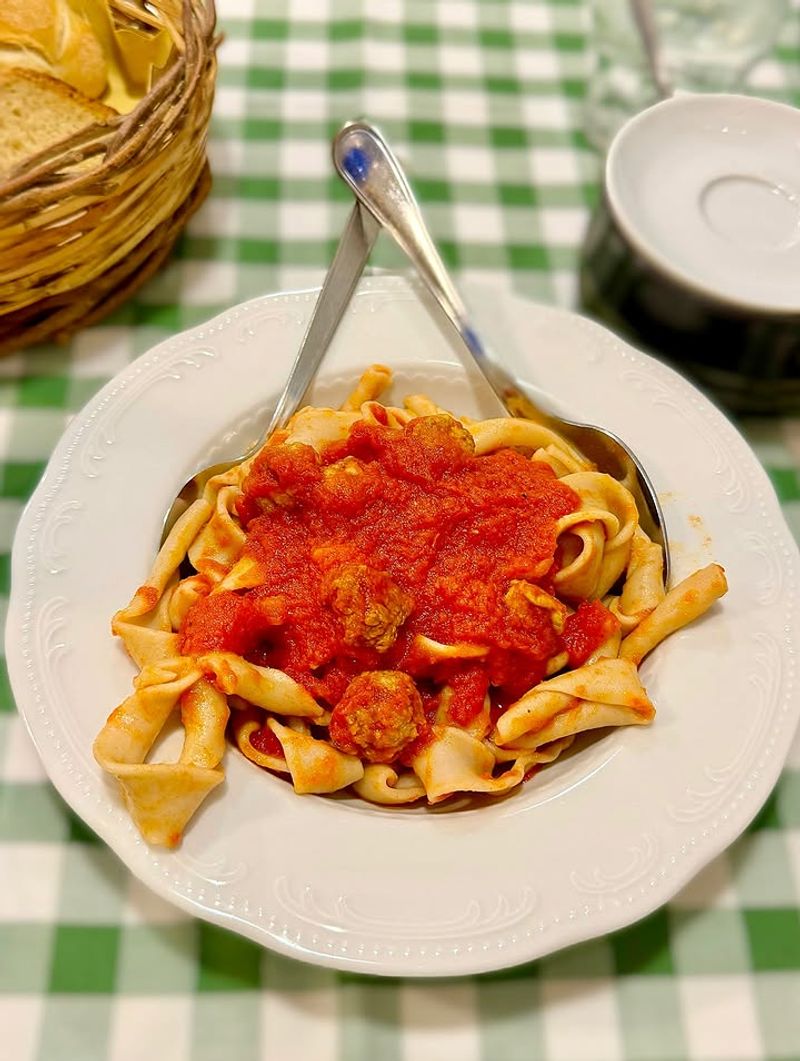
Down in the very tip of Italy's boot, in the sun-drenched Salento peninsula, pasta is made by hand with a kind of quiet pride. Sagne ncannulate are long, twisting ribbon noodles made from just semolina and water, with no eggs at all.
They are typically served with a simple tomato sauce and a spoonful of fresh ricotta. The twisted shape catches every drop of sauce beautifully.
Simple? Yes.
Forgettable? Absolutely not.
16. Strozzapreti al Sugo di Salsiccia from Emilia-Romagna
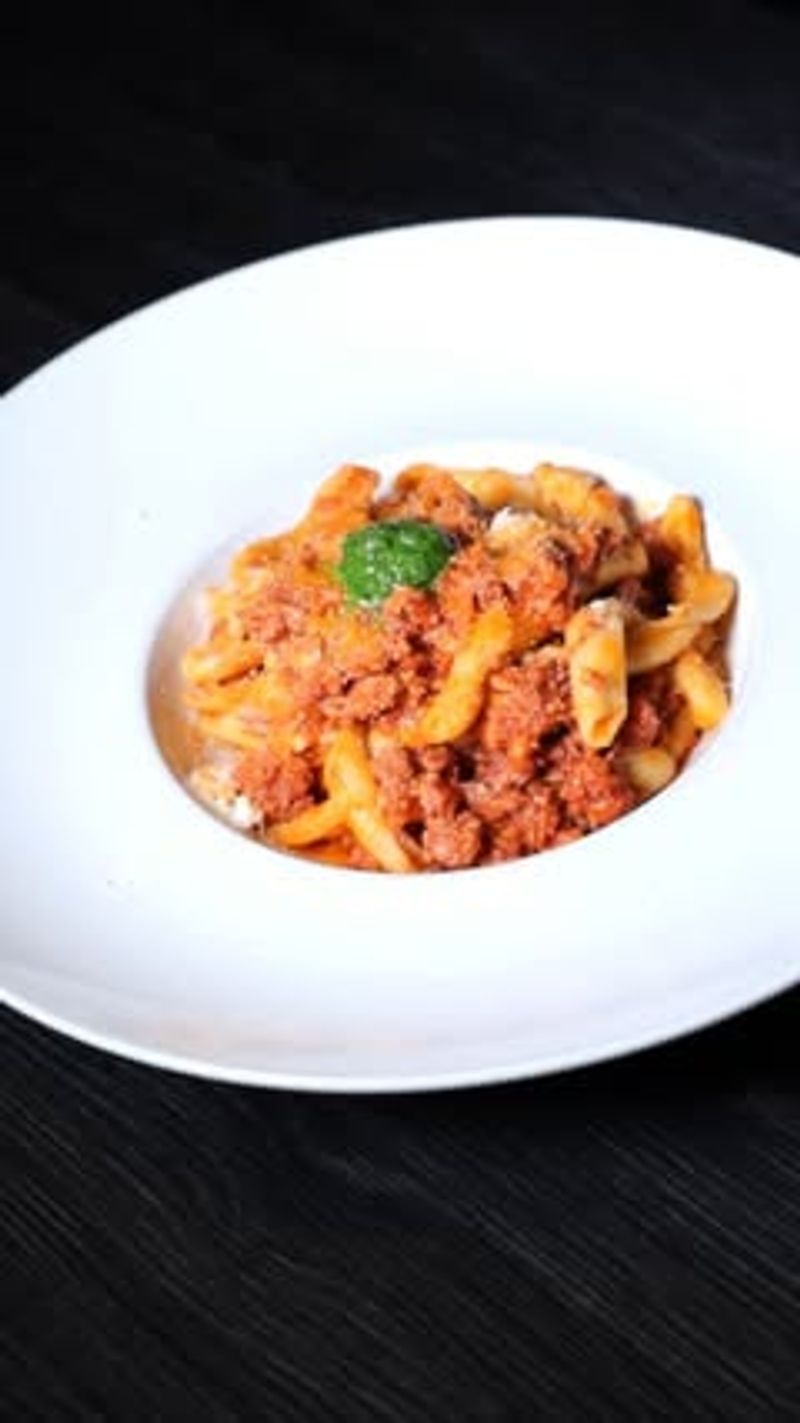
Strozzapreti means priest-stranglers in Italian, and the name alone makes this pasta unforgettable. Legend says the rolled, twisted pasta was named by locals who imagined greedy priests eating so fast they would choke.
It is one of food history's more colorful origin stories.
In Emilia-Romagna, strozzapreti is commonly served with a robust pork sausage ragu. The irregular shape grabs onto the chunky sauce perfectly, making sure no flavor goes to waste in the bowl.
17. Pasta al Pesto Trapanese from Western Sicily
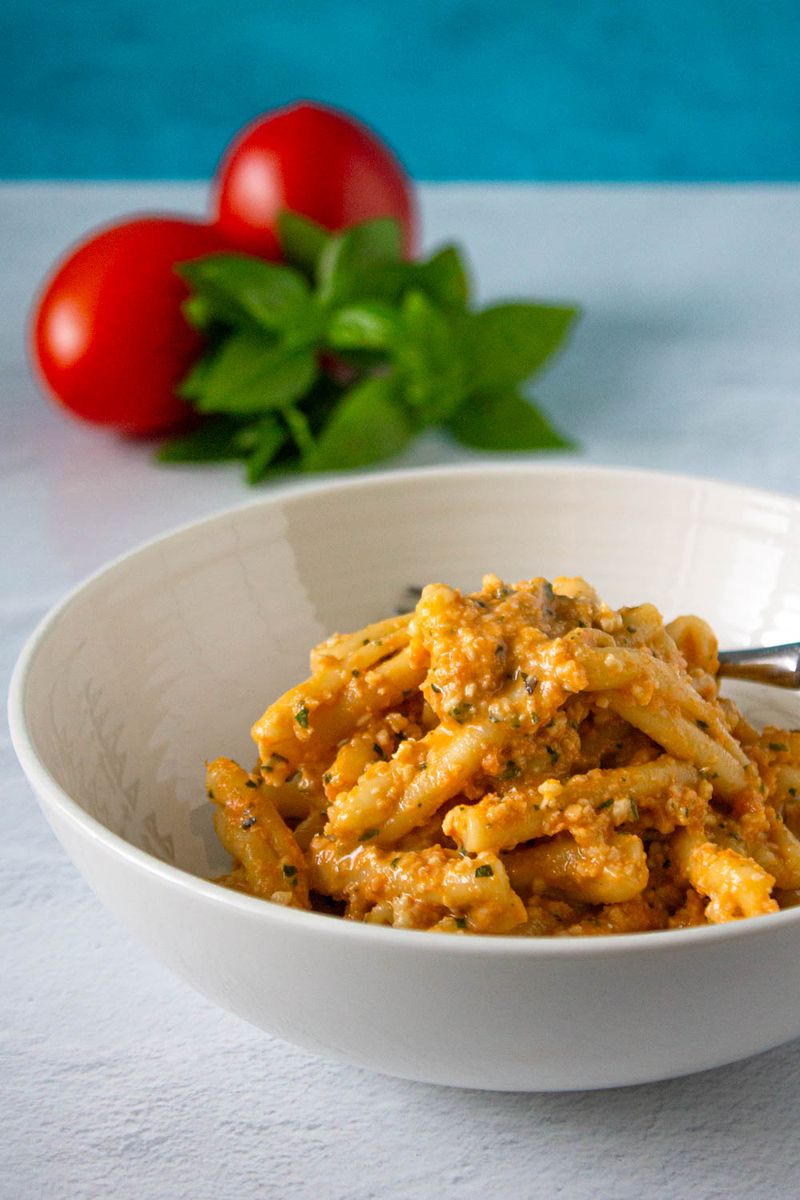
Pesto Trapanese is the sun-kissed cousin of Genovese pesto. Instead of pine nuts, it uses almonds.
Instead of just basil, it adds ripe fresh tomatoes and a generous pour of Sicilian olive oil. The result is a chunky, bright red sauce with a nutty sweetness.
Busiate, a long spiral pasta traditionally made in western Sicily, is the perfect shape to carry this bold sauce. Arab traders who once passed through Trapani likely influenced the almond and spice traditions still found in this dish.
18. Fregola con Arselle from Sardinia
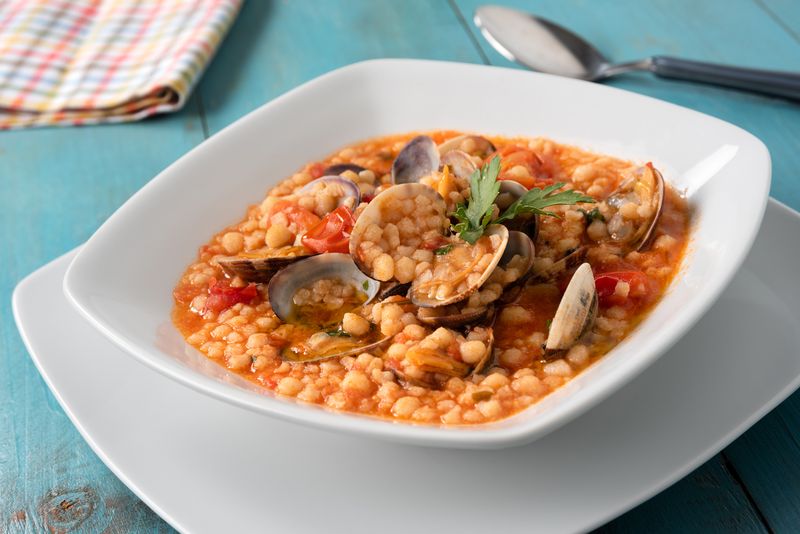
Fregola looks like Israeli couscous but belongs entirely to Sardinia. These small, toasted semolina balls are rolled by hand and sun-dried, giving them a slightly nutty, roasted flavor.
When cooked with arselle (tiny Sardinian clams), the result is something between a pasta dish and a seafood stew.
A hint of saffron in the broth ties everything together with warmth and color. Sardinian fishermen have eaten versions of this dish for centuries along the island's wild, windswept coastline.
19. Maccheroni al Ferretto from Calabria
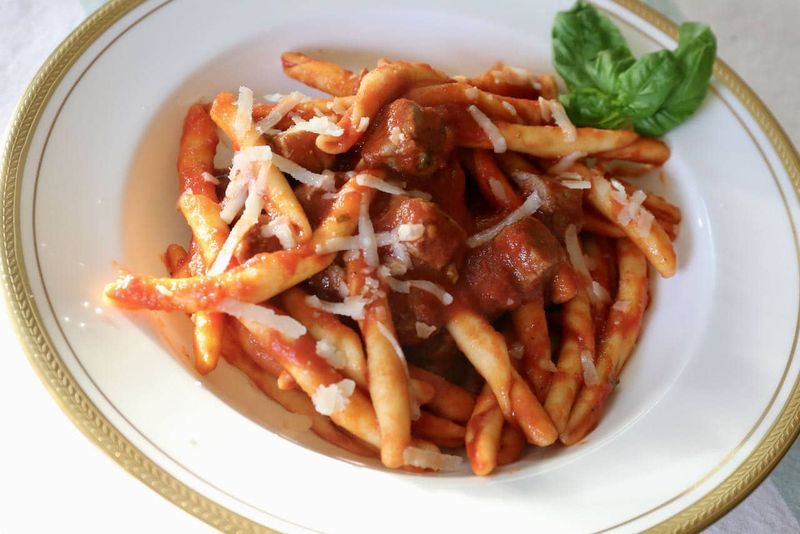
Calabria, at the very toe of Italy's boot, runs hot in both temperature and flavor. Maccheroni al ferretto are long, hollow pasta tubes made by rolling dough around a thin metal rod called a ferretto.
The hollow center traps spicy, meaty sauce inside every bite.
Nduja, Calabria's famous spreadable spicy salami, often features in the sauce, adding a fiery red heat. This is not a pasta for those who prefer mild flavors.
It is bold, unapologetic, and thoroughly Calabrian.
20. Pici all'Aglione from Siena
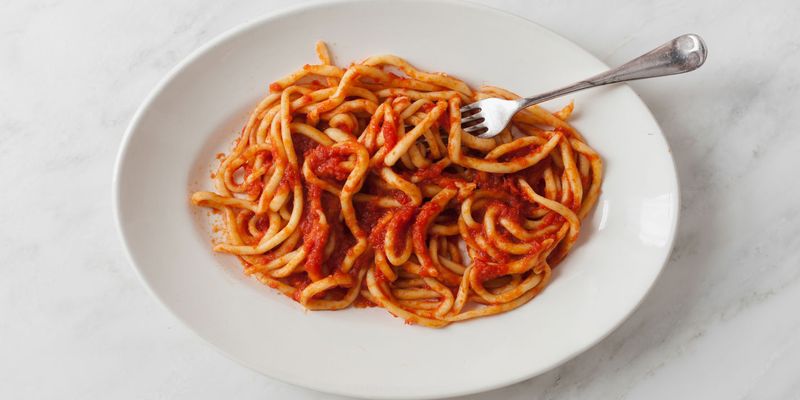
Pici are thick, hand-rolled pasta strands made without eggs, just flour and water. Each piece is rolled individually into a long, uneven rope, which gives pici its charming, homemade look.
In the hills around Siena, pici all'aglione is the classic preparation.
Aglione means big garlic, and the sauce uses a special large-clove garlic variety that is milder and sweeter than regular garlic. Slow-cooked with tomatoes, it creates a sauce that is robust without being overpowering.
Deeply Tuscan and genuinely satisfying.
21. Pasta alla Genovese from Naples
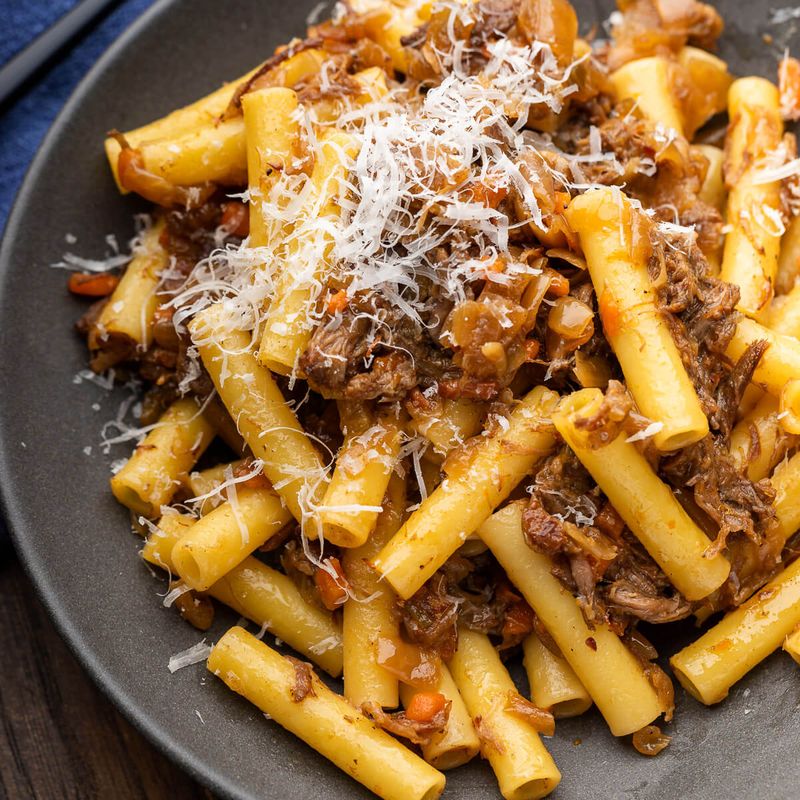
Despite the name, pasta alla Genovese has nothing to do with Genoa. It is a deeply Neapolitan dish with origins that food historians still argue about.
What everyone agrees on is how incredible it tastes. Beef and enormous quantities of onions are slow-cooked together for hours until the onions dissolve into a sweet, silky sauce.
The meat becomes so tender it falls apart. Rigatoni is the classic pasta pairing.
In Naples, this dish is considered serious Sunday family food, made with love and plenty of time.
22. Tajarin al Tartufo from Piedmont
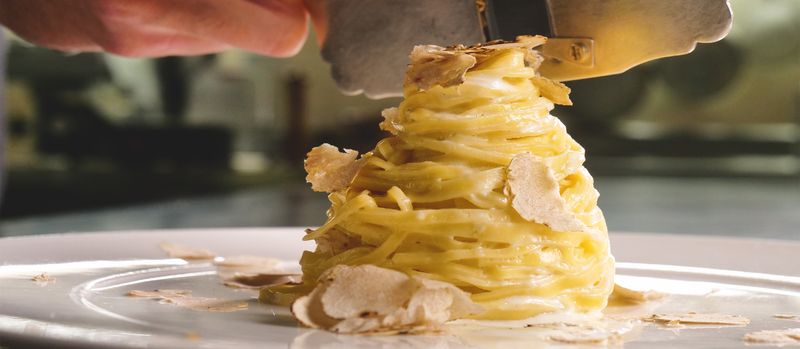
Piedmont produces some of the world's most expensive truffles, and tajarin is the pasta chosen to honor them. Made with an exceptionally high number of egg yolks, sometimes up to 40 per kilogram of flour, tajarin noodles are incredibly thin, rich, and deeply golden in color.
A simple butter sauce lets the truffle do all the talking. Shaved fresh white truffle over warm tajarin is one of Italy's most luxurious sensory experiences.
It smells earthy, tastes buttery, and feels like pure indulgence.
23. Pasta chi Sardi from Palermo
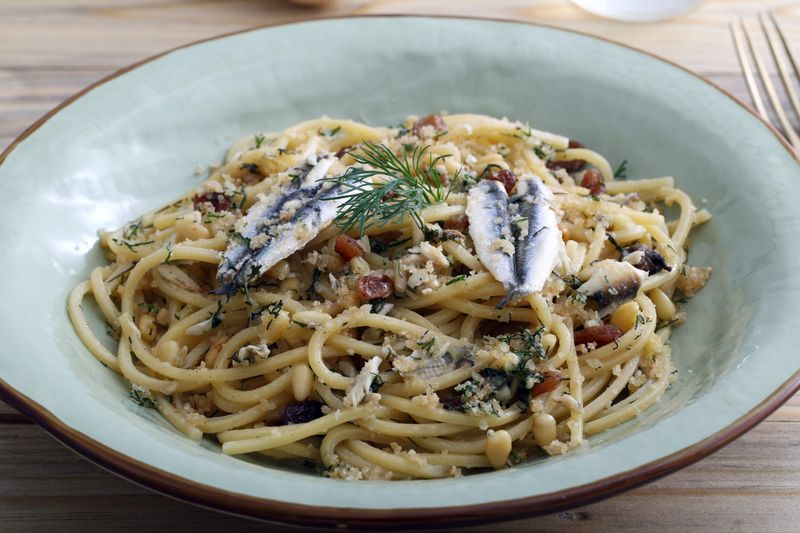
Pasta chi sardi is Palermo's most iconic dish, and it tells the story of Sicily's complicated, beautiful history in every bite. Fresh sardines, wild fennel, saffron, pine nuts, and raisins come together in a combination that is sweet, savory, briny, and fragrant all at once.
The mix of sweet and savory ingredients reflects Sicily's centuries of Arab influence. Bucatini is the traditional pasta used.
Locals say you cannot truly know Palermo until you have eaten a plate of pasta chi sardi.
24. Garganelli al Prosciutto from Emilia-Romagna
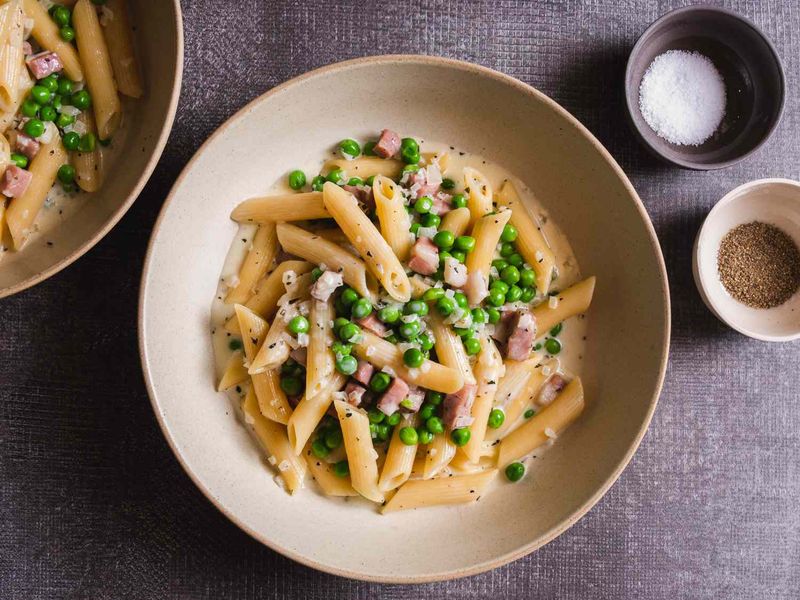
Emilia-Romagna is arguably Italy's richest food region, and garganelli is one of its most elegant handmade pastas. Each small tube is rolled from a square of egg dough over a ridged board, creating a shape that looks like a tiny quill with textured grooves.
Paired with silky Parma prosciutto, sweet peas, and a light cream sauce, garganelli feels refined yet completely comforting. It is the kind of pasta that reminds you why fresh, hand-shaped pasta made with care is always worth the extra effort.




Comments
No Comments