













Food is one of the most powerful ways to understand a culture, yet so many incredible dishes from lesser-known countries never make it onto our radar. Beyond the familiar pizzas and sushis of the world, there are flavors hiding in small nations that carry centuries of history in every bite.
From landlocked African nations to tiny Pacific islands, these heritage dishes tell stories of resilience, community, and creativity. Get ready to explore a world of food you probably never knew existed.
1. Thieboudienne - Senegal
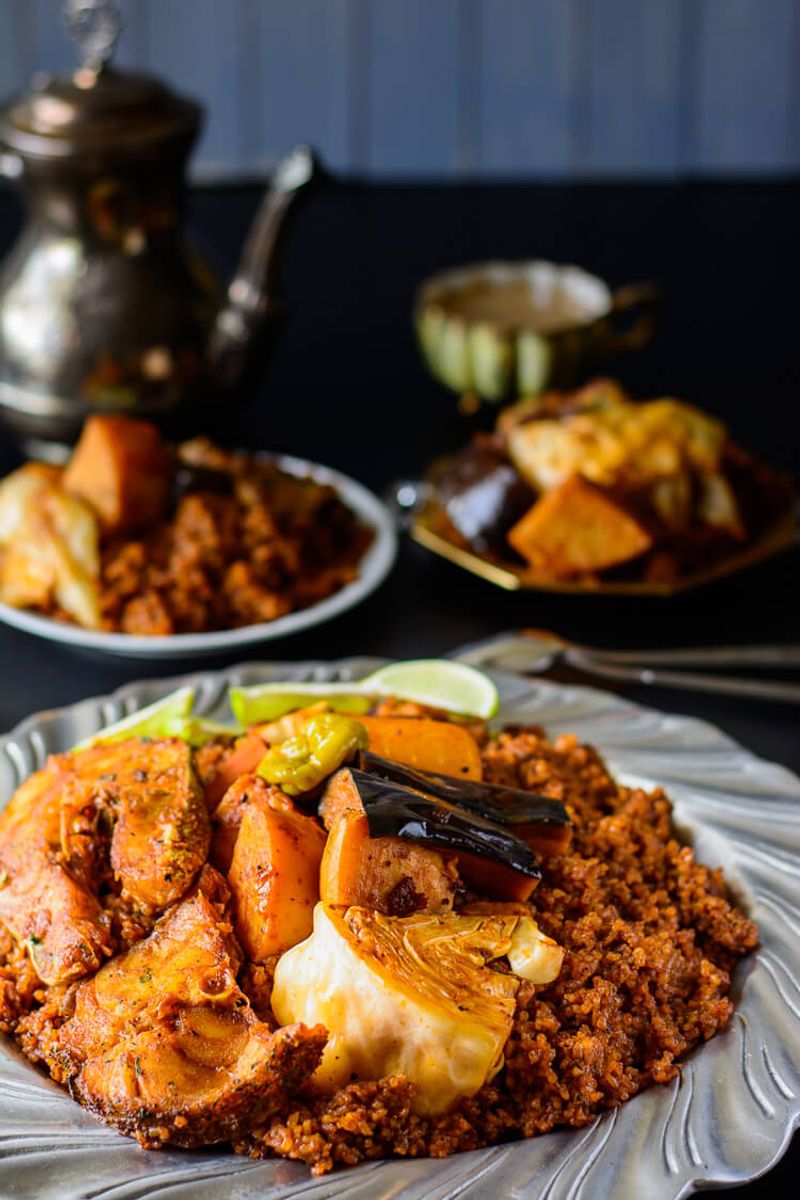
Long before rice dishes became a global obsession, Senegal had already perfected its own version. Thieboudienne, often called the national dish, is a hearty one-pot meal of fish, broken rice, and vegetables slow-cooked in a rich tomato sauce.
The name literally means "rice with fish" in the Wolof language. Every family adds their own twist, whether it is dried fermented shellfish or a squeeze of lime.
It is bold, filling, and deeply communal.
2. Manti - Kyrgyzstan
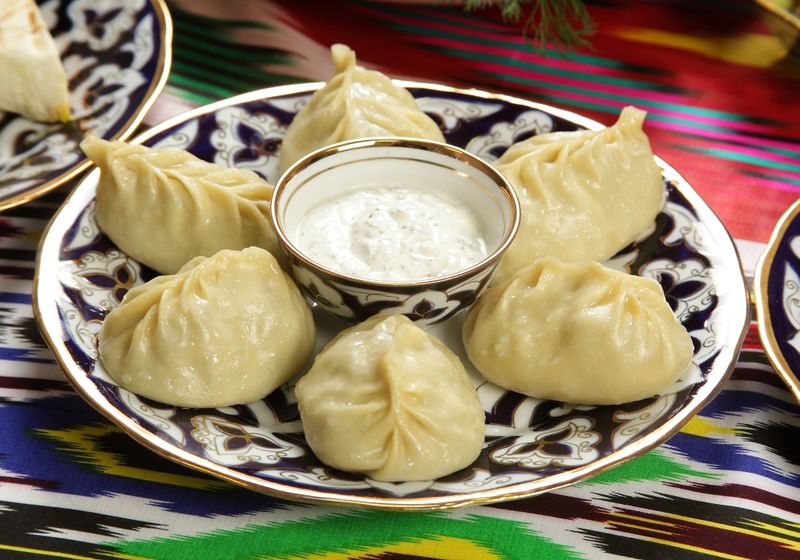
Kyrgyzstan sits tucked between mountain ranges in Central Asia, and its cuisine reflects a nomadic spirit that never settles for bland. Manti are large steamed dumplings stuffed with spiced lamb or beef and onions, served with tangy sour cream.
Unlike smaller dumplings found elsewhere, Kyrgyz manti are almost meal-sized on their own. Families gather around a manti steamer on cold mountain evenings, turning a simple dish into a full-blown celebration of warmth and togetherness.
3. Fufu and Egusi Soup - Benin
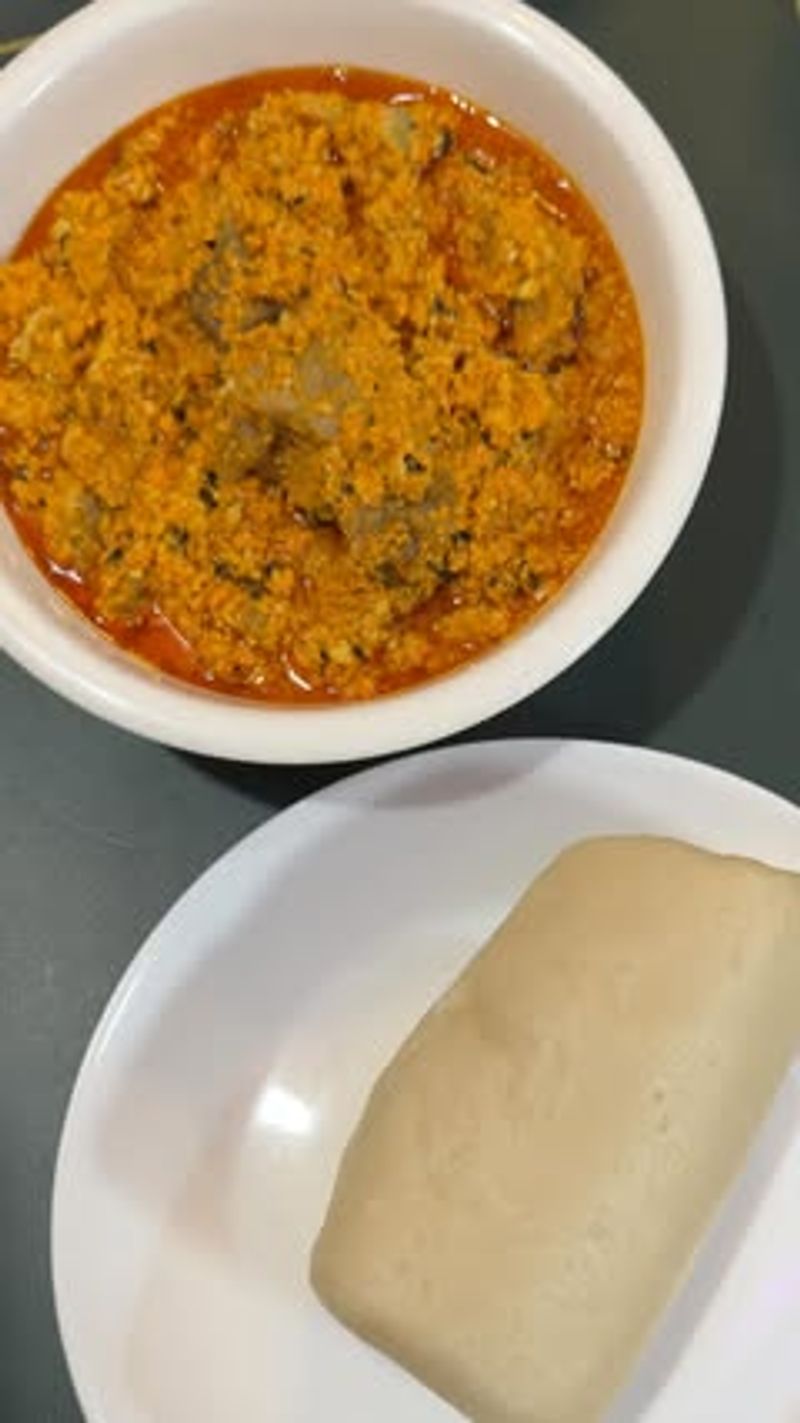
Benin, the small West African nation often confused with Nigeria's Benin City, has a food culture that deserves its own spotlight. Fufu is a smooth, stretchy dough made from cassava or yam, and it pairs perfectly with Egusi soup, a thick stew made from ground melon seeds.
You eat it by pinching off a piece of fufu, rolling it in your palm, and using it to scoop the soup. Simple tools, extraordinary flavor.
This dish is comfort food at its most primal.
4. Osh Plov - Tajikistan
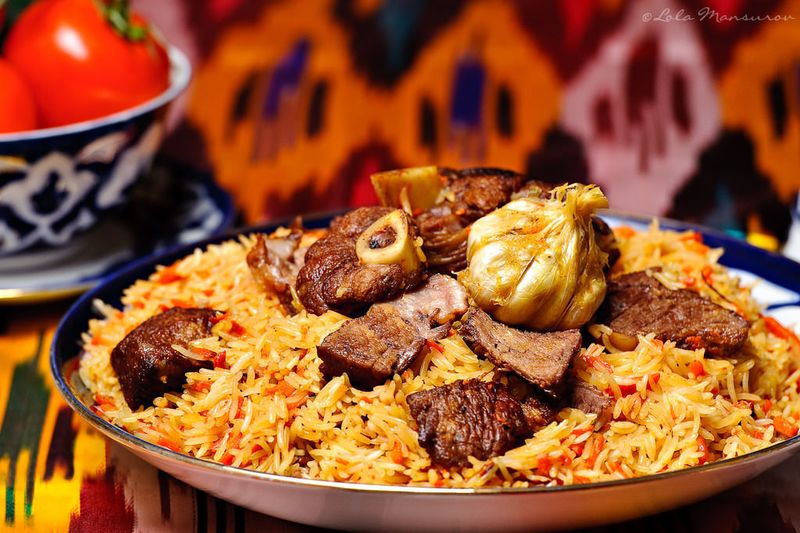
Picture a giant cast iron pot, an open flame, and a cook who has been making the same dish for forty years. That is Osh Plov, Tajikistan's beloved rice pilaf cooked with lamb, yellow carrots, chickpeas, and whole heads of garlic.
In Tajik culture, Plov is not just food. It marks weddings, funerals, and every major life event in between.
The dish is cooked by men in enormous outdoor pots, and the aroma alone can bring an entire neighborhood together.
5. Rukau - Cook Islands
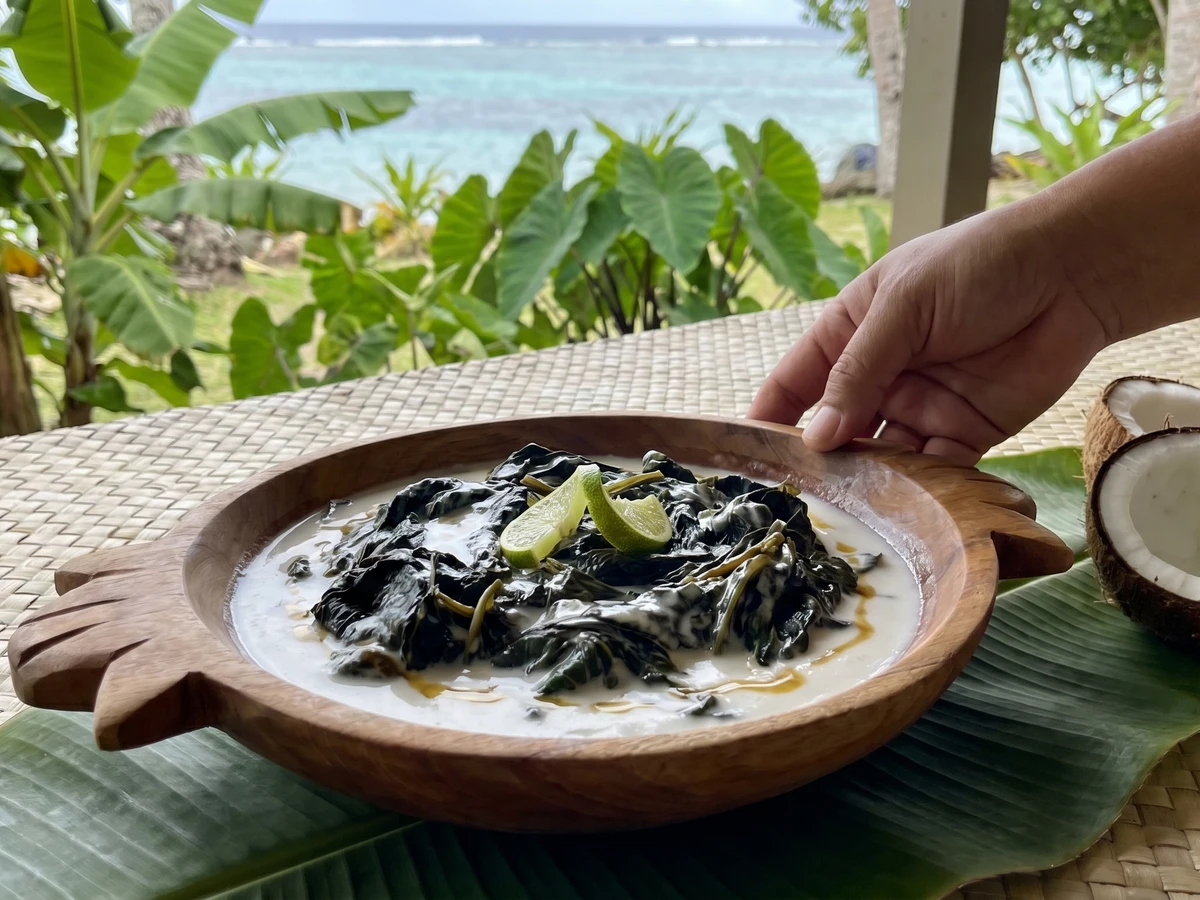
The Cook Islands may be tiny dots in the South Pacific, but their food carries enormous cultural weight. Rukau is a classic dish made from young taro leaves slow-cooked in rich coconut cream until silky and tender.
It has a slightly earthy flavor that blends beautifully with the sweetness of fresh coconut milk. Traditionally prepared for Sunday feasts and special occasions, Rukau represents the island's deep connection to the land and the ocean that surrounds it.
6. Muamba de Galinha - Angola
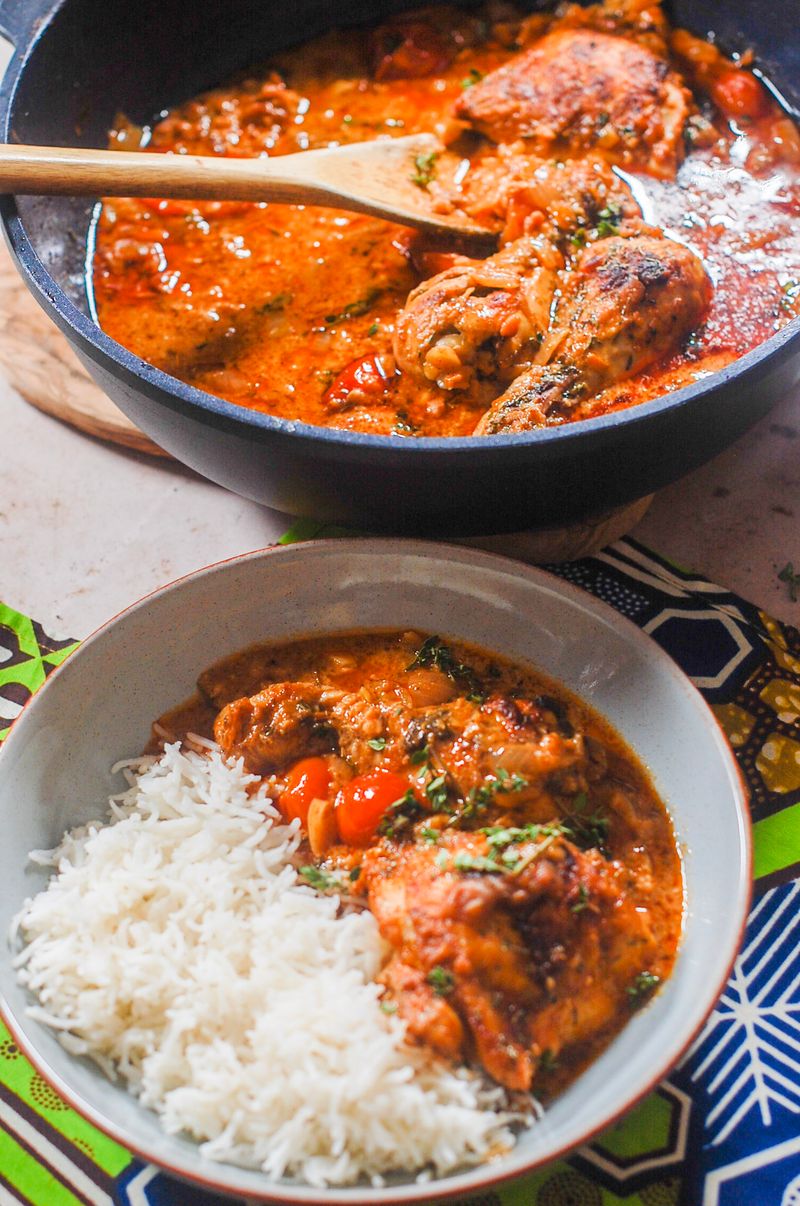
Angola's most iconic dish smells like a hug from someone's grandmother. Muamba de Galinha is a slow-cooked chicken stew made with red palm oil, okra, garlic, lemon, and fiery hot peppers.
The result is a thick, deeply savory sauce that coats every grain of rice underneath it. Palm oil gives the dish its signature orange-red color and a nutty richness that no other ingredient can replicate.
It is unapologetically bold and completely unforgettable once tasted.
7. Laap - Laos
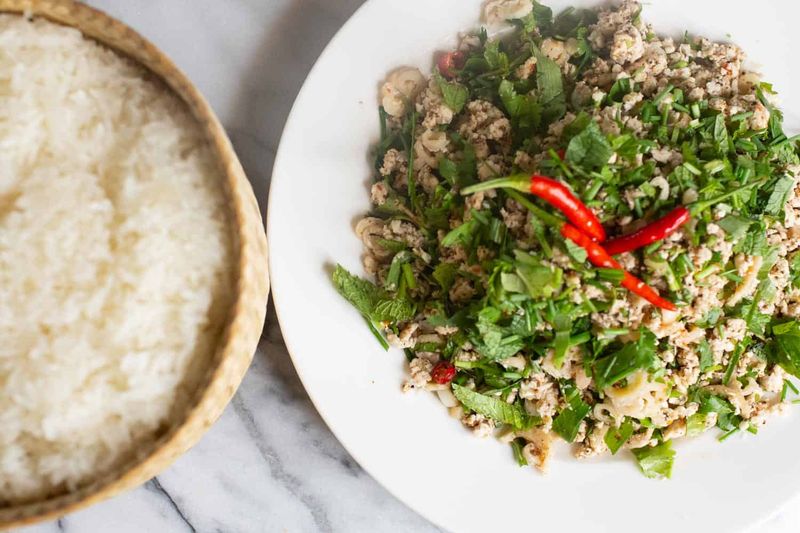
Laos is one of Southeast Asia's most overlooked countries, but its national dish is anything but forgettable. Laap is a minced meat salad tossed with toasted ground rice, fresh herbs, lime juice, and fish sauce.
It can be made with pork, chicken, duck, or even freshwater fish. The texture is unlike anything else, crunchy from the toasted rice, bright from the lime, and herby from generous handfuls of mint and cilantro.
Lao people eat it at almost every celebration.
8. Borscht - Moldova
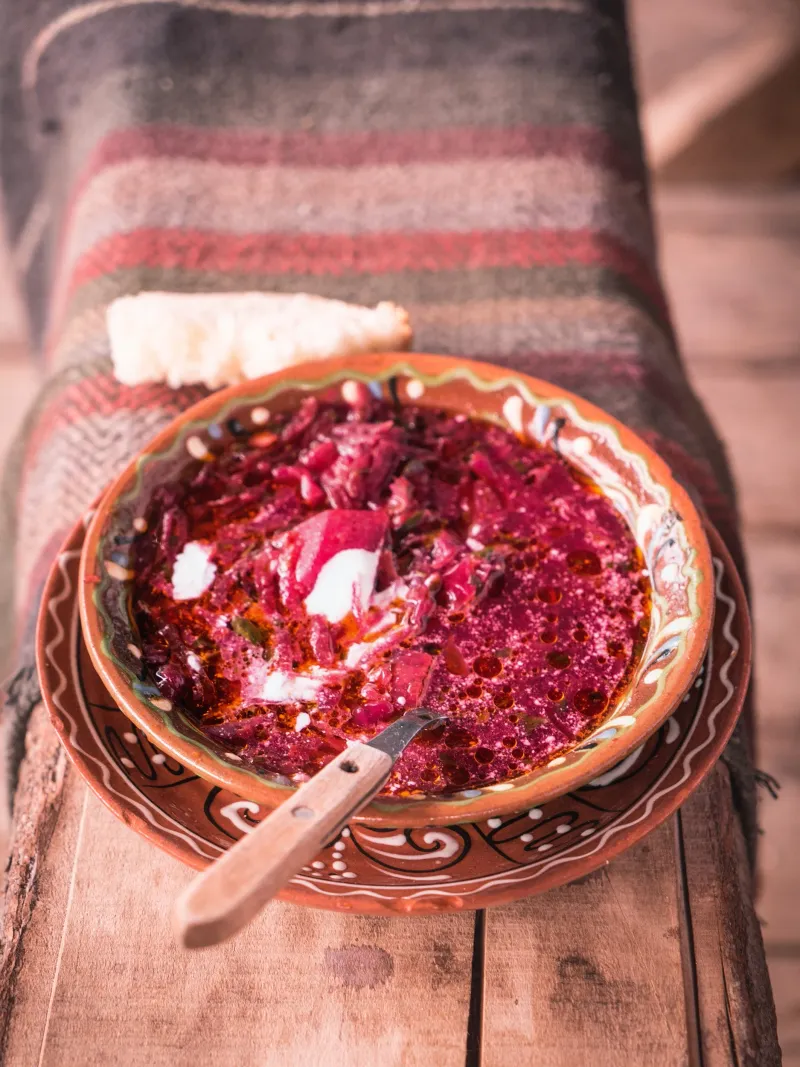
Moldova is one of Europe's least-visited countries, sandwiched between Romania and Ukraine, and its version of borscht is proudly its own. Moldovan borscht gets its sour punch from fermented bran liquid called bors, not just vinegar or lemon.
Loaded with beets, cabbage, potatoes, and finished with a swirl of thick sour cream, it is deeply warming on cold winter days. Each family guards their borscht recipe like a national treasure, passing it down through generations without writing a single thing down.
9. Jollof Spaghetti - Sierra Leone
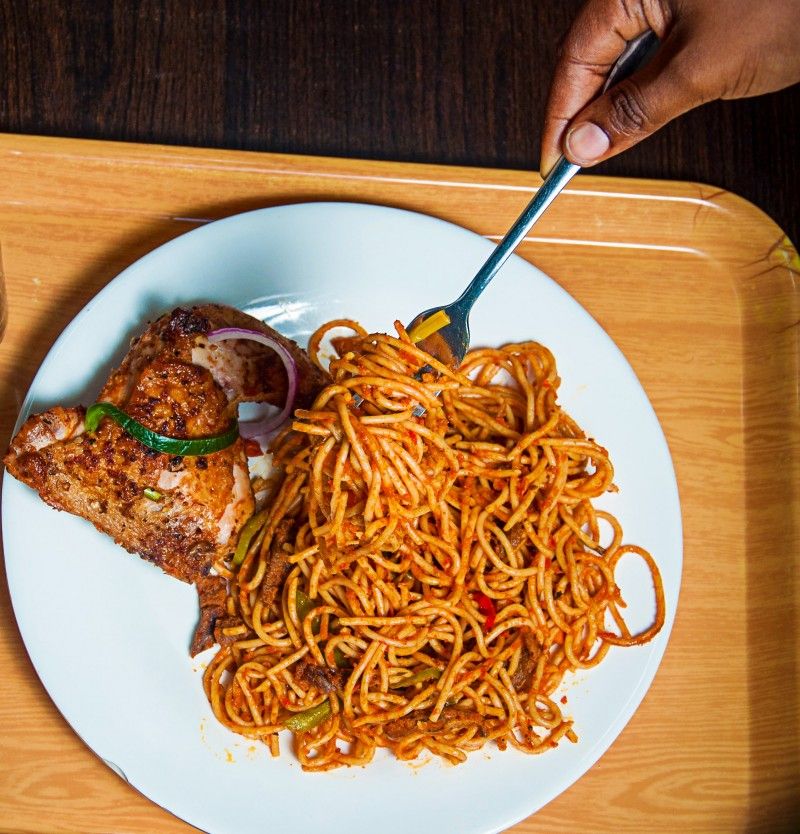
Forget the great Jollof rice debate for a moment, because Sierra Leone has its own spin that deserves attention. Jollof Spaghetti is exactly what it sounds like, pasta cooked low and slow in a thick, spiced tomato and pepper base with chicken or fish.
It is not Italian-inspired fusion. It is a genuinely local dish that developed from adapting available ingredients in creative ways.
Rich, slightly smoky, and filling enough to feed a whole family, it is street food royalty in Freetown.
10. Khinkali - Georgia
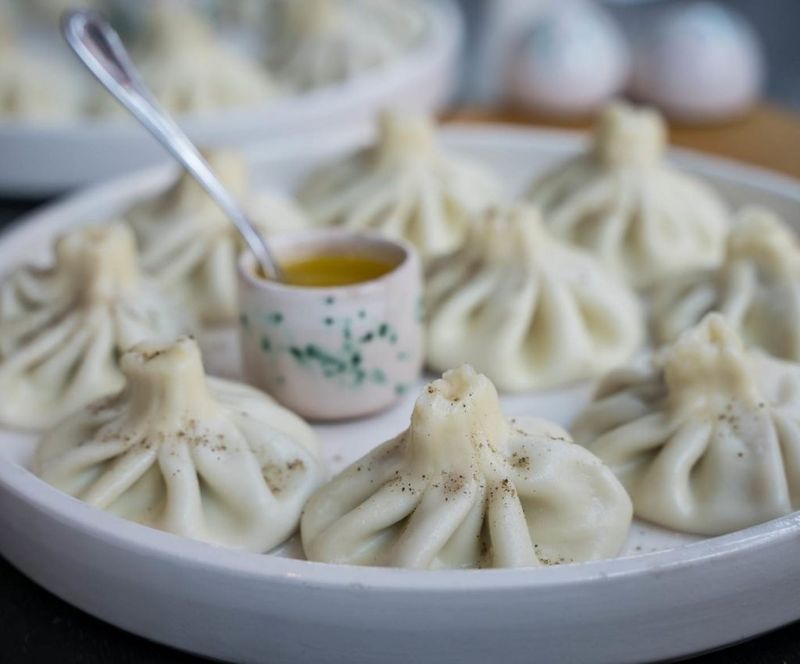
Georgia, the country nestled between Europe and Asia, has one of the most underrated food cultures on the planet. Khinkali are massive, twisted dumplings filled with spiced meat and a hot, savory broth inside the dough.
The trick to eating them is legendary. You hold the twisted top, bite a small hole, slurp the soup first, and then eat the rest.
Dropping the broth is considered a rookie mistake. Khinkali eating is practically a competitive sport at Georgian dinner tables.
11. Samsa - Uzbekistan
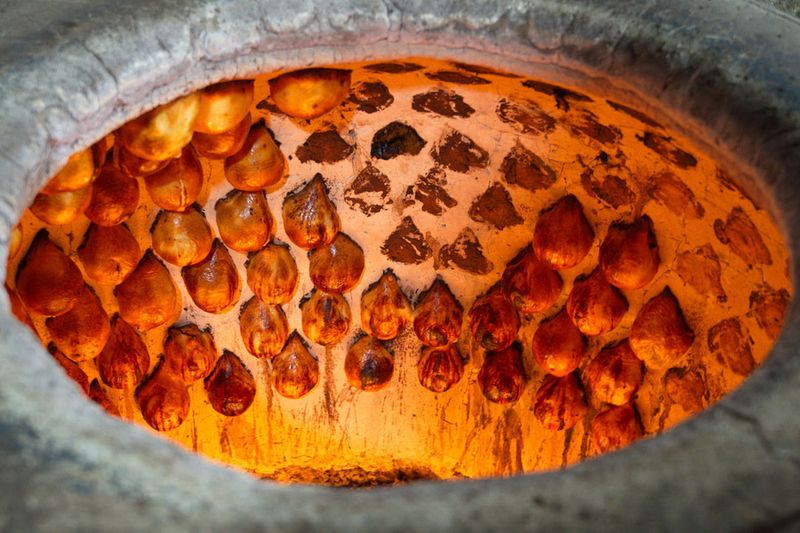
Baked in a clay tandoor oven at searing temperatures, Uzbek Samsa are flaky, golden pastries stuffed with minced lamb, onion, and cumin. They come out of the oven crispy on the outside and steaming hot on the inside.
Street vendors in Samarkand and Tashkent sell them fresh all morning, and locals eat them standing up, burning their fingers because they simply cannot wait. The smell of cumin and charred dough wafting from a tandoor is one of Central Asia's greatest sensory experiences.
12. Pho Khao Piak Sen - Laos
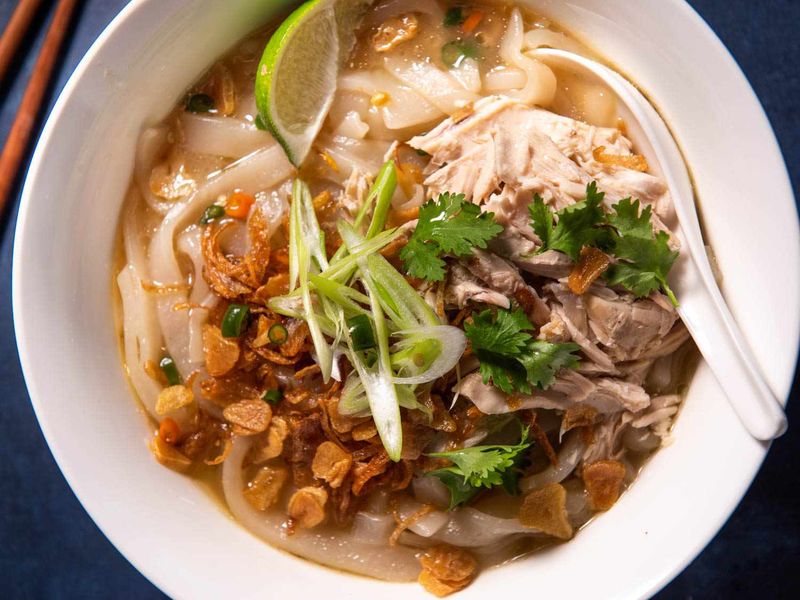
Not to be confused with Vietnamese pho, Khao Piak Sen is Laos's own soul-warming noodle soup. The noodles are made fresh from rice flour and tapioca, giving them a thick, chewy texture that soaks up the clear, ginger-laced chicken broth beautifully.
Topped with crispy shallots, fresh herbs, and a squeeze of lime, it is the dish Lao families reach for when someone is sick or sad. It is humble, healing, and honest food that asks for nothing in return but your full attention.
13. Injera with Shiro - Eritrea
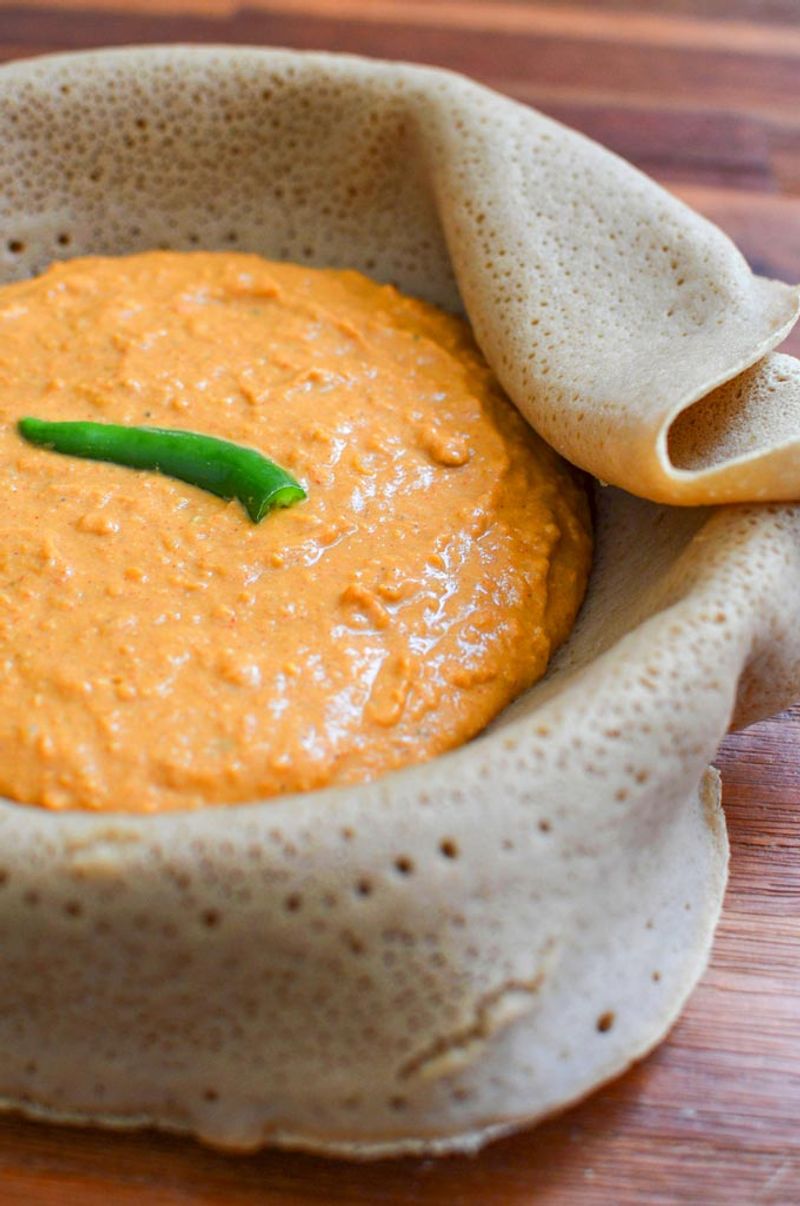
Eritrea shares some culinary roots with Ethiopia, but its food culture stands on its own. Injera, the spongy sourdough flatbread made from teff grain, serves as both plate and utensil, while Shiro, a silky chickpea powder stew spiced with berbere, is the star topping.
Shiro is especially beloved during fasting periods when meat is avoided. It is creamy, spiced without being overwhelming, and deeply satisfying.
Tearing off a piece of injera and scooping Shiro is an act of both eating and community bonding.
14. Mapo Tofu - Bhutan (Ema Datshi)
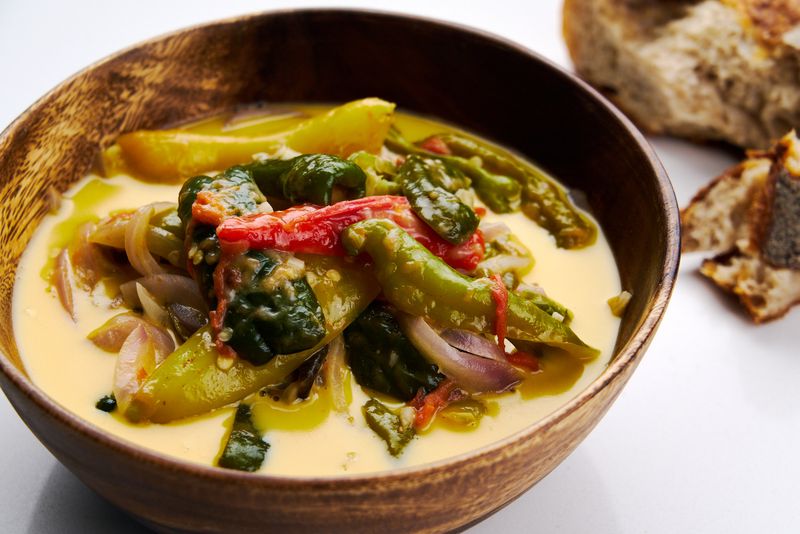
Bhutan's national dish sounds simple until you taste it. Ema Datshi is a fiery stew made with whole green chilies and local yak cheese, and it is not for the faint-hearted.
Chilies are not a spice here. They are the main ingredient.
Served alongside nutty red rice, Ema Datshi is eaten daily by most Bhutanese people. The cheese melts into a creamy, spicy sauce that somehow manages to be both brutal and comforting at the same time.
Bhutan truly lives by its chilies.
15. Poulet DG - Cameroon
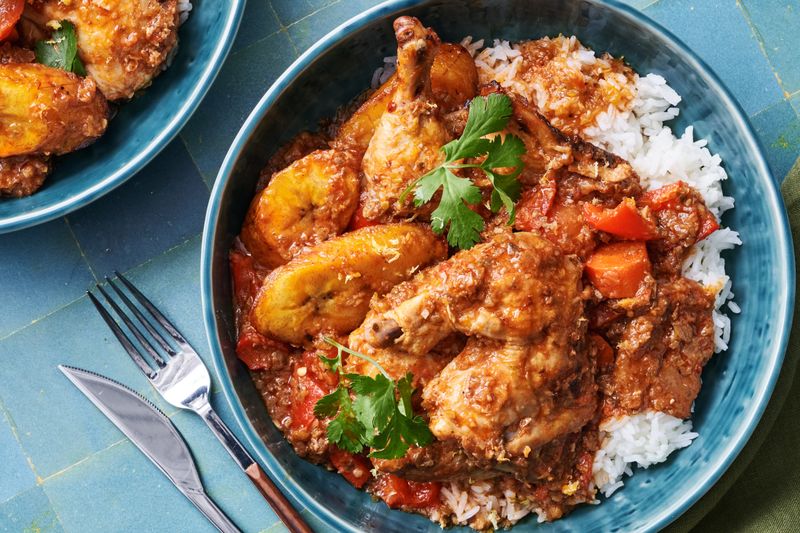
Poulet DG, short for Poulet Directeur General, is a dish so fancy its name means the boss's chicken. In Cameroon, it is served at celebrations, weddings, and anytime someone wants to impress guests.
Fried chicken is simmered with ripe plantains, colorful bell peppers, carrots, and a rich tomato sauce until everything melds into a glossy, fragrant masterpiece. The plantains absorb the sauce and become almost candy-sweet against the savory chicken.
It is festive, filling, and absolutely worth the effort.
16. Ceviche de Camarones - Ecuador
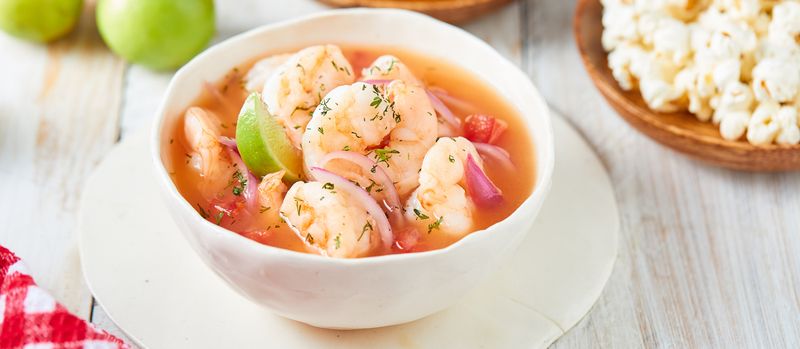
Ecuador's version of ceviche is wildly different from its Peruvian cousin, and that is a good thing. Ecuadorian shrimp ceviche uses cooked shrimp bathed in a tangy tomato and citrus sauce, topped with fresh cilantro and red onion.
The best part? It is served with popcorn and crunchy corn nuts on the side.
Yes, popcorn. It adds a salty crunch that makes every bite more interesting.
Street vendors in Guayaquil serve it in plastic cups, and locals eat it for breakfast without hesitation.
17. Burek - Bosnia and Herzegovina
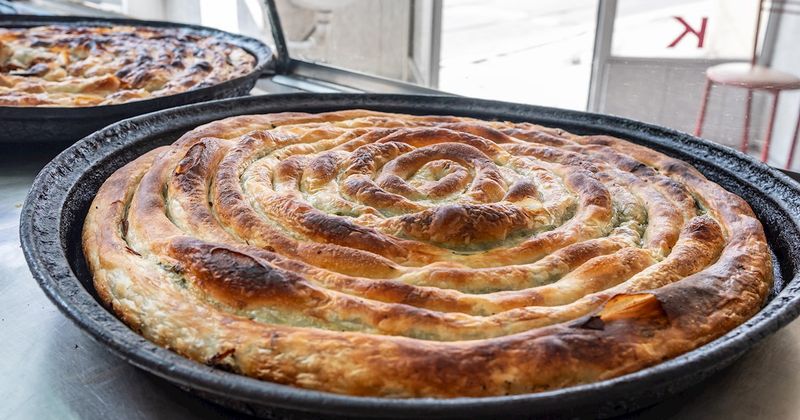
Walk through Sarajevo early in the morning and the smell of Burek will pull you off the street and into a bakery. Burek is a flaky, spiral-shaped pastry filled with spiced minced meat, baked until golden and slightly crispy on the outside.
In Bosnia, Burek specifically means the meat version. Cheese-filled pastry is called something else entirely, and locals will correct you firmly if you mix them up.
Eaten with cold yogurt poured over the top, Burek is the ultimate Bosnian breakfast experience.
18. Pounded Yam and Oha Soup - Nigeria's Igbo Region
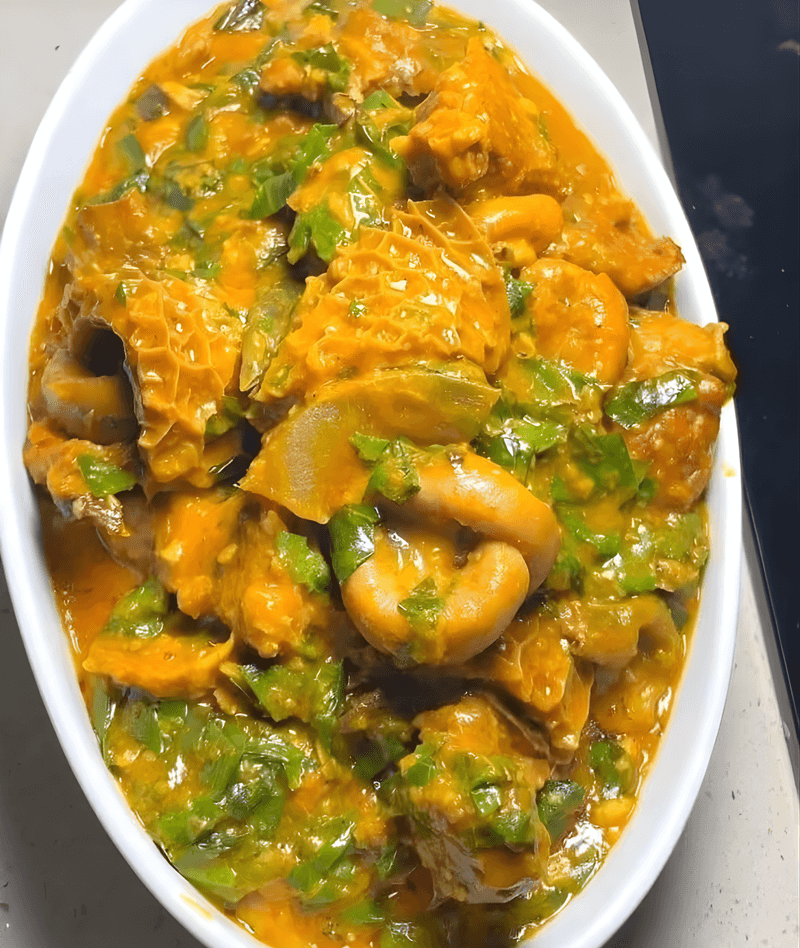
Among Nigeria's Igbo people, no meal carries more cultural pride than pounded yam with Oha soup. Oha leaves are wild forest leaves with a slightly bitter, complex flavor that deepens the soup made with cocoyam paste, palm oil, and assorted meats.
Pounding yam by hand in a large wooden mortar is a whole workout and a social event rolled into one. The resulting dough is smooth, stretchy, and satisfying in a way that instant alternatives simply cannot replicate.
This dish is Igbo heritage served on a plate.
19. Kaddo Bourani - Afghanistan
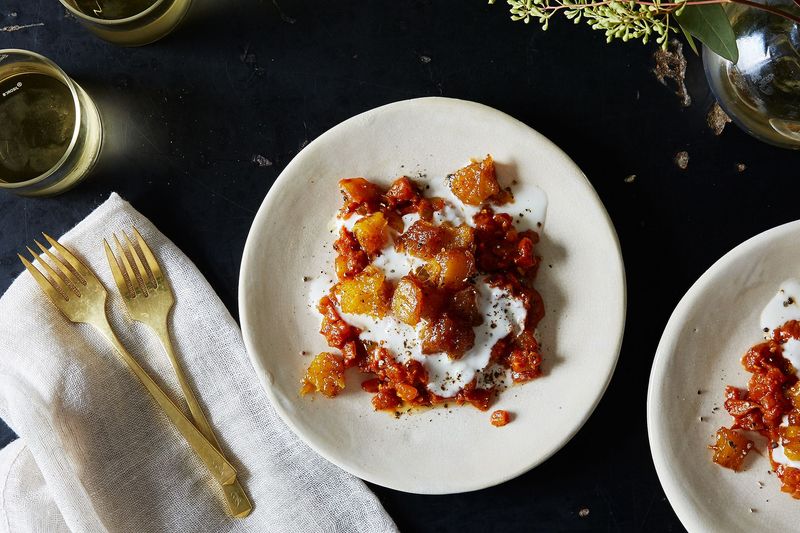
Afghanistan rarely appears on foodie bucket lists, but Kaddo Bourani might just change that. This dish features tender pumpkin or butternut squash pan-fried with sugar and spices until caramelized and golden, then topped with garlicky yogurt and a layer of spiced ground beef.
Sweet, savory, and creamy all at once, Kaddo Bourani is a flavor combination that surprises every first-time taster. It is served as an appetizer in Afghan restaurants worldwide, yet most people have never heard of it.
That is the world's loss.
20. Sopa de Mani - Bolivia
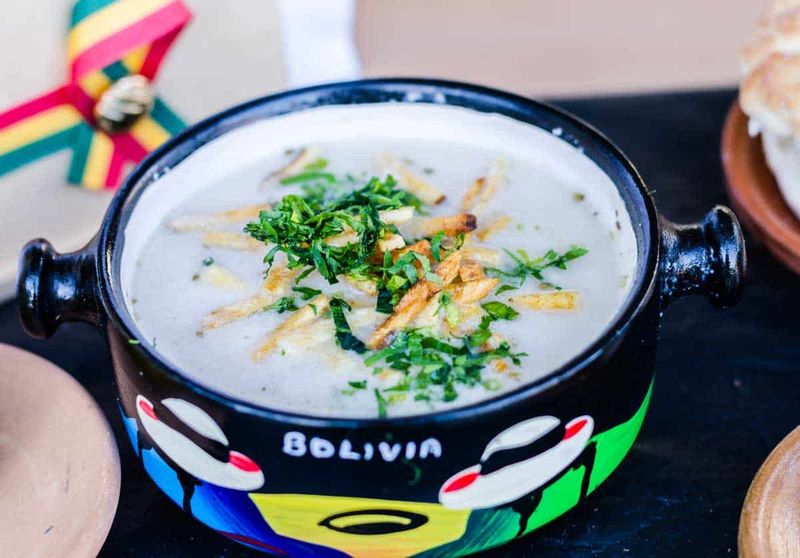
Bolivia sits high in the Andes, and its cuisine reflects the altitude, the climate, and centuries of indigenous tradition. Sopa de Mani is a hearty peanut soup made with beef, potatoes, noodles, and a rich peanut broth that is both nutty and deeply warming.
Peanuts have been grown in South America for thousands of years, and this soup honors that legacy. It is thick enough to be a meal on its own, and Bolivians eat it as a main course, usually followed by a second main course because one is never enough.
21. Haleem - Bangladesh
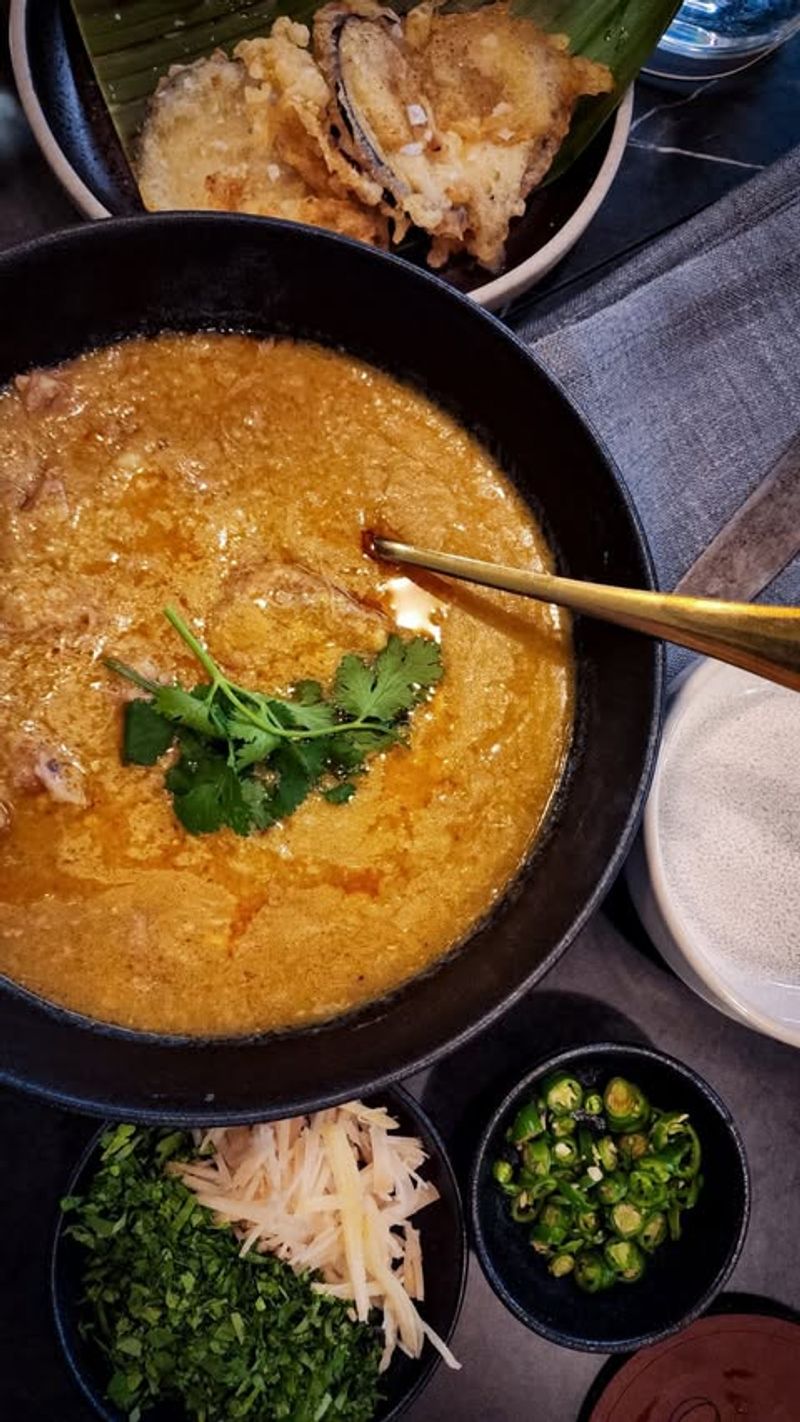
Bangladesh's Haleem is a dish that demands patience, and it rewards that patience generously. Lentils, cracked wheat, and meat are slow-cooked together for hours until everything breaks down into a thick, porridge-like stew of extraordinary depth.
Finished with crispy fried onions, fresh ginger strips, and a squeeze of lemon, it is a complete meal in a single bowl. During Ramadan, Haleem is especially popular, sold by street vendors in enormous pots that simmer all day.
The aroma alone tells you it was worth the wait.
22. Cachupa - Cape Verde
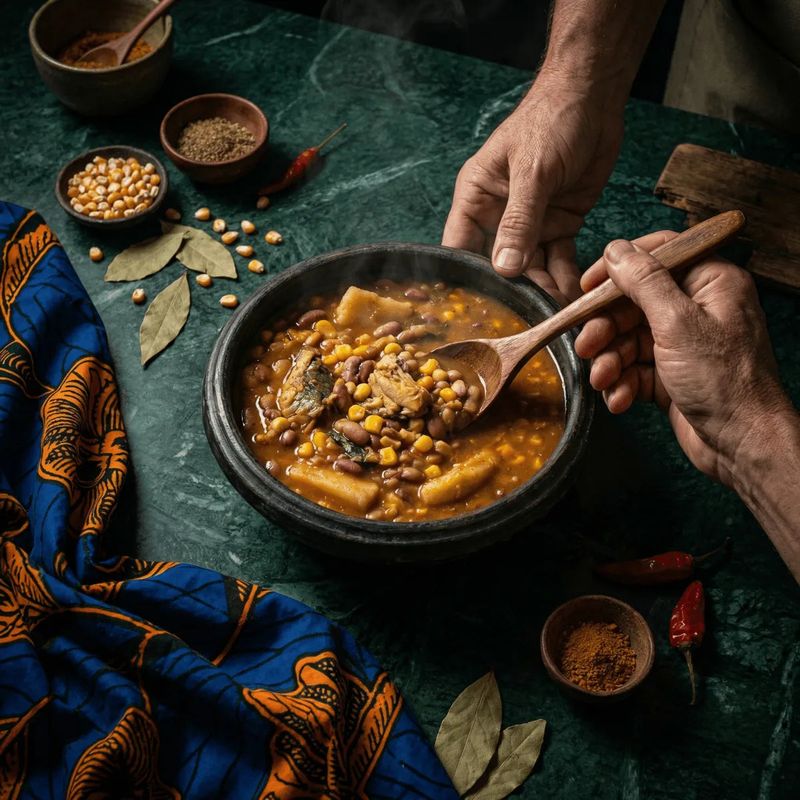
Cape Verde is an archipelago off West Africa's coast, and Cachupa is the dish that holds the islands together. This slow-cooked stew combines hominy corn, beans, sweet potato, and whatever meat or fish is available, simmered low and slow until thick and fragrant.
Every island has its own version, and every family swears theirs is the best. Leftover Cachupa is fried the next morning with eggs on top, called Cachupa Refogada, and many Cape Verdeans secretly prefer that version.
Leftovers becoming their own beloved dish is a sure sign of great cooking.
23. Mafé - Mali
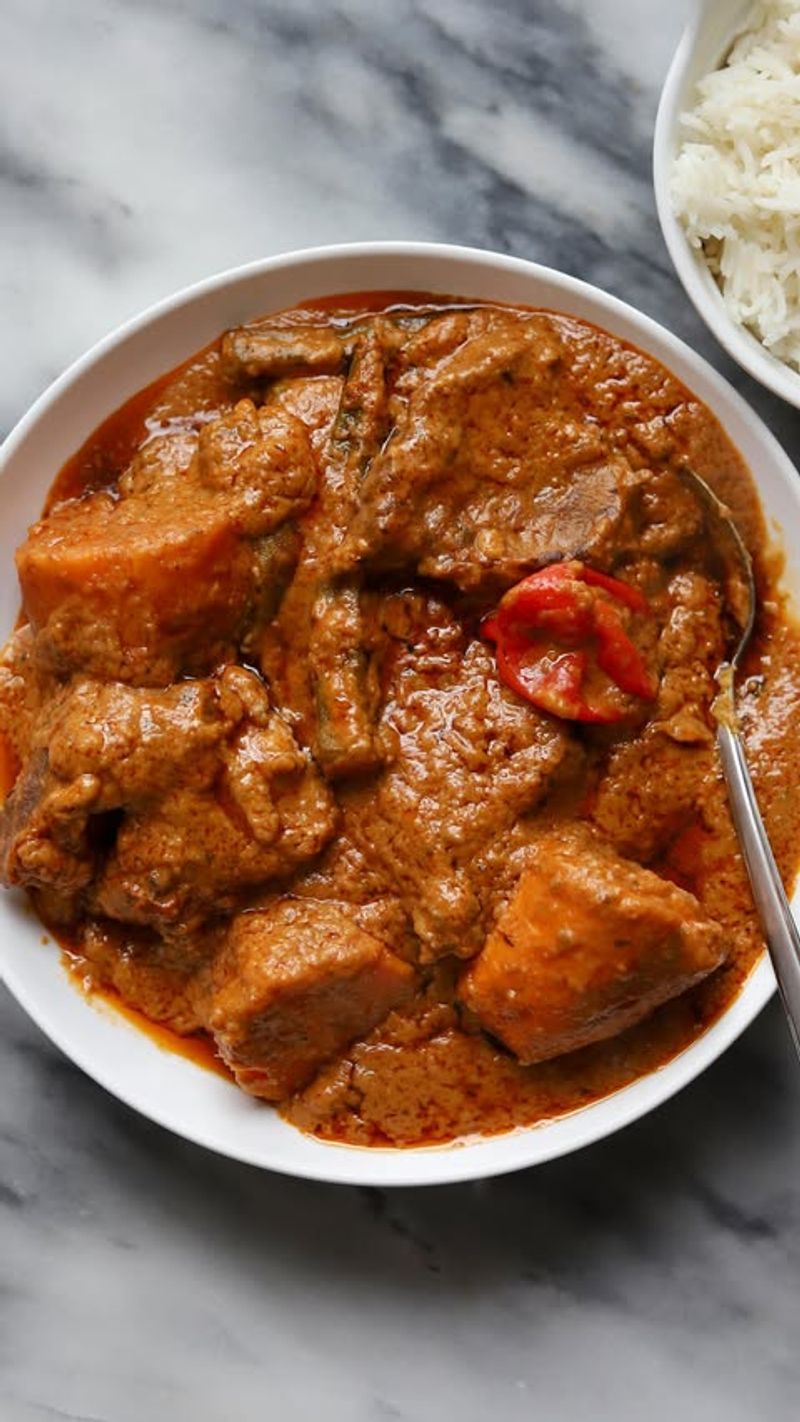
Mali may not be on most travelers' maps, but its peanut butter stew, Mafe, is one of West Africa's most comforting dishes. Tender lamb or chicken is slow-cooked in a thick peanut butter sauce with tomatoes, sweet potato, and a handful of spices.
The result is a sauce that is simultaneously rich, earthy, and slightly sweet, perfect spooned generously over fluffy white rice. Mafe is everyday food for Malian families, but its flavor profile is so complex it could hold its own in any fine dining setting around the world.
24. Khoresh Fesenjān - Iran
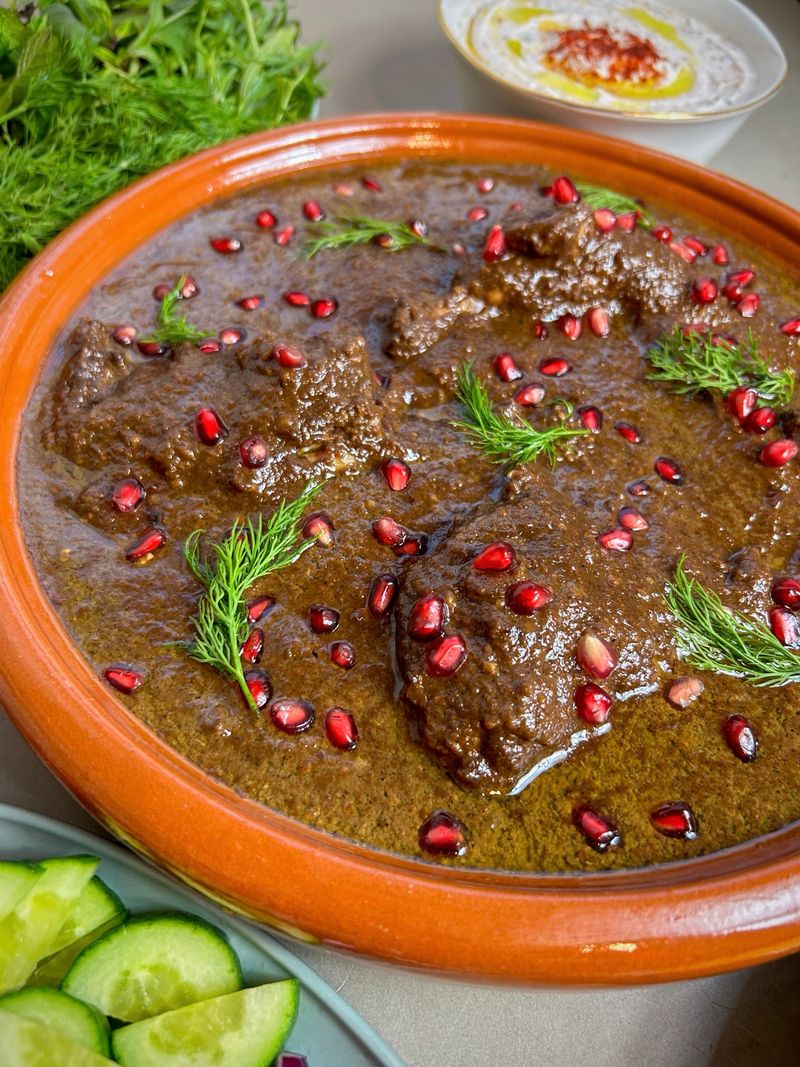
Iran's Khoresh Fesenjān is one of those dishes that sounds unusual until the first spoonful changes everything. Ground walnuts and pomegranate molasses are simmered together into a dark, glossy sauce with a flavor that is tart, sweet, and deeply nutty all at once.
Duck or chicken is braised slowly in this sauce until it becomes impossibly tender. Served over saffron-scented rice, it is an ancient Persian recipe believed to be thousands of years old.
Every bite feels like reading a page of history written in the most delicious language imaginable.




Comments
No Comments