













You might think that eating plenty of food keeps your body well-fuelled and hydrated, but some foods actually pull water out of your system instead of adding it. Certain everyday snacks and meals can quietly drain your body's moisture levels without you even noticing until a headache or dry mouth kicks in.
Knowing which foods work against your hydration can help you make smarter choices every day. Read on to find out which common foods might be secretly leaving you thirstier than before.
1. Salty Crisps and Chips
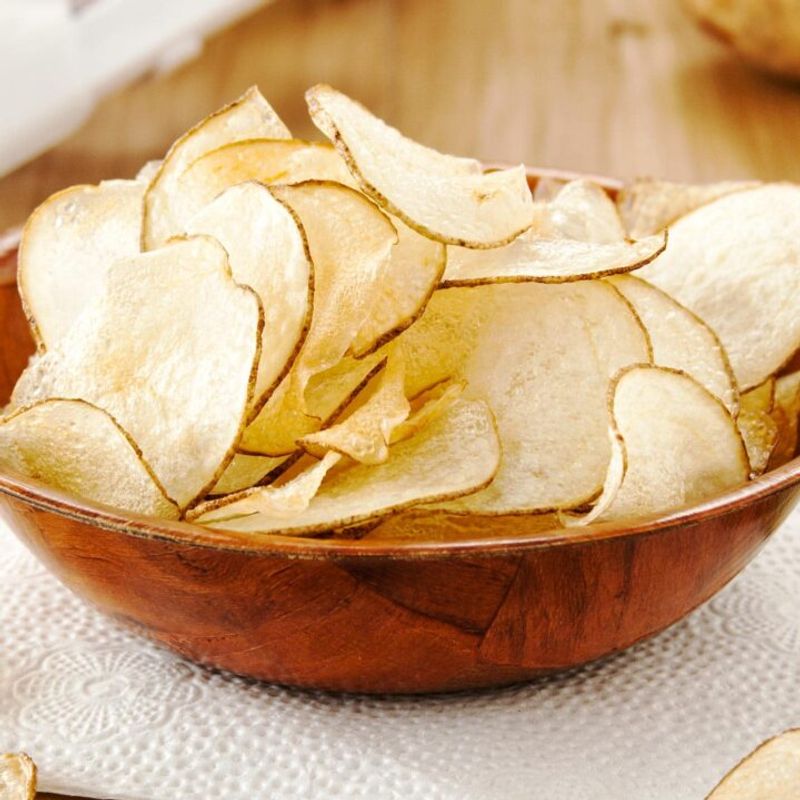
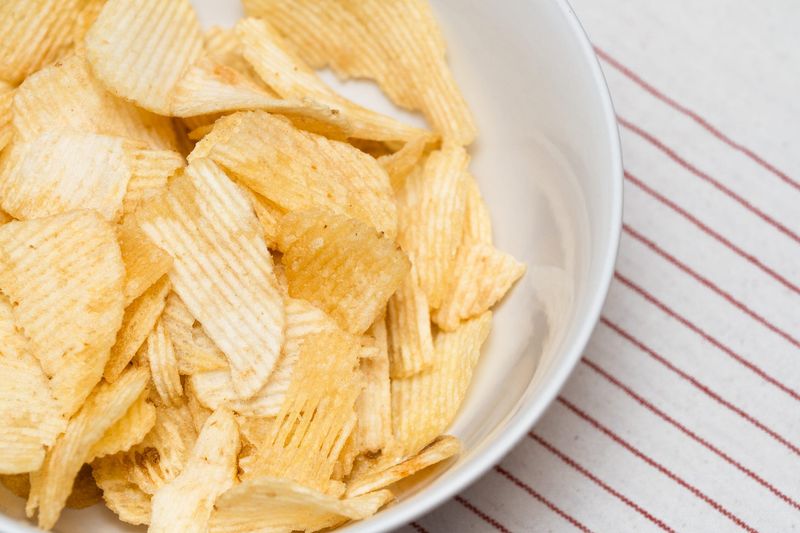
Ever finish a bag of crisps and immediately reach for a drink? That's no coincidence.
Salt draws water out of your body's cells through a process called osmosis, forcing your kidneys to work harder to flush out the excess sodium.
The more crisps you eat, the more water your body needs to balance things out. Swapping your salty snack for something lower in sodium — like unsalted nuts or fresh fruit — can make a real difference to your daily hydration levels.
2. Cured and Processed Meats
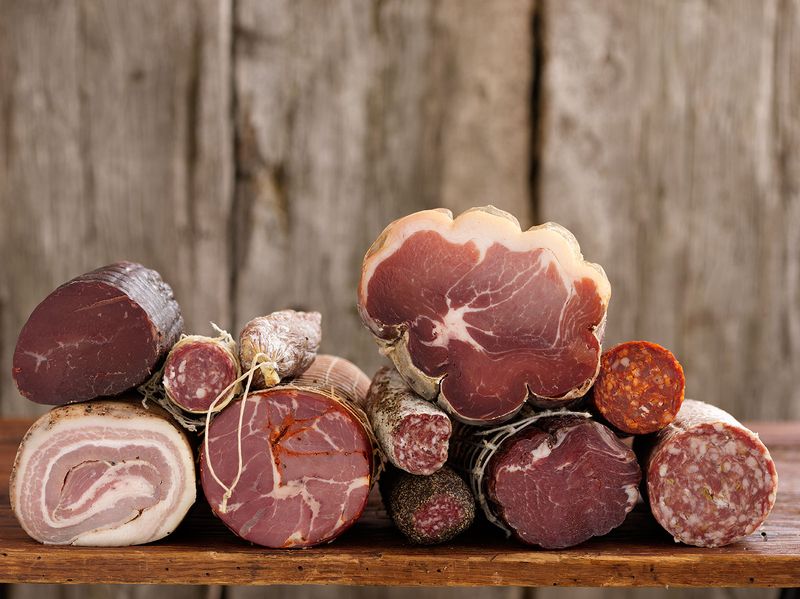
Salami, pepperoni, and bacon might taste amazing, but they come loaded with sodium used during the curing process. That sodium spike signals your body to retain water in some areas while pulling it from others, leaving your cells short on moisture.
Processed meats can contain over 1,000 mg of sodium per serving — nearly half your daily recommended intake in just a few slices. Pairing them with plenty of water or fresh vegetables can help offset the dehydrating effect on your system.
3. Alcohol
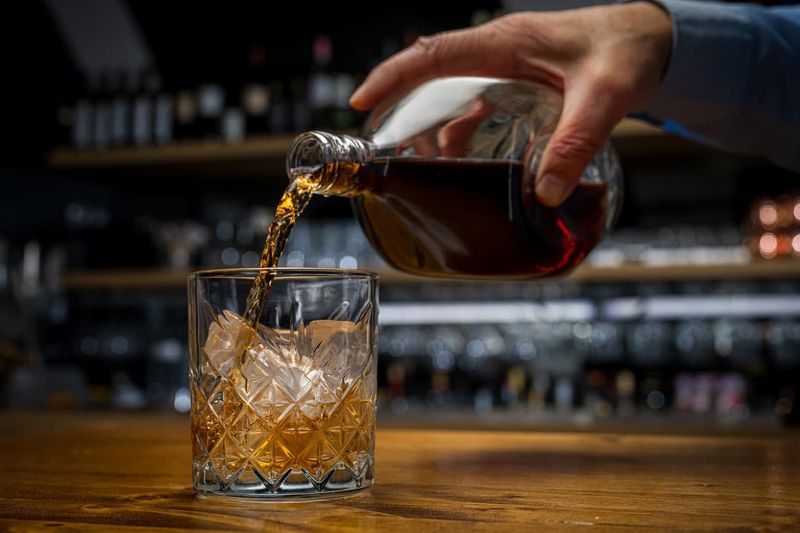
Alcohol is one of the most well-known dehydrators out there — and for good reason. It suppresses a hormone called vasopressin, which normally tells your kidneys to hold onto water.
Without it, your kidneys release far more fluid than usual.
That's why a night out often ends with a dry mouth and a pounding headache the next morning. Drinking a glass of water between alcoholic drinks is one of the simplest ways to slow down dehydration and help your body stay more balanced throughout the evening.
4. Coffee
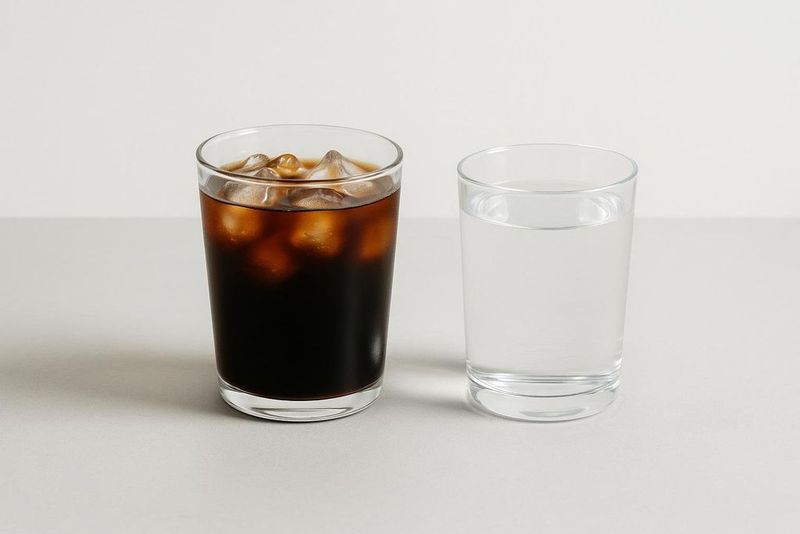
Caffeine acts as a mild diuretic, meaning it encourages your kidneys to produce more urine than usual. For moderate coffee drinkers, the effect is relatively small — but drinking multiple cups throughout the day can add up to noticeable fluid loss.
Interestingly, black coffee does contain some water, so it isn't purely dehydrating. However, relying on coffee as your main fluid source isn't a smart move.
Balancing each cup with an extra glass of water keeps your hydration levels steady without giving up your morning brew.
5. Energy Drinks
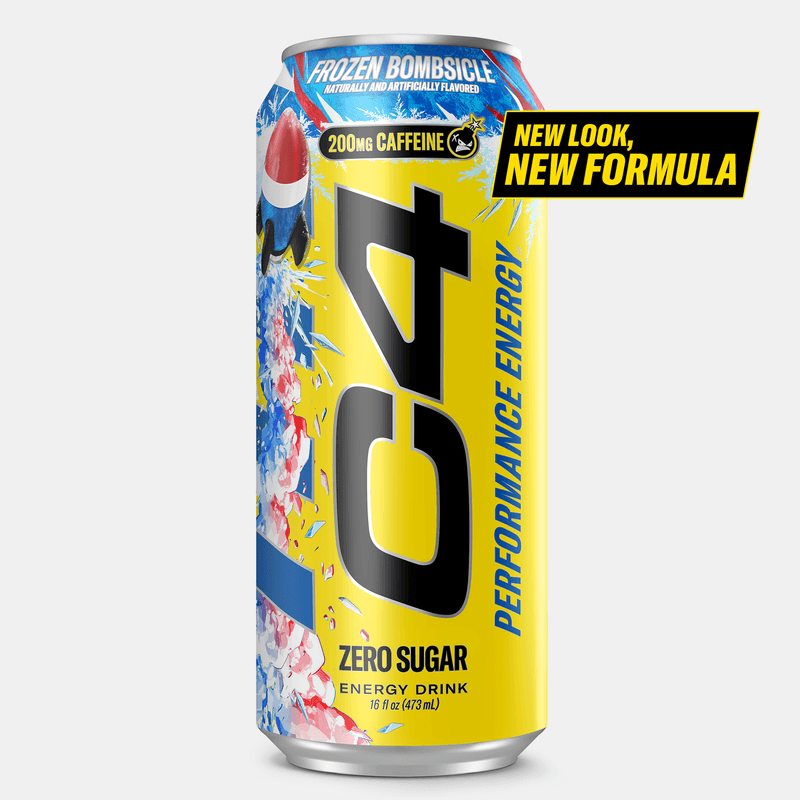
Energy drinks pack a double dehydration punch — they're loaded with both caffeine and sugar, both of which encourage your body to lose fluids faster than normal. The high caffeine content increases urination, while sugar draws water into your digestive tract to help with processing.
Many people reach for energy drinks when they're already tired and slightly dehydrated, which makes the problem worse. Water or a natural electrolyte drink is a far better choice when your energy is running low and your body needs real replenishment.
6. Soy Sauce
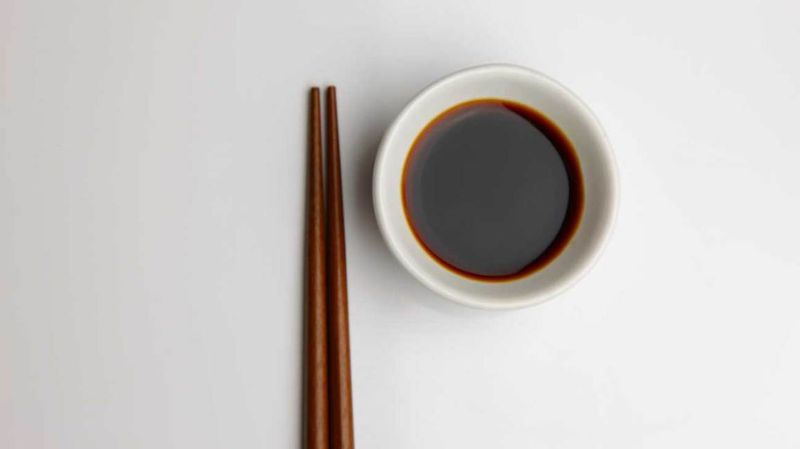
Just one tablespoon of soy sauce contains around 900 mg of sodium — that's almost 40% of the recommended daily limit in a single condiment. High sodium intake throws off your body's fluid balance almost immediately, prompting your kidneys to flush out extra water.
Many people underestimate how much soy sauce they use when dipping sushi or stir-frying vegetables. Opting for a low-sodium version or using smaller amounts can help you enjoy the flavour without sending your hydration levels into a tailspin.
7. Sugary Sweets and Lollies
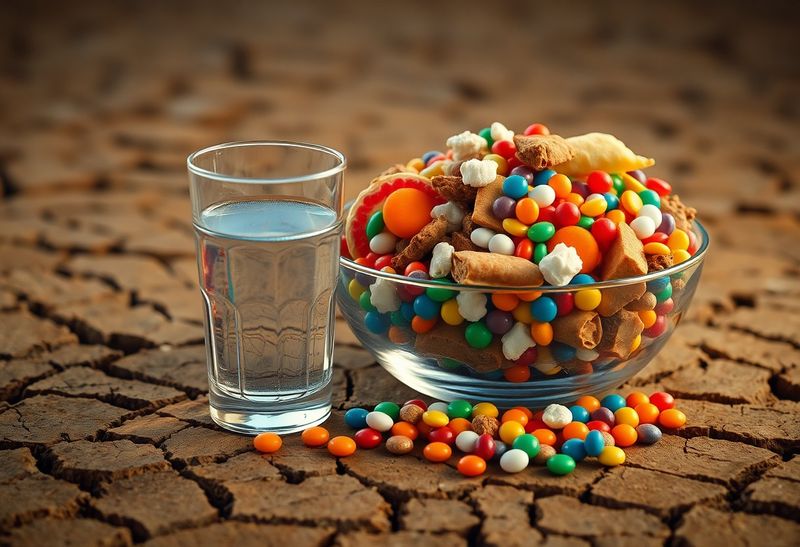
Sugar triggers your body to use water to metabolise it and maintain normal blood sugar levels. The more sugar you consume in one sitting, the more water your cells need to pull from surrounding tissues to keep up with the demand.
High-sugar sweets offer almost no nutritional value and zero hydration support. After a big sugar hit, many people notice dry lips or a scratchy throat — classic early signs of mild dehydration.
Choosing fresh fruit satisfies the sweet craving while actually contributing to your daily fluid intake.
8. Asparagus
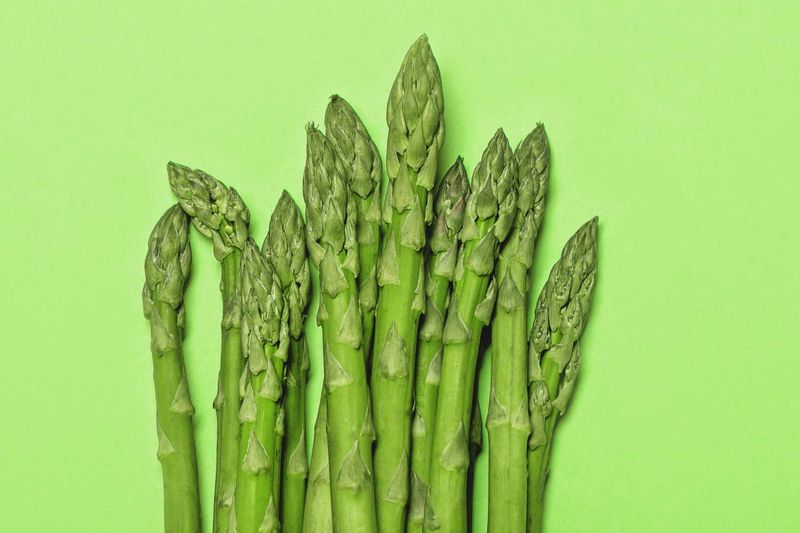
Asparagus has a surprising reputation as a natural diuretic. It contains a compound called asparagine, an amino acid that stimulates kidney function and increases urine output — which means your body loses more fluid after eating it than you might expect.
That said, asparagus is incredibly nutritious and worth keeping in your diet. The trick is simply drinking extra water when you eat it.
A side of water-rich foods like cucumber or tomato alongside your asparagus can help balance out the diuretic effect without skipping the vegetable altogether.
9. Canned Soups
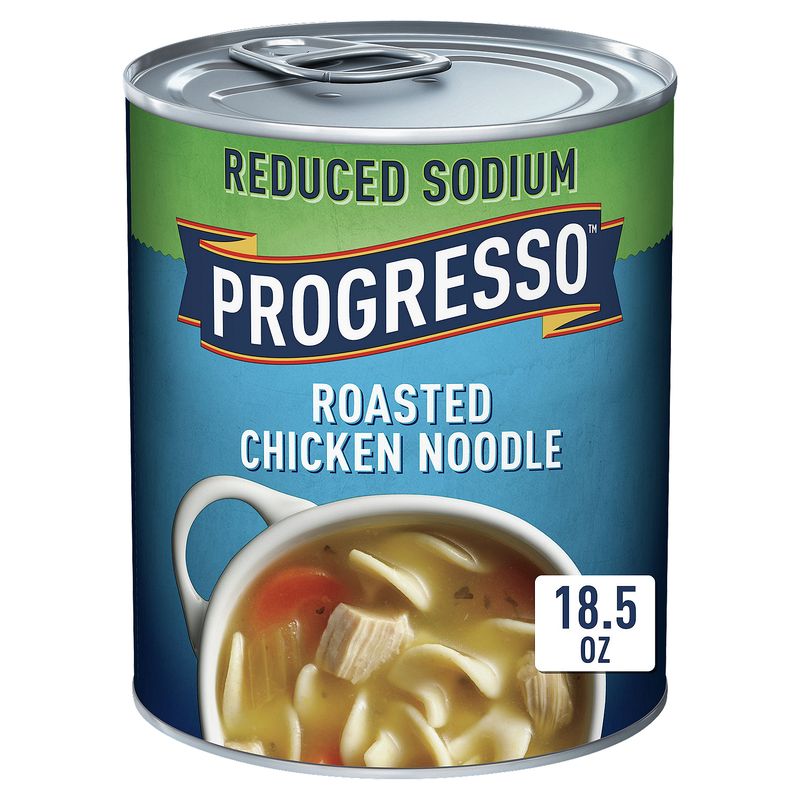
Soup sounds hydrating, and the liquid part certainly is — but canned soups are notorious for their shocking sodium content. A single can can contain upwards of 800 to 1,200 mg of sodium, which quickly offsets any hydration benefit the broth provides.
Reading nutrition labels before buying canned soup is always a smart move. Look for low-sodium options, or better yet, make your own broth at home where you control the salt.
Adding fresh vegetables boosts both the nutrition and the water content of every bowl.
10. Packaged Noodles and Instant Ramen
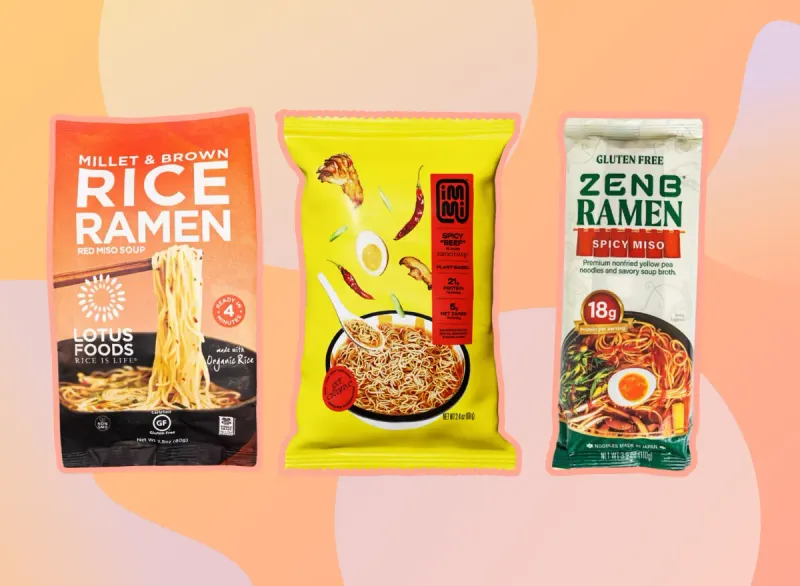
Instant ramen is practically a student survival staple, but those flavour sachets are absolutely packed with sodium — sometimes delivering over 1,500 mg in a single serving. That level of salt puts serious pressure on your kidneys and pulls water away from your tissues.
The noodles themselves also contain very little fibre or water content. If you love ramen, try making it from scratch with a lower-sodium broth and load it up with water-rich toppings like bok choy, mushrooms, and bean sprouts to make each bowl work harder for your hydration.
11. Fried Foods
Deep-fried foods are cooked at extremely high temperatures that strip out most of their natural moisture content. What you're left with is a crispy, calorie-dense food that offers very little in terms of water replenishment for your body.
On top of that, fried foods are usually seasoned heavily with salt, doubling their dehydrating power. Your digestive system also needs extra fluids to break down the high fat content.
Baking or air-frying with minimal salt is an easy swap that keeps the crunch without the hydration hit.
12. Pickles
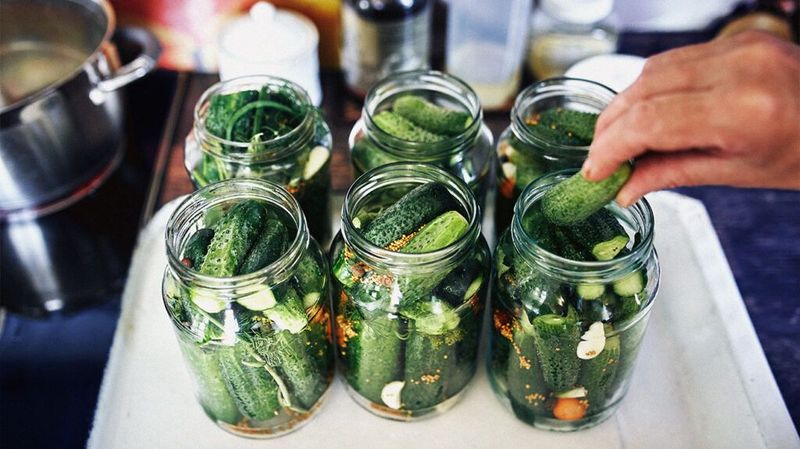
Pickles might be made from cucumbers — one of the most hydrating vegetables around — but the pickling process transforms them into a high-sodium food. The brine used to preserve pickles is essentially a salt solution, and eating several pickles means consuming a significant sodium load.
Ironically, athletes sometimes drink pickle juice after exercise for the electrolytes, but for everyday snacking, the salt content far outweighs any hydration benefit. Enjoying pickles occasionally and in small amounts keeps the flavour in your diet without throwing off your fluid balance.
13. Pretzels
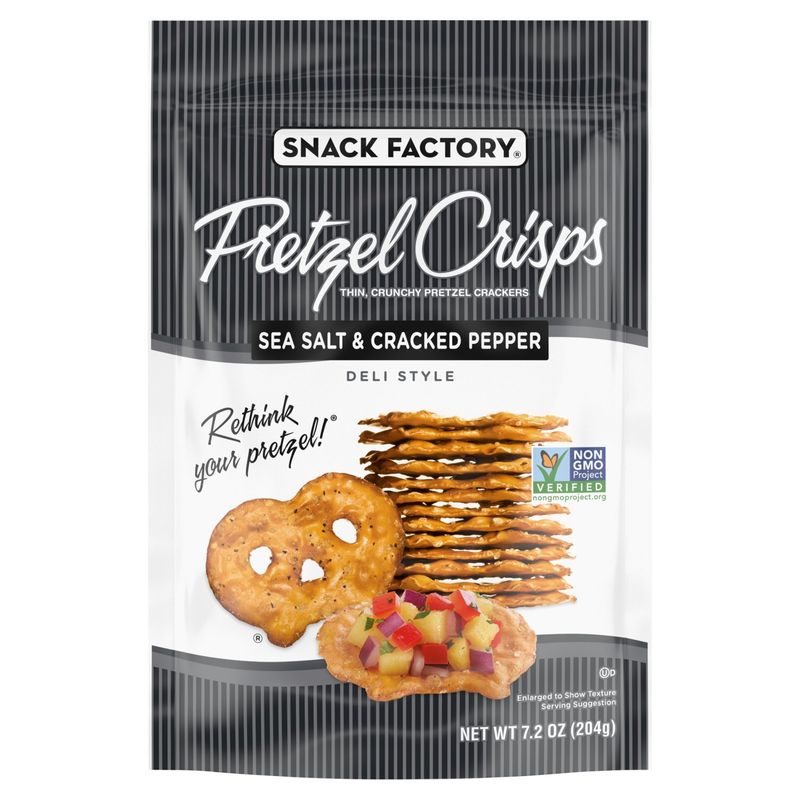
Pretzels are one of those snacks that seem harmless but hide a surprising amount of salt. A standard serving of pretzels can contain 400 to 600 mg of sodium, and very few people stop at just one serving when snacking in front of the TV.
They're also very low in water content, offering your body nothing in the way of hydration while actively encouraging fluid loss through increased sodium intake. Swapping pretzels for celery sticks with hummus gives you a similar satisfying crunch with a much more hydration-friendly nutritional profile.
14. Beef Jerky
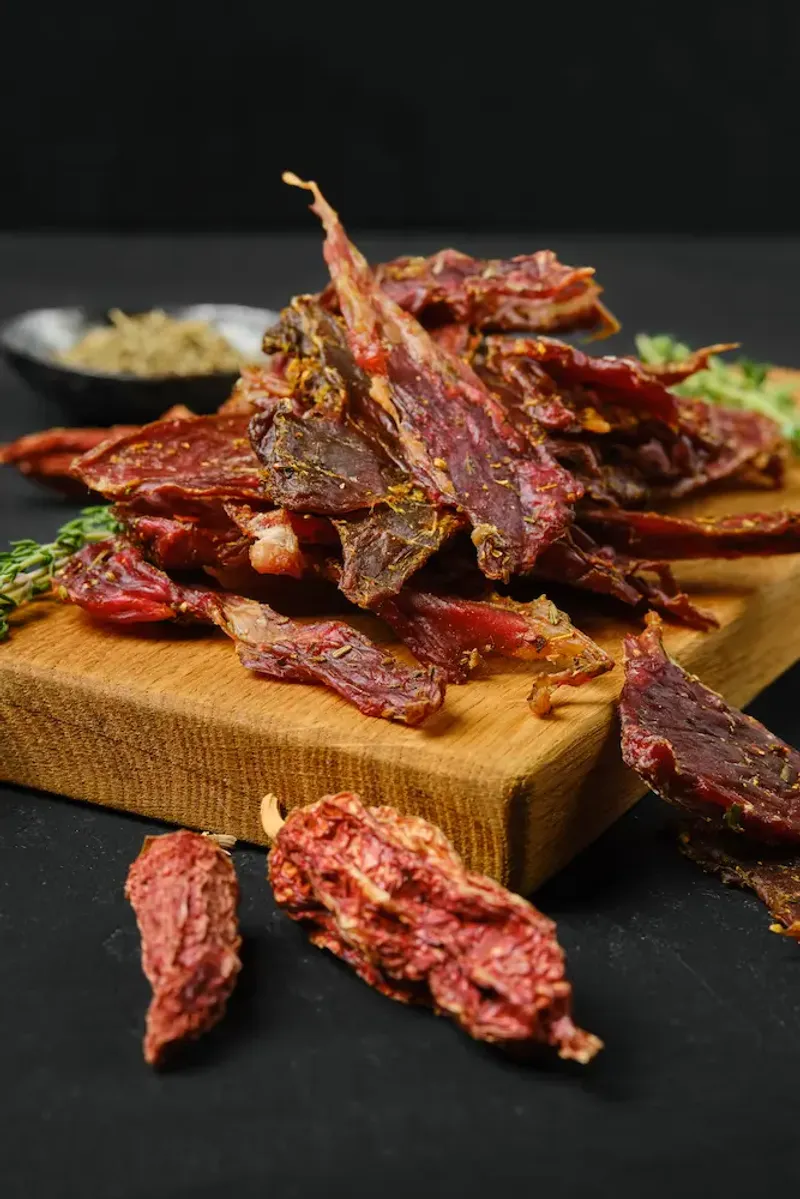
Beef jerky is created by removing almost all moisture from the meat — that's literally what the drying process does. So you're eating a food from which water has been deliberately extracted, and it's typically seasoned with a heavy dose of salt on top of that.
A small 30g serving can pack in 400 to 600 mg of sodium. While it's a convenient, protein-rich snack, it's worth chasing every piece with a generous glass of water.
Your body will be working hard to process both the protein and the salt simultaneously.
15. Biscuits and Crackers
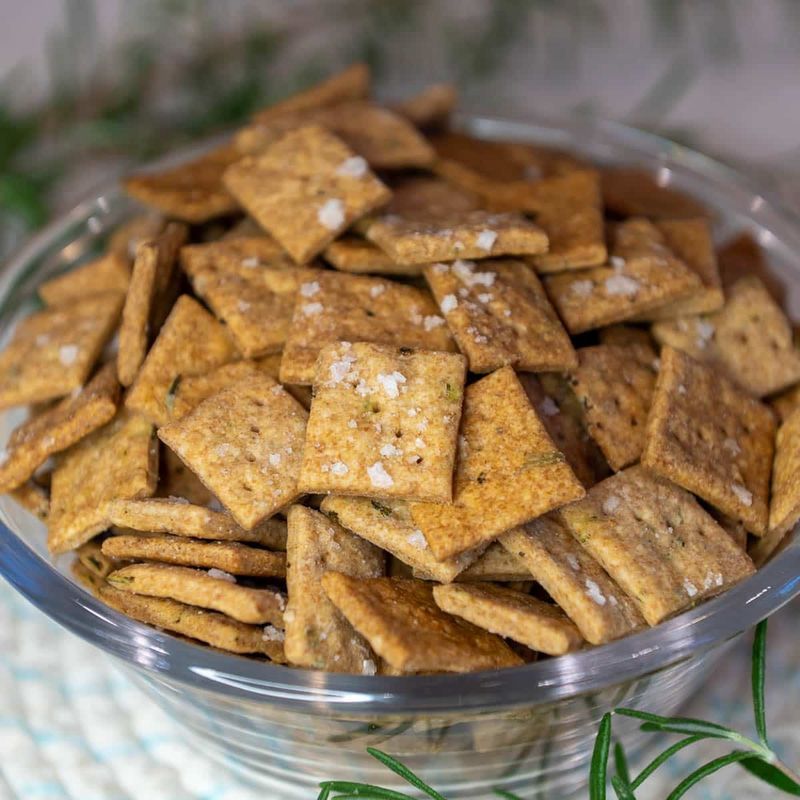
Most commercially made biscuits and crackers are baked until nearly all moisture is gone, making them naturally low in water content. Many varieties are also seasoned with salt, flavour enhancers, or both — adding a sodium burden on top of an already dehydrating base food.
Eating crackers as a standalone snack without anything to drink is a surprisingly easy way to build up a mild fluid deficit over the course of a day. Pairing them with water-rich toppings like sliced tomato, hummus, or avocado helps balance out the dryness and adds real nutritional value.
16. Soda and Fizzy Drinks
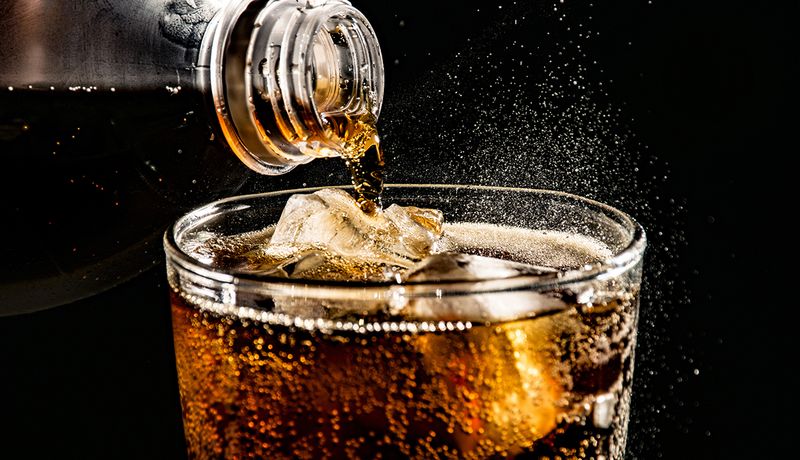
Fizzy drinks might look refreshing, but the combination of sugar, caffeine (in many varieties), and carbonation makes them far less hydrating than plain water. The sugar content alone requires your body to use water to metabolise it, reducing your net hydration gain from each sip.
Diet sodas aren't off the hook either — the artificial sweeteners and caffeine in many diet drinks still encourage fluid loss. Reaching for sparkling water with a splash of lemon gives you the fizzy satisfaction without the sugar and caffeine downsides that quietly work against your hydration.
17. Spicy Foods
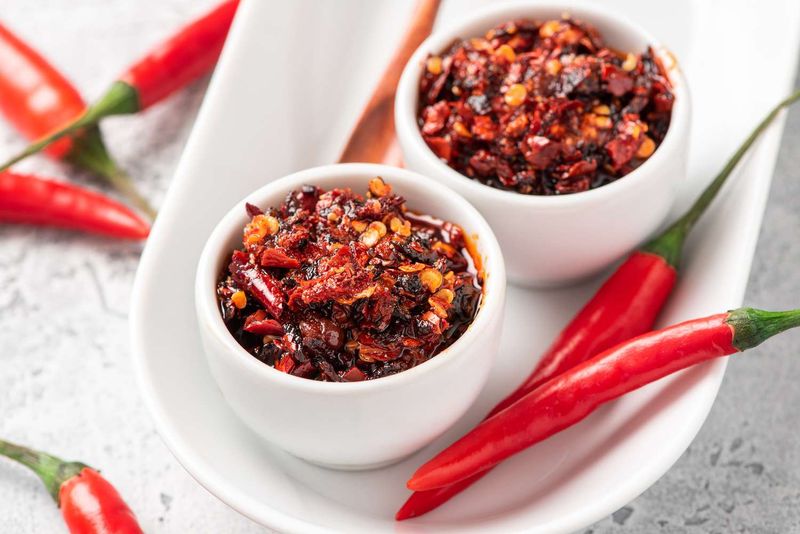
Spicy food doesn't directly dehydrate you the way salt does, but it triggers sweating — sometimes a lot of it — which causes your body to lose fluids rapidly. Capsaicin, the compound that makes chillies hot, activates heat receptors in your body that prompt sweating as a cooling response.
The hotter the dish, the more you sweat, and the more water you lose without even realising it. Keeping a large glass of water nearby when eating spicy food is a simple habit that prevents the mild dehydration that often follows a fiery meal.
18. Soy-Based Snacks
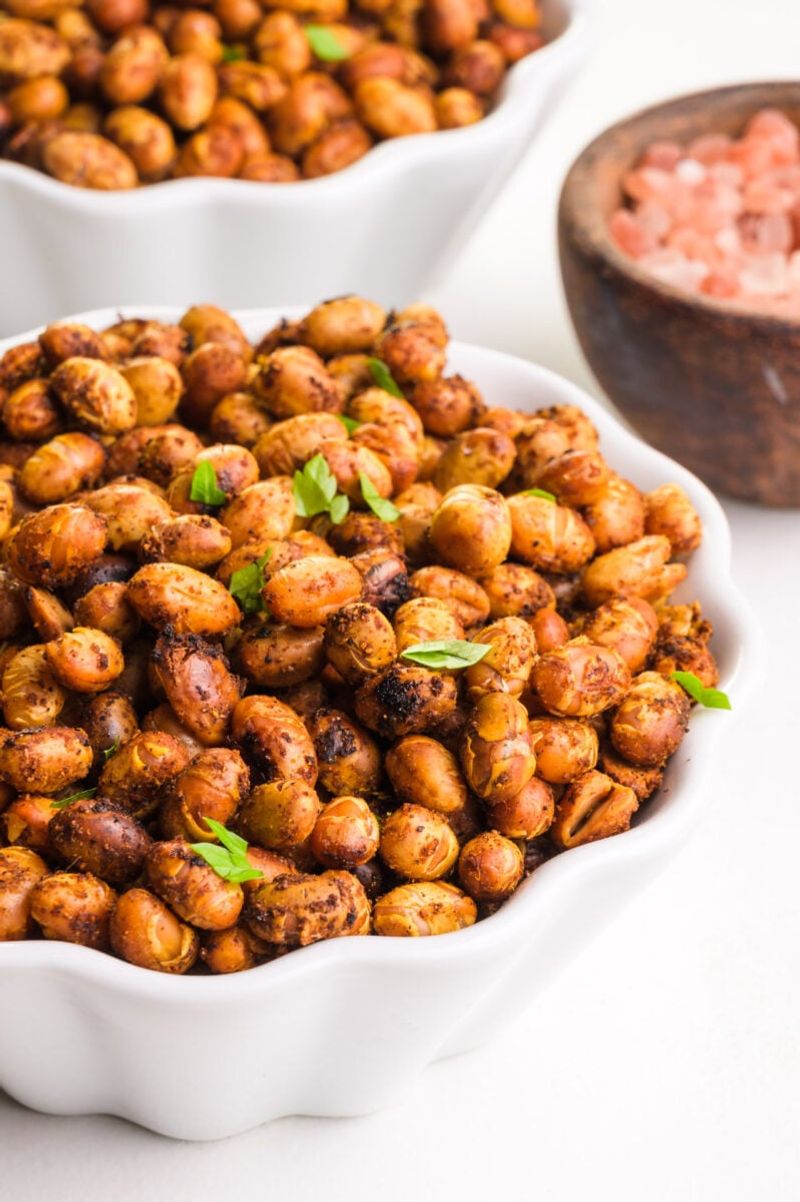
Roasted soy snacks and soy-based crackers are often marketed as healthy alternatives, but many are surprisingly high in sodium and low in water content. The roasting process removes moisture, and the seasoning blends used on these snacks frequently contain large amounts of salt.
Edamame in its natural steamed form is a much better option — it retains more moisture and is typically lower in sodium. Always check the label on packaged soy snacks before assuming they're a hydration-friendly choice, since the sodium numbers can be eye-opening even on so-called health foods.
19. Deli Cheese
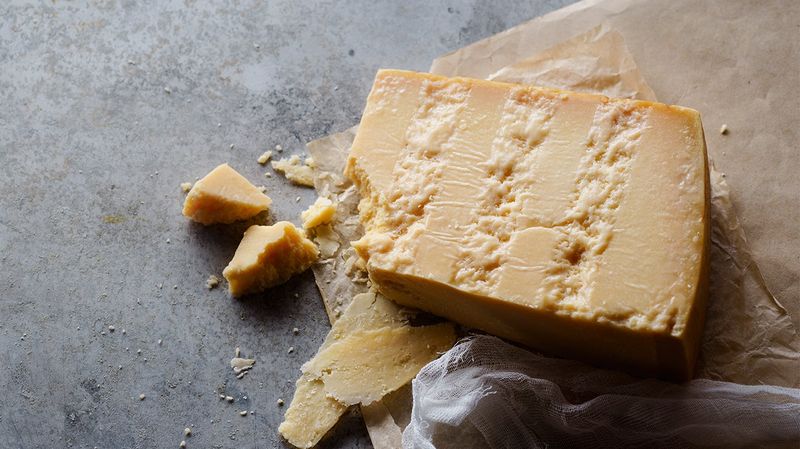
Aged and processed cheeses like parmesan, cheddar, and gouda are remarkably high in sodium. Parmesan, for example, contains around 450 mg of sodium in just a 30g serving — and cheese is one of those foods where portion sizes are easy to misjudge.
The combination of high protein, high fat, and high sodium makes aged cheese a triple threat when it comes to fluid balance. Enjoying cheese in small amounts alongside water-rich foods like grapes, cucumber slices, or apple wedges helps your body manage the sodium load without feeling the dehydration effects as strongly.
20. Artichokes
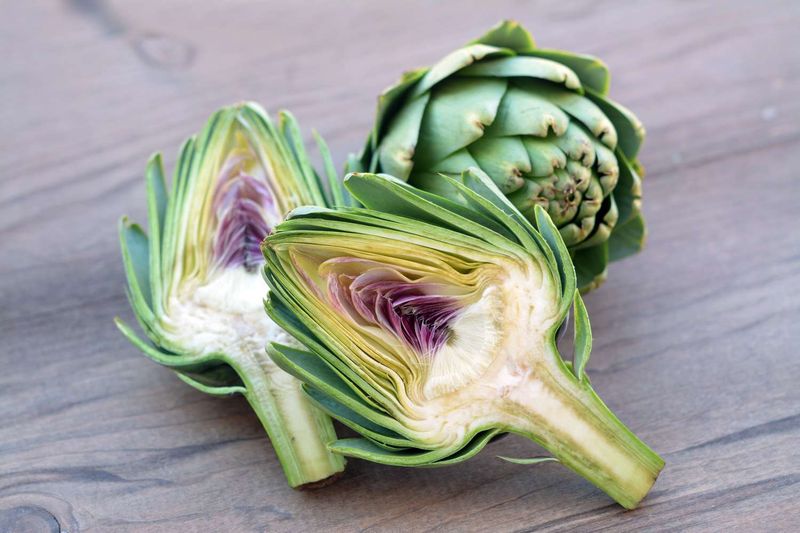
Like asparagus, artichokes contain compounds that act as natural diuretics, encouraging your kidneys to produce more urine than usual. Cynarin, one of the key compounds found in artichokes, is known to stimulate both liver and kidney function — which sounds healthy but also means more fluid leaving your body.
Artichokes are genuinely nutritious and worth eating regularly. Just be mindful of pairing them with a good amount of water, especially if you're eating them as part of a larger meal that already includes other mildly dehydrating foods like cheese or cured meats.
21. Protein Bars
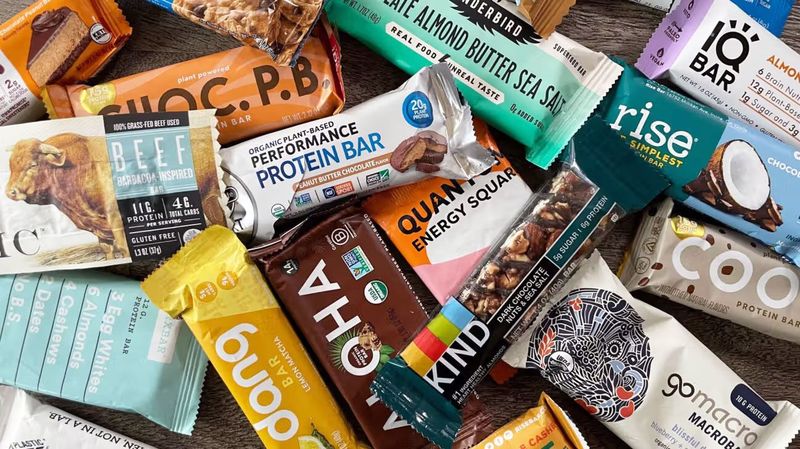
Protein bars are a gym bag staple, but many are surprisingly dehydrating. High protein intake requires more water for your kidneys to process and excrete the nitrogen waste produced during protein metabolism — a process that pulls extra fluid from your body.
On top of that, many protein bars are loaded with sodium and sugar to improve taste. Reading the label before you snack is always worthwhile.
Washing down every protein bar with at least a full glass of water is a simple habit that supports both your workout recovery and your hydration levels.
22. Instant Oatmeal Packets
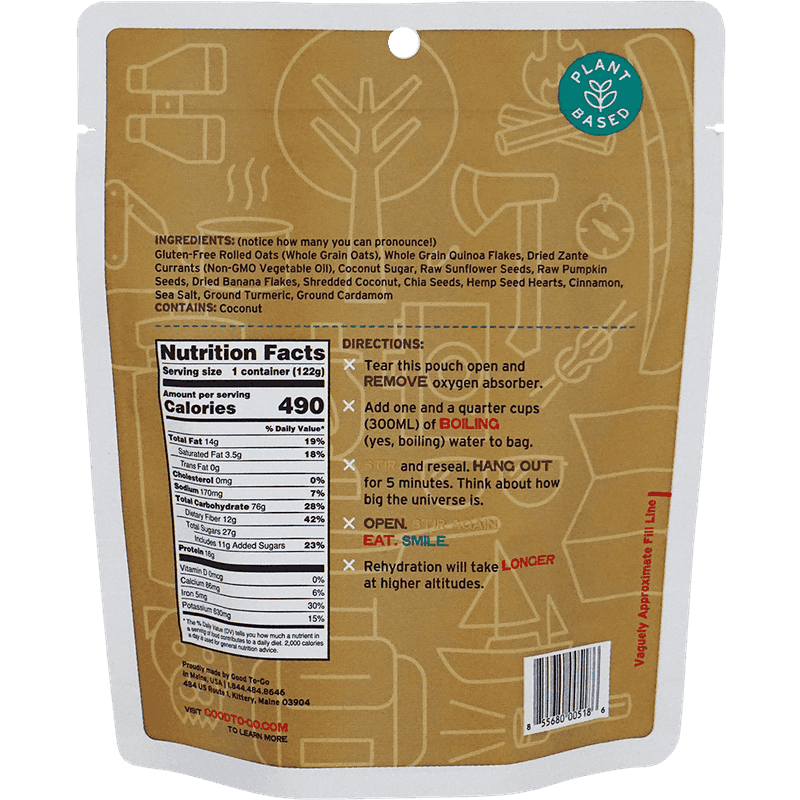
Plain oats are genuinely healthy, but flavoured instant oatmeal packets are a different story. Many varieties contain 150 to 300 mg of sodium per packet plus added sugars — both of which contribute to mild dehydration when eaten regularly without enough water alongside them.
The processing involved in making instant oats also strips away some of the natural fibre that helps slow digestion and supports fluid retention. Making your own oats from scratch with plain rolled oats and fresh fruit gives you far more control over sodium and sugar content every morning.
23. Dark Chocolate
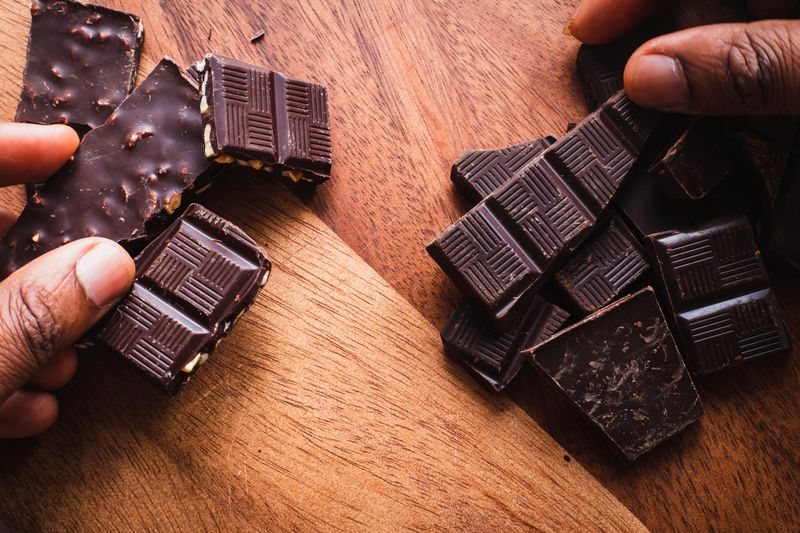
Dark chocolate contains caffeine and theobromine — two stimulants that have mild diuretic effects on the body. While the amounts are smaller than in a cup of coffee, eating a large portion of dark chocolate can still nudge your fluid output upward in a noticeable way.
Dark chocolate is undeniably packed with antioxidants and is worth including in a balanced diet. Sticking to a sensible portion — around 20 to 30 grams — minimises the diuretic effect while still letting you enjoy the rich flavour and the genuine health benefits it has to offer.




Comments
No Comments