













Traveling to a new country is exciting, but the food can sometimes throw you off completely. A dish might look strange, smell unusual, or taste nothing like what you expected from the menu description.
Many tourists have made funny or awkward mistakes when ordering or eating local specialties for the first time. Get ready to explore some of the world's most misunderstood dishes and learn what makes them truly worth trying.
1. Haggis (Scotland)
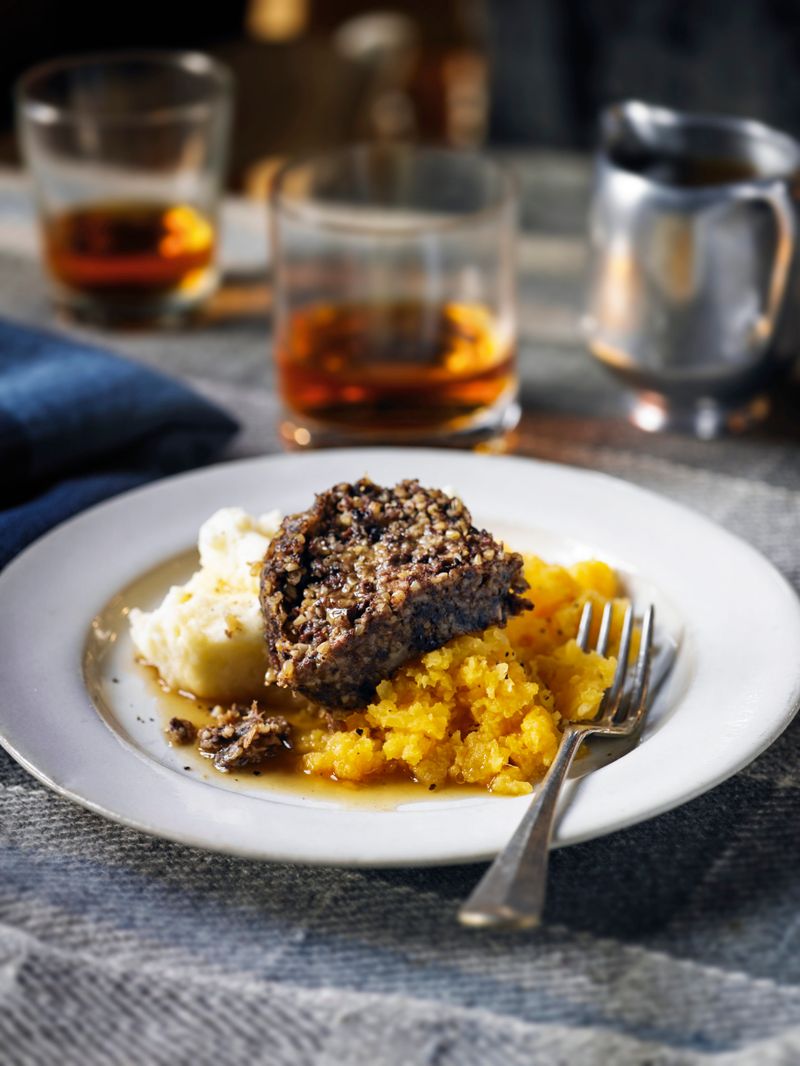
Scotland's national dish has a reputation that scares most tourists away before they even take a bite. Haggis is made from sheep's organs mixed with oatmeal, onions, and spices, cooked inside a sheep's stomach.
That description alone sends many visitors running.
But here's the surprise: haggis actually tastes rich, savory, and deeply satisfying. Think of it like a hearty meat stuffing.
Most people who try it end up loving the bold, peppery flavor far more than they ever expected.
2. Century Egg (China)
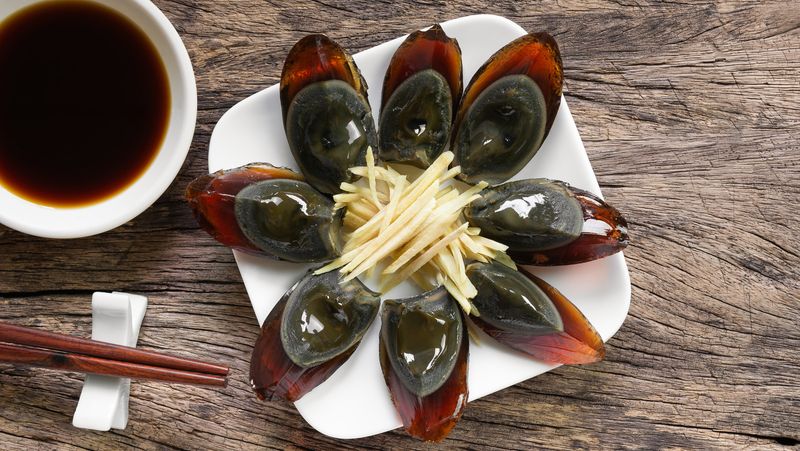
When tourists first spot a century egg, panic usually follows. The egg white turns a dark, almost black color, and the yolk shifts to a murky green-grey shade.
Nothing about it looks like a normal egg.
Preserved in clay, ash, and salt for weeks, century eggs develop a creamy, rich flavor with a slight ammonia edge that fades quickly. Paired with pickled ginger or congee, they become something genuinely delicious.
First impressions here are almost always completely wrong.
3. Surströmming (Sweden)
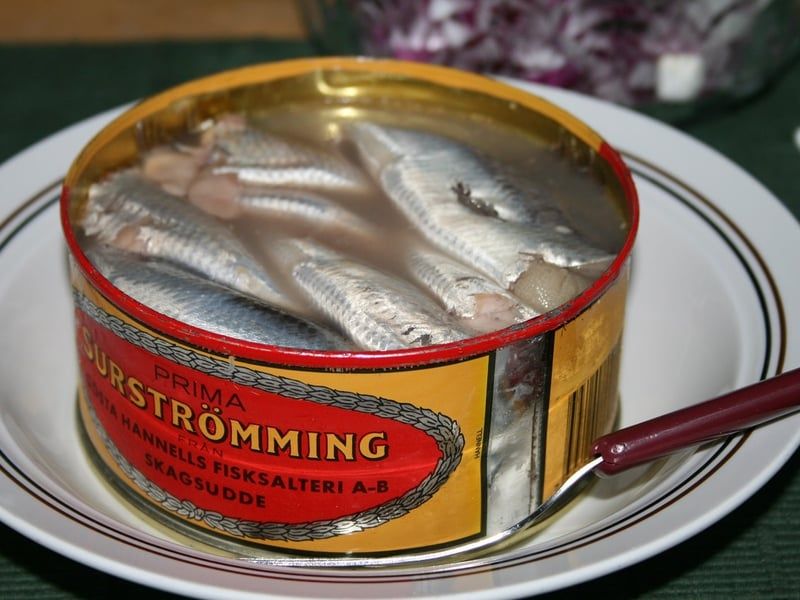
Few foods on Earth have a more infamous reputation than surströmming. This Swedish fermented herring is so powerfully smelly that many airlines have actually banned it from flights.
Tourists who stumble across it at a market are usually hit by the odor before they see the can.
Eaten on thin flatbread with onions, sour cream, and potatoes, the taste is far milder than the smell suggests. Swedes consider it a beloved cultural tradition worth defending passionately.
4. Balut (Philippines)
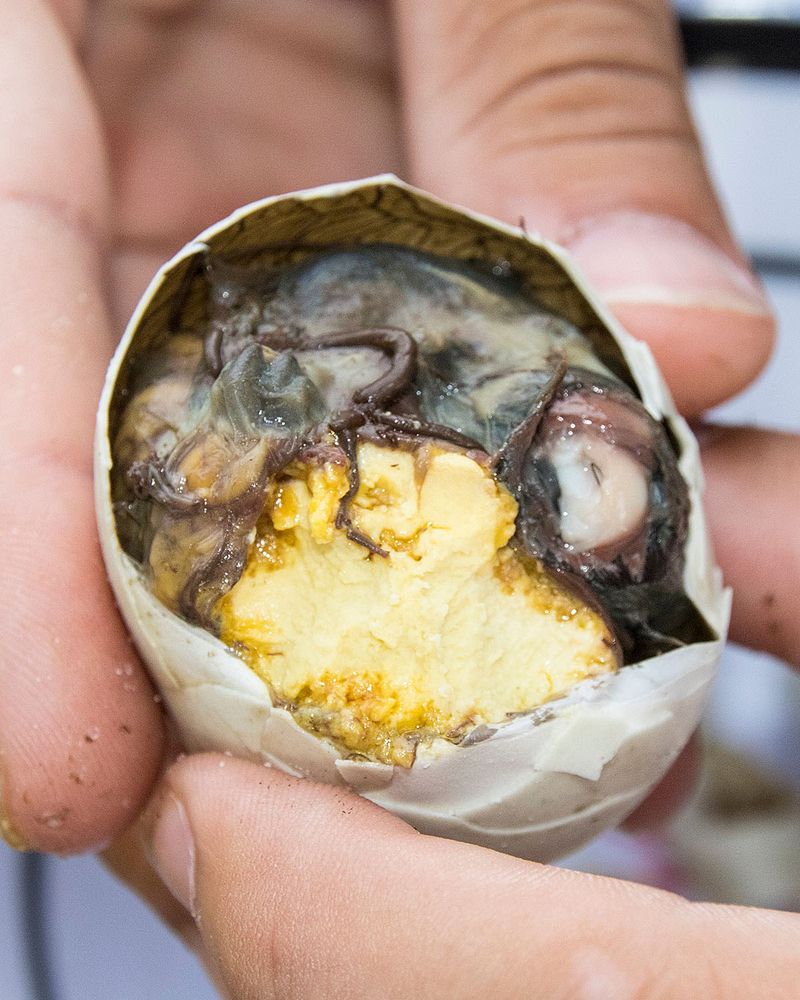
Balut stops most tourists cold the moment someone explains what it is. A fertilized duck egg with a partially developed embryo inside, eaten straight from the shell, sounds like a dare rather than a snack.
Street vendors sell it across the Philippines every evening.
Locals sip the warm broth first, then eat the soft yolk and tender embryo with a pinch of salt. The flavor is surprisingly mild and savory.
Many adventurous eaters call it one of their most memorable travel experiences.
5. Marmite on Toast (United Kingdom)
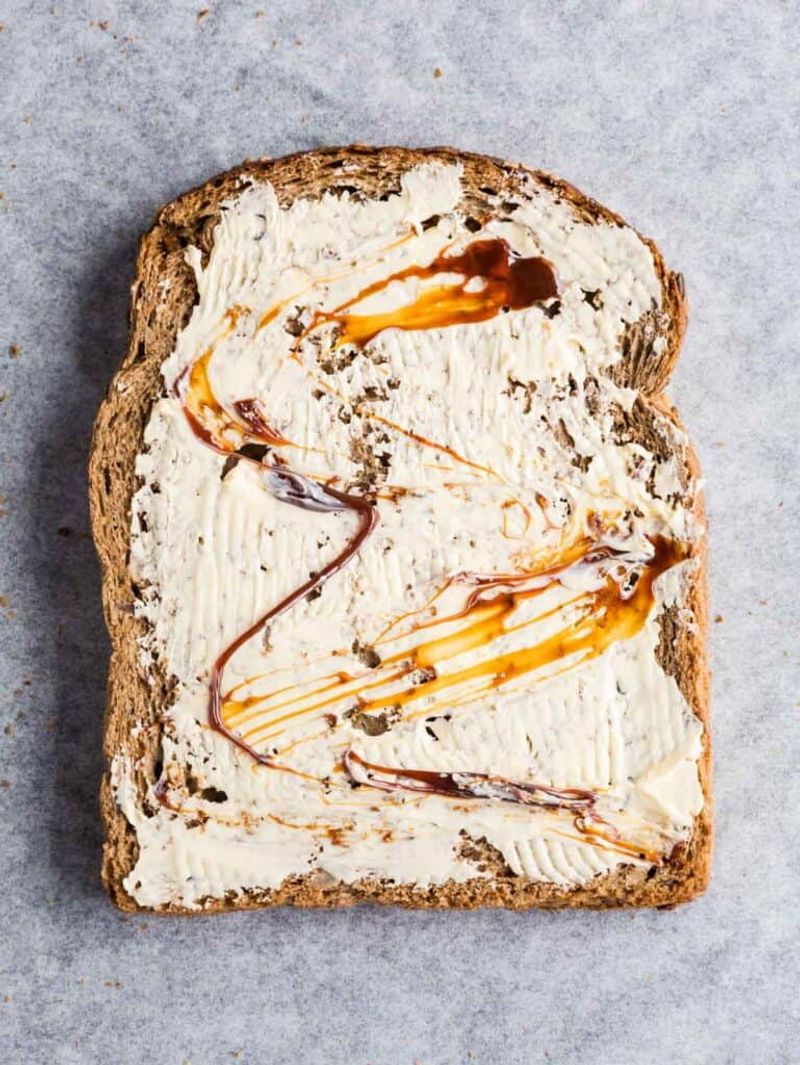
You either love Marmite or you absolutely hate it. That famous tagline exists for a very good reason.
Many tourists visiting the UK try Marmite toast expecting something sweet or mild, based purely on its dark, jam-like appearance.
Instead, they get an intense, salty, yeasty punch that catches them completely off guard. The trick most visitors miss is using just a tiny scrape on well-buttered toast.
Used sparingly, Marmite transforms from overwhelming to wonderfully savory and addictive.
6. Pho (Vietnam)
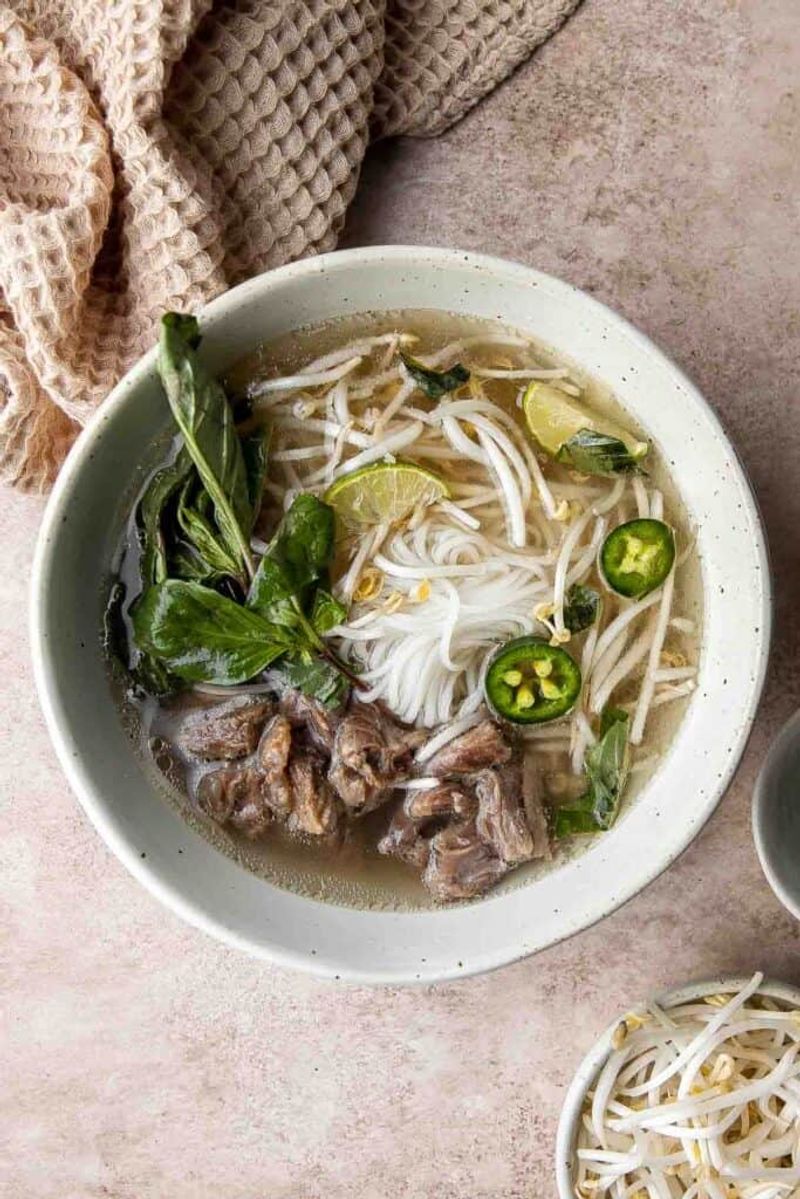
Most tourists see pho on a menu and assume it's just basic noodle soup. They expect something quick and simple, maybe similar to instant ramen.
What arrives instead is a deeply complex broth that has often been simmering for twelve hours or more.
The real confusion comes at the table, where a plate of fresh herbs, sprouts, lime, and chili arrives separately. You're supposed to add those yourself.
Pho is actually a fully customizable experience, and getting it right feels genuinely rewarding.
7. Vegemite (Australia)
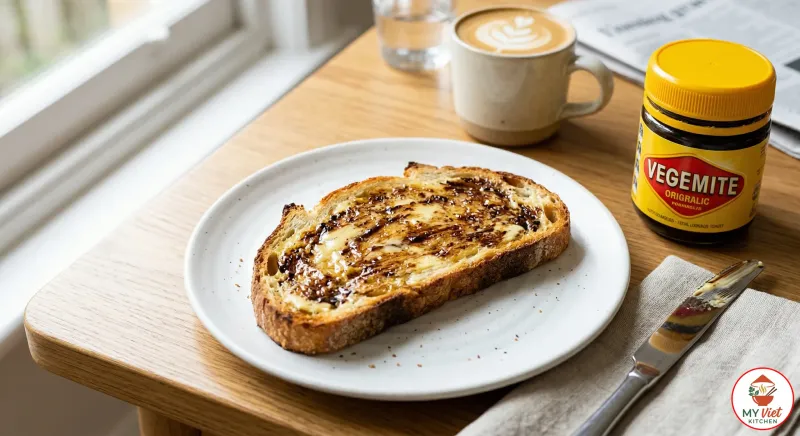
Australia's most iconic spread has humbled countless tourists who applied it the way they would peanut butter or Nutella. A thick, generous layer of Vegemite on toast is an experience most people describe as genuinely unpleasant on the first attempt.
Australians grow up eating it in tiny amounts on heavily buttered bread, and that balance is everything. The flavor is intensely salty, savory, and slightly bitter.
Applied correctly, it becomes a surprisingly comforting breakfast staple that many repeat visitors eventually come to crave.
8. Escargot (France)
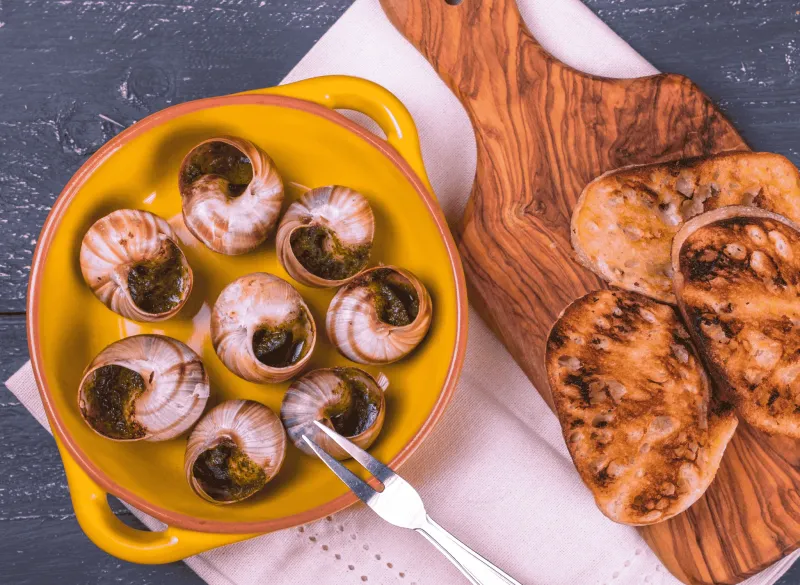
Ordering escargot in a French bistro feels thrilling until the dish actually arrives and tourists realize they're holding tiny tongs and a fork, staring at actual snail shells. The process of extracting the snail feels awkward and slightly alarming for first-timers.
Once that hurdle passes, the flavor is genuinely wonderful. The snails themselves taste mild and tender, completely overwhelmed by the rich garlic and herb butter they're cooked in.
Most tourists finish the dish and immediately wish they had ordered two.
9. Natto (Japan)
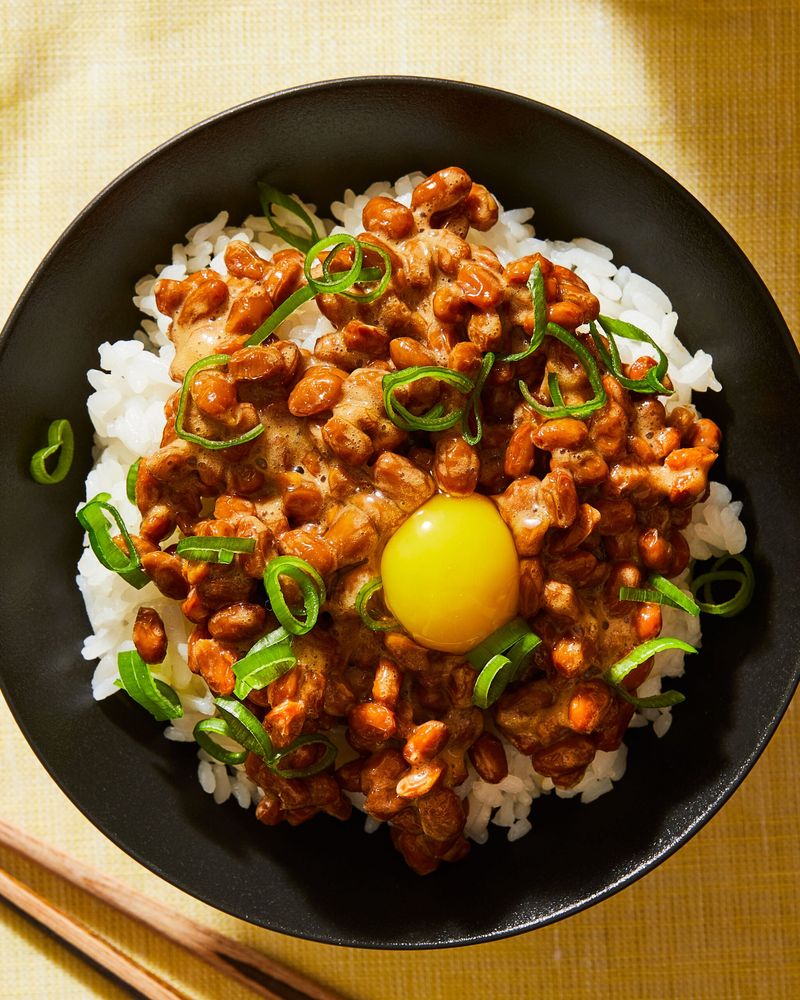
Natto is the breakfast food that divides Japan's visitors right down the middle. Fermented soybeans that pull apart in long, sticky, almost slimy strings are not what most tourists picture when they imagine Japanese cuisine.
The smell is strong and pungent.
Even many Japanese people find natto polarizing. But those who push through the texture discover a rich, nutty, complex flavor that pairs beautifully with rice and soy sauce.
Nutritionists also rave about its health benefits, which might be the best reason to give it a fair chance.
10. Black Pudding (Ireland/UK)
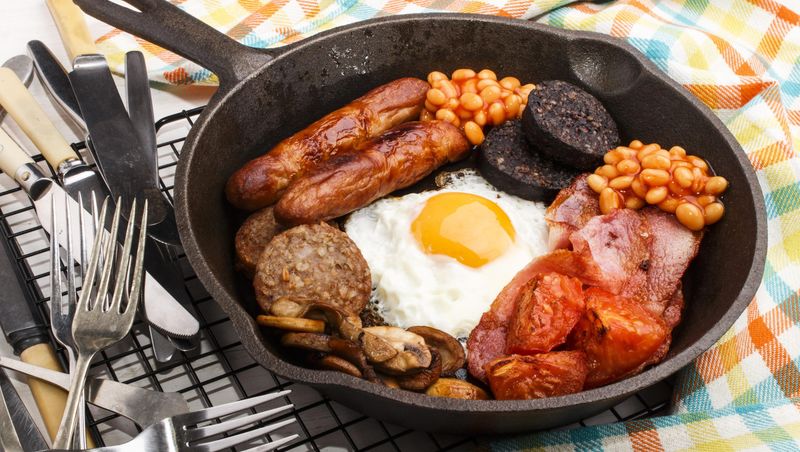
Black pudding shows up on nearly every full Irish and full English breakfast plate, and tourists often eat it without asking what it is. Then someone tells them it's made from pig's blood mixed with oats and fat, and suddenly the table goes very quiet.
Here's the thing though: black pudding is absolutely delicious. It has a rich, earthy, slightly spiced flavor with a satisfying crumbly texture.
Knowing what's in it beforehand actually makes you appreciate the bold culinary tradition behind this very old dish.
11. Durian (Southeast Asia)
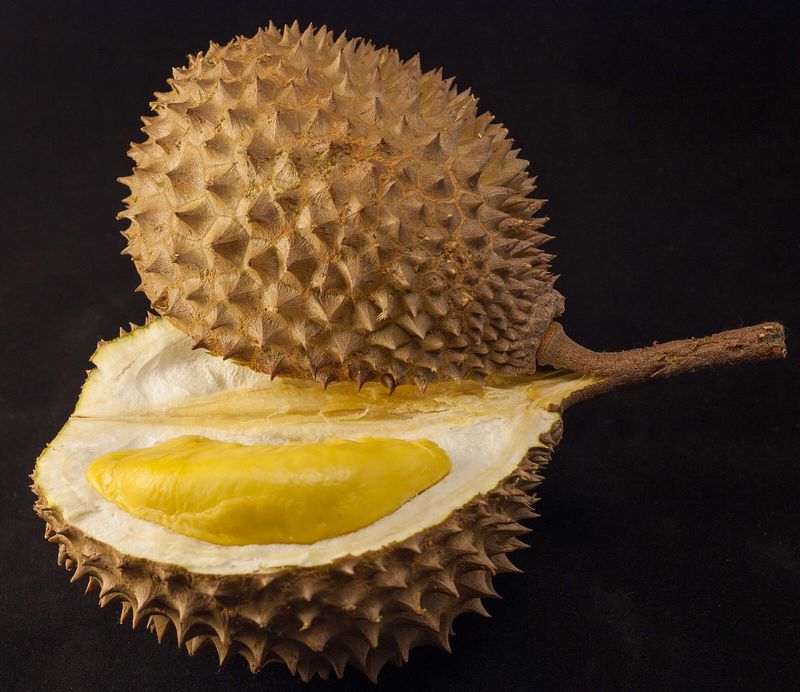
Banned from hotels, taxis, and public transport across much of Southeast Asia, durian's reputation precedes it by quite a distance. The smell has been compared to gym socks, garbage, and raw onions all at once.
Tourists often wrinkle their noses and walk quickly past the market stalls.
Those brave enough to taste the creamy yellow flesh frequently describe something rich, custardy, and almost dessert-like. Durian lovers say the disconnect between smell and flavor is exactly what makes it so fascinating.
It truly is unlike anything else on Earth.
12. Casu Marzu (Sardinia, Italy)
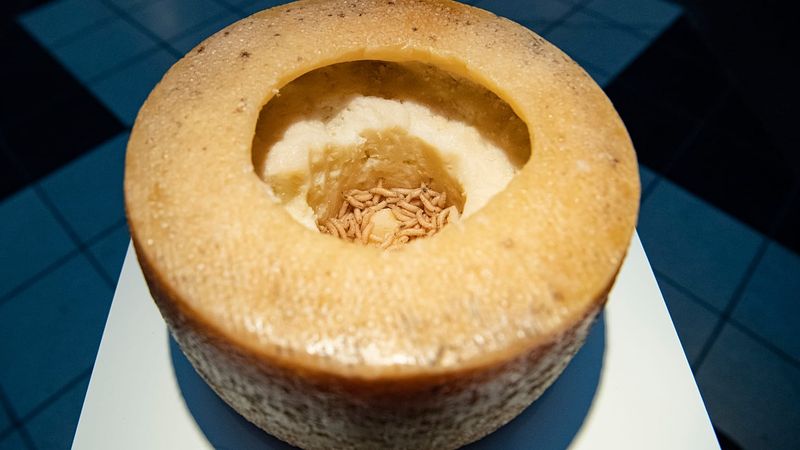
Casu marzu is technically illegal to sell commercially, which somehow makes tourists even more curious about it. This Sardinian sheep's milk cheese is fermented to the point where live insect larvae are present inside the paste.
Yes, that means the cheese moves.
Locals consider it a delicacy and a point of cultural pride. The flavor is intensely sharp, creamy, and deeply fermented.
Most food writers who have tried it describe the experience as unforgettable, even if they struggle to fully recommend it to the faint-hearted.
13. Fugu (Japan)
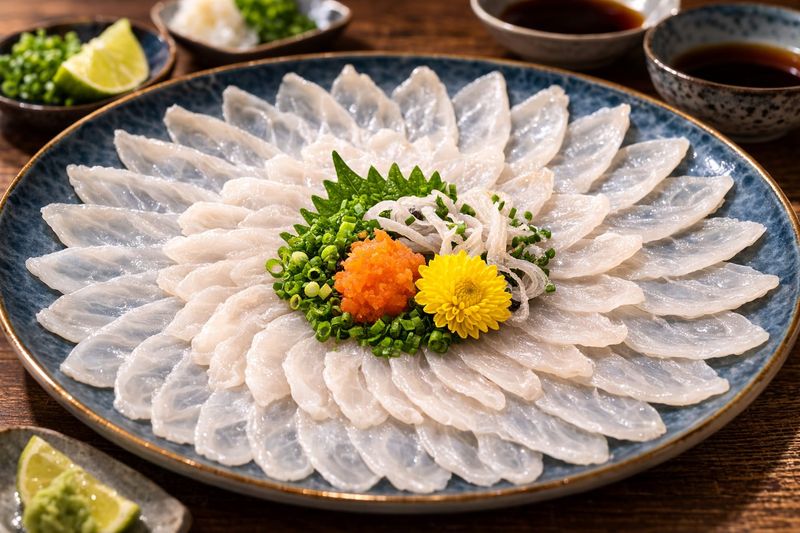
Fugu is the dish that tourists approach with a mix of excitement and genuine nervousness. Puffer fish contains a potentially lethal toxin, and only specially licensed chefs are legally allowed to prepare it in Japan.
That combination of danger and delicacy makes it legendary.
The flavor itself is surprisingly delicate and mild, almost subtle compared to the drama surrounding the meal. Many tourists admit the experience is more about the story than the taste.
Still, sitting down to fugu feels like one of travel's truly unforgettable moments.
14. Lutefisk (Norway/Sweden)
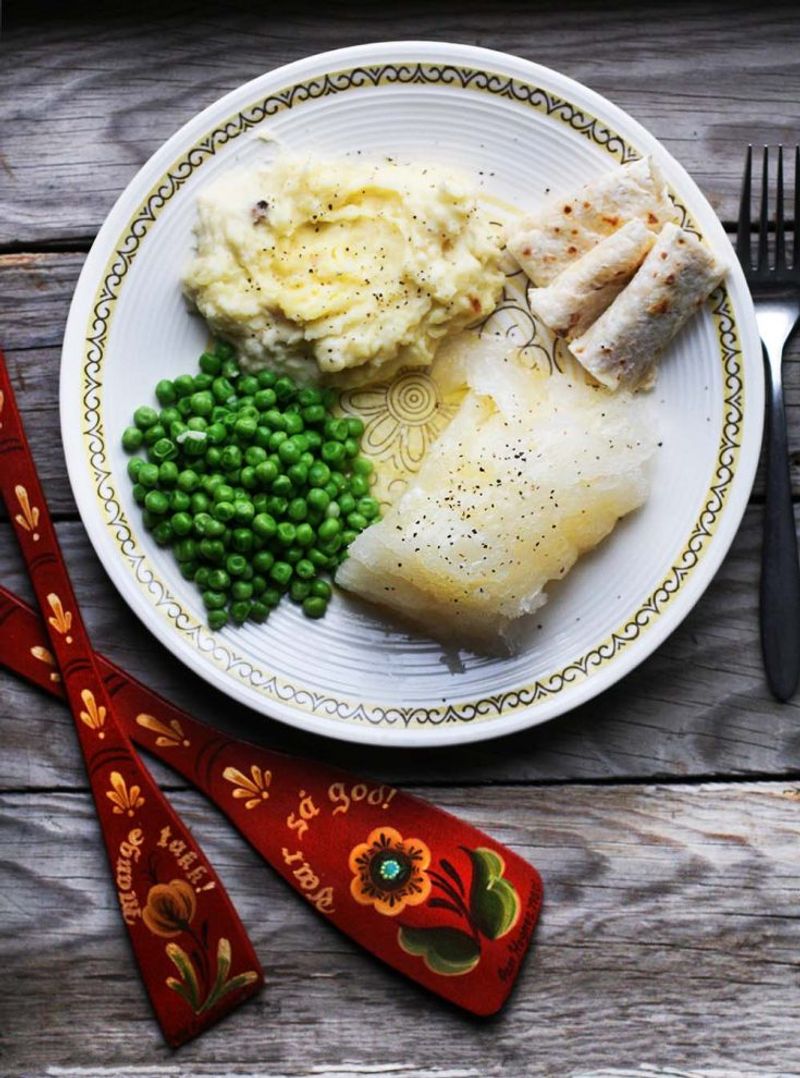
Lutefisk is dried whitefish that has been soaked in lye until it reaches a wobbly, gelatinous consistency that genuinely surprises first-time eaters. Tourists expecting firm, flaky fish get something that jiggles like a very savory jelly.
The transformation is dramatic and deeply confusing.
Served with melted butter, potatoes, and peas, lutefisk is a Scandinavian holiday tradition that families take very seriously. The flavor is mild and slightly salty.
Many visitors find it oddly comforting once they stop thinking too hard about the preparation process.
15. Hákarl (Iceland)
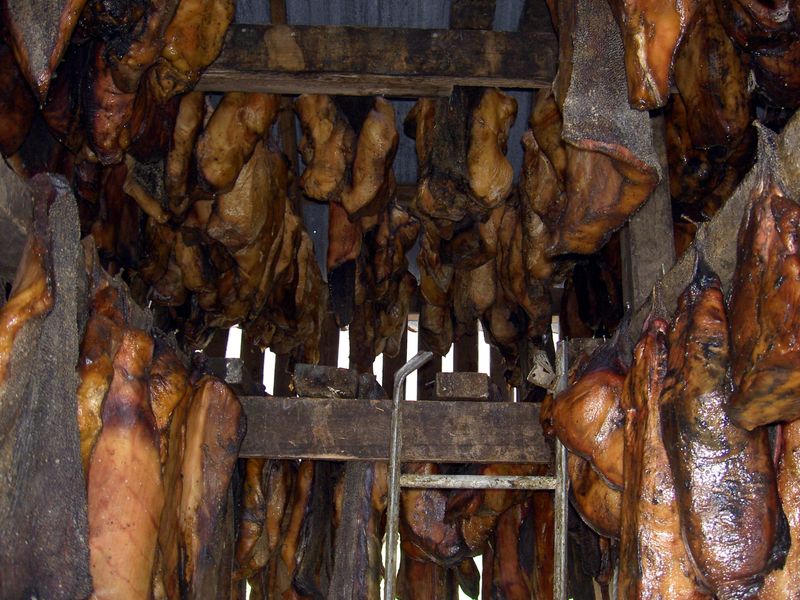
Iceland's most notorious dish is fermented Greenlandic shark that has been buried underground and dried for months. The ammonia smell hits you before the cube even reaches your mouth, and that first whiff sends most tourists immediately reaching for the nearest exit.
Celebrity chef Anthony Bourdain famously called it the single worst thing he had ever eaten. Icelanders chase it with Brennivín schnapps, and that pairing helps significantly.
It represents centuries of survival cooking, and understanding that history makes the experience feel much more meaningful than just a daring stunt.
16. Kimchi (South Korea)
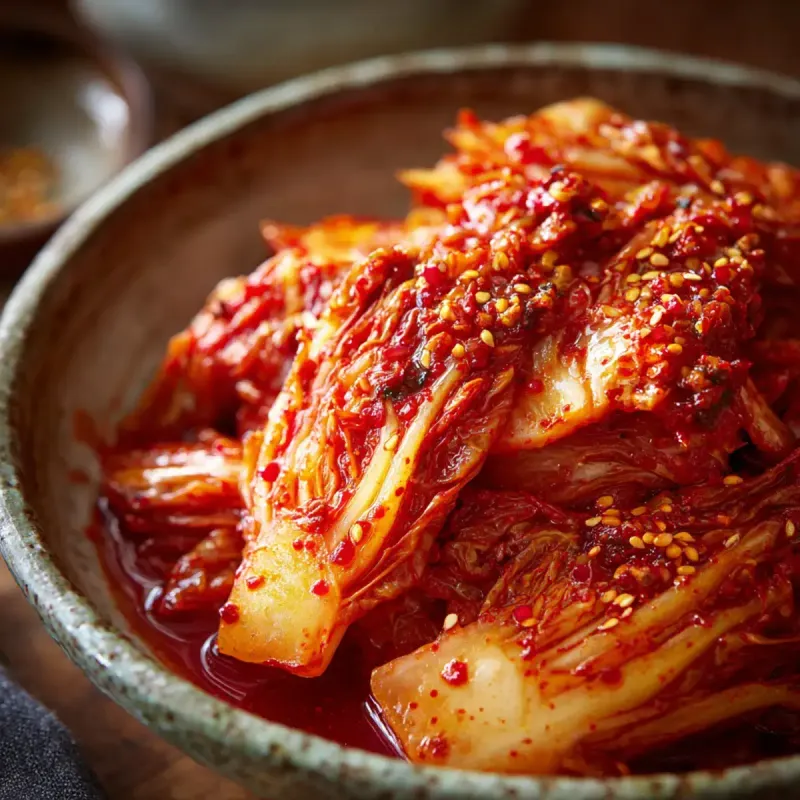
Kimchi looks harmless enough at first glance. It's cabbage, after all.
But tourists who take a big bite expecting something mild quickly discover the sharp, sour, spicy, garlicky punch that fermented kimchi delivers with absolutely no warning. The intensity genuinely shocks many first-timers.
South Koreans eat kimchi at almost every meal, and there are hundreds of regional varieties. Once your palate adjusts, the funky, complex flavor becomes almost addictive.
Many travelers return home desperately searching for kimchi that comes close to what they tasted in Seoul.
17. Menudo (Mexico)
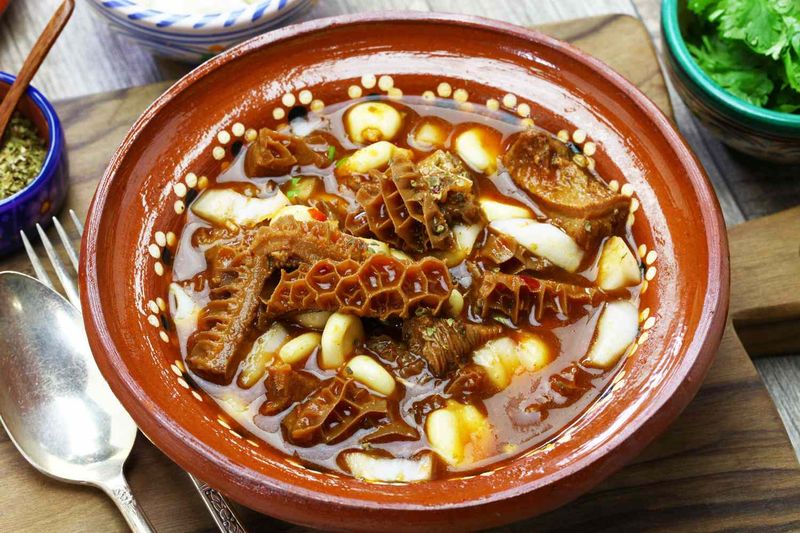
Ordering menudo without knowing what it contains leads to one of travel's most startling soup discoveries. This traditional Mexican stew is built on a base of slow-cooked beef tripe, which has a distinctive chewy texture and a deeply funky aroma that fills the whole restaurant.
Mexicans swear by menudo as a hangover cure, and the rich, spicy red chili broth absolutely delivers warmth and comfort. Squeeze in plenty of lime and add fresh oregano.
The combination transforms into something bold, nourishing, and genuinely hard to forget.
18. Stargazy Pie (England)
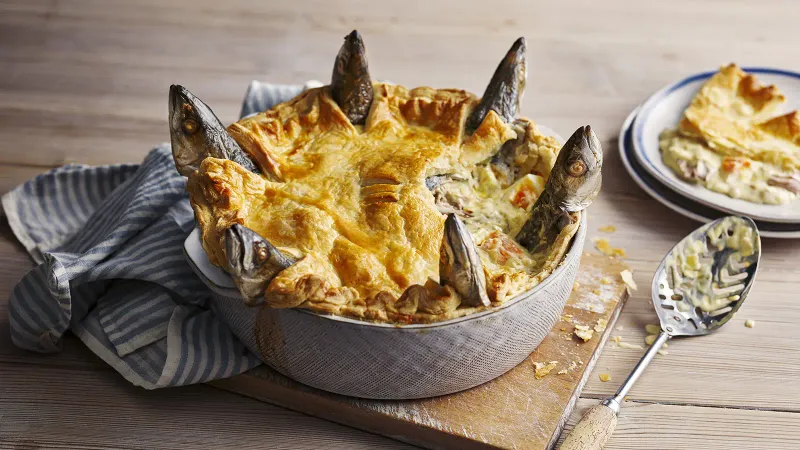
Stargazy pie is one of those dishes that stops tourists completely in their tracks. Whole fish heads poke dramatically through the golden pastry crust, staring upward at the ceiling as if gazing at stars.
The visual is striking, unsettling, and completely unforgettable all at once.
This Cornish tradition dates back centuries and is celebrated every December in the village of Mousehole. The fish heads are left visible so their oils drain back into the pie.
Beneath the dramatic presentation is a simple, comforting fish and egg filling that tastes far less dramatic than it looks.
19. Poi (Hawaii)
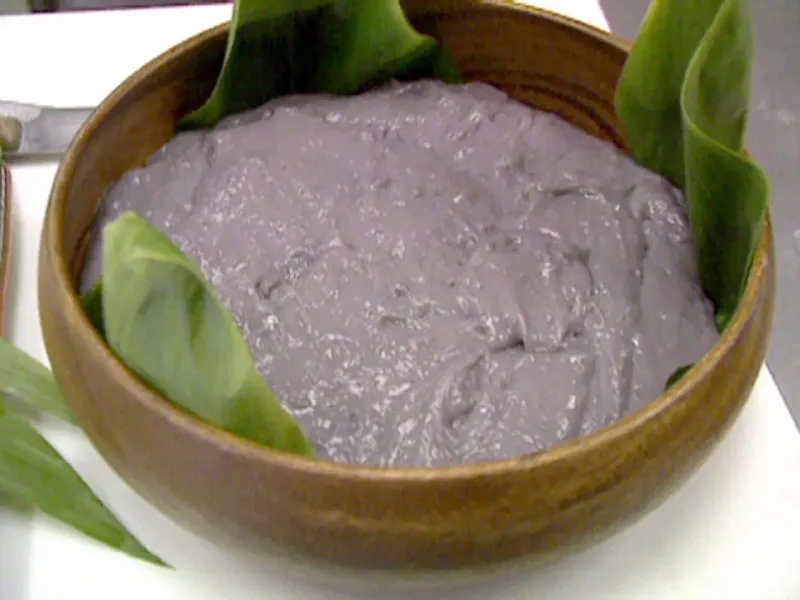
Poi is the dish that quietly disappoints many tourists who visit Hawaii expecting bold tropical flavors. Made from pounded taro root mixed with water, poi has a plain, slightly sour, starchy taste and a smooth, gluey texture that doesn't excite everyone immediately.
Hawaiians have relied on poi as a cultural staple for generations, and its flavor actually deepens beautifully when eaten alongside salty kalua pork or smoked salmon. Poi is meant to be a backdrop, not the star.
Understanding that changes the entire eating experience completely.
20. Injera (Ethiopia)
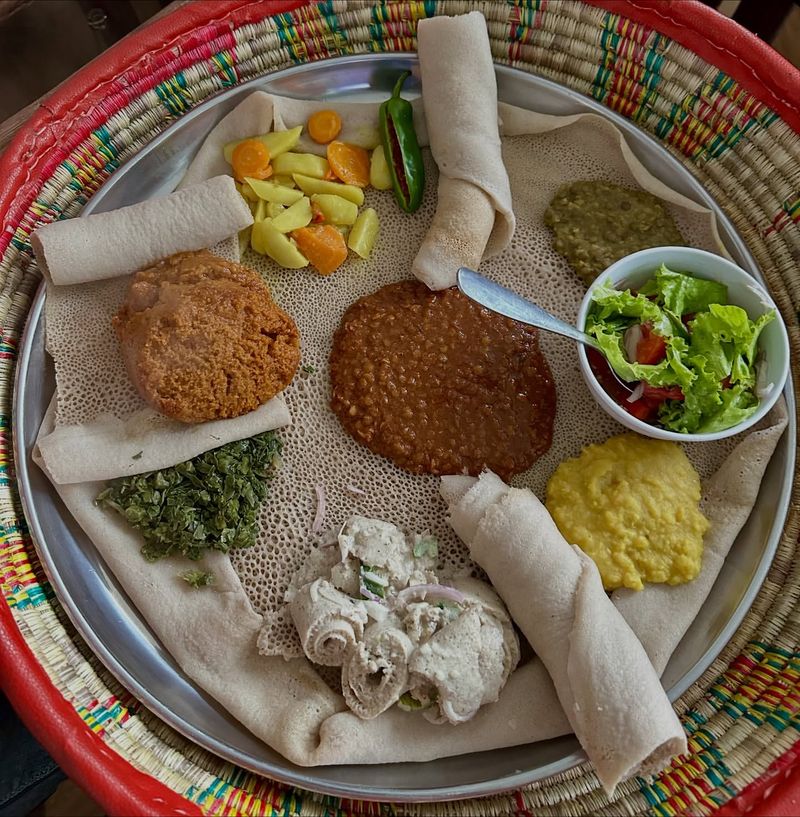
Walking into an Ethiopian restaurant for the first time and seeing a spongy, grey, slightly sour flatbread used as both the plate and the utensil throws many tourists completely off balance. Injera looks unusual and feels almost rubbery underfoot when you tear it apart.
The sourdough fermentation gives injera a pleasant tangy flavor that works brilliantly as a scoop for rich stews and spiced lentils. Eating with your hands from a shared platter is also part of the tradition.
Once you embrace the process, Ethiopian dining becomes one of the most communal and joyful food experiences imaginable.
21. Ackee and Saltfish (Jamaica)
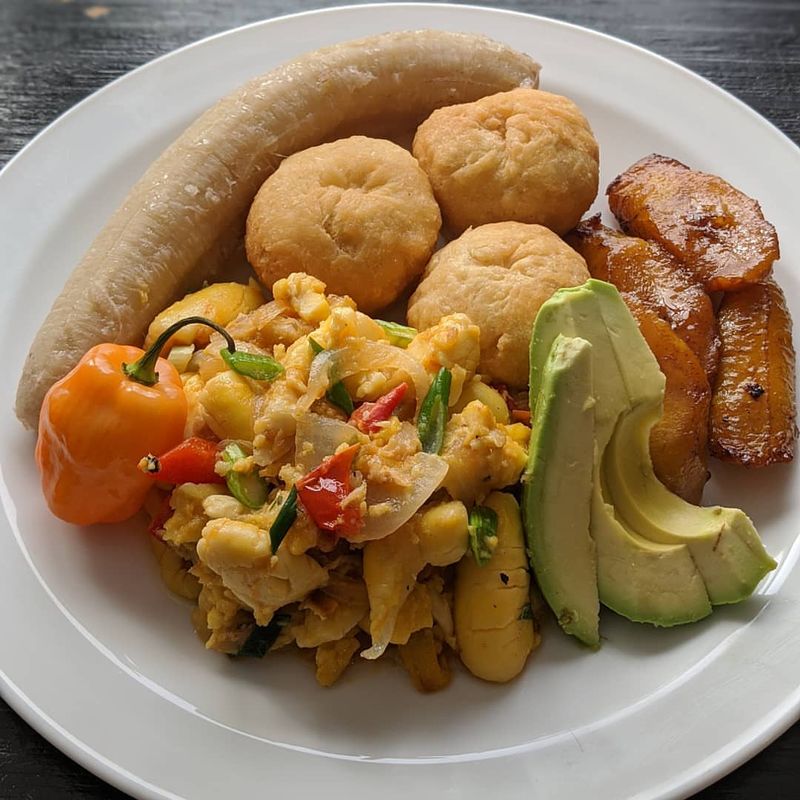
Jamaica's national dish confuses tourists partly because ackee, when cooked, looks startlingly similar to scrambled eggs. Many visitors expect something fruity since ackee is technically a fruit, and they're completely unprepared for the soft, mild, almost eggy texture it develops when sauteed.
Paired with flaky saltfish, onions, tomatoes, and Scotch bonnet pepper, the combination is savory, satisfying, and deeply rooted in Jamaican history. Ackee must be properly prepared before eating, as unripe fruit is toxic.
That detail alone gives the dish an extra layer of fascinating cultural significance.
22. Khash (Armenia/Middle East)
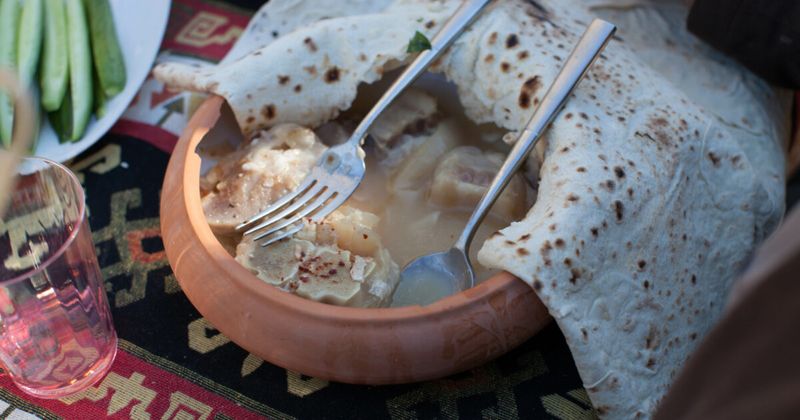
Khash is a slow-cooked soup made from boiled cow's feet and head, and it has been warming people across Armenia and the wider Middle East through cold winters for centuries. Tourists who encounter it without context often struggle with the concept before they've even lifted the spoon.
The broth is thick, gelatinous, and intensely rich from hours of simmering. Garlic and dried lavash bread are stirred directly into the bowl.
Khash is traditionally eaten very early in the morning, sometimes with vodka, which makes the whole experience feel wonderfully and memorably different from any other breakfast.
23. Mopane Worms (Southern Africa)
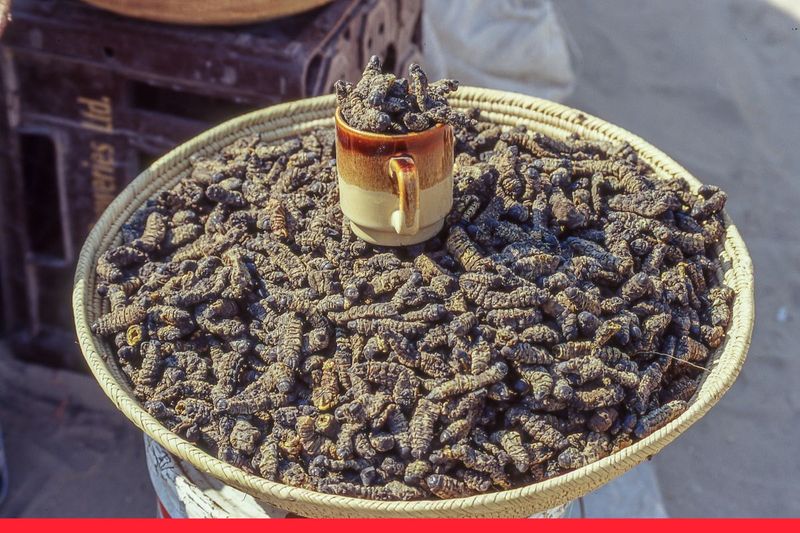
Mopane worms are caterpillars harvested from mopane trees across Zimbabwe, Botswana, and South Africa, and they're a genuinely important source of protein for millions of people. Tourists browsing local markets often spot them dried or fried in large piles and react with wide-eyed disbelief.
Eaten crunchy as a snack or rehydrated and cooked into a rich, spiced stew, mopane worms have a nutty, earthy, slightly smoky flavor. They're nutritionally impressive and deeply embedded in local culture.
Trying them is one of those travel moments that becomes a story you'll tell for years.




Comments
No Comments