













The North of England has a food culture that is rich, hearty, and deeply rooted in history. From cobbled market towns to busy mill cities, northern cooks have been perfecting comfort food for centuries.
Yet somehow, many of these incredible dishes rarely make it past Birmingham. If you have never tried a proper parmo or a bowl of pea and mint soup from a Yorkshire market, you are seriously missing out.
1. Parmo
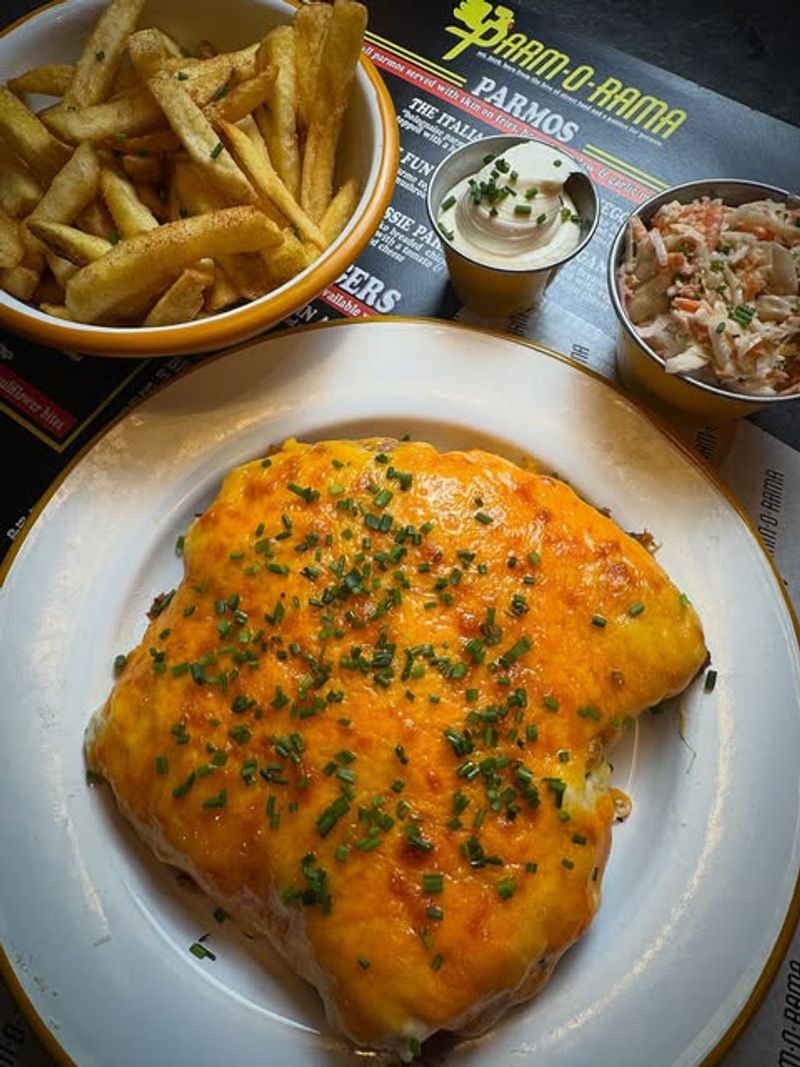
Born in Middlesbrough and almost completely unknown south of Sheffield, the parmo is one of the North's most beloved secrets. It starts with a flattened, breaded piece of chicken or pork, deep fried until crispy, then smothered in a thick white bechamel sauce and loaded with melted cheese.
Some places pile on peppers, pepperoni, or garlic sauce. It is indulgent, messy, and absolutely magnificent.
Teessiders will tell you no southern dish comes close.
2. Yorkshire Pudding with Beef Dripping
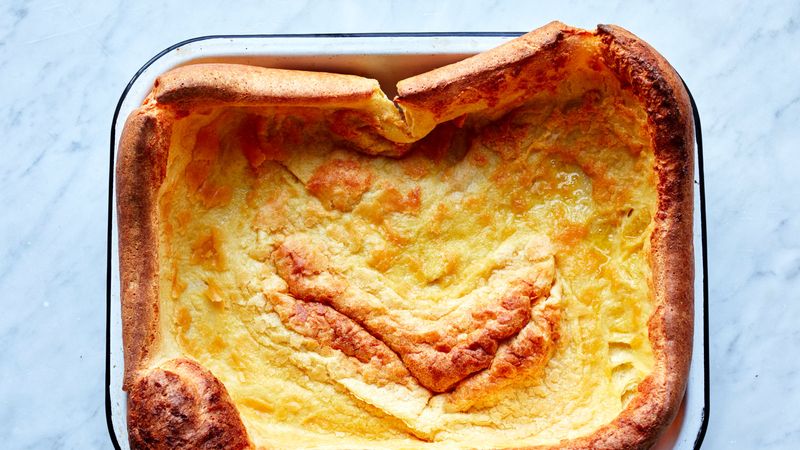
Yes, southerners know Yorkshire pudding exists. But have they ever eaten one the size of a dinner plate, soaked in hot beef dripping straight from the roasting tin?
That is a completely different experience.
In parts of Yorkshire, a giant pudding served with gravy was traditionally eaten as a starter to fill people up before the main course. It kept costs down during tough times.
That clever, no-waste tradition makes the dish taste even better.
3. Stottie Cake
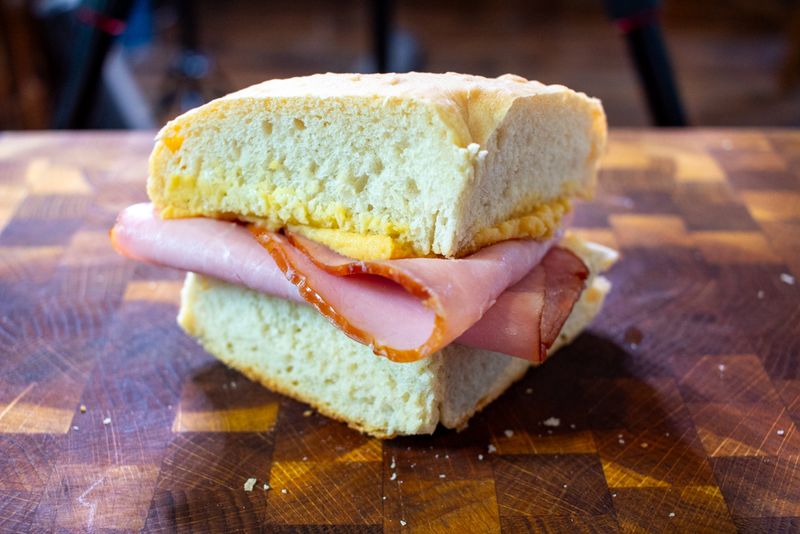
Newcastle's favourite bread roll is nothing like the fluffy baps you find in southern supermarkets. The stottie is dense, doughy, and slightly flat, baked on the bottom of the oven so it develops a thick, chewy base.
It bounces if you drop it, which is actually how it got its name.
Fill it with ham and pease pudding and you have one of the most satisfying sandwiches in England. Geordie bakeries sell them by the hundreds every morning.
4. Pease Pudding
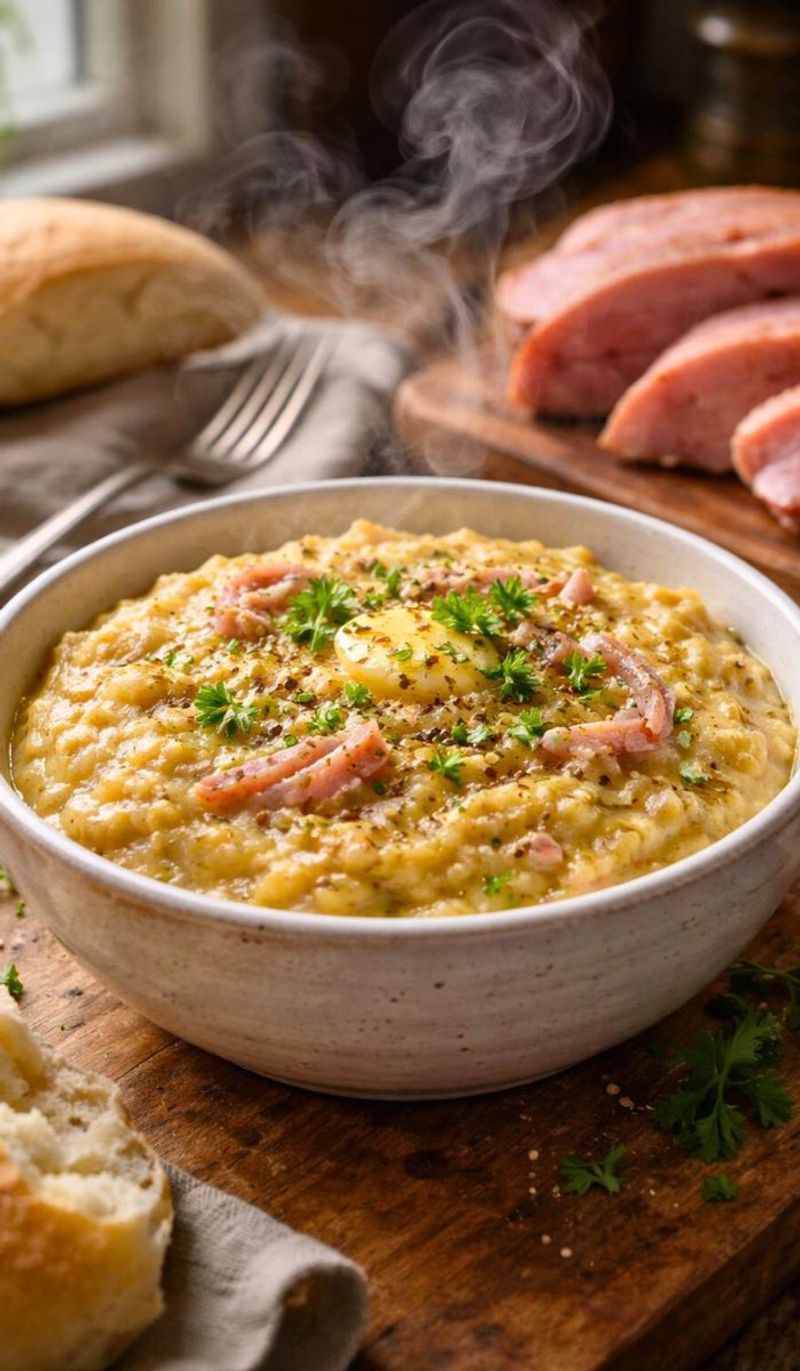
Thick, golden, and made from slow-cooked split yellow peas, pease pudding has fed families across the northeast of England for generations. It is packed with protein, costs very little to make, and has a warm, earthy flavour that pairs beautifully with salty ham or cold cuts.
You will find it sold by the scoop in Tyneside butchers and market stalls. Down south, most people have never even heard of it, which is genuinely baffling given how good it tastes.
5. Singing Hinnies
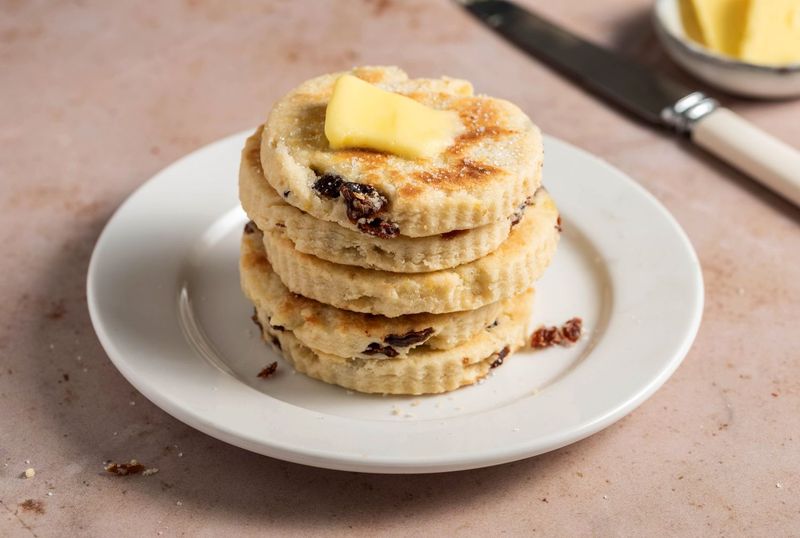
The name alone should make you curious. Singing hinnies are griddle cakes from Northumberland, made with flour, lard, butter, and currants.
They sizzle and hiss on the griddle as they cook, which is where the singing part comes from. Hinny is a Geordie term of affection.
Served warm with butter melting into every crack, they sit somewhere between a scone and a flatbread. They are old-fashioned in the best possible way, and most southerners have never even heard of them.
6. Lancashire Hotpot
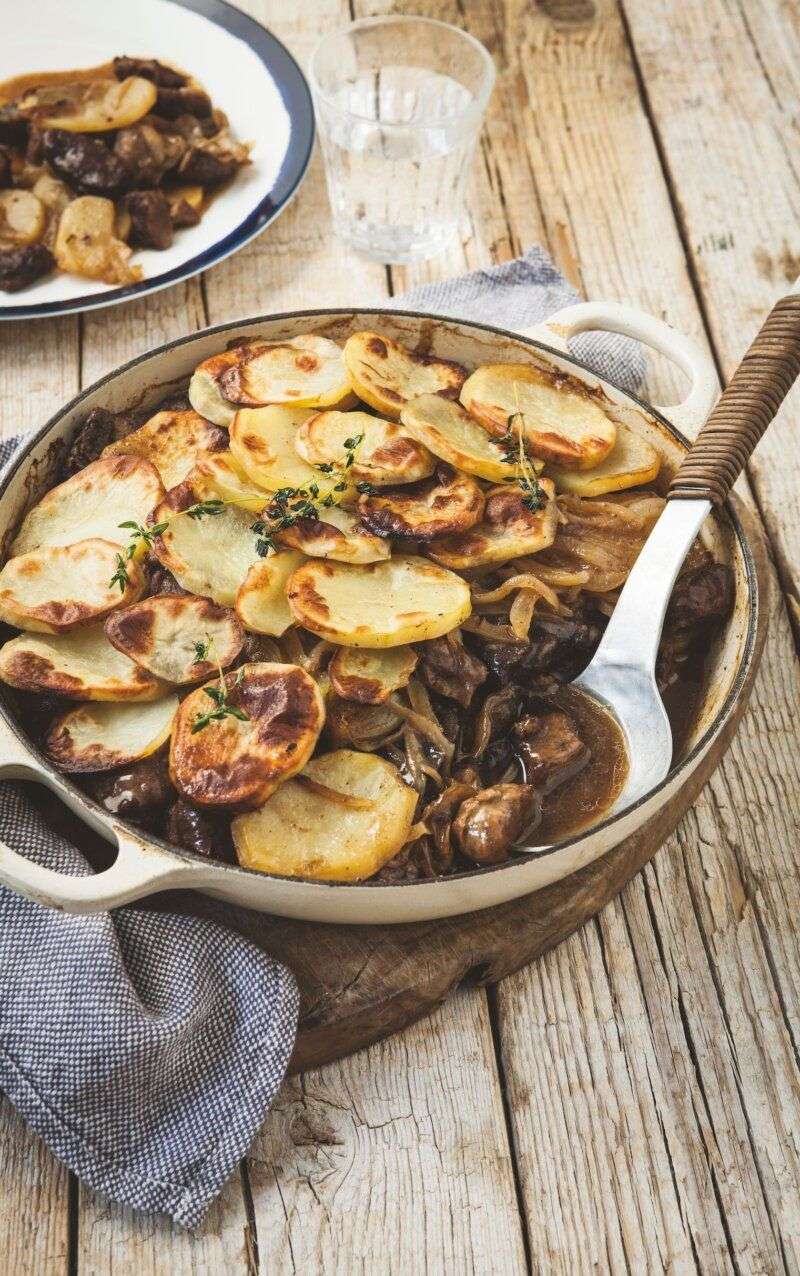
Few dishes sum up northern cooking better than Lancashire hotpot. Layers of lamb, onions, and root vegetables are slow-cooked under a roof of thinly sliced potatoes until everything is tender and the top is golden and crisp.
It was originally made by mill workers who needed something cheap, filling, and easy to leave cooking all day. The result is deeply comforting and full of flavour.
Pub menus down south rarely feature it, which is one of the great injustices of British food culture.
7. Chip Spice
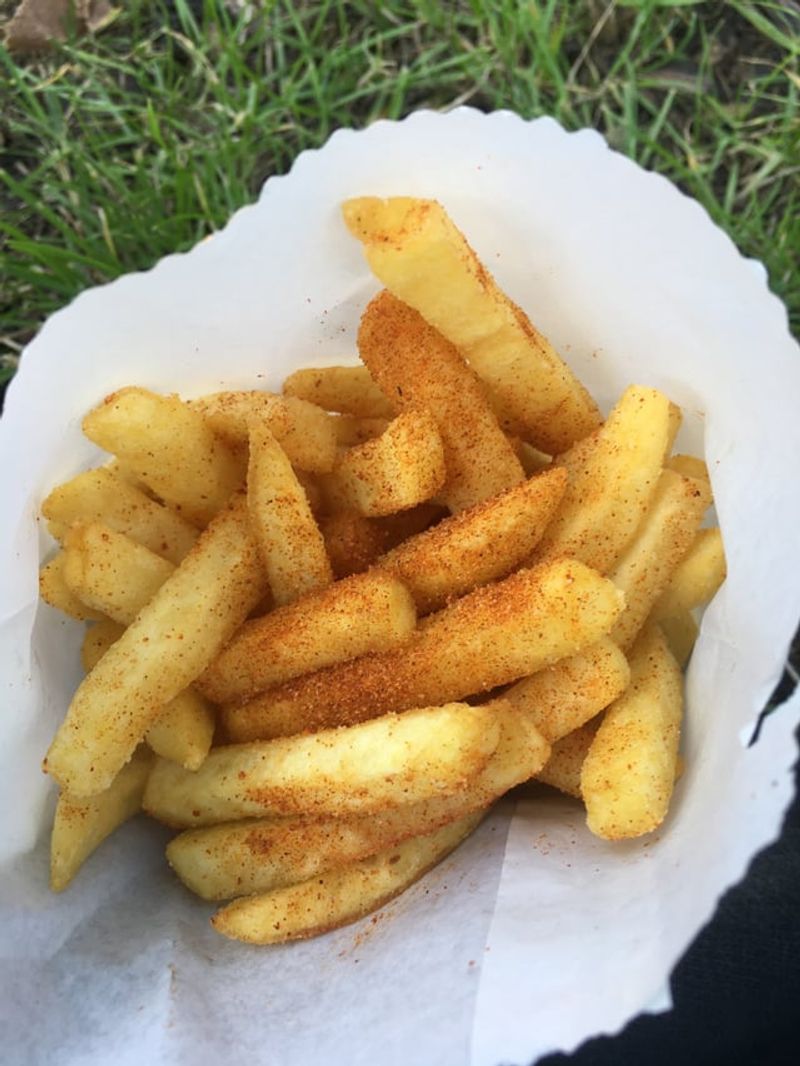
Hull has its own chip seasoning and the rest of England has no idea. Chip spice is a blend of spices, similar to curry powder but slightly sweeter and more aromatic, and it is shaken liberally over chips at takeaways across Kingston upon Hull.
Locals grow up expecting it. Visitors from other parts of England are often completely baffled when they first see it.
Once you try chips with chip spice, plain salt and vinegar starts to feel like a missed opportunity.
8. Rag Pudding
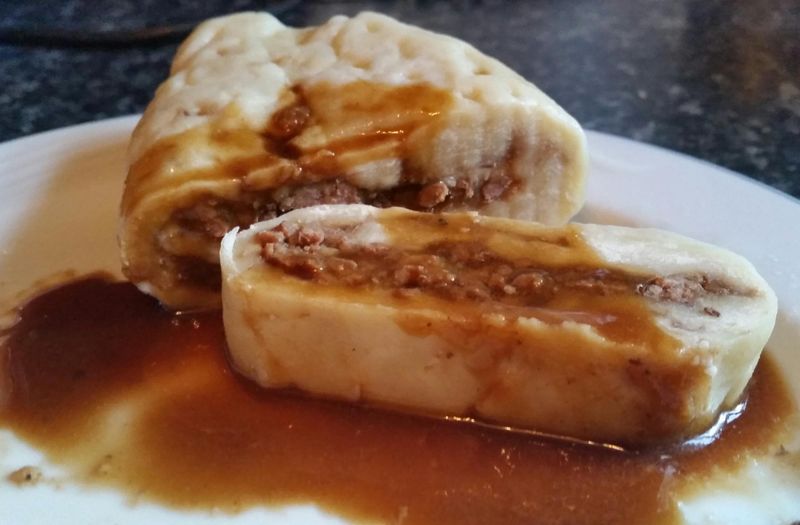
Oldham's most famous dish sounds unusual until you understand its genius. Rag pudding is a suet pastry casing filled with minced meat and onions, then wrapped in a cloth and boiled or steamed until firm.
The cloth keeps the shape and creates an incredibly moist, dense filling.
It dates back to the 19th century when cotton mill workers needed a portable, filling meal. Today it is still sold in Oldham chip shops and butchers, completely invisible to the rest of the country.
9. Pikelets
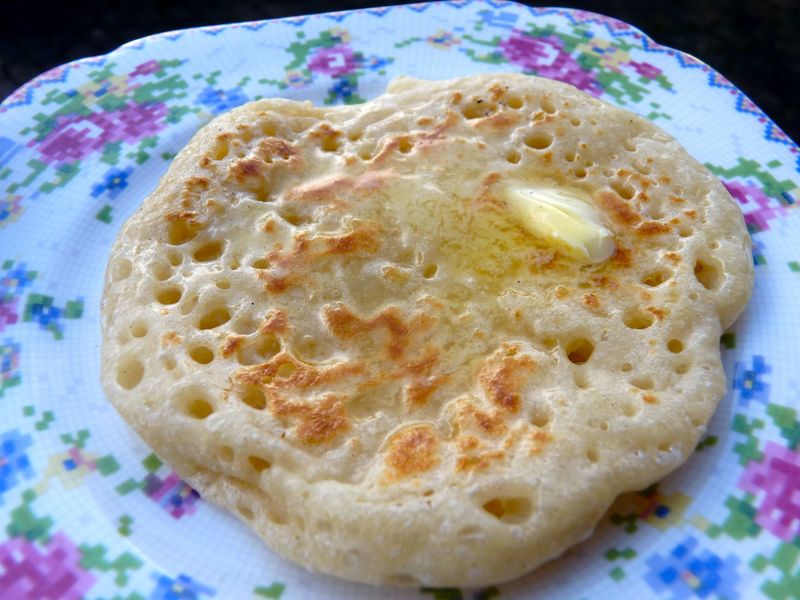
Thinner and lacier than a crumpet, the pikelet is a northern staple that deserves far more recognition. They cook quickly on a griddle, developing hundreds of tiny holes that soak up butter like a sponge.
The edges are crisp, the middle is chewy, and the whole thing is deeply satisfying.
Yorkshire and Lancashire both claim them as their own, which tells you how popular they are up north. Most people south of the Midlands simply call them crumpets and miss the distinction entirely.
10. Wet Nelly
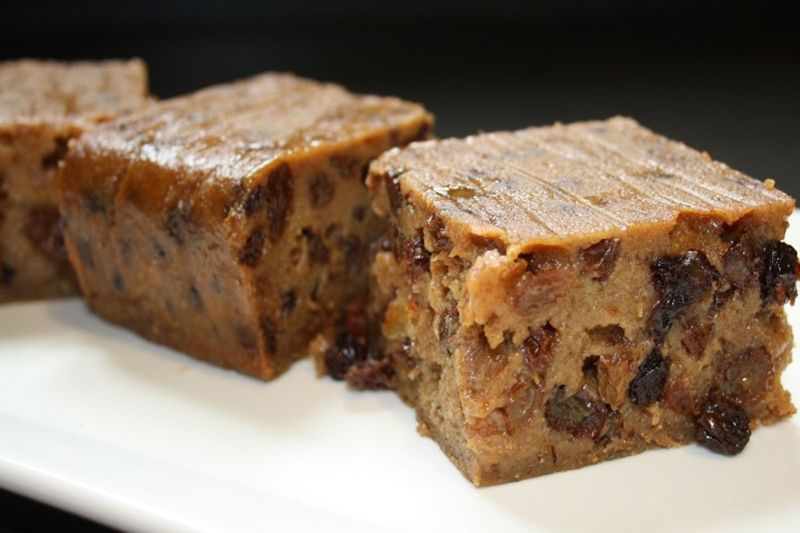
Liverpool's wet nelly is a bread pudding made from stale bread soaked in water, mixed with sugar, dried fruit, and spice, then baked until sticky and dense. It was born from necessity during hard times, turning leftover bread into something genuinely delicious.
The name is thought to come from Nelson's cake, a similar dish popular in the 19th century. It is sticky, sweet, and warming.
You will rarely find it outside Merseyside, which is a real shame for the rest of England.
11. Cheese and Onion Pie (Northern Style)
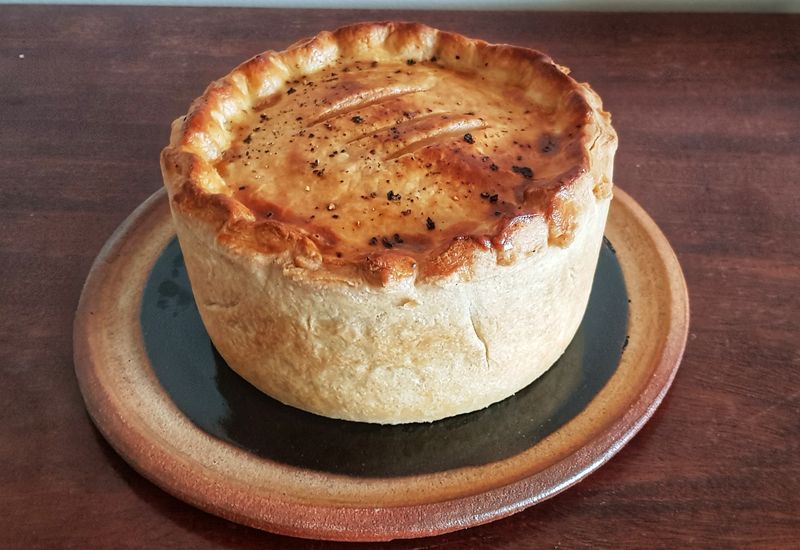
Southerners think they know cheese and onion pie, but the northern version is on another level. Thick shortcrust pastry holds a dense filling of potato, sharp cheddar, and soft cooked onions.
It is sold warm from market stalls in Lancashire and Yorkshire, often wrapped in paper and eaten standing up.
Wigan is particularly famous for its version. The ratio of filling to pastry is wonderfully generous, and the flavour is bold and satisfying in a way that supermarket versions simply cannot replicate.
12. Carlin Peas
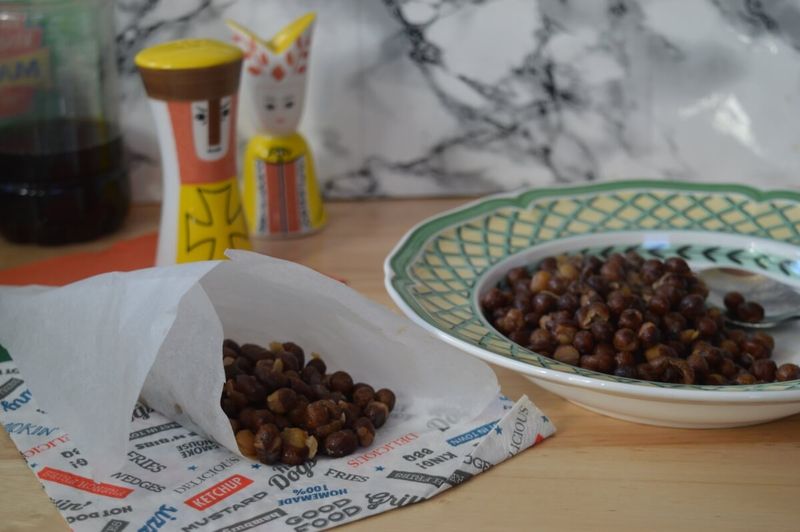
Carlin peas are small, dark brown peas with a nutty, earthy flavour, and they have been eaten across the north of England for centuries. They are traditionally cooked on Carlin Sunday, the fifth Sunday of Lent, boiled until soft then tossed in butter, salt, and a splash of vinegar or rum.
They pop and burst in your mouth with a satisfying richness. You will find them sold at northern markets in autumn and winter, but almost nowhere south of Yorkshire.
13. Barm Cake
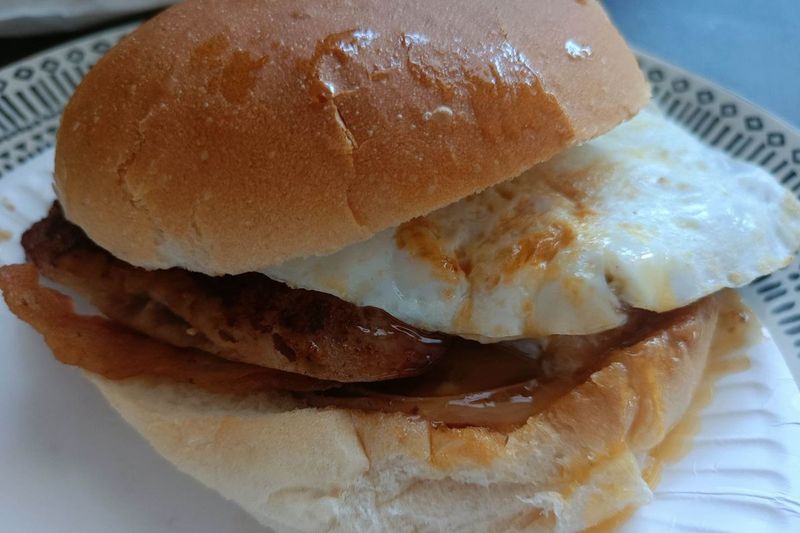
Call it what you want, but in Greater Manchester a bread roll is a barm, and that is final. The barm cake is soft, slightly floury, and has a particular chewiness that makes it the perfect vehicle for bacon, sausage, or black pudding.
Debates about what to call bread rolls rage across England, but Manchester residents have no doubts. A proper barm from a local bakery, still warm from the oven and filled with crispy bacon, is one of life's genuine pleasures.
14. Tripe and Onions
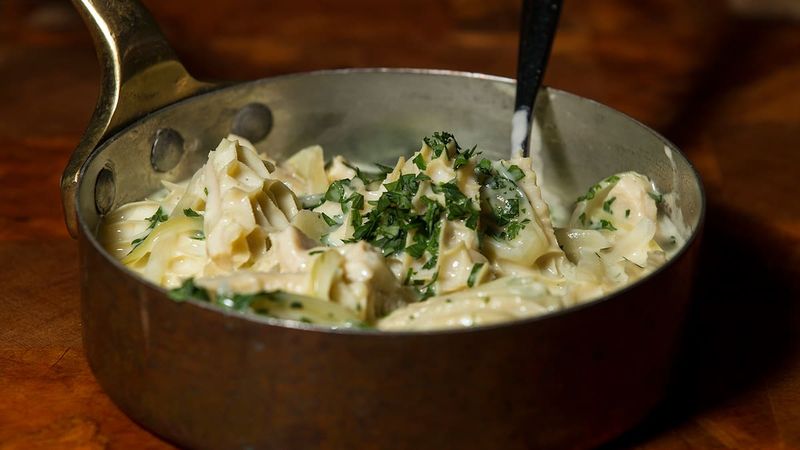
Tripe polarises people, but in the north of England it was once a weekly staple. Slow-cooked with onions in a creamy white sauce until silky and tender, it is far more delicate in flavour than its reputation suggests.
Bolton and Manchester were once famous for their tripe shops.
It fell out of fashion as food became cheaper and more varied, but dedicated fans still seek it out. If you approach it with an open mind, you might be surprised by how comforting it actually is.
15. Mushy Peas with Mint Sauce
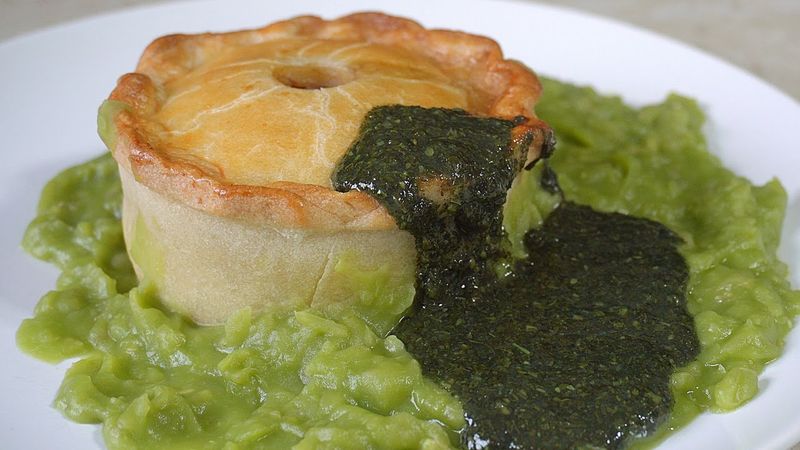
Mushy peas exist across England, but the northern version comes with a game-changing addition: a drizzle of sharp, vinegary mint sauce over the top. It cuts through the starchy sweetness of the peas and adds a brightness that transforms the whole bowl.
Yorkshire chip shops serve this combination without a second thought. Visitors from the south often look confused when offered mint sauce with their peas, then immediately ask for more once they taste it.
It is a simple trick that makes a huge difference.
16. Pan Haggerty
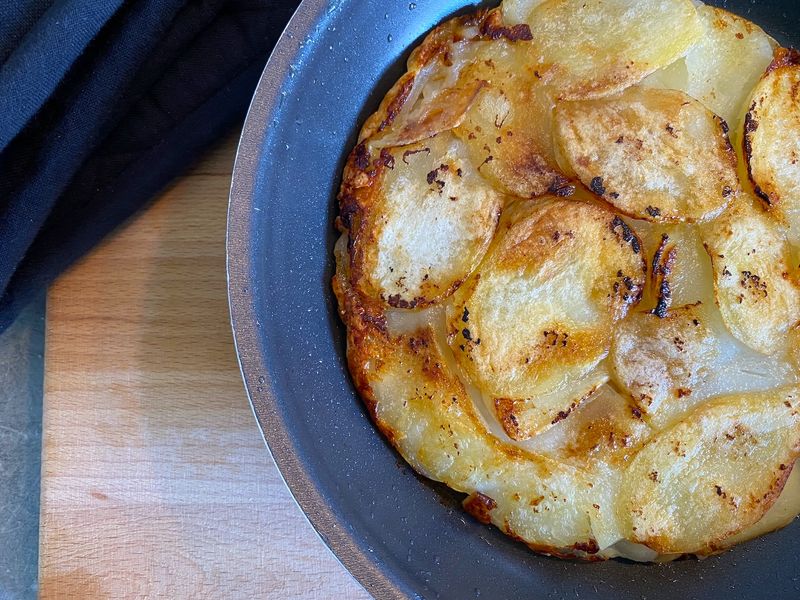
Pan haggerty is a Northumberland dish that deserves a spot on every comfort food list in the country. Sliced potatoes, onions, and cheese are layered in a heavy pan, cooked slowly on the hob until the bottom is crispy and golden, then finished under the grill.
It is economical, filling, and deeply satisfying. The crispy base and soft, cheesy interior create a brilliant contrast of textures.
Down south, most people have never encountered it, yet it takes almost no effort to make.
17. Dock Pudding
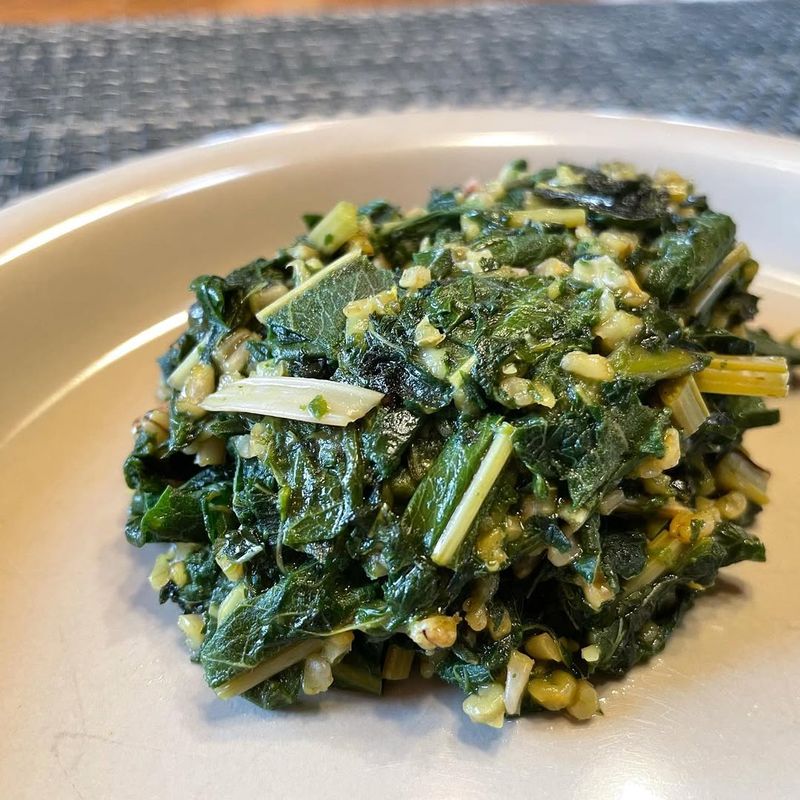
Found in the Lake District and parts of the Yorkshire Dales, dock pudding is one of England's most unusual regional dishes. It is made from bistort leaves, oatmeal, nettles, and onions, all cooked together into a dense, dark green cake that is then fried in bacon fat.
Grasmere holds an annual dock pudding competition. The flavour is earthy, slightly bitter, and genuinely unlike anything else.
It sounds strange, but paired with bacon and eggs it is a brilliant, old-fashioned breakfast that tells a real story about northern rural life.
18. Black Pudding Fritter
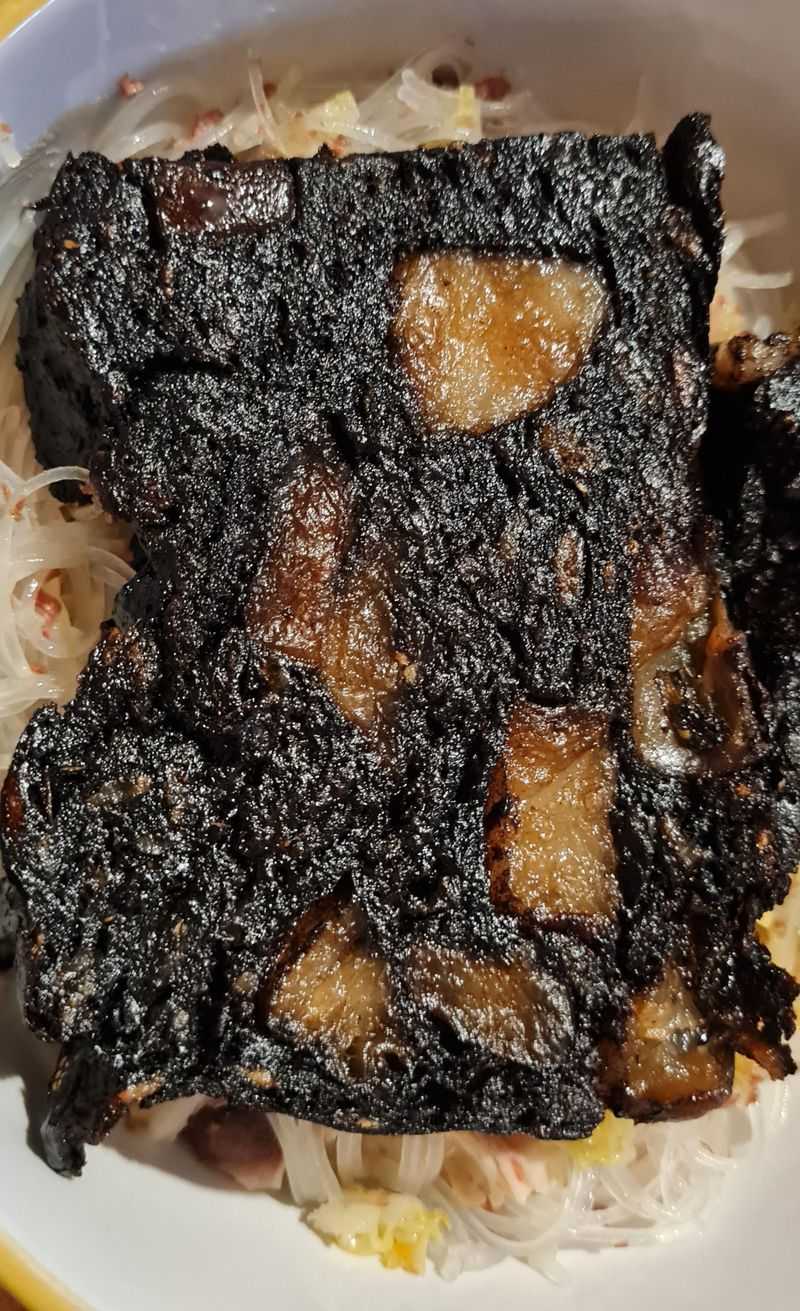
Bury Market in Greater Manchester is the spiritual home of black pudding, and the black pudding fritter is its finest expression. A thick slice of rich, spiced black pudding is coated in batter and deep fried until golden and crackling on the outside.
The inside stays soft, almost creamy, with that distinctive iron-rich flavour that black pudding lovers adore. Served with chips and a dollop of mustard, it is one of the most satisfying things you can eat at a market.
Southern food markets rarely come close.
19. Dripping Bread
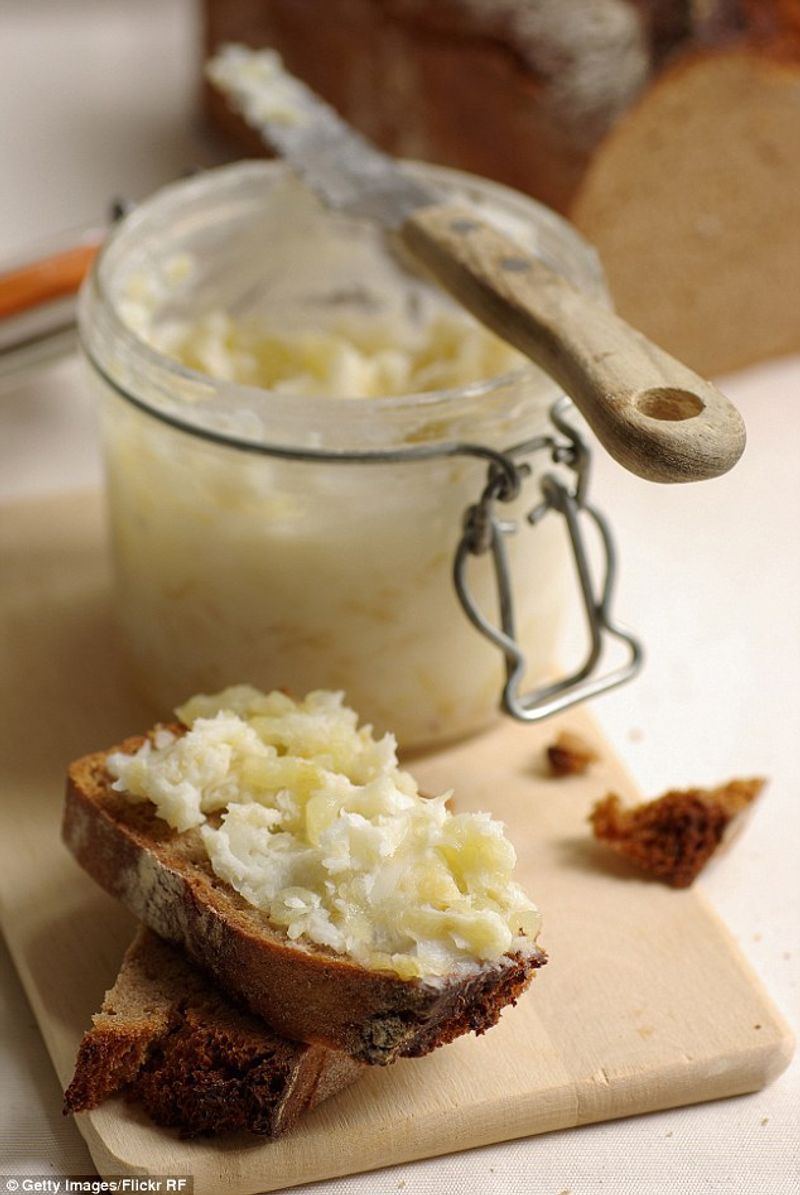
Before olive oil and avocado toast, there was dripping bread. Thick slices of white bread spread with the fat and jelly collected from a roasting joint, then seasoned with salt and pepper.
It sounds basic, but the flavour is extraordinary, especially when the dripping is well seasoned and slightly jellied at the bottom.
Older generations across Yorkshire, Lancashire, and the northeast grew up eating this as an everyday snack. It is making a small comeback in artisan circles, but southerners are largely still in the dark.
20. Hindle Wakes
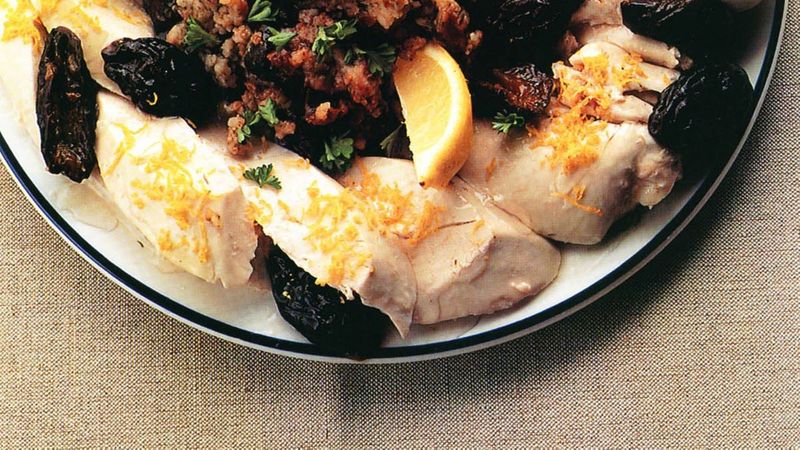
Hindle wakes is one of Lancashire's oldest dishes and one of its most overlooked. A whole chicken is stuffed with prunes, herbs, and breadcrumbs, then gently poached before being served cold with a sharp, lemony sauce.
The combination of sweet fruit, savoury chicken, and tangy dressing is genuinely sophisticated.
The dish dates back to medieval times and was traditionally made for the Wakes Week holiday. It is elegant, unusual, and completely absent from most menus south of the Pennines.
21. Spice Loaf (Yorkshire Tea Bread)
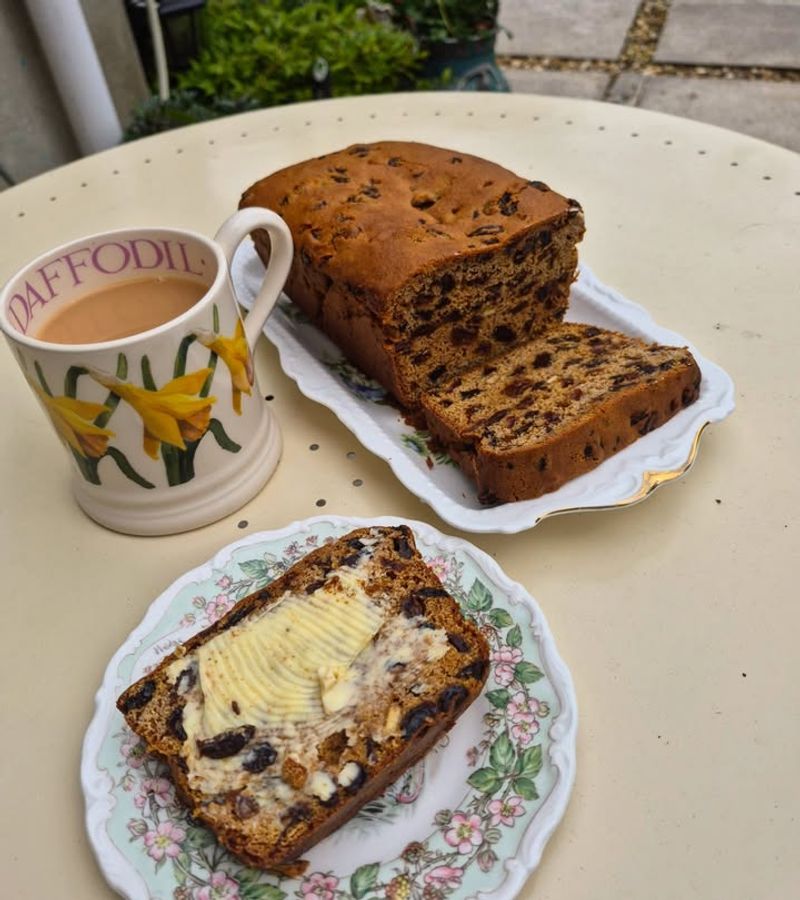
Yorkshire tea bread, sometimes called spice loaf, is made by soaking dried fruit overnight in strong tea, then baking it into a dense, moist loaf flavoured with warm spice. The result is something between a fruit cake and a bread, not too sweet, with a chewy texture that gets better after a day or two.
Sliced thick and spread with proper butter, it is a Yorkshire tearoom staple. Many southerners who try it for the first time immediately wish they had discovered it sooner.
22. Whiting Goujons with Scraps
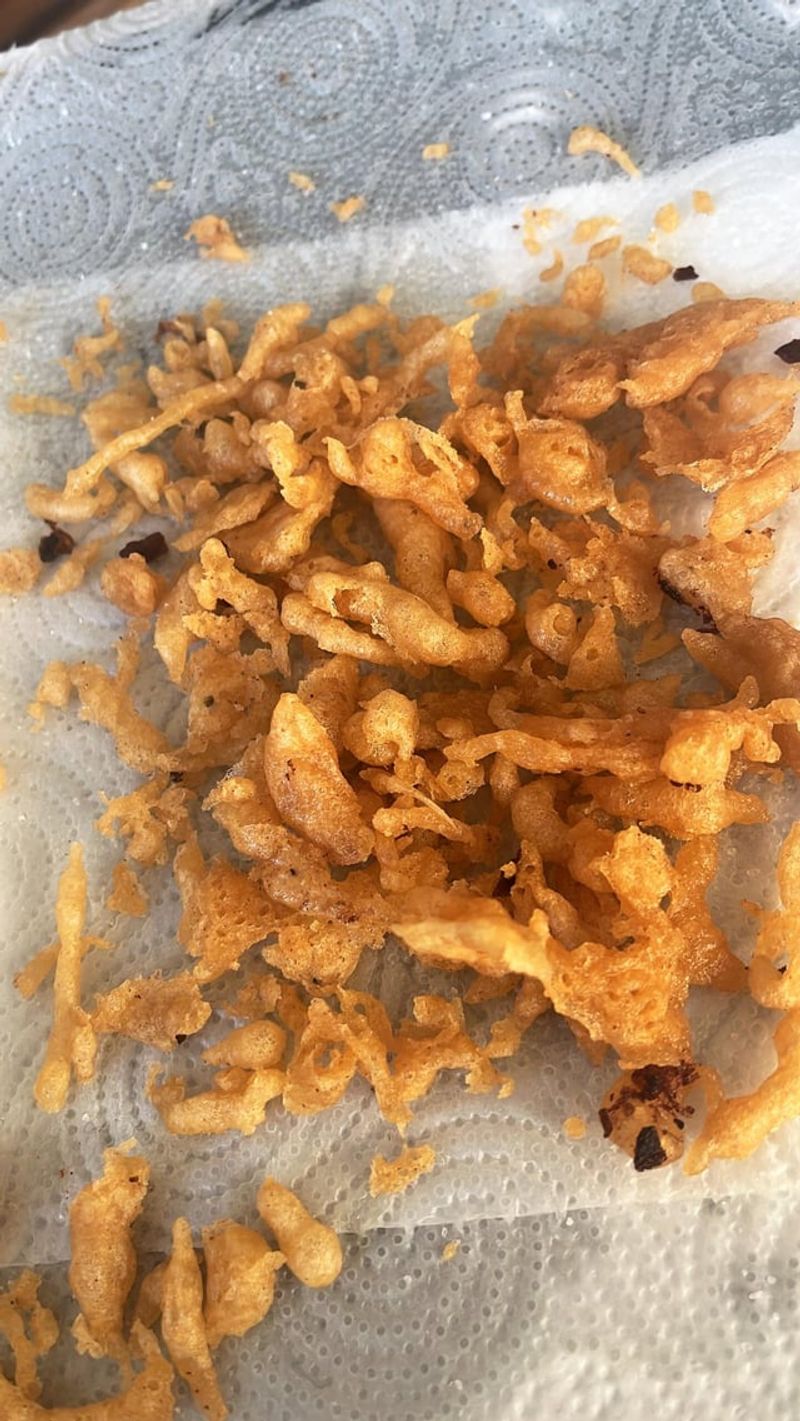
Northern chip shops have always used whiting as well as cod and haddock, and the goujons made from it are crispy, light, and full of flavour. The real bonus is the scraps, the leftover bits of batter that fall off during frying, collected and handed out for free or a few pence.
Scraps are a northern chip shop tradition that barely exists in the south. Piled on top of your chips and splashed with vinegar, they add a brilliant crunch that no amount of condiment can replace.
23. Moggy (Northern Treacle Cake)
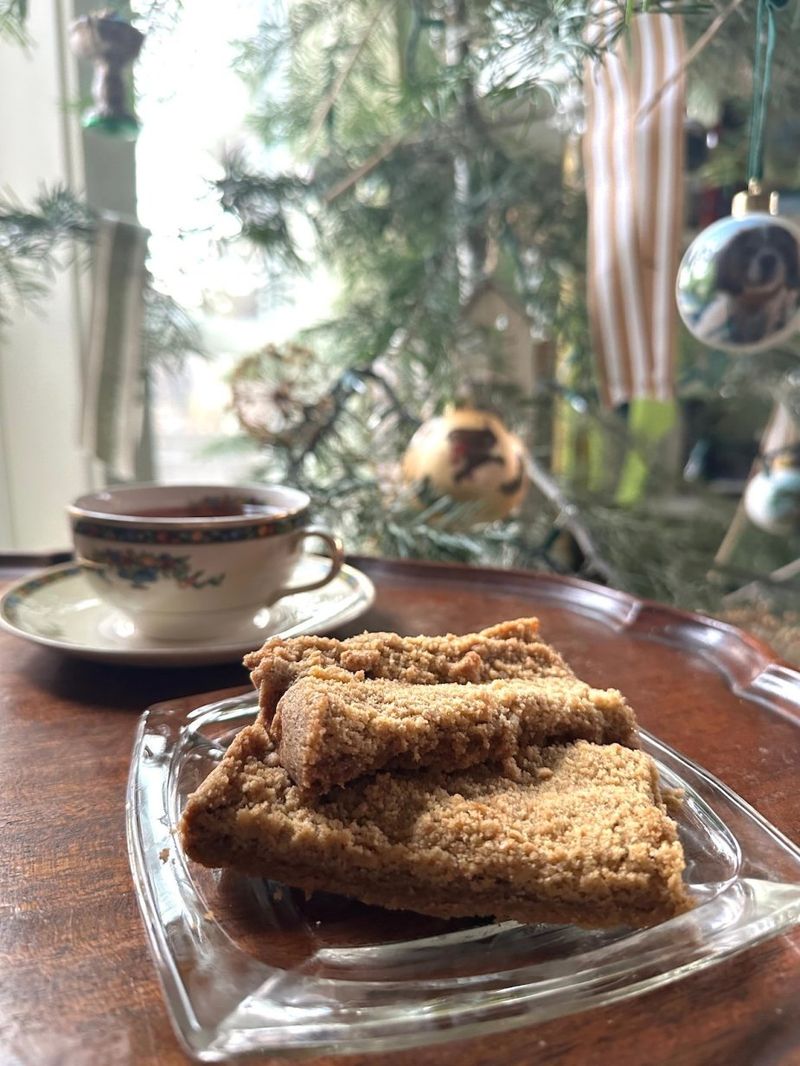
Moggy is a dark, sticky gingerbread-style cake made with treacle, oats, and warm spices, popular in Cumbria and parts of the Lake District. It is dense, chewy, and intensely flavoured with molasses and ginger.
The name is believed to come from an old dialect word, though nobody agrees entirely on its origin.
It keeps brilliantly for days and actually improves as it sits. Eaten with a cup of strong tea on a cold afternoon, it is one of the north's most underrated baking traditions.




Comments
No Comments