













Britain has a long and proud food history, but some of its tastiest little bites often get overlooked in favor of more trendy snacks. From smoky pub classics to buttery teatime treats, traditional British nibbles have been satisfying hungry crowds for centuries.
Many of these snacks carry fascinating stories, regional pride, and bold flavors that are hard to beat. Give these underrated gems a second look and you might just discover your new favorite snack.
1. Pork Scratchings
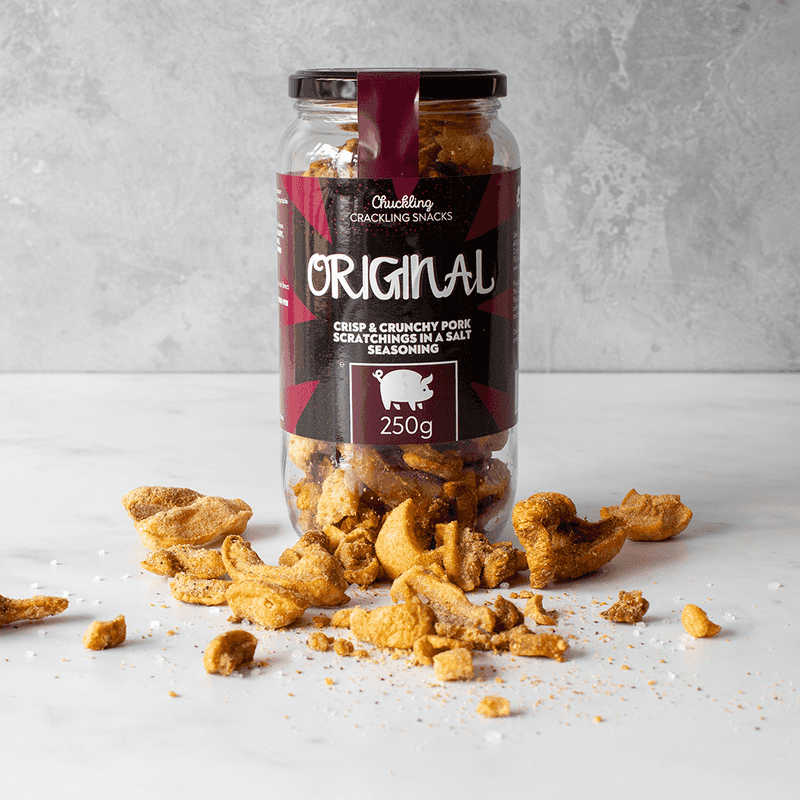
Crispy, salty, and completely addictive, pork scratchings are the unsung hero of the British pub snack world. Made from fried or roasted pig skin, they pack a satisfying crunch that crisps and chips simply cannot match.
They have been a staple of British pubs since the 1800s and remain fiercely popular in the Midlands. High in protein and bursting with savory flavor, these little bites deserve far more credit than they usually receive.
2. Scotch Eggs
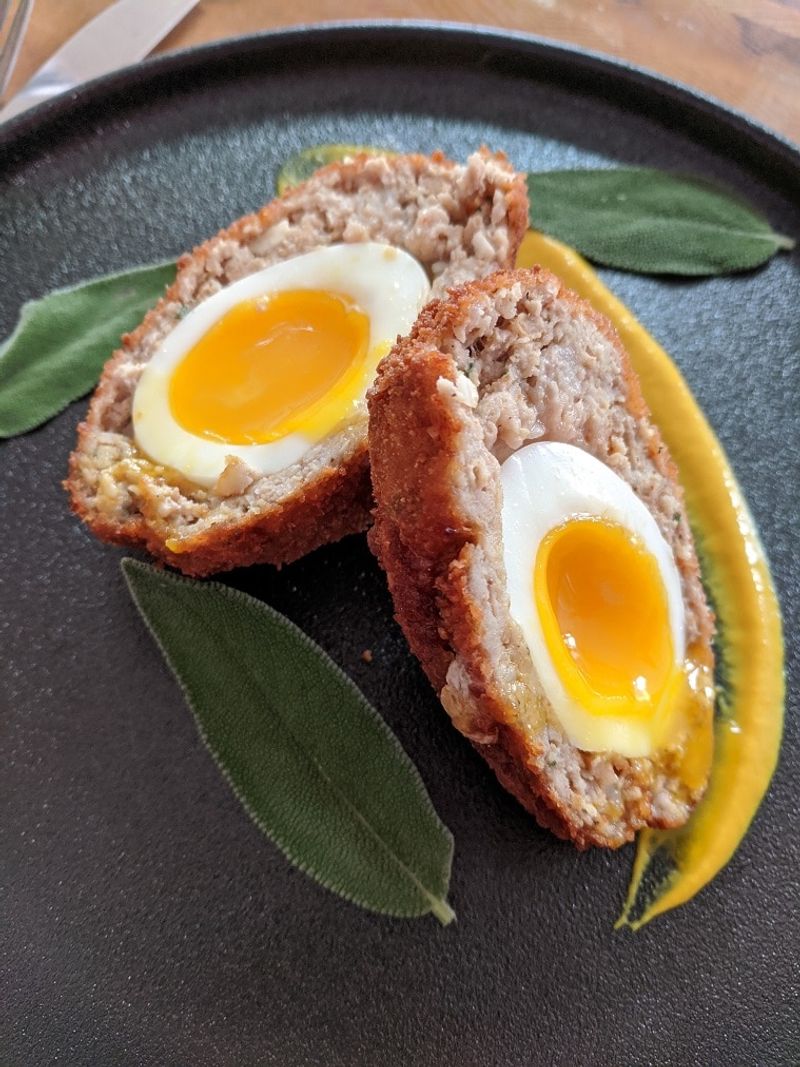
Crack through the crispy golden crust of a proper Scotch egg and you will find a soft-boiled egg wrapped in perfectly seasoned sausage meat. It is one of those snacks that manages to feel both hearty and elegant at the same time.
Invented in London in the 18th century, Scotch eggs were originally a luxury picnic food for the wealthy. Today they are enjoyed by everyone, from farmers markets to gas station forecourts, and every version tells its own delicious story.
3. Cheese and Pickle on Crackers
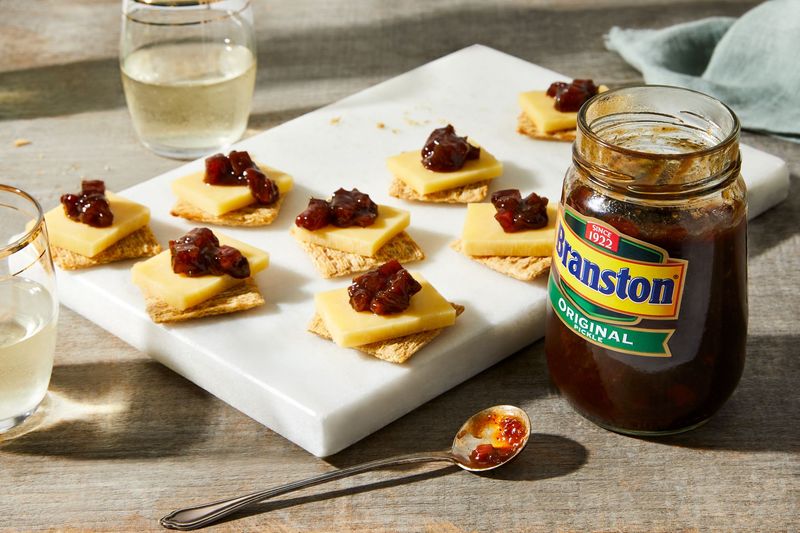
Sharp cheddar paired with tangy, chunky Branston pickle on a crisp cracker is a combination that has stood the test of time in Britain. The contrast of flavors is surprisingly bold for something so simple.
Branston pickle itself has been made since 1922 and remains one of the most iconic condiments in British food culture. Whether served at a Christmas party or a casual lunch, this classic combo earns every bit of the respect it rarely gets.
4. Devilled Kidneys on Toast
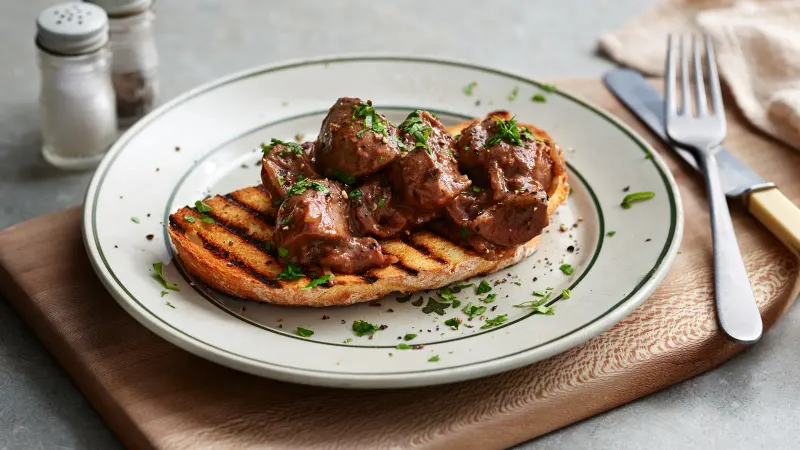
Once a staple of Victorian breakfast tables, devilled kidneys are a fiery, rich little nibble that most modern Brits have never tried. Lamb kidneys cooked in a spiced, buttery sauce and piled onto toast create something truly memorable.
The word "devilled" refers to the use of hot spices, a cooking trend that was wildly popular in the 19th century. Bold, slightly gamey, and deeply satisfying, this forgotten classic is long overdue for a proper comeback on British menus.
5. Bloater Paste on Toast
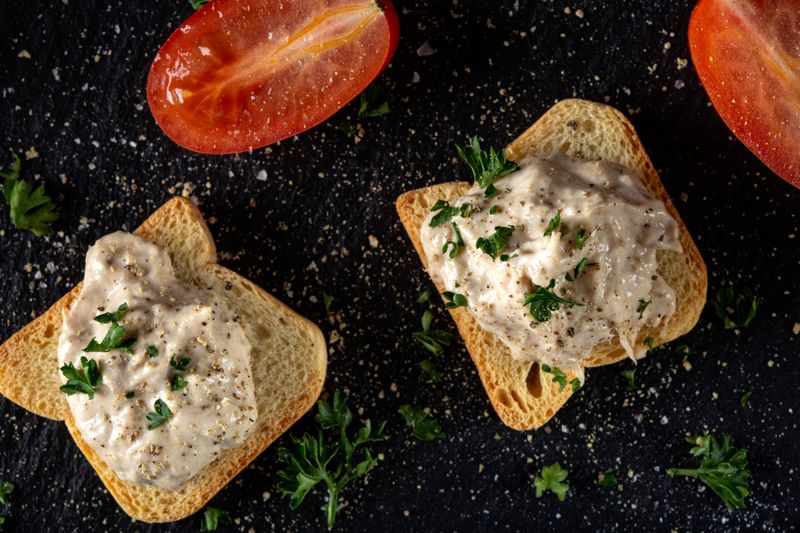
Bloater paste has almost vanished from modern British kitchens, but this smoky, intensely flavored fish spread once graced the tables of both working-class homes and grand Victorian tea parties. Made from smoked herring, it carries a punchy, briny depth that anchors any toast it touches.
Yarmouth bloaters were so beloved in the 19th century that they were even mentioned by Charles Dickens. Salty, smoky, and surprisingly complex, bloater paste deserves a serious revival in contemporary British snacking culture.
6. Piccalilli with Cold Cuts
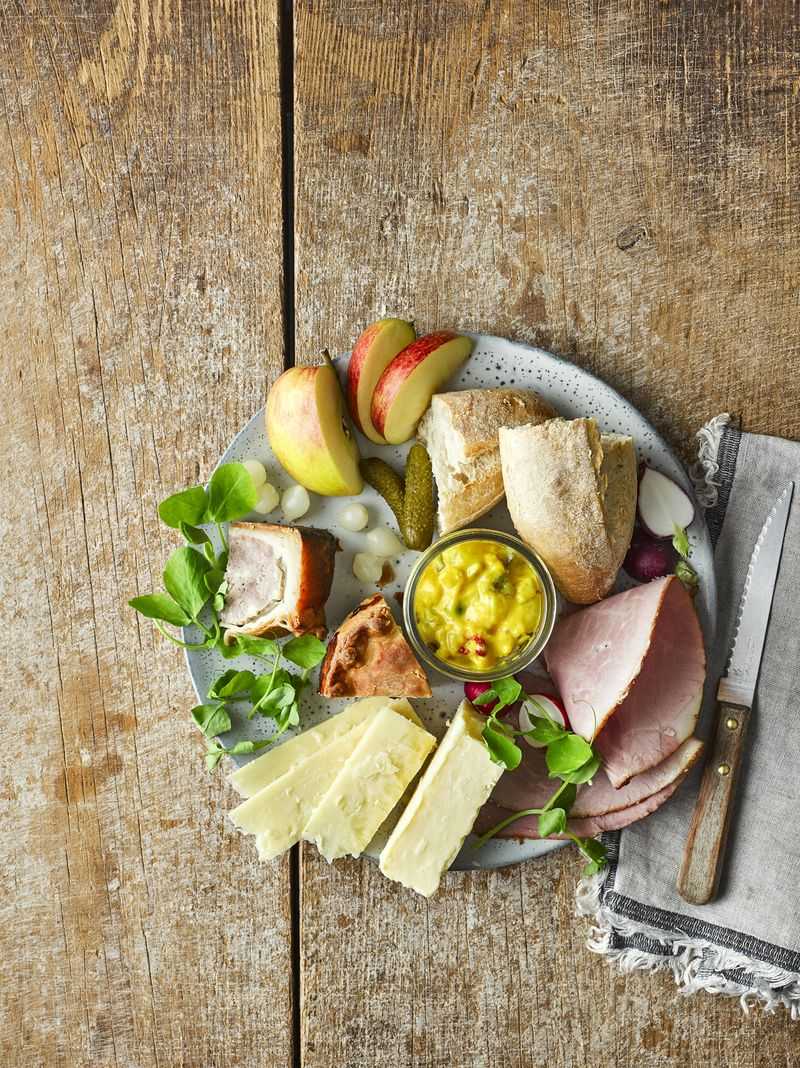
Piccalilli is that glorious, electric-yellow condiment made from pickled vegetables and sharp mustard that somehow makes every cold cut taste ten times better. It is bold, tangy, and completely unapologetic about its flavor.
Britain has been making piccalilli since at least the 18th century, inspired by Indian pickles brought back by traders. Alongside sliced ham, tongue, or pork pie, it transforms a simple cold plate into something genuinely exciting.
Few nibbles combinations are this historically rich and delicious.
7. Potted Shrimps
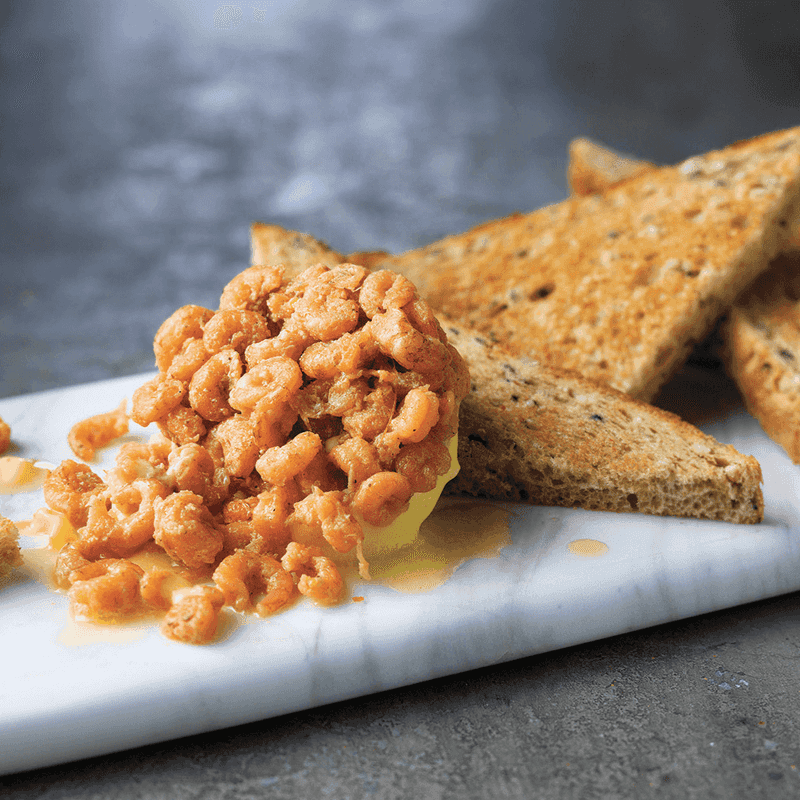
Morecambe Bay potted shrimps are one of Britain's most treasured coastal delicacies, yet most people outside the North West have never tasted them. Tiny brown shrimps preserved in spiced, clarified butter create a rich, aromatic mouthful unlike anything else.
The tradition of potting shrimps in butter dates back centuries as a way of preserving the catch. Spread thickly on warm toast and eaten by the sea, potted shrimps offer a connection to British coastal heritage that is both humble and deeply satisfying.
8. Savoury Cheese Straws
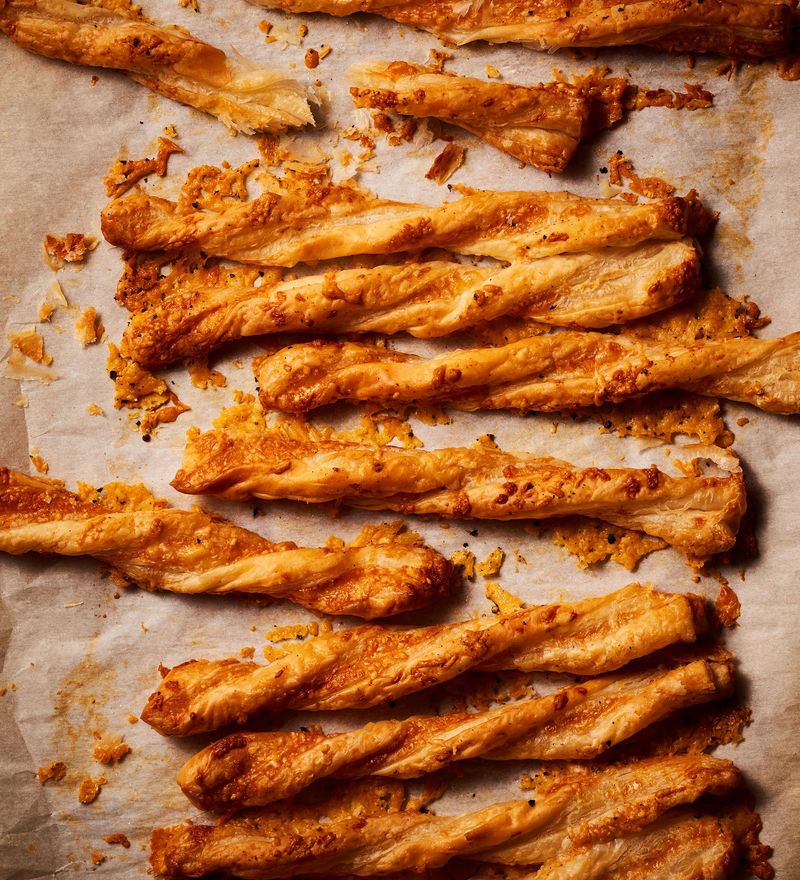
There is something almost irresistible about pulling a warm, cheesy straw from a jar at a party. Light, buttery, and packed with sharp cheddar flavor, cheese straws are the kind of nibble that disappears within minutes of being set out.
They have been a staple of British entertaining since at least the Edwardian era and were a firm fixture at afternoon teas and cocktail parties. Homemade cheese straws, still warm from the oven, are proof that the simplest snacks are often the very best ones.
9. Anchovy Toast (Gentleman's Relish)
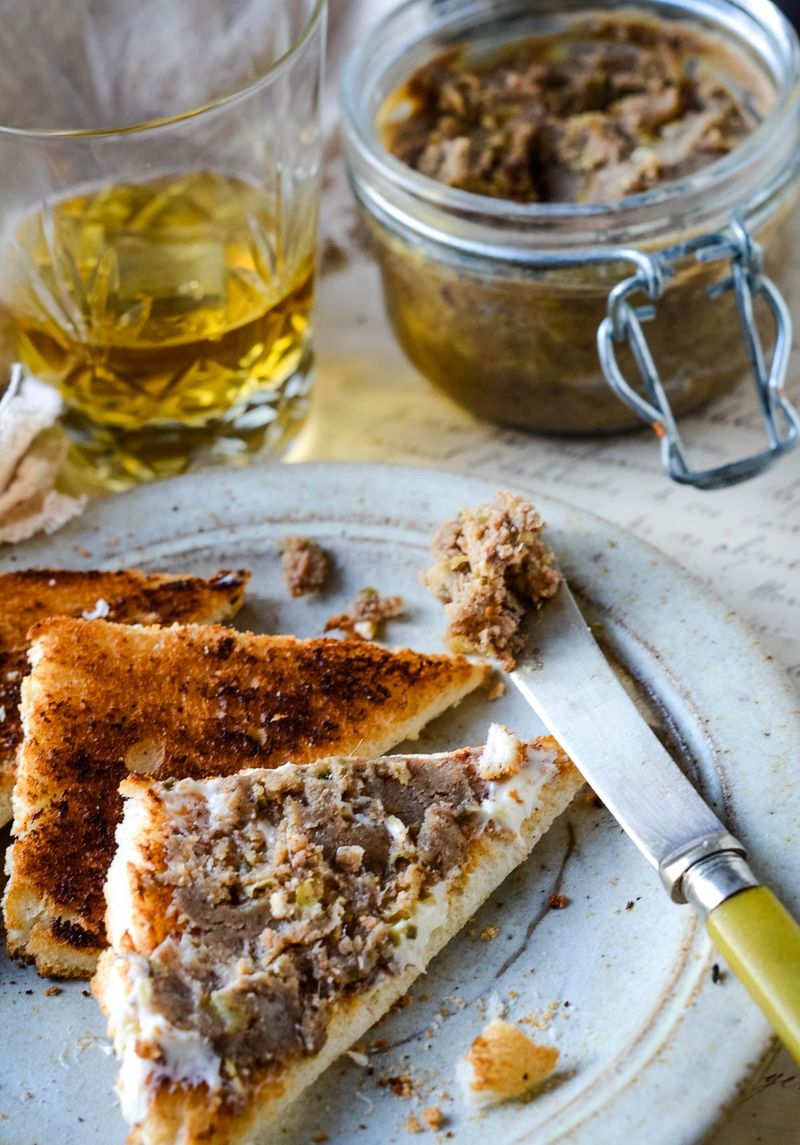
Gentleman's Relish, the mysterious anchovy-based paste sold in its iconic little pot, has been a quietly beloved British condiment since 1828. Spread thinly on hot buttered toast, it delivers a wallop of umami that is salty, savory, and completely addictive.
The recipe is still a closely guarded secret, which only adds to its charm. Traditionally eaten as a late-night supper nibble by the Victorian upper classes, anchovy toast is one of those genuinely old-school British bites that rewards the adventurous snacker tremendously.
10. Pigs in Blankets
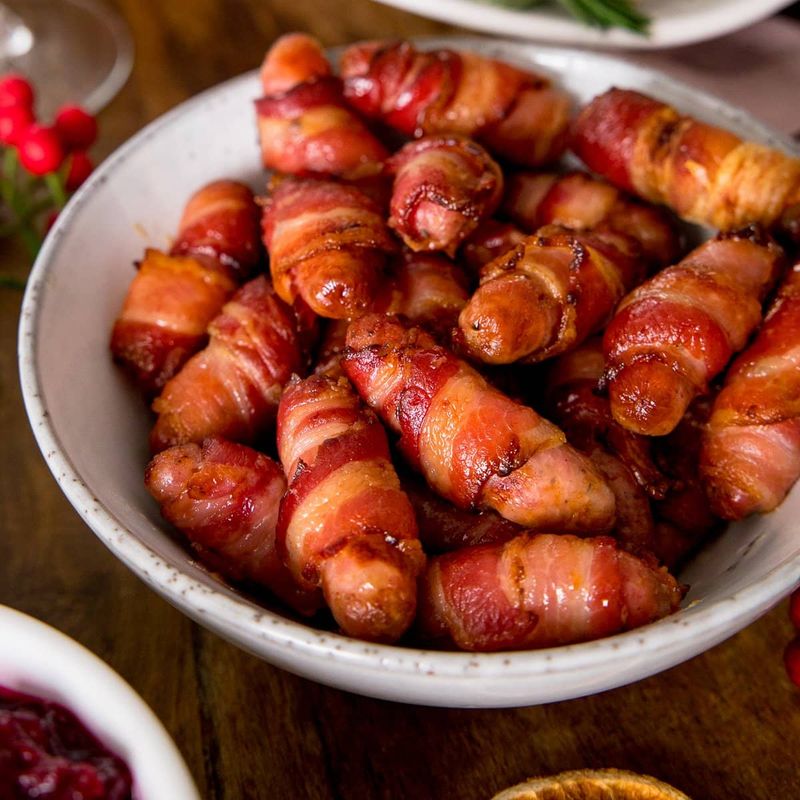
Ask any British person what they look forward to most at Christmas dinner and pigs in blankets will almost certainly top the list. Chipolata sausages wrapped snugly in crispy streaky bacon and roasted until golden are pure joy in one bite.
While they are strongly associated with Christmas in Britain, there is no good reason to limit these beauties to December. Served as a party nibble with a dipping sauce, pigs in blankets are crowd-pleasers that bring instant happiness to any gathering throughout the year.
11. Welsh Rarebit Bites
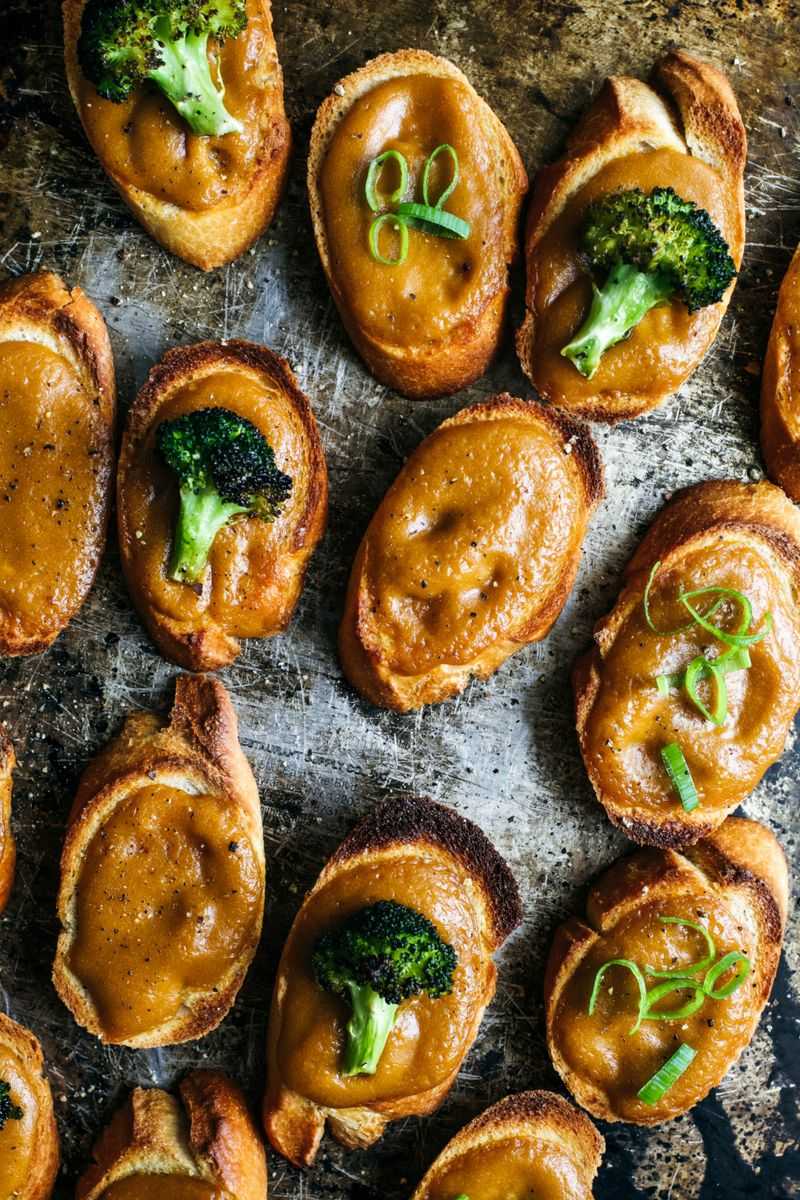
Welsh rarebit is not just cheese on toast. It is a rich, glossy sauce made from melted cheddar, mustard, Worcestershire sauce, and ale, broiled until it bubbles with irresistible golden patches.
Cut into bite-sized pieces, Welsh rarebit becomes one of the finest hot nibbles Britain has ever produced. Records of the dish stretch back to the early 18th century, and it has been warming people up ever since.
Served at a party or a cozy pub night, these little bites never disappoint.
12. Pickled Onions
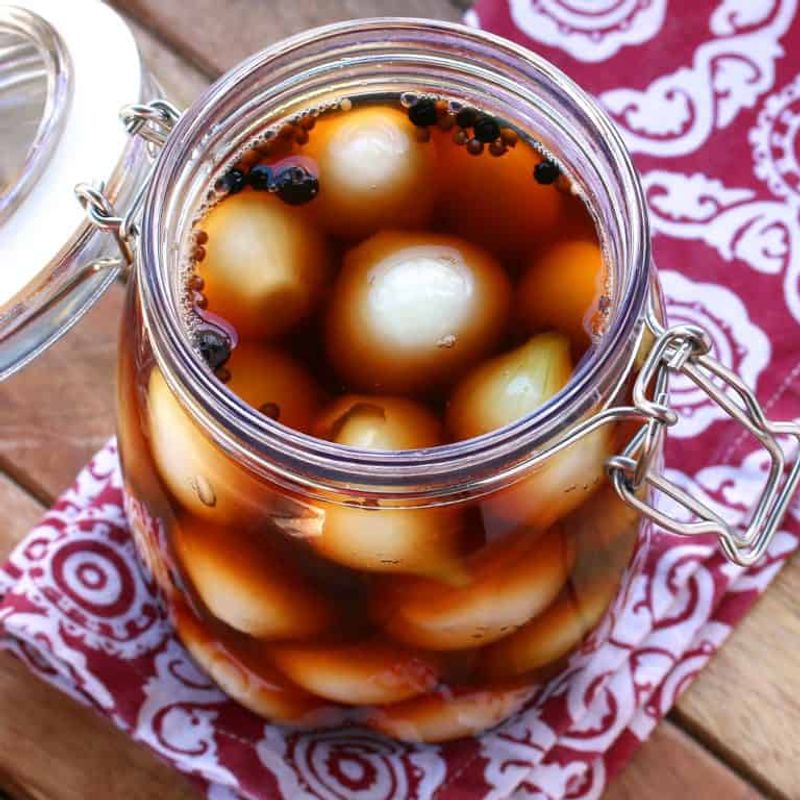
Pickled onions might not win any beauty contests, but their sharp, vinegary crunch has been bringing life to British cheese boards and cold platters for generations. Small silverskin onions steeped in malt vinegar develop a bold tang that cuts through rich foods brilliantly.
They are a staple of the classic ploughman's lunch and a regular feature at Christmas buffets across the country. Crunchy, fiery, and wonderfully old-fashioned, a good pickled onion is the kind of humble snack that quietly steals the show every single time.
13. Sausage Rolls
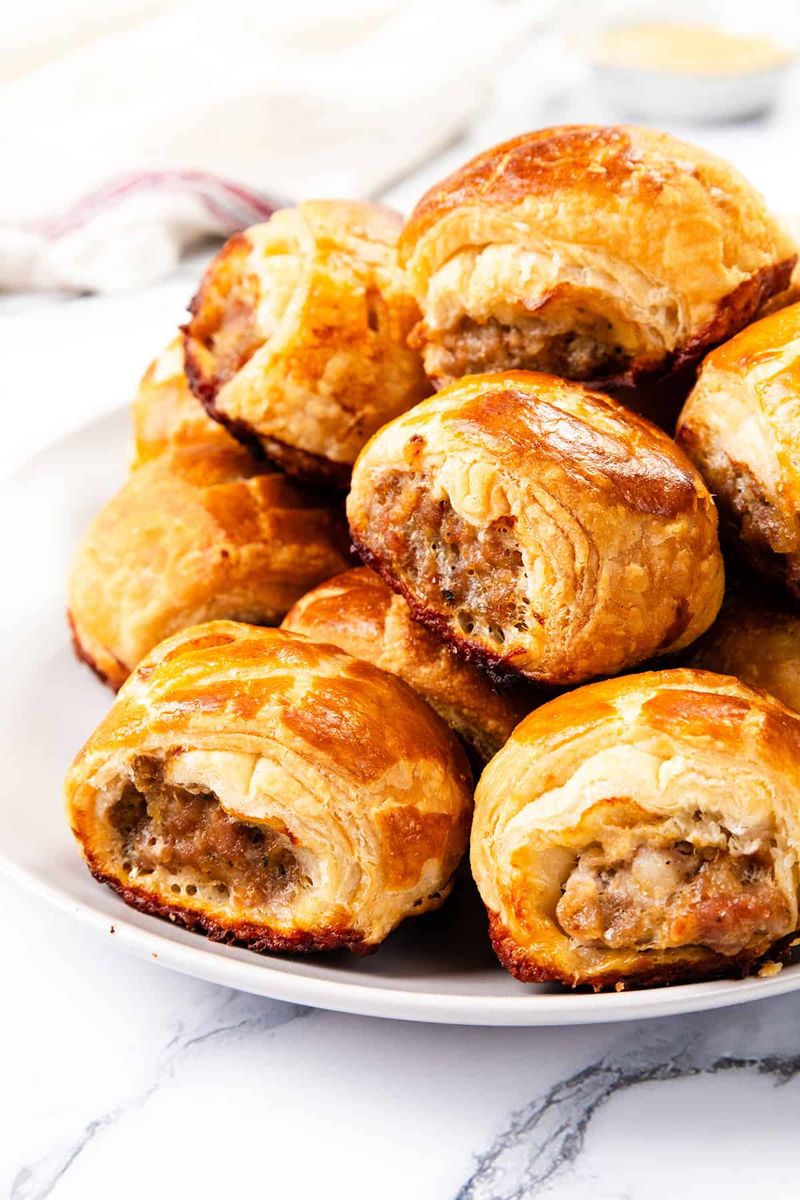
Few things in British food culture inspire as much fierce loyalty as a proper sausage roll. Flaky, buttery puff pastry wrapped around well-seasoned pork sausage meat, baked until deeply golden, is one of life's simple but profound pleasures.
Britain has been eating sausage rolls since at least the early 19th century, and bakeries across the country still compete passionately for the title of best in town. Whether eaten warm from a paper bag or served on a party platter, they remain absolutely timeless.
14. Bloomer Bread with Dripping
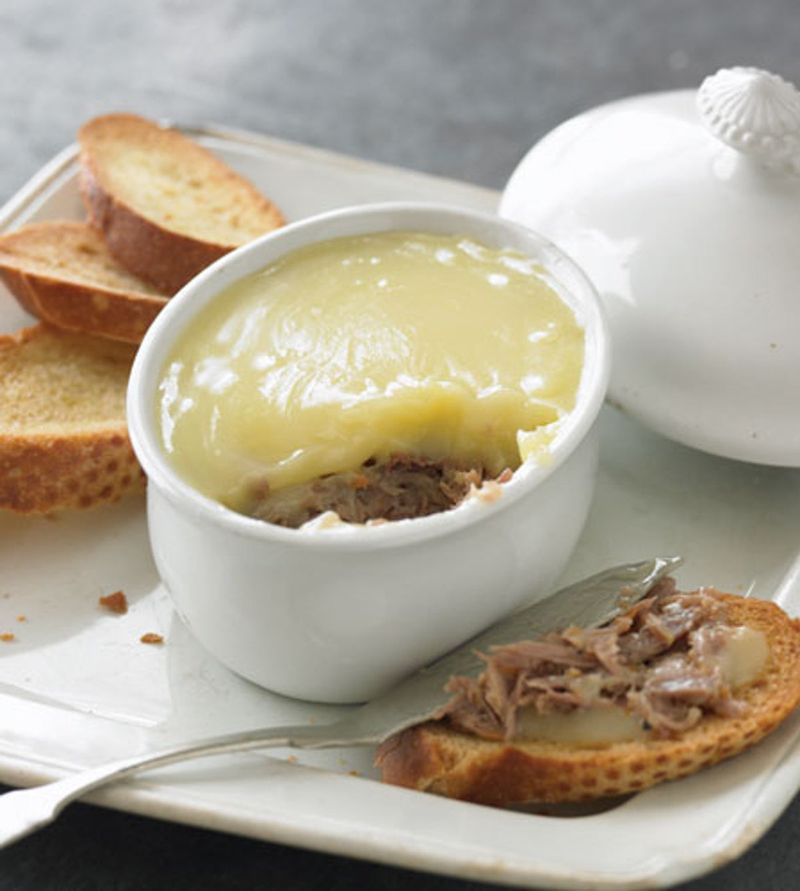
Before butter became the everyday spread, beef dripping on thick crusty bread was a working-class staple that kept Britain going through long cold winters and hard working days. The savory, meaty jelly that settles at the bottom of the dripping bowl is the real prize.
Seasoned generously with salt and pepper, dripping on bread is a deeply nostalgic bite that older generations remember fondly. It is making a small comeback in gastropubs and markets, and anyone who tries it quickly understands why it was so beloved for so long.
15. Devils on Horseback
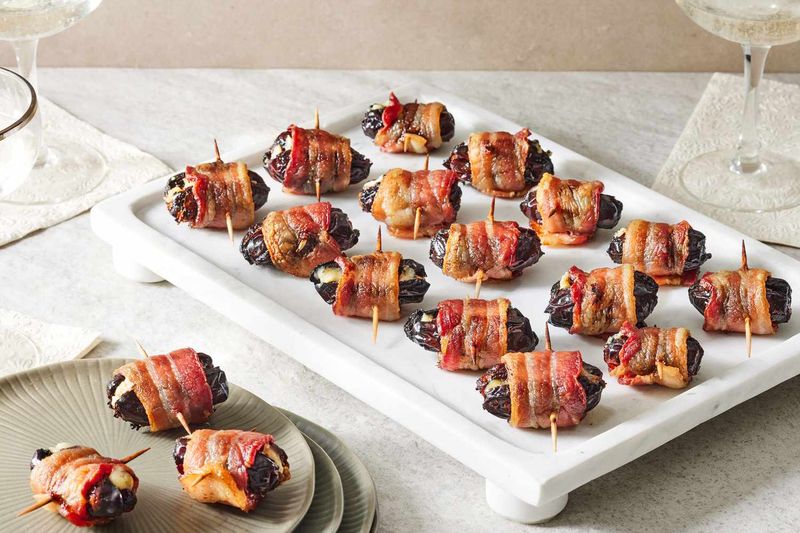
Sweet prunes wrapped in salty, crispy bacon and served hot on cocktail sticks sounds like an unusual combination, but it works brilliantly. The contrast between the sticky sweetness of the prune and the savory crunch of the bacon is genuinely exciting.
Devils on horseback were a fashionable Victorian savoury, typically served at the end of a formal dinner to wake up the palate before dessert. They later became a beloved party nibble and remain a staple of British Christmas buffet tables, even if fewer people know their elegant origins.
16. Radishes with Butter and Salt
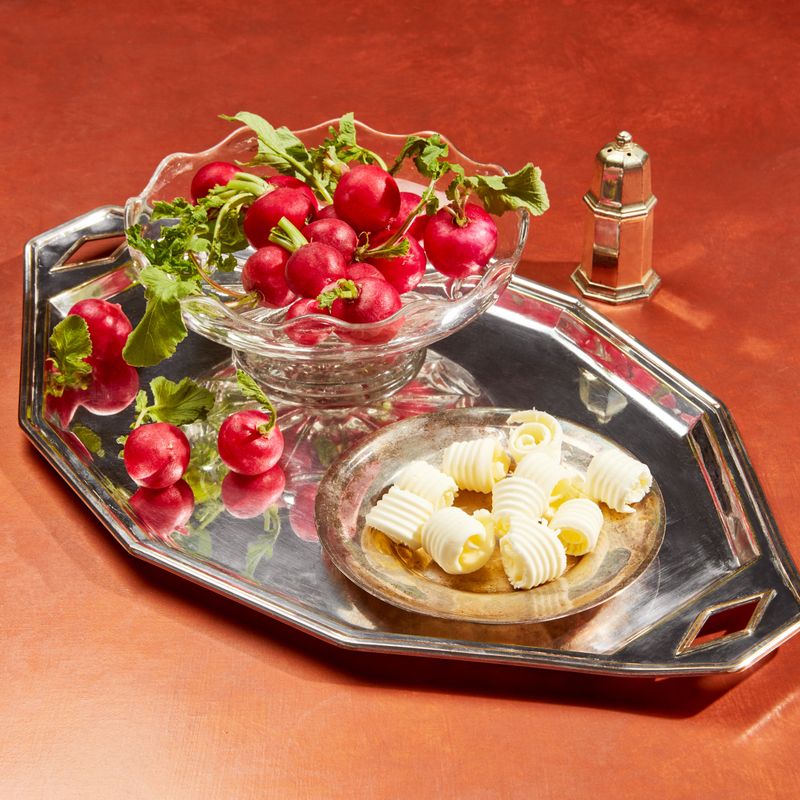
This one might raise an eyebrow, but radishes served with cold butter and flaky sea salt is a surprisingly elegant and refreshing nibble with deep roots in British and French country cooking. The peppery bite of a fresh radish softened by creamy butter is genuinely lovely.
Simple, seasonal, and requiring almost no preparation, radishes with butter were a common sight on Victorian and Edwardian tea tables. In a world of complicated snacks, there is something beautifully honest about this crisp, clean little bite that deserves far wider appreciation today.
17. Potted Beef
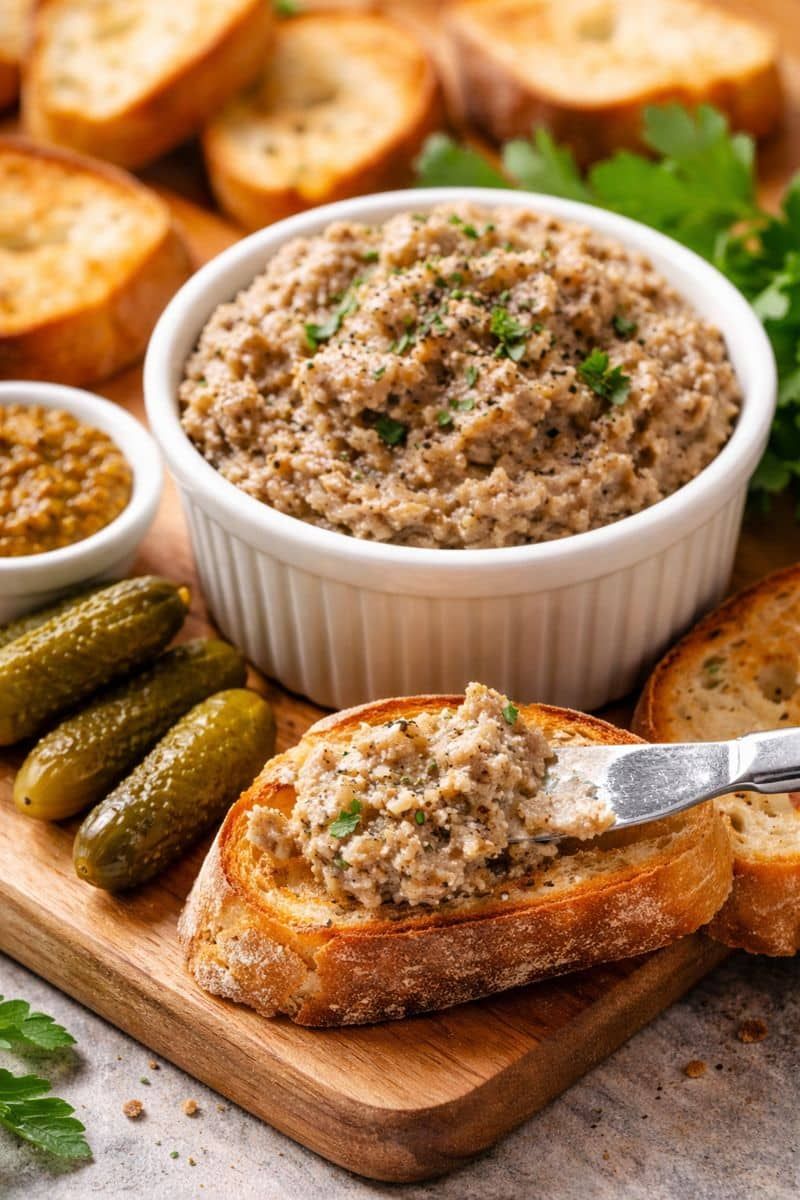
Long before deli counters and supermarket spreads existed, potted beef was the way British households used up leftover roast meat. Slow-cooked beef, seasoned and sealed under a layer of clarified butter, creates a rich, deeply flavored spread that is extraordinary on toast.
The technique of potting meat to preserve it dates back to at least the 16th century in Britain. Compared to modern processed meat spreads, potted beef made the traditional way is in a completely different league, offering genuine depth and warmth in every mouthful.
18. Cockles with Malt Vinegar
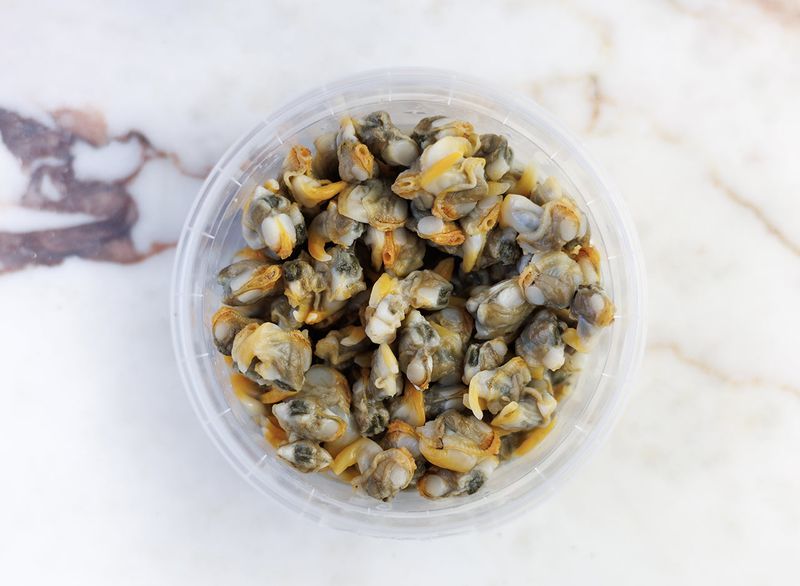
Standing at a seaside stall with a little cup of cockles doused in malt vinegar is one of those quintessentially British experiences that feels completely timeless. Chewy, briny, and powerfully flavored, cockles are not for the faint-hearted, but they reward those who embrace them.
Cockles have been sold at British coastal markets and street stalls since at least the Victorian era, when they were a cheap and nutritious snack for working people. Eaten fresh by the sea, they carry the honest taste of the British coastline in every single bite.
19. Bread and Dripping Sandwiches
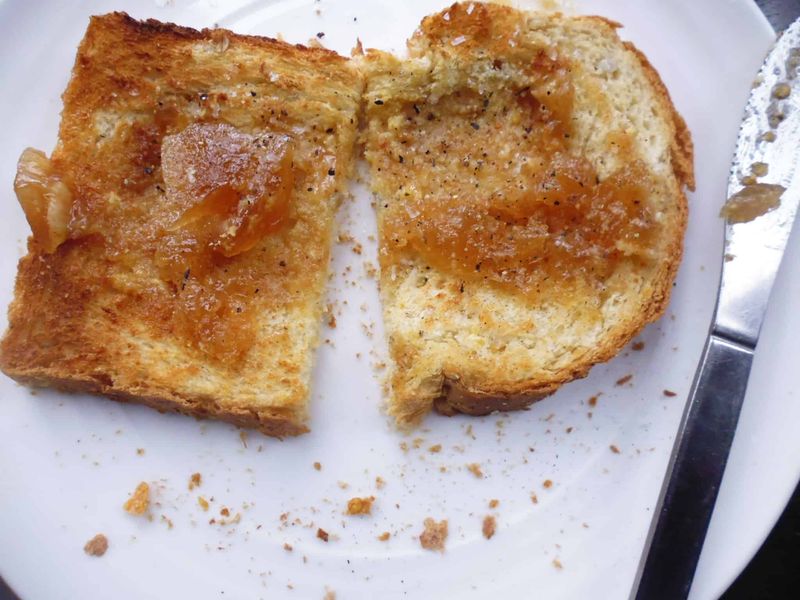
Generations of British schoolchildren grew up with bread and dripping sandwiches as an after-school snack, and those who remember them speak about them with real warmth. Made from nothing more than white bread and the rendered fat saved from a Sunday roast, they are gloriously simple.
The flavor is meaty, savory, and deeply comforting in a way that is hard to describe until you have tried one. As nose-to-tail eating becomes fashionable again, this forgotten working-class classic is quietly earning a well-deserved second look from food lovers across Britain.
20. Prawn Cocktail Blinis
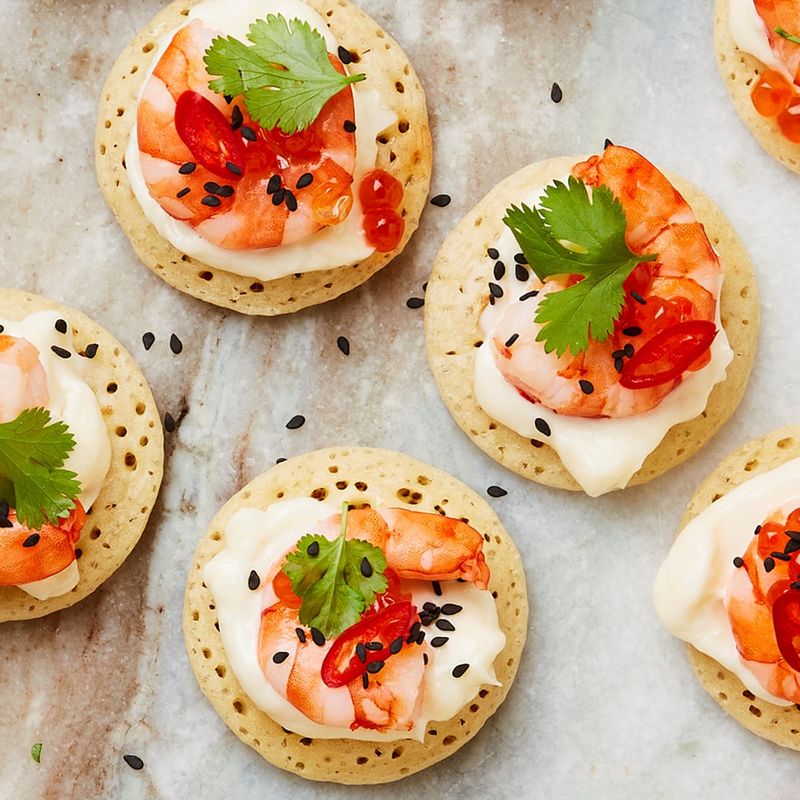
Prawn cocktail earned an unfair reputation as a tired 1970s dinner party cliche, but the flavor combination of sweet prawns and tangy Marie Rose sauce is genuinely delicious when done properly. Served on small blinis as a one-bite nibble, it feels fresh and festive all over again.
The classic prawn cocktail was actually one of the most popular dishes in Britain throughout the 1960s and 70s for very good reason. Brought back in miniature form, it belongs at every gathering where good food and good company come together.
21. Marmite on Toast Squares
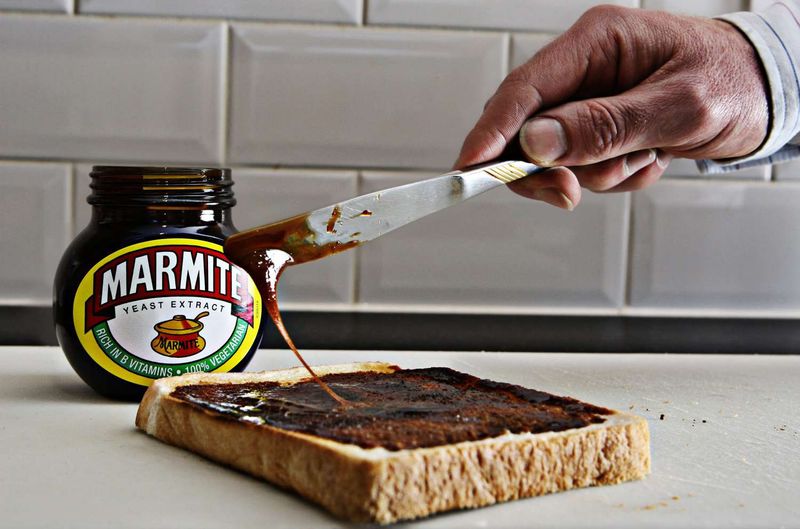
Marmite divides the nation like almost nothing else, but for those who love it, a square of hot toast spread with a thin, glossy layer of this dark, yeasty spread is one of life's great pleasures. The salty, intensely savory flavor is unlike anything else in the British pantry.
Made from yeast extract, Marmite has been produced in Britain since 1902 and carries a kind of cultural pride all of its own. Served as a simple party nibble, Marmite toast squares are bold, nostalgic, and wonderfully polarizing in the very best way.
22. Potted Crab
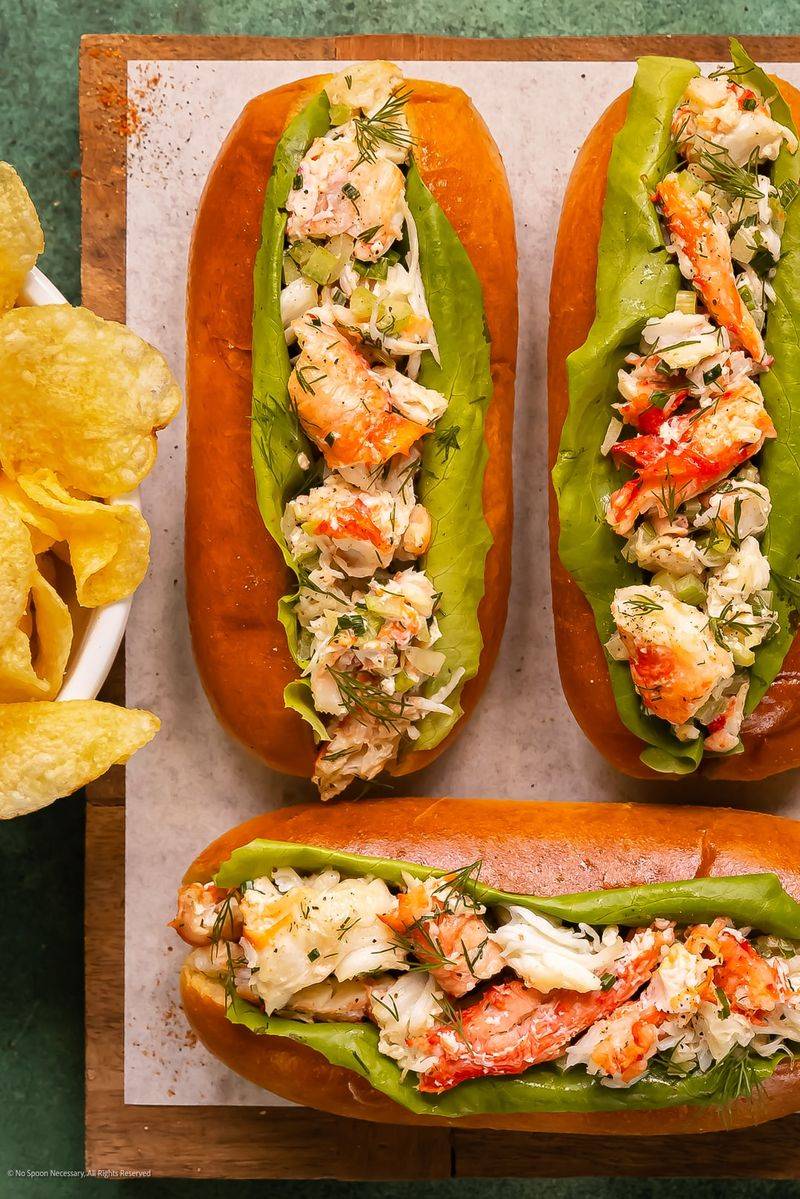
Potted crab is a seaside luxury that many British food lovers have completely overlooked in favor of more modern starters. Freshly picked white crab meat seasoned with mace, cayenne, and lemon, then sealed in butter, creates something extraordinarily delicate and flavorful.
The tradition of potting crab stretches back several hundred years along the British coastline, particularly in Devon and Cornwall. Spread on wafer-thin toast and eaten with a glass of crisp white wine, potted crab is proof that sometimes the oldest recipes are still the most magnificent ones.




Comments
No Comments