











Bread has been a morning staple for thousands of years, and nearly every culture on Earth has its own special version. From fluffy flatbreads cooked over open flames to golden loaves pulled fresh from wood-fired ovens, these breakfast breads tell the story of the people who bake them.
Exploring them is like taking a delicious trip around the world without leaving your kitchen. Get ready to discover 22 incredible breads that have been warming tables and hearts across the globe for generations.
1. Injera - Ethiopia
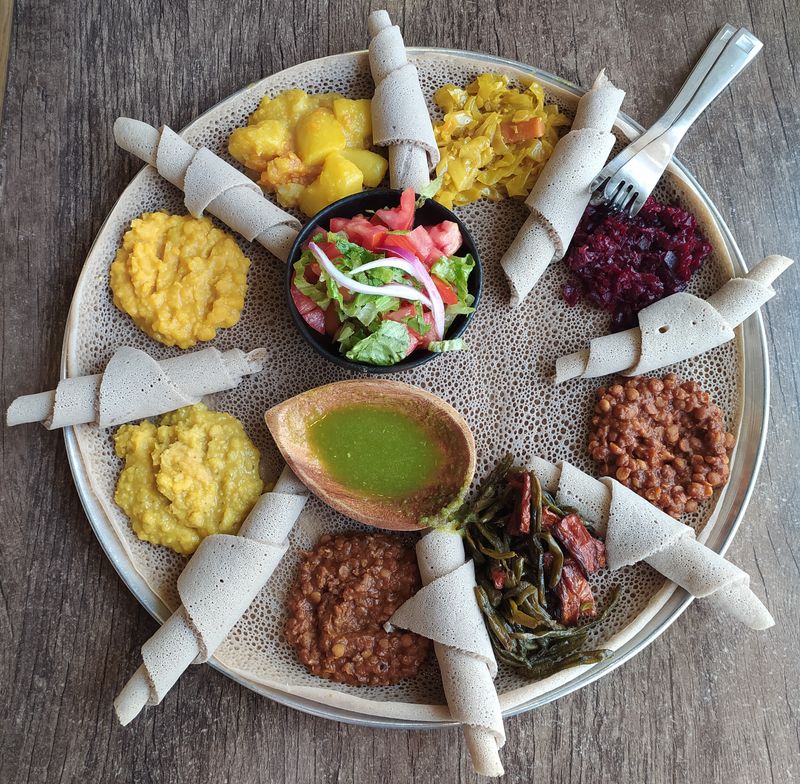
Sour, spongy, and unlike anything else you have ever tasted, injera is the edible plate of Ethiopia. Made from fermented teff flour, it bubbles and puffs as it cooks on a large clay griddle called a mitad.
Every Ethiopian breakfast table seems incomplete without it. You tear pieces off and scoop up lentils or eggs with your hands.
Teff is one of the world's oldest cultivated grains, making injera a truly ancient morning tradition.
2. Naan - India
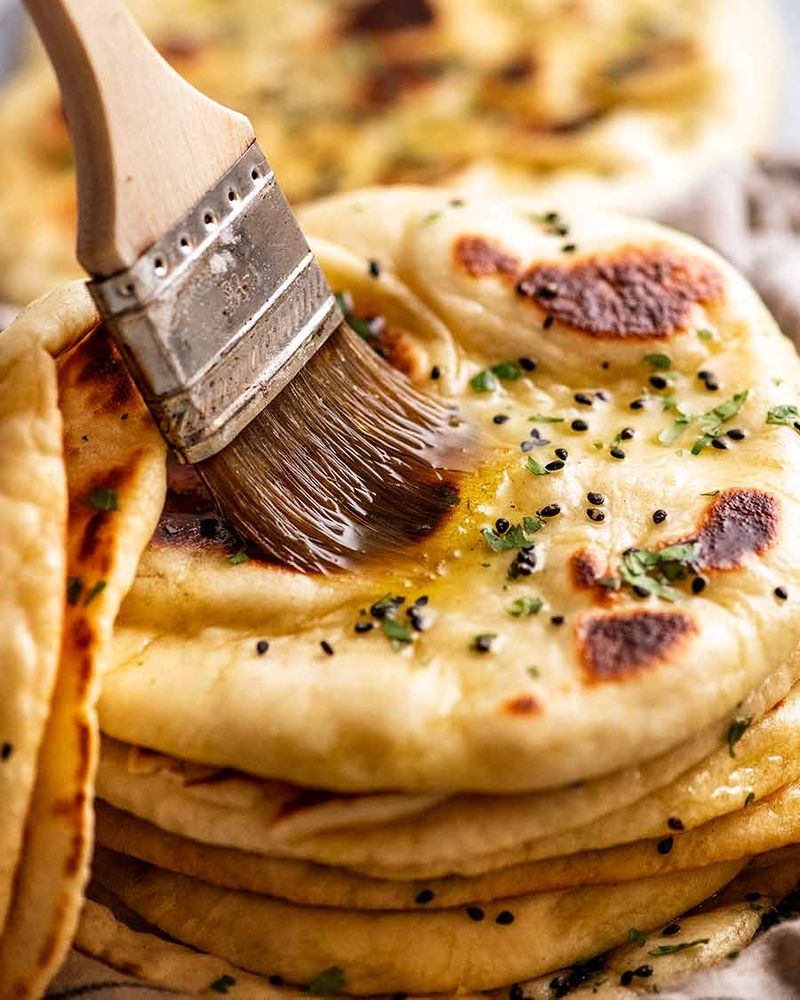
Soft on the inside with beautiful charred spots on the outside, naan has been a beloved bread across South Asia for centuries. It is traditionally baked in a super-hot clay oven called a tandoor, which gives it that signature smoky flavor.
For breakfast, naan is often paired with spiced eggs or creamy paneer. Did you know naan likely arrived in India via Persia?
Its name comes from the Persian word for bread, connecting two rich food cultures.
3. Croissant - France
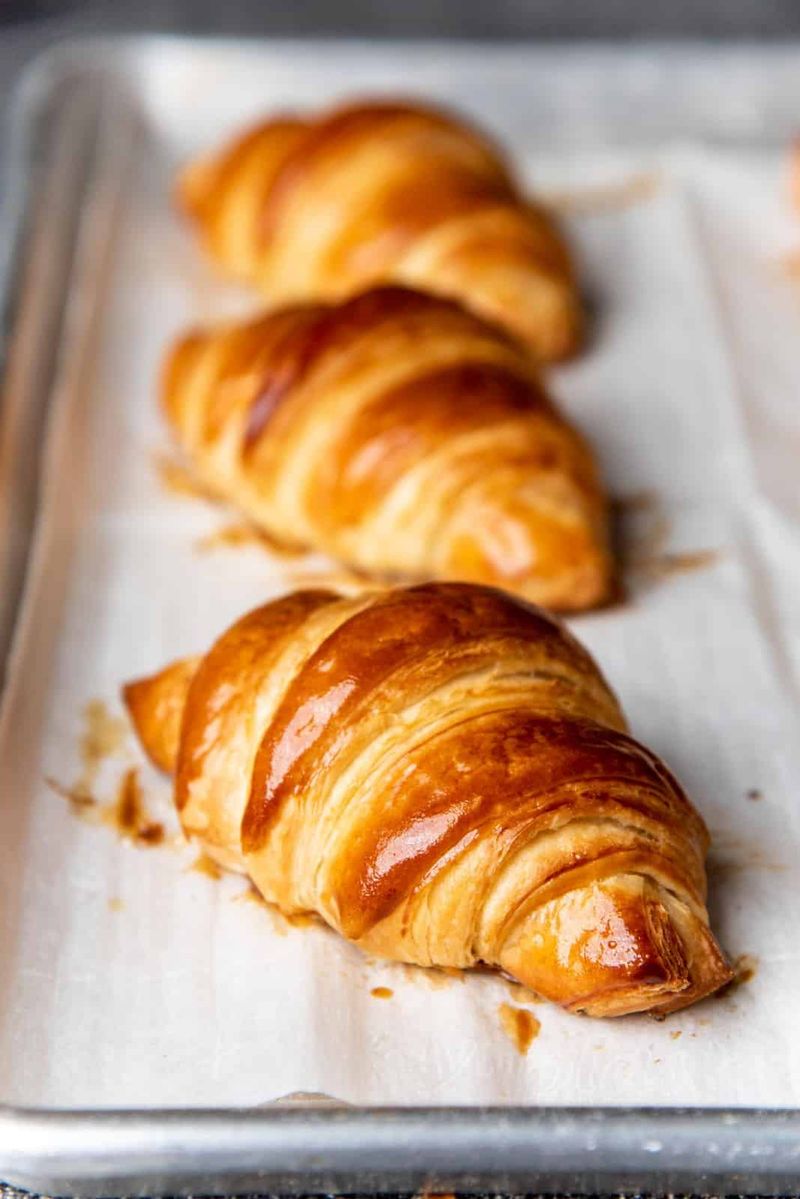
Buttery, flaky, and impossibly light, the croissant is France's most iconic morning pastry. Each one is made by folding cold butter into dough dozens of times, creating hundreds of paper-thin layers that shatter with every bite.
Surprisingly, the croissant actually has Austrian roots. A Viennese baker brought the crescent-shaped roll to Paris in the 1800s, and French bakers transformed it into the buttery masterpiece we know today.
Pair it with strong coffee for the full experience.
4. Pao de Queijo - Brazil
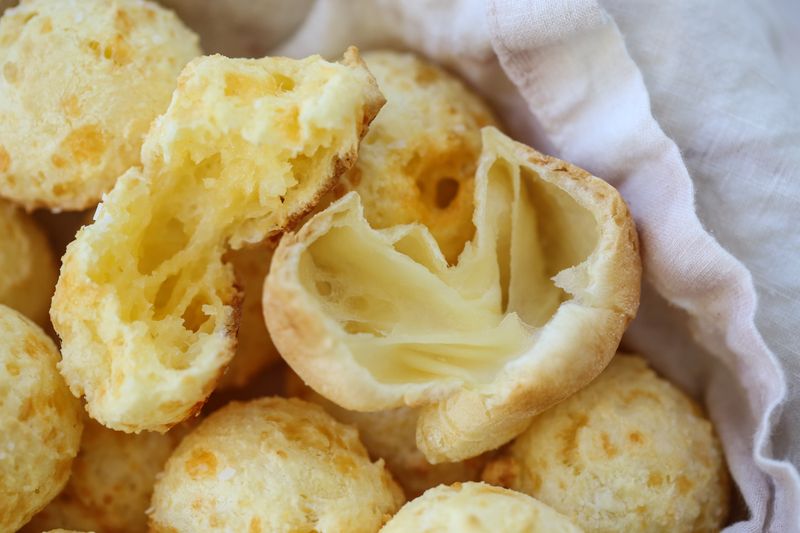
Chewy on the inside, crispy on the outside, and packed with cheesy flavor, pao de queijo is Brazil's favorite breakfast roll. Made with tapioca flour instead of wheat, these little cheese puffs are naturally gluten-free.
They originated in the state of Minas Gerais during the 1700s when enslaved workers made do with leftover cassava starch and cheese. Today, you can find them at every Brazilian bakery and gas station.
They are nearly impossible to eat just one of.
5. Mantou - China
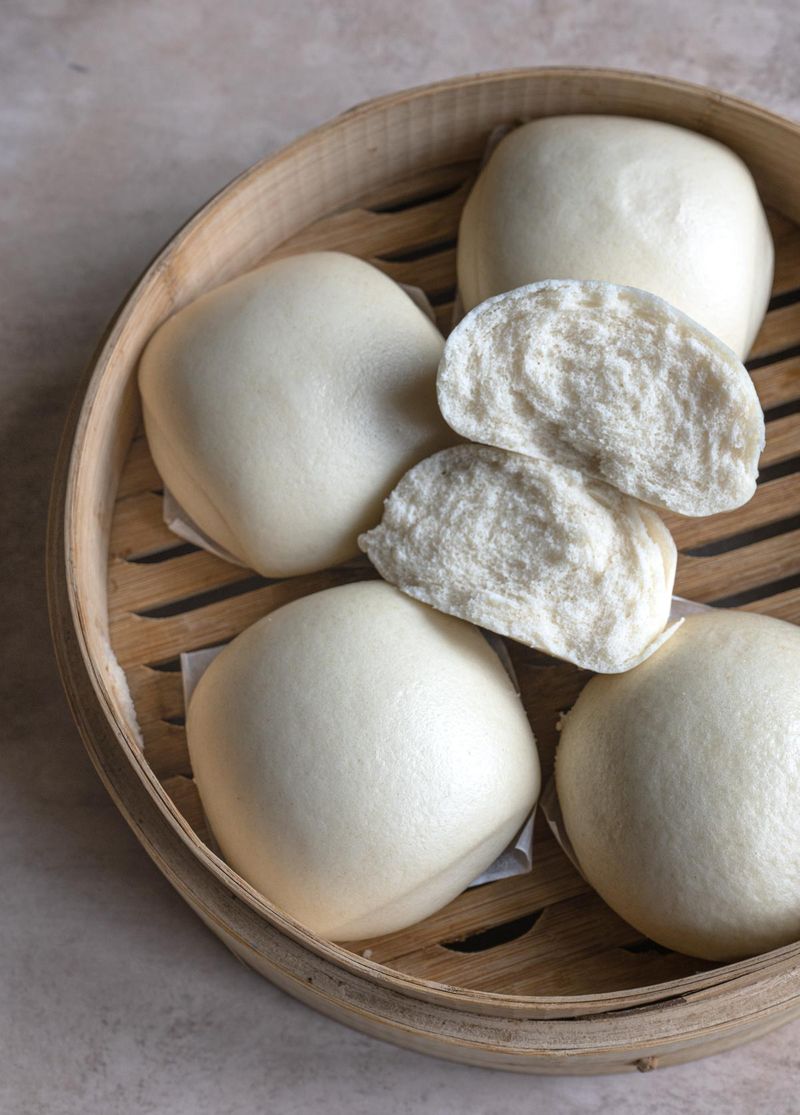
Plain, pillowy, and quietly satisfying, mantou is the steamed bun that has powered Chinese mornings for over 1,500 years. Unlike many breads, mantou contains no filling.
Its mild, slightly sweet flavor makes it a blank canvas for soy milk, congee, or a simple spread of condensed milk.
Legend says a military strategist named Zhuge Liang invented mantou during the Three Kingdoms period. Whether or not that is true, this humble bun remains a beloved staple across northern China every single morning.
6. Arepa - Colombia and Venezuela
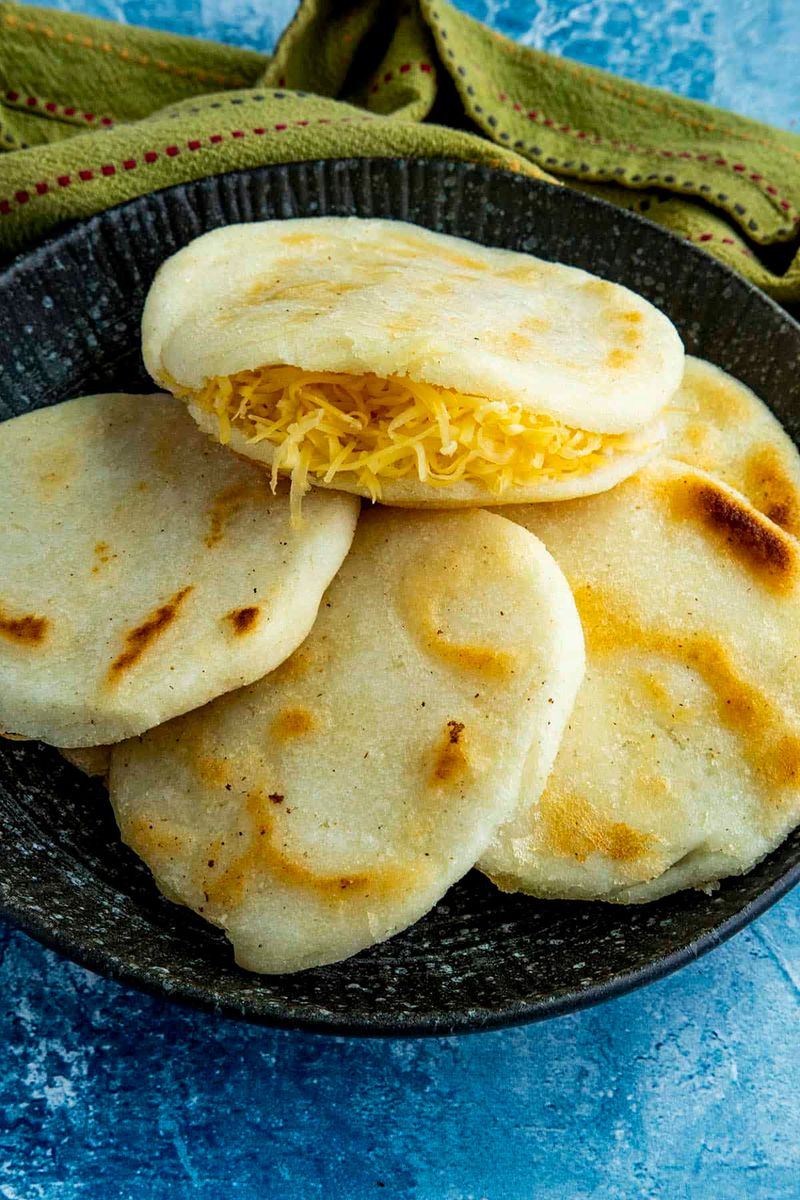
Golden, crispy on the outside, and tender inside, the arepa is the beating heart of breakfast in both Colombia and Venezuela. Made from ground cornmeal, water, and salt, arepas are incredibly simple to prepare but endlessly versatile in how they are served.
Colombians often stuff theirs with cheese, while Venezuelans split them open and fill them with everything from black beans to shredded beef. Arepas have fed families in this region for thousands of years, long before European contact.
7. Simit - Turkey
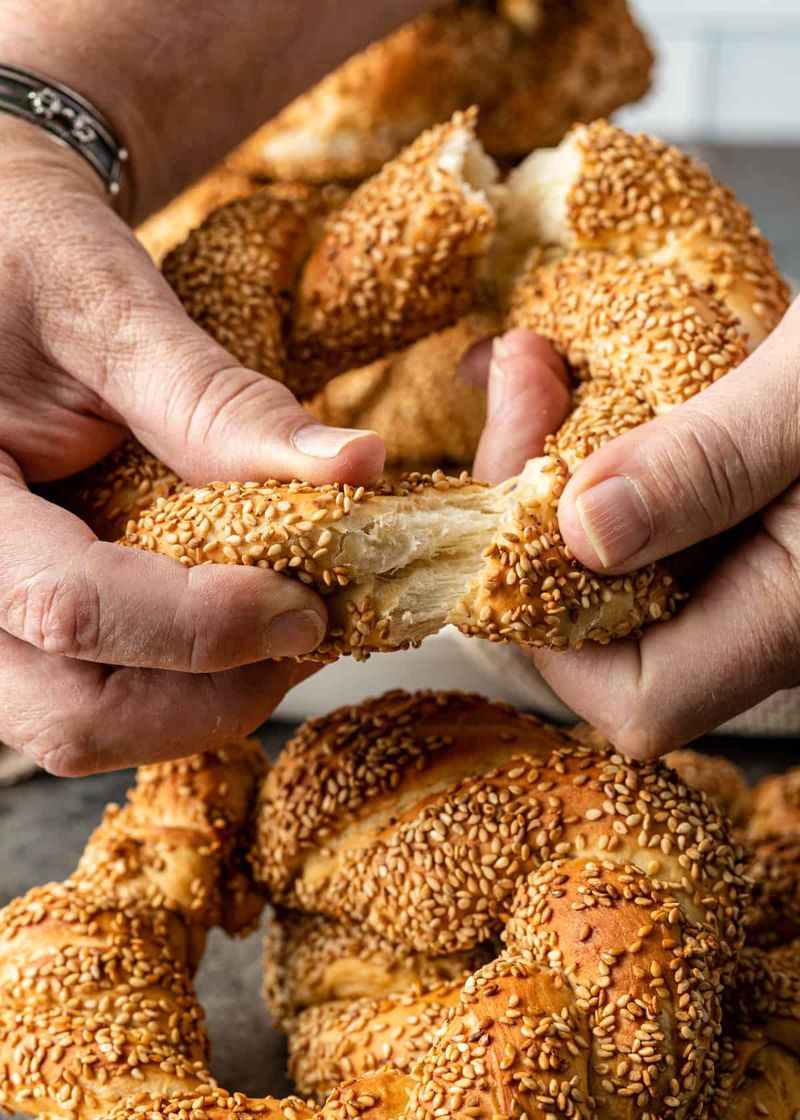
Crunchy on the outside, chewy on the inside, and completely coated in toasted sesame seeds, simit is the street bread that wakes up Turkey every morning. Street vendors carry towering stacks of these golden rings through Istanbul's busy neighborhoods before sunrise.
Simit has been a part of Turkish life since at least the 1500s, with records from the Ottoman palace kitchens confirming its royal status. Pair it with white cheese and fresh tomatoes for a proper Turkish breakfast spread.
8. Roti Canai - Malaysia
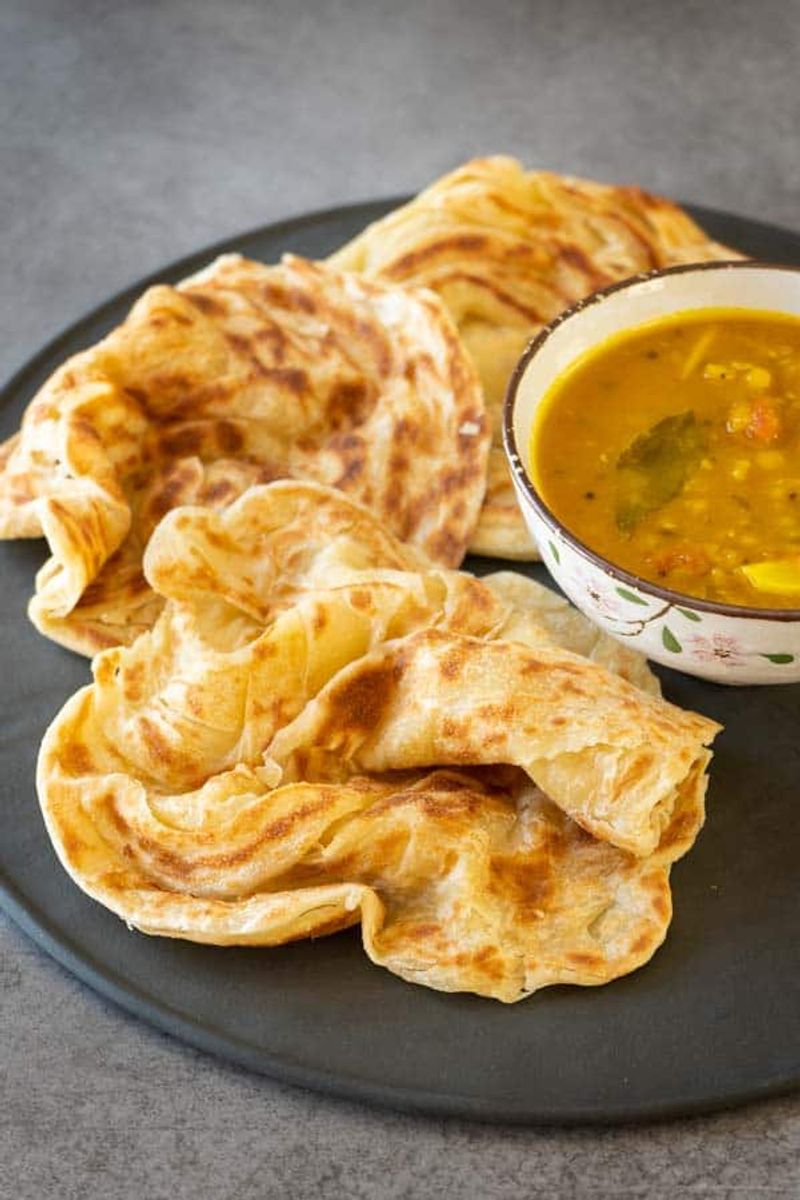
Watch a skilled roti canai maker toss and spin the dough through the air and you will understand why this bread has fans all over the world. The technique creates an incredibly flaky, layered flatbread that is crispy on the outside and soft within.
Roti canai came to Malaysia with Indian Tamil immigrants in the 19th century, and it has become one of the country's most beloved breakfast foods. Dip it in a rich curry sauce and you will never forget the combination.
9. Khachapuri - Georgia
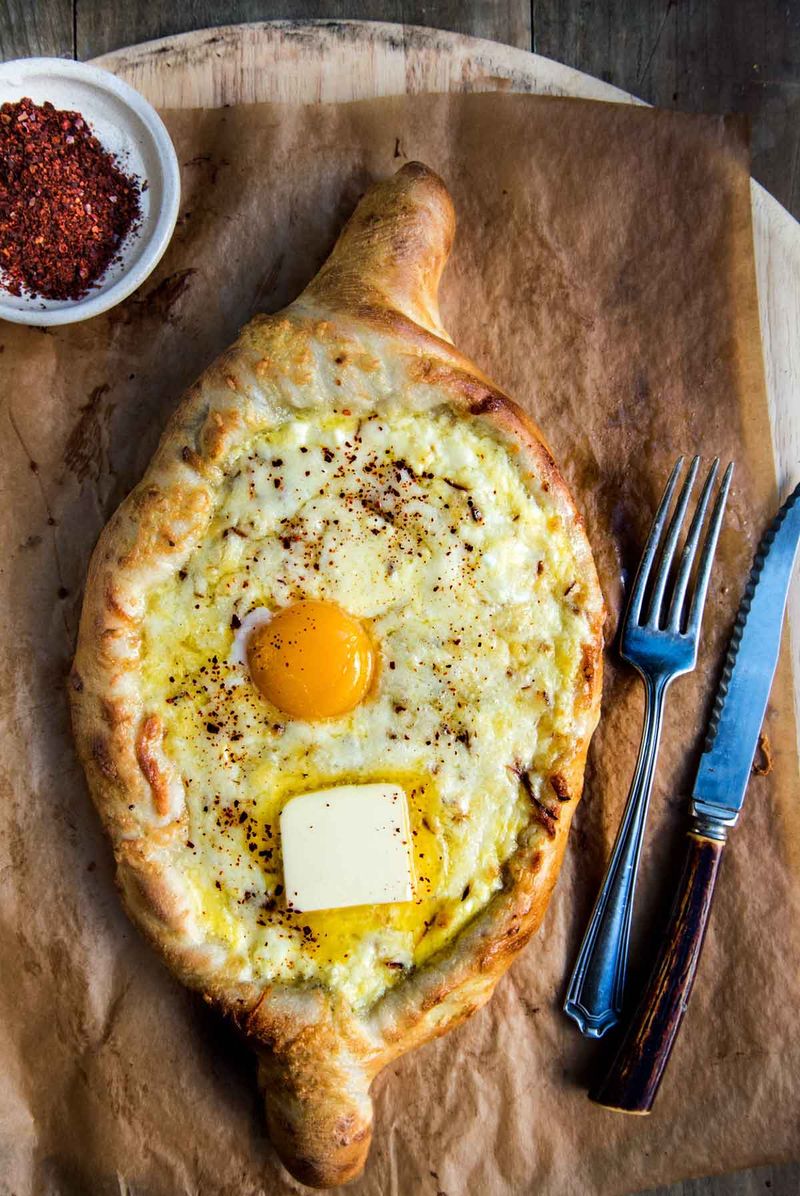
Imagine a bread boat filled with bubbling melted cheese and a perfectly runny egg nestled right in the center. That is khachapuri, Georgia's most celebrated bread and a breakfast that feels more like a celebration than a meal.
The Adjarian version, shaped like a canoe, is the most dramatic style. You stir the egg and butter into the molten cheese and tear off pieces of the crust to scoop it up.
Georgia, the country, not the US state, has been baking this for hundreds of years.
10. Msemen - Morocco
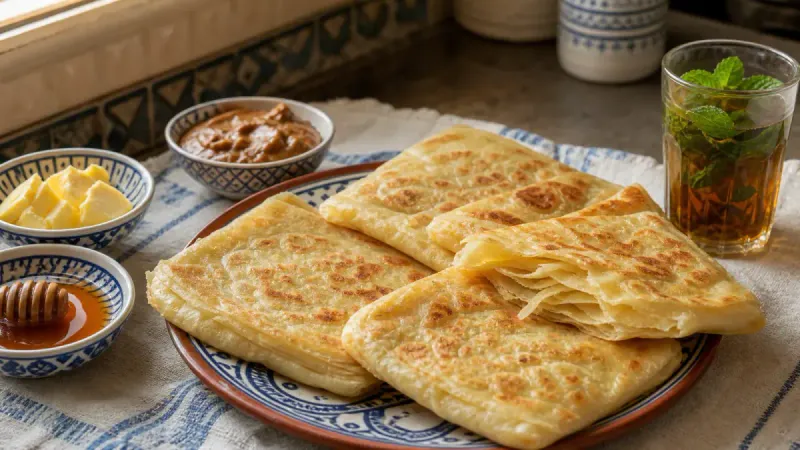
Flaky, square, and wonderfully layered, msemen is the flatbread that greets Moroccan mornings with warmth and comfort. Made by folding semolina dough over and over with butter or oil, it develops a satisfying crunch that gives way to soft, chewy layers inside.
Moroccans traditionally serve msemen with honey, olive oil, or argan oil alongside a glass of sweet mint tea. The process of making msemen is almost meditative, with families often preparing large batches together before the rest of the household wakes up.
11. Rugbrod - Denmark
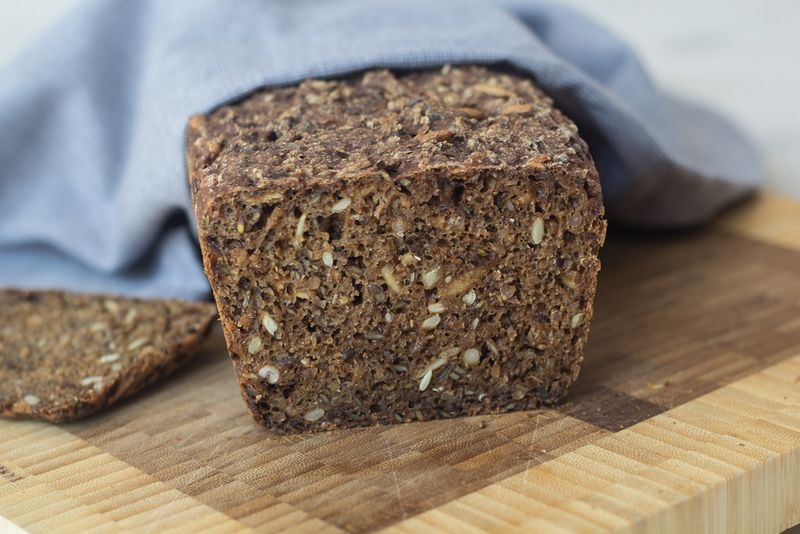
Dense, dark, and packed with whole grains, rugbrod is the rye bread that has kept Danes energized through cold Nordic mornings for centuries. Unlike soft sandwich bread, rugbrod has a firm, slightly sour flavor that pairs beautifully with butter, cheese, or smoked fish.
Nutritionists today love rugbrod for its high fiber content and slow-releasing energy. Danish children grow up eating it for breakfast, and many say they feel genuinely homesick for it when traveling abroad.
It is humble, hearty, and deeply satisfying.
12. Pita - Greece and Middle East
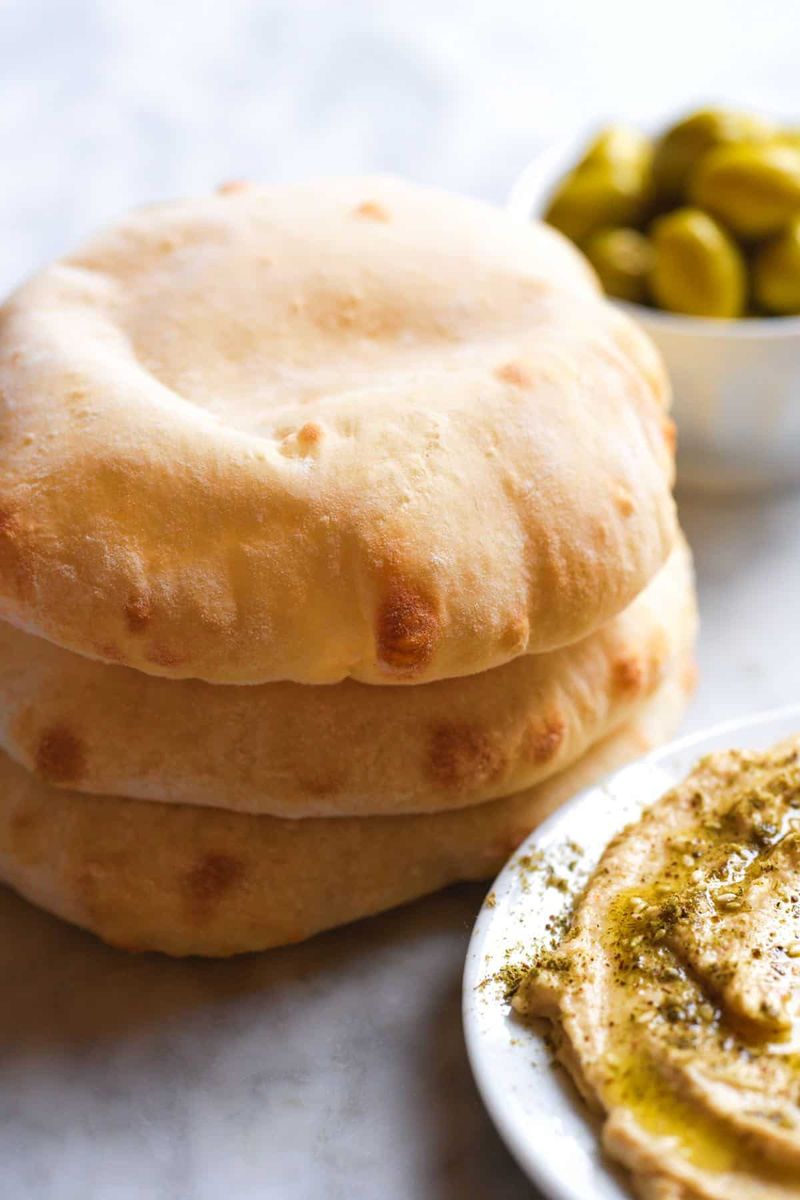
Few breads are as universally recognized as pita, yet its simplicity hides thousands of years of history. When baked at high heat, steam puffs it into a perfect pocket that can hold almost any filling imaginable.
Across Greece, Lebanon, Israel, and beyond, pita is a breakfast staple served warm with olive oil, za'atar, or hummus. Archaeologists have found evidence of flatbreads similar to pita dating back 14,000 years in Jordan.
Simple ingredients, ancient roots, and a flavor that never gets old.
13. Bammy - Jamaica
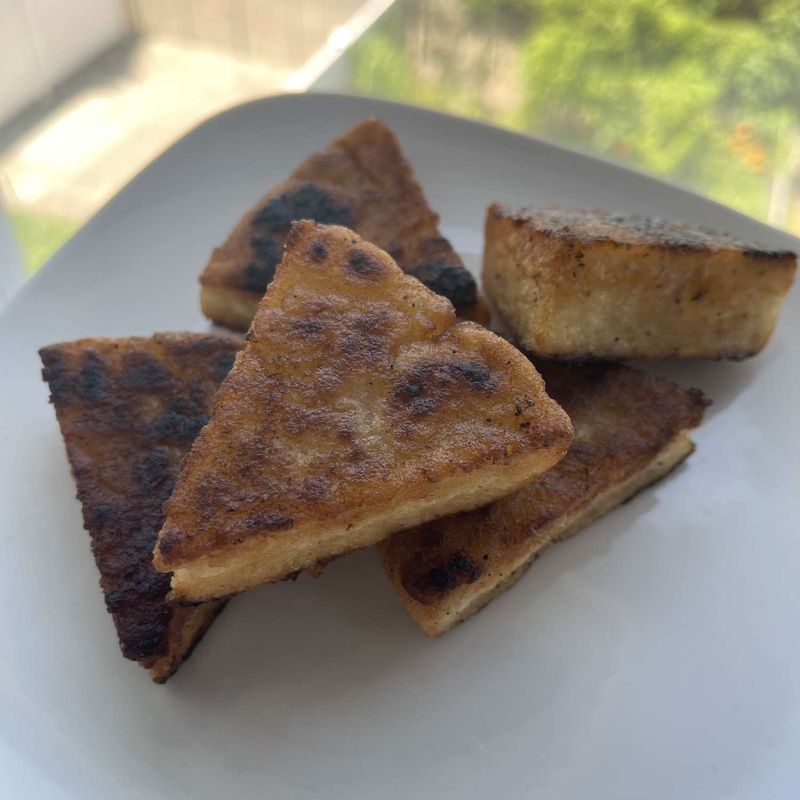
Made entirely from grated cassava root, bammy is one of the oldest breads in the Caribbean, with roots stretching back to the Indigenous Arawak people who first inhabited Jamaica. It has a dense, slightly chewy texture and a mild, earthy flavor all its own.
Jamaicans typically soak bammy in coconut milk before frying it until golden and crisp. Served alongside ackee and saltfish, the national breakfast dish, bammy is a proud piece of Jamaican food heritage that refuses to be forgotten.
14. Sourdough - United States
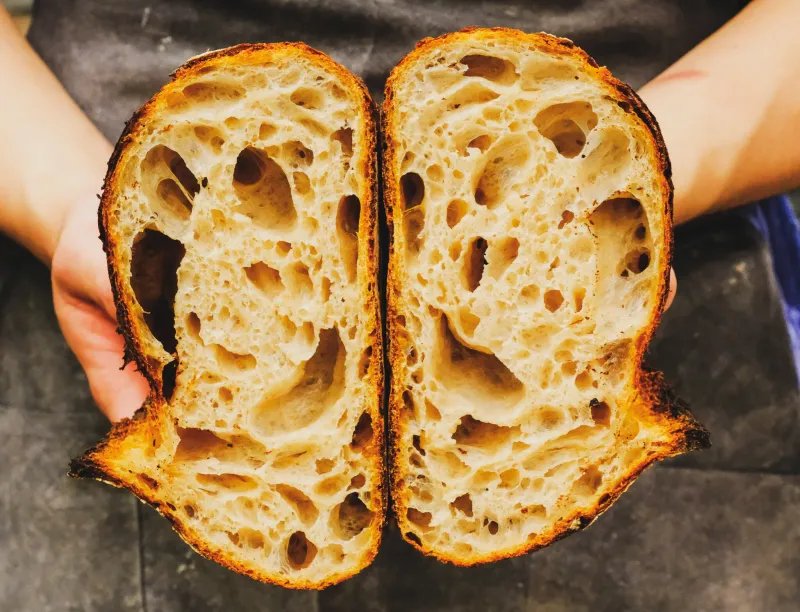
San Francisco sourdough is famous worldwide for its sharp, tangy taste that comes from wild yeast and bacteria naturally present in the air. Bakers in the Bay Area have been maintaining the same sourdough starter cultures for well over 150 years.
Gold Rush miners carried sourdough starters in pouches close to their bodies to keep them warm during cold nights. Today, sourdough toast is a beloved American breakfast staple.
Topped with avocado or simply slathered with butter, it is hard to beat a fresh-baked slice.
15. Paratha - Pakistan and India
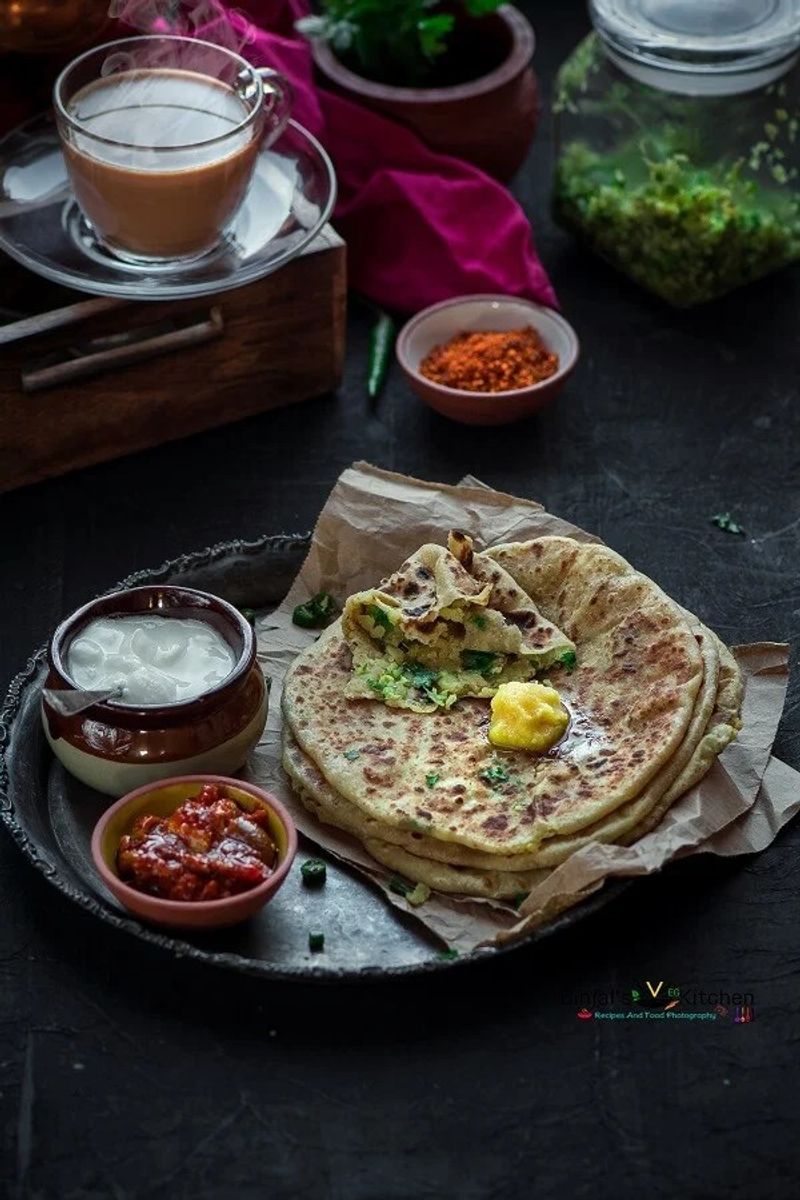
Crispy, golden, and irresistibly flaky, paratha is the breakfast bread that fuels mornings across Pakistan, India, and beyond. Made by folding whole wheat dough with ghee or butter multiple times, it develops beautiful layers that shatter at the first bite.
Stuffed versions filled with spiced potatoes, radish, or paneer are especially popular. In Punjab, breakfast without a hot paratha fresh off the tawa is almost unthinkable.
Dip it in cool yogurt or a steaming cup of chai for a morning that starts just right.
16. Broa - Portugal
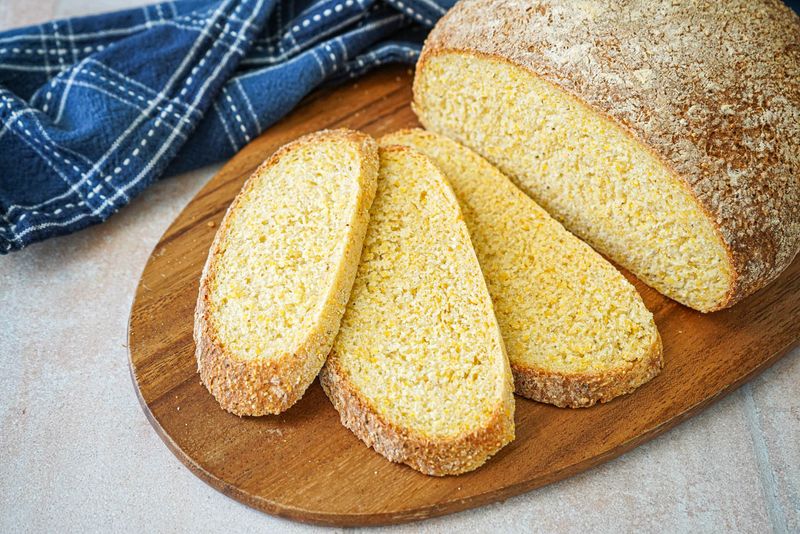
Broa is Portugal's beloved cornbread, dense and rustic with a thick golden crust and a hearty, slightly grainy interior. Unlike American-style cornbread, broa uses a mix of corn and rye flour, giving it a distinctly earthy, complex flavor that pairs well with strong coffee.
It has been baked in wood-fired stone ovens in rural Portugal for hundreds of years. Farmers traditionally ate broa in the early morning before heading out to work the land.
Each loaf carries the warmth of generations of Portuguese kitchens.
17. Bannock - Scotland and Canada
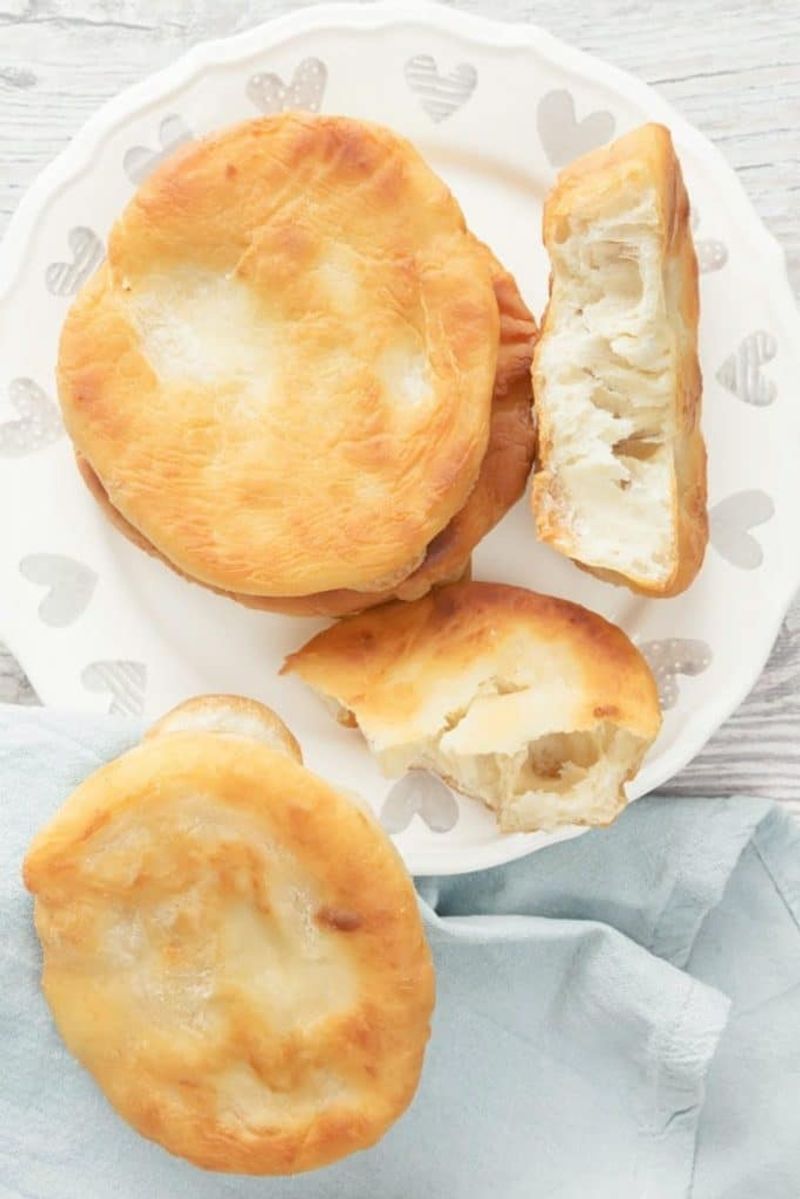
Simple, sturdy, and made with whatever ingredients are on hand, bannock has fed people across Scotland and Canada for centuries. Originally a Scottish oat-based bread, it traveled to North America with traders and was quickly adopted by Indigenous communities who made it their own.
Bannock can be baked in an oven, fried in a pan, or even cooked on a stick over an open fire. Its no-fuss preparation makes it perfect for camping trips or cozy mornings at home.
Few breads carry as much shared cultural history.
18. Marraqueta - Chile
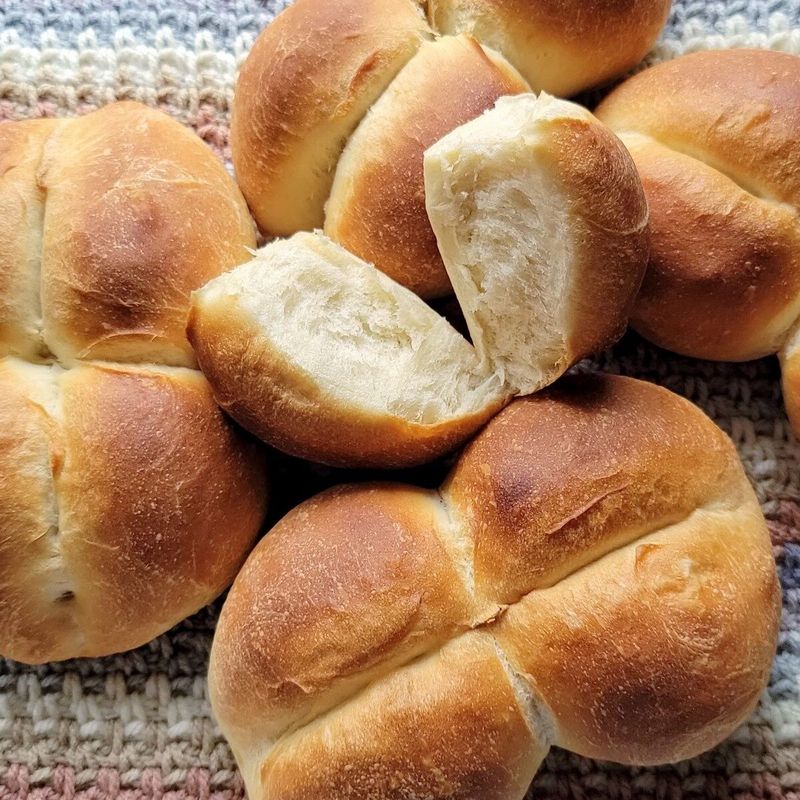
Walk into any Chilean home on a weekday morning and you will almost certainly find marraqueta on the table. This crusty, four-sectioned wheat roll has been the backbone of the Chilean breakfast for generations, with a crunchy exterior and a soft, airy inside.
Chileans consume more bread per person than almost any other country in the world, and marraqueta accounts for a huge portion of that. Sliced open and loaded with avocado or butter and jam, it is a simple pleasure that never loses its appeal.
19. Kifli - Hungary
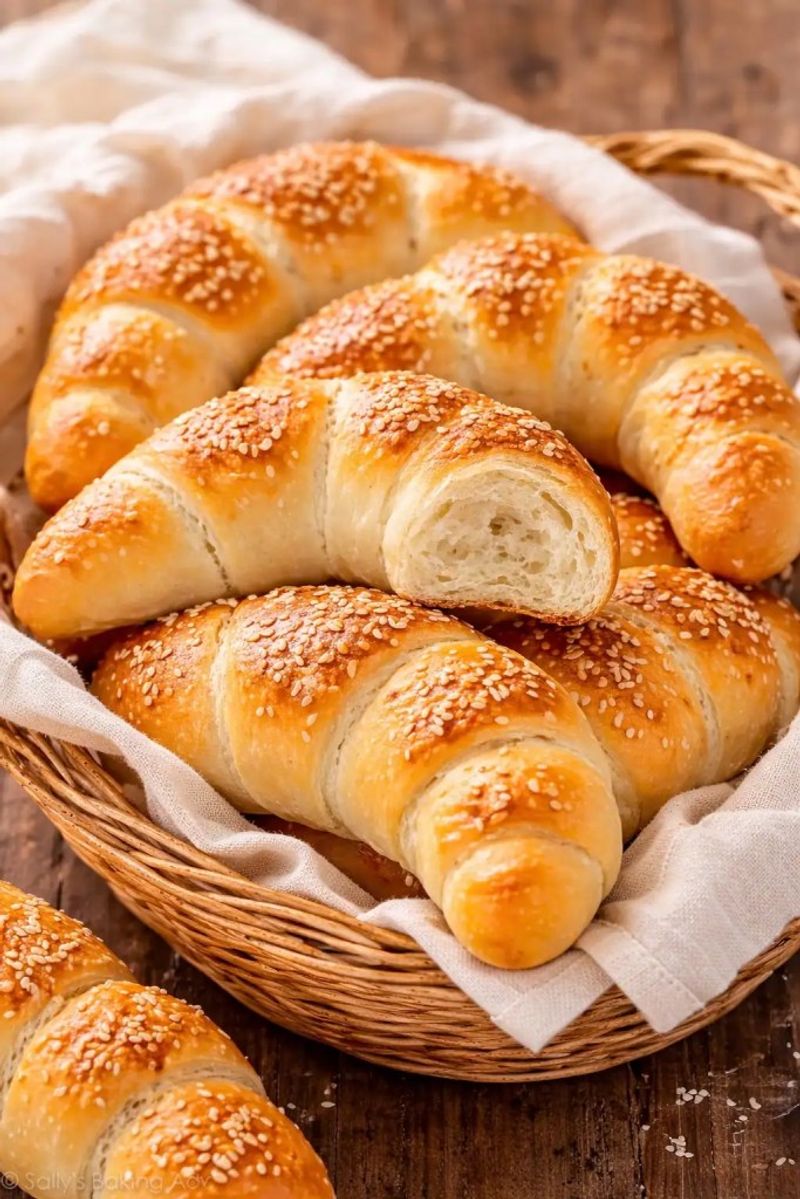
Crescent-shaped and wonderfully soft, kifli are the little rolls that have been curling their way into Hungarian hearts for centuries. Made from a lightly enriched dough, they develop a delicate golden crust in the oven while staying tender and pillowy inside.
Kifli are often dusted with poppy seeds or sesame seeds before baking, adding a gentle nuttiness to each bite. Hungarians enjoy them with butter, jam, or a slice of cheese for breakfast.
The crescent shape is said to have been inspired by the Ottoman crescent symbol during the 16th century.
20. Anpan - Japan
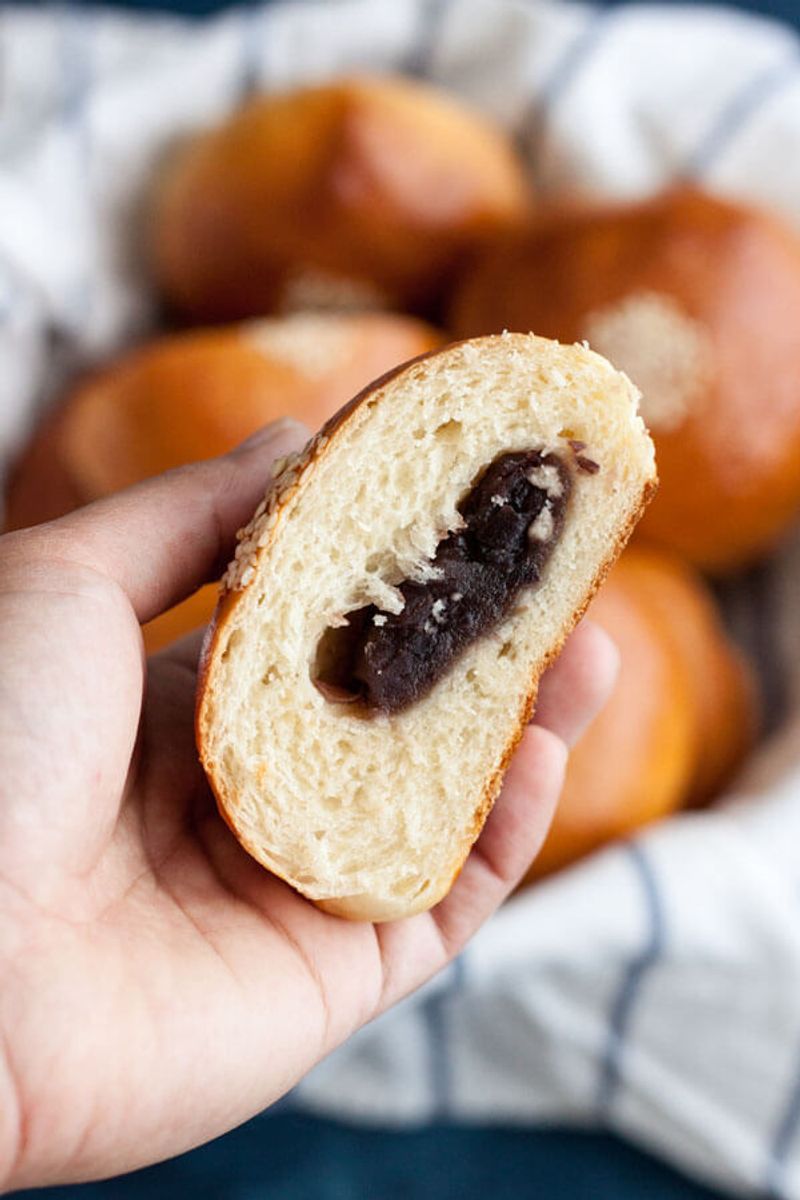
Sweet, pillowy, and filled with smooth red bean paste, anpan is the beloved Japanese bread roll that has been a breakfast and snack favorite since 1875. A baker named Kimura Yasube created it in Tokyo by combining traditional Japanese bean paste with Western-style bread, creating something entirely new and wonderful.
Emperor Meiji reportedly loved anpan so much that he had it delivered to the imperial palace. Today, anpan comes in dozens of varieties.
The classic red bean version remains the most popular, available at every bakery and convenience store across Japan.
21. Feteer Meshaltet - Egypt
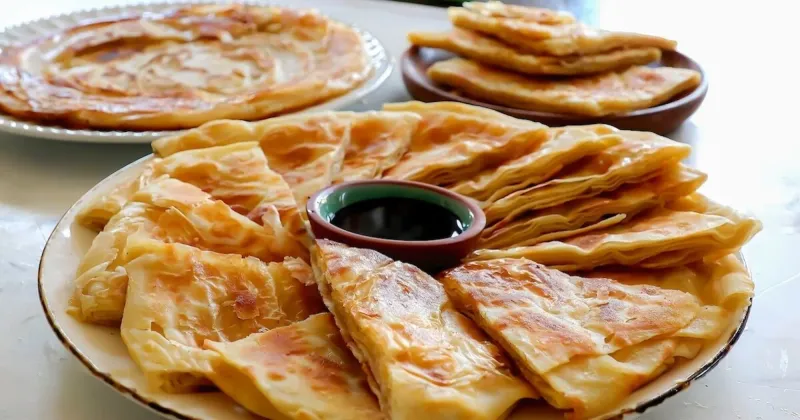
Flaky, buttery, and layered like a pastry dream, feteer meshaltet is Egypt's ancient breakfast bread that dates back thousands of years to the time of the Pharaohs. Skilled bakers stretch and fold the dough repeatedly with generous amounts of butter or ghee, creating dozens of delicate, crispy layers.
It is baked in a large round tray and can be served sweet with honey and cream or savory with cheese and eggs. Watching an experienced feteer baker work the dough is genuinely mesmerizing.
It is edible artistry with a very long history.
22. Borek - Balkans and Turkey
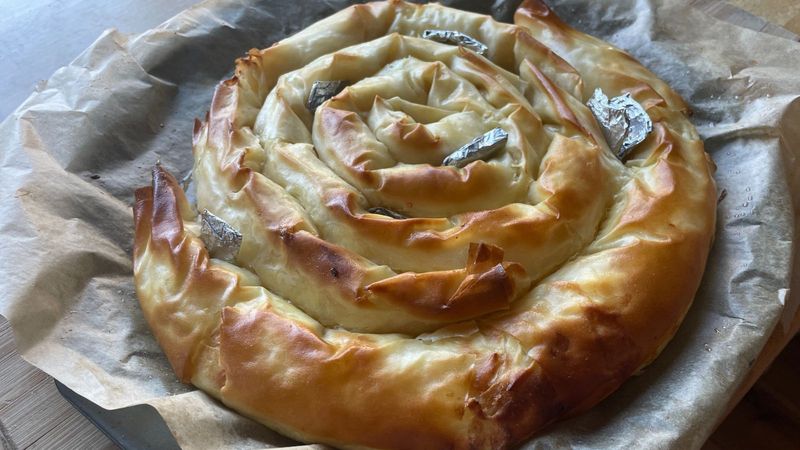
Crispy on every surface and stuffed with savory fillings, borek is the baked pastry bread that has conquered breakfast tables from Turkey to the Balkans and beyond. Made with thin sheets of yufka or phyllo dough, borek can be rolled, layered, or coiled into spirals before baking to a shattering golden crunch.
Cheese and spinach are the most popular fillings, though minced meat versions are equally loved. Borek shops in Istanbul open before dawn to serve the morning crowd.
Paired with a cold glass of ayran, it is a breakfast worth waking up early for.

Comments
No Comments