













Some foods are so delicious that they refuse to stay in one place. Born on busy street corners and bustling markets, these humble dishes packed their bags and went global.
From spicy tacos to crispy falafel, street food tells the story of culture, history, and human connection. Get ready to explore 22 iconic street foods that conquered taste buds far beyond where they first sizzled, steamed, or fried.
1. Tacos (Mexico)
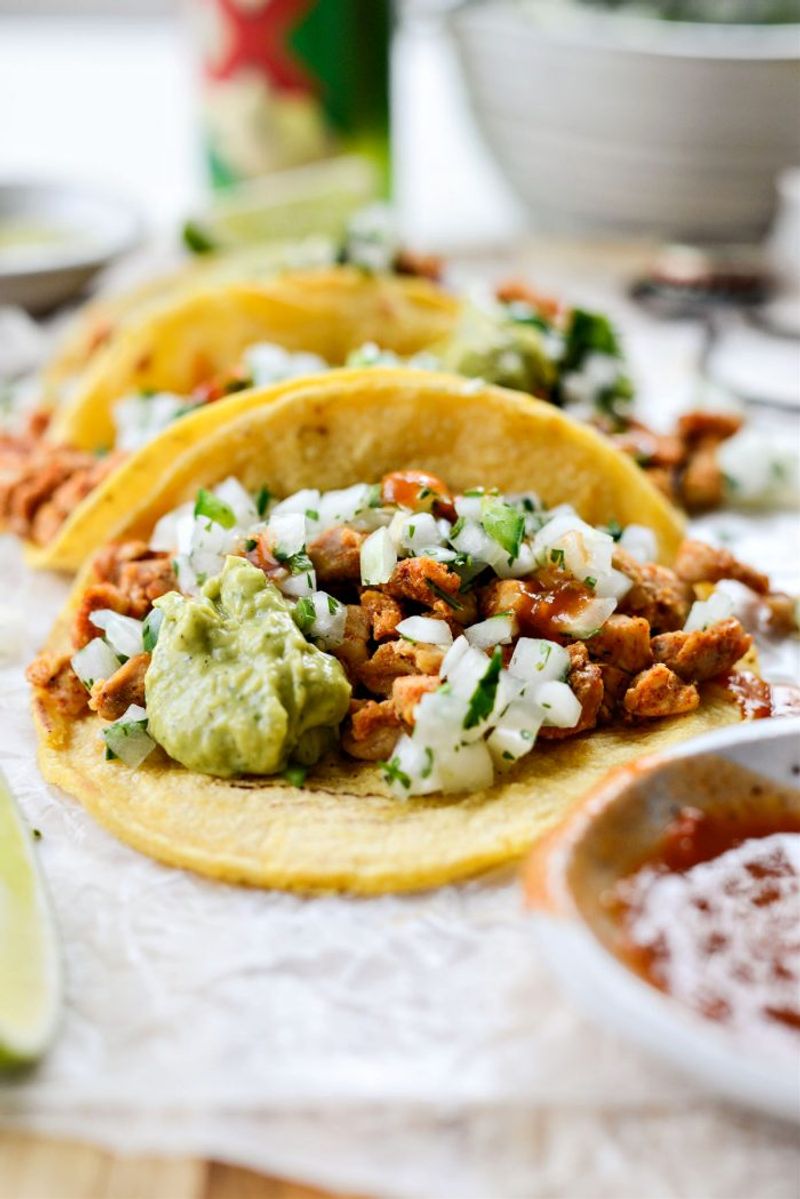
Originally sold by street vendors in Mexico City, tacos have become one of the most recognized foods on the planet. Corn tortillas filled with grilled meat, fresh salsa, and a squeeze of lime — simple, bold, and totally satisfying.
Today, taco trucks and taco bars pop up in cities from Tokyo to London. Each region adds its own twist, but the soul of the taco remains unmistakably Mexican.
Few street foods have traveled as far or been loved as widely.
2. Falafel (Middle East)
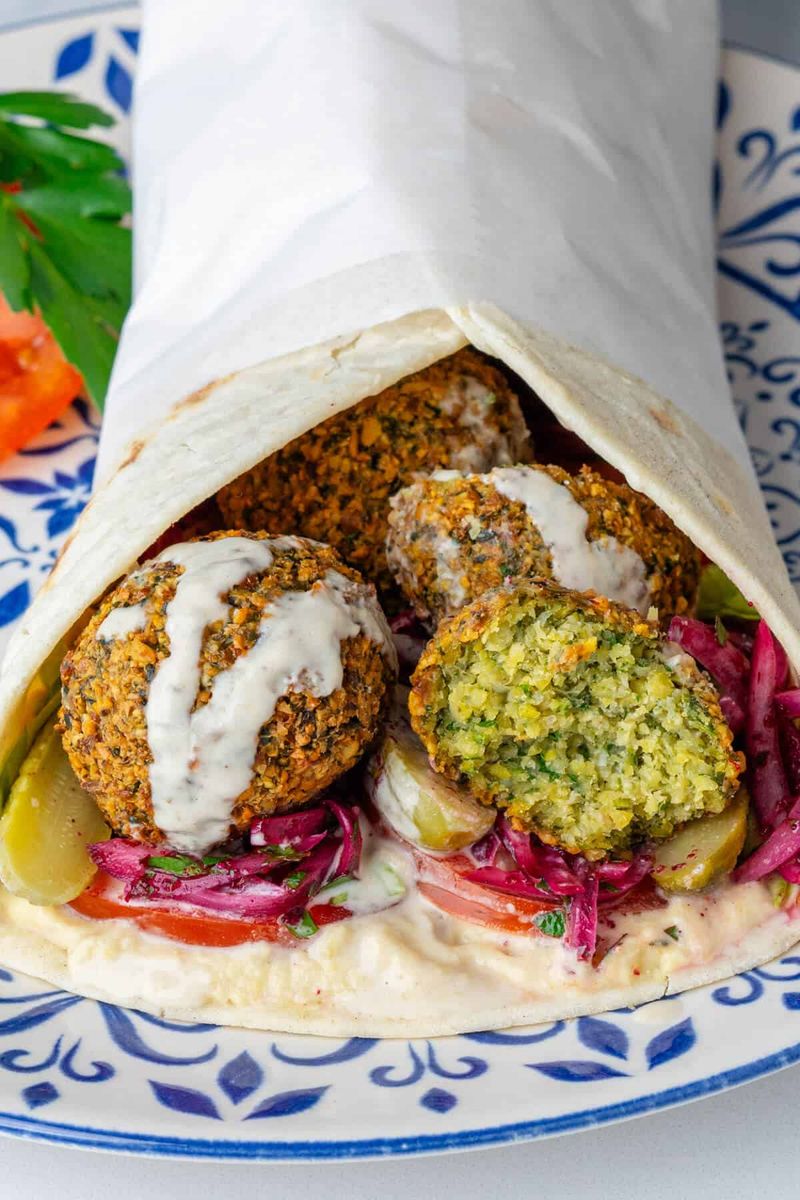
Crunchy on the outside and soft on the inside, falafel has been a staple of Middle Eastern street food for centuries. Made from ground chickpeas or fava beans and fried to perfection, it is a flavor-packed bite that stands on its own.
You will find falafel wraps in food halls from New York to Berlin. Vegetarians love it.
Meat-eaters love it. Street food fans everywhere love it.
This little fried ball crossed borders without ever losing its charm.
3. Pad Thai (Thailand)
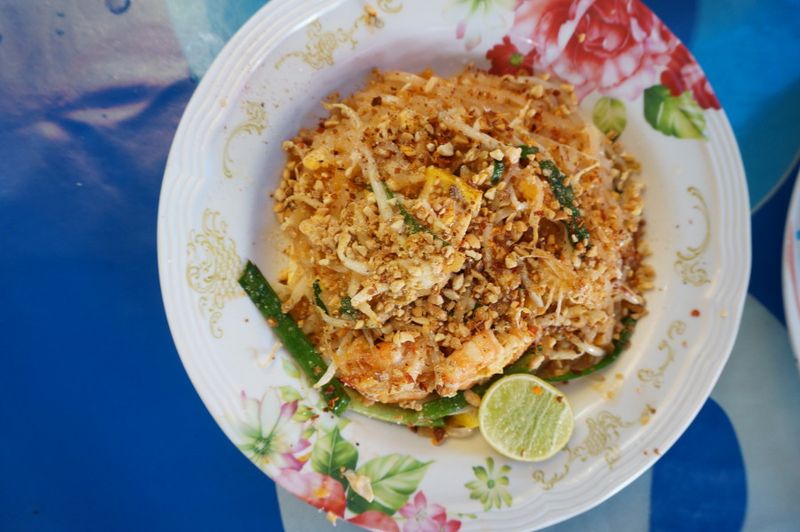
Walk down any night market in Bangkok and the smoky, tangy aroma of Pad Thai will stop you in your tracks. Stir-fried rice noodles tossed with egg, tamarind sauce, and crunchy peanuts — it is comfort food at its finest.
Thailand actually promoted Pad Thai as a national dish in the 1940s to boost rice noodle consumption. That clever push worked beyond imagination.
Today, it is one of the most ordered Thai dishes in restaurants across Europe, North America, and Australia.
4. Doner Kebab (Turkey)
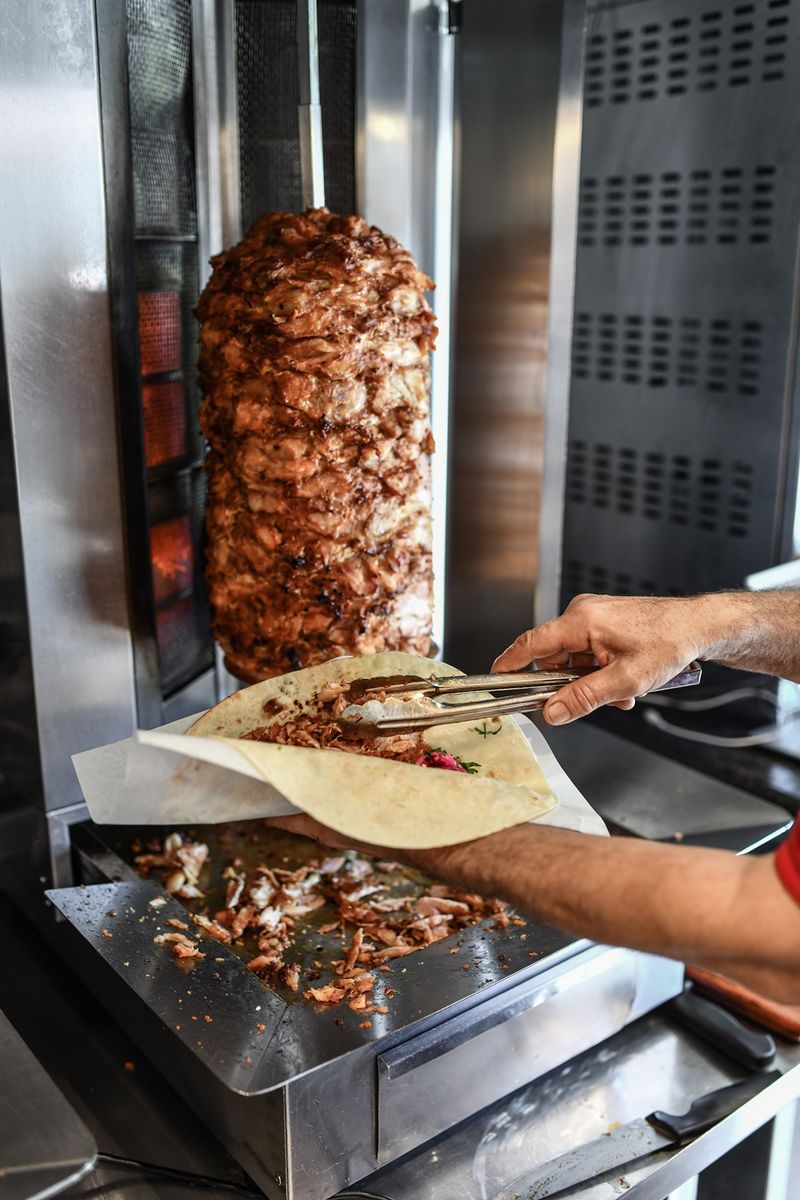
Juicy meat shaved from a slowly rotating spit and stuffed into warm flatbread — the doner kebab is one of the greatest late-night food inventions ever. Originating in Turkey, it became a global phenomenon after Turkish immigrants brought it to Germany in the 1970s.
Berlin alone sells millions of doner kebabs every year. The UK, Australia, and the US have embraced it just as enthusiastically.
Every city seems to have at least one kebab shop that locals swear is the best in the world.
5. Banh Mi (Vietnam)
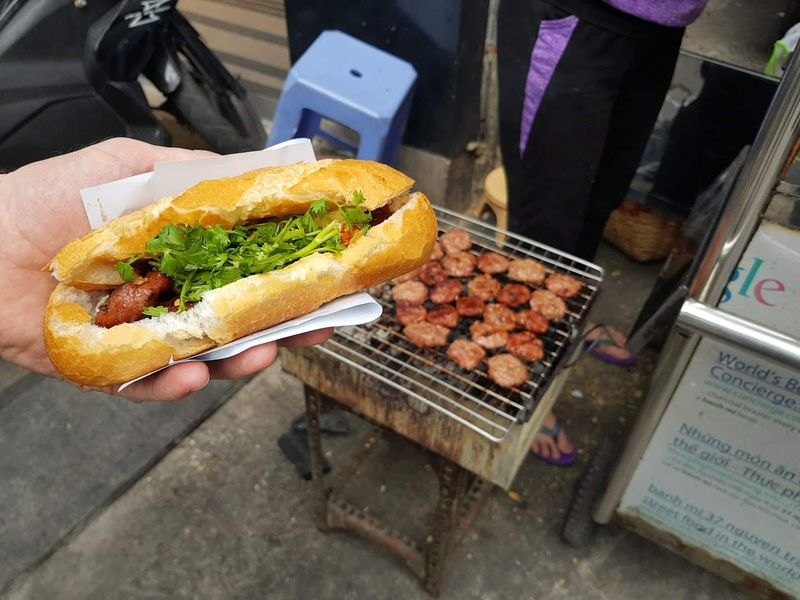
Banh mi is proof that history can create something delicious. French colonial influence introduced baguettes to Vietnam, and locals brilliantly reinvented them with pickled vegetables, pork, fresh herbs, and fiery chili.
The result? A sandwich that is crunchy, tangy, spicy, and fresh all at once.
Vietnamese communities brought banh mi to Australia, the US, and Canada, where it quickly developed a cult following. Food critics rave about it.
Street food lovers hunt it down. Honestly, one bite explains everything.
6. Empanadas (Argentina/Latin America)
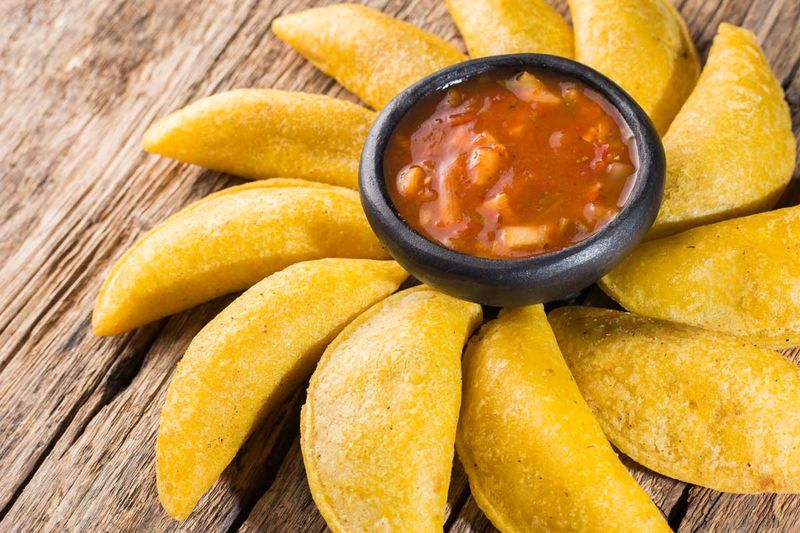
Empanadas are basically the original hand-held meal. These stuffed pastry pockets, filled with meat, cheese, or vegetables, have been feeding people across Latin America for generations.
Argentina and Colombia especially take their empanadas very seriously — recipes are passed down like family heirlooms.
Spanish and Portuguese colonizers helped spread empanadas globally, and immigrant communities carried them even further. You can now find empanada stands in food markets across the US, Europe, and beyond.
Portable, filling, and endlessly customizable — they travel as well as they taste.
7. Crepes (France)

Few street foods feel as elegant and effortless as a French crepe. Paper-thin, golden, and endlessly versatile, crepes can go sweet with Nutella and strawberries or savory with ham and cheese.
Street crepe stands in Paris are practically tourist landmarks in their own right.
Crepe culture spread across the globe through French influence and sheer deliciousness. You will spot crepe kiosks in shopping malls, beach boardwalks, and food festivals worldwide.
They look fancy, but eating one on the street feels wonderfully casual and fun.
8. Arepas (Colombia/Venezuela)
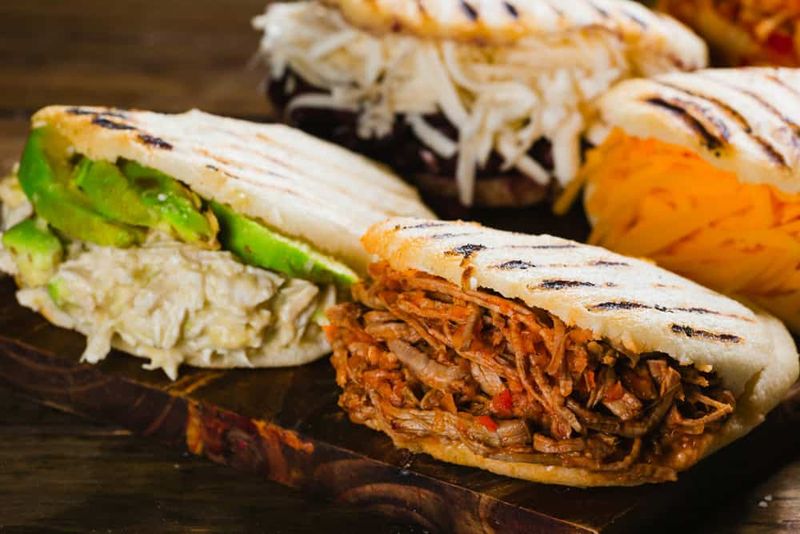
Made from ground maize dough and cooked on a griddle, arepas are the heartbeat of Colombian and Venezuelan street food. Crispy outside, soft inside, and stuffed with anything from black beans to pulled pork — every bite feels like home cooking on the go.
As Venezuelan and Colombian communities spread across South America, the US, and Spain, arepas came with them. Food trucks dedicated entirely to arepas now operate in cities like Miami, Madrid, and New York.
Simple ingredients, extraordinary flavor — that combination travels anywhere.
9. Samosa (India)
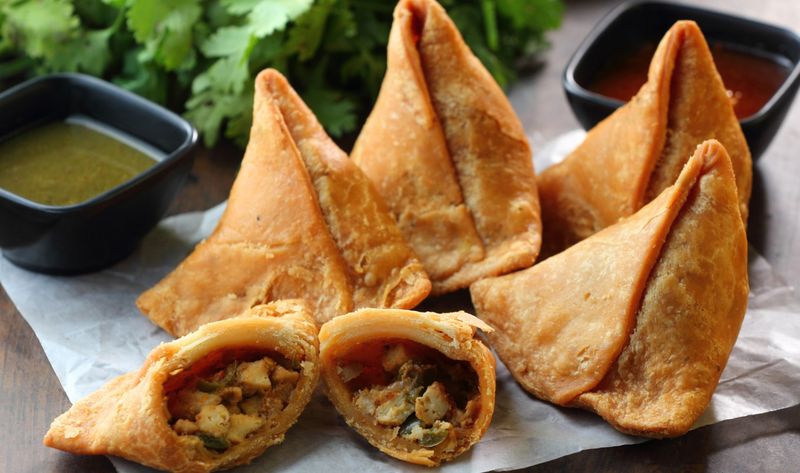
Triangular, crispy, and packed with spiced potato filling, the samosa is perhaps India's most famous street snack. Hot out of the oil, paired with tangy tamarind chutney — it is the kind of snack that makes you reach for another before you finish the first.
Indian communities carried samosas to East Africa, the Caribbean, the UK, and beyond. In the UK, samosas outsell many traditional British snacks.
They have been adapted, reinvented, and fusion-ized worldwide, but the original spiced potato version remains an unbeatable classic.
10. Churros (Spain/Portugal)

Crispy, doughy, and dusted with cinnamon sugar, churros are the kind of street food that makes mornings worth waking up for. Spaniards traditionally dip them in thick hot chocolate — a combination so satisfying it borders on magical.
Latin America enthusiastically adopted churros, adding dulce de leche and chocolate fillings. From there, they conquered theme parks, food festivals, and street markets globally.
Disney parks serve millions of churros annually, making them arguably the most theme-park-famous street food on Earth. Spain would be proud.
11. Pho (Vietnam)
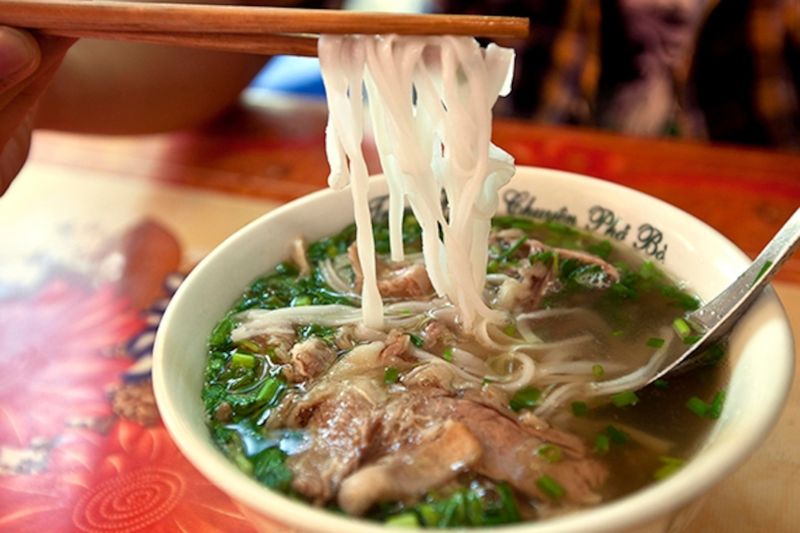
There is something deeply comforting about a bowl of pho. This Vietnamese noodle soup, with its rich bone broth, silky rice noodles, and fragrant herbs, has been warming souls since the early 20th century.
Street vendors in Hanoi have perfected it to an art form.
Vietnamese refugees and immigrants introduced pho to North America, Australia, and Europe from the 1970s onward. Pho restaurants now exist in nearly every major city worldwide.
Food lovers call it one of the world's greatest soups — and honestly, that reputation is completely earned.
12. Hot Dogs (USA)
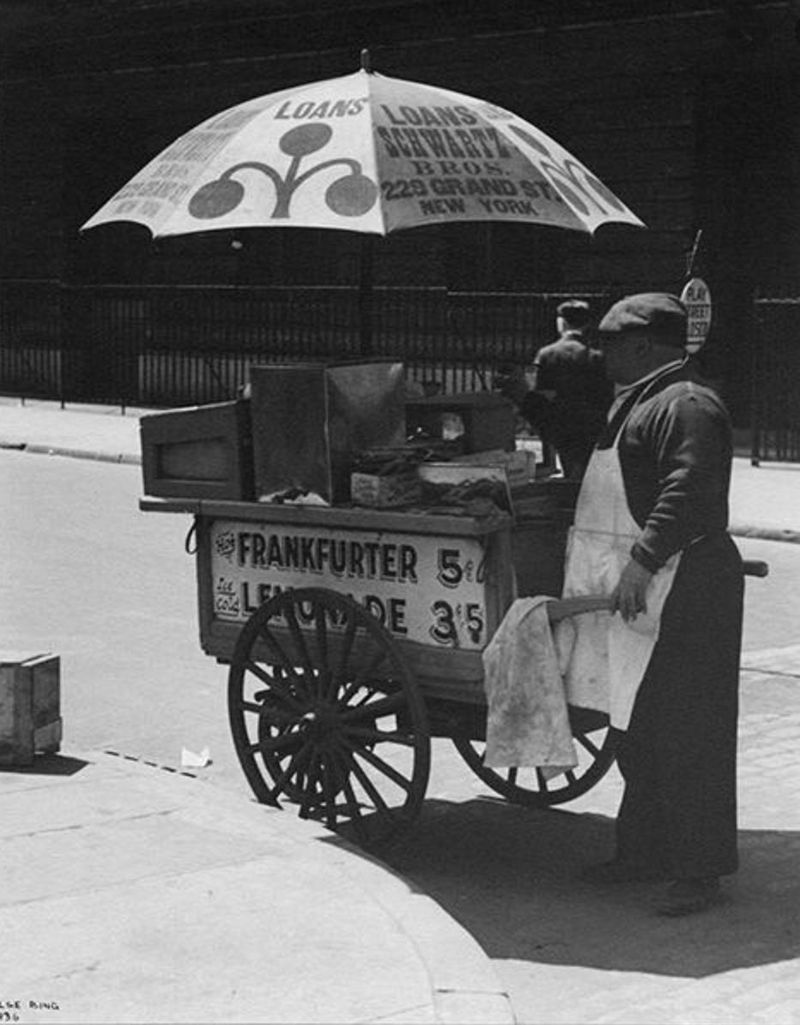
The hot dog cart is as New York City as the Statue of Liberty. A grilled or steamed sausage tucked into a soft bun and loaded with mustard, onions, or sauerkraut — it is fast, filling, and iconic.
Hot dogs became the symbol of American casual eating culture.
American cultural exports like baseball, movies, and fast food carried the hot dog around the world. Japan has gourmet hot dog shops.
Germany adds its own sausage spin. Everywhere you go, the humble hot dog has found a way to fit right in.
13. Jerk Chicken (Jamaica)
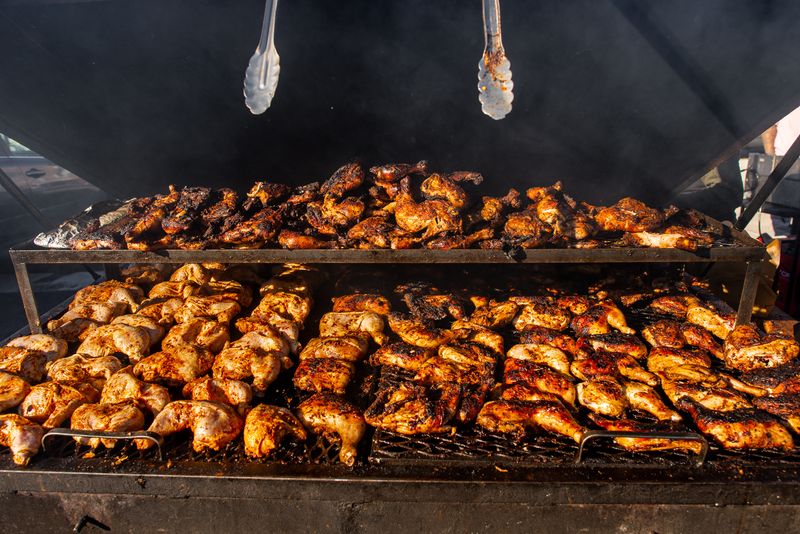
Bold, smoky, and fiery — jerk chicken is Jamaica's most famous gift to the world's taste buds. Marinated in scotch bonnet peppers, allspice, and thyme, then slow-grilled over pimento wood, it carries flavors that are impossible to forget.
Roadside jerk stands are a beloved part of Jamaican culture.
The Caribbean diaspora brought jerk chicken to the UK, the US, and Canada, where it became a street food and festival staple. Notting Hill Carnival in London practically runs on jerk chicken.
The aroma alone draws massive crowds every single year.
14. Gyoza (Japan)
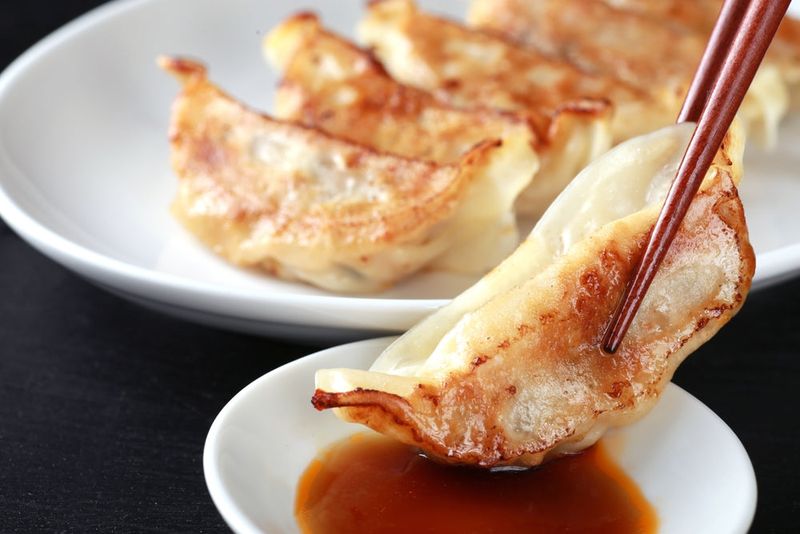
Gyoza might have Chinese origins, but Japan made them entirely its own. Pan-fried until the bottom is golden and crispy while the top stays soft and steamed, these little dumplings pack an enormous punch of savory garlic and pork flavor.
Japanese food culture spread globally through restaurants, anime, and travel enthusiasm, and gyoza rode that wave perfectly. Frozen gyoza became supermarket staples worldwide.
Dedicated gyoza bars opened from Melbourne to Manhattan. Few dumplings have crossed cultural boundaries as smoothly — and as deliciously — as these crispy little pockets of joy.
15. Shawarma (Lebanon/Middle East)
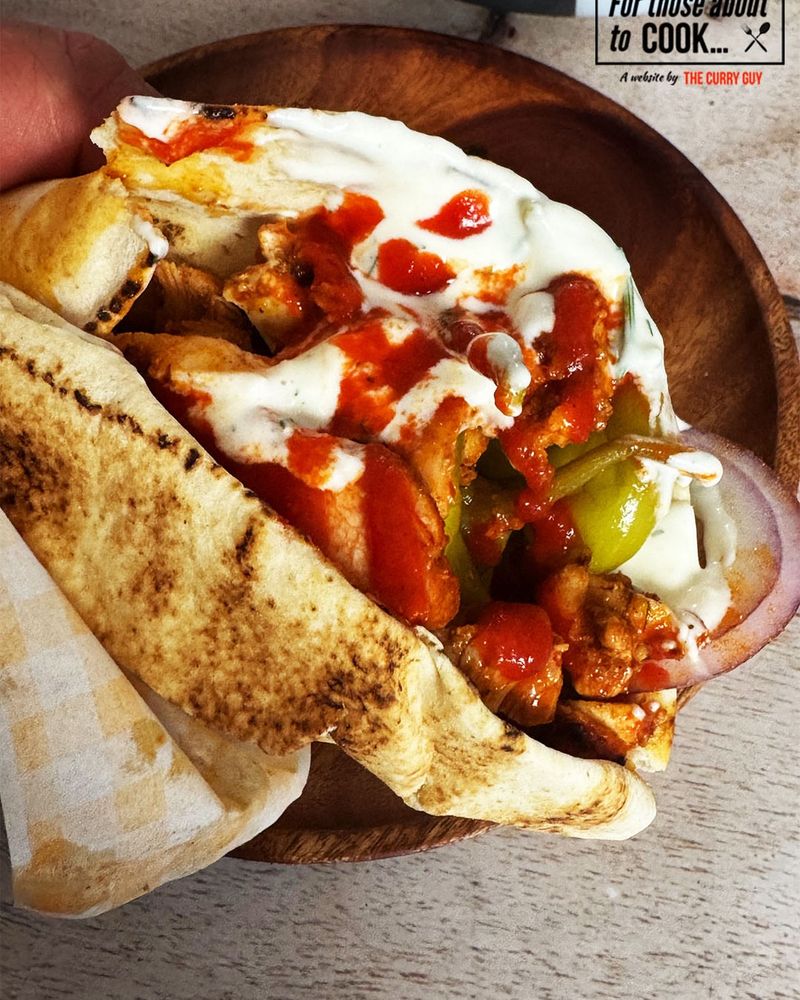
Shawarma and doner kebab share a family resemblance — both involve meat cooked on a vertical spit — but shawarma's garlic sauce, sumac, and pickled vegetables give it a distinctly Middle Eastern personality that stands out in any crowd.
Lebanese and Syrian communities spread shawarma across West Africa, Europe, and the Americas over decades of migration. Today, shawarma shops thrive in cities like Dakar, Paris, Sao Paulo, and Detroit.
Street food enthusiasts consistently rank it among the most satisfying grab-and-go meals on the planet. Hard to argue with that.
16. Bubble Tea (Taiwan)
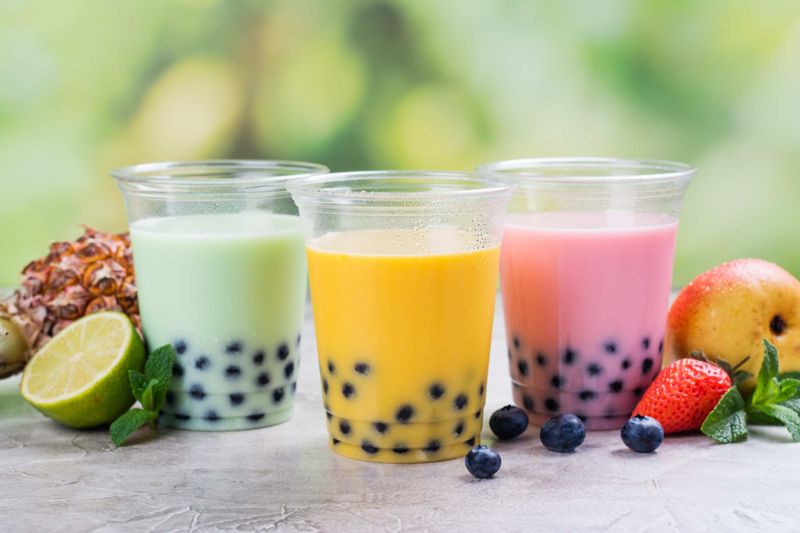
Invented in Taiwan during the 1980s, bubble tea — chewy tapioca pearls floating in sweet milk tea — started as a fun local drink and became a full-blown global obsession. The satisfying pop of the pearls through a wide straw is oddly addictive.
Bubble tea shops now operate on nearly every continent. Teens in London, Lagos, and Los Angeles queue for it daily.
Dozens of flavors, from taro to matcha to brown sugar, keep the menu endlessly exciting. Taiwan gave the world something genuinely delightful with this one.
17. Aloo Chaat (India)
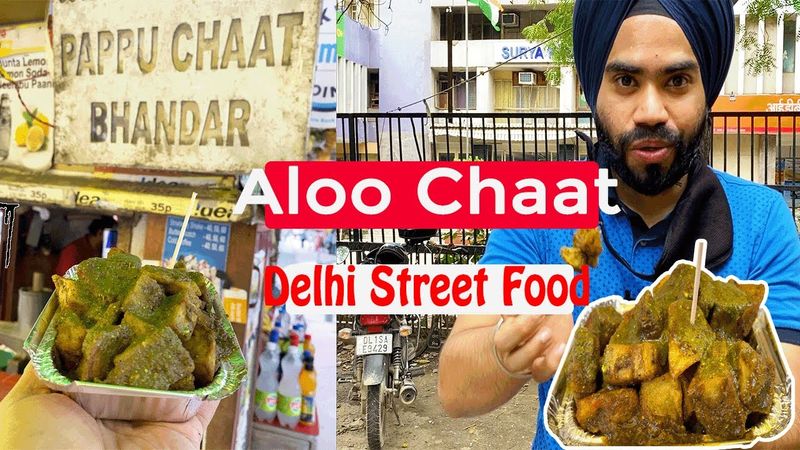
Aloo chaat is a flavor explosion in a small plate. Crispy fried potatoes tossed with chickpeas, tangy tamarind chutney, cooling yogurt, and crunchy sev — every element plays a role, and the result is a magnificent chaos of sweet, sour, spicy, and savory.
Indian street food culture, fueled by a massive global diaspora, carried chaat to the UK, the US, Canada, and the Gulf countries. Indian food festivals worldwide always feature it.
Once you taste aloo chaat, plain potato snacks feel permanently boring by comparison.
18. Currywurst (Germany)
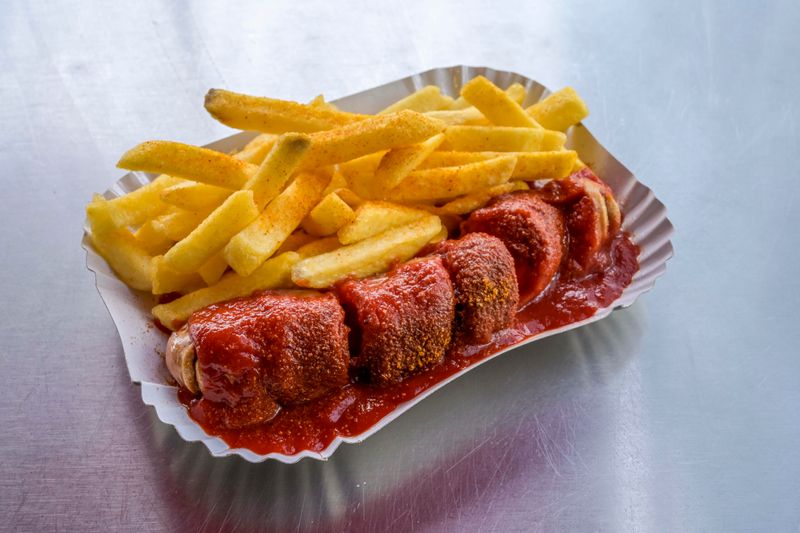
Currywurst was born in post-war Berlin in 1949 when a resourceful cook mixed ketchup with curry powder and poured it over a sliced sausage. That humble improvisation became Germany's most beloved street snack, with over 800 million portions eaten annually in Germany alone.
German communities and food culture enthusiasts have spread currywurst beyond Europe. Food tourists seek it out specifically.
Berlin even has a Currywurst Museum dedicated to it. Not bad for a dish invented from pantry leftovers — proof that great street food sometimes comes from pure necessity.
19. Momos (Nepal/Tibet)
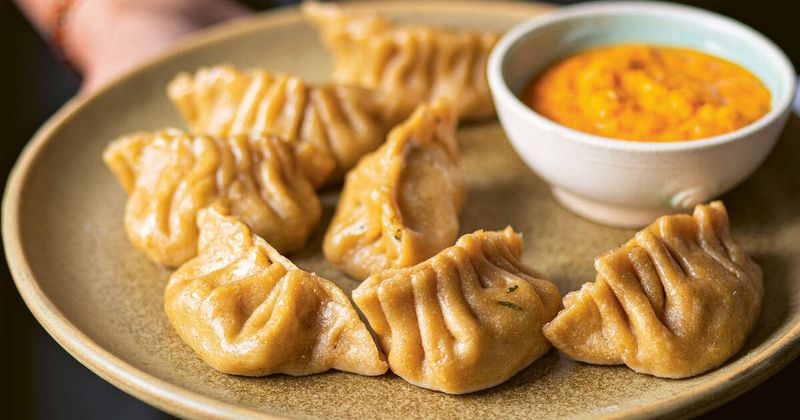
Momos are the Himalayan region's answer to the dumpling, and they are absolutely wonderful. Soft steamed dough pockets filled with spiced vegetables or meat, served with a fiery tomato-based dipping sauce — they are humble, hearty, and deeply satisfying on a cold mountain day.
Nepalese and Tibetan communities brought momos to India, where they became wildly popular across Delhi and Kolkata. From there, the momo wave reached Europe, the US, and Australia.
Street vendors now sell them from carts in cities that had never heard of Nepal a generation ago.
20. Takoyaki (Japan)
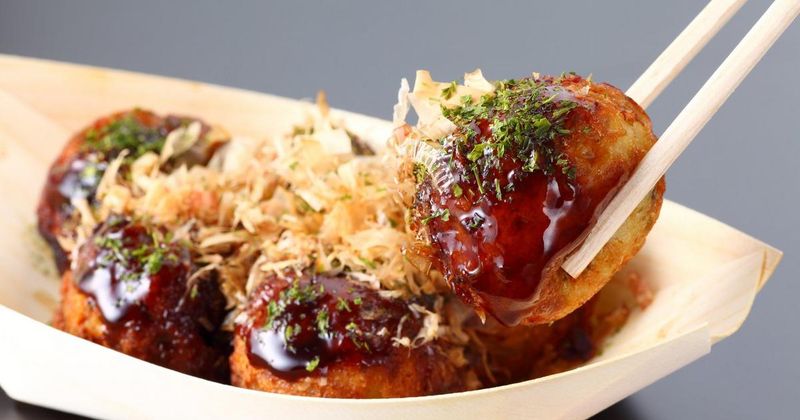
Watching takoyaki being made is almost as fun as eating it. Vendors skillfully spin batter balls filled with octopus pieces in special round iron molds, creating perfectly spherical snacks topped with dancing bonito flakes, mayo, and savory sauce.
Osaka invented this in the 1930s and never looked back.
Japanese food culture's global boom carried takoyaki to food halls and festivals worldwide. Frozen takoyaki kits sell in Asian grocery stores across the US and Europe.
Few snacks are as visually theatrical and uniquely delicious — it is street food as performance art.
21. Pani Puri (India)
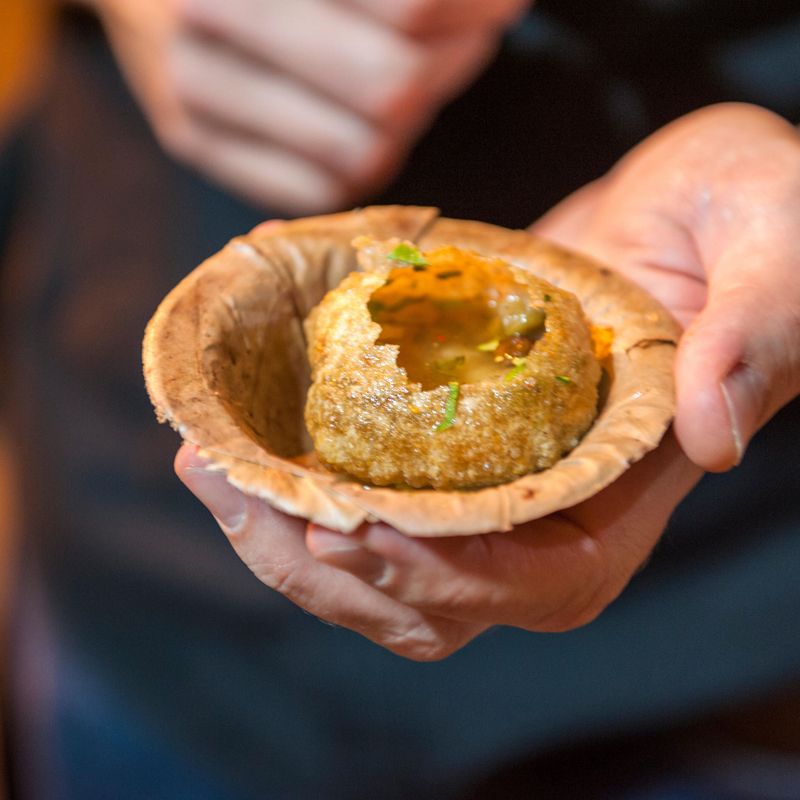
Pani puri is basically edible excitement. Hollow crispy shells filled with spiced chickpeas and potato, then dunked in tangy, minty flavored water and popped whole into the mouth — the burst of flavors and textures is genuinely thrilling.
Indians call it the ultimate street food experience.
The Indian diaspora carried pani puri to the UK, the US, Canada, and South Africa, where it became a nostalgic comfort food for millions. Non-South Asians who try it for the first time are almost always immediately hooked.
Some street foods just have that irresistible magic.
22. Brigadeiro (Brazil)
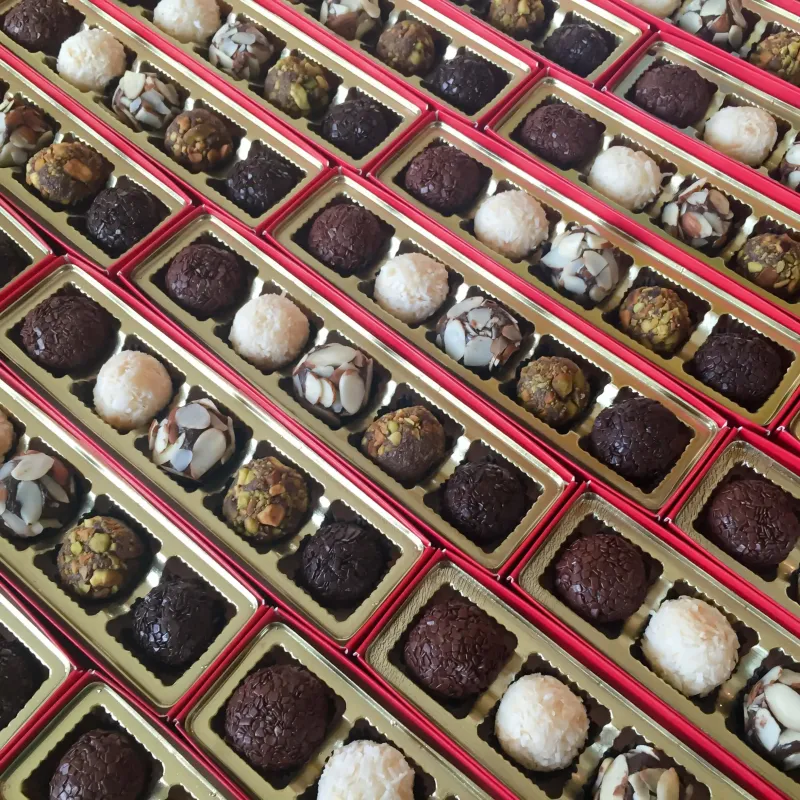
Brazil's brigadeiro is proof that the simplest recipes sometimes create the biggest legends. Made from condensed milk, cocoa powder, and butter, rolled into balls and coated with chocolate sprinkles, these little truffles are served at every birthday party and street market across Brazil without exception.
Brazilian communities and food culture enthusiasts brought brigadeiros to Portugal, the US, and beyond, where gourmet versions now appear in fancy dessert shops. Flavors like passion fruit, pistachio, and salted caramel have joined the classic chocolate original.
Brazil's sweetest street treat has officially gone international.




Comments
No Comments