













Spring is the season when fresh herbs burst back to life, filling gardens and farmers markets with vibrant colors and incredible aromas. Adding fresh herbs to your meals can completely transform simple dishes into something truly special.
From zesty lemon balm to earthy thyme, spring herbs bring bold flavors, amazing health benefits, and a little bit of kitchen magic to your table. Whether you grow them yourself or grab a bunch from the store, these 22 spring herbs are about to change the way you cook.
1. Basil
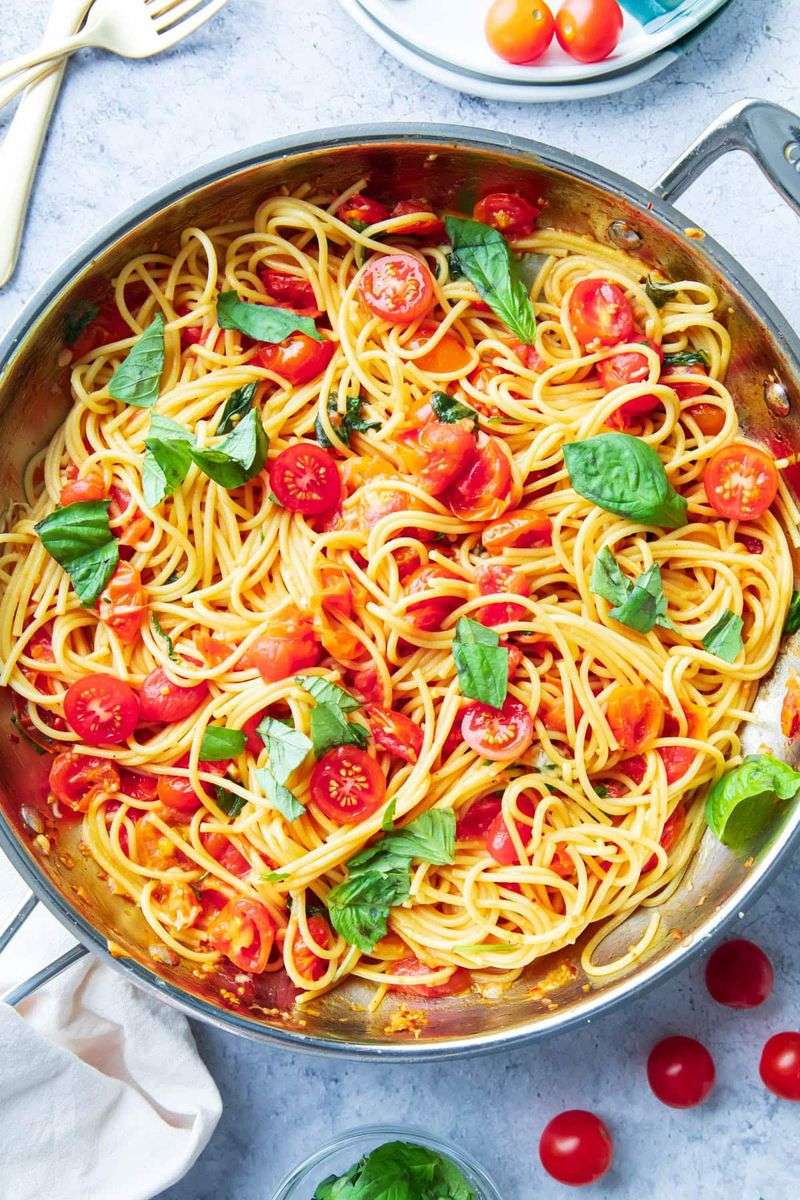
Nothing says summer-ready cooking quite like the sweet, peppery punch of fresh basil. This beloved herb is a staple in Italian cuisine, starring in everything from classic pesto to Caprese salads.
Basil loves warmth, so spring is the perfect time to start growing it indoors. Just a few torn leaves tossed onto pasta or pizza can completely change the flavor.
Try pairing it with tomatoes, mozzarella, or even fresh strawberries for a surprising twist.
2. Chives
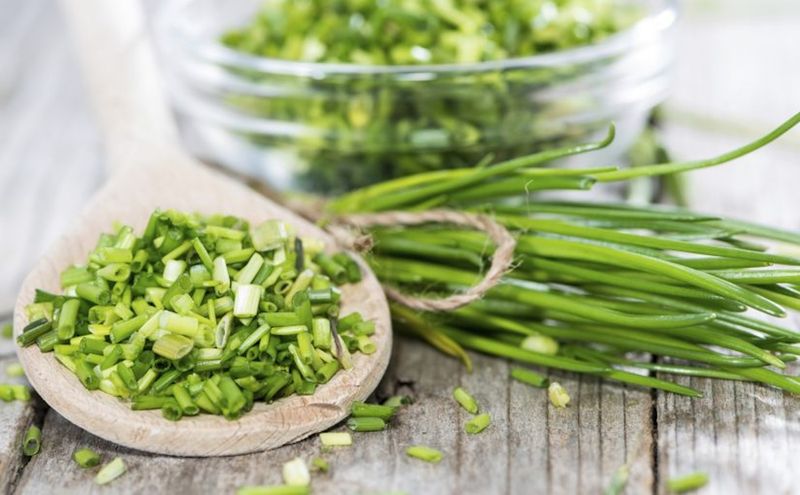
Chives are one of the easiest herbs to grow and one of the most underrated in the kitchen. Their mild onion flavor adds a fresh bite to scrambled eggs, baked potatoes, and creamy dips without overpowering anything else on the plate.
Did you know chive blossoms are edible too? Those pretty purple flowers make a stunning garnish on salads.
Snip the stalks with scissors right before serving to keep that crisp, fresh flavor fully intact.
3. Parsley
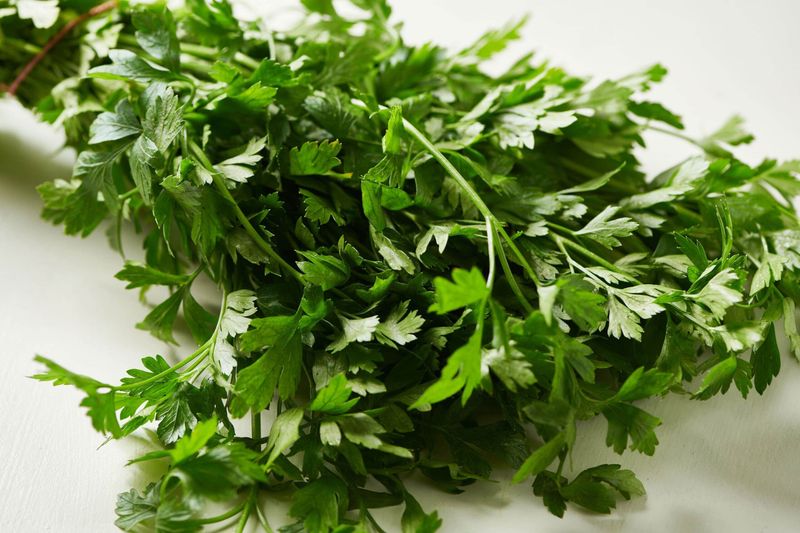
Parsley often gets treated like a decoration on the side of a plate, but this herb deserves way more credit. Flat-leaf parsley has a clean, slightly peppery taste that brightens up soups, grain bowls, and roasted vegetables in a big way.
Rich in vitamins C and K, it is actually a nutritional powerhouse hiding in plain sight. Chop it generously into tabbouleh, chimichurri, or garlic butter for a flavor upgrade that feels totally effortless.
4. Cilantro
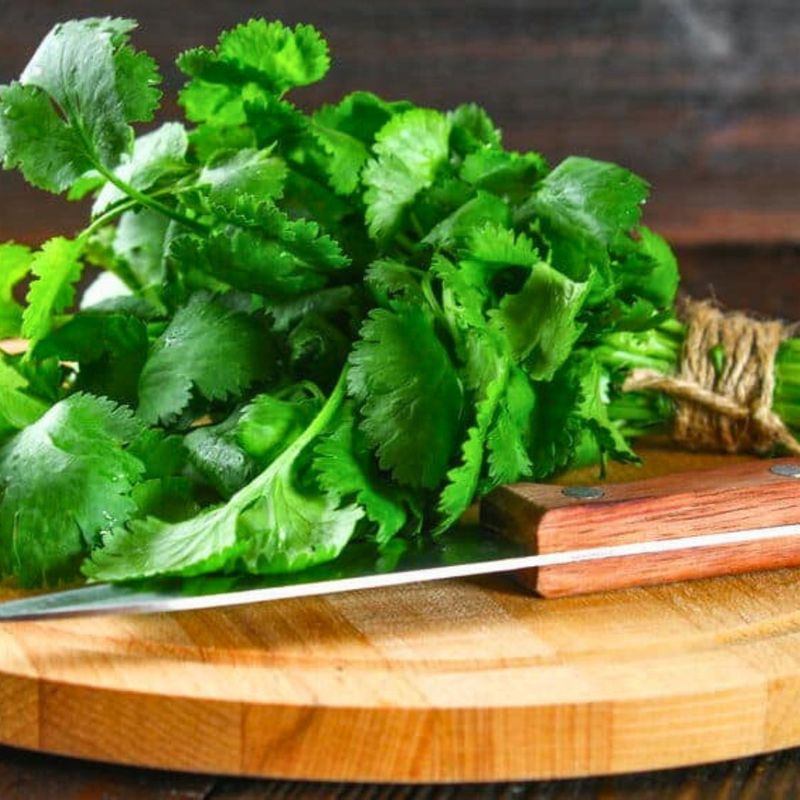
Love it or hate it, cilantro is one of the most polarizing herbs in the world. For those who enjoy it, the bright, citrusy flavor is absolutely irreplaceable in salsas, tacos, curries, and Vietnamese pho.
Interestingly, some people are genetically wired to taste cilantro as soapy. If you are in the fan club though, grow it in spring before the heat causes it to bolt.
Use both the leaves and the tender stems for maximum flavor in every dish.
5. Mint
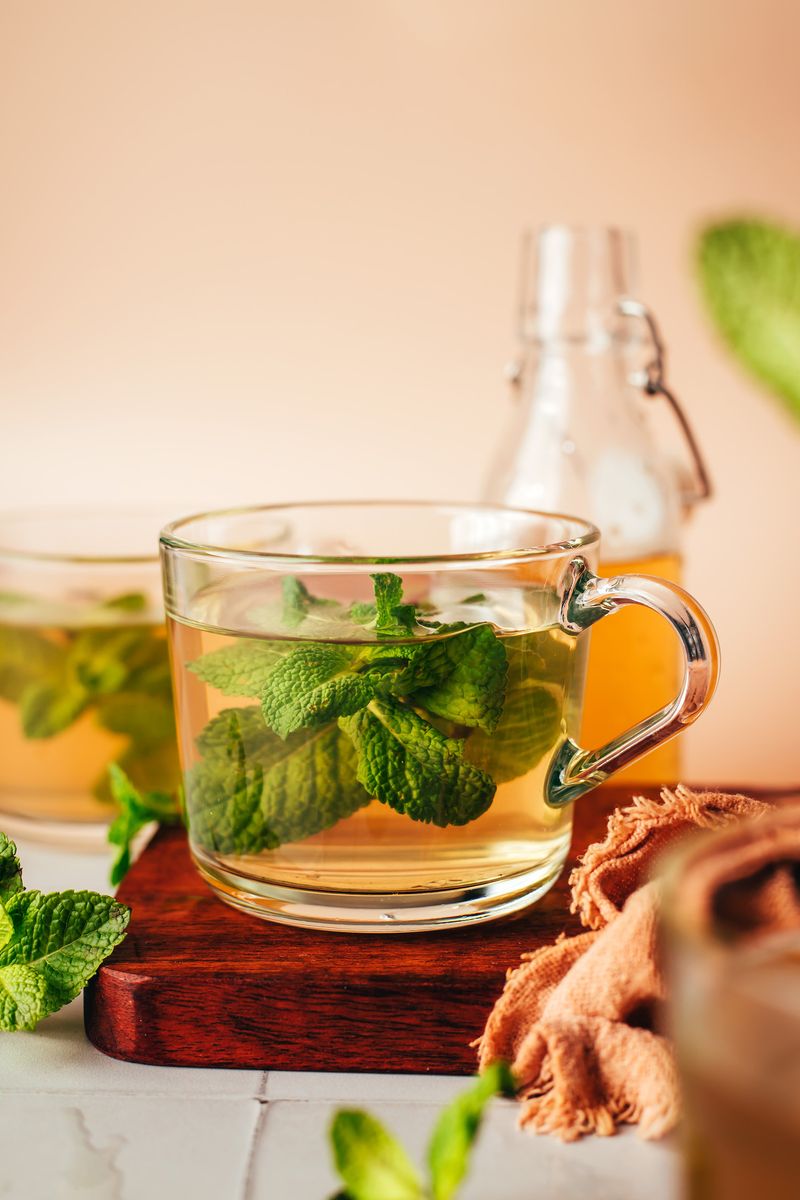
Mint is basically the overachiever of the herb world. It works in sweet dishes, savory meals, and drinks all at once.
Spring mint is especially fragrant, with a cool, refreshing bite that instantly wakes up your taste buds.
Add it to lamb dishes, fruit salads, lemonade, or homemade ice cream. One fair warning though: mint spreads aggressively in the garden, so planting it in a container is a smart move to keep it from taking over your entire yard.
6. Dill
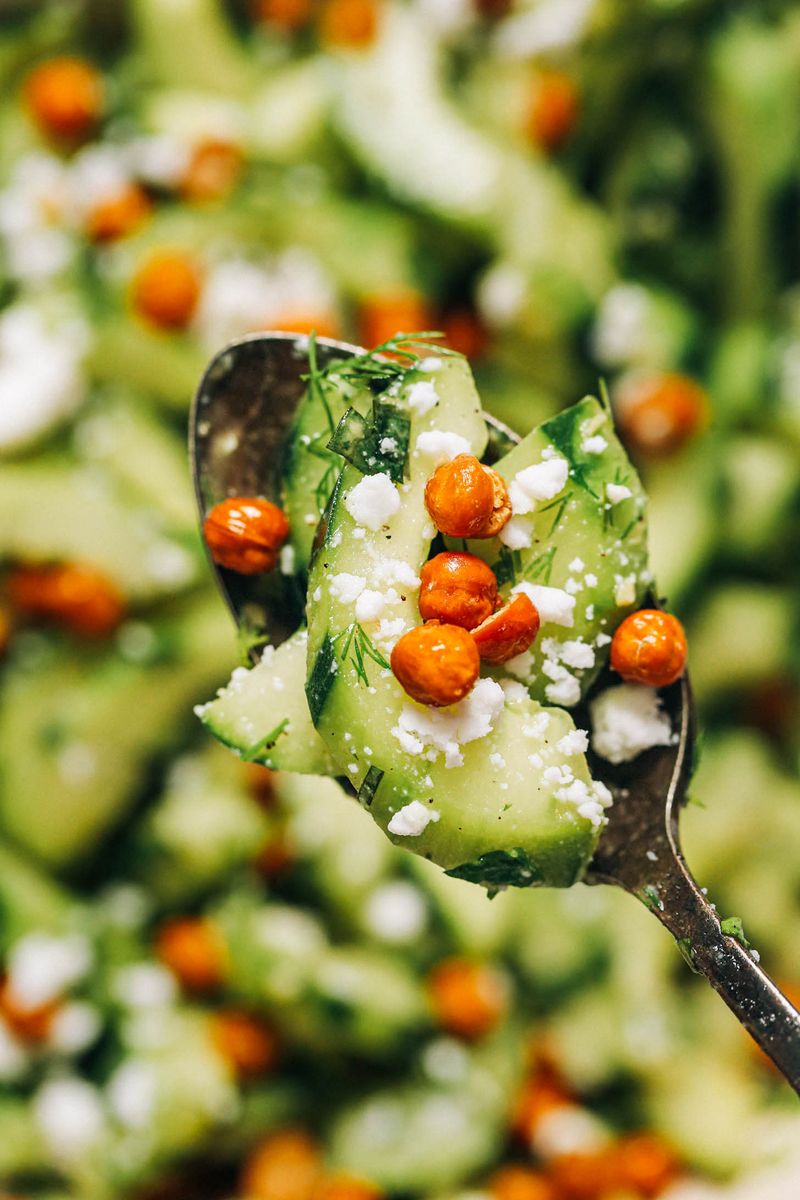
There is something almost magical about dill. Those feathery, wispy fronds smell like springtime itself.
Dill brings a tangy, slightly anise-like flavor that pairs beautifully with fish, cucumbers, yogurt sauces, and potato salads.
It is a key ingredient in classic dishes like tzatziki and gravlax. Fresh dill is much more vibrant than dried, so spring is the ideal time to use it generously.
Sprinkle it over salmon or stir it into sour cream for an instant crowd-pleaser.
7. Tarragon
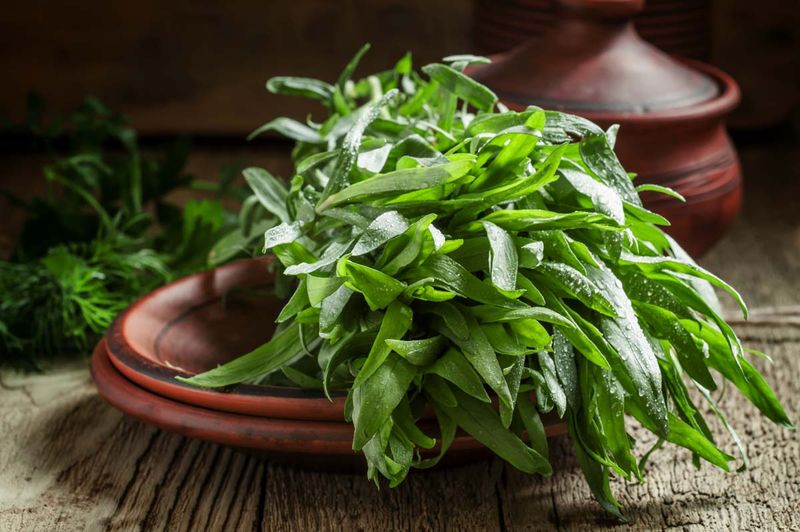
French tarragon has a sophisticated, slightly licorice-like flavor that makes it a favorite in classic French cuisine. It pairs wonderfully with chicken, eggs, and creamy sauces, adding a depth that feels almost restaurant-worthy at home.
Many cooks overlook tarragon simply because it sounds fancy, but it is surprisingly easy to use. Stir it into a simple butter sauce or tuck a few sprigs under chicken skin before roasting.
The results are quietly impressive every single time.
8. Thyme
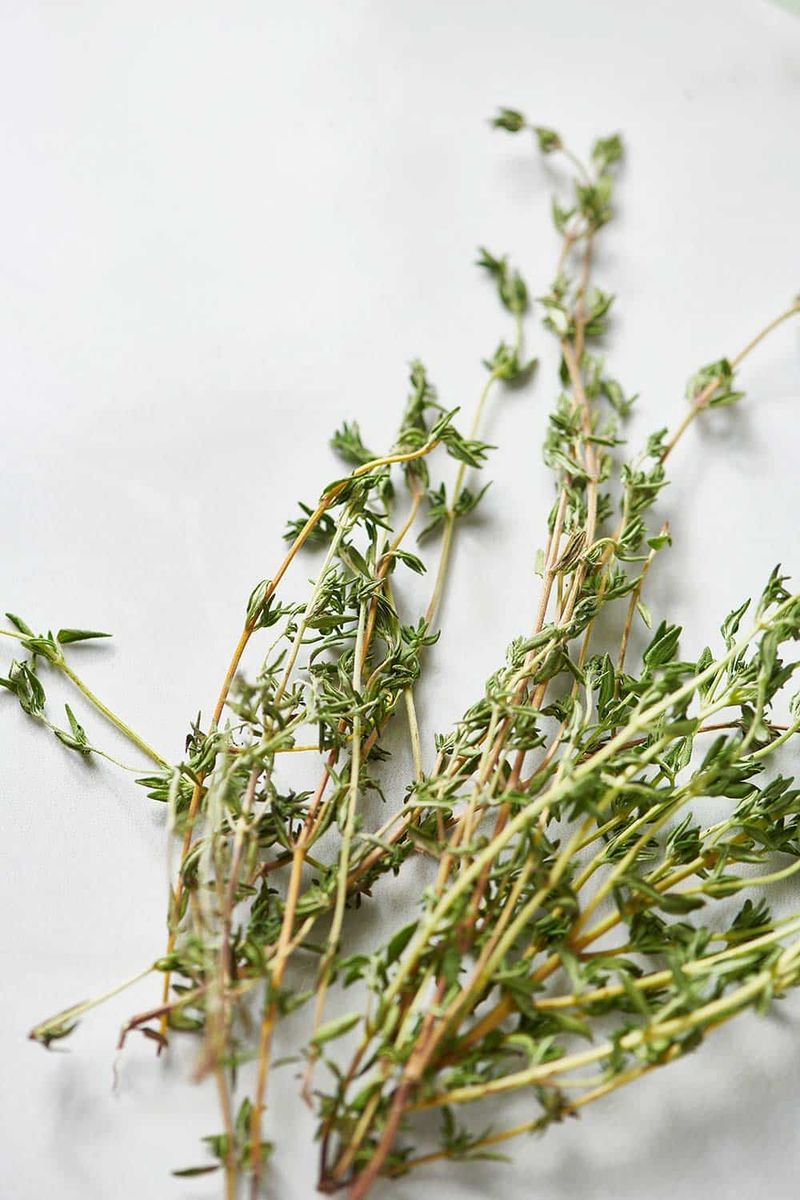
Thyme is the kind of herb that makes everything taste like it cooked for hours, even when it did not. Its earthy, slightly floral flavor works in roasted meats, soups, bread, and even cocktails.
Ancient Greeks used thyme as incense, believing it gave them courage before battle. Today, it gives home cooks confidence in the kitchen instead.
Strip the leaves from the woody stems and toss them into almost any savory dish for a warming, aromatic boost that never misses.
9. Oregano
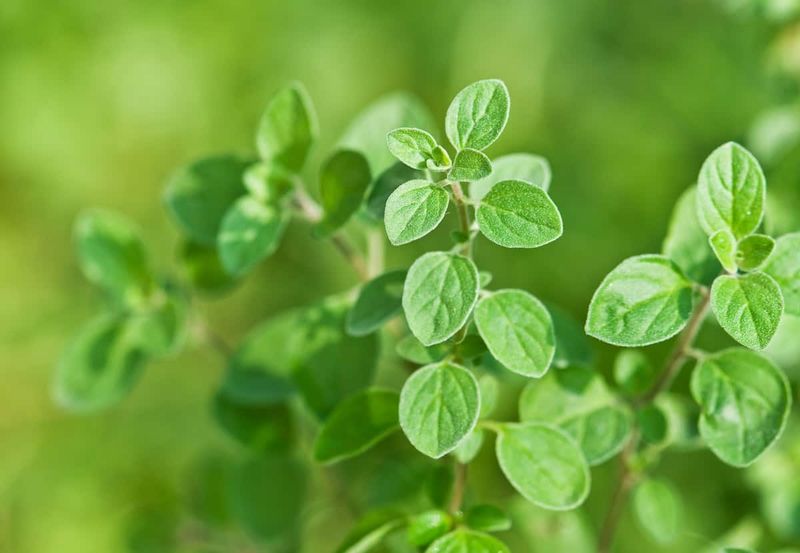
Bold, slightly bitter, and wonderfully aromatic, fresh oregano is a Mediterranean kitchen essential. It shines in tomato sauces, on homemade pizza, in Greek salads, and alongside grilled meats and vegetables.
Fresh spring oregano is milder and more fragrant than the dried version most people keep in their spice cabinet. Growing it yourself is incredibly easy since it thrives in sunny spots with minimal watering.
Crush a few leaves between your fingers and the scent alone will inspire dinner.
10. Lemon Balm
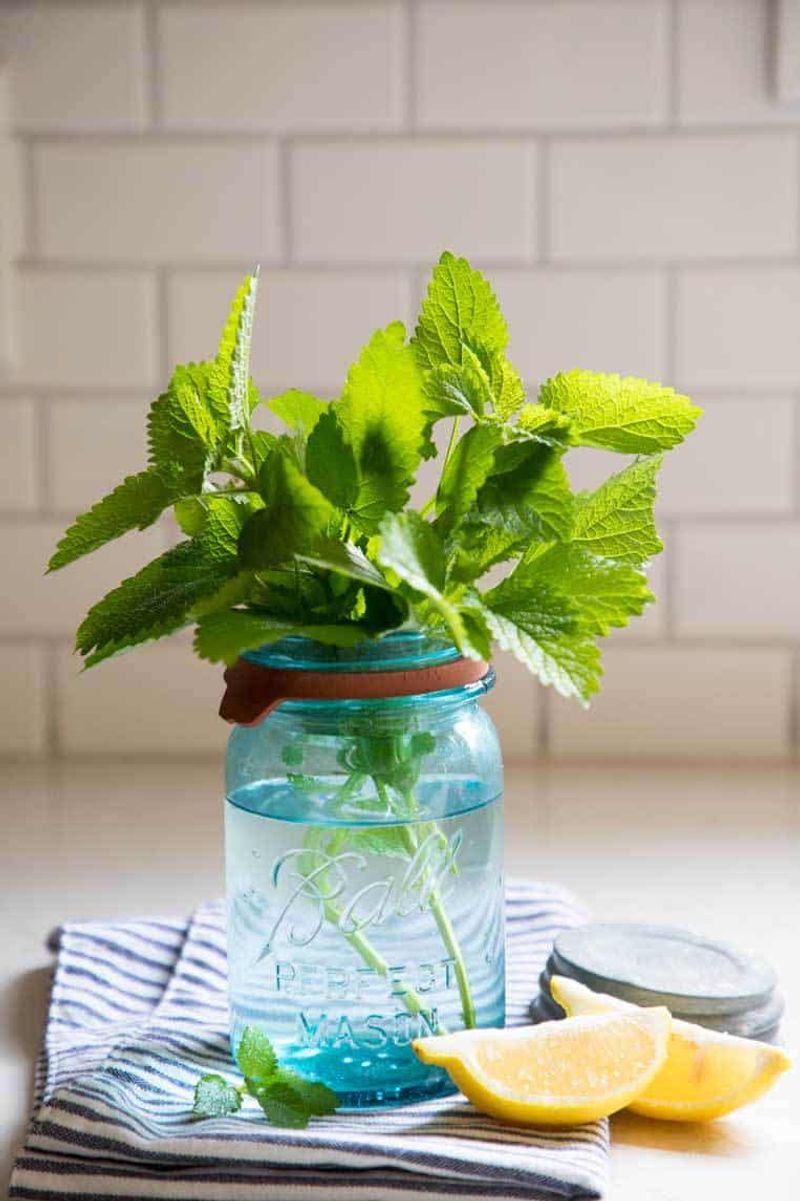
Lemon balm smells like someone bottled up a lemon grove and turned it into a plant. Part of the mint family, it has a soft, citrusy scent and flavor that works beautifully in teas, salad dressings, desserts, and even savory fish dishes.
Beyond cooking, lemon balm is known for its calming properties and has been used as a natural stress reliever for centuries. Steep fresh leaves in hot water for a soothing tea or muddle them into lemonade for a refreshing spring drink.
11. Chervil
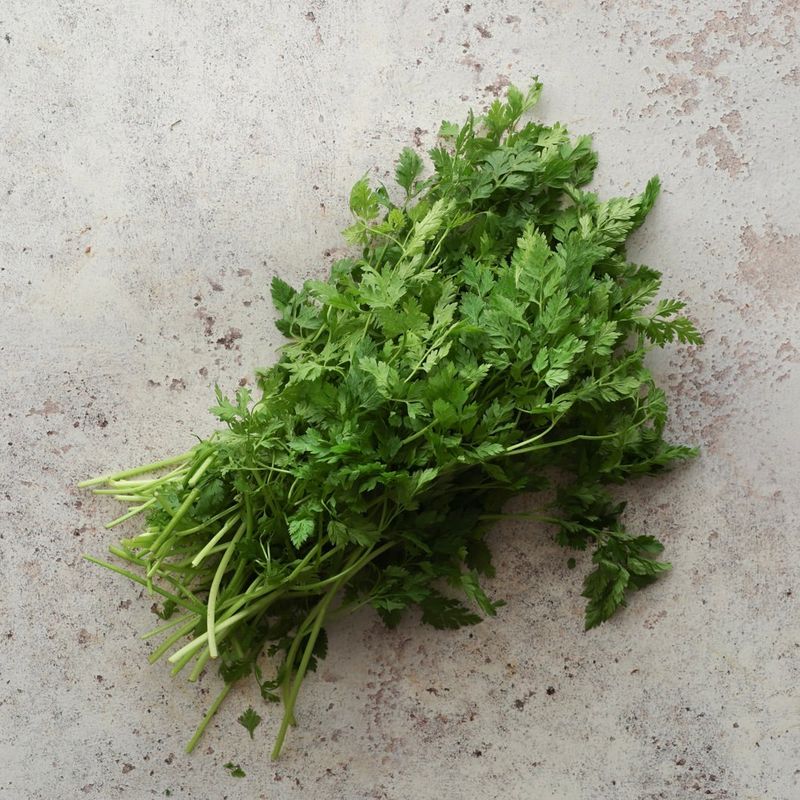
Chervil might be the most underappreciated herb in the spring garden. Often described as a gentle mix of parsley and anise, it has a soft, slightly sweet flavor that elevates egg dishes, spring salads, and light soups without stealing the spotlight.
Popular in French cuisine, chervil is one of the classic "fines herbes" alongside tarragon and chives. It wilts quickly with heat, so always add it at the very end of cooking or use it raw as a fresh finishing touch over your dish.
12. Sorrel
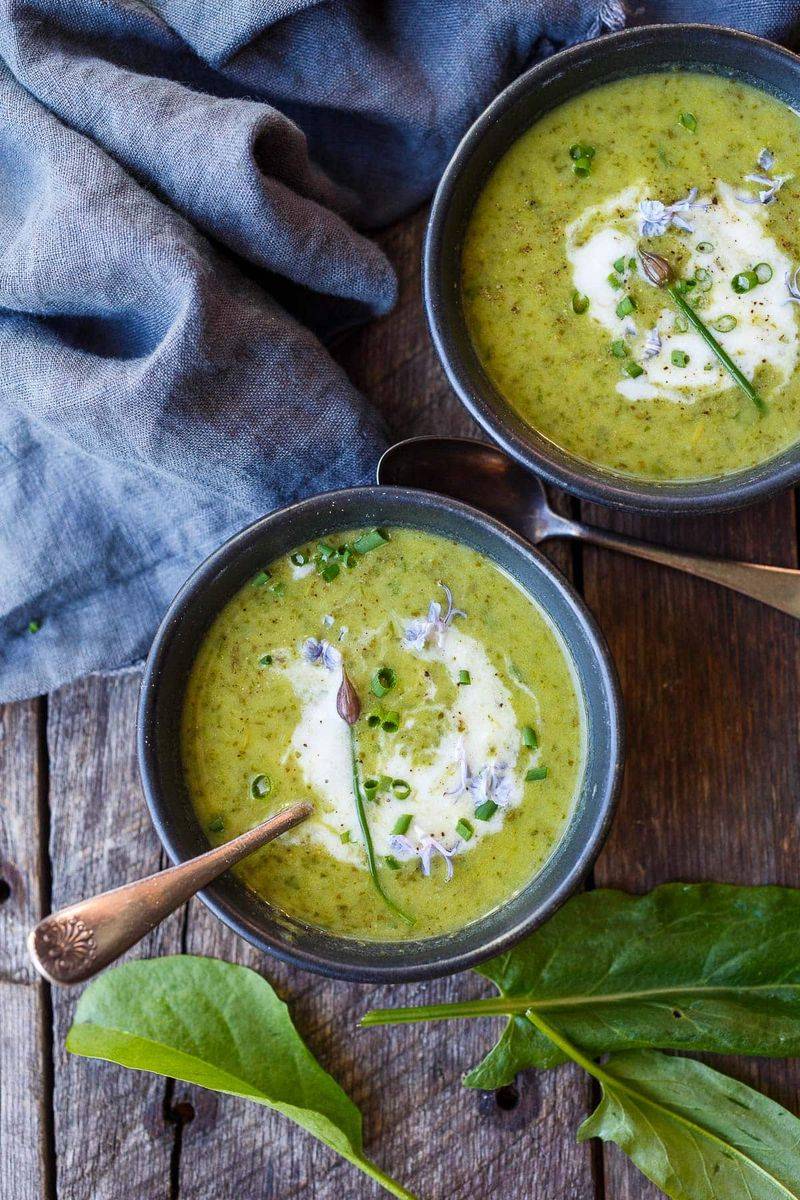
Sorrel tastes like spring itself decided to become a vegetable. Its sharp, lemony tang comes from oxalic acid, giving it a sour punch that wakes up cream sauces, soups, and egg dishes in the most refreshing way possible.
French sorrel soup is a classic springtime recipe worth trying at least once. You can also shred raw sorrel leaves into salads or blend them into a bright green sauce for fish or chicken.
It is bold, unusual, and absolutely worth getting to know.
13. Lovage
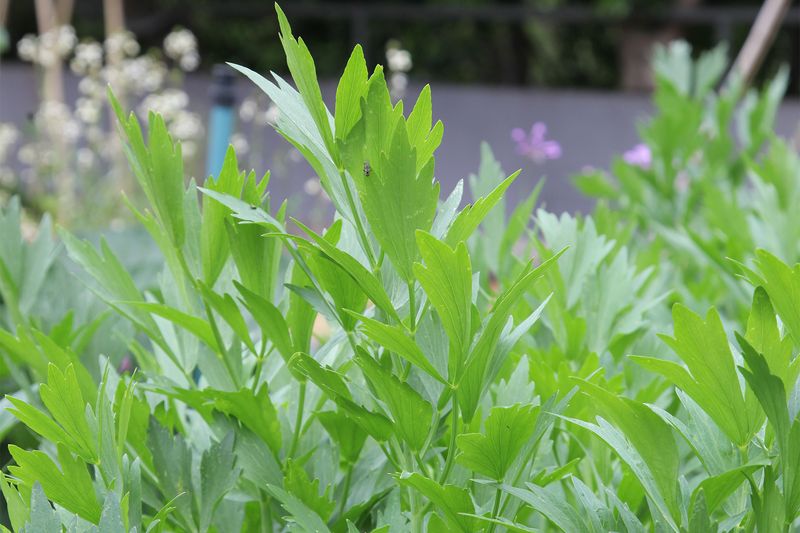
Lovage is basically celery's more intense, more interesting cousin. Every part of this towering plant is edible, including the leaves, stems, and seeds, all carrying a strong, savory flavor that adds serious depth to stocks, stews, and salads.
It was widely used in medieval European cooking and is making a well-deserved comeback in modern kitchens. A small amount goes a long way, so start with just a few leaves.
Use the hollow stems as a natural straw for a Bloody Mary for a fun culinary trick.
14. Fennel Fronds
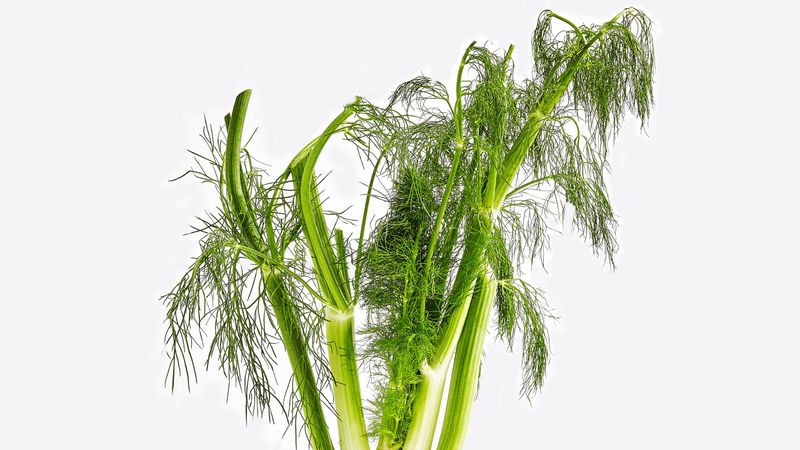
Most people buy fennel for the bulb and toss the fronds away without thinking twice. That is a real shame because those feathery green tops have a light, sweet anise flavor that is absolutely wonderful in cooking.
Chop them over roasted fish, stir them into pasta, or use them as a fresh herb garnish on grain bowls. They are also fantastic blended into a bright green salsa verde.
Spring is when fennel is at its most tender and flavorful, so grab it while you can.
15. Marjoram
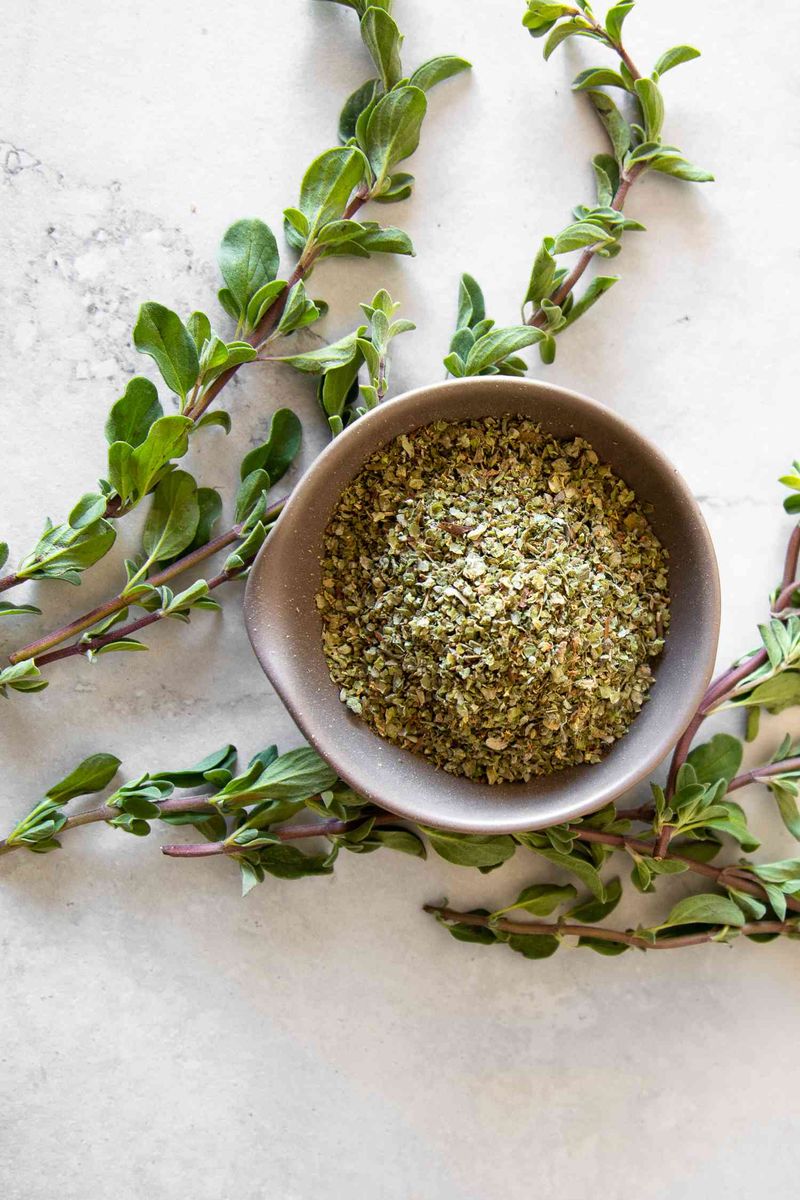
Marjoram and oregano are close relatives, but marjoram has a much sweeter, more delicate flavor profile. It is the kind of herb that works quietly in the background, tying all the other flavors of a dish together without demanding attention.
Try it in roasted lamb, mushroom risotto, or homemade sausage blends. Fresh spring marjoram is especially aromatic, and even a small handful can transform a simple vinaigrette into something memorable.
It is one of those herbs that experienced cooks quietly rely on again and again.
16. Borage
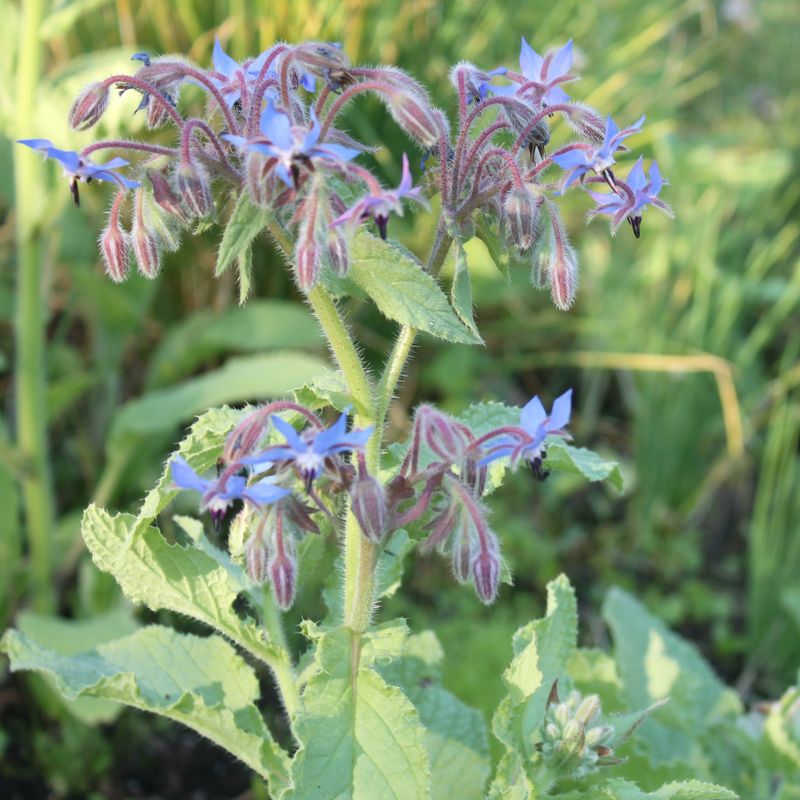
Borage might be the most visually stunning herb you will ever grow. Those vivid, star-shaped blue flowers are completely edible and taste faintly of cucumber, making them a gorgeous addition to salads, cold drinks, and dessert platters.
The young leaves can also be chopped into salads or used to flavor cream cheese. Borage has been associated with courage and cheerfulness throughout history, and honestly, eating something this beautiful does put you in a pretty good mood.
Plant it once and it will self-seed every spring.
17. Savory
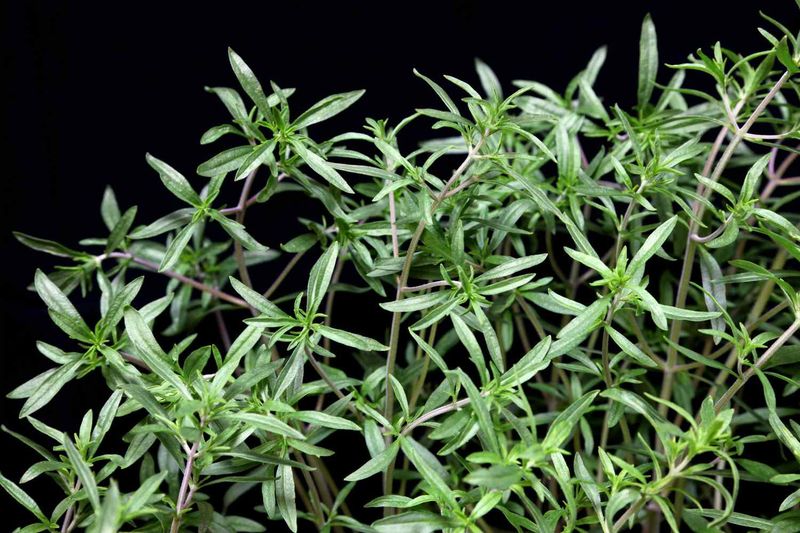
Savory is one of those old-fashioned herbs that deserves a serious revival in modern kitchens. With a sharp, peppery flavor somewhere between thyme and oregano, it pairs especially well with beans, lentils, and grilled meats.
In Bulgarian and some Eastern European cooking, savory is as common as salt on the table. Spring savory, in particular, is milder and more aromatic than the winter variety.
Rub it onto pork chops before grilling or stir it into white bean soup for a warming, deeply satisfying result.
18. Lemon Verbena

One brush of a lemon verbena leaf releases one of the most intensely citrusy scents in the entire plant world. The flavor is bright, clean, and lemony without any bitterness, making it a dream ingredient in desserts, teas, and light sauces.
Infuse it into simple syrup for cocktails and lemonades, or add a few leaves to pound cake batter before baking. It also makes a remarkable herb butter for fish or chicken.
Spring is when the new growth is most tender and packed with aromatic oils.
19. Shiso
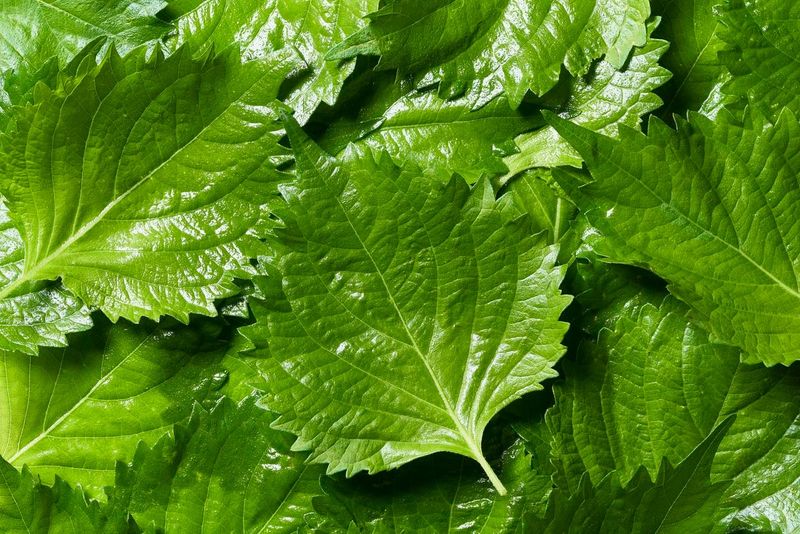
Shiso is a Japanese herb that looks like a large basil leaf but tastes like nothing else on earth. Its complex flavor blends hints of mint, basil, anise, and cinnamon into one bold, aromatic bite that works in both savory and sweet dishes.
Wrap it around sashimi, shred it over rice bowls, or use it as a wrap for grilled meats. Red shiso is used to color and flavor umeboshi plums and pickled ginger.
Growing shiso in spring is easy, and once you start cooking with it, you will wonder how you ever managed without it.
20. Vietnamese Coriander
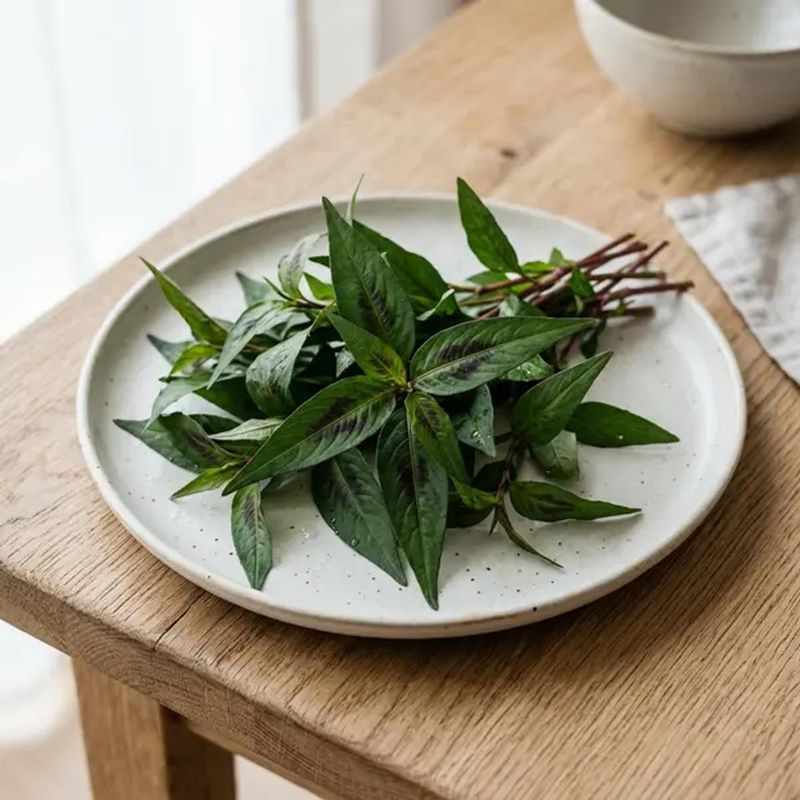
Vietnamese coriander, also called rau ram, has a spicy, peppery kick with a hint of citrus that makes it a standout herb in Southeast Asian cooking. It is used generously in Vietnamese salads, noodle soups, and spring rolls as a bold, fresh garnish.
Unlike regular cilantro, it holds up much better in heat and does not bolt quickly in warm weather, making it a practical spring garden choice. The distinctive dark chevron pattern on each leaf makes it easy to identify.
Try it in a fresh mango salad for an unforgettable flavor combination.
21. Garlic Chives
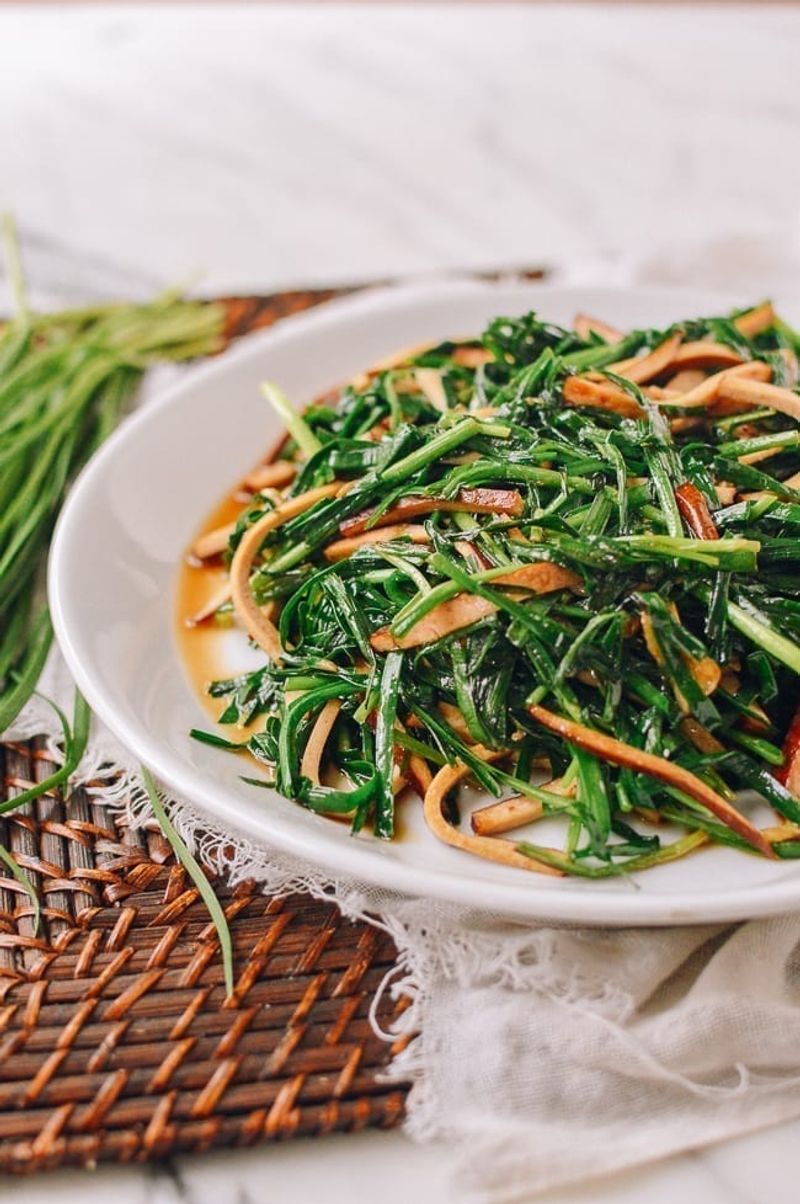
Garlic chives look similar to regular chives but carry a gentle garlic flavor that makes them incredibly versatile in the kitchen. They are a staple in Chinese and Korean cooking, used in dumplings, stir-fries, pancakes, and noodle dishes.
The white flowers that bloom in spring are edible and carry the same mild garlic taste, making them a beautiful and flavorful garnish. Unlike fresh garlic, garlic chives do not leave a strong aftertaste.
Grow them in a pot on your balcony and snip as needed throughout the whole season.
22. Nasturtium
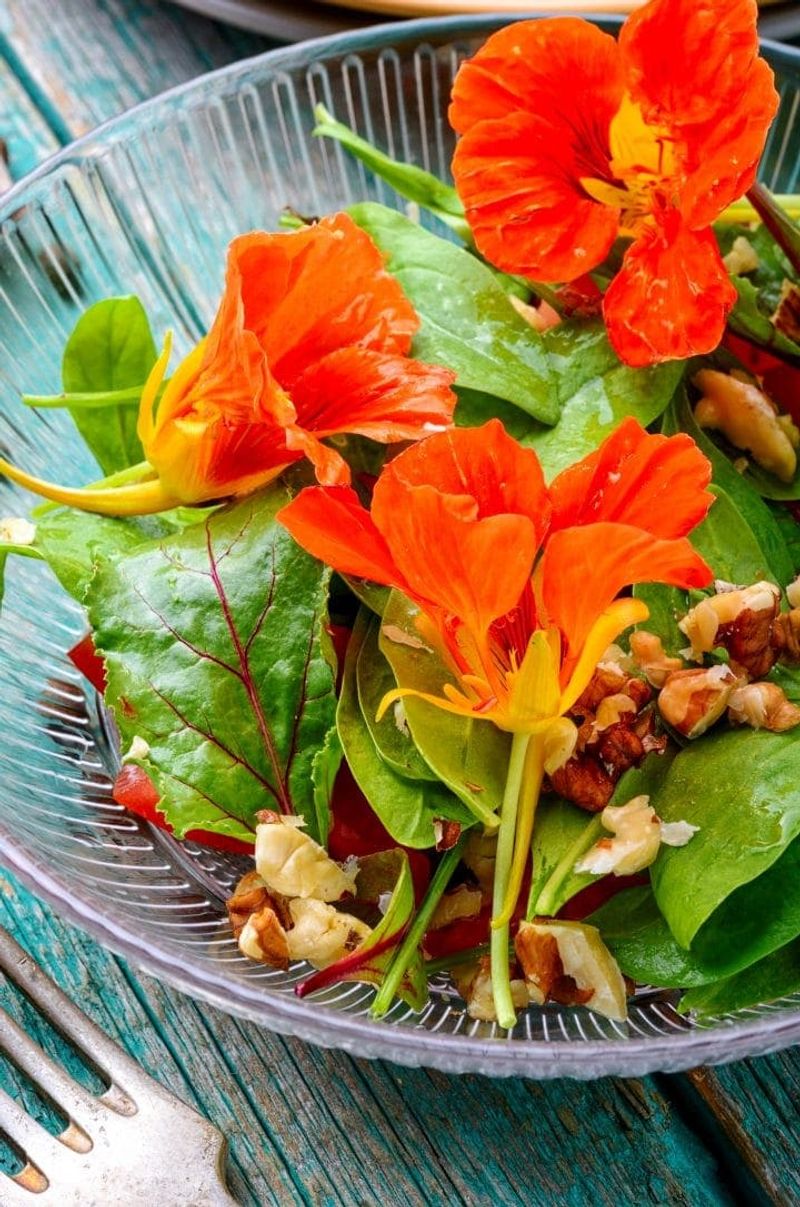
Nasturtiums are proof that the most colorful things in the garden are often the most delicious too. Both the flowers and leaves are edible, with a peppery, slightly spicy flavor that adds a punch to salads, sandwiches, and compound butters.
The seeds can even be pickled as a substitute for capers. Nasturtiums are incredibly easy to grow from seed in spring and practically take care of themselves once established.
Scatter the flowers over a simple green salad for an instant burst of color and flavor that will genuinely impress everyone at the table.




Comments
No Comments