













Food is one of the most exciting ways to explore different cultures and traditions. Around the world, there are incredible dishes and ingredients that most people have never heard of, let alone tasted.
From fermented shark meat in Iceland to hand-harvested sea moss in the Caribbean, these rare foods tell stories of history, survival, and creativity. If you have an adventurous palate and a curious mind, this list was made for you.
1. Hákarl – Fermented Greenlandic Shark (Iceland)
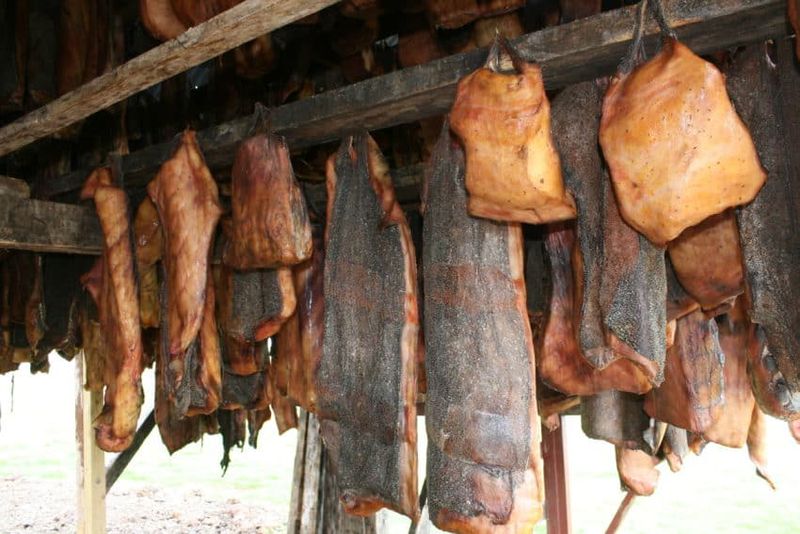
Hákarl has a smell so intense that first-timers often gag before their first bite. This traditional Icelandic food is made by fermenting Greenlandic shark for several months underground, then hanging it to dry.
The result is a chewy, ammonia-rich delicacy that Icelanders have eaten for centuries.
Locals often chase it with a shot of Brennivín, a local schnapps. It sounds extreme, but hákarl is a proud piece of Icelandic heritage worth knowing about.
2. Casu Martzu – Maggot Cheese (Sardinia, Italy)
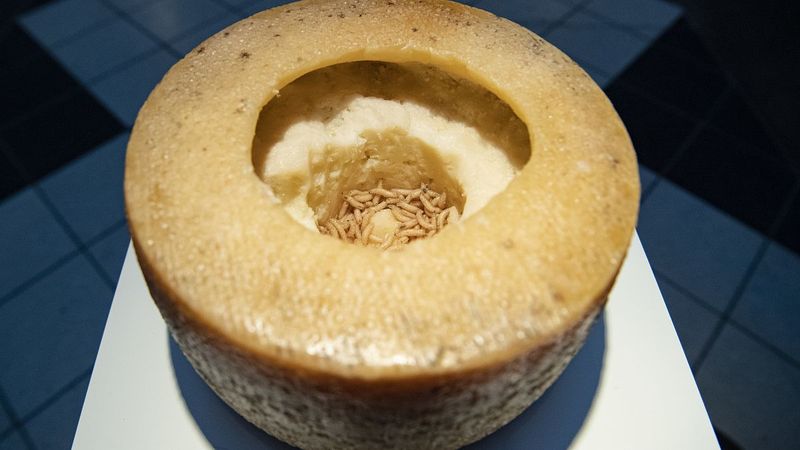
Casu martzu is not your average cheese. Made in Sardinia, this sheep milk cheese is intentionally left to ferment with live insect larvae, which break down the fats and give it an ultra-soft, almost liquid texture.
The flavor is sharp, pungent, and deeply complex.
Technically banned in the EU for safety reasons, it still circulates as a cultural tradition. Brave tasters describe it as one of the most intense cheese experiences imaginable.
3. Balut – Fertilized Duck Egg (Philippines)
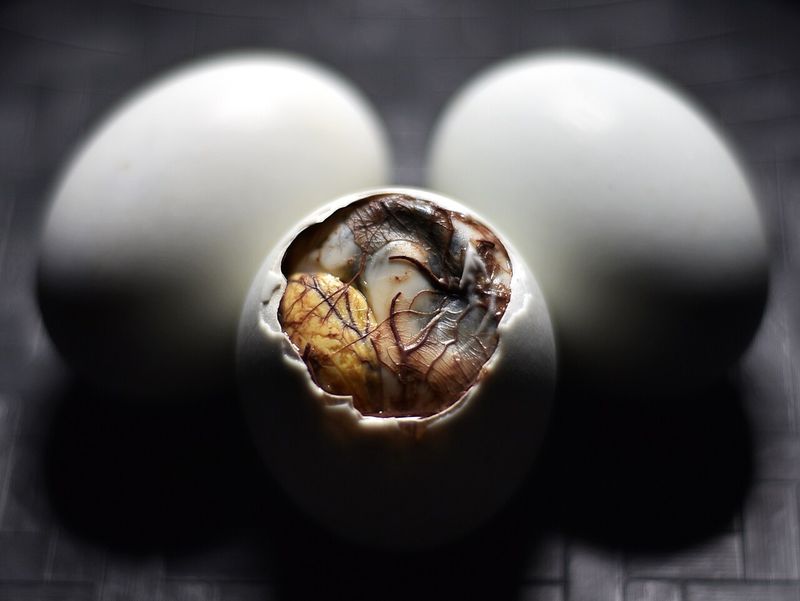
Street vendors across the Philippines sell balut from steaming pots at night, and locals eat them like a snack. A balut is a fertilized duck egg that has been incubated for around 17 days, then boiled and eaten straight from the shell.
You get broth, yolk, and a partially developed duckling all in one bite.
Seasoned with salt or vinegar, it is rich in protein and deeply tied to Filipino culture and identity.
4. Witchetty Grub – Wood-Boring Larvae (Australia)
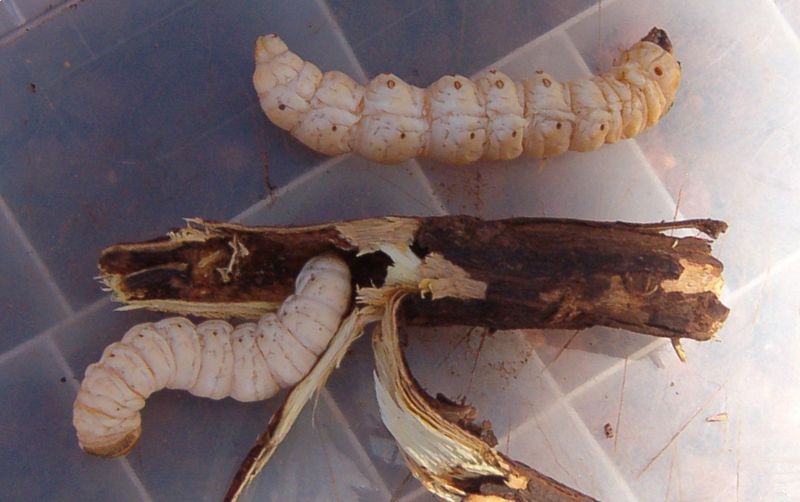
Long before European settlers arrived, Aboriginal Australians relied on witchetty grubs as a vital food source. These fat, white larvae live inside the roots of witchetty bushes and are packed with protein, fat, and essential nutrients.
Eaten raw, they taste mildly nutty. Cooked over fire, the skin crisps up like a sausage.
They remain an important part of bush tucker culture and are sometimes featured in adventurous tasting menus across Australia today.
5. Fugu – Puffer Fish (Japan)
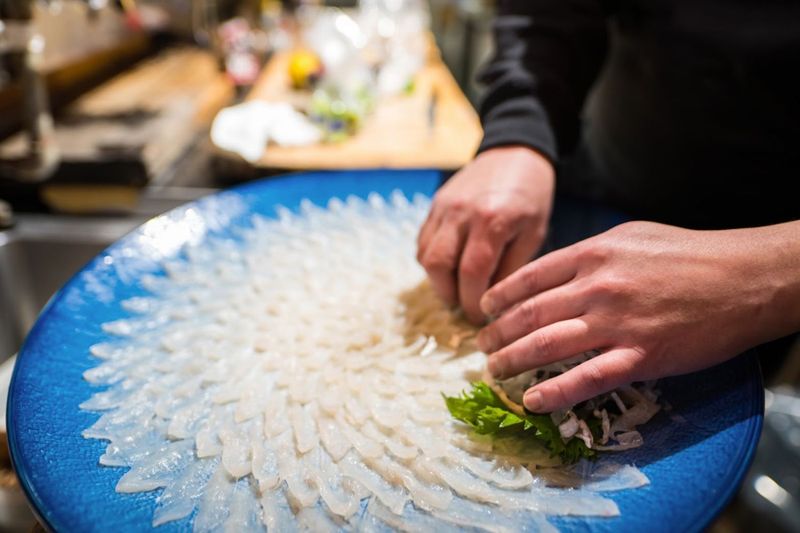
Fugu is one of the most dangerous foods on the planet, yet people travel to Japan specifically to try it. The puffer fish contains tetrodotoxin, a poison powerful enough to kill a human, which means only licensed chefs are legally allowed to prepare it.
Served as sashimi or in hot pot, the flavor is delicate and clean.
Part of the thrill is knowing that skilled hands stand between you and danger. That alone makes it unforgettable.
6. Escamoles – Ant Larvae (Mexico)
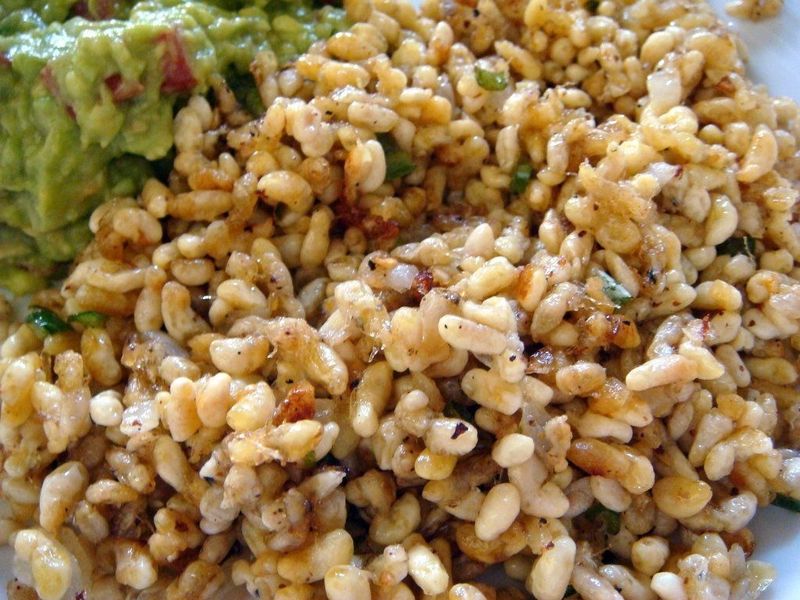
Called the caviar of Mexico, escamoles are the larvae and pupae of giant black ants harvested from agave plant roots. The process of collecting them is labor-intensive and even a little dangerous, which explains their high price tag.
Their flavor is surprisingly buttery and nutty, with a texture similar to cottage cheese.
Sautéed with butter, garlic, and chili, escamoles appear on menus at upscale restaurants in Mexico City and beyond.
7. Surströmming – Fermented Herring (Sweden)

Opening a can of surströmming in public is banned in some apartment buildings across Sweden because the smell is that powerful. This fermented Baltic herring has been a Swedish staple since the 16th century, traditionally eaten on flatbread with onions, sour cream, and potatoes.
The fermentation process gives it a sour, intensely fishy flavor that takes some getting used to. Swedes who grew up with it consider it comfort food, and that contrast is part of what makes it fascinating.
8. Durian – King of Fruits (Southeast Asia)
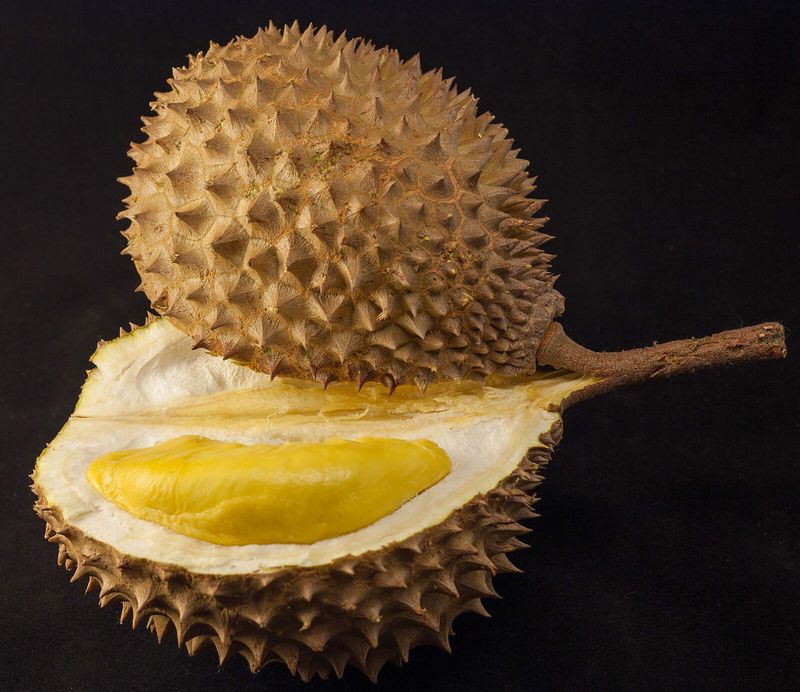
Durian is banned in many hotels and public transit systems across Southeast Asia because its smell is so overpowering. The large, spiky fruit has a custard-like interior with a flavor that devotees describe as rich, sweet, and complex, like a mix of vanilla, almond, and onion all at once.
In Thailand, Malaysia, and Indonesia, it is considered a prized seasonal treat. First-timers either fall in love instantly or swear they will never try it again.
9. Stinkbugs – Edible Shield Bugs (Southern Africa)
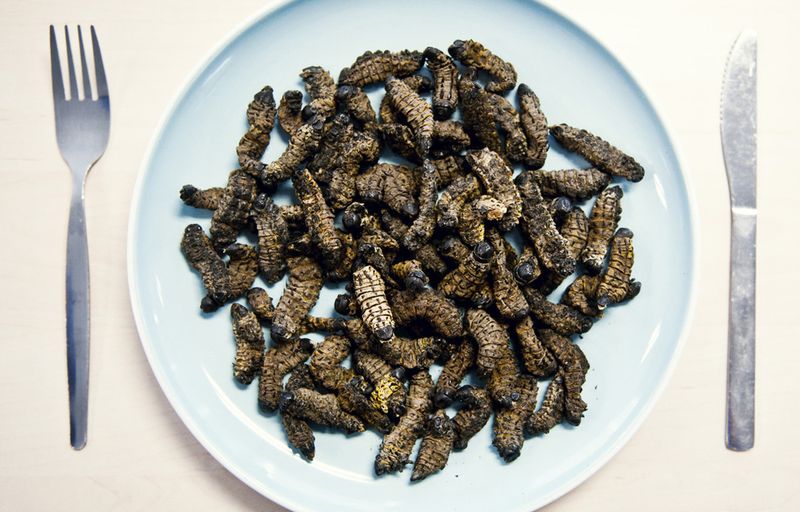
In parts of Zimbabwe, South Africa, and Mozambique, stinkbugs are a seasonal delicacy eagerly anticipated each year. The mopane stinkbug is harvested from trees, briefly immersed in hot water to remove the smelly gland, then sun-dried or roasted.
The result is a crunchy, protein-rich snack with a slightly smoky flavor.
Eaten alone or added to stews, they are a meaningful food tradition and an important nutritional resource for many rural communities in the region.
10. Kiviak – Fermented Seabirds (Greenland)
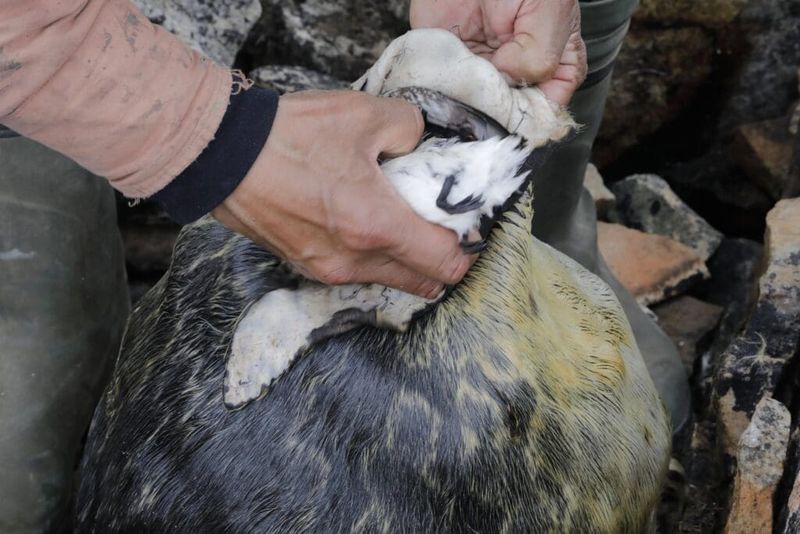
Kiviak is not something you stumble upon at a restaurant. Made by the Inuit people of Greenland, it involves stuffing hundreds of little auk birds inside a hollowed-out seal, sewing it shut, and leaving it to ferment under rocks for up to 18 months.
The birds are eaten whole, and the flavor is described as intensely sour and gamey.
It is a celebratory food, served at birthdays and weddings as a proud cultural tradition.
11. Hákarl vs Kiviak – A Fermentation Face-Off... Actually: Sannakji – Live Octopus (South Korea)
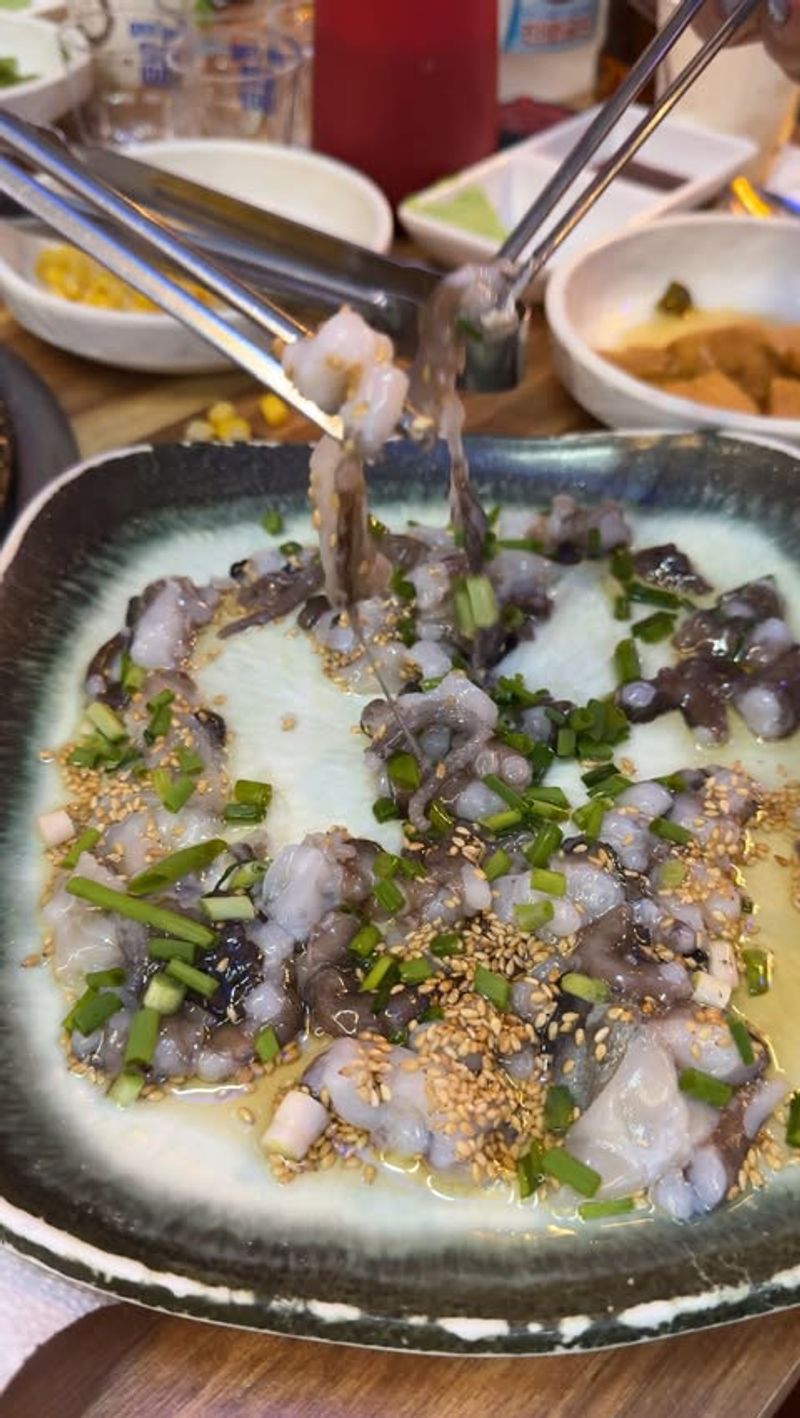
Sannakji is one of those dishes that challenges your nerves as much as your taste buds. In South Korea, small octopuses are cut into pieces and served immediately, meaning the tentacles are still wriggling on the plate when they arrive.
The suction cups can actually stick to your throat if you do not chew carefully.
Seasoned with sesame oil, the flavor itself is mild and fresh. The experience, however, is anything but ordinary.
12. Black Ivory Coffee – Elephant-Processed Beans (Thailand)
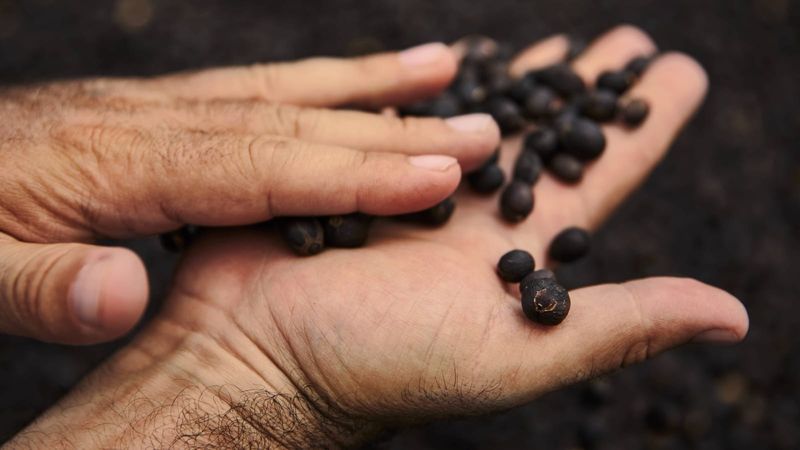
Black Ivory Coffee is one of the rarest and most expensive coffees in the world, selling for hundreds of dollars per pound. Arabica coffee cherries are fed to elephants in Thailand, and after passing through their digestive systems, the beans are collected, cleaned, and roasted.
The process breaks down proteins that cause bitterness in regular coffee.
The resulting brew is smooth, earthy, and chocolatey. It is a quirky concept that produces a genuinely remarkable cup.
13. Hákarl... Actually: Chapulines – Toasted Grasshoppers (Mexico)
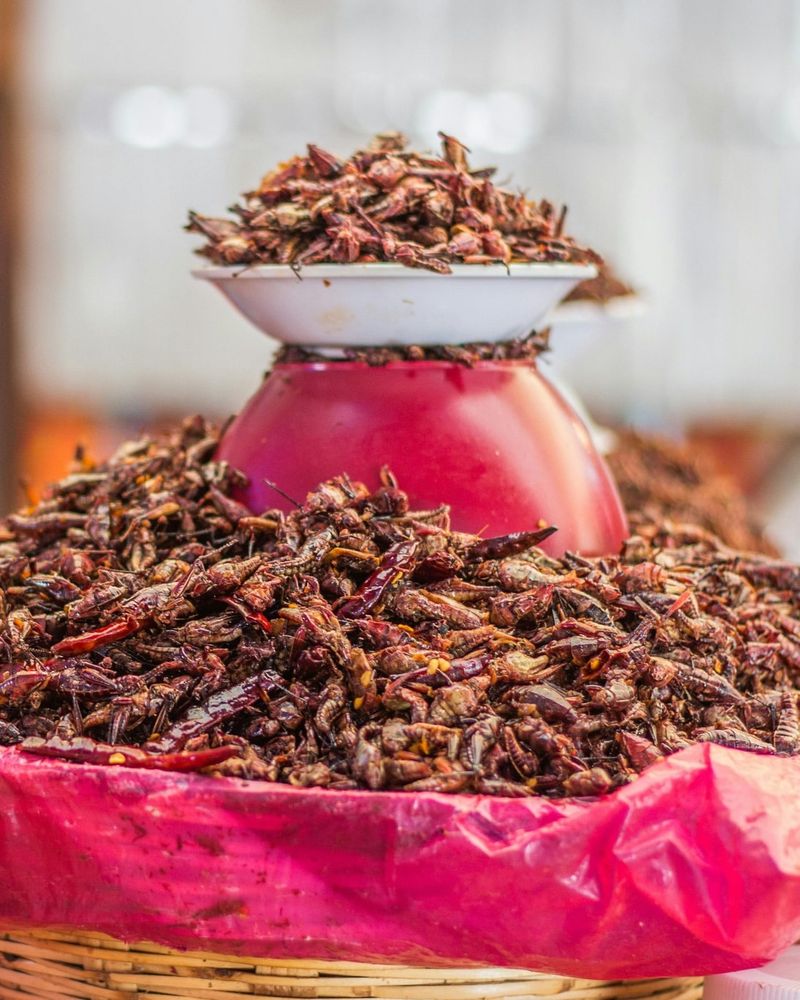
Walk through any market in Oaxaca and you will spot big bowls of chapulines, toasted grasshoppers seasoned with chili, lime, and garlic. They have been eaten in Mexico for thousands of years and are one of the most sustainable protein sources available.
The flavor is salty, tangy, and a little smoky, with a satisfying crunch.
Sprinkled on tacos or eaten by the handful, chapulines are a snack that surprises people with just how good they actually taste.
14. Natto – Fermented Soybeans (Japan)
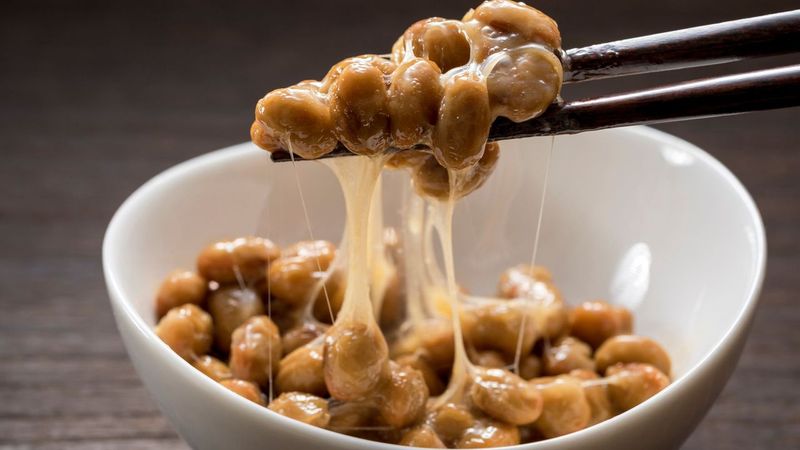
Natto is a breakfast staple in Japan that many foreigners struggle to accept on the first try. Fermented soybeans develop a sticky, stringy texture and a pungent, earthy smell during the fermentation process.
The flavor is strong and slightly bitter, but incredibly savory.
Nutritionally, natto is a powerhouse, rich in probiotics, vitamin K2, and protein. Eaten over rice with soy sauce and mustard, it is one of those foods that grows on you over time.
15. Mopane Worms – Dried Emperor Moth Caterpillars (Southern Africa)
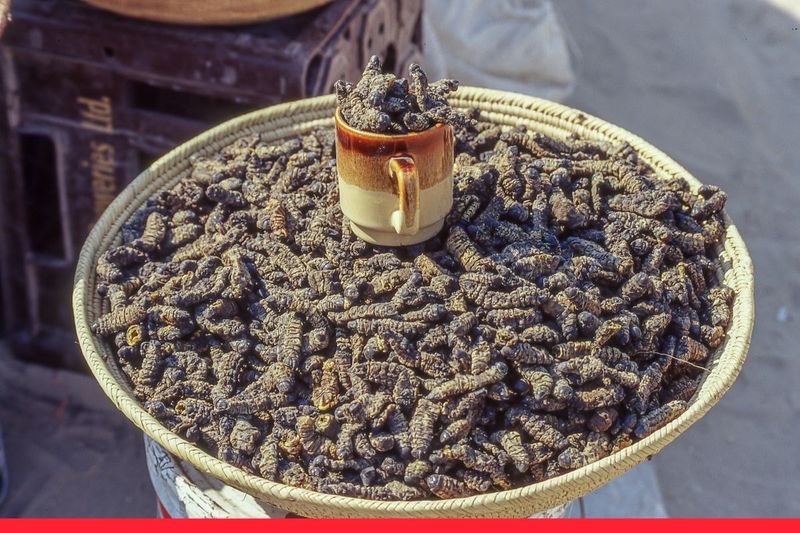
Mopane worms are one of the most widely eaten insects in the world, particularly across Botswana, Zimbabwe, and South Africa. These large caterpillars of the emperor moth are harvested, gutted, and either dried or cooked in spiced tomato sauce.
The dried version has a chewy, jerky-like texture with an earthy, slightly nutty flavor.
Rich in protein and iron, they are a critical food source for millions of people and are increasingly appearing in gourmet African cuisine.
16. Century Egg – Preserved Duck Egg (China)
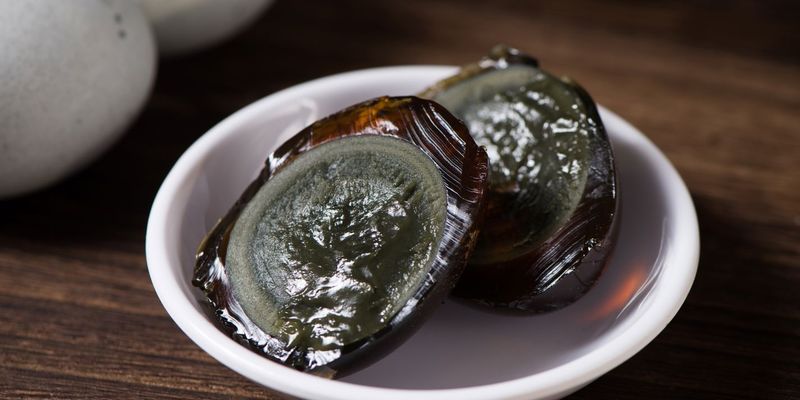
Despite the name, century eggs are not actually a hundred years old, but they do look like something ancient. Duck, chicken, or quail eggs are preserved in a mixture of clay, ash, salt, quicklime, and rice hulls for weeks to months.
The white turns into a dark, translucent jelly, and the yolk becomes a creamy gray-green.
The flavor is intensely rich and umami-heavy. Sliced and served with pickled ginger, it is a beloved Chinese appetizer with a fascinating history.
17. Kopi Luwak – Civet Cat Coffee (Indonesia)
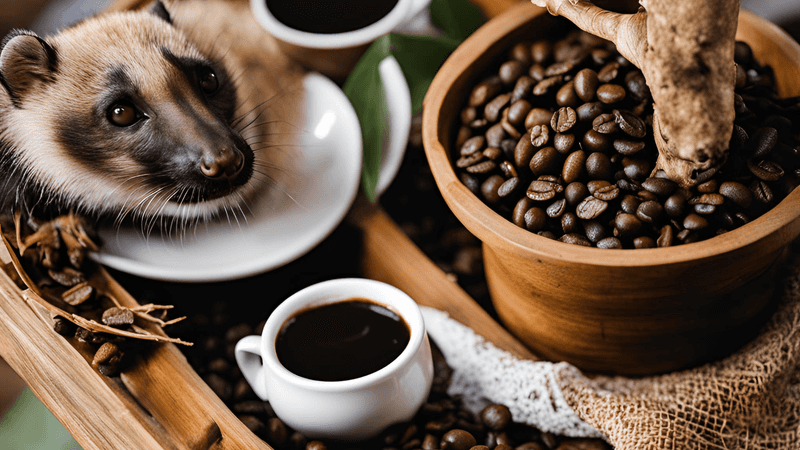
Kopi luwak became famous for being made from coffee beans that have passed through the digestive system of Asian palm civets. The civets eat the ripest coffee cherries, and the fermentation inside their gut removes bitterness and adds a smooth, complex flavor.
Once cleaned and roasted, the beans produce a notably mellow cup.
It remains one of the most expensive coffees globally. Ethical sourcing is an important concern, so wild-sourced versions are preferred over farmed ones.
18. Fried Tarantulas – Crispy Spiders (Cambodia)
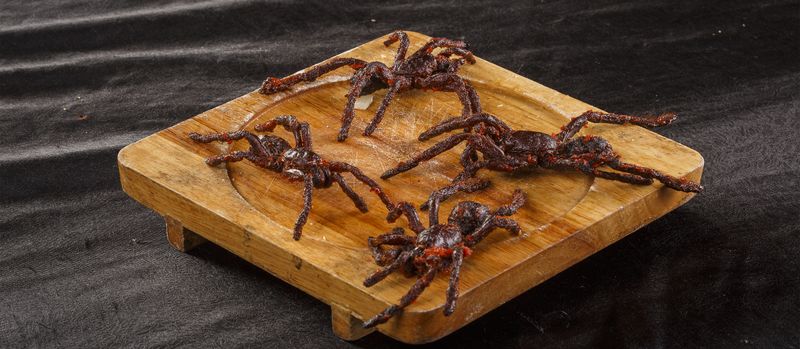
In the town of Skuon, Cambodia, fried tarantulas are a popular roadside snack that tourists either photograph or nervously eat. The spiders are seasoned with salt, sugar, and garlic, then deep-fried until the legs are crunchy and the body is soft inside.
The flavor is often compared to soft-shell crab.
This tradition reportedly began during the Khmer Rouge era when food was scarce. Today it has evolved into a cultural icon and a curious tourist attraction all at once.
19. Akutaq – Eskimo Ice Cream (Alaska, USA)
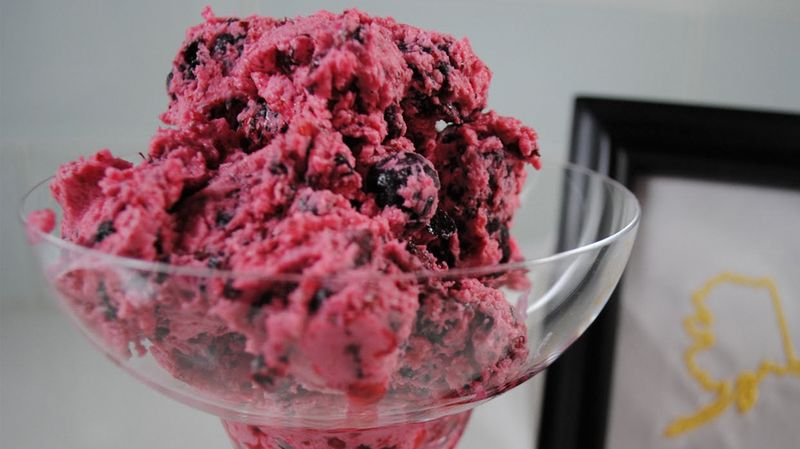
Akutaq looks nothing like the ice cream you know. Made by Indigenous Alaskan communities, this traditional dish combines animal fat, such as seal oil or caribou fat, with berries, fish, or sugar, whipped together into a fluffy, creamy mixture.
Each family has its own recipe passed down through generations.
The flavor varies widely depending on ingredients, but it is always deeply tied to the land and season. It is comfort food in its most ancestral, meaningful form.
20. Tuna Eyeballs – Braised Fish Eyes (Japan)
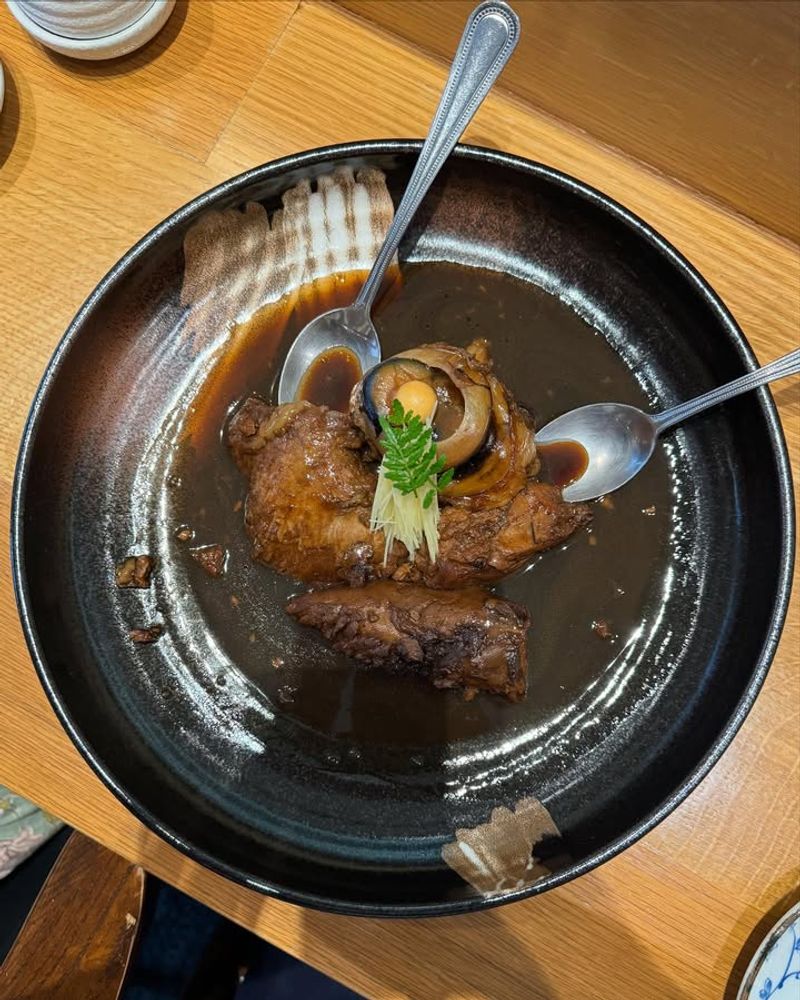
Tuna eyeballs show up in Japanese grocery stores and izakayas, often surprising visitors who spot them on shelves for just a dollar or two. Braised with soy sauce, sake, and ginger, they develop a soft, gelatinous texture with a mild, oceanic flavor.
The iris and surrounding fat are the edible parts.
Nutritionally, they are rich in omega-3 fatty acids. For a country that values using every part of the fish, tuna eyeballs make perfect, practical, flavorful sense.
21. Hákarl... Stinkhead – Fermented Fish Head (Alaska, USA)
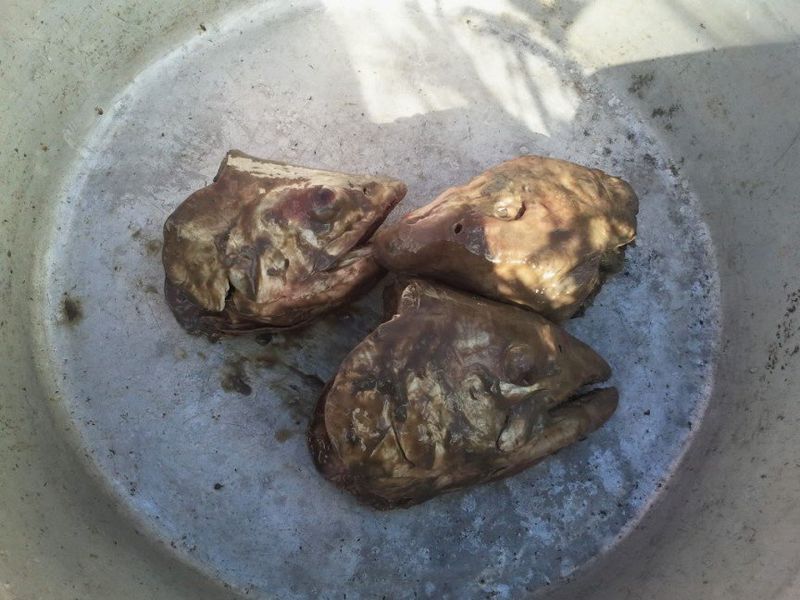
Stinkhead is a traditional Yup'ik delicacy made by burying whole fish heads, often king salmon or whitefish, underground in a wooden barrel or grass-lined pit for weeks to ferment. The result is a pungent, deeply fermented paste that carries intense flavors and holds strong cultural significance.
It has been eaten by Alaska Native communities for generations as a way to preserve food through harsh winters. Health authorities advise caution, but for those raised with it, stinkhead is irreplaceable comfort food.
22. Hákarl... Actually: Huitlacoche – Corn Fungus (Mexico)
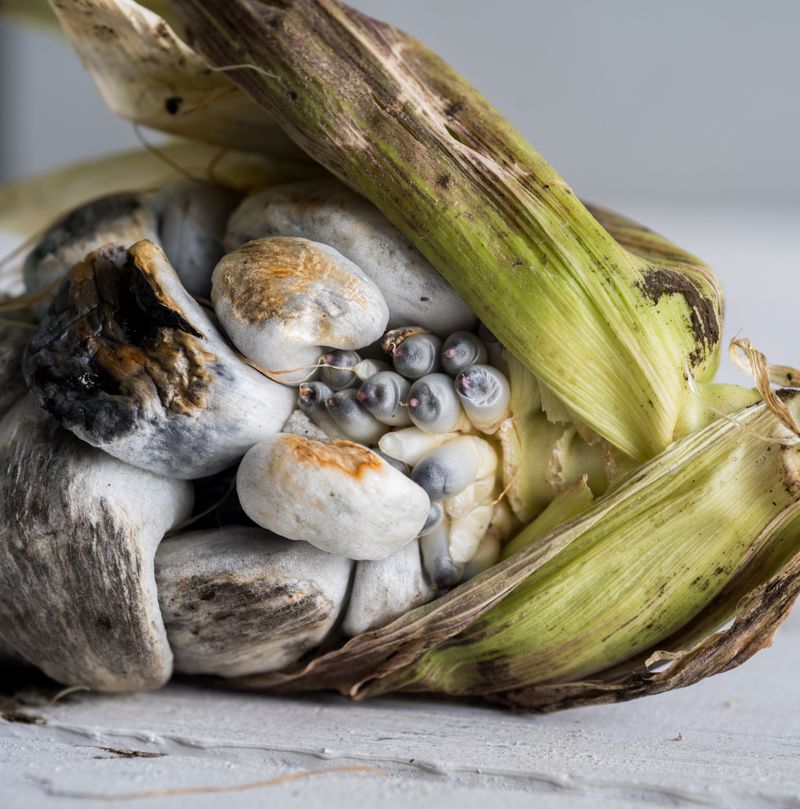
Most farmers dread finding their corn infected with fungus, but in Mexico, huitlacoche is cause for celebration. This blue-gray fungus grows on corn ears and transforms the kernels into swollen, earthy, mushroom-like morsels with a deep, smoky flavor.
It has been eaten since the time of the Aztecs and is sometimes called Mexican truffle.
Used in quesadillas, soups, and tamales, huitlacoche offers a uniquely complex taste that no other ingredient can replicate. It is an underrated gem of Mexican cuisine.




Comments
No Comments