













Food is one of the most powerful ways people connect with their culture, family, and history. Every country has its own special cooking traditions that have been passed down through generations, turning simple meals into meaningful rituals.
From stone-ground spices in India to fire-roasted meats in Argentina, these traditions tell stories about who we are and where we come from. Get ready to explore 22 fascinating cooking customs that make the world's kitchens truly magical.
1. Japan's Art of Making Dashi Broth
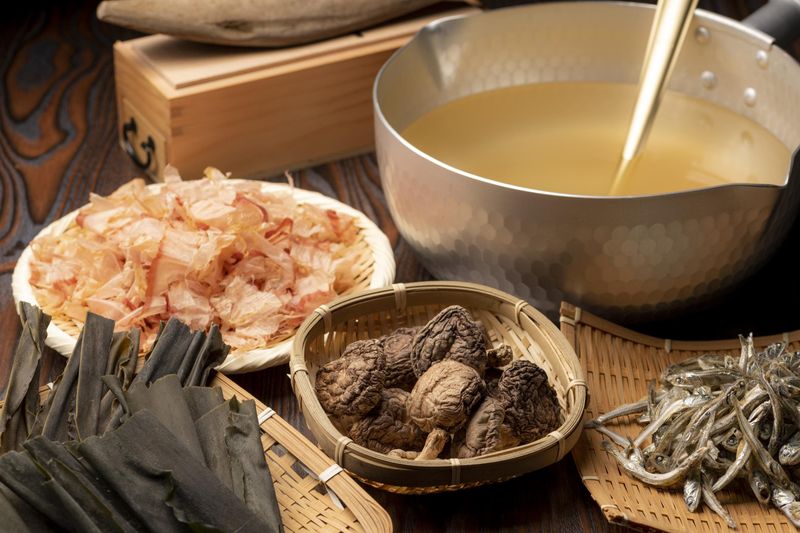
Long before fancy seasonings existed, Japanese cooks discovered that simmering kombu seaweed and dried bonito fish flakes created a broth so deeply savory it changed everything. This liquid, called dashi, forms the invisible backbone of soups, noodles, and sauces across Japan.
Making it fresh every morning is still considered a sign of a skilled home cook. The process takes only minutes but requires patience and attention.
It's humble, quiet, and completely transformative.
2. Mexico's Tradition of Grinding Mole by Hand
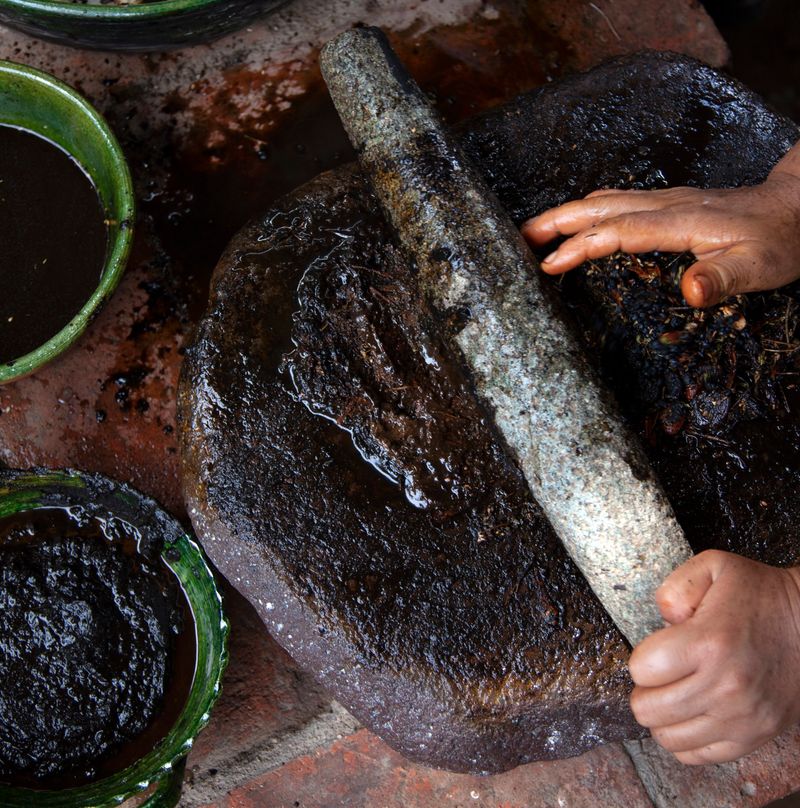
Mole is not just a sauce in Mexico — it's a labor of love that can take an entire day to prepare. Families pass down recipes with over 30 ingredients, grinding dried chiles, chocolate, nuts, and spices on a rough stone tool called a metate.
The grinding is slow, rhythmic, and deeply personal. Each family's mole tastes slightly different because every hand leaves its own mark.
Did you know some mole recipes are over 500 years old?
3. Argentina's Asado Grilling Culture
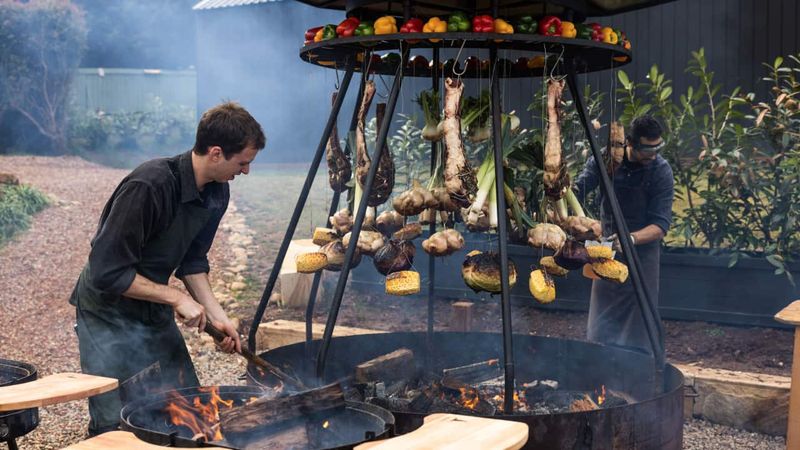
In Argentina, grilling meat is practically a national sport. The asado tradition involves slow-cooking beef, ribs, and sausages over wood-burning embers rather than quick gas flames, letting the smoke do the real flavoring work.
The person in charge of the grill — called the asador — holds a position of great honor at any gathering. Weekends often stretch into long, laughter-filled afternoons built entirely around the fire.
Food here is never just food; it's community.
4. India's Masala Dabba Spice Box System
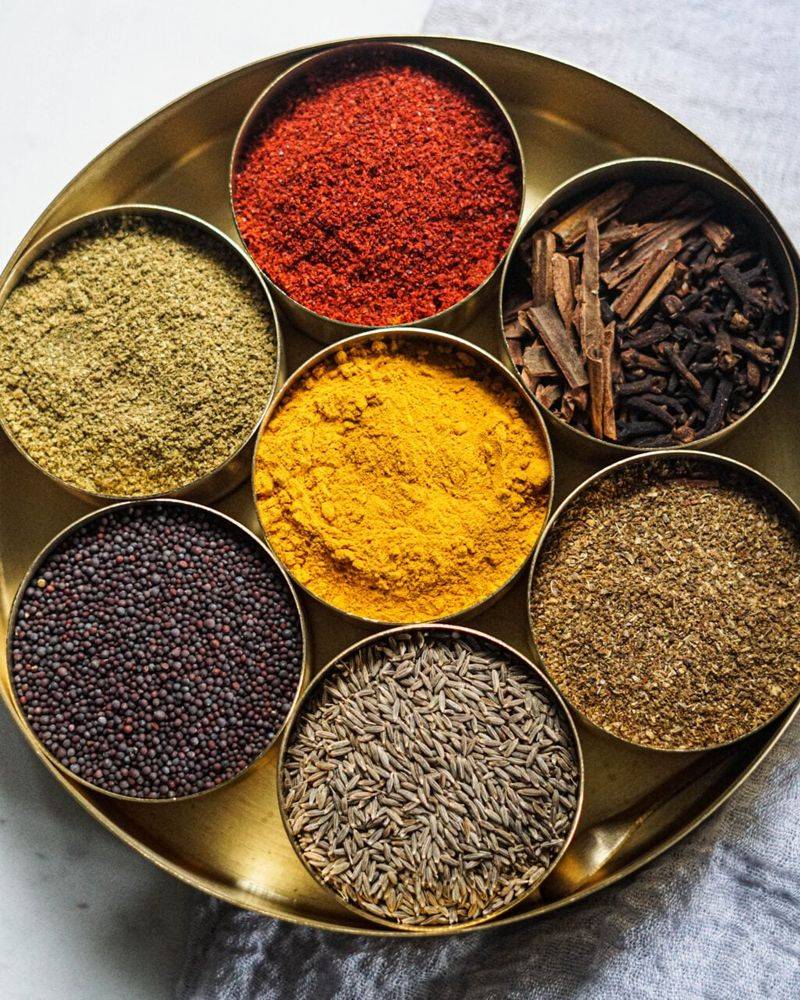
Walk into almost any Indian kitchen and you'll spot a round stainless steel tin called a masala dabba sitting close to the stove. Inside are seven small compartments, each holding a different essential spice selected specifically for that family's cooking style.
Mothers teach daughters which spices go in which dishes, and the combination varies by region and household. It's a deeply personal culinary fingerprint.
Opening a masala dabba feels like reading someone's cooking biography in a single glance.
5. Morocco's Tagine Slow-Cooking Method
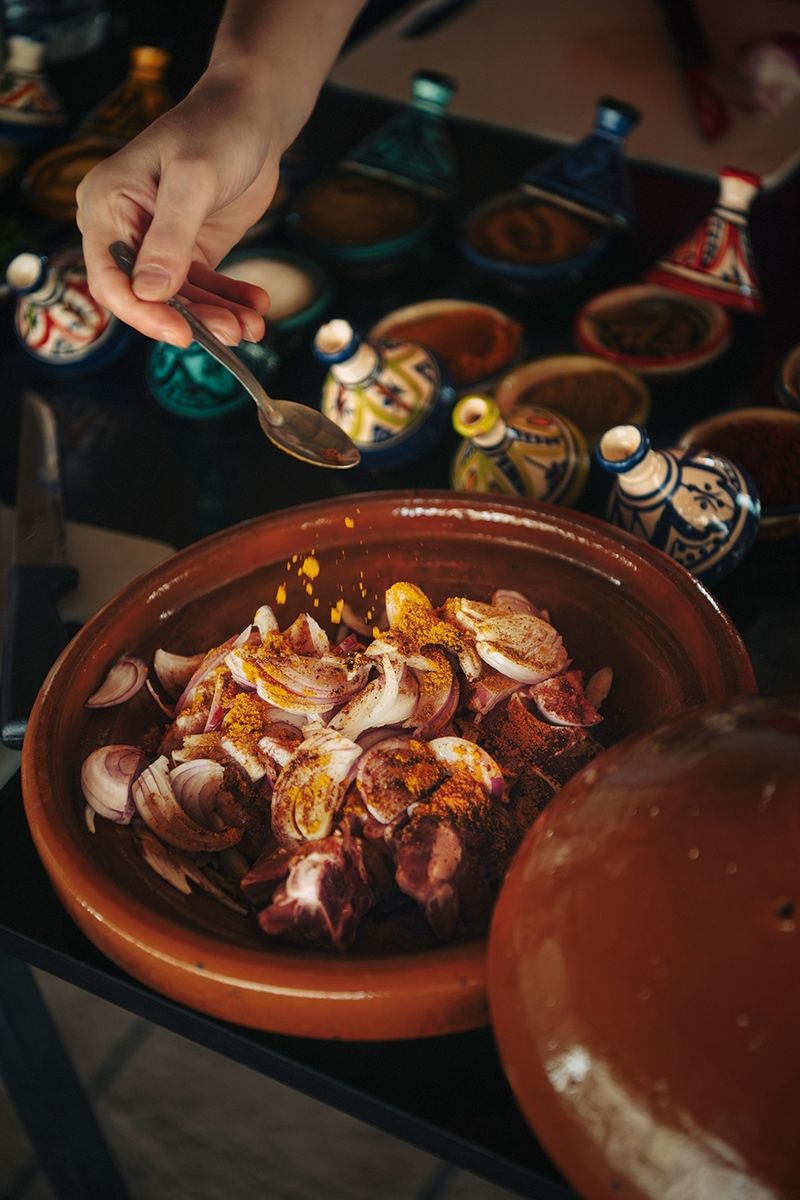
The tagine is both a cooking pot and a philosophy. Named after the cone-shaped clay vessel it's cooked in, this Moroccan tradition uses low heat and sealed steam to slowly transform tough cuts of meat and vegetables into something meltingly tender.
Families in Morocco have been cooking this way for centuries, and the method requires almost no water because the steam recycles itself inside the lid. Slow, steady, and incredibly flavorful — the tagine teaches patience through every bite.
6. China's Tradition of Making Dumplings Together
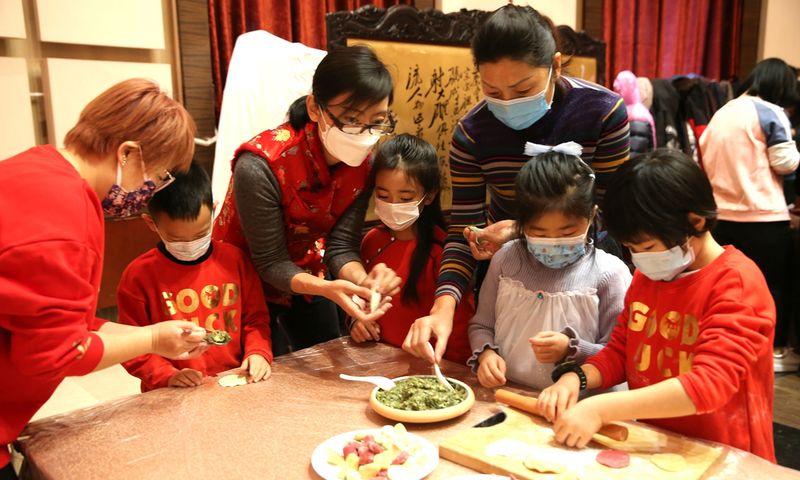
Chinese New Year wouldn't feel complete without the whole family crowded around a table, folding hundreds of dumplings together. Each dumpling is pinched shut by hand, and skilled grandparents can fold dozens of perfect pleats in seconds while kids are still wrestling with their first one.
Some families hide a coin inside one dumpling — whoever bites into it gets good luck for the year. Making dumplings is loud, messy, and absolutely joyful.
The meal matters less than the making.
7. Ethiopia's Injera Fermentation Tradition
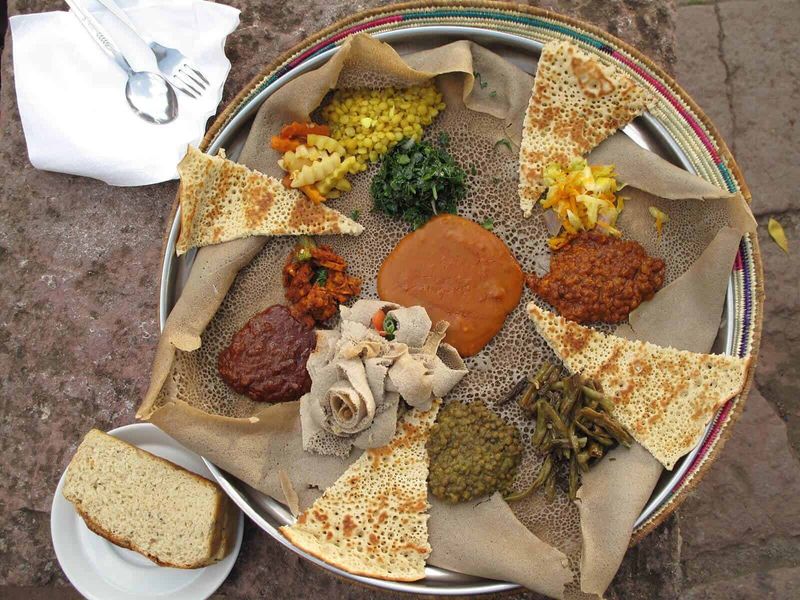
Injera, Ethiopia's spongy sourdough flatbread, starts its life three days before anyone eats it. Teff flour is mixed with water and left to ferment naturally, developing a pleasantly sour flavor that pairs perfectly with spiced stews called wats.
Cooking injera on a large clay griddle called a mitad is considered a skill that takes years to master. The bread doubles as both plate and utensil — you tear it, scoop your food, and eat everything together.
Brilliant and delicious.
8. France's Butter-Basting Technique (Arroser)
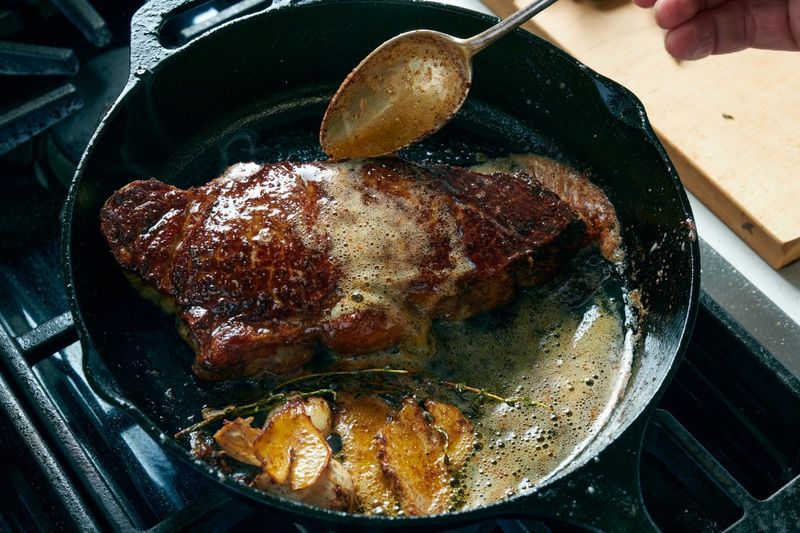
French chefs have a move so simple it sounds almost too good to be true: repeatedly spooning hot melted butter over meat while it cooks. Called arroser, this basting technique keeps proteins moist and infuses them with rich, nutty flavor from browning butter.
Home cooks in France learn this early, treating it like second nature. The constant tilting of the pan and rhythmic spooning looks almost meditative.
Once you try it, plain pan-frying feels strangely incomplete. Butter, as the French will tell you, fixes everything.
9. Peru's Ceviche Citrus-Cooking Tradition
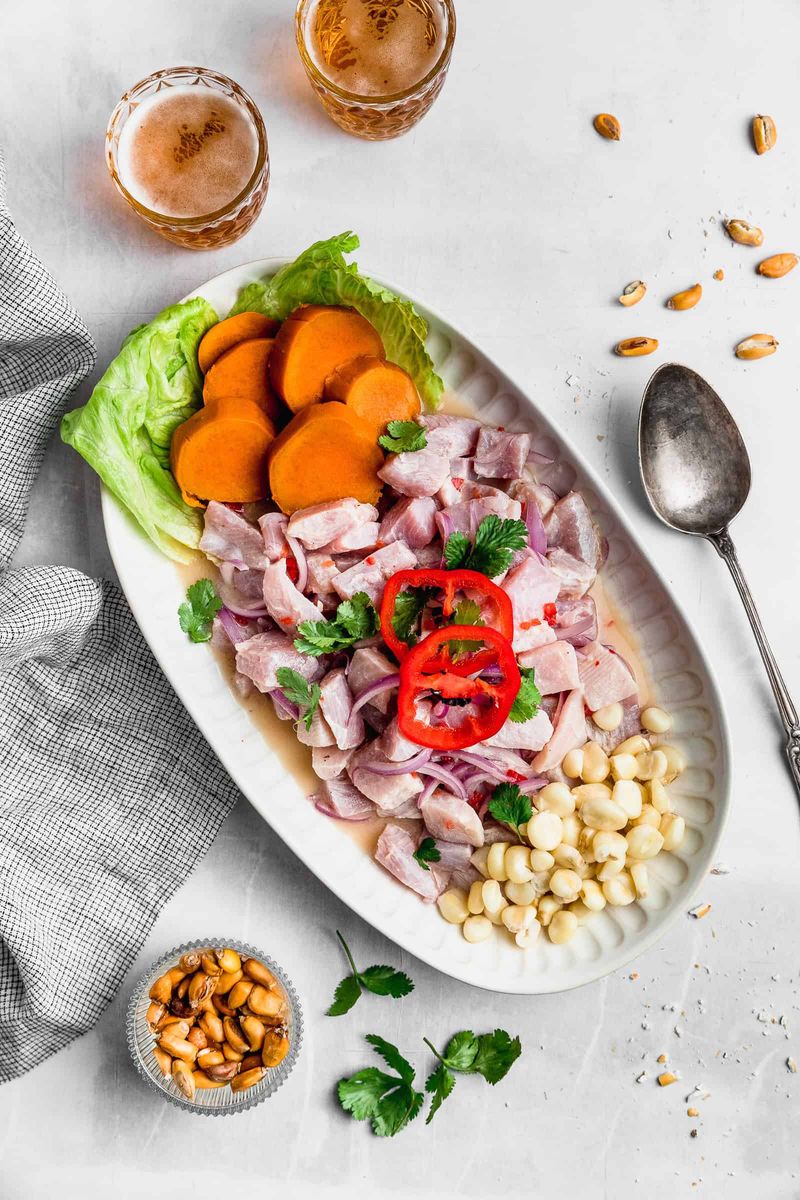
Raw fish cooked without heat sounds impossible, but Peru's ceviche tradition proves chemistry can do what fire cannot. Fresh fish is marinated in lime juice, which chemically changes the proteins in the flesh, turning it firm and opaque — technically "cooking" it cold.
The marinade, called leche de tigre or tiger's milk, is so prized that some Peruvians drink it straight as a morning energy boost. Ceviche is Peru's national dish and a source of enormous pride.
Every coastal family has its own jealously guarded recipe.
10. Italy's Sunday Gravy Ritual
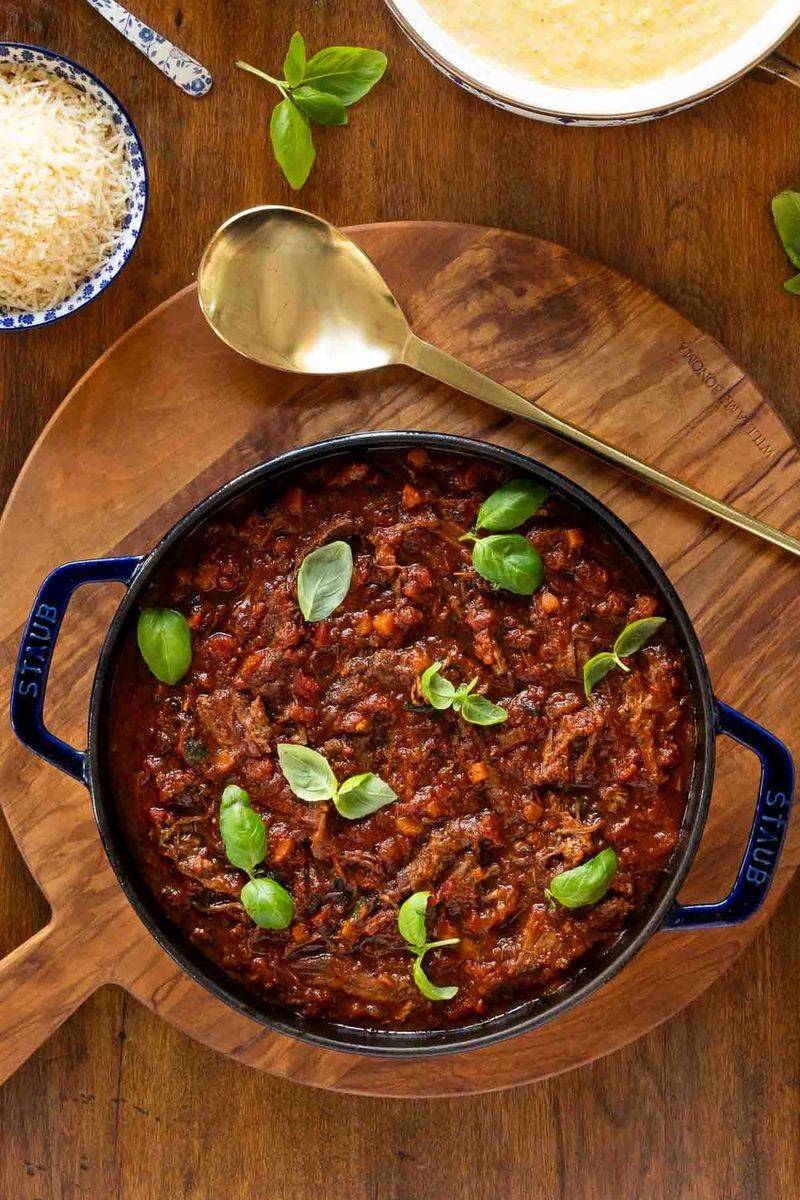
Sunday mornings in many Italian households begin with one unmistakable smell: tomato sauce slowly bubbling on the stove. This weekly ritual, known as Sunday gravy, involves simmering a rich meat sauce for hours while the whole family drifts in and out of the kitchen.
The sauce recipe is usually memorized, never written down, passed directly from grandmother to grandchild through watching and tasting. Sundays aren't just about eating — they're about gathering.
The pot on the stove is basically a standing invitation to come home.
11. Korea's Kimchi-Making Season (Kimjang)
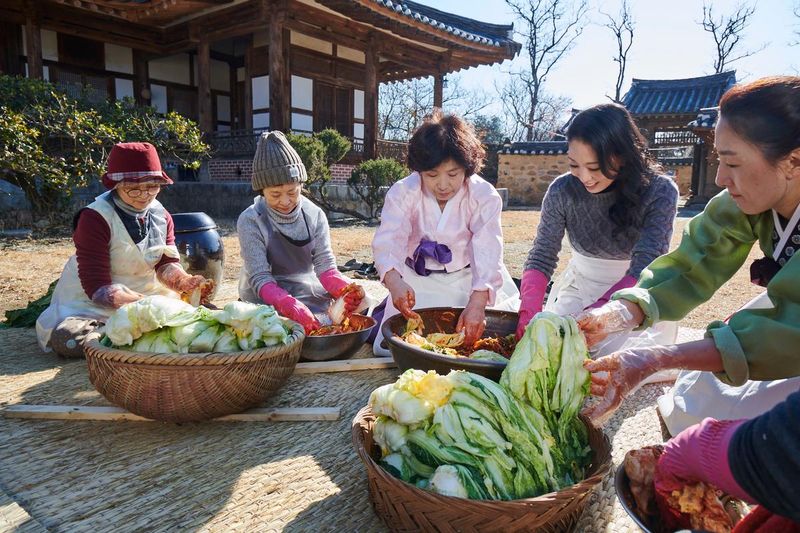
Every autumn in Korea, communities come together for kimjang — a massive group effort to make enough kimchi to last the entire winter. Hundreds of heads of napa cabbage are salted, rinsed, and packed with a fiery paste of chili, garlic, ginger, and fermented shrimp.
Neighbors share labor, recipes, and endless conversation during this tradition, which UNESCO recognized as an Intangible Cultural Heritage. The physical work is intense, but so is the reward.
A jar of homemade kimjang kimchi tastes like belonging in the best possible way.
12. Turkey's Tea-Making Ceremony with a Double Kettle
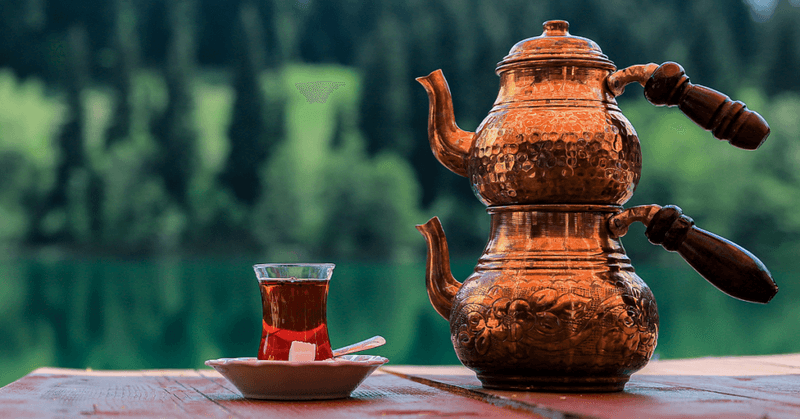
Turkish tea culture runs so deep that the country consumes more tea per person than almost anywhere else on earth. The secret is a double kettle called a caydanlik — the bottom boils water while the top brews a concentrated dark tea that gets diluted to each drinker's preferred strength.
Offering tea to guests is a social obligation in Turkey; refusing it is considered mildly rude. The tulip-shaped glass lets you see the tea's color and judge its strength at a glance.
Simple, elegant, and deeply welcoming.
13. Brazil's Feijoada Weekend Tradition
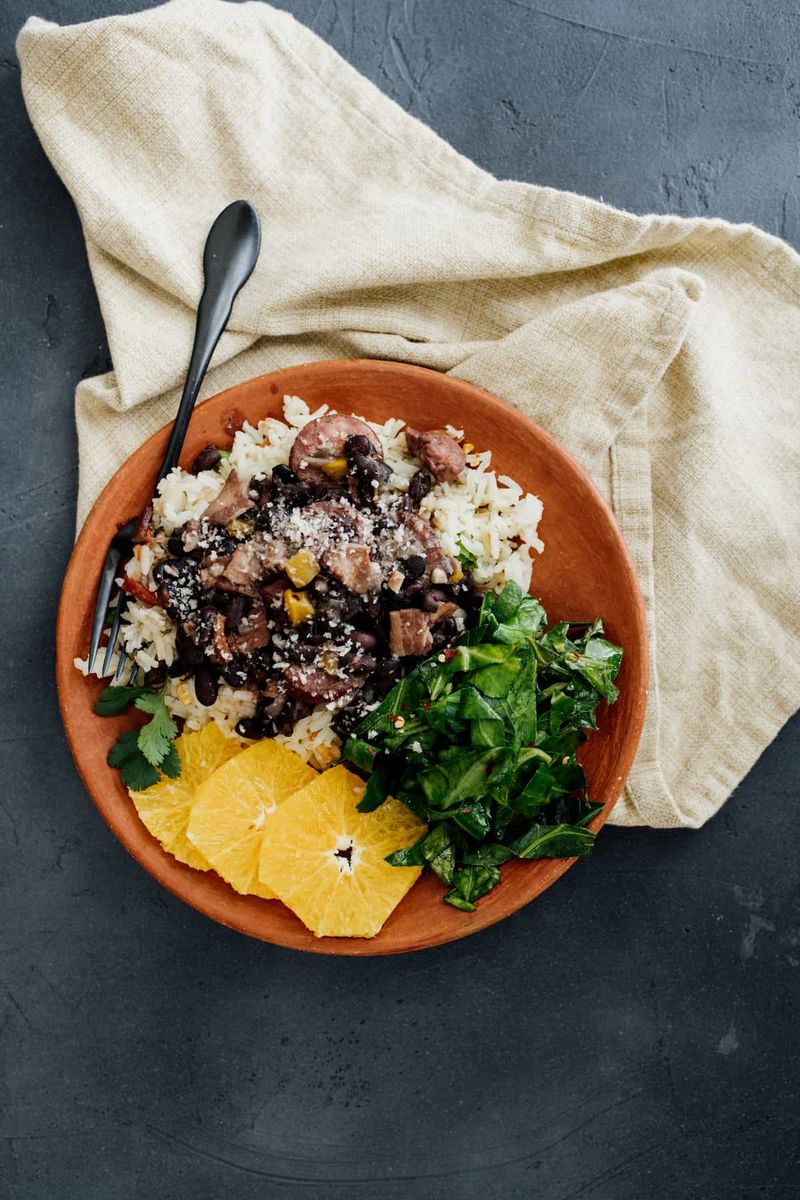
Saturday in Brazil often means one thing: feijoada. This hearty black bean and pork stew has been Brazil's unofficial national dish for centuries, originally created by enslaved Africans who transformed discarded pork cuts into something extraordinary.
Cooking feijoada is an all-morning event — the beans and various cuts of pork simmer together slowly until everything becomes impossibly rich and thick. Families eat it with rice, collard greens, and orange slices to cut through the richness.
Leftovers, everyone agrees, taste even better the next day.
14. Thailand's Mortar and Pestle Paste-Pounding Tradition
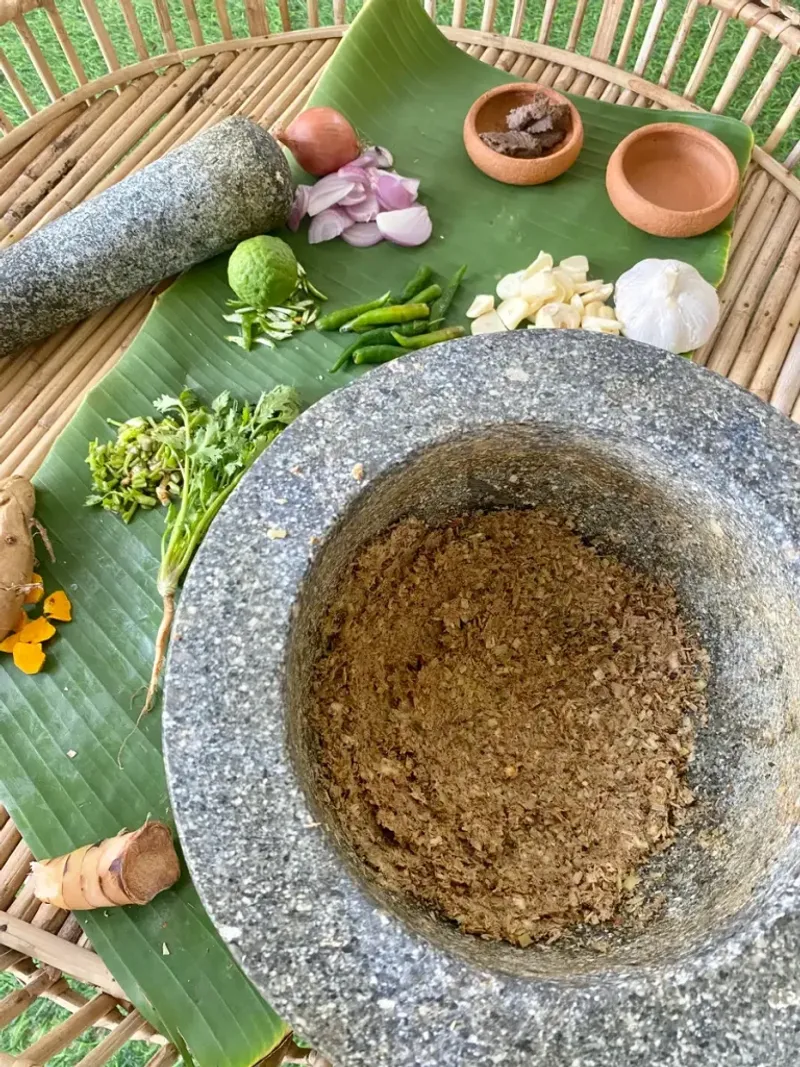
Thai cooking has a rhythm to it, and that rhythm often comes from the thud-thud-thud of a heavy stone mortar and pestle. Curry pastes, som tam dressing, and countless other foundations are made fresh by pounding — not blending — because the bruising releases oils that blenders simply cannot replicate.
Thai grandmothers insist that machine-blended paste tastes flat compared to hand-pounded versions. The texture is different, the aroma is stronger, and the process itself is meditative.
Your arms get a workout, but the flavor payoff is absolutely worth it.
15. Georgia's (Country) Supra Feast Tradition
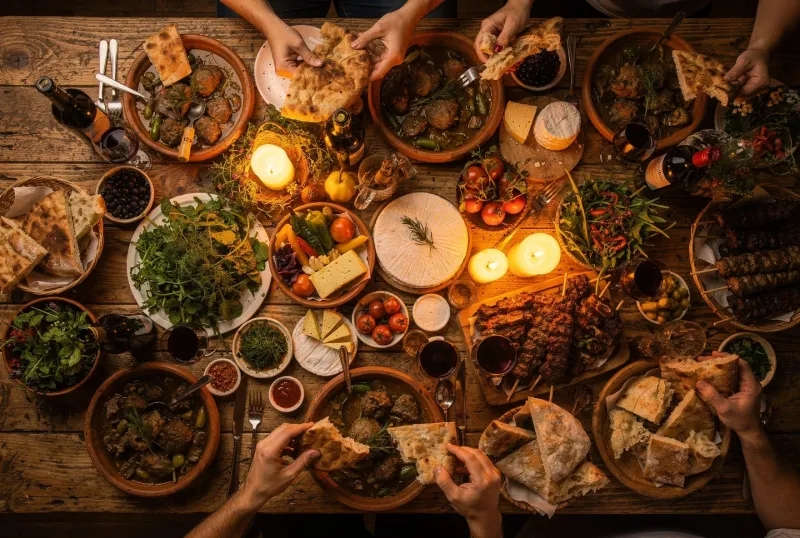
In the country of Georgia, a supra isn't just a dinner party — it's a full ceremonial feast guided by a designated toastmaster called a tamada. This person leads a series of heartfelt toasts throughout the meal, covering everything from family to peace to the memory of loved ones.
The table itself is a spectacle: dozens of dishes arrive simultaneously, covering every inch of the surface. Guests are expected to eat, toast, sing, and stay for hours.
Leaving early is practically unthinkable. Georgian hospitality is legendary for good reason.
16. Spain's Paella Rice-Scraping Tradition (Socarrat)
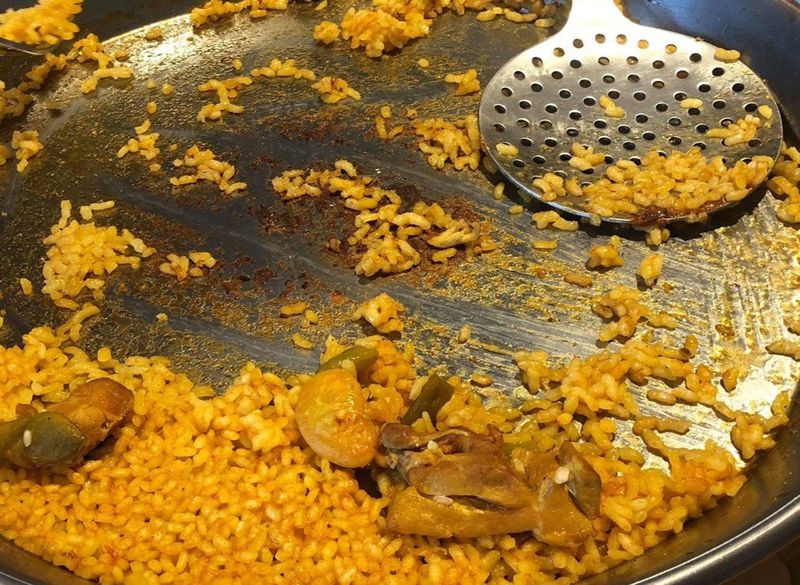
Paella fans in Spain will argue passionately about many things, but they all agree on one point: the socarrat is the best part. Socarrat is the crispy, caramelized layer of rice that forms on the bottom of the pan when paella is cooked correctly over high heat at the very end.
Getting it right takes skill — too long and it burns, too short and it stays soggy. Valencian cooks listen carefully to the sound the pan makes, using their ears as much as their eyes.
Pure golden, crunchy perfection in every scrape.
17. Lebanon's Mezze Sharing Culture
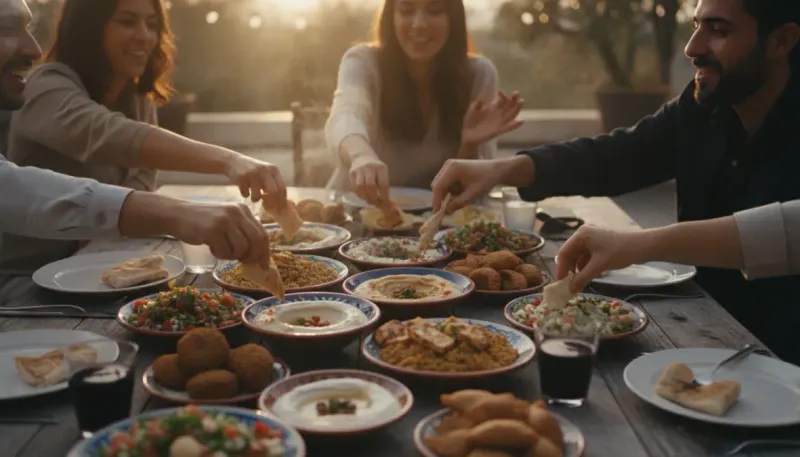
Lebanese meals rarely start with a main course — they start with mezze, an elaborate spread of small shared dishes that can easily number twenty or more plates. Hummus, tabbouleh, baba ghanoush, kibbeh, and stuffed grape leaves arrive in waves, encouraging conversation and slow, communal eating.
The philosophy behind mezze is generous by nature: the more people at the table, the more dishes appear. No one goes hungry and no one eats alone.
Lebanese food culture treats the table as a gathering place first and a dining space second.
18. India's Tandoor Clay Oven Cooking
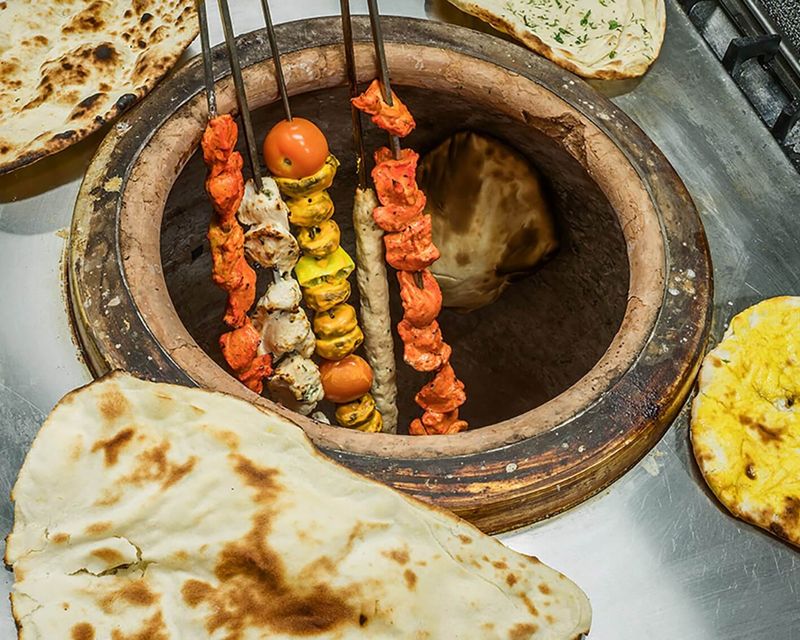
Buried in the ground or standing upright in restaurant kitchens, the tandoor is a cylindrical clay oven that reaches temperatures most modern ovens can only dream about — sometimes over 900 degrees Fahrenheit. Bread slaps directly onto the interior walls, puffing and charring in seconds.
Marinated meats on long skewers cook in minutes, emerging smoky and tender with a char that no other cooking method can replicate. Tandoor cooking has roots going back at least 5,000 years in the Indian subcontinent.
Ancient technology, absolutely timeless results.
19. Philippines' Kamayan Feast Tradition
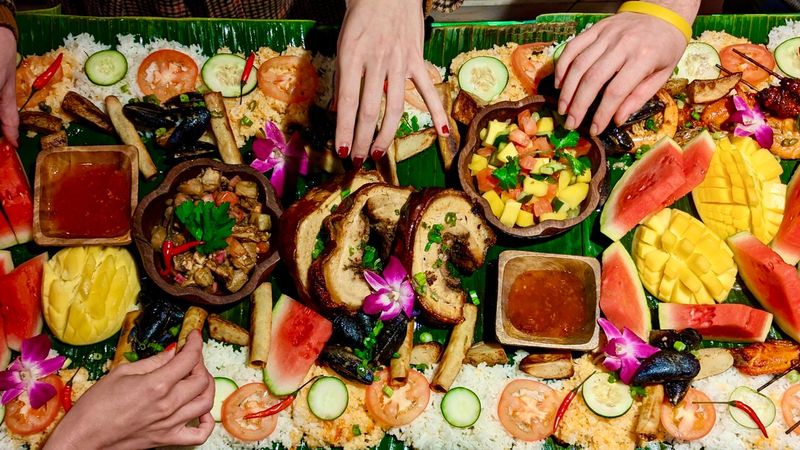
Forget the fork — at a kamayan feast in the Philippines, your hands are the only utensil you need. Banana leaves are spread across a long table, then piled high with mounds of rice, grilled meats, seafood, and vegetables for everyone to share communally.
The word kamayan literally comes from kamay, meaning hand. Eating this way connects people to their food and to each other in a surprisingly intimate way.
It's messy, lively, and completely freeing. First-timers always leave with the widest smiles and the messiest sleeves.
20. Sweden's Fika Coffee Break Culture
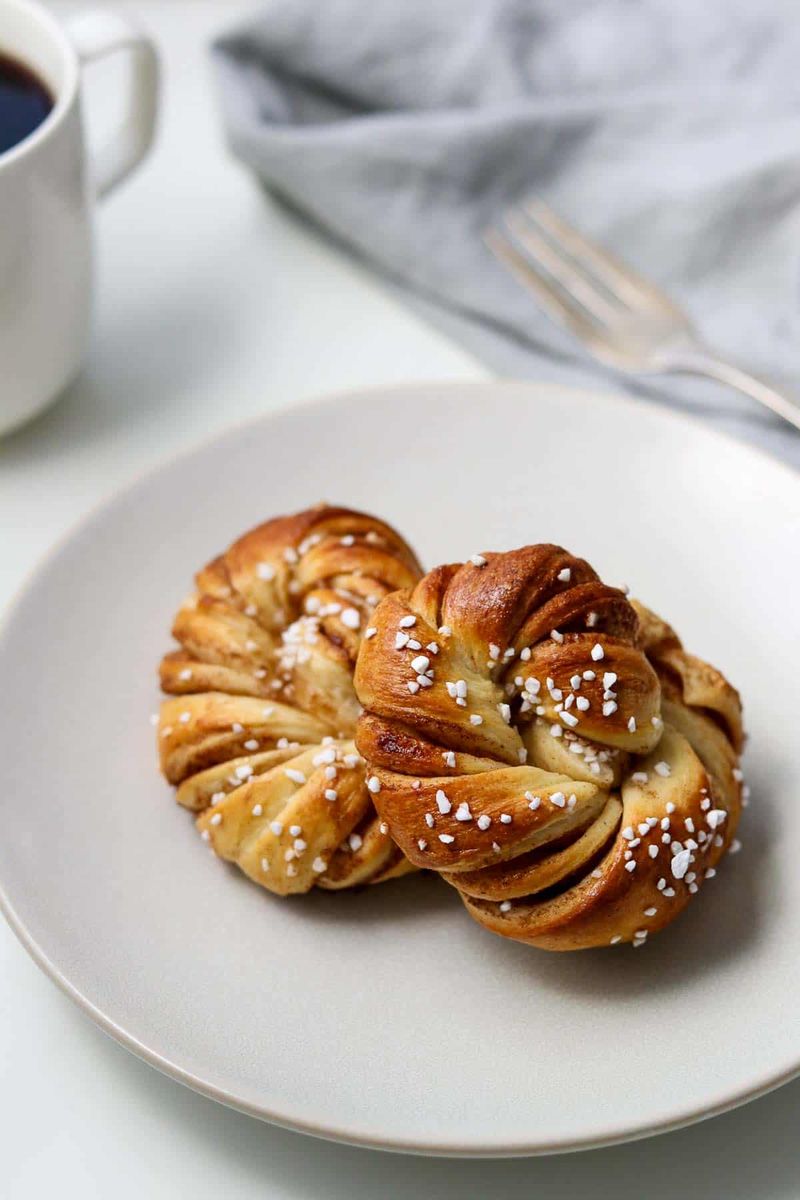
Twice a day in Sweden, workplaces, families, and friends pause for fika — a ritualized coffee break that's about far more than caffeine. The word fika can be both a noun and a verb, and it always involves coffee paired with something sweet, like cinnamon or cardamom buns.
Swedish culture treats fika as a social obligation rather than a luxury. Skipping it is seen as antisocial.
Research even suggests Swedish workplaces with regular fika breaks have higher productivity and happier employees. Sometimes the most productive thing you can do is simply sit down and enjoy a bun.
21. Mexico's Day of the Dead Altar Food Offerings
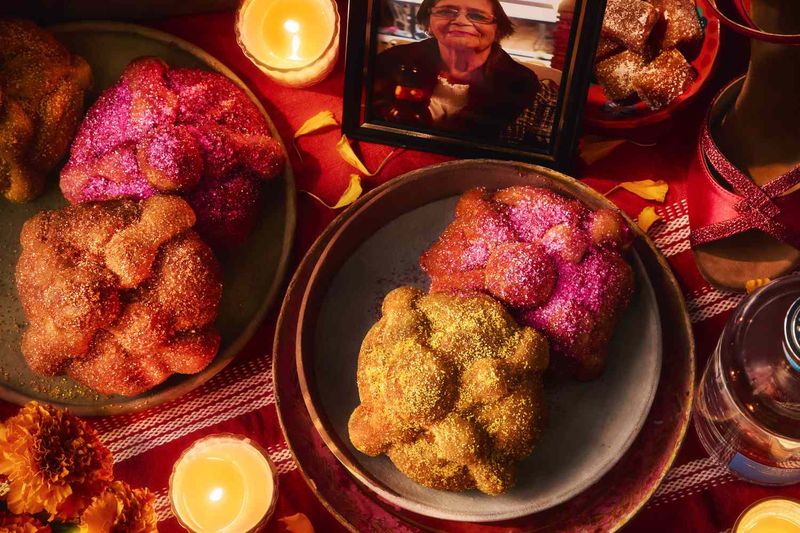
During Dia de los Muertos, Mexican families build elaborate altars called ofrendas and fill them with the favorite foods of their deceased relatives. The belief is that spirits return briefly each year and are nourished by the aroma and essence of these offerings.
Pan de muerto, a sweet egg bread decorated with bone shapes, is baked specifically for this occasion. Tamales, mole, and fruits also appear on altars across the country.
Cooking for the dead is treated with the same love and care as cooking for the living.
22. New Zealand's Hangi Earth Oven Tradition
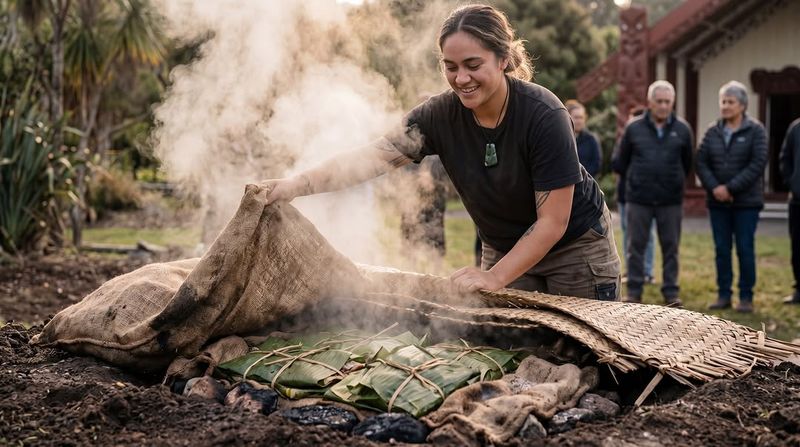
The Maori people of New Zealand have been cooking hangi for centuries, and the method is as dramatic as it is delicious. Rocks are heated in a fire until they glow red-hot, then lowered into a pit in the ground along with baskets of meat, potatoes, and vegetables wrapped in leaves.
The pit is covered with wet cloth and earth, sealing in steam and heat for several hours. When uncovered, the food emerges smoky, tender, and infused with an earthy flavor impossible to replicate indoors.
A hangi isn't just a meal — it's a ceremony.




Comments
No Comments