













Eating healthy does not have to be complicated or boring. The right fruits and vegetables can make nutritious meals feel like a treat rather than a chore.
Packed with vitamins, minerals, and natural energy, these plant-based foods support your body and brain every single day. Whether you are just starting your healthy eating journey or looking for fresh inspiration, this list has something delicious for everyone.
1. Bananas
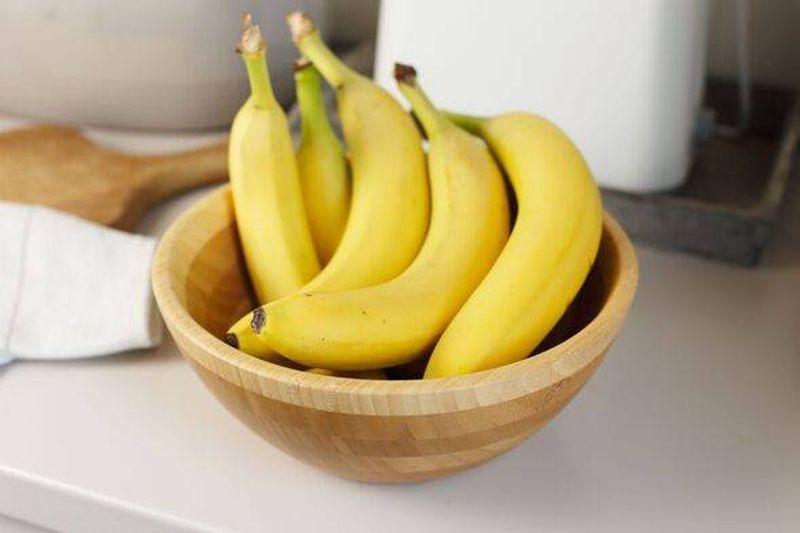
Few snacks are as grab-and-go friendly as a banana. Peel it, eat it, and feel energized within minutes.
Bananas are loaded with potassium, which helps your muscles work properly, making them a favorite among athletes and students alike.
They also contain natural sugars that give you a quick energy boost without a crash. Toss one in your backpack for a perfect between-class snack that requires zero prep work.
2. Spinach
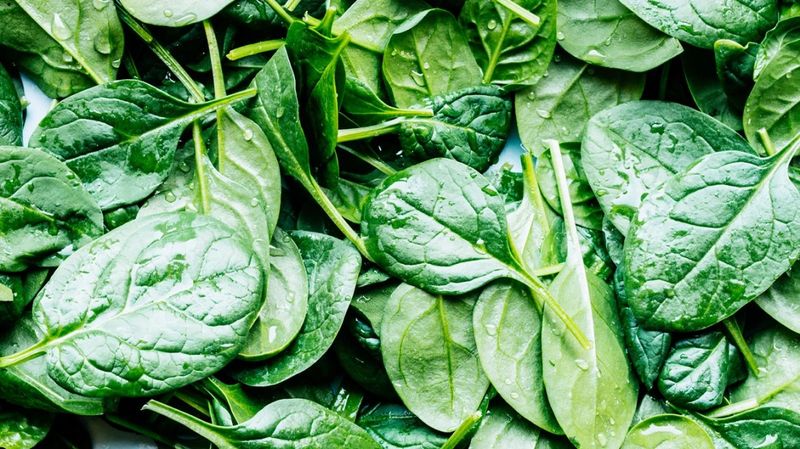
Popeye was onto something when he reached for spinach. This leafy green is one of the most nutrient-dense foods on the planet, delivering iron, calcium, and vitamins A, C, and K in every handful.
Raw spinach has a mild flavor that blends easily into smoothies without changing the taste. You can also toss it into pasta, scrambled eggs, or sandwiches and barely notice it is there.
3. Blueberries
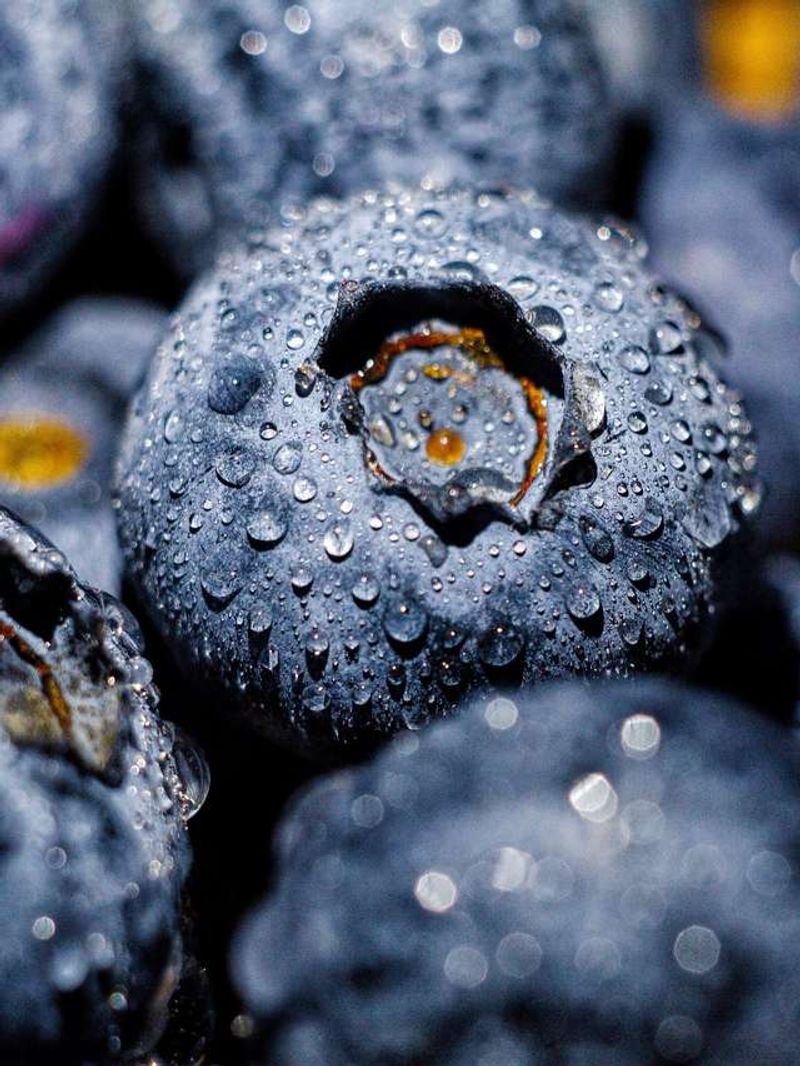
Tiny but mighty, blueberries pack more antioxidants than almost any other fruit. Antioxidants protect your body from damage caused by stress and pollution, keeping your cells healthier for longer.
Studies suggest blueberries may even support memory and brain function, which is great news for anyone studying for exams. Sprinkle them on yogurt, oatmeal, or cereal for a burst of sweetness that feels like dessert but fuels your body like a superfood.
4. Carrots
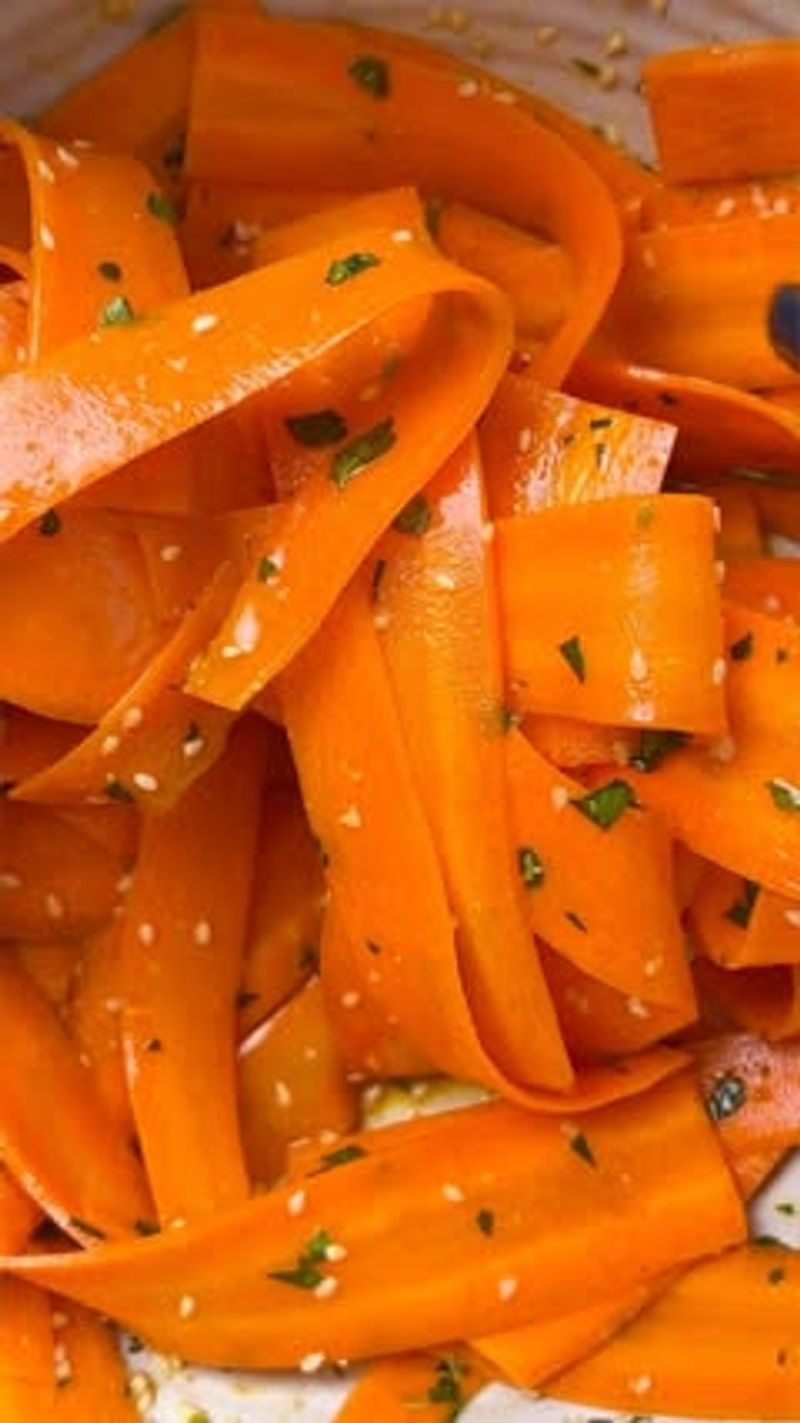
Crunchy, sweet, and satisfying, carrots are one of the easiest vegetables to snack on raw. They are rich in beta-carotene, which your body converts into vitamin A to support healthy vision and glowing skin.
Baby carrots are especially convenient because they come pre-washed and ready to eat straight from the bag. Pair them with hummus for a filling snack that keeps you energized between meals without reaching for chips or candy.
5. Apples
There is a reason the saying goes an apple a day keeps the doctor away. Apples are high in fiber, which keeps your digestive system running smoothly and helps you feel full longer after eating.
They also contain vitamin C and a group of plant compounds called flavonoids that support heart health. With dozens of varieties ranging from tart Granny Smith to sweet Honeycrisp, there is truly an apple out there for every taste preference.
6. Avocado
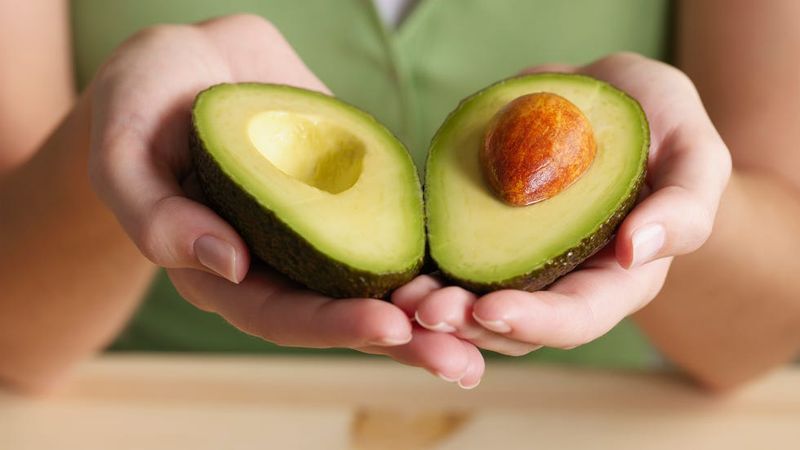
Avocado is the rare fruit that is full of healthy fats, making it incredibly filling and satisfying. Those heart-healthy monounsaturated fats help your body absorb fat-soluble vitamins from other foods you eat alongside it.
Spread avocado on whole-grain toast, mash it into guacamole, or slice it into a salad. Its creamy texture makes it a popular substitute for mayo or butter, cutting down on less healthy fats without sacrificing flavor or richness.
7. Sweet Potatoes
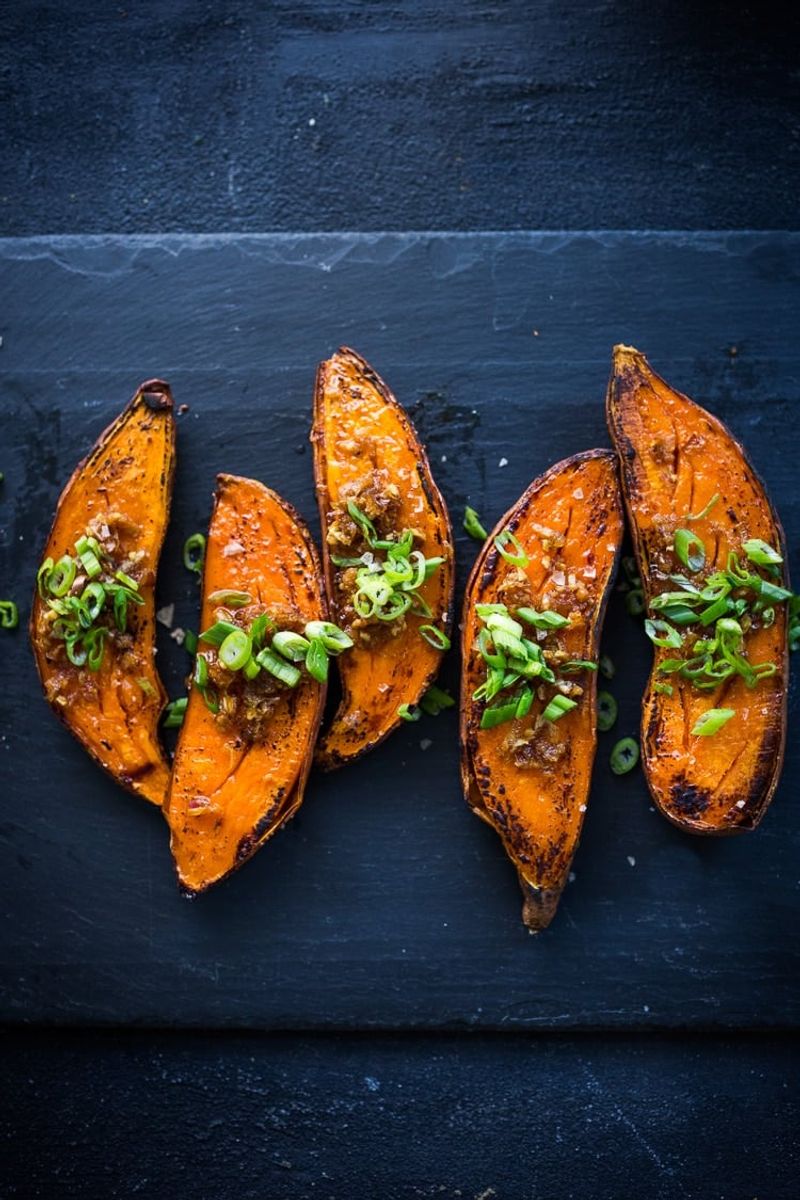
Sweet potatoes might just be the most underrated vegetable on the planet. Naturally sweet and hearty, they are packed with beta-carotene, fiber, potassium, and vitamins B6 and C, covering a wide range of your daily nutritional needs in one food.
Bake them whole, slice them into fries, or mash them with a little cinnamon for a cozy side dish. Their natural sweetness makes them a crowd-pleaser even among people who claim to dislike vegetables.
8. Strawberries
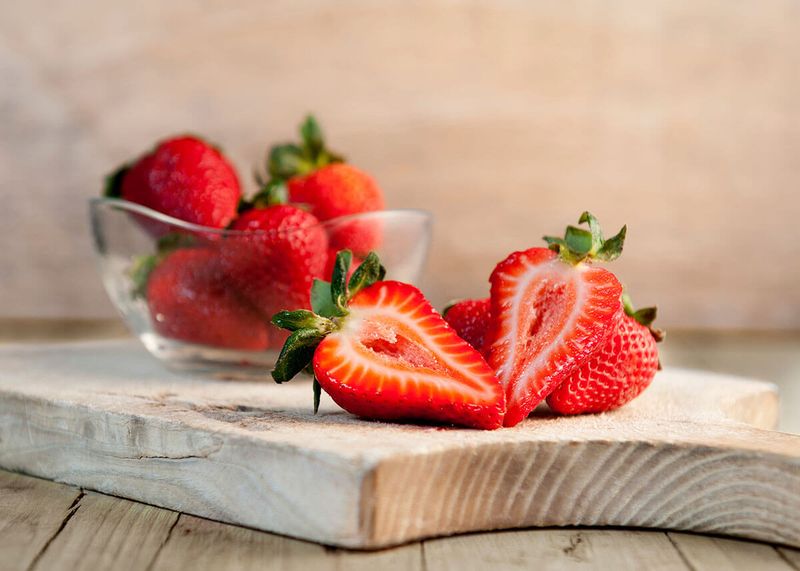
Strawberries are proof that healthy food can taste absolutely amazing. One cup of strawberries contains more vitamin C than a medium orange, supporting your immune system and helping your skin stay healthy.
They are also low in calories and high in fiber, making them one of the best fruits to enjoy guilt-free in large quantities. Add them to smoothies, top your oatmeal with them, or eat them fresh by the handful for a sweet, refreshing treat.
9. Broccoli
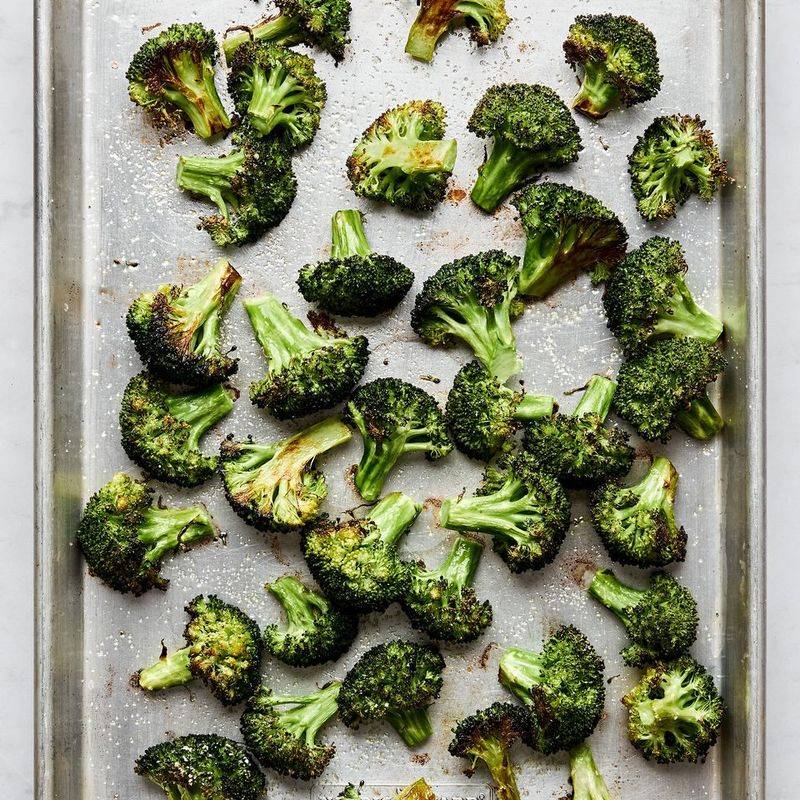
Broccoli has earned its reputation as one of the healthiest vegetables you can eat. It is loaded with vitamin C, vitamin K, folate, and fiber, and also contains powerful plant compounds that research suggests may support long-term health.
Roasting broccoli in the oven with olive oil and garlic transforms it into something genuinely crave-worthy, with crispy edges and deep flavor. If you have only ever eaten it steamed and plain, roasted broccoli might completely change your opinion of this green powerhouse.
10. Mangoes
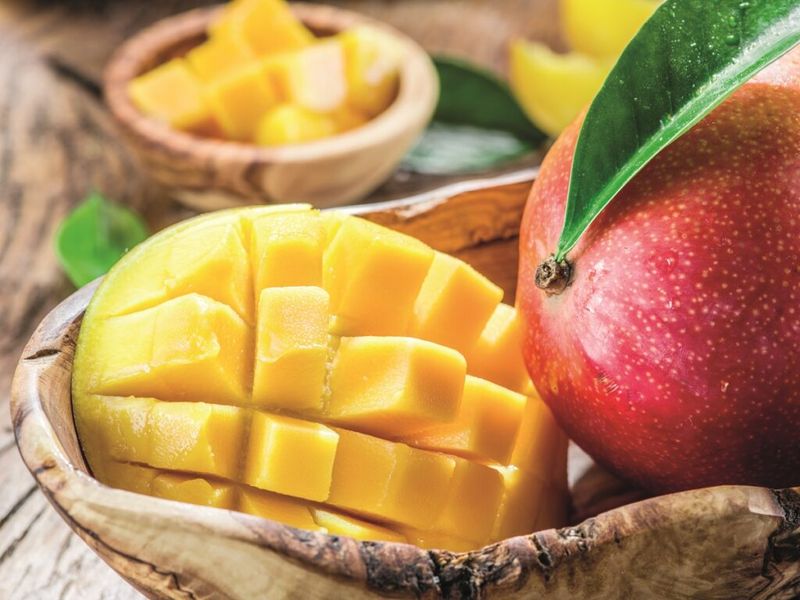
Nicknamed the king of fruits in many parts of the world, mangoes are as nutritious as they are delicious. A single mango provides nearly a full day worth of vitamin C and a hefty dose of vitamin A, supporting your immune system and eye health simultaneously.
Their tropical sweetness makes them a natural dessert replacement. Blend them into smoothies, toss them in a salsa, or simply eat them chilled on a warm day for an instant mood boost.
11. Cucumbers
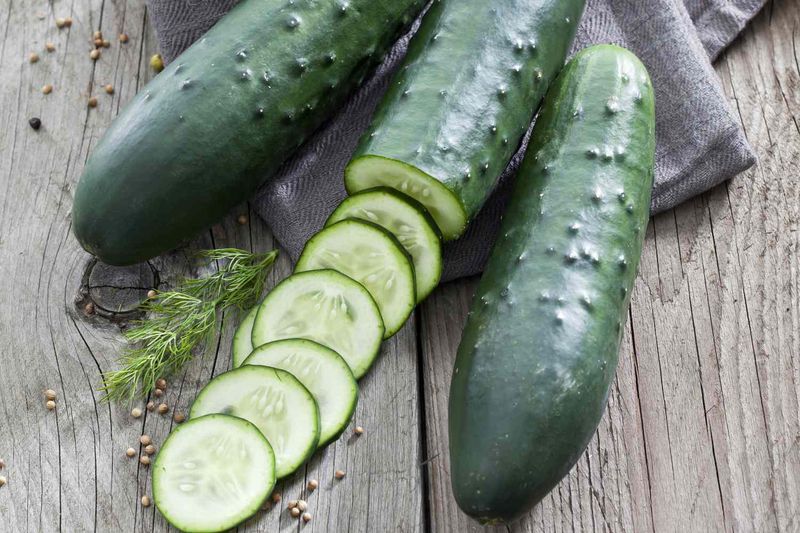
About 96 percent of a cucumber is water, making it one of the most hydrating foods you can eat. Staying hydrated is essential for focus, energy, and overall health, and cucumbers make hitting your daily water intake much more enjoyable.
They are also incredibly low in calories, so you can snack on them freely without worrying about overindulging. Slice them into rounds, dip them in hummus or Greek yogurt dip, and enjoy a refreshing crunch that feels light and satisfying.
12. Bell Peppers
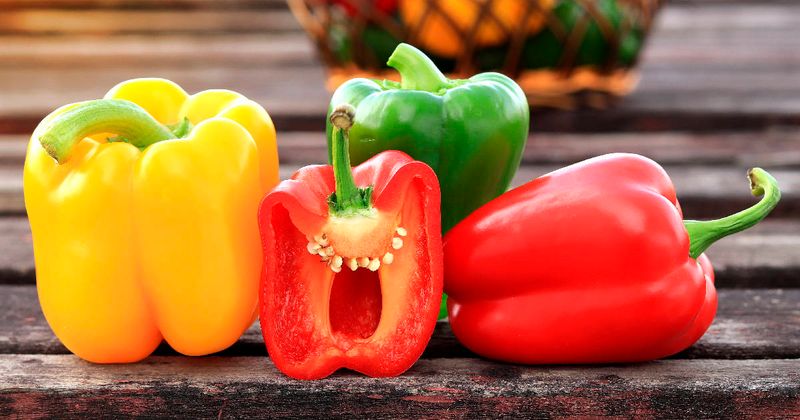
Bell peppers are like nature's candy, especially the red and yellow varieties, which develop a natural sweetness as they ripen. Red bell peppers contain almost three times more vitamin C than an orange, making them one of the top immune-boosting foods available.
Eat them raw with dip, roast them into soups, or stuff them with rice and beans for a complete meal. Their vibrant colors also make meals look more appealing and appetizing on the plate.
13. Watermelon
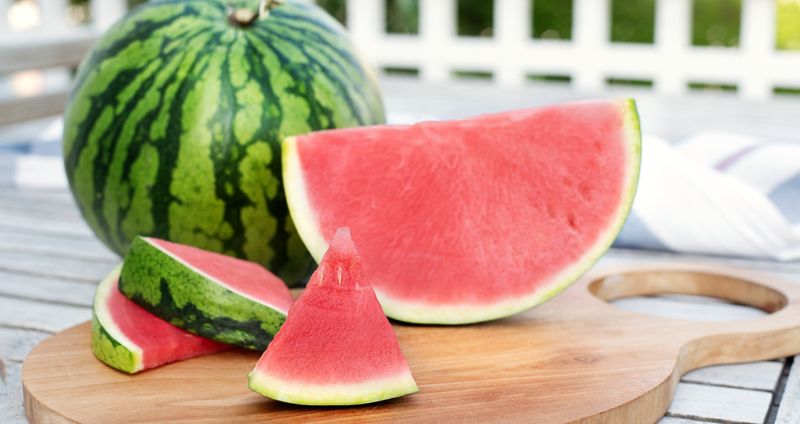
Nothing says summer quite like biting into a cold slice of watermelon. Beyond its refreshing taste, watermelon is about 92 percent water, helping you stay hydrated on hot days when you might not feel like drinking plain water.
It also contains lycopene, a powerful antioxidant linked to heart health and sun protection for your skin. Share a slice at a picnic, blend it into a slushie, or cube it into a fruit salad for an easy and festive healthy treat.
14. Kale
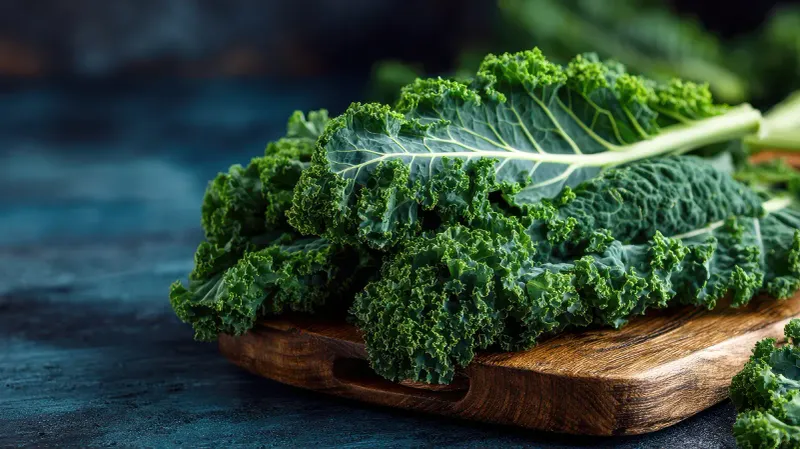
Kale became a wellness superstar for good reason. Gram for gram, it is one of the most nutrient-rich foods on Earth, offering calcium, iron, vitamins A, C, and K, and a range of antioxidants all in one leafy package.
Massaging raw kale with a little olive oil and lemon juice softens it and reduces its natural bitterness, making it much more enjoyable to eat fresh. Try it in salads, bake it into crispy chips, or blend it into a green smoothie.
15. Oranges
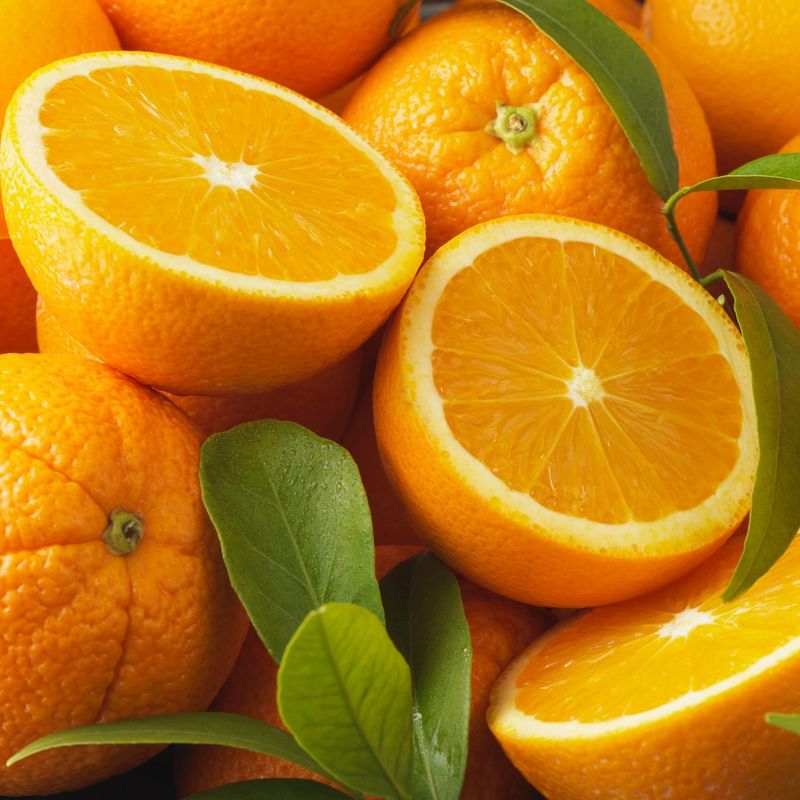
Oranges are practically synonymous with vitamin C, and for good reason. One medium orange delivers over 100 percent of your recommended daily intake of this essential vitamin, which supports your immune system and helps your body absorb iron from plant-based foods.
The natural fiber in oranges also slows down sugar absorption, making them a smarter choice than orange juice. Peel one for a portable, zero-prep snack that smells amazing and leaves you feeling refreshed and energized.
16. Zucchini
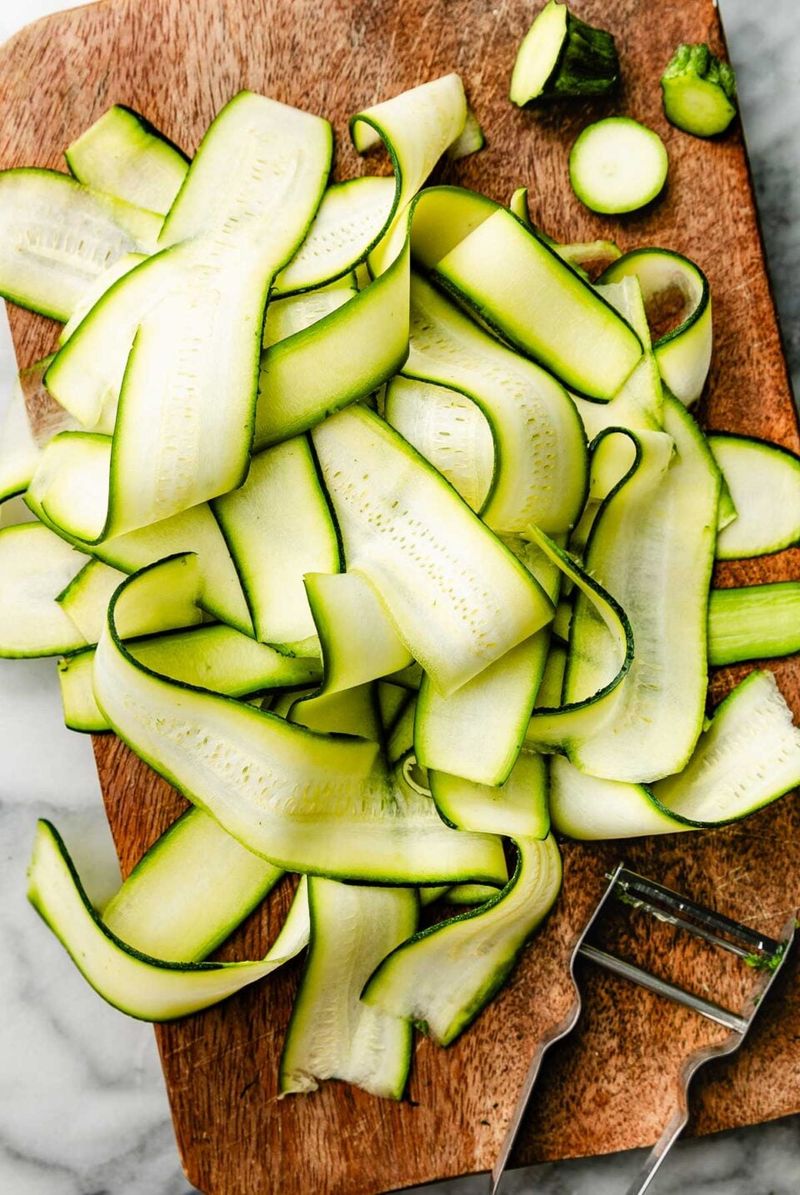
Zucchini is the ultimate kitchen chameleon. It has a mild flavor that takes on the taste of whatever you cook it with, making it easy to sneak into meals without anyone noticing.
Spiralize it into noodles, grate it into muffins, or slice it onto a pizza.
Low in calories and high in water content, zucchini is also a great way to add volume to meals without adding extra calories. It is rich in vitamin C, potassium, and manganese.
17. Grapes
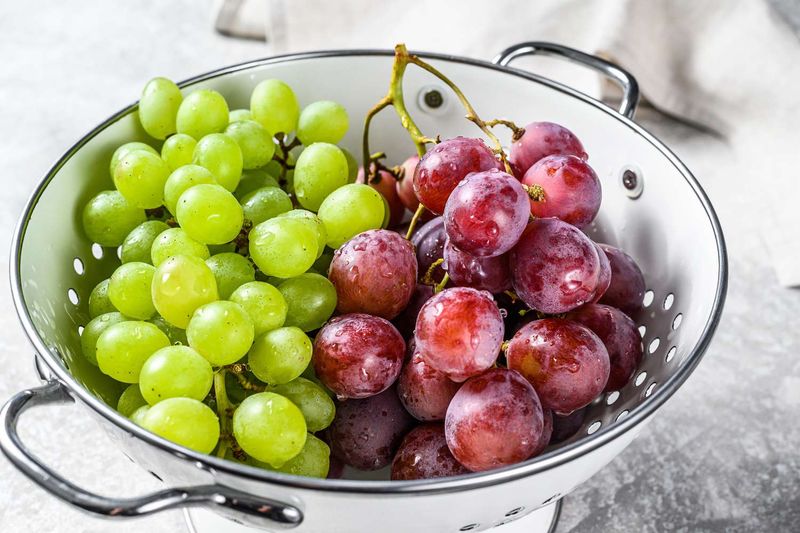
Grapes are one of those snacks that feel indulgent but are actually really good for you. They contain resveratrol, a natural compound found in the skin of red grapes that researchers have linked to heart health and reduced inflammation in the body.
Freeze a bunch of grapes for a couple of hours and you have a naturally sweet, icy treat that rivals any store-bought popsicle. They are also portable, bite-sized, and require no preparation whatsoever, making them a truly effortless healthy snack.
18. Peas
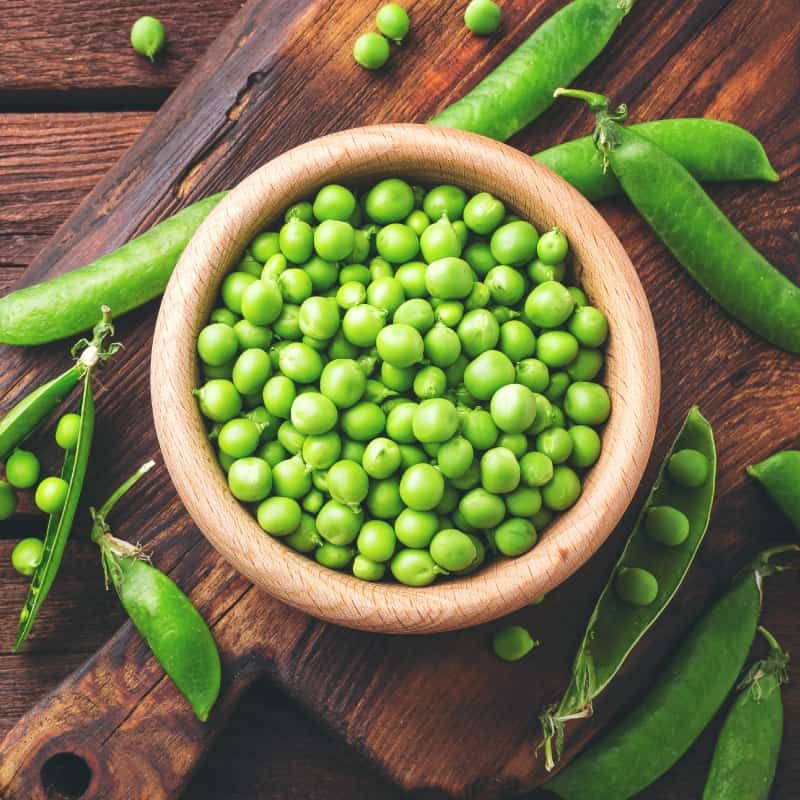
Peas might be small, but they punch well above their weight in the nutrition department. They are one of the few vegetables that provide a significant amount of plant-based protein, along with fiber, vitamin K, and folate, making them especially valuable for vegetarians.
Stir them into rice, pasta, or soups for an easy protein boost that requires no extra cooking time. Frozen peas are just as nutritious as fresh ones and are one of the most budget-friendly healthy foods you can buy.
19. Kiwi
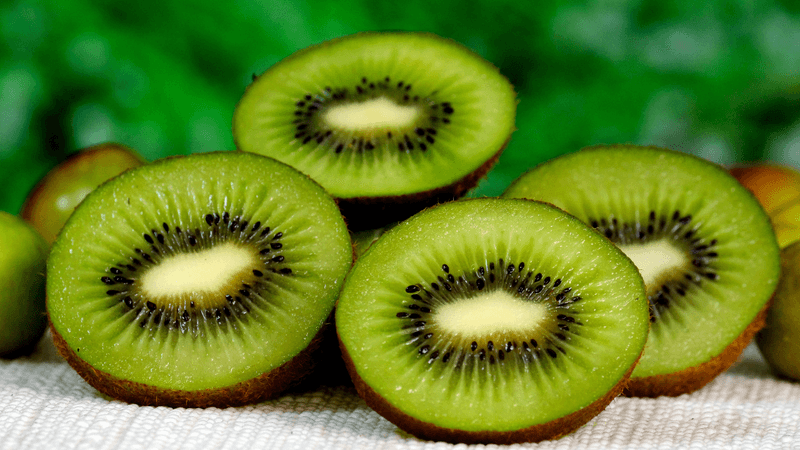
Do not let the small size fool you because kiwi is a nutritional powerhouse. One kiwi contains more vitamin C than an orange and also provides vitamin K, folate, and potassium, covering a surprisingly wide range of your nutritional bases.
Research has shown that eating kiwi regularly may help improve sleep quality, which is a bonus most people would welcome. Scoop the flesh out with a spoon, slice it into fruit salads, or blend it into tropical smoothies for a tangy, refreshing flavor.
20. Cherry Tomatoes
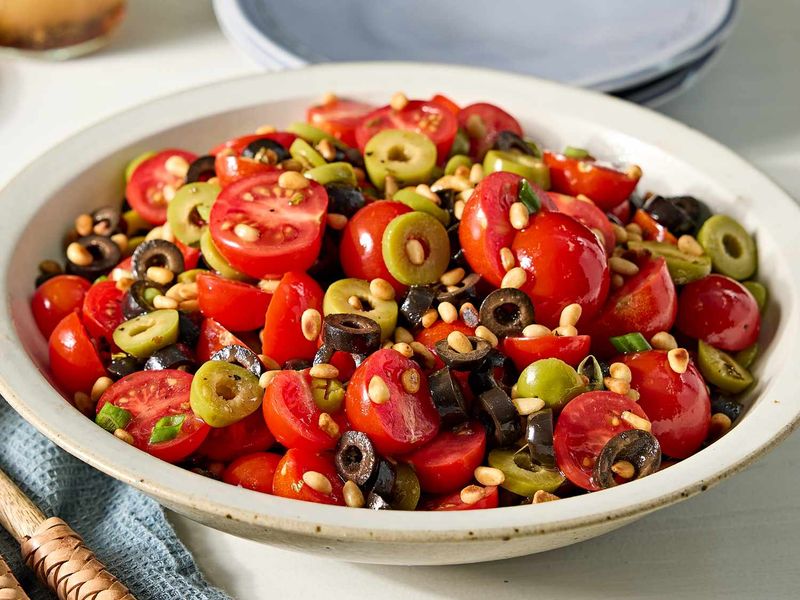
Cherry tomatoes are one of the easiest healthy snacks to pop in your mouth without any preparation at all. Technically a fruit, they are rich in lycopene, vitamin C, and potassium, and their small size makes them perfect for snacking, salads, or roasting whole.
Roasting cherry tomatoes in the oven concentrates their natural sweetness and creates a rich, jammy flavor that pairs beautifully with pasta or crusty bread. Keep a bowl on the counter as a visual reminder to snack smart throughout the day.
21. Pomegranate
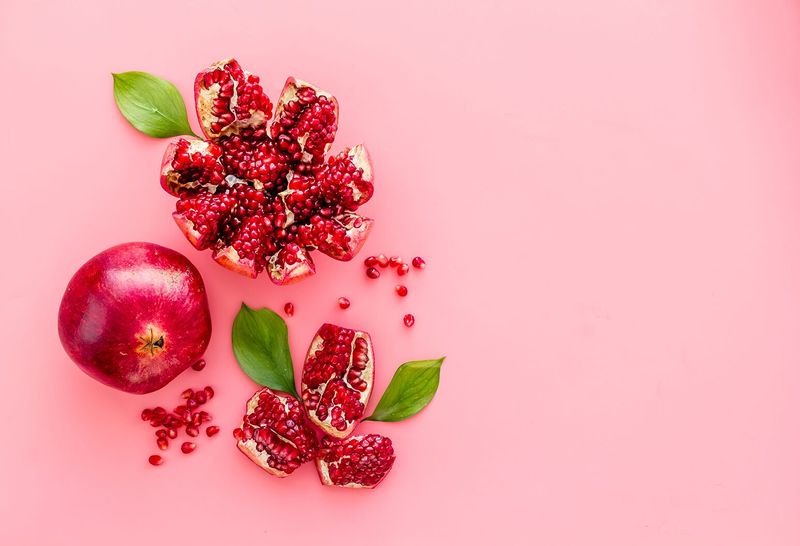
Pomegranates have been celebrated for thousands of years as a symbol of health and vitality, and modern science backs that reputation up. Their ruby-red seeds, called arils, are bursting with antioxidants, particularly punicalagins, which are incredibly powerful anti-inflammatory compounds.
Sprinkle pomegranate arils over oatmeal, mix them into a salad, or stir them into yogurt for a jewel-like pop of color and crunch. They add natural sweetness and a satisfying burst of juice with every bite, making healthy eating feel genuinely exciting.
22. Cauliflower
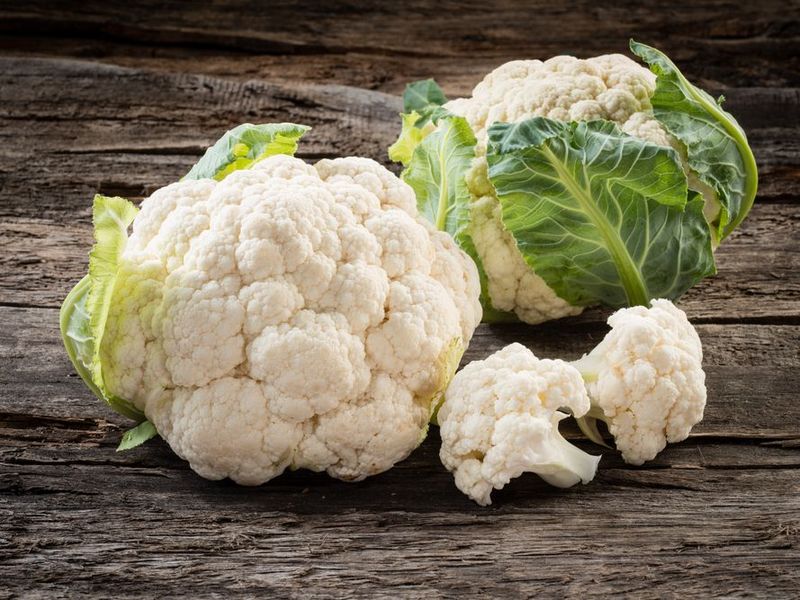
Cauliflower has quietly become one of the most versatile vegetables in the kitchen. You can rice it, mash it, roast it, or even use it as a pizza crust base, making it an incredibly flexible ingredient for healthy cooking at any skill level.
It is rich in vitamin C, vitamin K, and choline, a nutrient that supports brain development and function. Because it absorbs flavors so well, cauliflower takes on the taste of whatever spices or sauces you cook it with, making it a blank canvas for bold, creative meals.




Comments
No Comments