













Teaching is one of the most demanding jobs out there, and finding time to eat well can feel nearly impossible between lesson plans, grading, and back-to-back classes. What you eat directly affects your energy, focus, and mood throughout the school day.
The good news is that some simple, everyday foods can make a real difference in how you feel and perform. Here are 22 foods worth adding to your plate more often.
1. Blueberries
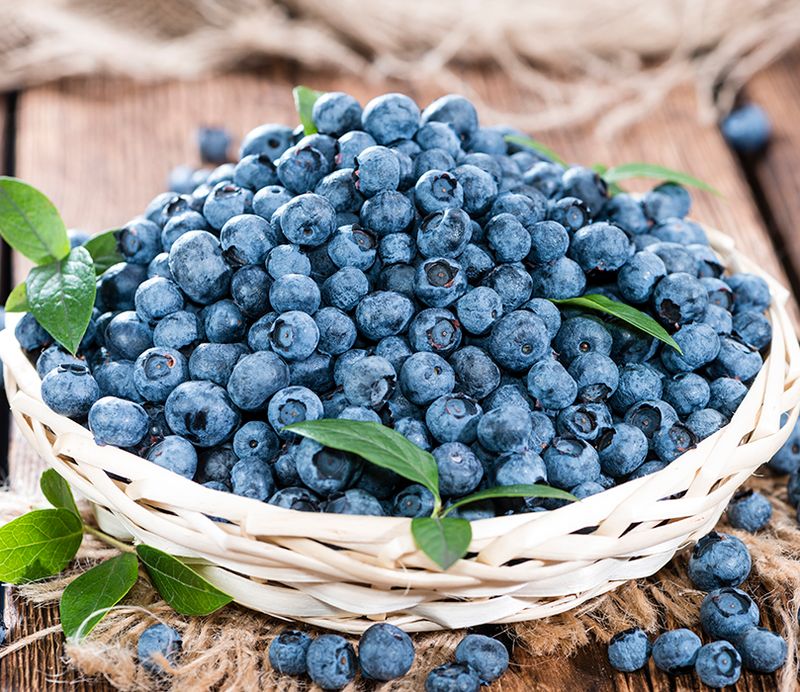
Tiny but mighty, blueberries pack a serious punch when it comes to brain health. They are loaded with antioxidants that help protect your brain from stress and mental fatigue, which teachers deal with daily.
Tossing a handful into yogurt, oatmeal, or a smoothie takes less than a minute. Studies suggest regular blueberry consumption may even improve memory and focus, two things every teacher desperately needs during a long school day.
2. Oats

Oats are the unsung breakfast hero that busy teachers often overlook in favor of faster options. They release energy slowly, meaning you stay fuller and more focused longer without the dreaded mid-morning energy crash.
Overnight oats are a game changer for teachers with zero morning prep time. Just mix oats with milk or yogurt the night before, refrigerate, and grab them on your way out the door.
Simple, filling, and genuinely satisfying.
3. Eggs

Few foods are as versatile or as nutrient-dense as eggs, making them a perfect match for a teacher's hectic lifestyle. They are rich in choline, a nutrient that supports brain function and helps with memory retention.
Hard-boiled eggs can be prepped in batches on Sunday and grabbed throughout the week. Whether eaten at breakfast or as a quick snack between classes, eggs offer steady protein that keeps hunger at bay for hours.
4. Almonds

Picture this: it is 2 PM, your next class starts in five minutes, and your stomach is growling loudly. A small handful of almonds can save that moment entirely.
They are packed with healthy fats, magnesium, and vitamin E, all of which support sustained energy and brain health.
Almonds are shelf-stable, portable, and require zero preparation. Keeping a small bag in your desk drawer means you always have a smart snack ready when the school day gets overwhelming.
5. Spinach
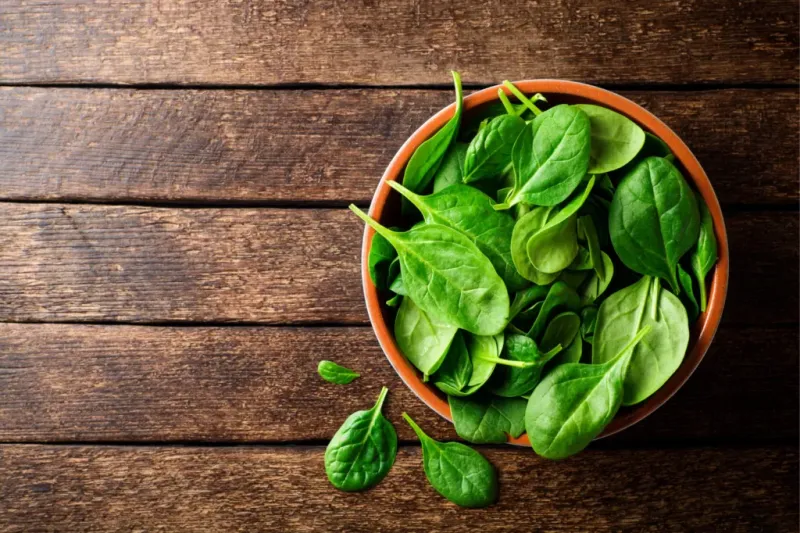
Spinach might not be the most exciting food on this list, but its nutritional profile is genuinely impressive. It is loaded with iron, which helps carry oxygen to the brain, keeping you sharp and alert even during late afternoon slumps.
Adding spinach to a smoothie, sandwich, or pasta is effortless and barely changes the flavor. Teachers who regularly include leafy greens in their meals often report better concentration and less mental exhaustion by the end of the school day.
6. Greek Yogurt
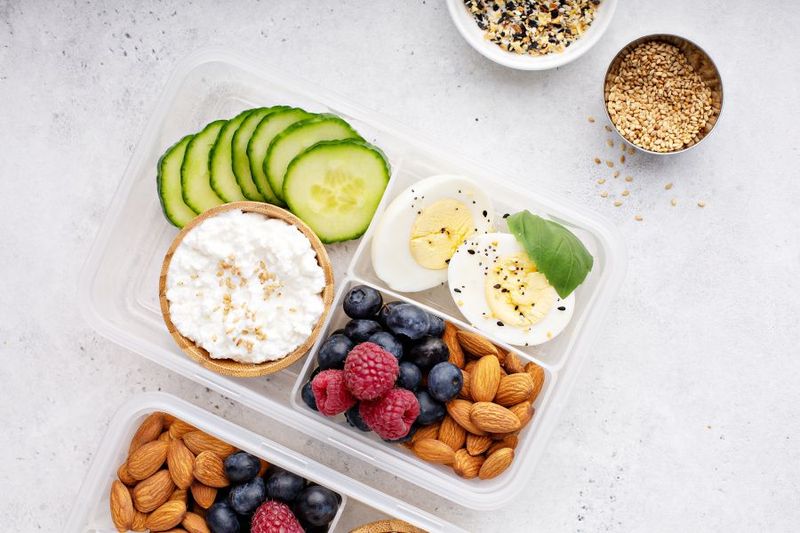
Creamy, tangy, and incredibly satisfying, Greek yogurt is one of the best grab-and-go foods a teacher can keep on hand. It contains nearly twice the protein of regular yogurt, which helps you stay full and focused through long teaching blocks.
It also contains probiotics, which support gut health, and research increasingly links a healthy gut to better mood and reduced stress. Pair it with fruit or granola for a complete snack that takes under two minutes to prepare.
7. Bananas
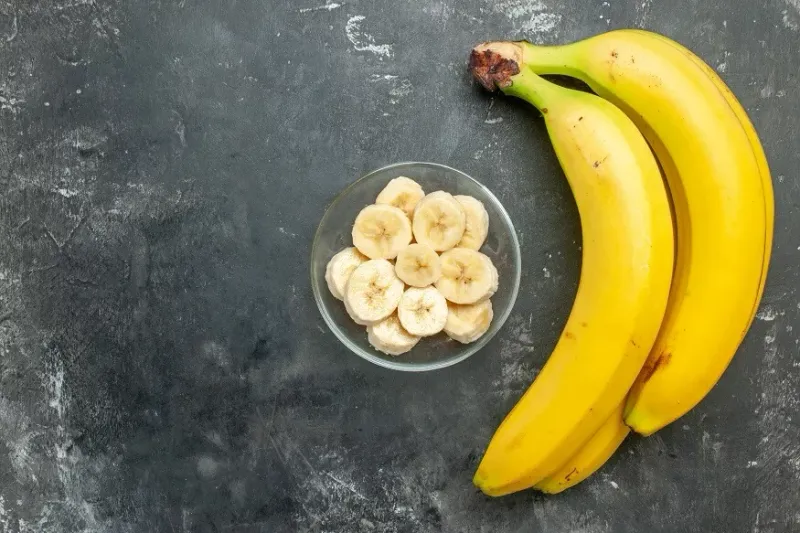
There is a reason athletes reach for bananas before competition, and teachers can benefit from the same logic. Bananas provide quick, natural energy through natural sugars and carbohydrates, making them ideal for a fast pre-class boost.
They also contain potassium and vitamin B6, which support nerve function and help regulate mood. Best of all, bananas come in their own wrapper, require no refrigeration, and cost almost nothing.
Keeping a few in your bag is one of the simplest nutritional wins available.
8. Salmon

Omega-3 fatty acids found abundantly in salmon are practically a superfuel for the brain. Regular consumption has been linked to improved memory, reduced brain fog, and even lower levels of stress-related inflammation in the body.
Canned salmon is an affordable and convenient option that works well in salads, wraps, or pasta dishes. Teachers who meal prep on weekends can easily incorporate salmon into lunches that require minimal effort on busy school mornings.
Your brain will genuinely thank you.
9. Sweet Potatoes
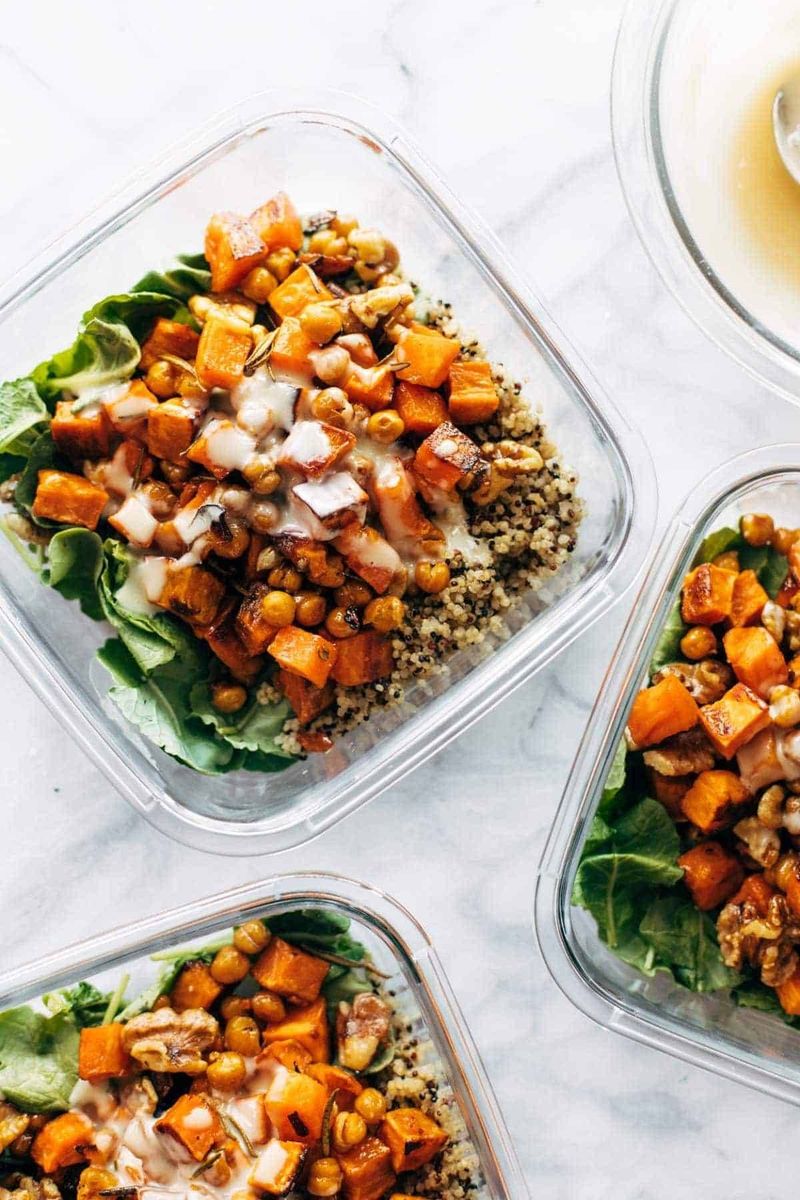
Sweet potatoes are one of those foods that feel indulgent but are actually incredibly good for you. They are rich in complex carbohydrates and fiber, providing long-lasting energy without the blood sugar spikes that come from processed snacks.
They also deliver a solid dose of vitamin A and potassium. Roast a batch on Sunday and use them throughout the week in bowls, wraps, or as a simple side dish.
Meal prepping sweet potatoes is one of the easiest ways to eat better with minimal daily effort.
10. Dark Chocolate
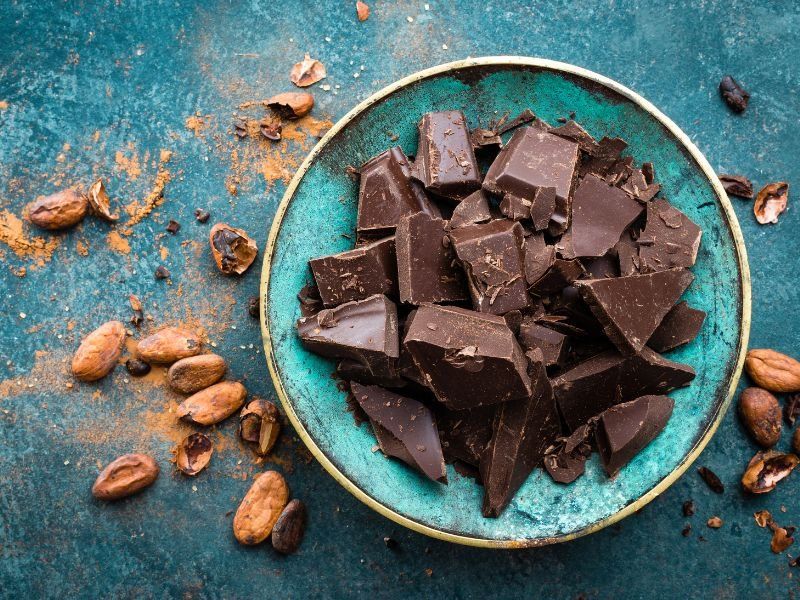
Yes, chocolate absolutely belongs on a list of beneficial foods, especially for stressed-out teachers. Dark chocolate with at least 70 percent cocoa contains flavonoids that improve blood flow to the brain and boost mood-enhancing chemicals like serotonin and endorphins.
A square or two in the afternoon is enough to get the benefits without overindulging. Think of it as a small, science-backed reward after a tough class.
Keep a bar in your desk for those particularly challenging days when you need a genuine pick-me-up.
11. Avocado
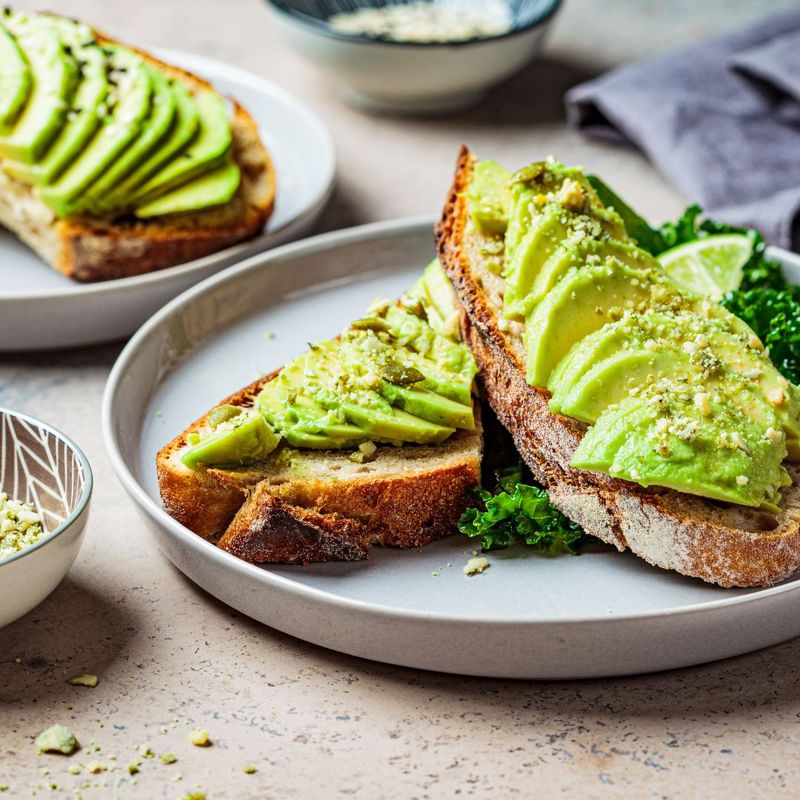
Avocados have earned their popularity for good reason. They are packed with monounsaturated fats that support healthy blood flow to the brain, helping you stay mentally sharp and focused throughout a demanding school day.
Mash one onto whole grain toast for a quick, filling breakfast, or slice it into a salad for extra creaminess and nutrition. Avocados also contain folate and vitamin K, both of which play a role in cognitive function.
One avocado goes a long way nutritionally.
12. Walnuts
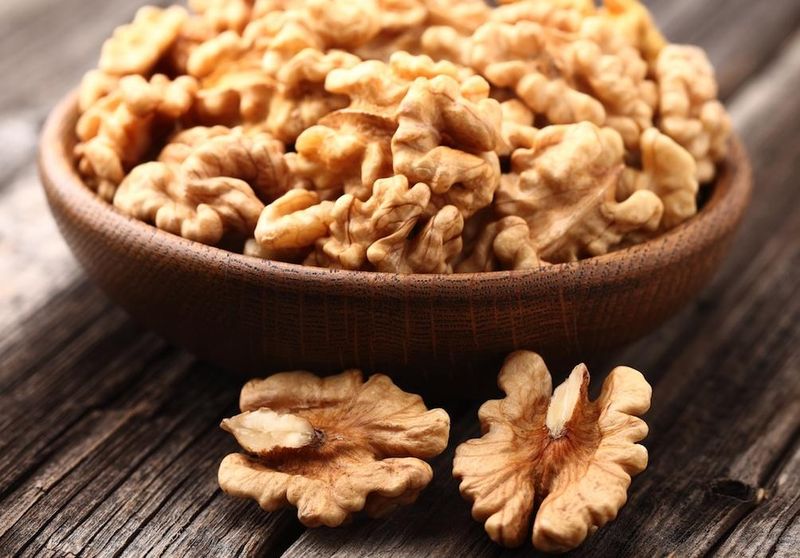
Here is a fun fact: walnuts even look like tiny brains, and fittingly, they are one of the best nuts for brain health. They are among the richest plant-based sources of omega-3 fatty acids, which support memory and reduce mental fatigue.
A small handful makes an ideal between-class snack that requires absolutely no preparation. Walnuts also contain melatonin precursors, which may help with sleep quality, something many overworked teachers struggle with regularly.
Better sleep means better teaching the next morning.
13. Lentils

Lentils are a quiet powerhouse that many people overlook, but they deserve a regular spot in a teacher's meal rotation. They are loaded with plant-based protein, fiber, and iron, offering the kind of slow-burning energy that carries you through long afternoons without a crash.
Lentil soup is easy to make in large batches and freezes beautifully for weeks. On a Sunday afternoon, a single pot of lentil soup can provide healthy, satisfying lunches for the entire school week ahead.
14. Green Tea

If coffee is leaving you jittery and anxious, green tea might be a gentler, smarter alternative. It contains a moderate amount of caffeine combined with an amino acid called L-theanine, which promotes calm alertness without the shaky side effects of too much coffee.
Many teachers find green tea helps them stay focused during planning periods without the inevitable post-coffee energy crash. It also contains antioxidants that support overall health.
Swapping one daily coffee for green tea is a surprisingly easy and beneficial habit to build.
15. Chickpeas

Roasted chickpeas are one of those snacks that feel like a treat but work hard nutritionally. They are high in protein and fiber, keeping hunger under control during those long stretches between lunch and the final bell of the day.
Chickpeas are also a solid source of folate and manganese, which support brain function and energy metabolism. Buy canned chickpeas, rinse them, toss with olive oil and spices, and roast until crispy.
They store well in a container and taste great for several days.
16. Brown Rice
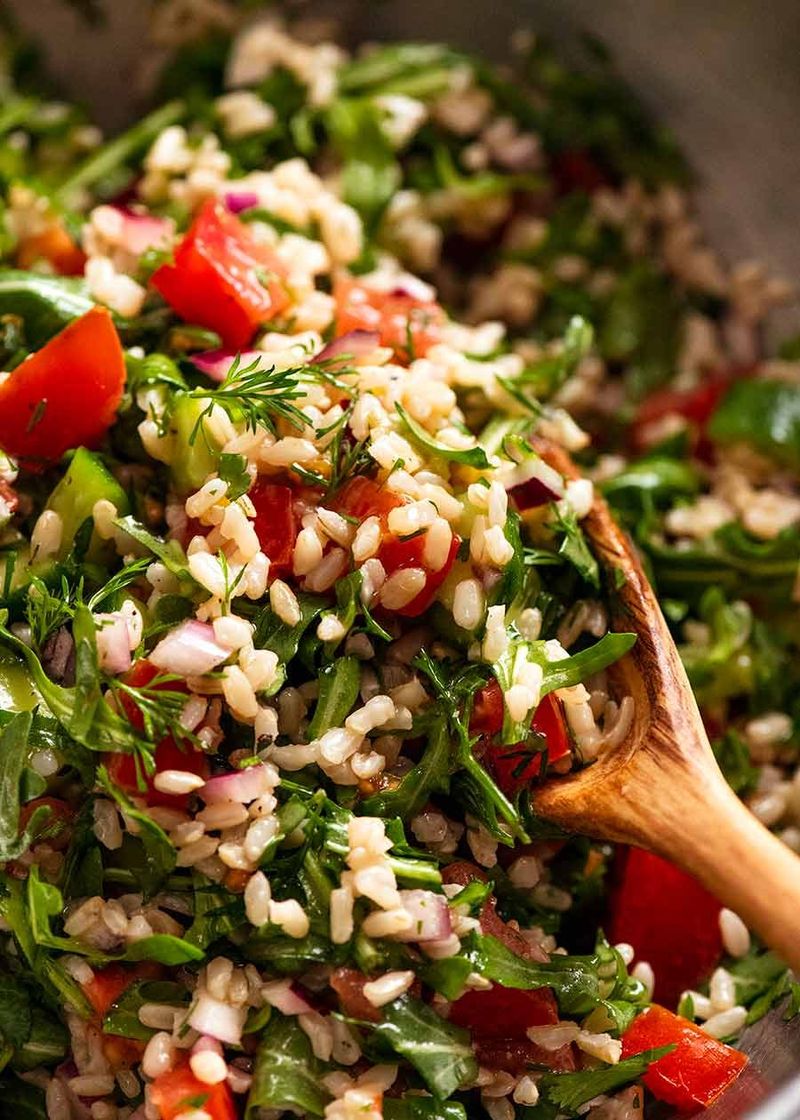
White rice digests quickly and can leave you feeling sluggish, but brown rice is a whole different story. Its higher fiber content means it digests more slowly, providing steady, reliable energy that lasts through afternoon classes without a dramatic energy dip.
Brown rice also contains magnesium, a mineral that plays a key role in managing stress and supporting muscle function. Cook a large batch at the start of the week and use it as a base for quick bowls, stir-fries, or simple weeknight dinners with minimal effort.
17. Apples
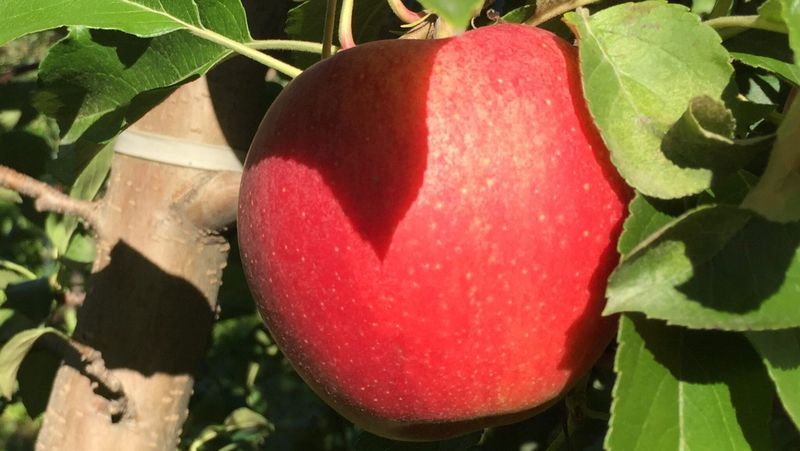
An apple a day might sound cliche, but the nutritional logic actually holds up. Apples are rich in quercetin, a powerful antioxidant that has been studied for its potential to protect brain cells and support cognitive function over time.
They also provide natural sugars and fiber for a quick energy boost without a dramatic crash afterward. Apples require zero prep, travel easily, and stay fresh for days.
Few snacks are as convenient and genuinely nourishing for a teacher always on the move.
18. Cottage Cheese

Cottage cheese is one of those underrated foods that quietly delivers excellent nutrition without much fanfare. It is high in casein protein, which digests slowly and keeps you feeling full for an extended period, making it a smart choice for teachers who rarely get proper lunch breaks.
Pair it with fruit for a sweet combination or with veggies for something savory. It is also rich in calcium and phosphorus, both of which support bone health, which matters when you are standing on your feet all day long.
19. Chia Seeds
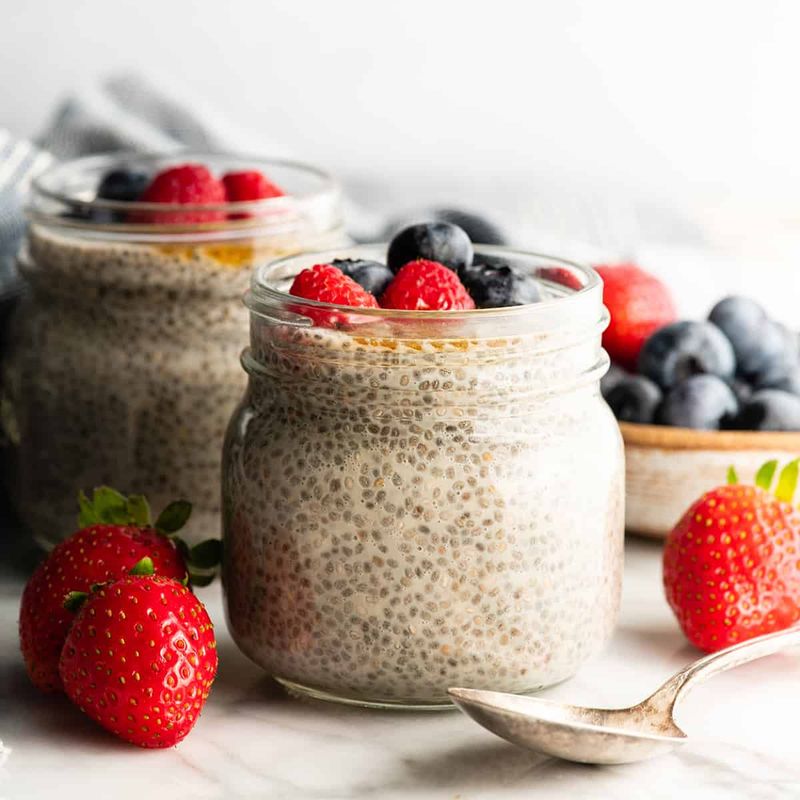
Chia seeds might be tiny, but they swell up with liquid and become surprisingly filling. They are packed with omega-3 fatty acids, fiber, and plant-based protein, making them one of the most nutrient-dense additions you can make to a busy teacher's diet.
Chia pudding is one of the easiest overnight recipes imaginable: just mix chia seeds with milk, add sweetener, refrigerate overnight, and top with fruit in the morning. It requires about three minutes of prep and delivers hours of steady, satisfying energy.
20. Pumpkin Seeds
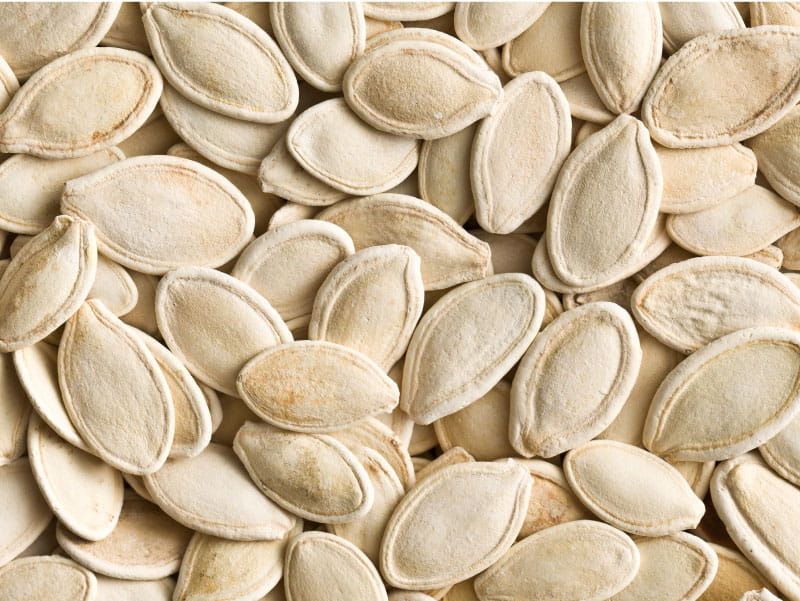
Pumpkin seeds are arguably one of the most overlooked superfoods in the snack world. They are exceptionally rich in magnesium, zinc, and iron, three minerals that directly support energy levels, immune function, and mental clarity throughout a demanding school day.
Magnesium in particular plays a critical role in reducing feelings of stress and anxiety, which are all too familiar for most teachers. A small bag of roasted pumpkin seeds kept in a classroom desk drawer is one of the smartest, most effortless nutritional upgrades available.
21. Hummus

Made from chickpeas, tahini, and olive oil, hummus is a nutritional triple threat that is also genuinely delicious. It delivers plant-based protein, healthy fats, and complex carbohydrates all in one convenient dip that pairs beautifully with vegetables, crackers, or pita bread.
Store-bought hummus keeps well in the fridge for over a week, making it an easy staple for quick school lunches and after-school snacks. Teachers who keep hummus and pre-cut veggies ready in the fridge are far less likely to reach for processed, energy-draining junk food.
22. Water-Rich Vegetables (Cucumbers and Celery)

Dehydration is one of the most common and least discussed reasons teachers feel tired and unfocused during the school day. Water-rich vegetables like cucumbers and celery help keep hydration levels up between glasses of water, which is especially helpful during busy periods when drinking enough fluids gets forgotten.
Both vegetables are low in calories but high in vitamins and minerals. Pack them as a crunchy, refreshing snack alongside hummus or a simple dip to make staying hydrated feel less like a chore and more like a genuinely enjoyable habit.




Comments
No Comments