













Have you ever grabbed a handful of almonds or squeezed ketchup on your burger without a second thought? Many foods we consider totally ordinary today were once so rare and expensive that only kings, queens, and the super-rich could afford them.
Changing trade routes, farming technology, and global supply chains turned these elite delicacies into pantry staples. Get ready to look at your grocery list in a whole new way.
1. Lobster
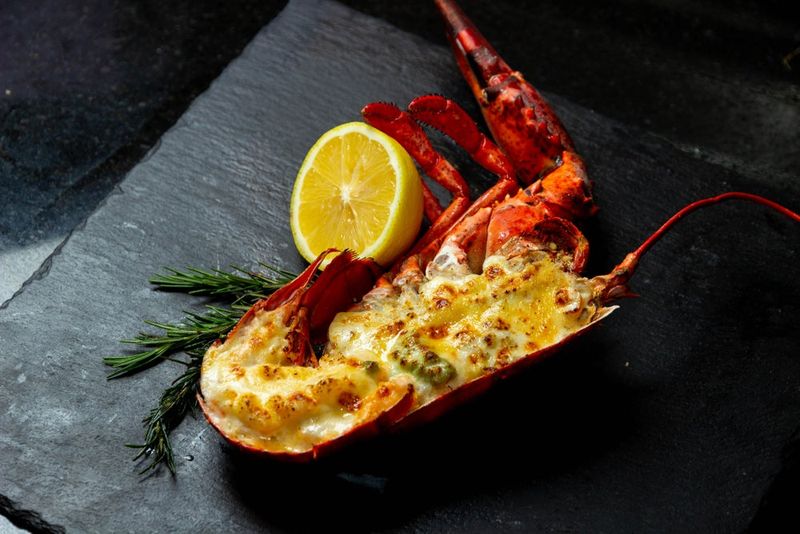
Believe it or not, lobster was once considered the trash food of the sea. Colonial-era servants in North America reportedly had it written into their contracts that they could not be served lobster more than three times a week.
Over time, railroads and refrigeration changed everything. Wealthy city dwellers discovered lobster and suddenly declared it a luxury.
Today a single lobster dinner can still cost a pretty penny, but canned lobster is available almost anywhere.
2. Oysters
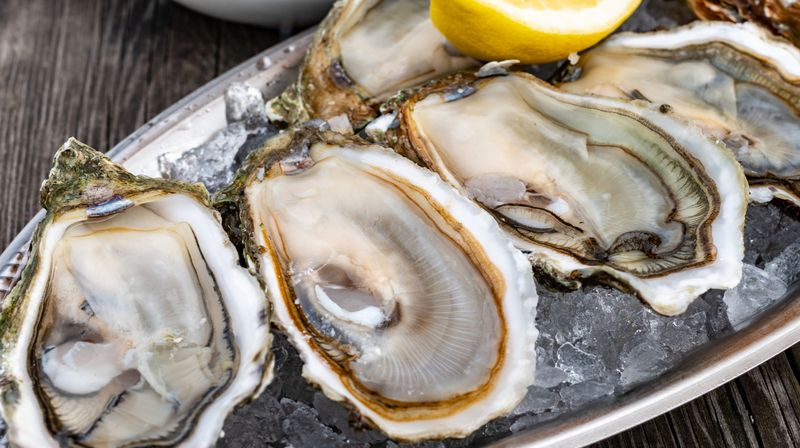
Walk into any upscale restaurant today and oysters on the half shell will cost you dearly. Yet in 19th-century London and New York, oysters were the fast food of the working class, sold cheaply by street vendors on every corner.
Overharvesting and pollution wiped out massive oyster beds, sending prices through the roof almost overnight. The shift from street snack to luxury appetizer happened surprisingly fast, leaving most everyday people completely priced out.
3. Salmon
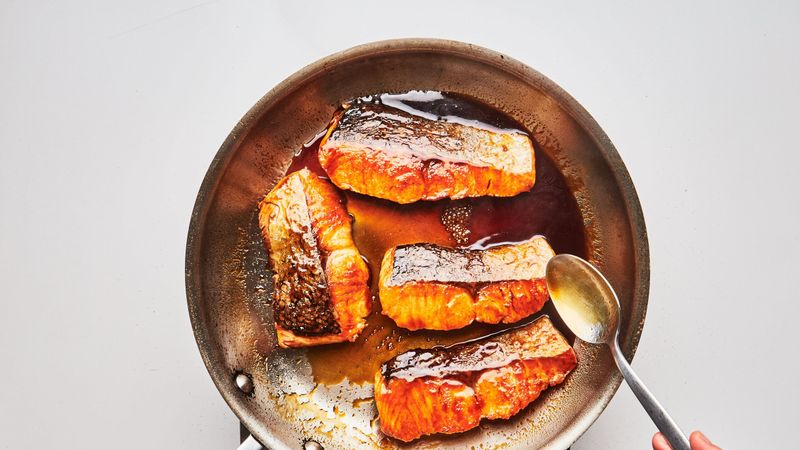
Scottish and Irish workers once complained bitterly about being fed salmon too often. It was so plentiful in cold northern rivers that it was practically considered peasant food in the 18th century.
Landlords sometimes restricted how much salmon servants could eat.
Wild salmon populations declined dramatically due to pollution and overfishing. Aquaculture eventually brought prices down again, making farmed salmon a supermarket staple.
Still, wild-caught salmon carries a premium price tag that echoes its complicated history.
4. Sugar
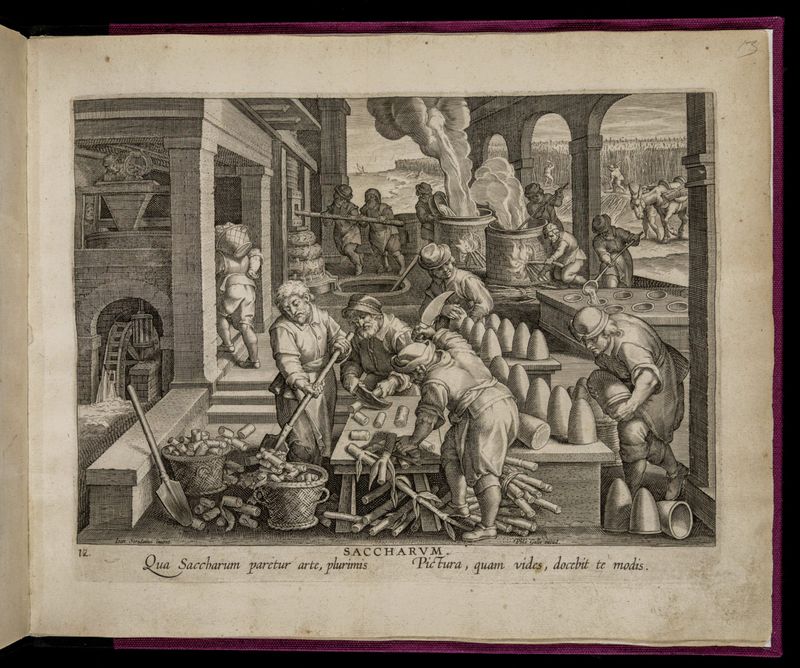
Sugar was literally worth its weight in gold during medieval Europe. Kings kept sugar locked in special cabinets called sugar chests, and only the wealthiest households could afford to use it as a sweetener.
Most people never tasted it in their lifetimes.
The expansion of sugarcane plantations in the Caribbean, sadly fueled by enslaved labor, eventually flooded European markets. Prices crashed, and sugar became the everyday ingredient we casually scoop into our morning coffee without a second thought.
5. Chocolate
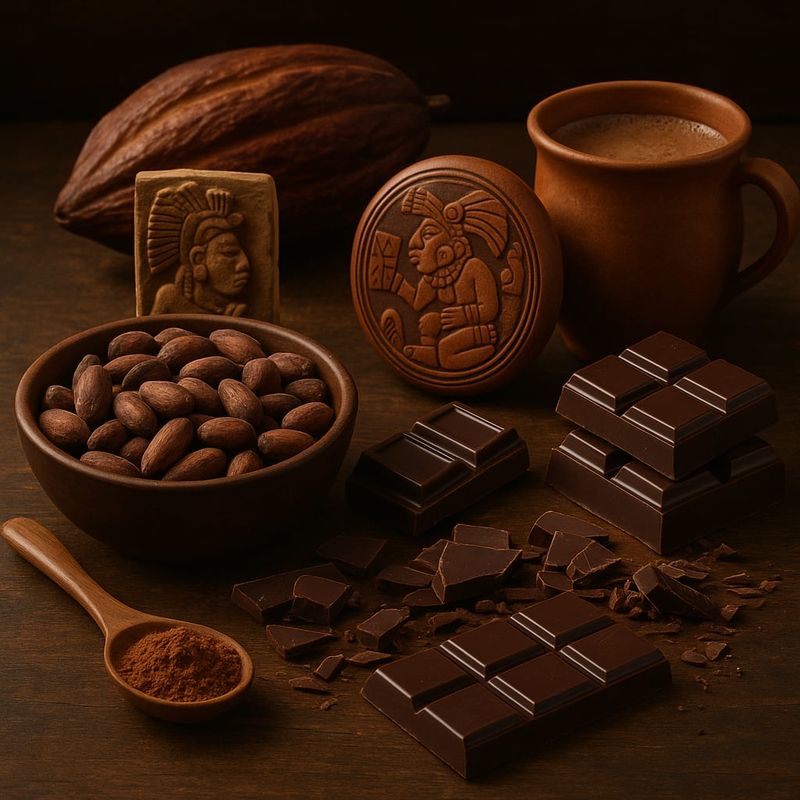
Long before chocolate bars lined every checkout aisle, cacao was the currency of Aztec emperors. Spanish conquistadors brought it back to Europe in the 1500s, where it was served as a bitter, spiced drink exclusively in aristocratic circles.
Commoners had absolutely no access.
Adding sugar and milk, plus the invention of the cocoa press in 1828, made solid chocolate affordable for the masses. Today we spend billions on chocolate annually, completely forgetting that it was once a royal-only indulgence.
6. Spices (Pepper, Nutmeg, Cinnamon)
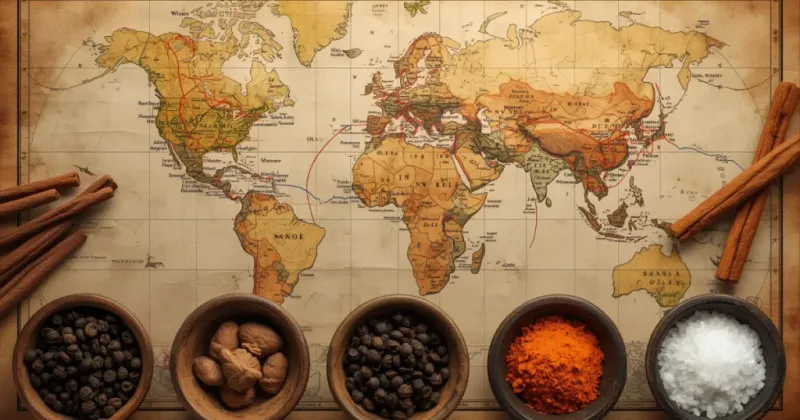
Wars were literally fought over pepper, nutmeg, and cinnamon. Medieval European spice merchants accumulated fortunes that rivaled those of kings, and a small bag of nutmeg could buy a house.
Spices were used to display wealth at dinner parties as much as to flavor food.
The Age of Exploration was largely driven by the desire to control spice trade routes. Once sea routes to Asia were established and colonial plantations expanded production, prices collapsed.
Now you can grab a jar of cinnamon for just a couple of dollars.
7. Almonds
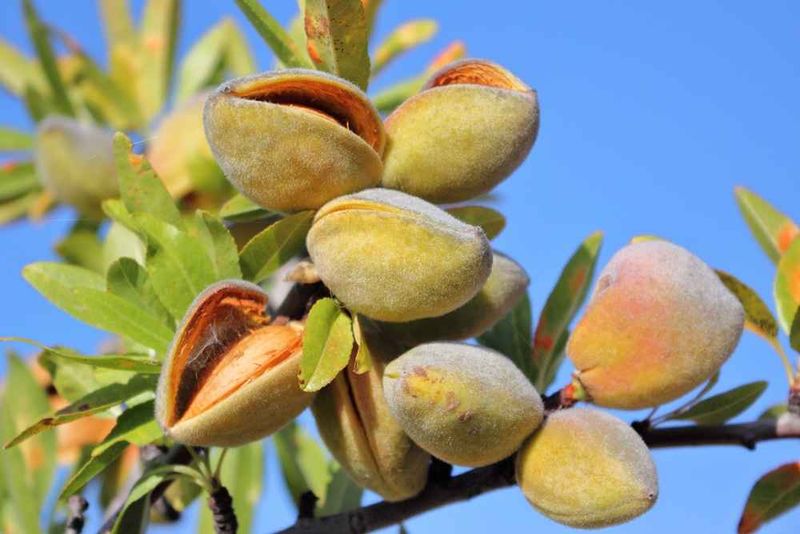
Almonds appeared on the tables of Egyptian pharaohs and were traded like precious gems along ancient Silk Road routes. In medieval Europe, almond milk was a status symbol served at royal banquets, while common people used water or animal milk in their cooking.
California eventually became the world's largest almond producer, flooding global markets and pushing prices down dramatically. Today almonds are a go-to snack for gym-goers and health enthusiasts everywhere, with little memory of their aristocratic origins.
8. Ketchup
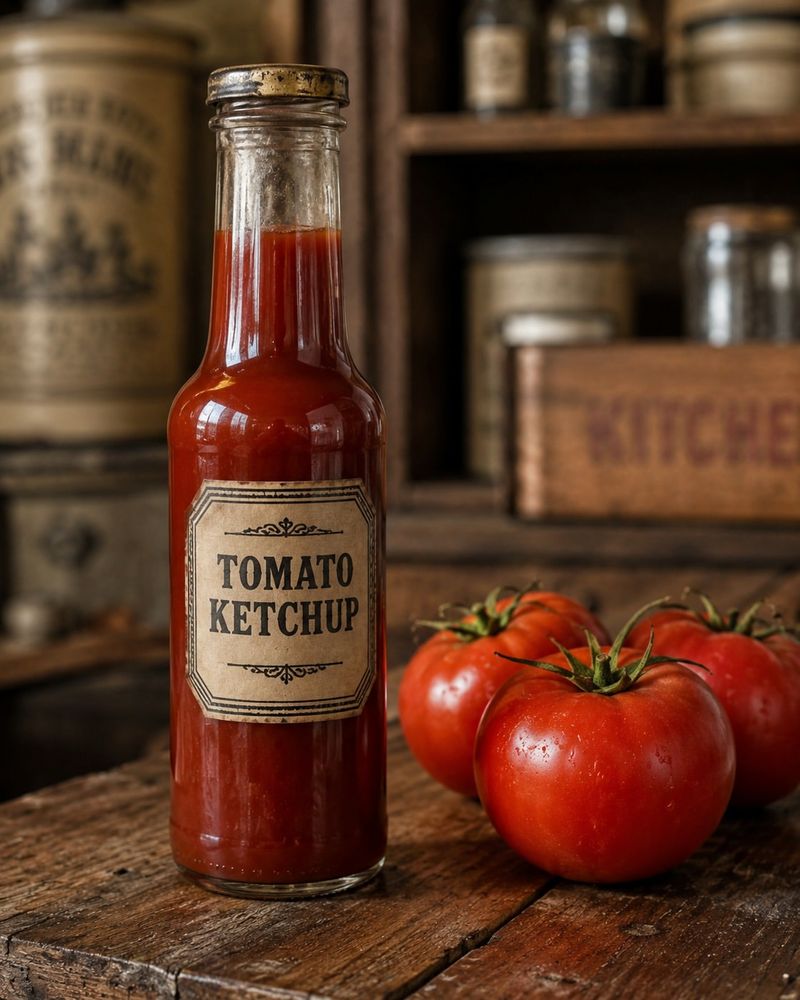
Early versions of ketchup had nothing to do with tomatoes. The original sauce came from Southeast Asia and contained fermented fish, and wealthy British merchants brought it back as an exotic, expensive condiment in the 1700s.
Recipes were closely guarded secrets among the elite.
Tomato-based ketchup became popular in America during the 1800s, and commercial production made it dirt cheap. Henry Heinz helped push it into every diner and kitchen across the country.
Now it sits in nearly every refrigerator, a total culinary everyman.
9. Bananas
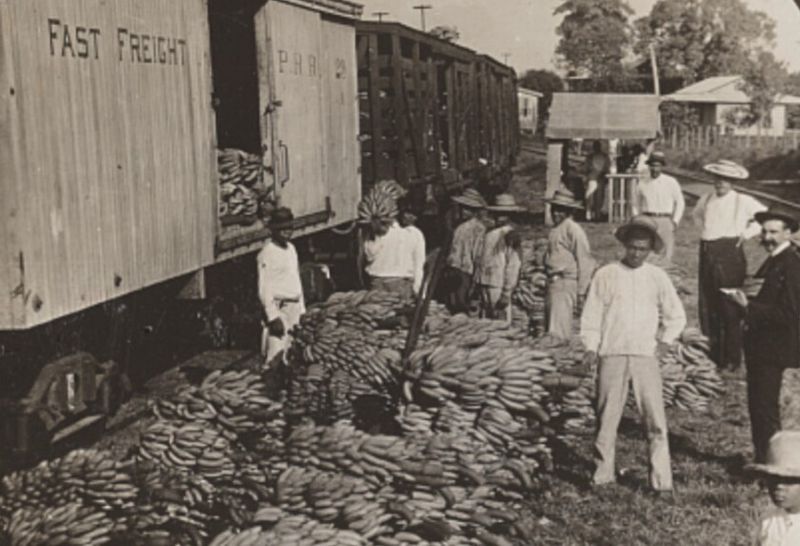
When bananas first arrived in the United States after the 1876 Philadelphia Centennial Exposition, they were wrapped in foil and sold for ten cents each, which was a significant amount at the time. Wealthy Americans ate them with a knife and fork as a sophisticated novelty fruit.
The rise of United Fruit Company and massive tropical plantations made bananas one of the cheapest fruits on the planet. Today they are often the least expensive item in the produce section, a total reversal of their glamorous debut.
10. Pineapple
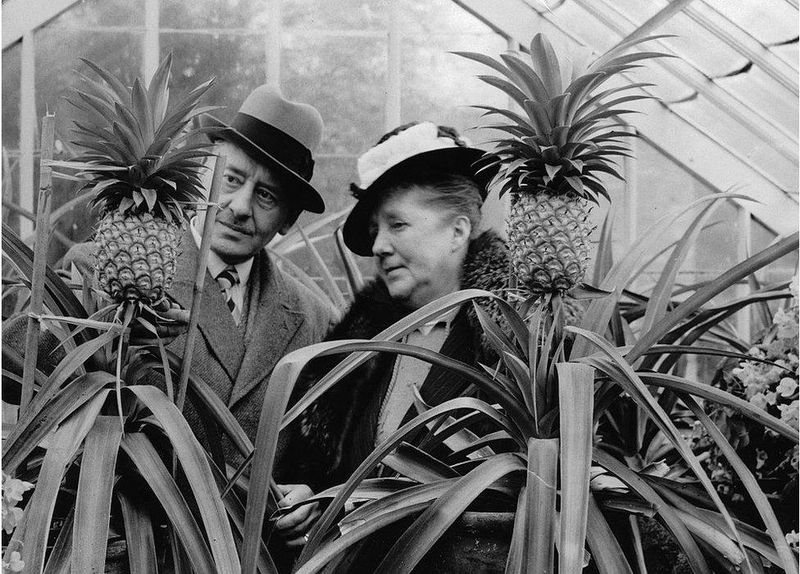
Pineapples were so prestigious in 18th-century Britain that wealthy families would rent them for a single evening just to display at a dinner party. Actually eating one was almost unheard of.
Architectural pineapple carvings on buildings were a bold statement of wealth and worldliness.
Hawaiian and Central American plantations eventually made canned pineapple affordable for everyone. James Dole industrialized the process in the early 1900s, and the pineapple went from royal centerpiece to pizza topping.
Few foods have experienced such a dramatic fall from status.
11. Coffee
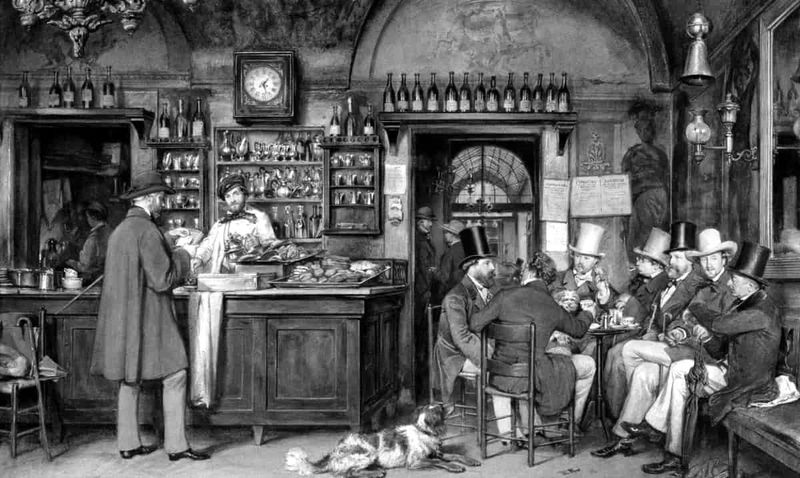
Coffee houses in 17th-century Europe were exclusive gathering spots where only the educated and well-off could afford to spend an afternoon. Coffee itself was expensive, imported from Yemen and Ethiopia, and treated as a sophisticated stimulant for intellectual minds rather than a daily necessity.
Colonial-era plantations in Brazil and Central America dramatically increased supply, driving prices down over centuries. Today coffee is the second most traded commodity on earth after oil.
Most people cannot imagine starting a morning without it.
12. Vanilla

Pure vanilla extract can still make your wallet ache, but it was once so scarce that only royalty and the very wealthy could access it. Vanilla orchids grew exclusively in Mexico, and the Totonac people guarded the pollination secrets fiercely for centuries.
After hand-pollination techniques spread to Madagascar and other tropical regions in the 1800s, supply slowly increased. Even so, vanilla remains one of the most labor-intensive crops on earth.
That little brown bottle in your pantry carries a genuinely fascinating backstory.
13. White Bread
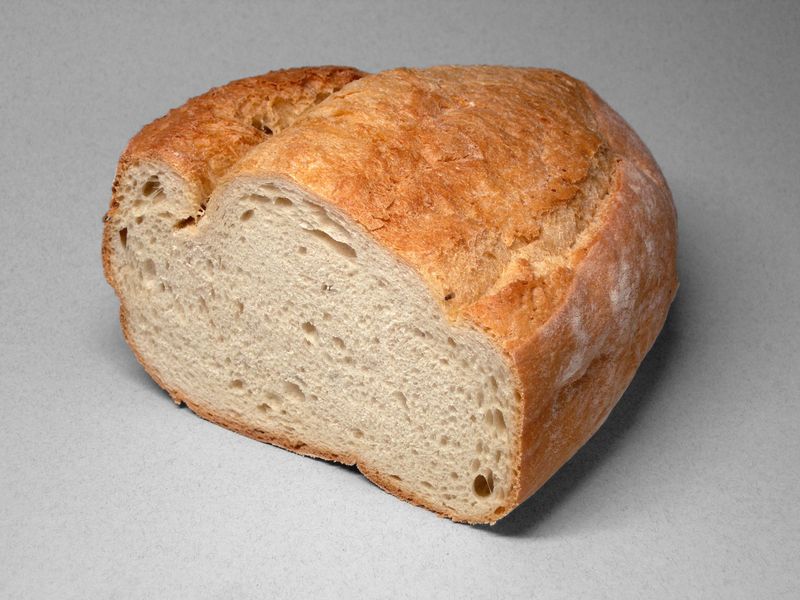
For most of human history, white bread was a symbol of wealth and refinement. Producing finely milled white flour required expensive equipment and significant labor, so only the rich ate soft white loaves.
Peasants and working-class families made do with dense, dark bread made from coarser grains.
Industrial milling technology in the 19th century made refined white flour cheap and widely available. Ironically, nutritionists now encourage people to eat the whole-grain darker breads that were once associated with poverty.
Status and diet have completely flipped.
14. Potatoes
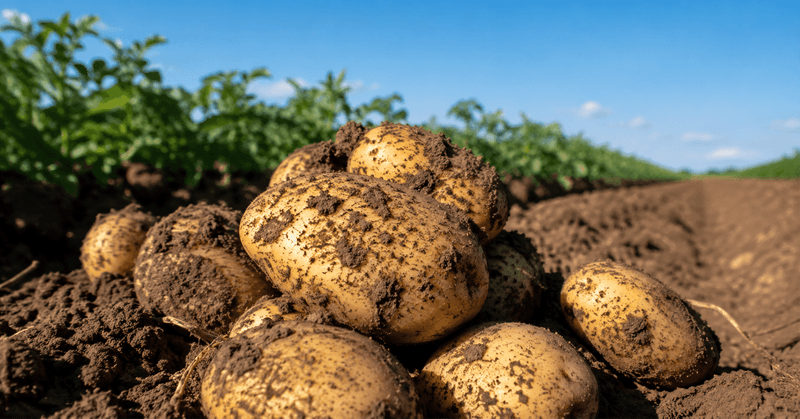
When Spanish explorers brought potatoes from the Andes to Europe in the late 1500s, aristocrats initially refused to eat them. The potato was considered suspicious, even dangerous.
King Frederick the Great of Prussia had to practically force his subjects to grow them by posting royal guards around potato fields.
Eventually potatoes became so essential to European diets that crop failures caused catastrophic famines. Today they are among the most widely eaten foods on earth, featured in every cuisine from fast food to fine dining menus.
15. Ice Cream
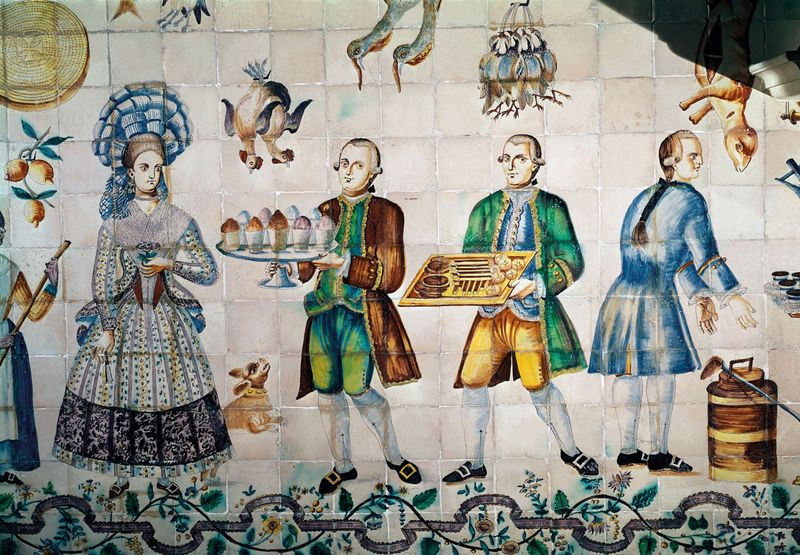
Imagine serving guests a dessert that required harvesting ice from frozen lakes in winter, packing it in salt, and churning it by hand for hours. That was the reality of ice cream before refrigeration, making it an extreme luxury available only to royalty and the very wealthy.
George Washington reportedly spent the equivalent of thousands of dollars on ice cream in a single summer. Mechanical refrigeration and continuous freezers in the late 1800s finally made it accessible to everyone.
Today it is the ultimate comfort food for all ages.
16. Champagne

Champagne was the exclusive drink of French royalty and European aristocrats for most of the 18th century. The cellars of Reims and Epernay were practically off-limits to anyone without a title or a fortune.
Even the bottles themselves were dangerously expensive to produce due to frequent explosions.
Improved bottle manufacturing and wider distribution networks eventually made sparkling wine more accessible. Today budget-friendly prosecco and cava offer the same celebratory fizz at a fraction of the cost.
Champagne still carries prestige, but bubbly is no longer just for kings.
17. Forks
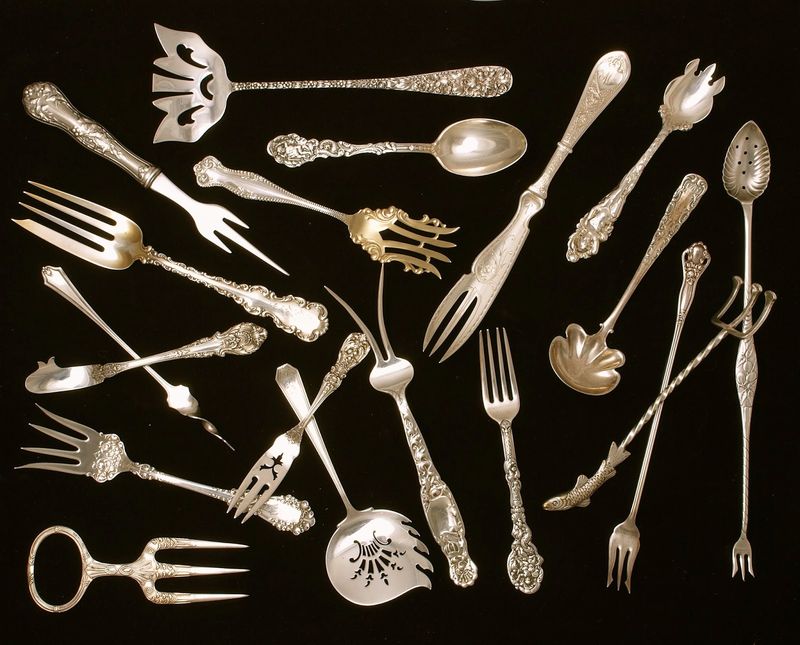
Okay, forks are not food, but they dramatically changed how wealthy people ate. When forks first appeared in European courts in the 11th century, they were considered bizarre and even sinful by the Church.
Only wealthy Italian nobles used them, and ordinary people ate with their hands or a knife for centuries.
By the 18th century, forks became standard table tools, but fine silver forks were still a status symbol. Today plastic forks come free with takeout orders.
Few inventions have traveled so far down the social ladder so completely.
18. Truffles
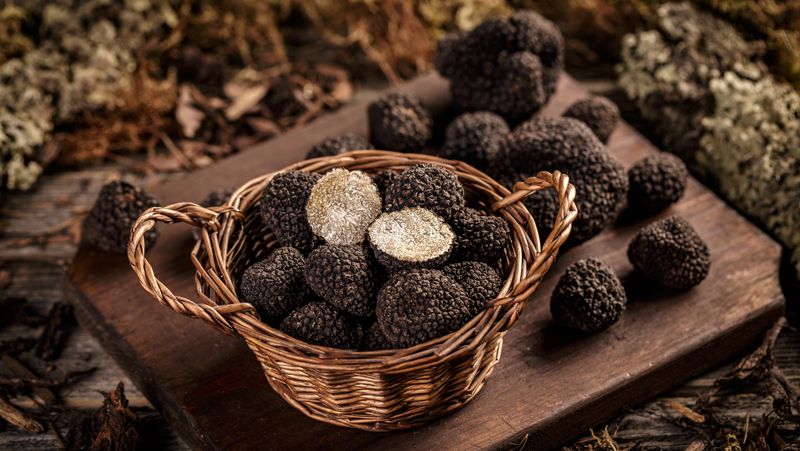
Truffles have been called the diamonds of the kitchen, and the price tag agrees. Ancient Romans called them a gift from the gods, and French kings like Louis XIV were absolutely obsessed with them.
Their mysterious underground growth made them nearly impossible to cultivate, keeping supply extremely limited.
Modern truffle hunting with trained dogs has improved supply slightly, but truffles remain stubbornly expensive. Fresh white truffles from Italy can sell for thousands of dollars per pound.
This is one luxury food that has barely budged from its elite status over centuries.
19. Cheese
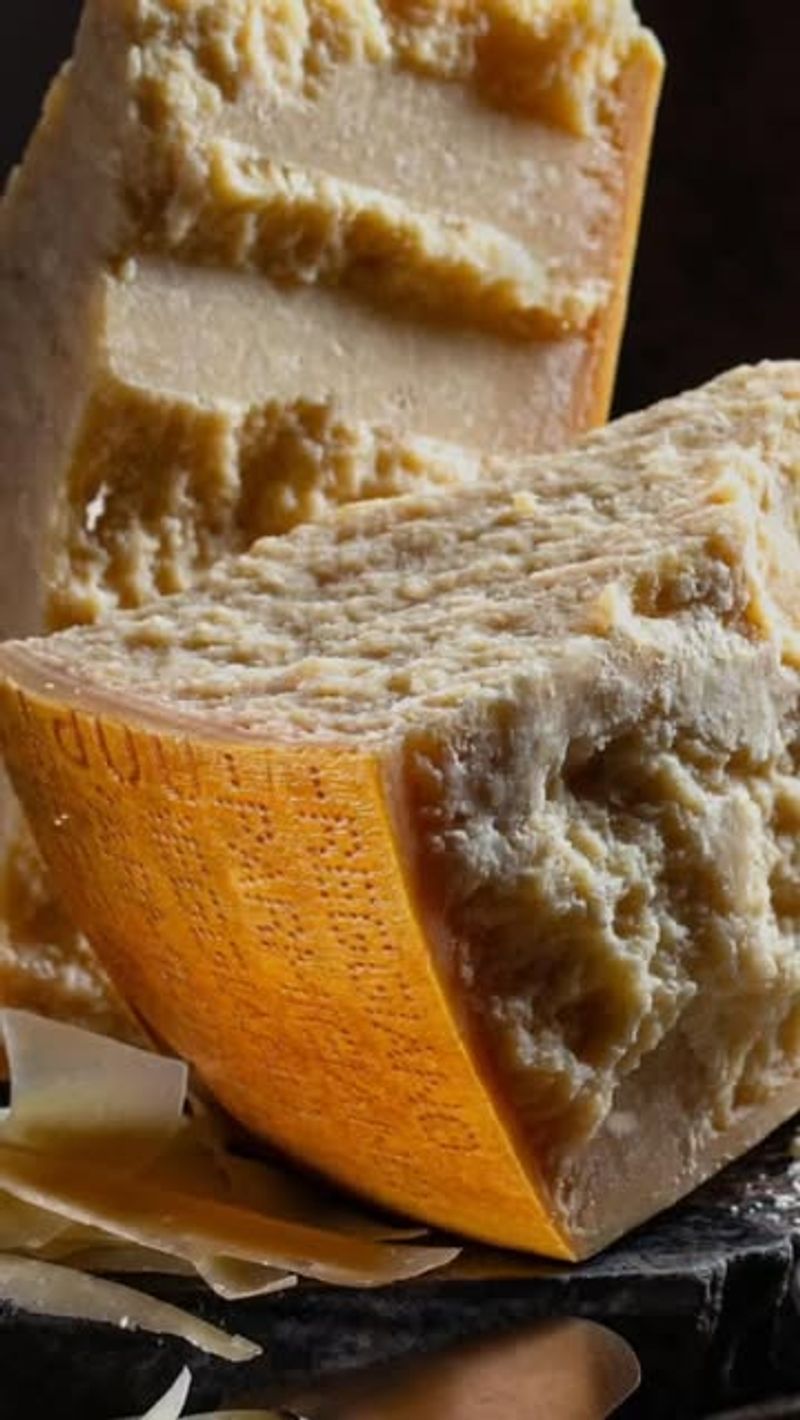
Aged, high-quality cheese was a serious luxury for most of European history. Fine cheeses like Parmesan were traded as currency in Renaissance Italy, and wheels of Parmigiano-Reggiano were used as loan collateral at banks.
Cheese making required expensive equipment, time, and significant quantities of milk.
Mass dairy farming and refrigerated transport made cheese widely affordable during the 20th century. Today processed cheese slices cost almost nothing, and artisan cheeses are still a beloved treat.
Cheese has become one of the most universally loved foods across every income level.
20. Canned Goods
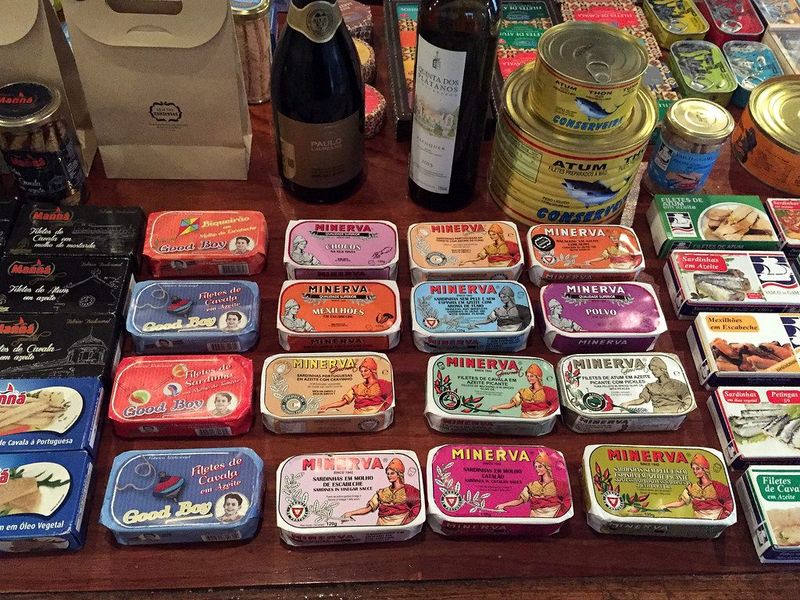
When Nicolas Appert invented canning in the early 1800s, preserved food was a revolutionary luxury. Napoleon offered a prize for a method to feed his armies on long campaigns, and canning won.
Early cans were handmade and expensive, available only to military officers and wealthy explorers.
Industrial manufacturing eventually made canned goods cheap enough for every household. Today canned beans, tomatoes, and tuna are pantry basics associated with budget cooking.
The technology that once fed emperors now feeds college students on tight budgets around the world.
21. Mustard
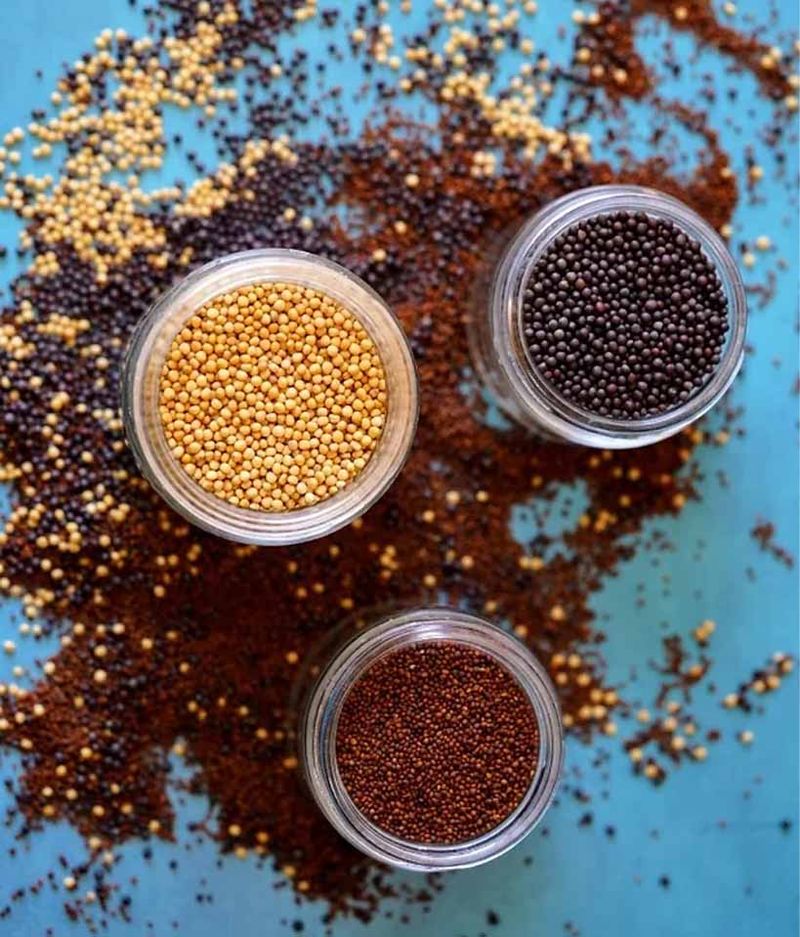
Dijon mustard carries a fancy French reputation today, but mustard sauce was once so prized that Pope John XXII appointed an official Grand Moutardier du Pape, or Chief Mustard Maker to the Pope. Medieval European nobles used elaborate mustard pots as centerpieces at feasts to signal their high status.
Once mustard seeds became widely cultivated and commercially processed, the condiment dropped dramatically in price. Now you can find it for less than two dollars at any grocery store.
That papal prestige did not survive the industrial revolution.
22. Macaroni and Cheese
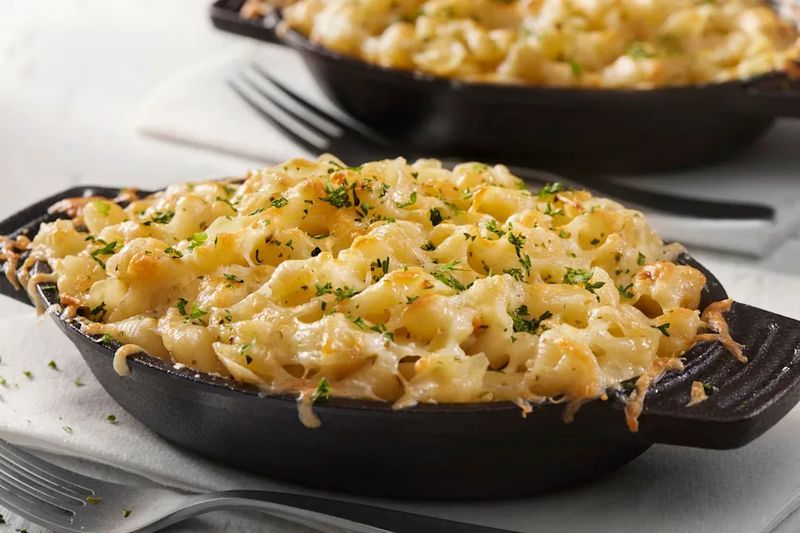
Thomas Jefferson reportedly fell so hard for pasta and cheese during his time in Europe that he imported a pasta machine to America and served macaroni and cheese at White House dinner parties. At the time, pasta and quality aged cheese were expensive imported ingredients enjoyed by the elite.
Kraft changed everything in 1937 when it released a boxed version for 19 cents, marketed as a budget meal during the Great Depression. Today mac and cheese is the ultimate comfort food, beloved by kids and adults at every economic level.




Comments
No Comments