













Some foods are more than just a meal. They carry history, memory, and identity in every bite.
From a grandmother's slow-cooked stew to a street vendor's carefully folded dumpling, certain dishes tell the story of an entire people. These 22 foods are proof that what we eat says a lot about who we are and where we come from.
1. Mole Negro – Mexico
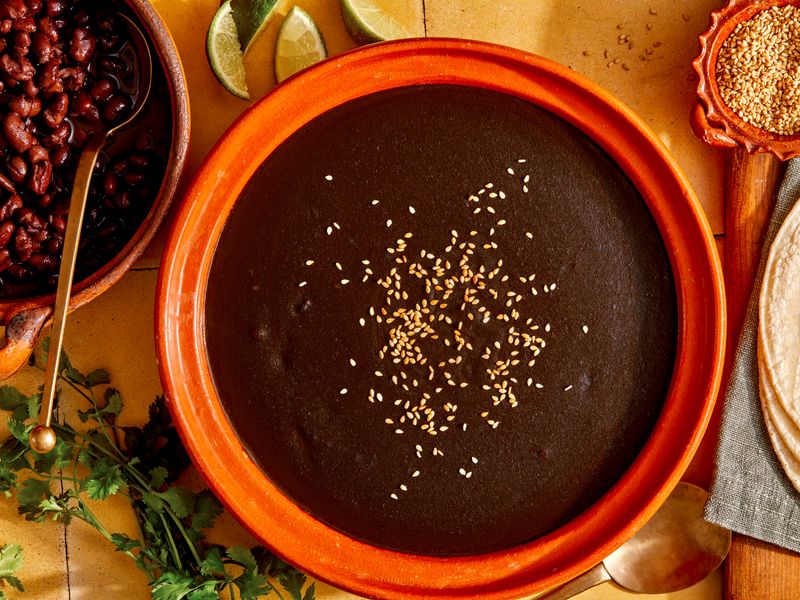
More than 30 ingredients go into a single pot of mole negro, including dried chilies, chocolate, and spices that take days to prepare. This dish from Oaxaca, Mexico, is a living symbol of patience, tradition, and celebration.
It is served at weddings, funerals, and festivals alike.
Every family has its own version, passed down through generations. Mole negro is not just food — it is a ritual, a story, and a statement of cultural pride all stirred into one pot.
2. Injera – Ethiopia
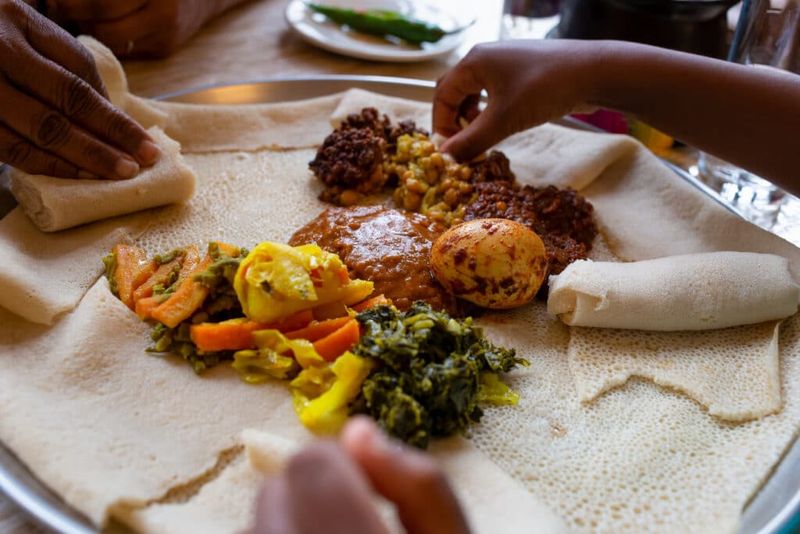
Injera is not just bread — it is also the plate, the utensil, and the communal center of an Ethiopian meal. Made from fermented teff grain, this spongy flatbread has a slightly sour taste that balances rich, spiced stews called wats.
Eating injera is always a group experience.
Everyone tears from the same piece, sharing food and space. That act of sharing is deeply woven into Ethiopian culture, making injera one of the most socially meaningful foods in the world.
3. Pho – Vietnam
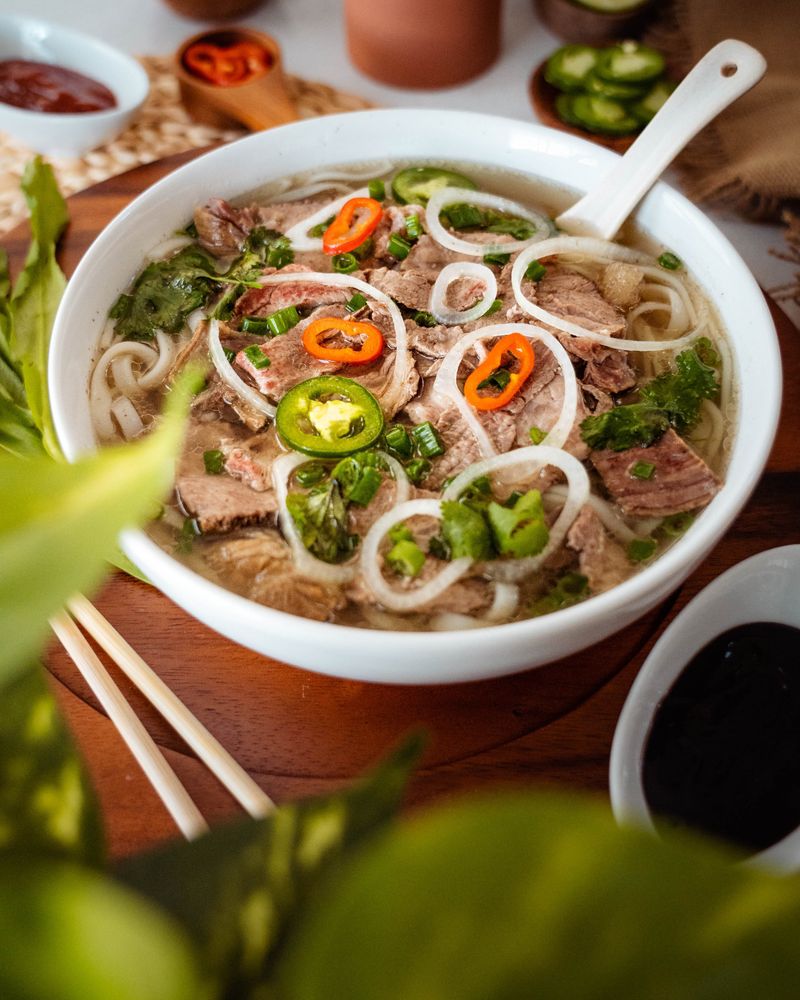
A bowl of pho starts the night before, when bones are slow-roasted and simmered with star anise, cinnamon, and charred ginger. By morning, the broth is golden, fragrant, and deeply comforting.
Vietnam's most beloved dish is both an everyday breakfast and a cultural landmark.
Pho survived war, displacement, and division, traveling with Vietnamese people across the globe. Wherever Vietnamese communities settled, pho followed — carrying warmth, memory, and the unmistakable smell of home in every steaming bowl.
4. Jollof Rice – West Africa
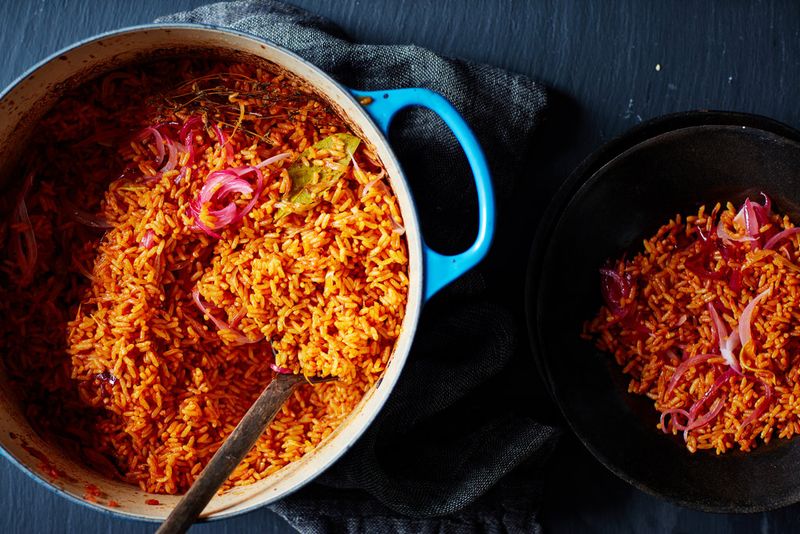
Ask anyone from Ghana, Nigeria, or Senegal about Jollof rice and you will instantly start a passionate debate. Every country claims the best version, and honestly, that rivalry is part of the fun.
This slow-cooked, tomato-based rice dish is served at every celebration from birthdays to graduations.
Beyond the friendly arguments, Jollof rice represents West African joy, community, and abundance. The smoky bottom layer, called the "party jollof" crust, is considered the ultimate prize for the luckiest guest at the table.
5. Pierogi – Poland
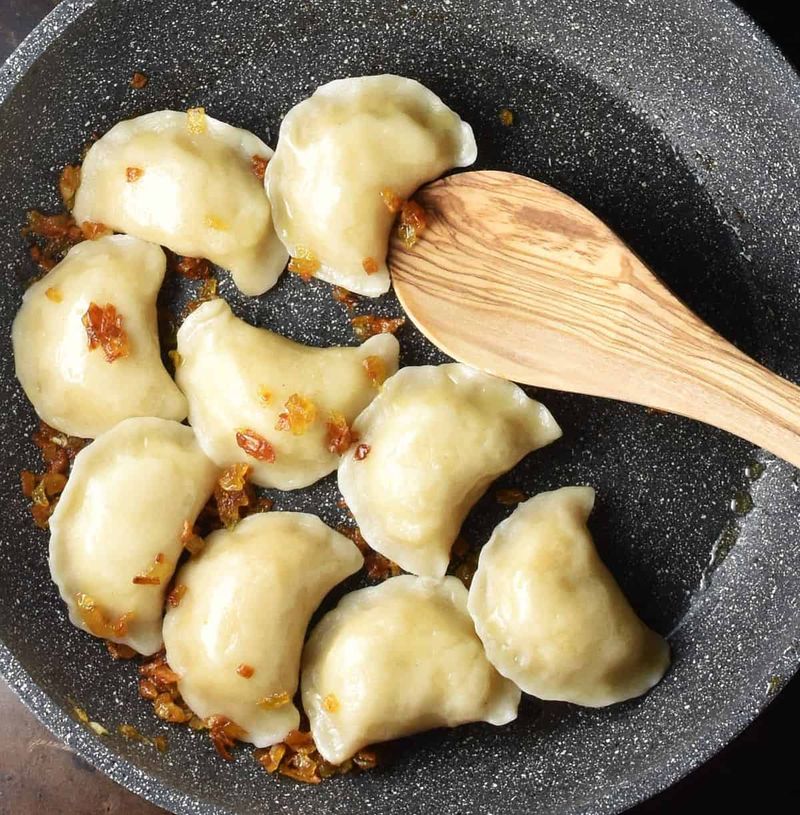
Folding pierogi is something Polish grandmothers do with their eyes closed. These stuffed dumplings, filled with potato, cheese, sauerkraut, or meat, have been a staple of Polish kitchens for centuries.
They are humble, filling, and absolutely satisfying in the most honest way possible.
During hard times in Polish history, pierogi kept families fed and together. Today they appear on holiday tables and in modern restaurants worldwide.
Each bite holds the flavor of resilience, family tradition, and a culture that has always found beauty in simple, nourishing food.
6. Biryani – South Asia
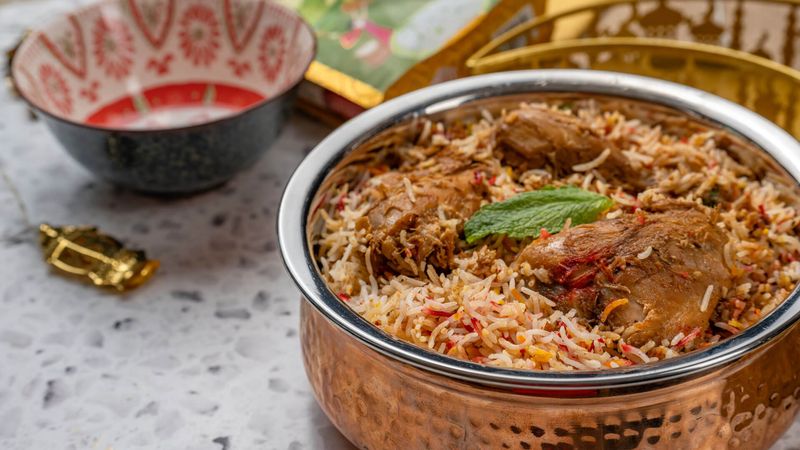
Biryani is a dish that demands respect. Layers of spiced rice and slow-cooked meat are sealed together and steamed, allowing flavors to meld in a process called dum cooking.
The result is a meal so aromatic it fills the entire street when a lid is finally lifted.
Originating in Mughal royal kitchens, biryani traveled across South Asia and evolved into dozens of regional styles. Hyderabadi, Lucknowi, Kolkata — each version tells a different chapter of the same rich, spice-soaked story.
7. Kimchi – Korea
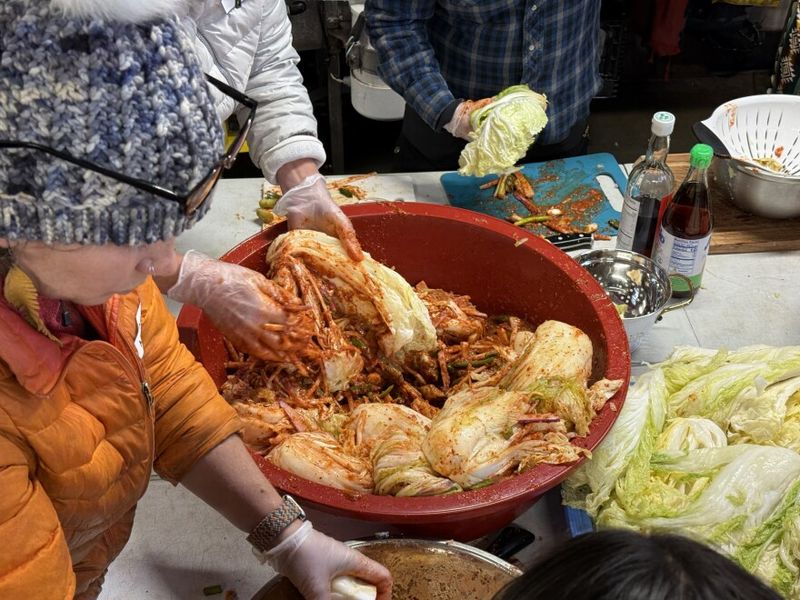
Once a year, Korean families gather for kimjang — a communal tradition of making and sharing kimchi before winter. Hundreds of heads of cabbage are salted, packed with chili paste, garlic, and ginger, then buried in clay pots to ferment.
It is a workout and a celebration at once.
Kimchi is so important to Korean identity that UNESCO recognized kimjang as an Intangible Cultural Heritage. This spicy, tangy side dish appears at every Korean meal, connecting modern tables to thousands of years of shared history.
8. Tacos al Pastor – Mexico
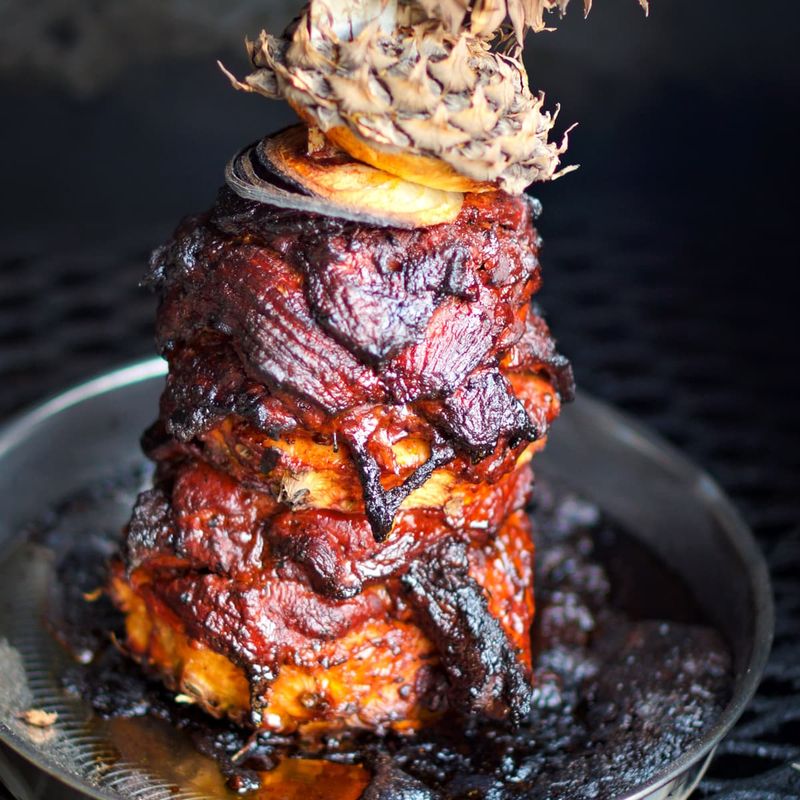
Here is a dish born from cultural collision in the best possible way. Lebanese immigrants brought shawarma to Mexico in the early 20th century, and Mexican cooks transformed it with chili marinades, corn tortillas, and a slice of fresh pineapple.
Tacos al pastor is fusion food before fusion food was a trend.
The spinning trompo, or spit, is a fixture of Mexican street food culture. Watching a skilled taquero shave meat and catch it on a tortilla is practically performance art — delicious, smoky performance art.
9. Borscht – Ukraine
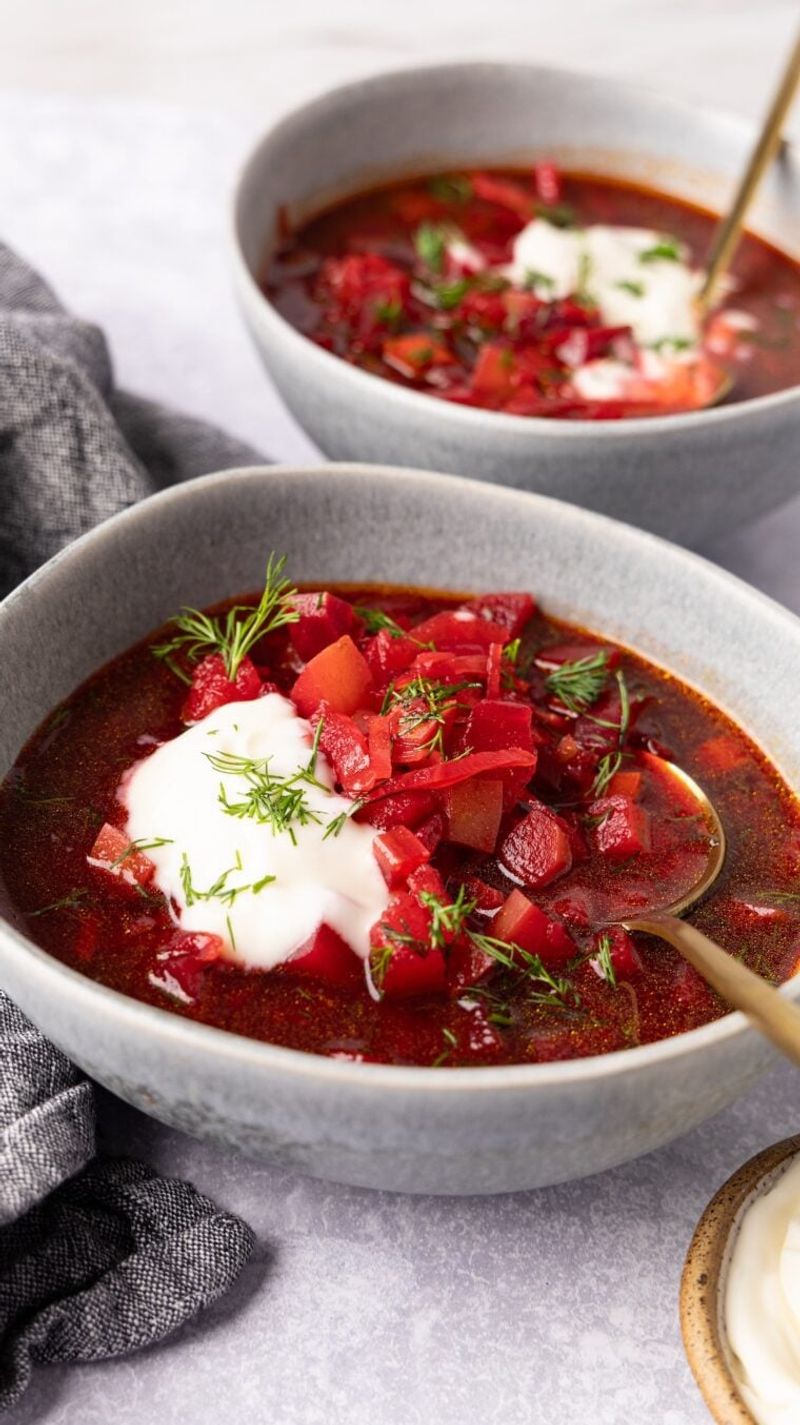
Borscht is the color of beets and the taste of Ukrainian winters. This hearty soup, made with beets, cabbage, potatoes, and sometimes meat, has warmed Ukrainian families for centuries.
No two recipes are exactly alike — some are sweet, some are sour, and some are so thick a spoon stands up in them.
In 2022, UNESCO added Ukrainian borscht to its list of endangered cultural heritage, recognizing it as far more than soup. It is a symbol of national identity that Ukrainians carry with them wherever life takes them.
10. Rendang – Indonesia
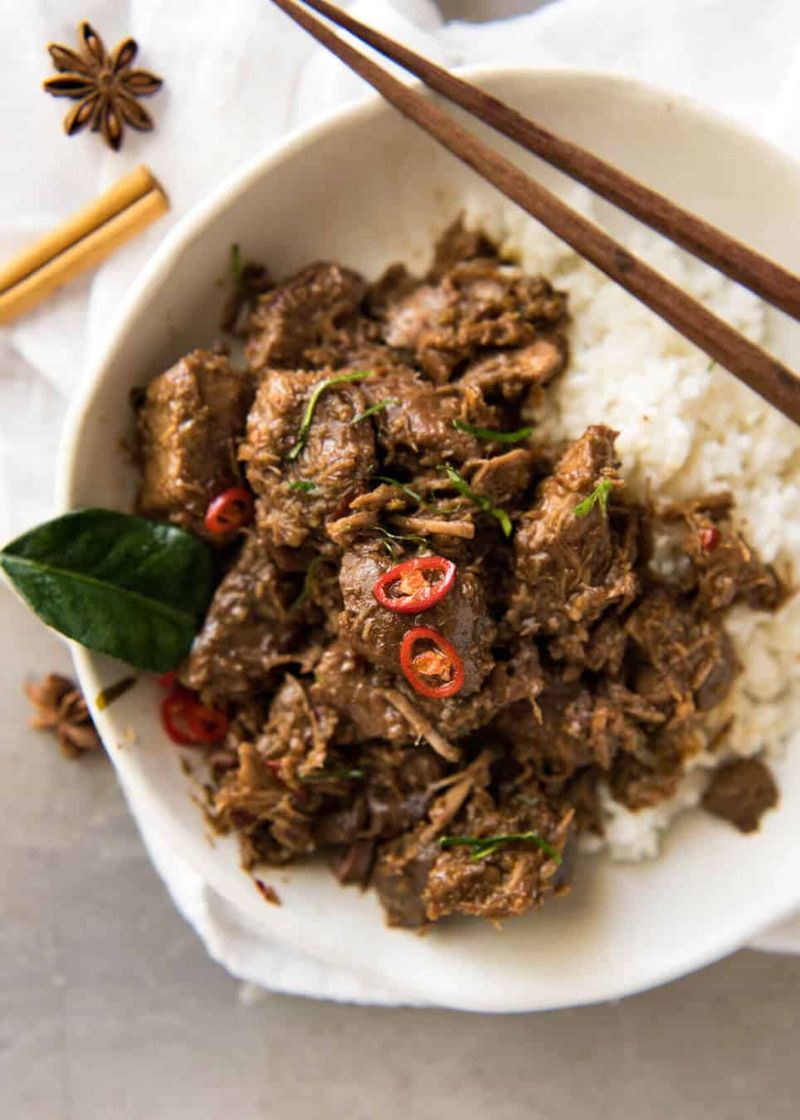
Rendang is the result of hours — sometimes six or more — of patient, slow cooking until beef becomes impossibly tender and the coconut milk sauce turns into a rich, almost dry coating of caramelized spice. It originated with the Minangkabau people of West Sumatra and was once cooked for long journeys because it lasted without refrigeration.
CNN once named rendang the world's most delicious food, and few argue. Every bite carries layers of lemongrass, galangal, turmeric, and chilies — a complex flavor map of Indonesian culinary wisdom.
11. Couscous – North Africa
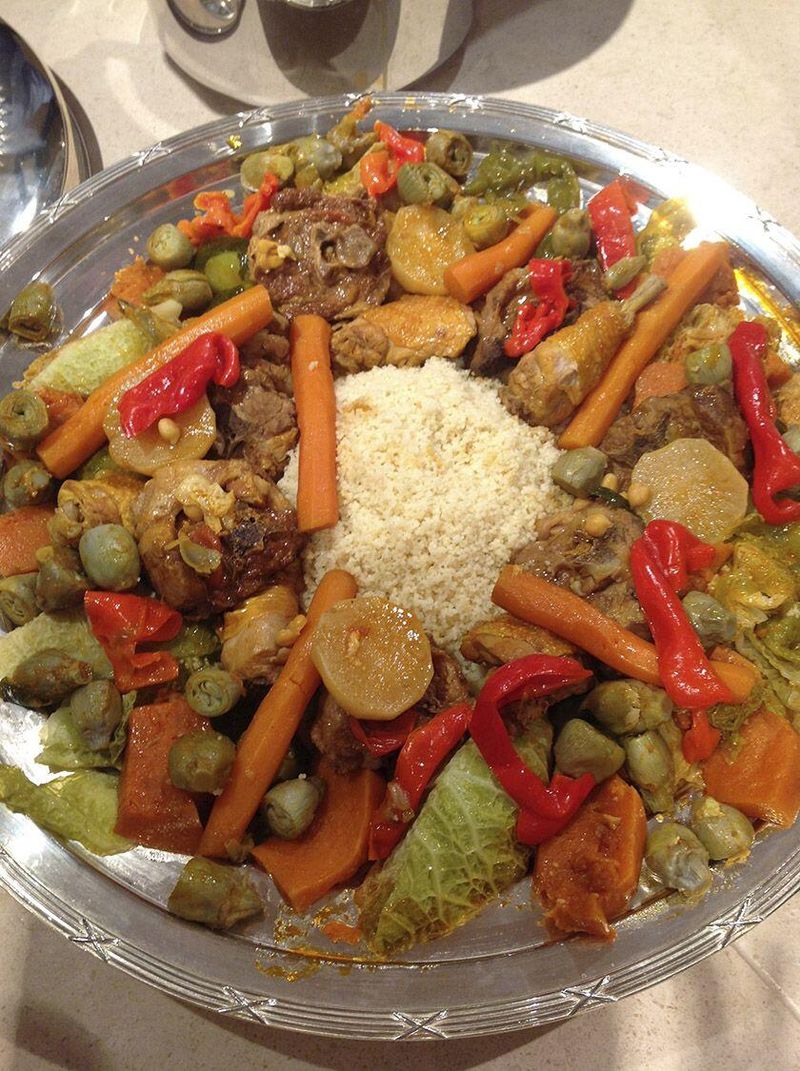
Friday lunch in Morocco, Algeria, or Tunisia almost always means couscous. Families gather around a single large platter, eating together by hand, sharing both food and conversation.
The tiny semolina grains, steamed to fluffy perfection, are topped with slow-cooked meat and vegetables seasoned with ras el hanout spice blend.
UNESCO recognized couscous as shared cultural heritage across multiple North African nations. It is a dish that crosses borders while reminding everyone that some traditions are bigger than any one country's claim.
12. Ramen – Japan
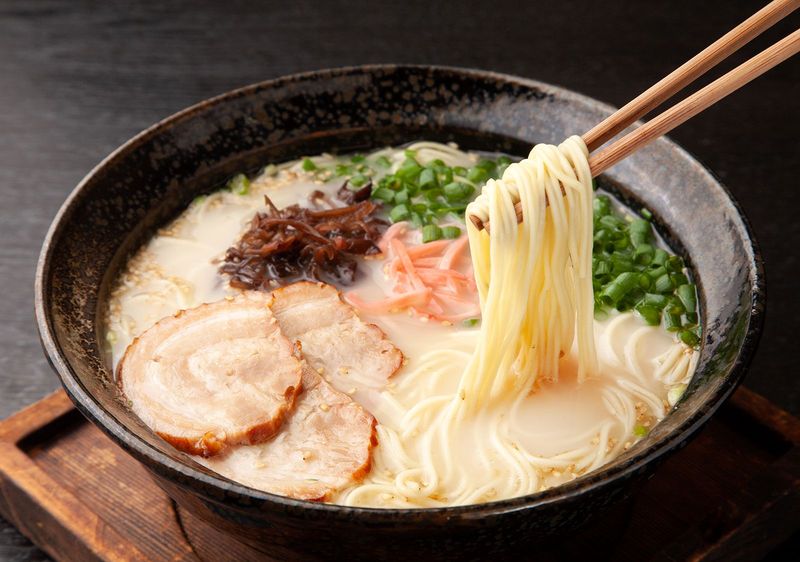
Japan turned a simple noodle soup into a national obsession. Ramen shops across the country spend years perfecting their broth, treating it with the same seriousness a chef might give to a fine wine.
Regional styles — soy-based shoyu, miso, salt-based shio, and creamy tonkotsu — each reflect the local ingredients and personality of their home region.
Ramen museums exist in Japan. Ramen has its own instant-noodle hall of fame.
This dish went from cheap post-war street food to a globally celebrated culinary art form with passionate fans on every continent.
13. Gumbo – Louisiana, USA
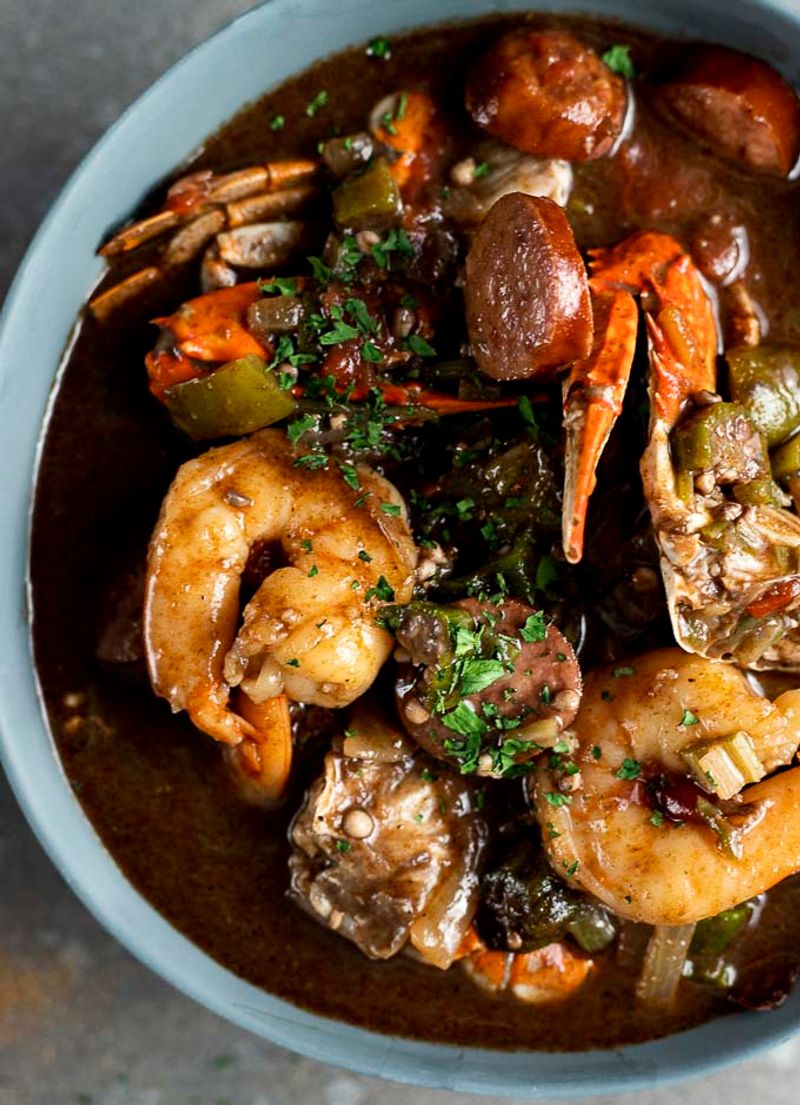
Gumbo is America's most honest cultural stew. West African cooks brought okra and the technique of thickening soups.
Native Americans contributed file powder from sassafras leaves. French, Spanish, and Creole traditions added layers of spice and technique.
Everything landed in one pot and became something entirely its own.
Louisiana gumbo is a culinary map of the Gulf South's complicated, rich history. Each family recipe reflects a unique ancestry, and no two pots taste exactly the same — which is exactly how it should be.
14. Haggis – Scotland
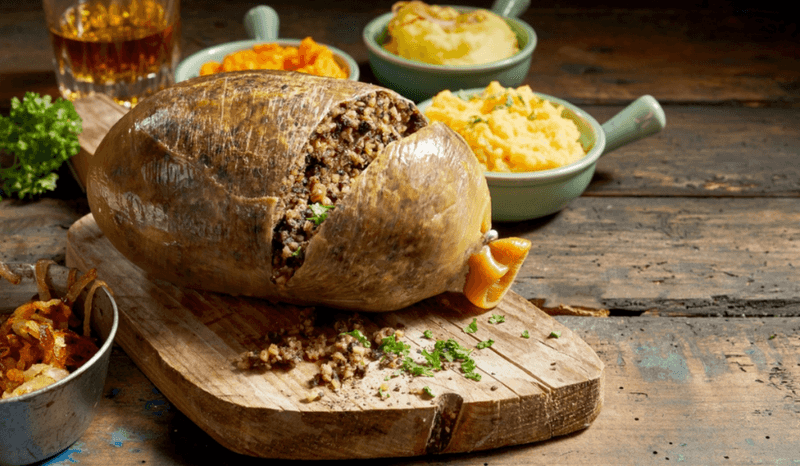
Haggis has a reputation problem — mostly from people who have never tried it. Made from sheep offal, oats, onion, and spices cooked inside a sheep's stomach, it sounds challenging, but tastes surprisingly hearty and peppery.
Scotland embraced it not despite its humble ingredients but because of them.
Every January 25th, Scots around the world celebrate Burns Night with haggis, poetry, and whisky. This dish, once peasant food, became a symbol of Scottish pride, wit, and the very human ability to make something beautiful from very little.
15. Miso Soup – Japan
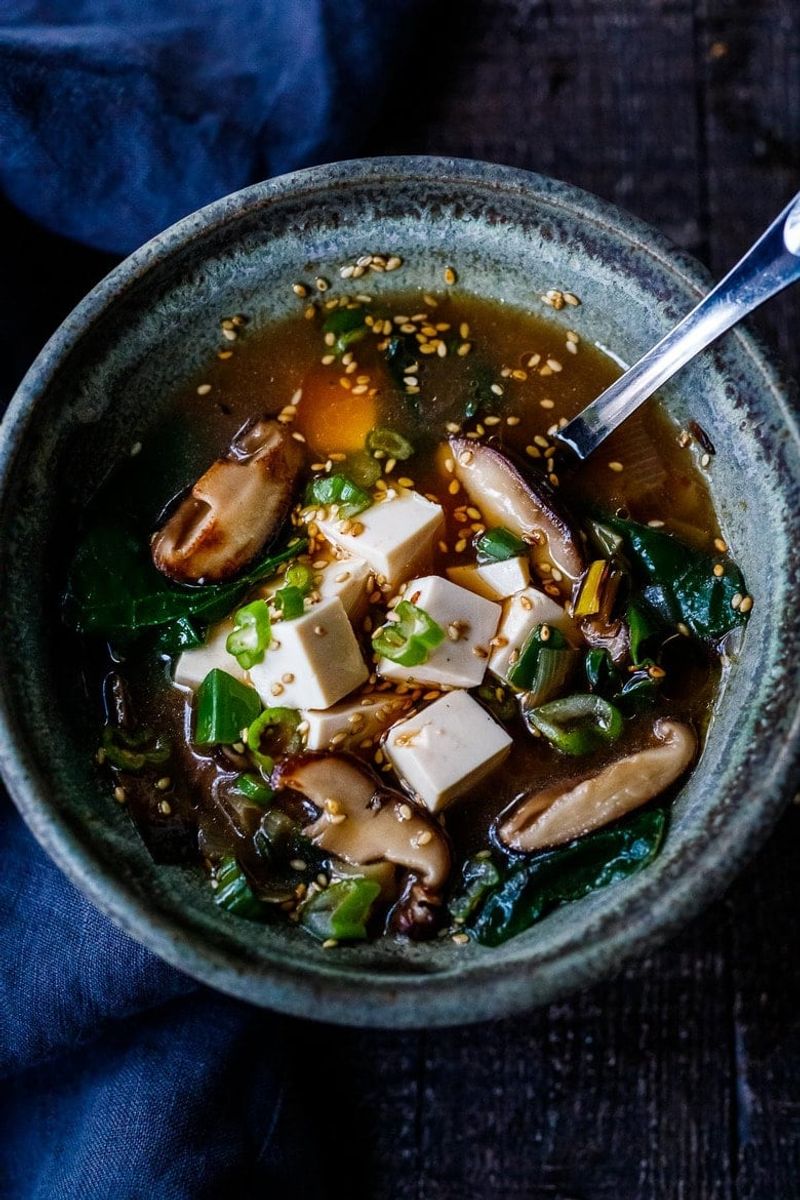
Miso soup is the quiet heartbeat of a Japanese morning. Fermented soybean paste dissolves into hot water with a few additions — tofu, seaweed, green onion — and the result is warm, savory, and deeply settling.
It has been a daily ritual in Japan for over a thousand years.
What makes miso soup remarkable is its simplicity and consistency. It asks for very little but gives a sense of calm and grounding.
In Japan, starting the day without it feels like something is genuinely missing from the world.
16. Ceviche – Peru
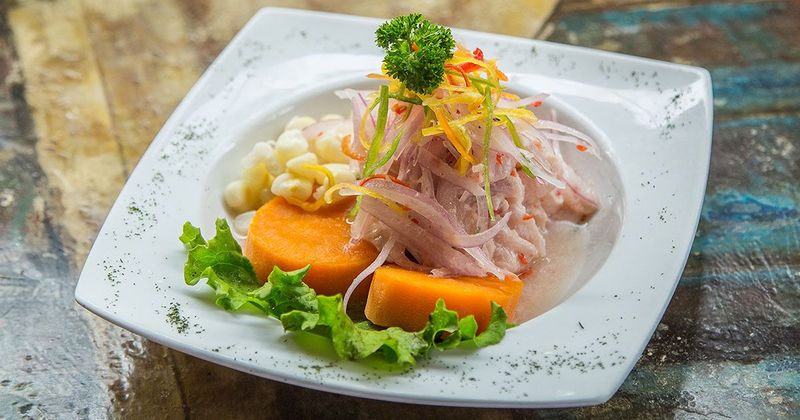
Peruvian ceviche is proof that fire is not always necessary. Raw fish is cured in citrus juice — a process called leche de tigre, or tiger's milk — which chemically cooks the flesh while keeping it silky and bright.
A splash of aji amarillo chili adds heat that lingers long after the last bite.
Ceviche is Peru's national dish and a source of fierce culinary pride. Lima is now considered one of the world's top food cities, and ceviche sits at the heart of that reputation with refreshing, unapologetic confidence.
17. Tagine – Morocco
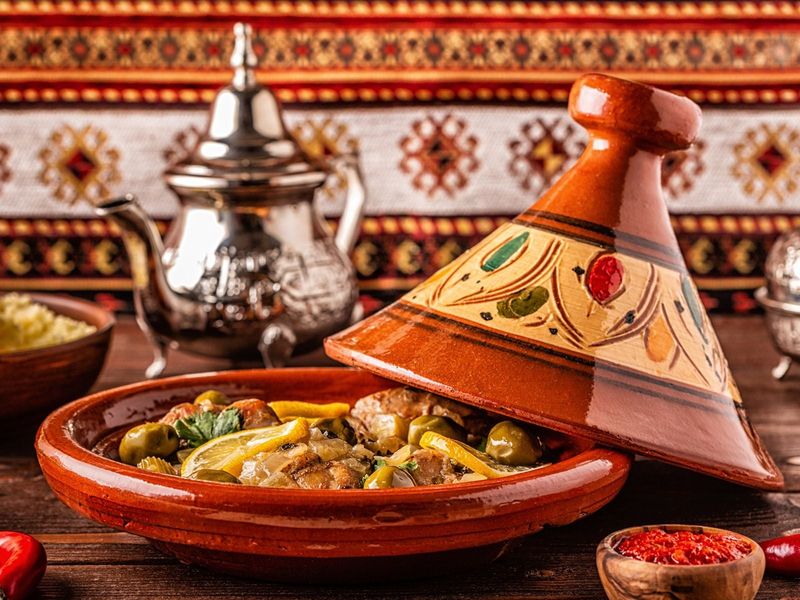
The conical clay pot called a tagine is not just a cooking vessel — it is an engineering marvel. Steam rises, condenses on the cone, and drips back down, keeping meat impossibly moist during hours of slow cooking.
Moroccan cooks have used this technique for centuries without ever needing a lid thermometer.
Tagine dishes carry the flavors of trade routes — saffron from Persia, ginger from Asia, preserved lemons from local orchards. Every bite is a reminder that Moroccan cuisine has always been a crossroads of cultures and spices.
18. Jerk Chicken – Jamaica
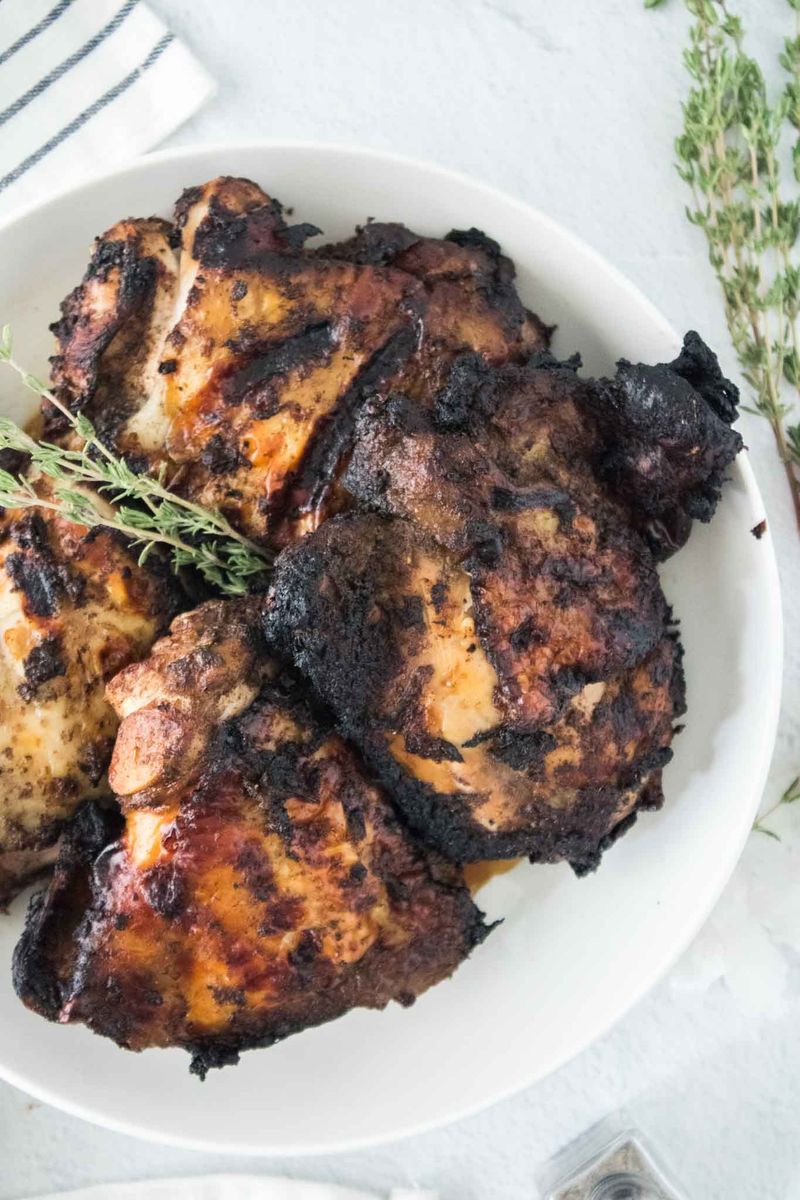
Real Jamaican jerk chicken is cooked over pimento wood — not charcoal, not gas — and that distinction matters enormously to anyone who grew up eating it roadside in St. Elizabeth or Boston Bay. The marinade, built on scotch bonnet peppers, allspice, thyme, and garlic, is rubbed deep into the meat overnight.
Jerk cooking was developed by the Maroons, escaped enslaved Africans who smoked meat slowly in pits to preserve it in the mountains. That history of survival and resourcefulness lives on in every smoky, fiery bite.
19. Peking Duck – China
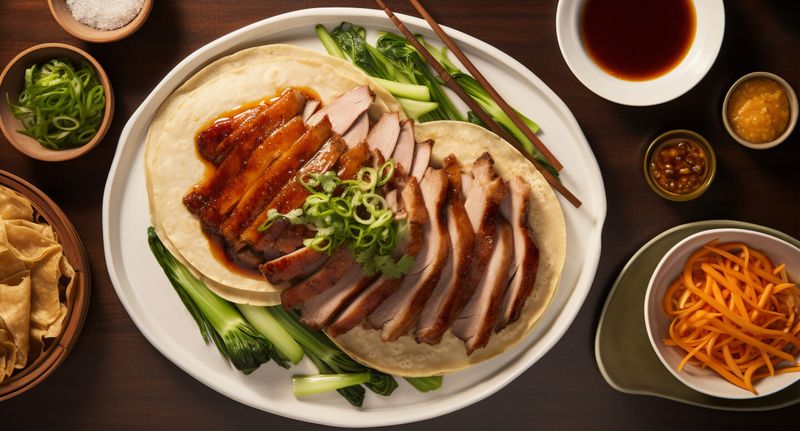
Peking duck has been served in Beijing for over 600 years, and the preparation is treated with ceremonial seriousness. Air is pumped under the skin before roasting to ensure it separates and crisps perfectly.
The duck is then lacquered with a maltose glaze and slow-roasted until the skin shatters like glass.
Eating Peking duck is a structured experience — crispy skin first, then meat wrapped in thin pancakes with hoisin sauce and cucumber. It is a dish that teaches patience, precision, and the Chinese philosophy of honoring ingredients completely.
20. Shakshuka – Middle East and North Africa
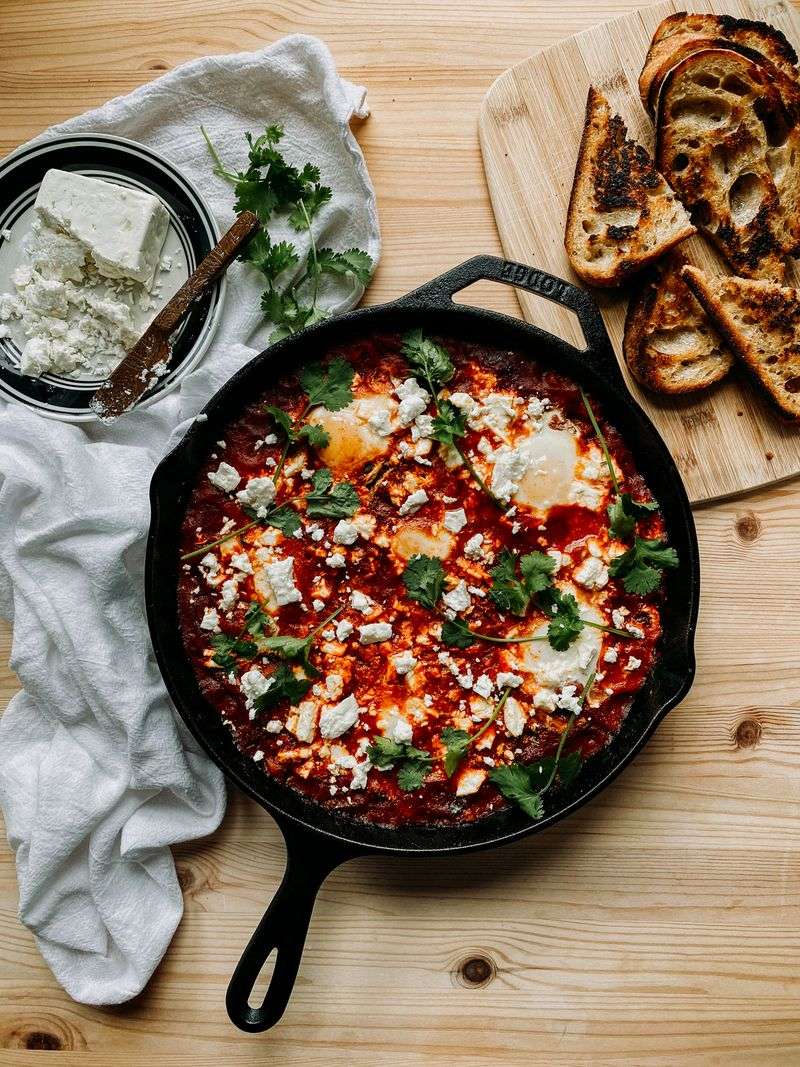
One skillet, a handful of tomatoes, eggs cracked right into bubbling sauce — shakshuka is the kind of meal that feels like a warm hug at any hour of the day. Popular across Tunisia, Israel, Libya, and beyond, its origins are debated but its fan base is universal and growing fast.
The dish carries the spirit of North African and Middle Eastern home cooking: bold spices, simple technique, and food that brings people around a shared pan. Tearing bread to scoop up yolk-rich sauce is one of the most satisfying acts in all of cooking.
21. Feijoada – Brazil
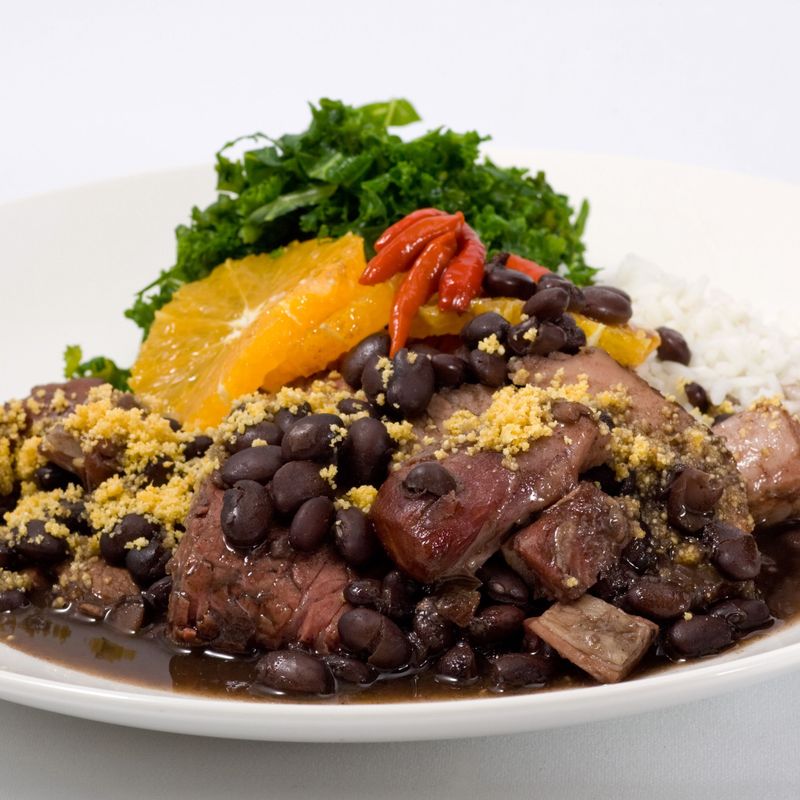
Feijoada is Saturday in Brazil. Families and friends gather around a slow-cooked black bean stew packed with smoked pork, sausage, and ribs, served with rice, collard greens, and orange slices to cut through the richness.
It is a full production that takes most of the morning to prepare.
Rooted in the food traditions of enslaved Africans who made nourishing meals from leftover cuts of meat, feijoada carries a complicated and important history. Today it is Brazil's national dish — a symbol of resilience, creativity, and the country's deeply layered cultural identity.
22. Banh Mi – Vietnam
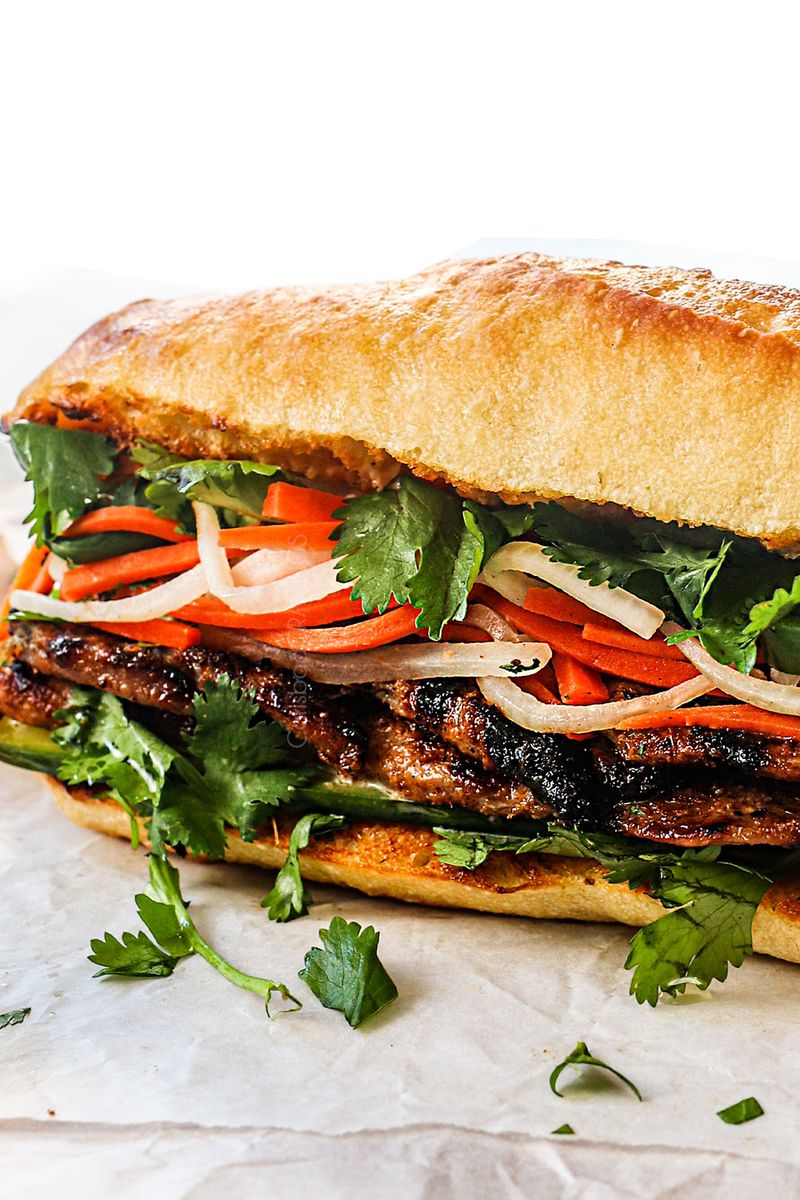
A French baguette in Vietnam sounds like an odd combination until you bite into a banh mi and realize it is one of the most perfectly balanced sandwiches ever invented. The crispy bread is a colonial leftover, but everything inside — pork pate, pickled vegetables, fresh herbs, chili — is distinctly Vietnamese.
Banh mi is a story of cultural adaptation and quiet defiance. Vietnamese cooks took what was left behind by French colonizers and made it entirely their own, creating something far more interesting than the original.
That is the real magic of this sandwich.




Comments
No Comments