













Food is one of the most powerful ways to learn about a culture. Every country has its own special dishes that tell stories about history, family, and tradition.
While most people know about pizza from Italy or sushi from Japan, there are so many amazing foods from lesser-known countries just waiting to be discovered. Get ready to explore 21 incredible traditional dishes from around the world that might surprise you!
1. Plov - Uzbekistan
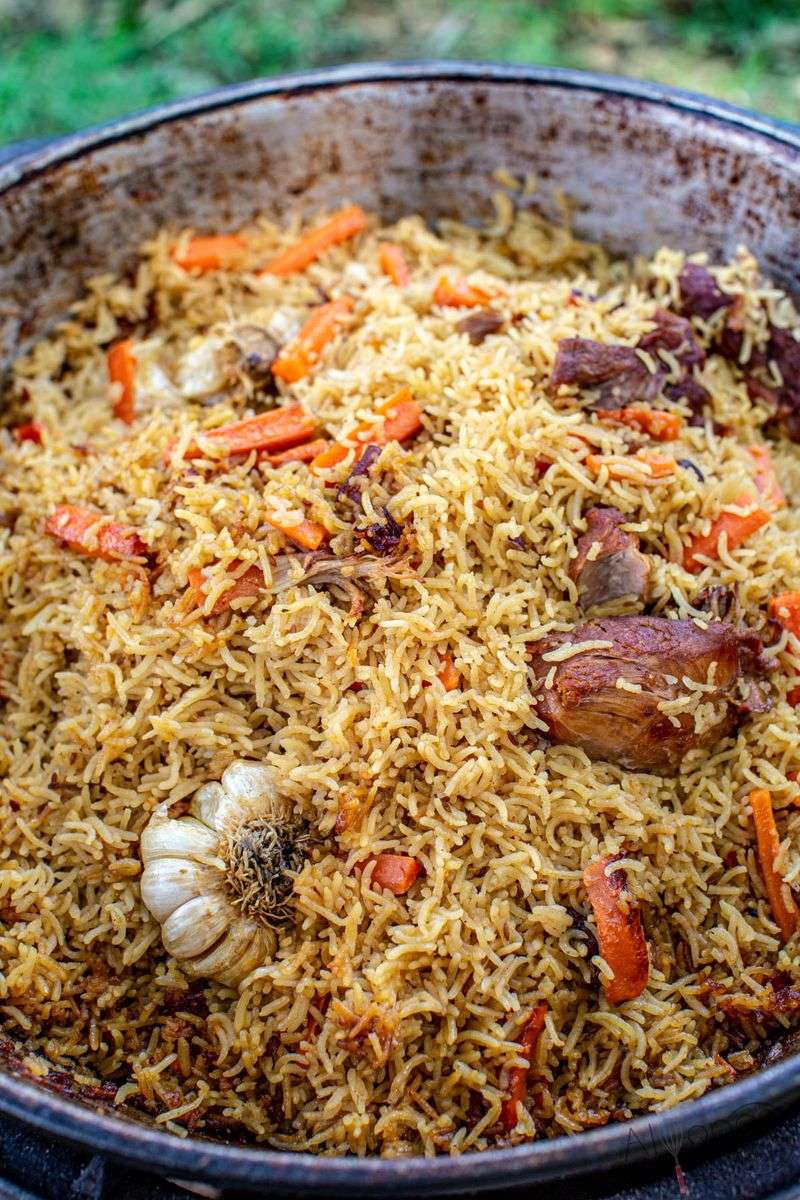
Imagine a single dish so beloved that an entire country gathers around it for celebrations. Plov is Uzbekistan's national dish, made from rice, lamb, carrots, and spices all cooked together in a huge iron pot called a kazan.
The rice soaks up all the rich, savory flavors, making every bite incredibly satisfying.
Traditionally, men do the cooking for large gatherings, and a skilled plov chef is highly respected. It has been recognized by UNESCO as an important cultural tradition.
2. Thieboudienne - Senegal
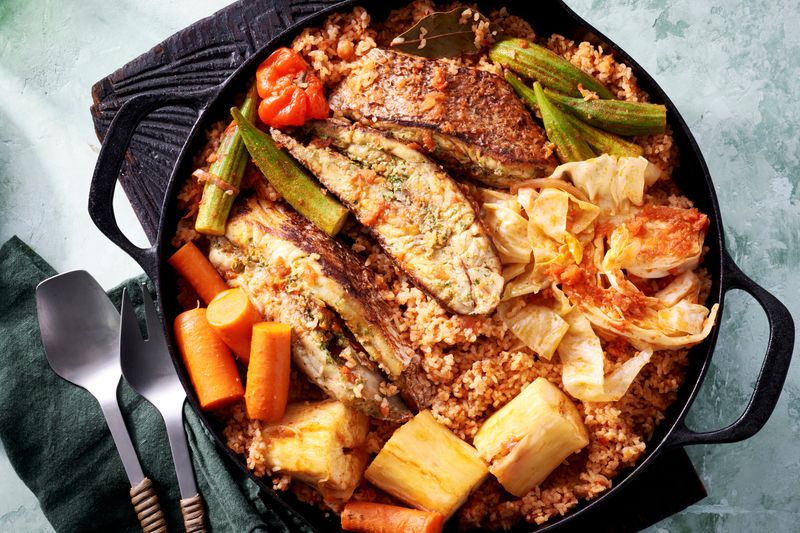
Senegal's most famous dish sounds like a party on a plate. Thieboudienne, pronounced "cheb-u-jen," combines fish, tomato-stained rice, and a medley of vegetables like cassava, eggplant, and cabbage.
The name literally translates to "rice and fish" in Wolof, and it perfectly describes this hearty, flavorful meal.
Families traditionally eat it together from one large shared platter, which makes mealtime feel like a real community event. Many food historians consider it the ancestor of Louisiana jambalaya!
3. Khinkali - Georgia
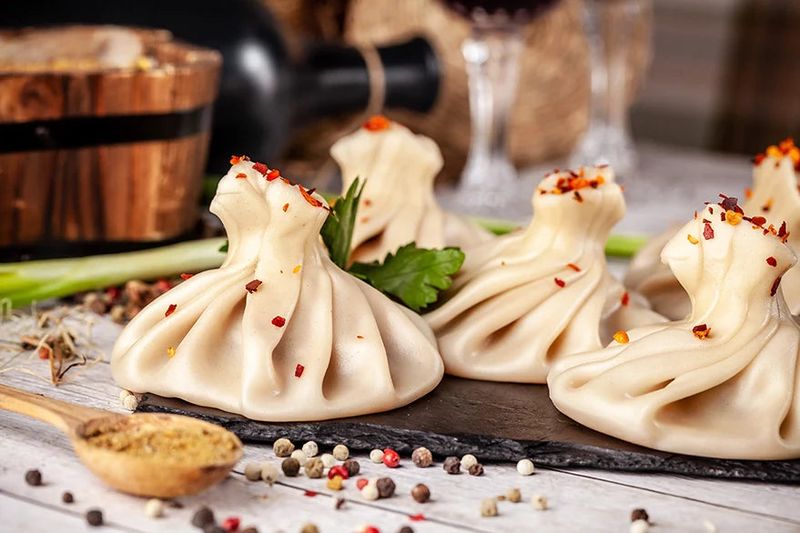
Twisting, pinching, and pleating dough into perfect little purses is practically an art form in Georgia, the country nestled between Europe and Asia. Khinkali are juicy soup dumplings stuffed with spiced meat, mushrooms, or cheese, sealed with a thick doughy knob on top that you hold while eating.
The trick is to bite carefully so the hot broth inside doesn't spill!
Locals joke that counting the folds tells you how skilled the cook is. More folds means more respect at the table.
4. Ful Medames - Eritrea
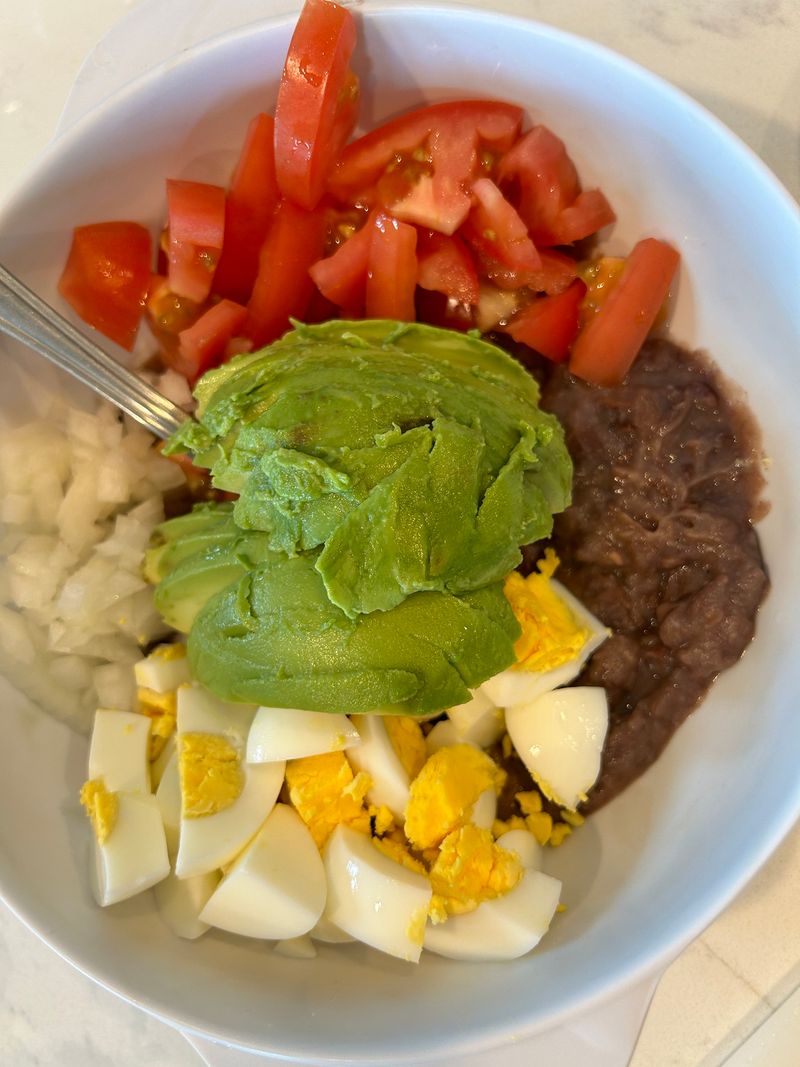
Breakfast in Eritrea often starts with something humble yet deeply nourishing. Ful medames is a thick, creamy stew made from slow-cooked fava beans mashed with garlic, lemon juice, and olive oil.
A sprinkle of chopped tomatoes and green chilies on top adds brightness and heat.
Scooped up with fresh flatbread called injera or taita, it fuels people through long, busy mornings. This dish is ancient, with records of fava beans being eaten in the region dating back thousands of years.
5. Borscht - Belarus
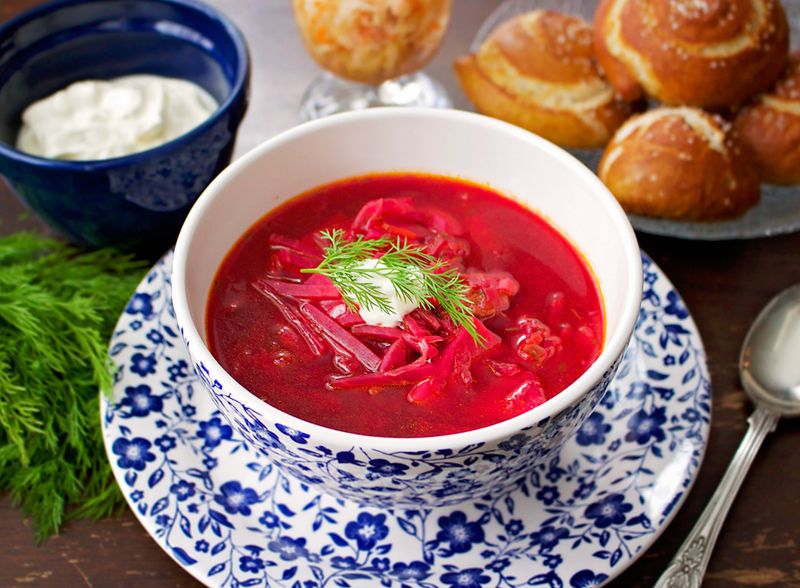
Bright crimson and steaming hot, borscht is the kind of soup that warms you from the inside out on a cold winter day. Belarus has its own cherished version of this famous beet soup, typically made with beef, cabbage, potatoes, and of course, plenty of earthy red beets.
A generous spoonful of smetana, which is sour cream, swirled on top balances the tangy flavor beautifully.
Every Belarusian family has a slightly different recipe passed down through generations, making each bowl uniquely personal and deeply comforting.
6. Mofongo - Puerto Rico
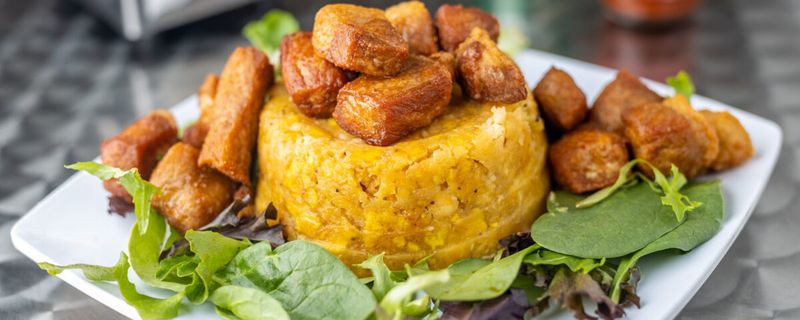
Puerto Rico may be a small island, but its food packs enormous personality. Mofongo is made by mashing fried green plantains with garlic, olive oil, and crispy pork rinds called chicharrones inside a wooden mortar called a pilón.
The result is a dense, garlicky mound of pure comfort food.
It can be stuffed with shrimp, chicken, or beef stew poured right over the top. The dish has African roots, brought to the island centuries ago through the transatlantic slave trade.
7. Mantu - Afghanistan
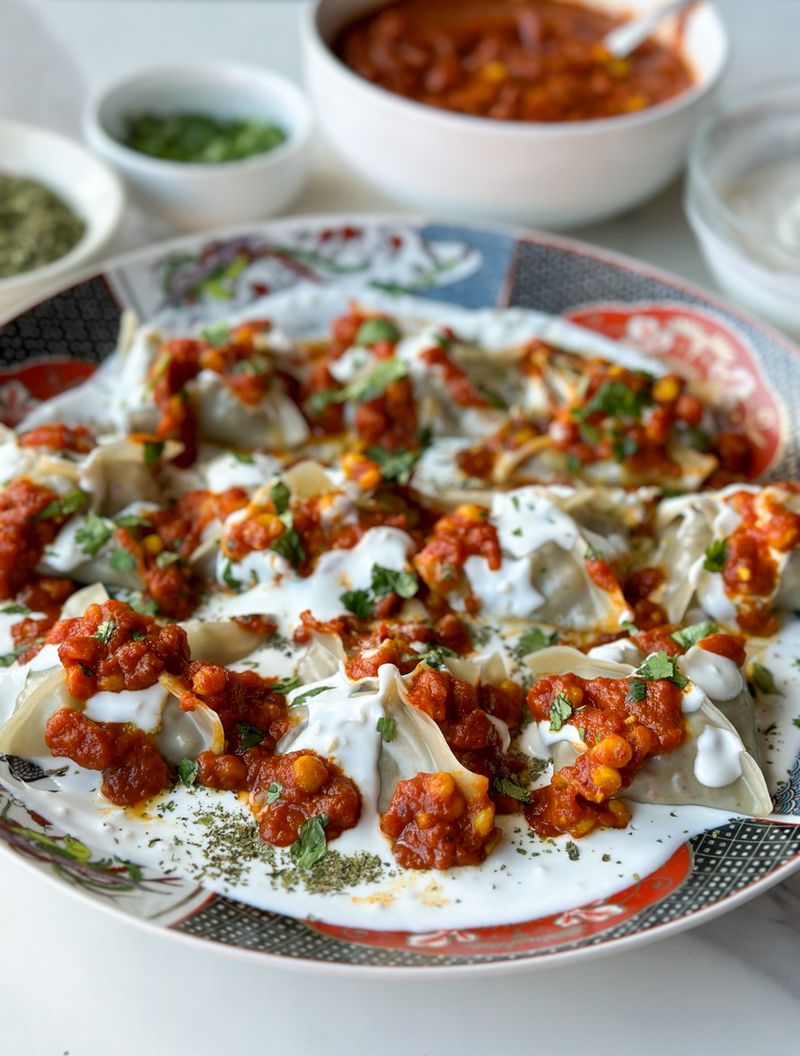
Afghanistan's answer to the dumpling is both elegant and deeply satisfying. Mantu are delicate steamed dumplings filled with spiced ground beef or lamb and onions, then piled high with a tangy yogurt sauce and a rich tomato-meat topping.
A dusting of dried mint and red pepper finishes the dish with color and warmth.
Making mantu is a labor of love, often a family activity where everyone gathers to fold hundreds of tiny dumplings together. Serving them at celebrations shows great hospitality and care.
8. Samsa - Tajikistan
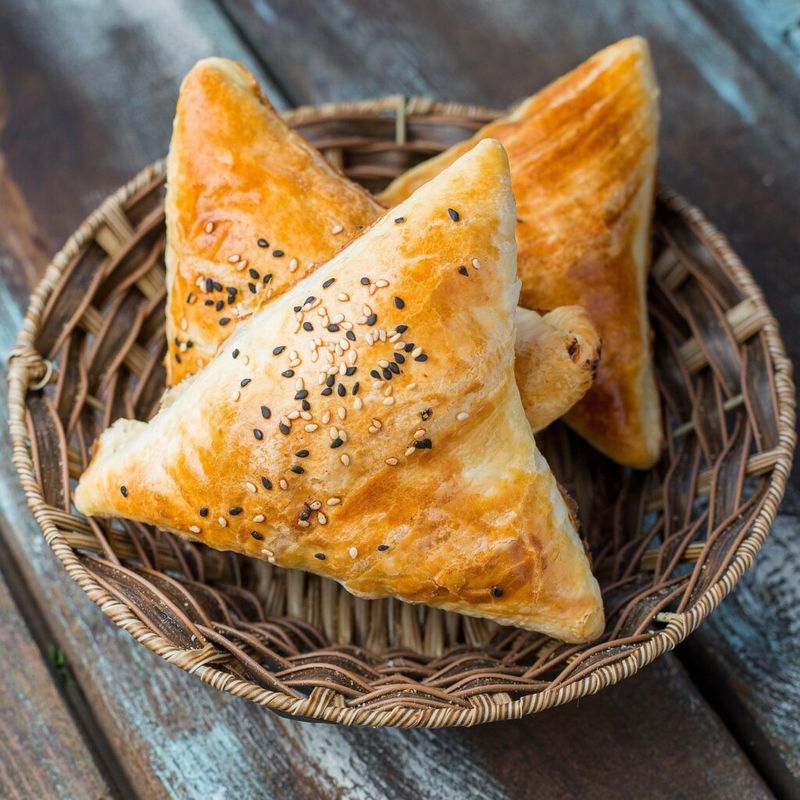
Pulled fresh from a clay tandoor oven, Tajikistan's samsa pastries are impossible to resist. These triangular or round flaky pastries are stuffed with a savory mix of minced lamb, onion, and cumin, then baked until golden and bubbling.
The outside is shatteringly crisp while the inside stays juicy and aromatic.
Street vendors sell them piping hot throughout Central Asia, but Tajik families take pride in their homemade versions. Some regions add pumpkin or potato filling as a delicious seasonal variation.
9. Jollof Rice - Sierra Leone
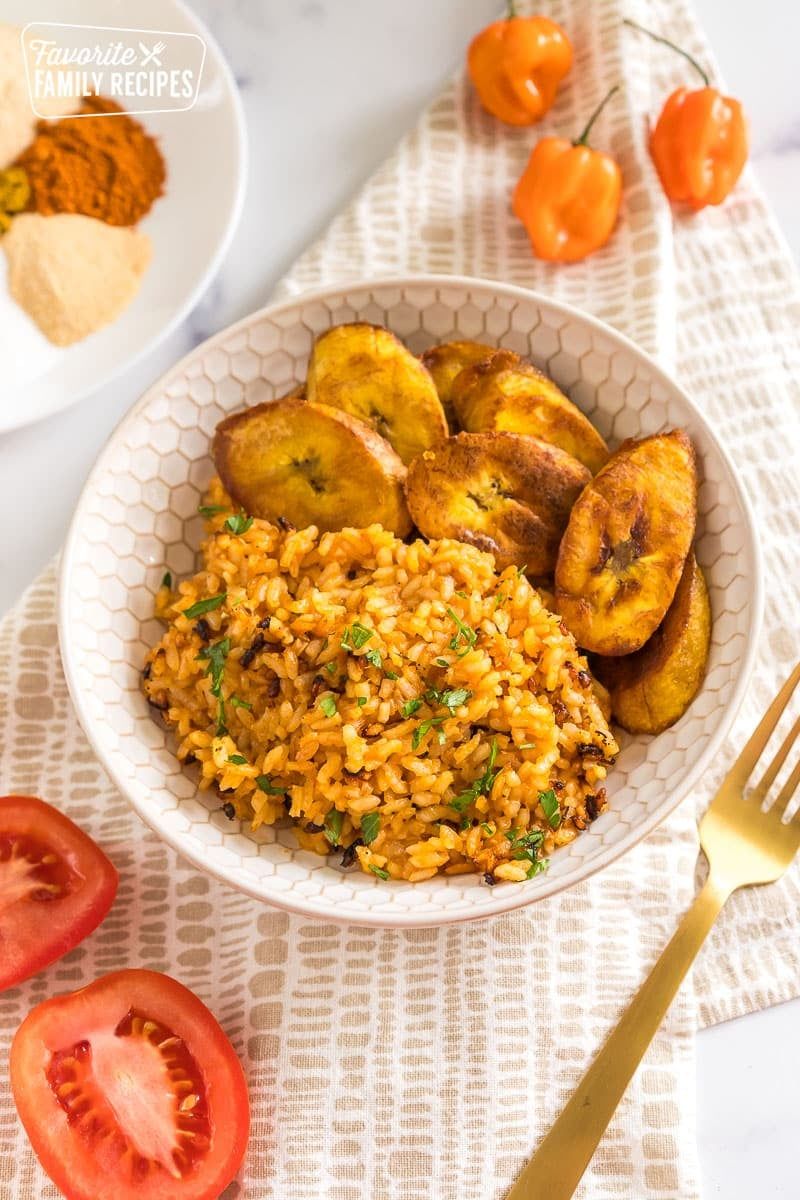
Few dishes spark as much pride and friendly debate across West Africa as jollof rice, and Sierra Leone has its own delicious claim to this beloved classic. Rice is cooked directly in a rich blend of tomatoes, peppers, onions, and spices until every grain absorbs that deep, smoky flavor.
Served alongside fried plantains and grilled chicken, it becomes a full celebration on a plate.
Sierra Leonean jollof often has a slightly smokier taste from the cooking method, giving it a unique character that fans swear is the best version in the region.
10. Lapskaus - Norway
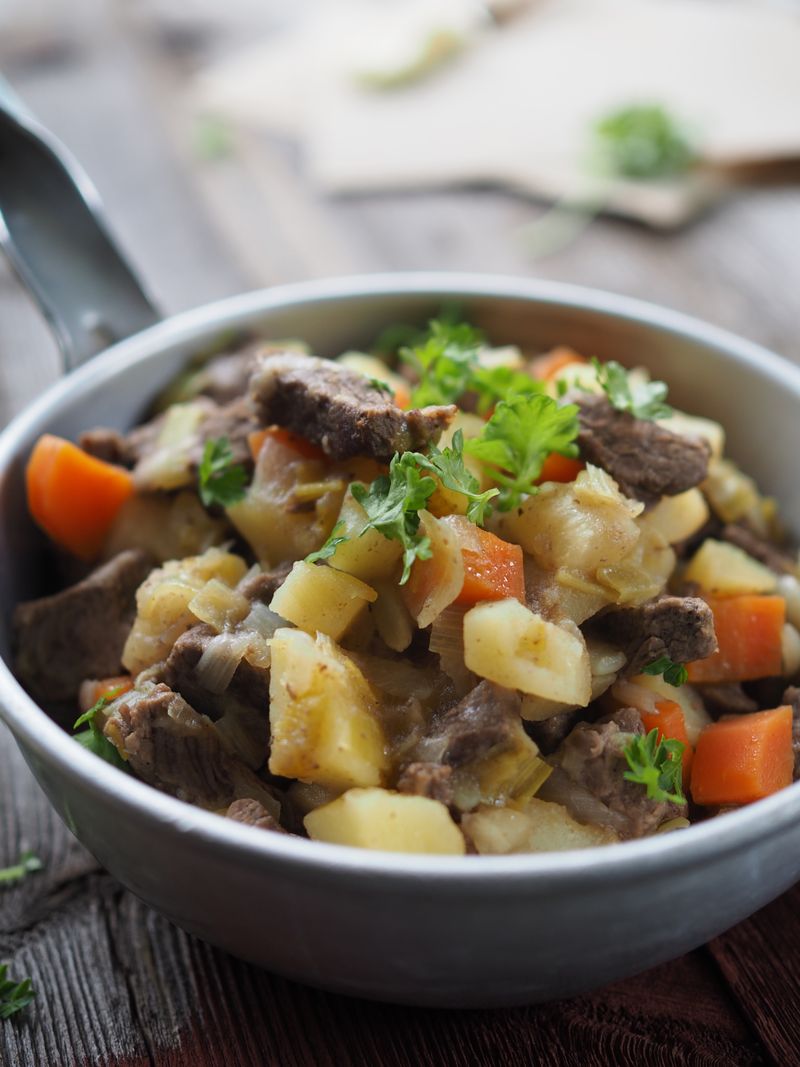
Norway's winters are long, dark, and bitterly cold, which explains why lapskaus became such a staple in Norwegian kitchens. This thick, hearty stew combines salted or fresh beef, potatoes, carrots, and leeks simmered until everything melts together into a cozy, filling bowl.
Sailors and fishermen relied on this dish for centuries because it was easy to make in large batches and kept well in the cold.
Today it remains a nostalgic comfort food for many Norwegians, especially during the chilly fall and winter months when warmth is most welcome.
11. Burek - Bosnia and Herzegovina
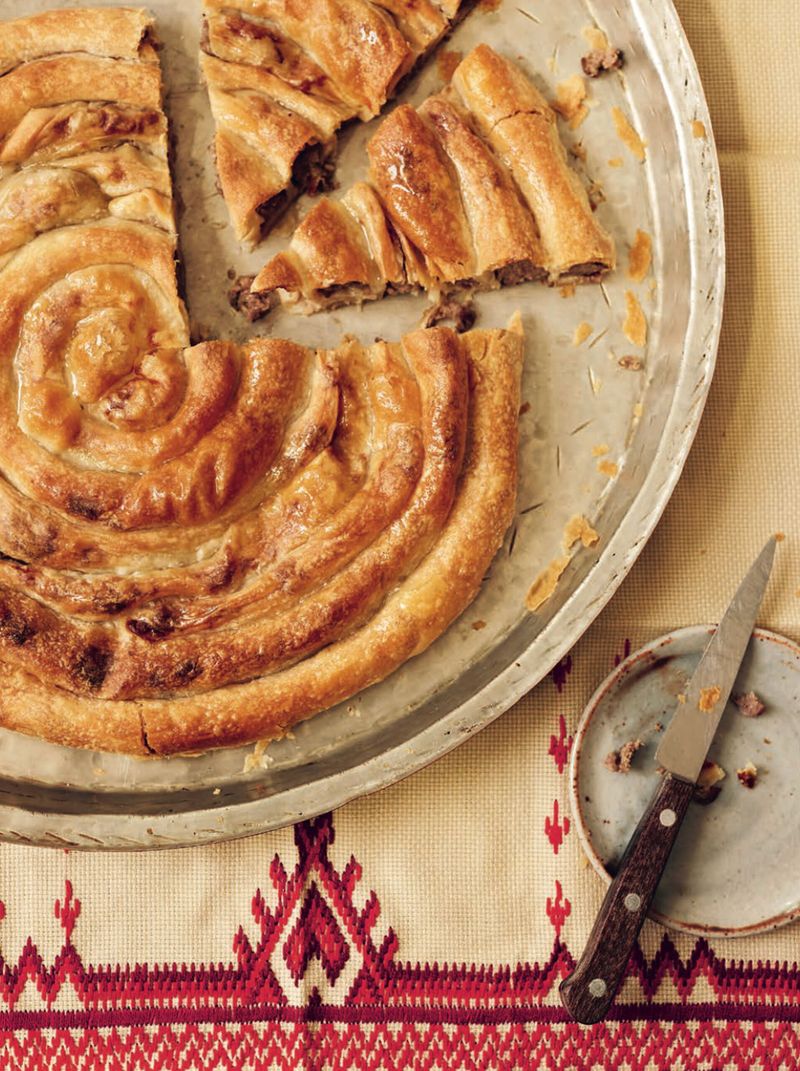
Walk down any street in Sarajevo early in the morning and you will likely smell burek baking nearby. This spiral-shaped pastry is made from paper-thin phyllo dough layered with seasoned ground beef, then baked until gloriously golden and crispy.
Bosnians are very particular about their burek, insisting that the meat version is the only true burek, while similar pastries with cheese or spinach get different names.
Paired with a glass of cold yogurt called kiselo mlijeko, it makes a breakfast that is both simple and absolutely satisfying.
12. Caldo Verde - Cape Verde
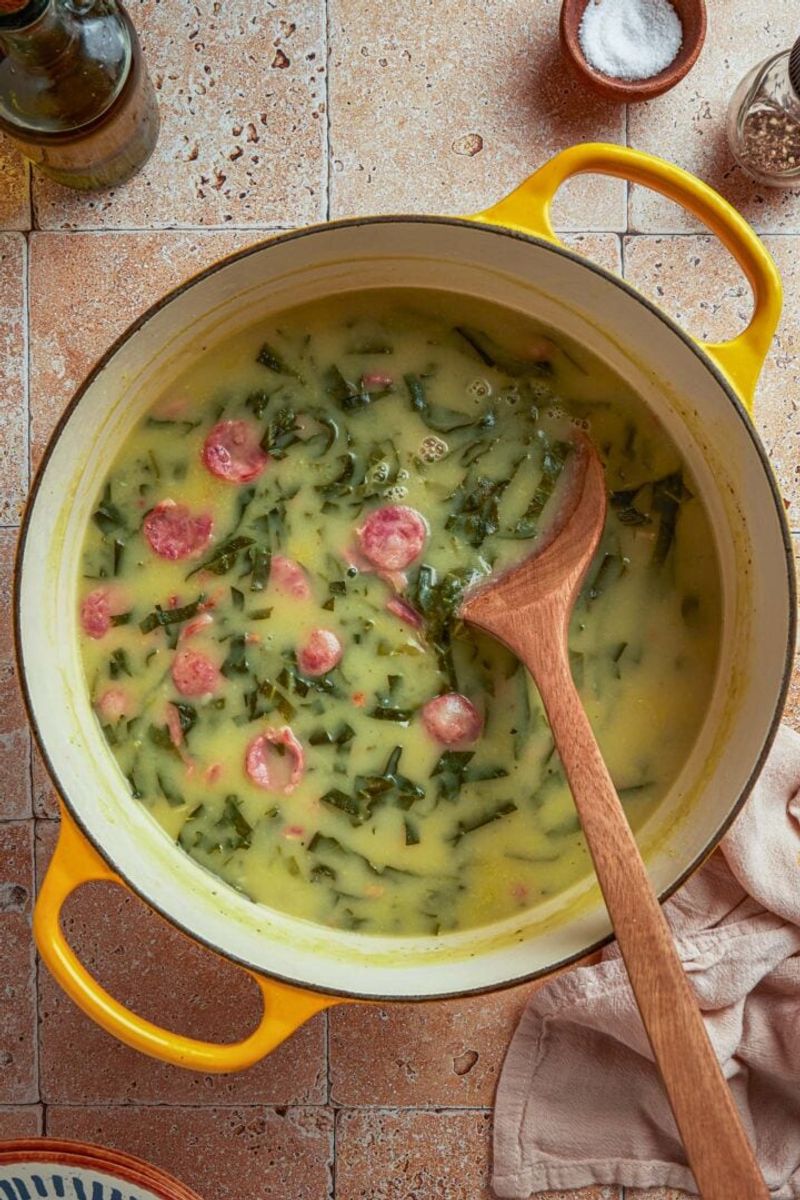
Cape Verde is a small island nation off the coast of West Africa with strong Portuguese roots, and caldo verde reflects that beautifully. This vibrant green soup is made with thinly shredded kale or collard greens, potatoes, and slices of smoky chorizo sausage swimming in a golden, savory broth.
It is simple, affordable, and deeply warming.
Island residents often enjoy it year-round because the ingredients are easy to grow locally. The bright green color and bold flavors make it feel like a bowl full of sunshine even on cloudy days.
13. Khoresh Fesenjan - Iran
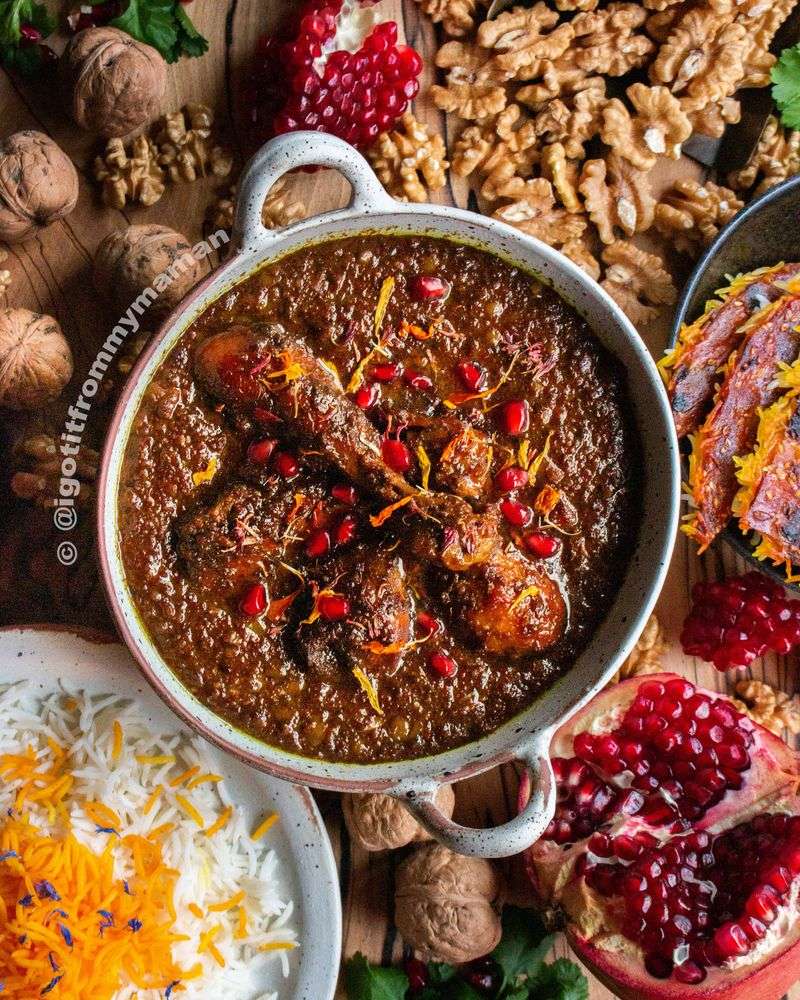
Dark, tangy, and deeply complex, khoresh fesenjan is unlike any stew you have probably tasted before. This Persian classic combines slow-cooked chicken or duck with a sauce made entirely from ground walnuts and pomegranate molasses, creating a flavor that is simultaneously sweet, sour, and nutty all at once.
The color turns a beautiful deep mahogany as it simmers.
Served over fluffy saffron rice, it is a dish reserved for special occasions and honored guests in many Iranian homes. Ancient Persian poetry even mentions pomegranate dishes, showing just how old this culinary tradition truly is.
14. Pljeskavica - Serbia

Serbia's answer to the burger is bigger, juicier, and far more flavorful than anything you might find at a fast-food chain. Pljeskavica is a large, flat grilled patty made from a mixture of beef, pork, and lamb, sometimes stuffed with melted cheese or kajmak, a rich creamy dairy spread.
Tucked inside a pillowy flatbread called lepinja with ajvar pepper sauce and raw onions, it is a full flavor explosion.
Sold at street food stalls called ćevabdžinicas across Serbia, it is the ultimate casual meal that locals enjoy any time of day.
15. Rendang - West Sumatra, Indonesia
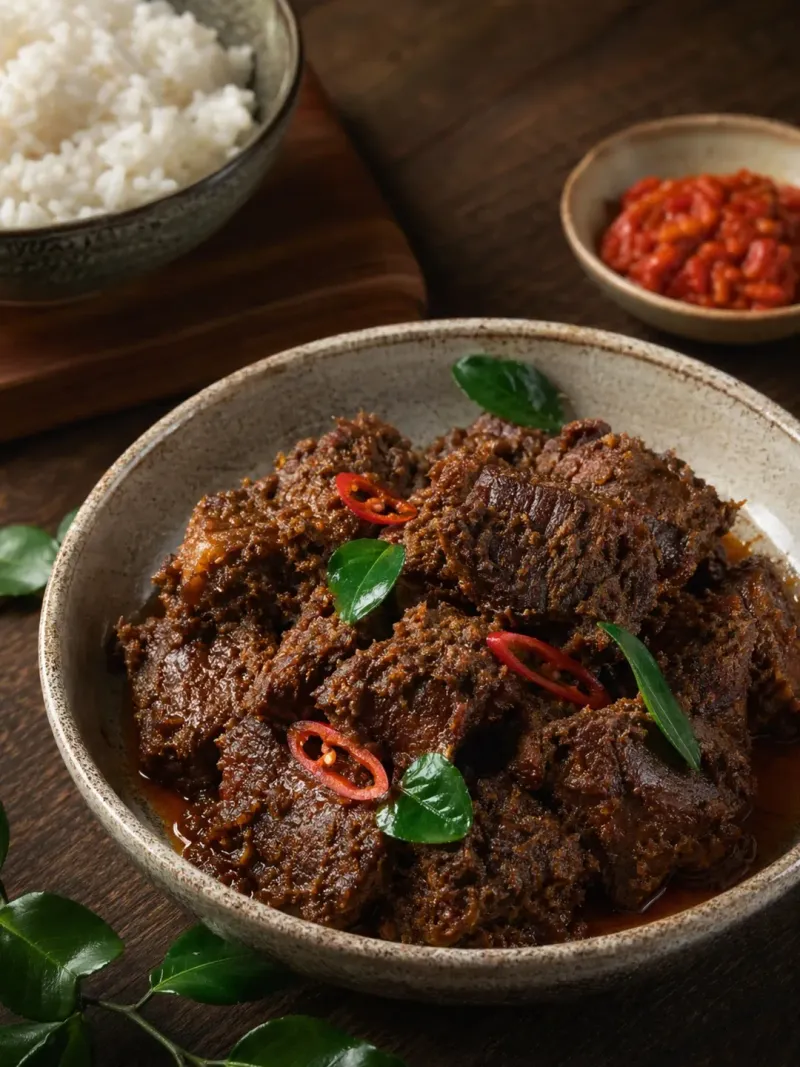
CNN once named rendang the most delicious food in the world, and one bite makes it easy to understand why. Originating from the Minangkabau people of West Sumatra, this slow-cooked beef dish is simmered for hours in coconut milk and a powerhouse blend of spices including lemongrass, galangal, turmeric, and chilies until the liquid evaporates and the meat turns deep, dark, and intensely flavored.
The longer it cooks, the richer it tastes. Rendang actually keeps for weeks without refrigeration because the spices act as natural preservatives, making it historically perfect for long journeys.
16. Sadza - Zimbabwe
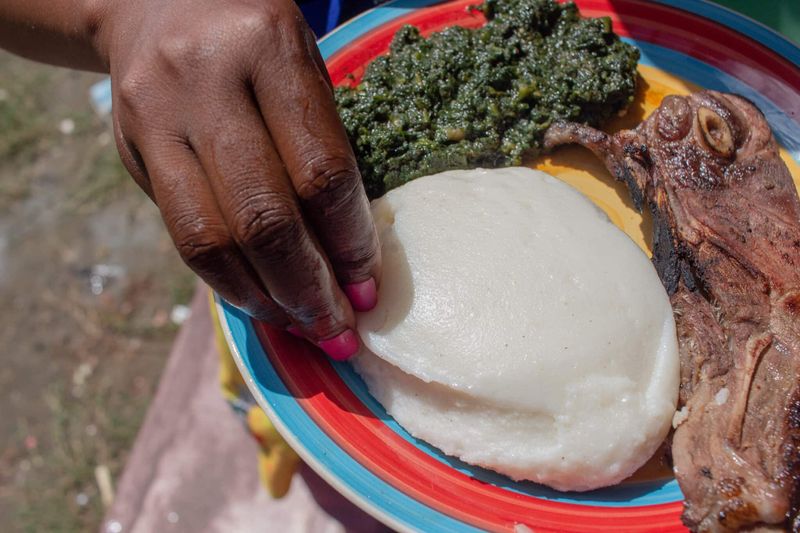
Sadza is so central to Zimbabwean life that asking someone if they have eaten is sometimes phrased as asking if they have had their sadza. Made from finely ground white maize meal stirred vigorously over heat until it becomes a thick, smooth, dough-like porridge, it forms the foundation of nearly every main meal.
Eaten with the right hand, it is rolled into a small ball and dipped into relish.
Common accompaniments include stewed greens, beans, or grilled meat. Sadza is not just food in Zimbabwe, it is identity, comfort, and home all combined into one simple dish.
17. Loco Moco - Hawaii, USA
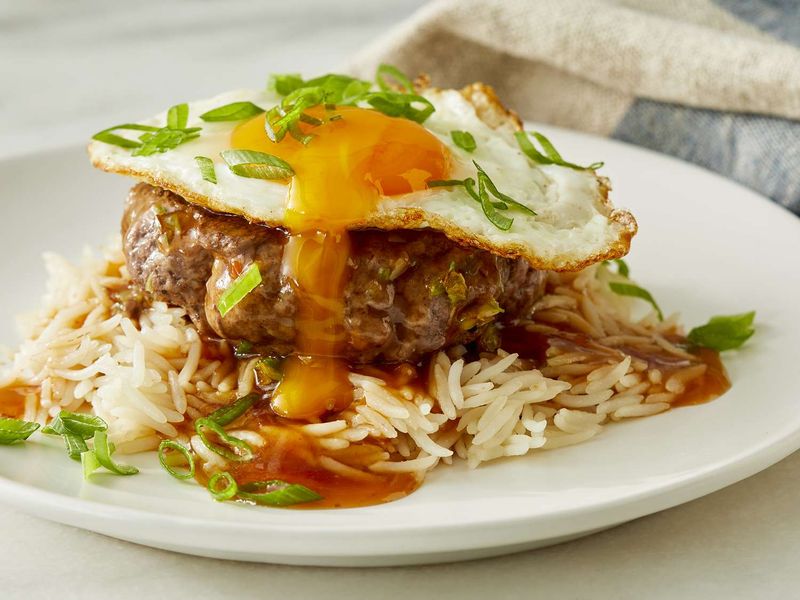
Born in a small diner in Hilo, Hawaii back in 1949, loco moco is one of those wonderfully quirky dishes that somehow makes perfect sense once you taste it. White rice is topped with a hamburger patty, then crowned with a fried egg and smothered in thick brown gravy.
It sounds unusual, but the combination of textures and flavors is incredibly comforting.
Teenagers at the Lincoln Grill reportedly created the original recipe looking for something cheap and filling. Today it is a beloved Hawaiian staple found on menus across all the islands.
18. Fufu and Egusi Soup - Cameroon
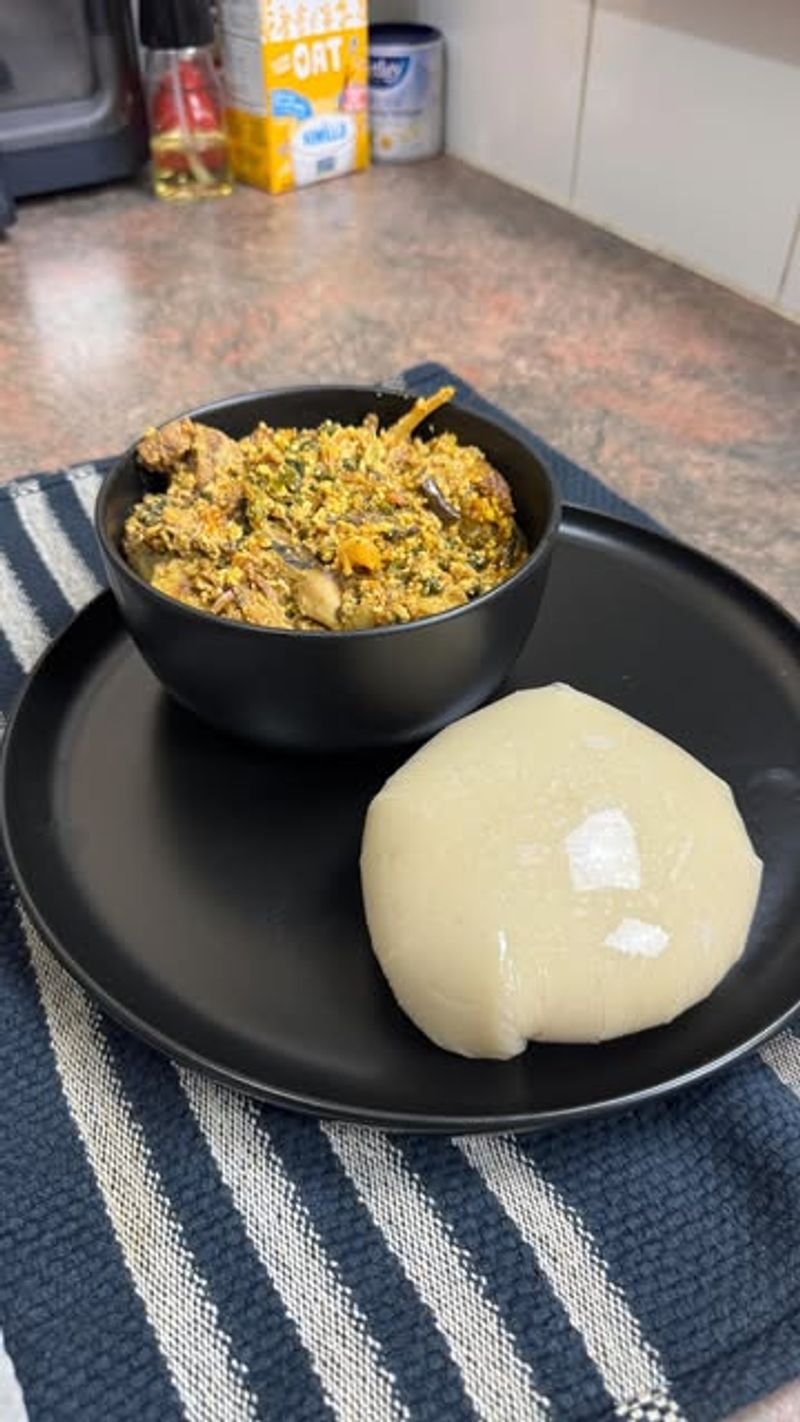
Pounding fufu is a workout, but the result is absolutely worth the effort. Fufu is a smooth, stretchy dough made from boiled and pounded cassava, yam, or plantain, and in Cameroon it is the perfect partner for egusi soup.
Egusi soup is a thick, aromatic stew made from ground melon seeds cooked with leafy greens, palm oil, and various meats or fish.
You pinch off a small piece of fufu, roll it into a ball with your fingers, make a little indentation, and use it to scoop up the flavorful soup. No spoon required, and honestly, no spoon needed.
19. Beshbarmak - Kyrgyzstan
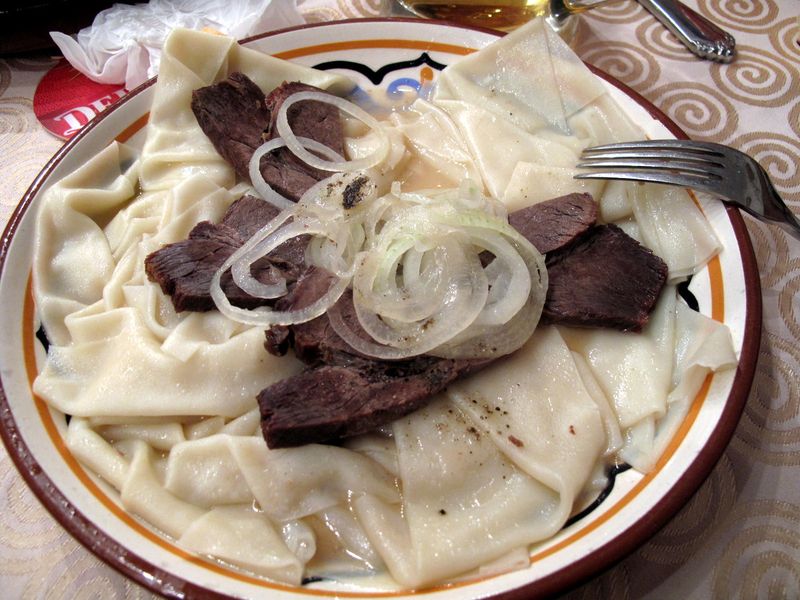
The name beshbarmak literally means "five fingers" in Kyrgyz, because this dish is traditionally eaten with the hands. Wide, flat boiled noodles are layered with tender pieces of slow-boiled horse or lamb meat and soft onions soaked in rich broth, all piled onto a large communal platter.
Eating together from the same dish is a sign of unity and warmth in Kyrgyz culture.
The best cuts of meat are respectfully offered to the eldest guests first. Beshbarmak is the centerpiece of every major Kyrgyz celebration, from weddings to funerals and everything in between.
20. Cachupa - Cabo Verde
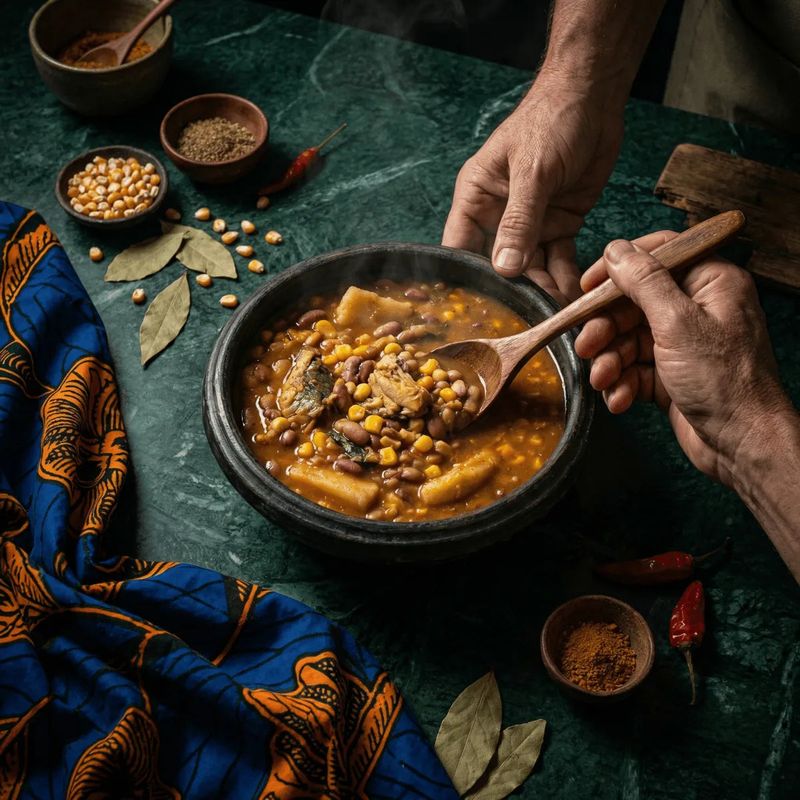
Cachupa is the soul of Cabo Verde in a single pot. This slow-cooked stew is made with hominy corn, at least two kinds of beans, and whatever vegetables and meats are available, such as sweet potato, cassava, smoked sausage, and salted fish.
Every island in the Cabo Verde archipelago has its own version, making it a dish with endless regional personality.
Leftover cachupa is fried up the next morning with eggs for a breakfast called cachupa refogada, which many locals argue tastes even better than the original. It is thrifty, filling, and full of heart.
21. Som Tum - Laos
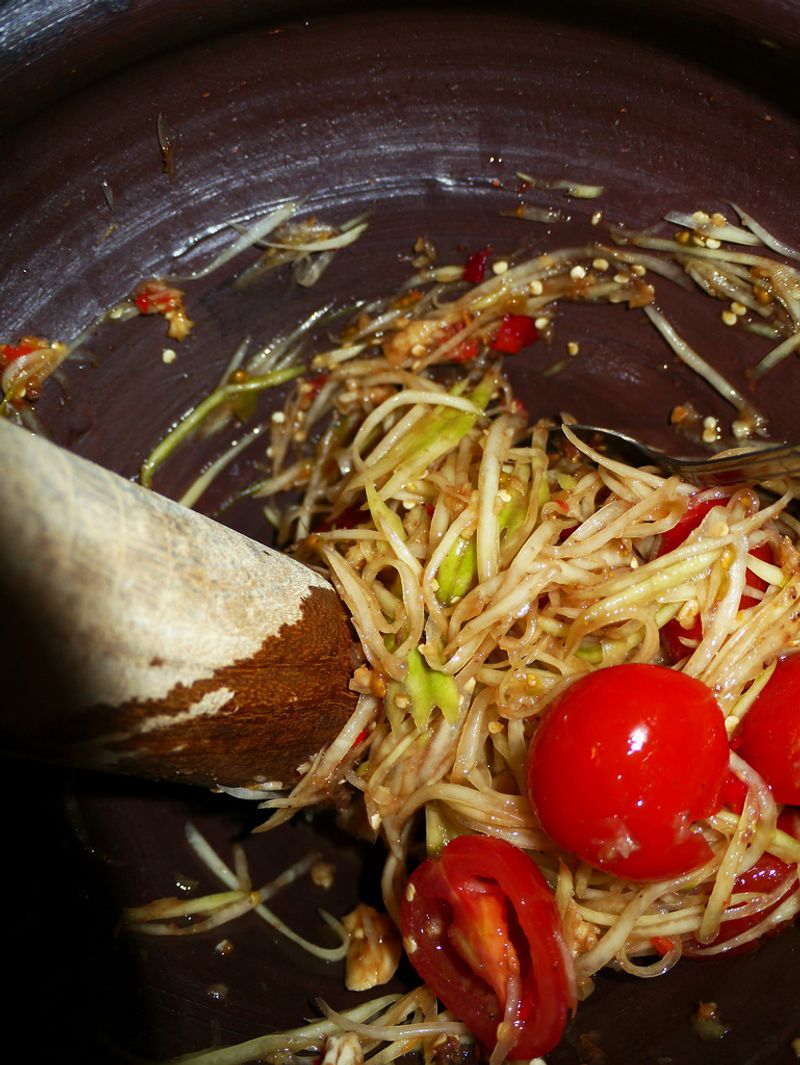
Laos actually claims the original version of this now-famous salad, long before it became popular in Thailand. Som tum is made by pounding shredded green papaya with garlic, chilies, lime juice, fish sauce, and palm sugar in a large wooden mortar and pestle, creating a salad that is simultaneously crunchy, spicy, sour, and sweet.
Fermented crab or fish paste is often added in the Lao version for a bold, funky depth of flavor.
Street vendors across Vientiane make it fresh to order, adjusting the spice level based on how brave you are feeling that day.




Comments
No Comments