













Spring is the perfect time to shake up your cooking and try something new. Fresh flavors and bold aromas can turn a simple meal into something truly memorable.
Whether you are just starting out in the kitchen or looking to expand your spice rack, there is a whole world of exciting spices waiting for you. Get ready to discover 21 amazing spices that will make your spring meals taste incredible.
1. Turmeric
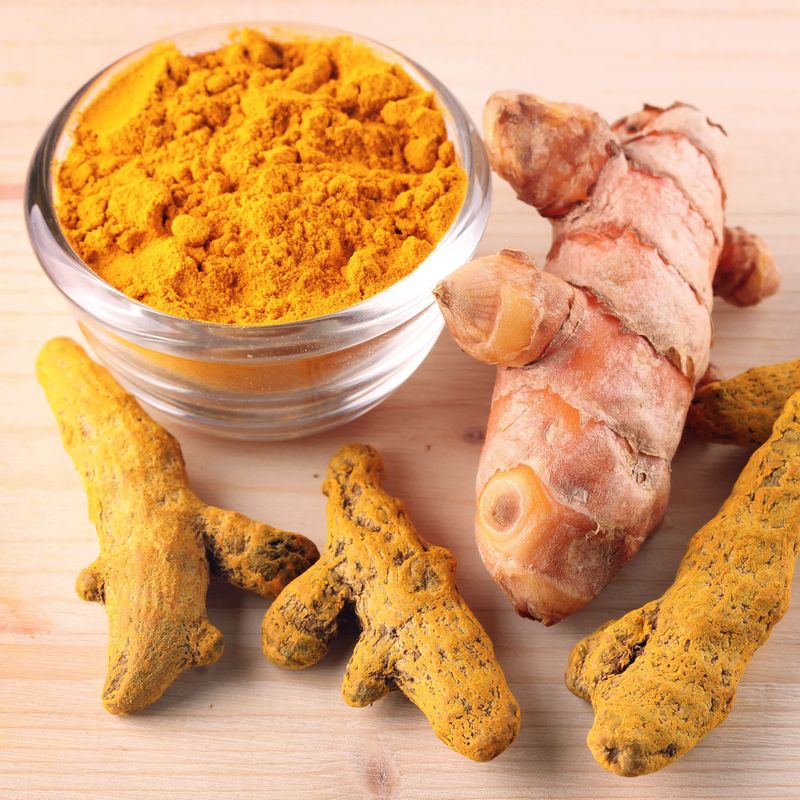
That golden-yellow powder sitting quietly on store shelves is actually one of the most powerful spices on the planet. Turmeric has been used in cooking and medicine for over 4,000 years, originally from South Asia.
Add a pinch to scrambled eggs, soups, or smoothies for a warm, earthy flavor. It also gives food a beautiful golden color.
Pair it with black pepper to help your body absorb its natural benefits more effectively.
2. Smoked Paprika
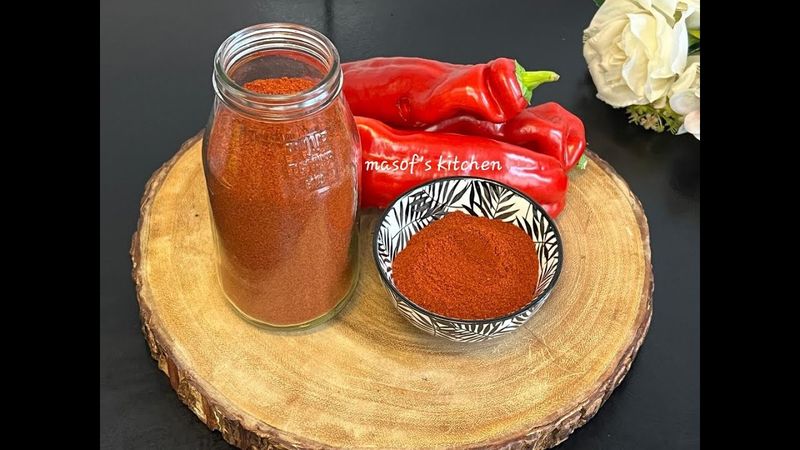
Regular paprika is nice, but smoked paprika brings something truly special to the table. Made from dried and smoked red peppers, it carries a rich, campfire-like depth that makes ordinary dishes taste extraordinary.
Sprinkle it over roasted vegetables, grilled chicken, or homemade hummus for an instant flavor upgrade. It works especially well in spring grain bowls and egg dishes.
A little goes a long way, so start small and build from there.
3. Cardamom
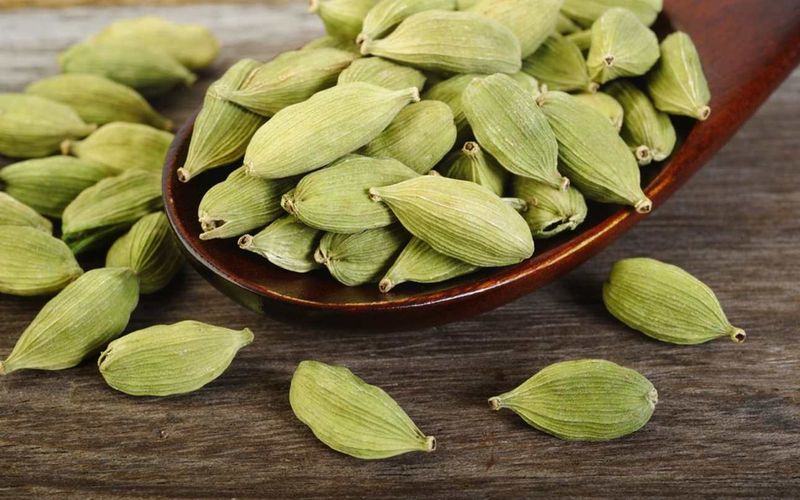
One sniff of cardamom and you will instantly understand why it is called the queen of spices. This fragrant spice has a sweet, floral, slightly spicy aroma that feels both exotic and comforting at the same time.
Originally from India and Guatemala, cardamom works beautifully in both sweet and savory dishes. Stir it into oatmeal, chai tea, or baked goods this spring.
It also pairs wonderfully with citrus fruits, making it perfect for light spring desserts.
4. Sumac
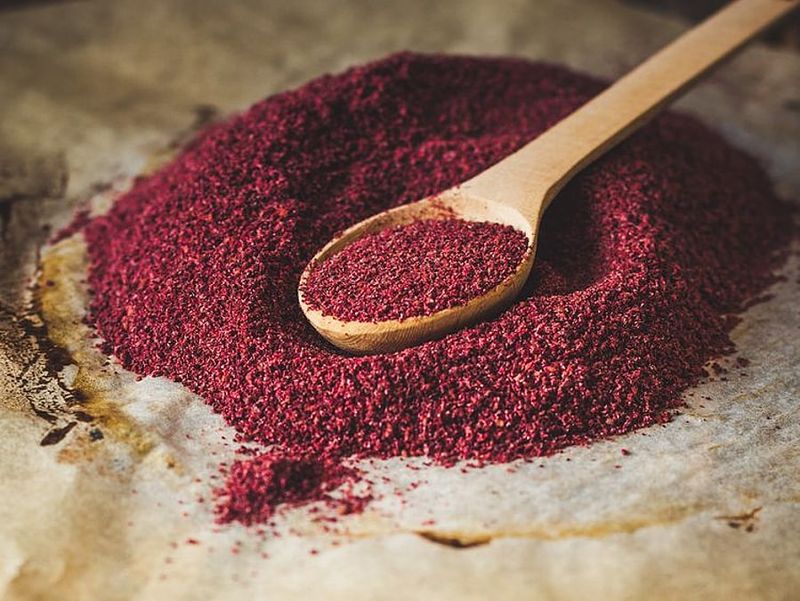
Sumac is the secret weapon of Middle Eastern cooking, and it deserves a permanent spot in your spice cabinet. This dark red spice is ground from dried sumac berries and has a bright, tangy, lemon-like flavor without any actual citrus.
Sprinkle it over salads, grilled fish, or roasted chickpeas for an instant burst of flavor. Spring salads especially come alive with a dash of sumac.
It is a fantastic alternative when you want acidity without adding liquid to a dish.
5. Za'atar
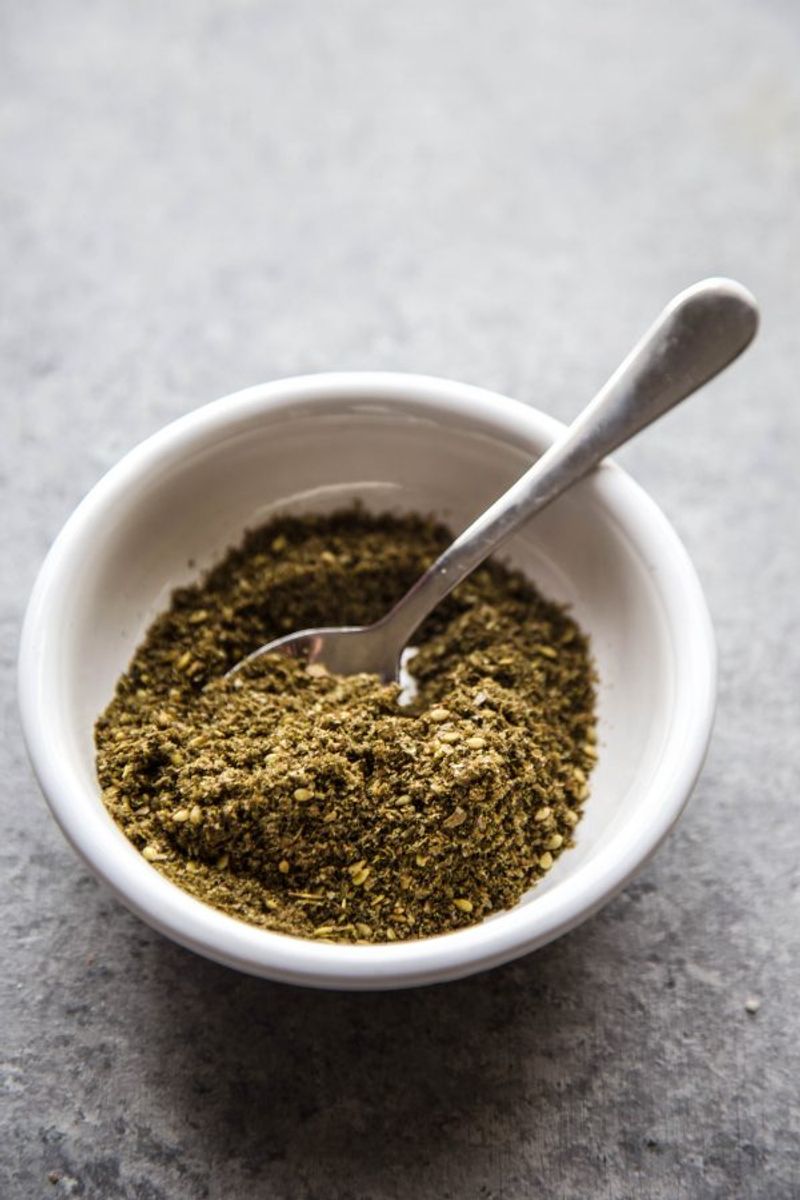
Za'atar is not just one spice but a whole blend of flavors packed into one jar. This Middle Eastern mix typically combines dried thyme, oregano, sesame seeds, and sumac into a fragrant, nutty, herby combination.
Mix it with olive oil and spread it on warm flatbread for a quick and satisfying spring snack. Za'atar is also amazing sprinkled over labneh, avocado toast, or roasted spring vegetables.
Once you try it, you will find yourself reaching for it constantly.
6. Fennel Seeds
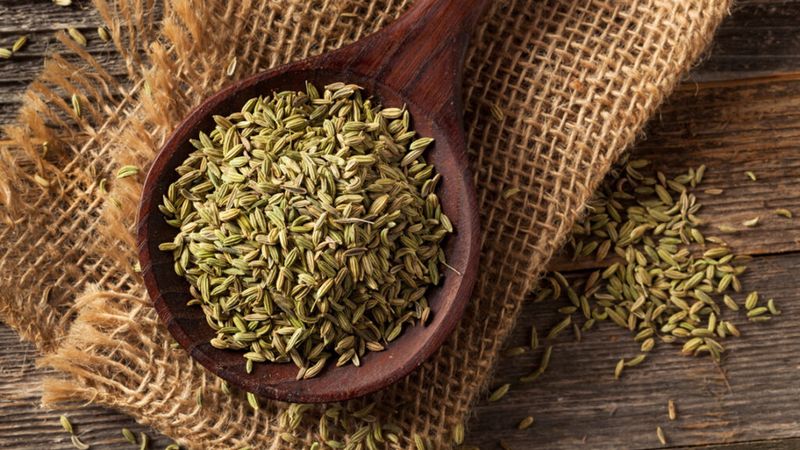
Fennel seeds have a mild, sweet licorice flavor that might surprise you in the best possible way. They have been used in Mediterranean and Indian cooking for centuries, valued for both their taste and digestive benefits.
Toast them lightly in a dry pan to bring out their natural sweetness before adding them to sausage, roasted carrots, or spring pasta dishes. Chewing a few fennel seeds after a meal is also a traditional way to freshen your breath naturally.
7. Coriander
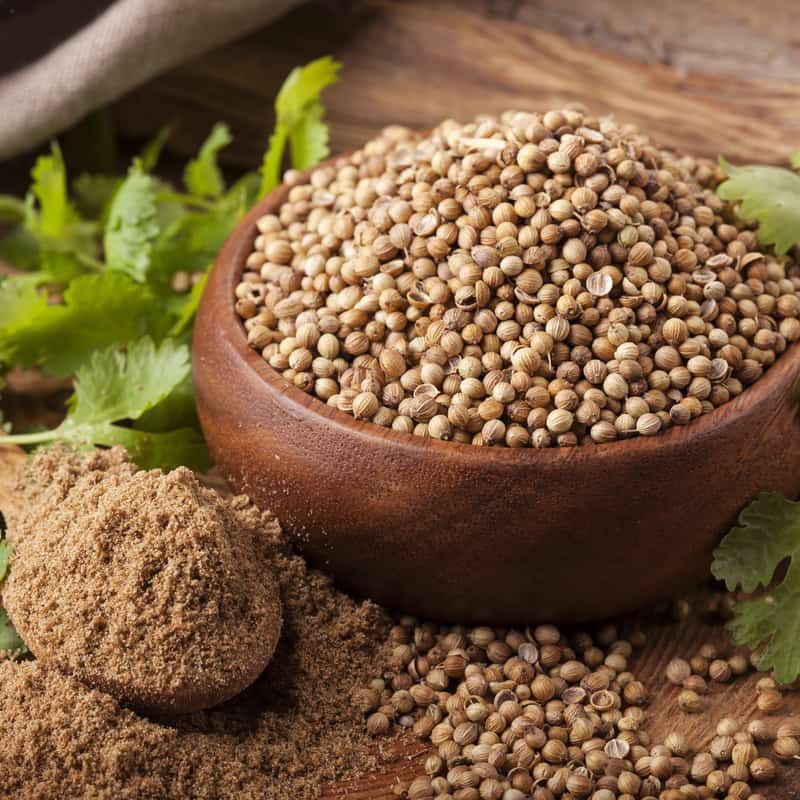
Coriander seeds come from the same plant as cilantro leaves, but they taste surprisingly different. The seeds have a warm, citrusy, slightly nutty flavor that adds a gentle complexity to all kinds of dishes.
Ground coriander blends beautifully into spice rubs for grilled meats, spring vegetable curries, and homemade salad dressings. Whole seeds can be lightly toasted and added to roasted root vegetables for extra flavor.
It is one of the most versatile spices you can keep on hand.
8. Fenugreek
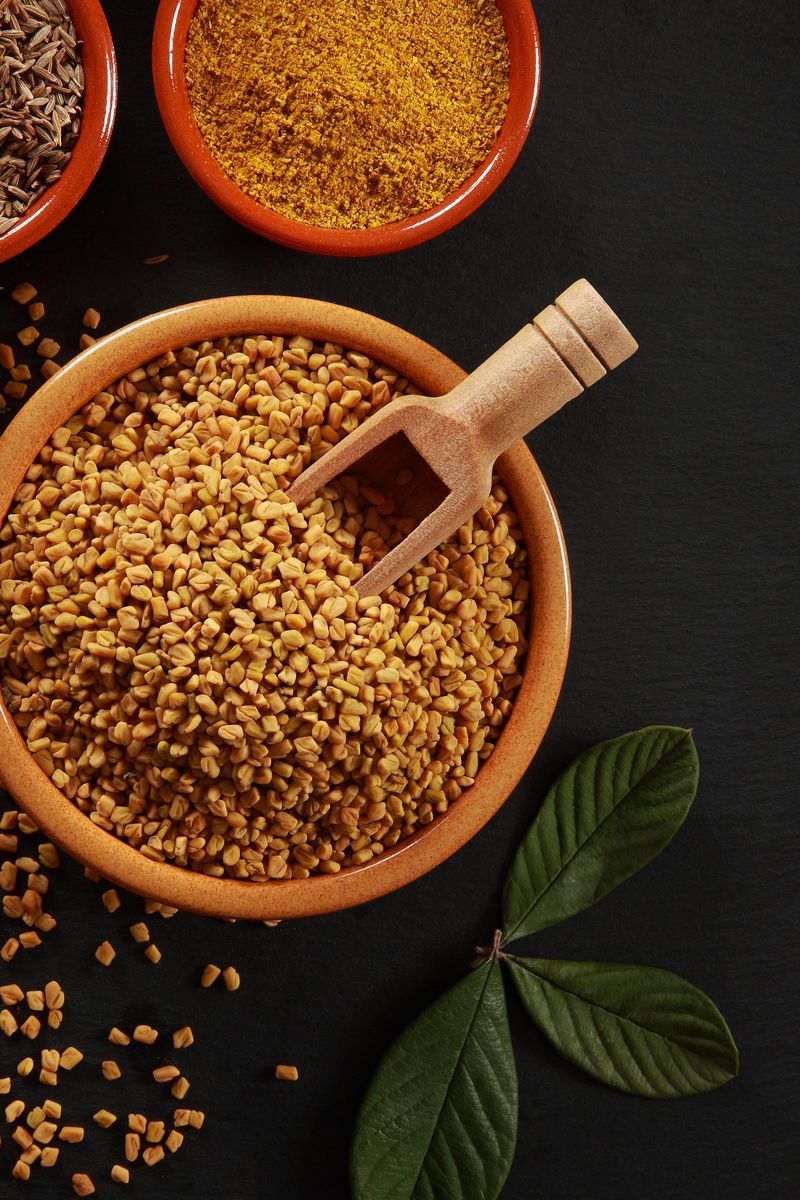
Fenugreek has a bold, slightly bitter flavor with hints of maple syrup, which makes it one of the most unique spices you will ever taste. It plays a major role in Indian, North African, and Middle Eastern cuisines.
Add ground fenugreek to spice blends for curries, lentil soups, or roasted spring squash. Even a small amount transforms a dish with its deep, complex flavor.
Fenugreek seeds can also be sprouted and used fresh in spring salads for a nutritious crunch.
9. Nigella Seeds

Often called black seed or kalonji, nigella seeds are tiny black gems with a bold, peppery, slightly bitter flavor. They have been used in cooking and traditional medicine across the Middle East and South Asia for thousands of years.
Scatter nigella seeds over freshly baked bread, flatbreads, or spring salads for a beautiful look and a burst of flavor. They pair especially well with roasted cauliflower, cheeses, and pickled vegetables.
Their crunchy texture also adds a satisfying bite to any dish.
10. Dried Mint
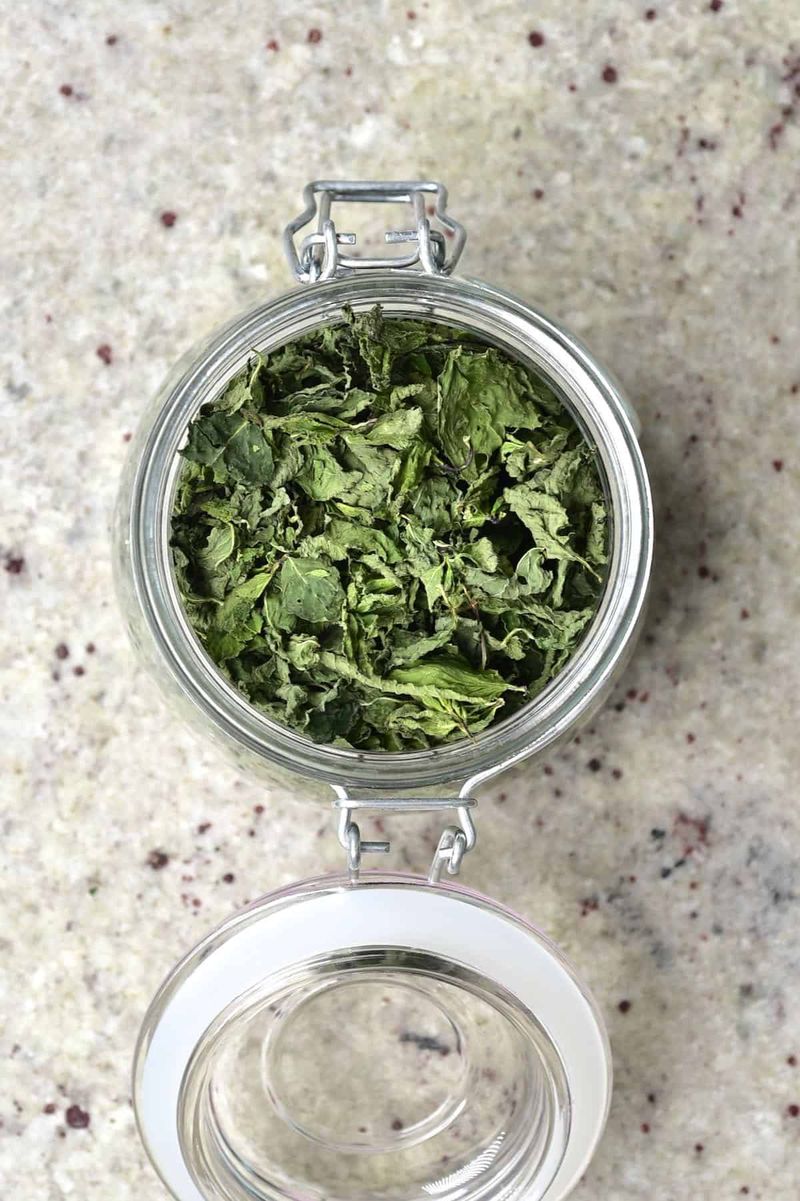
Fresh mint gets all the attention, but dried mint is a quietly powerful ingredient that deserves more recognition. Used heavily in Turkish, Greek, and Lebanese cooking, it carries a concentrated, cool, herby punch that fresh mint cannot always deliver.
Stir dried mint into yogurt sauces, sprinkle it over spring lamb dishes, or mix it into homemade salad dressings. It also brightens up lentil soups and grain salads beautifully.
Keep a jar handy and you will find yourself using it in almost everything this spring.
11. Harissa
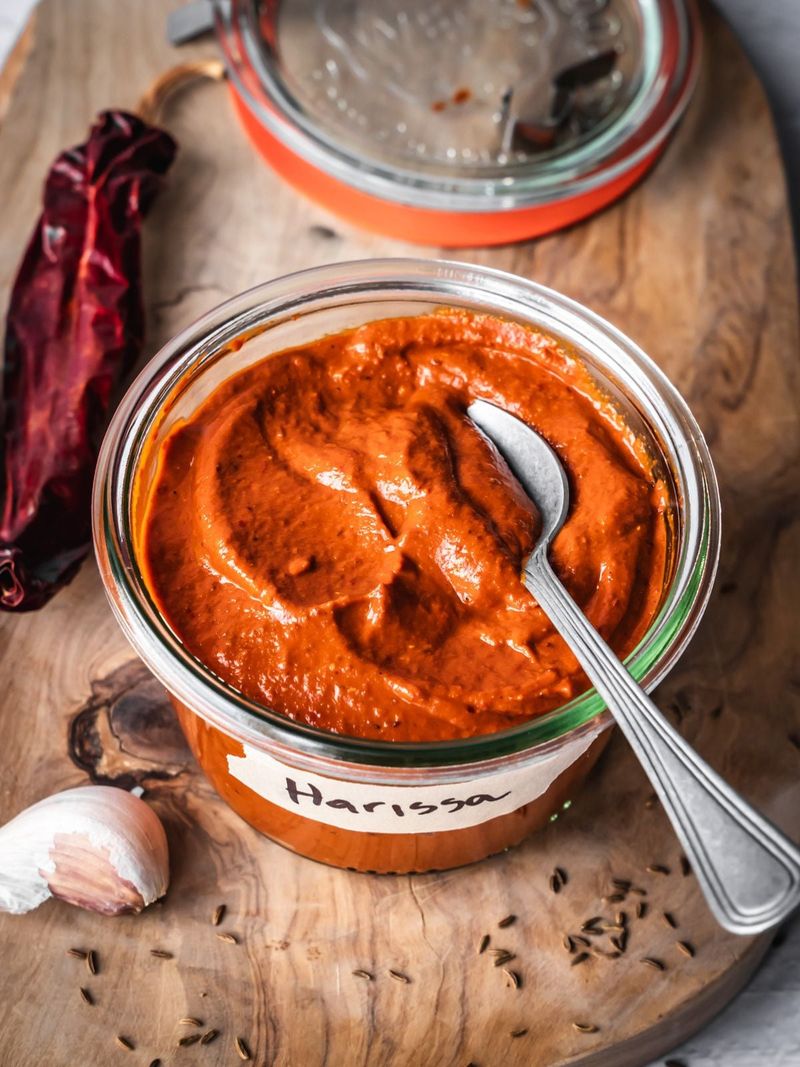
Harissa is North Africa's answer to hot sauce, and it is so much more than just heat. This bold spice paste or powder combines dried red chilies, garlic, cumin, and coriander into a smoky, spicy, deeply flavorful blend.
Rub harissa over chicken or fish before grilling for an incredible spring barbecue flavor. Stir it into hummus, pasta sauces, or roasted vegetable dishes for an instant kick.
You can adjust the amount based on your heat tolerance, making it great for all spice lovers.
12. Star Anise
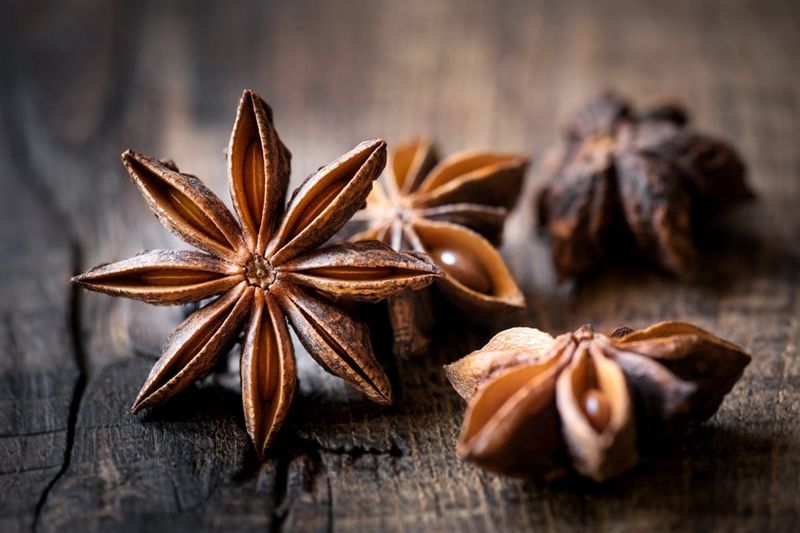
Star anise looks almost too beautiful to cook with, shaped like a perfect eight-pointed star with a deep mahogany color. Its flavor is bold, sweet, and intensely licorice-like, making it one of the most aromatic spices available.
Drop a whole star anise into braised meats, spring soups, or homemade broths for a fragrant depth of flavor. It is also a key ingredient in Chinese five-spice powder.
Remove it before serving, as its flavor is very concentrated and a little truly goes a long way.
13. Saffron
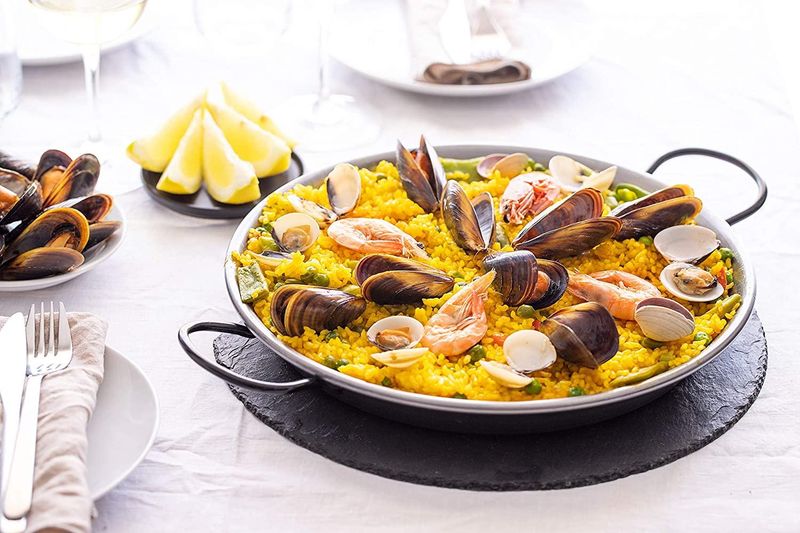
Saffron is the most expensive spice in the world by weight, but you only ever need a tiny pinch to transform an entire dish. Harvested by hand from crocus flowers, each thread must be carefully picked, making it incredibly labor-intensive to produce.
Soak a few threads in warm water for ten minutes before adding the liquid to risottos, paellas, or spring seafood dishes. Saffron gives food a gorgeous golden hue and a delicate, honey-like floral flavor that no other spice can replicate.
14. Dried Ginger
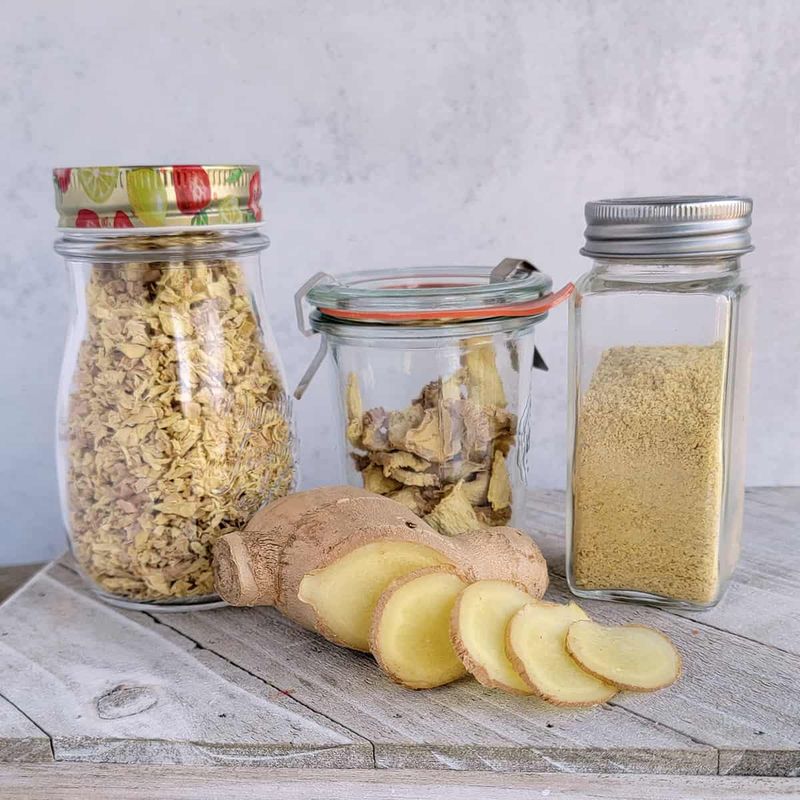
Fresh ginger gets most of the spotlight, but dried ginger has its own distinct personality worth knowing. The drying process intensifies ginger's warm, spicy bite and creates a slightly different flavor profile that works especially well in baked goods and spice blends.
Add dried ginger to spring marinades, stir-fry sauces, or homemade granola for a warming kick. It also pairs brilliantly with turmeric in golden milk or tea blends.
Dried ginger has a longer shelf life than fresh, making it a super practical pantry staple.
15. Mustard Seeds
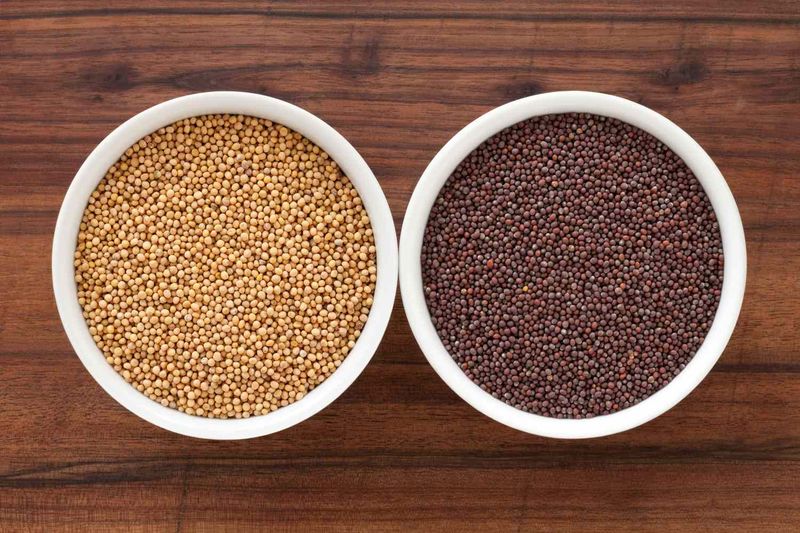
Mustard seeds are tiny but mighty, bursting with a sharp, nutty, peppery flavor that transforms when cooked. Toss them into hot oil and they pop and crackle, releasing a nutty aroma that forms the flavor base of countless Indian and South Asian dishes.
Use mustard seeds in spring vegetable stir-fries, pickled vegetables, or homemade salad dressings for an exciting flavor boost. Yellow mustard seeds are milder, while brown and black varieties pack more punch.
Experimenting with all three is a fun spring kitchen project.
16. Caraway Seeds
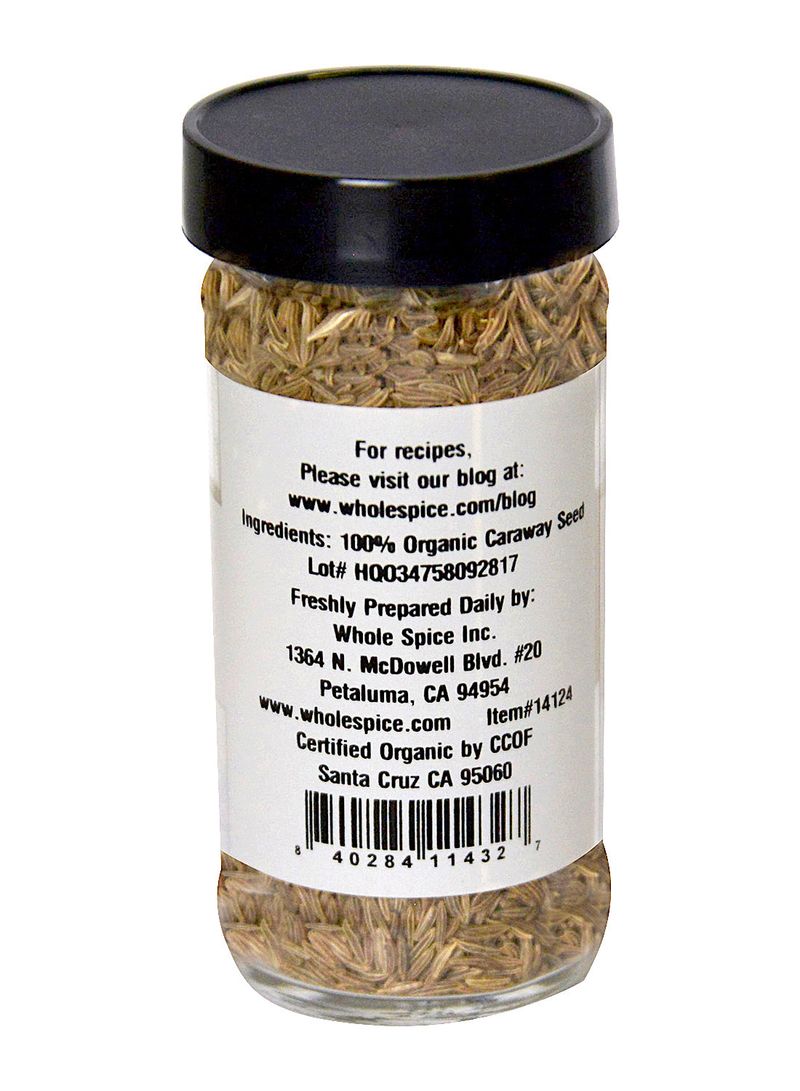
Caraway seeds have a warm, earthy, slightly anise-like flavor that has been central to European cooking for centuries. They are especially popular in German, Eastern European, and Scandinavian cuisines, often paired with cabbage, pork, and dark breads.
Toss caraway seeds into roasted spring cabbage, potato dishes, or homemade sauerkraut for an authentic depth of flavor. They also add a wonderful aroma to savory biscuits and bread.
Caraway is one of those underrated spices that quietly makes everything it touches taste more interesting.
17. Annatto
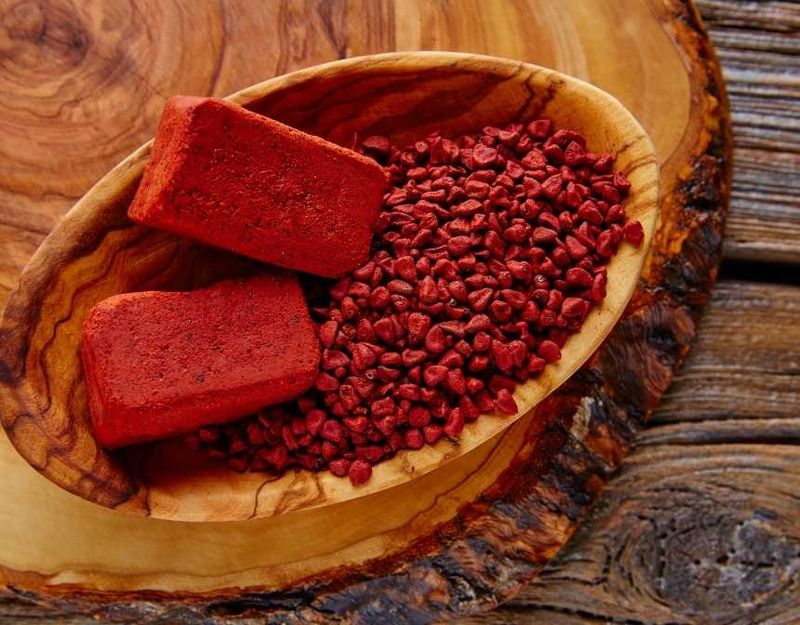
Annatto might be the most colorful spice you have never heard of. Derived from the seeds of the achiote tree, it produces a stunning deep orange-red color and has a mild, earthy, slightly peppery flavor with a subtle sweetness.
Popular in Latin American, Filipino, and Caribbean cooking, annatto is used to color rice, stews, and marinades. Try it in spring chicken dishes or mixed into butter for a beautiful golden spread.
It is also widely used as a natural food coloring in cheeses and snacks.
18. Grains of Paradise
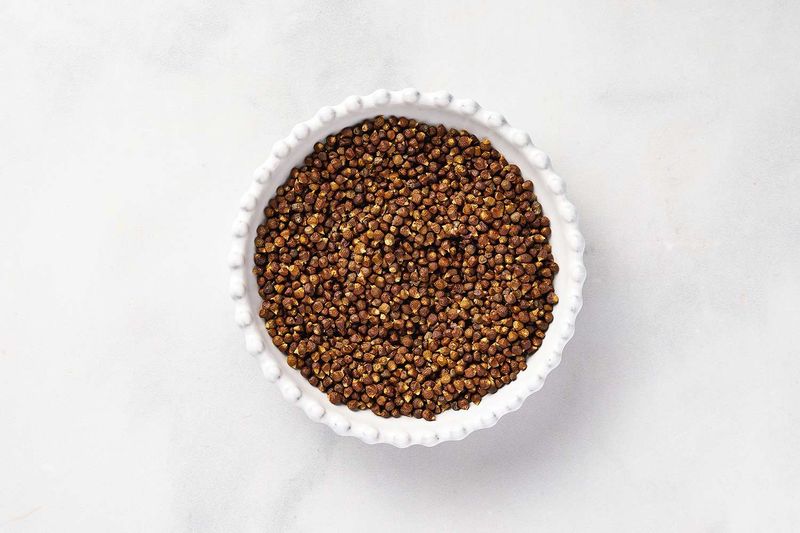
Grains of paradise sound like something from a fairy tale, and their flavor is equally magical. These small seeds from West Africa taste like a complex combination of black pepper, cardamom, and ginger with a floral, citrusy finish that is hard to describe but easy to love.
Use them freshly ground over spring salads, grilled fish, or roasted asparagus for an unexpected flavor twist. They work beautifully in spice rubs and vinaigrettes too.
Craft brewers even use grains of paradise to add spice complexity to specialty beers.
19. Ajwain
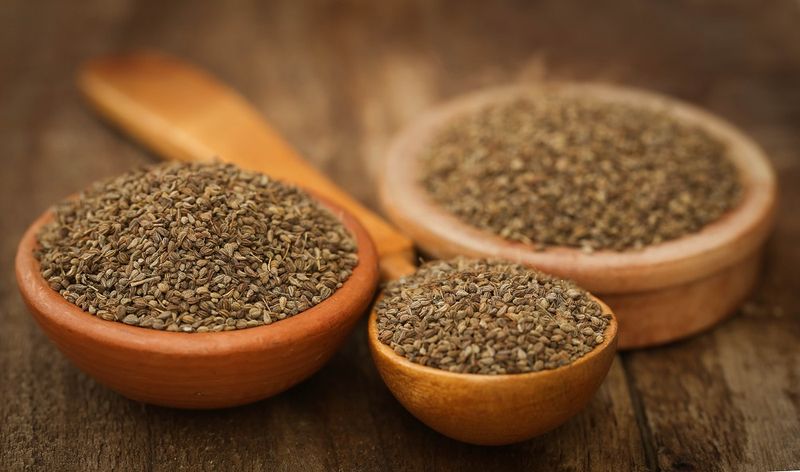
Ajwain, also called carom seeds, packs an intense punch that is way bigger than its tiny size suggests. The flavor is sharp, pungent, and similar to thyme but much more powerful, with a slight bitterness that fades beautifully when cooked.
Just a small pinch of ajwain added to flatbreads, lentil dishes, or spring vegetable fritters creates an unmistakably bold and satisfying flavor. It is also well-known in Ayurvedic tradition for supporting healthy digestion.
Start with a very small amount since its flavor can easily overpower a dish.
20. Mace
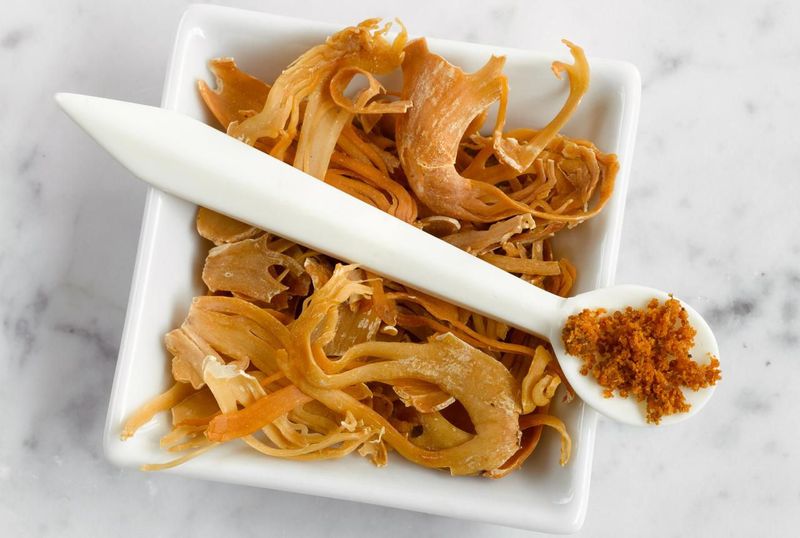
Mace is nutmeg's lesser-known sibling, and it deserves far more attention than it gets. It comes from the lacy red covering that wraps around the nutmeg seed, and while it shares some similarities, mace has a brighter, more delicate flavor with subtle citrus and pepper notes.
Add ground mace to spring baked goods, creamy pasta sauces, or spiced rice dishes for a warm, elegant flavor layer. It pairs especially well with lamb, shellfish, and mild cheeses.
Mace is one of those refined touches that instantly elevates a dish from good to memorable.
21. Dried Lavender
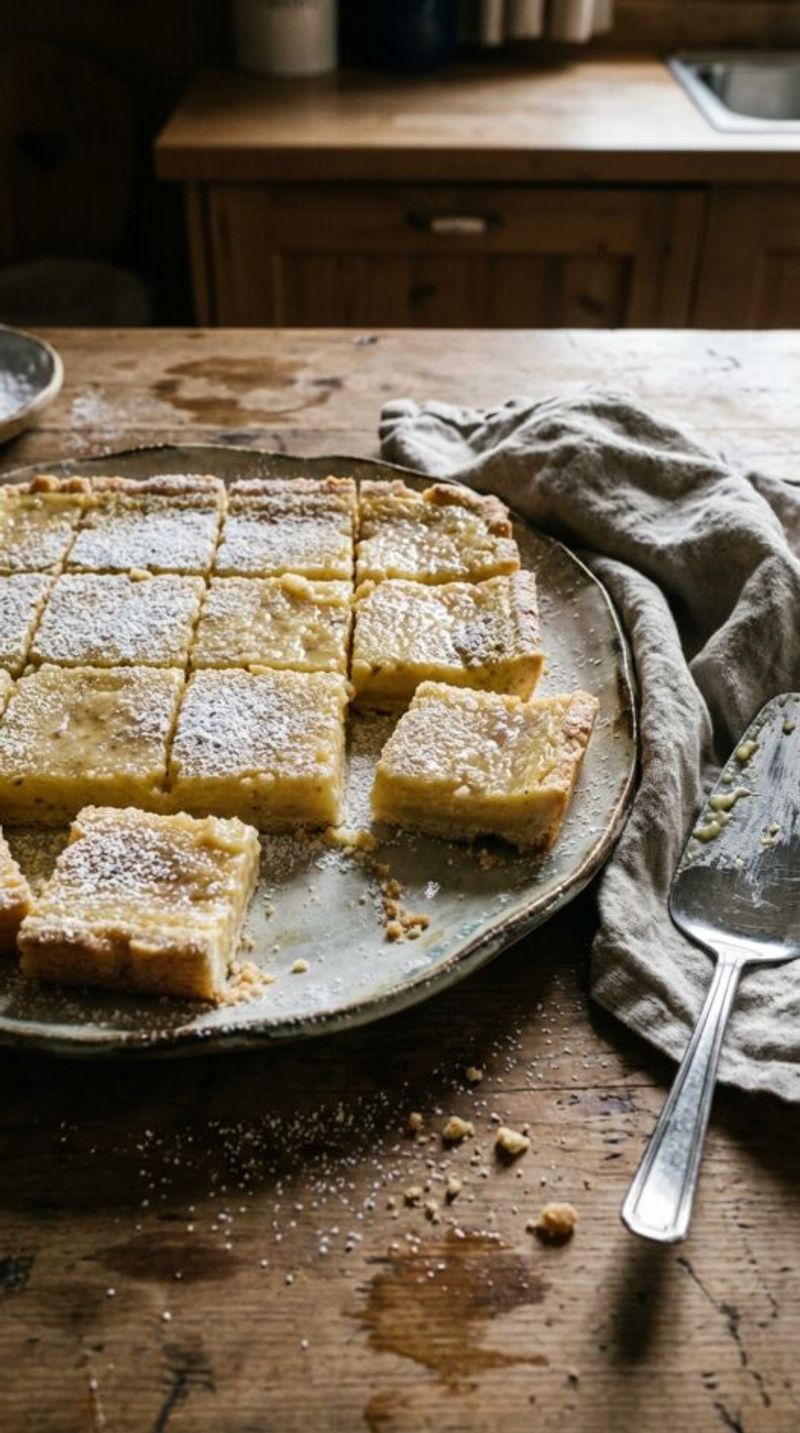
Cooking with lavender might sound unusual, but this fragrant floral spice has been used in Provencal French cuisine for centuries. Culinary lavender has a sweet, floral, slightly herby flavor that adds a truly unique dimension to both savory and sweet dishes.
Sprinkle a tiny amount into spring lemonade, honey glazes, roasted lamb, or shortbread cookies for a sophisticated floral touch. The key with lavender is using very little since too much can make food taste soapy.
When used correctly, it turns everyday spring recipes into something genuinely extraordinary.




Comments
No Comments