













The UK is packed with incredible snacks that most people have never even heard of. Beyond crisps and pork scratchings, there is a whole world of regional treats waiting to be discovered.
From Scotland to Cornwall, local favourites have been quietly delighting snack lovers for generations. Get ready to explore some truly underrated bites that deserve a spot in your snack rotation.
1. Singing Hinnies (North East England)
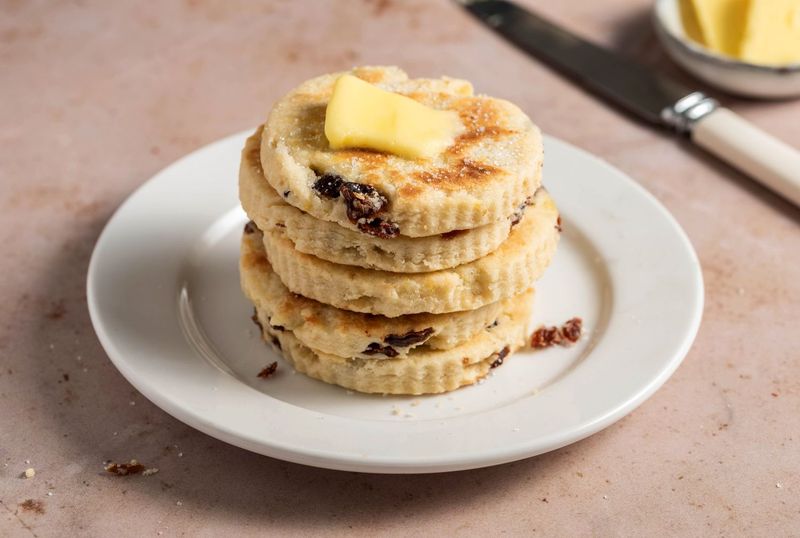
Named for the sizzling sound they make on the griddle, singing hinnies are a beloved North East England treat that most outsiders have never tried. These flat, round griddle cakes are made with flour, lard, and currants, creating a slightly flaky, savoury-sweet bite.
They are traditionally eaten warm, straight off the pan. Local bakeries in Northumberland and County Durham still make them the old-fashioned way, keeping this humble snack alive for new generations to enjoy.
2. Forfar Bridie (Scotland)
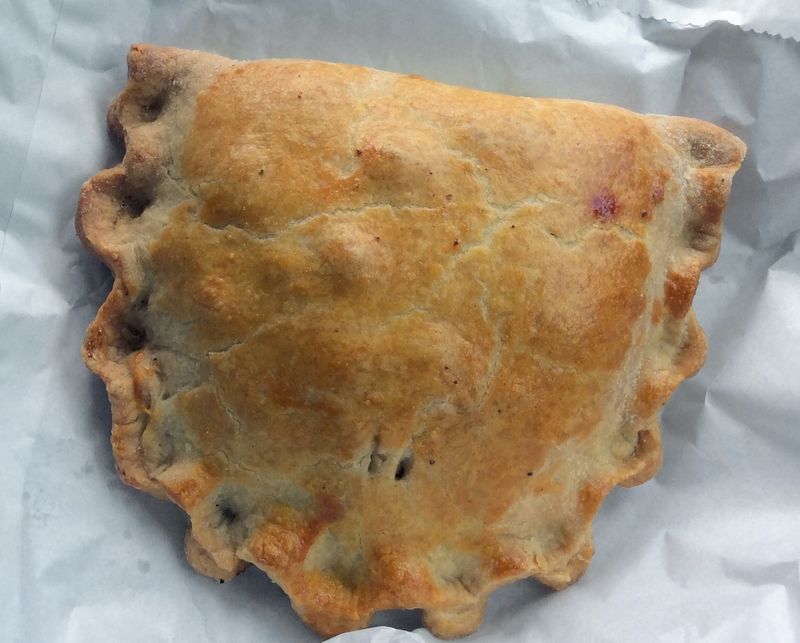
Long before the Cornish pasty became famous, the Forfar Bridie was feeding hardworking Scots with its hearty, hand-held goodness. Originating in the town of Forfar in Angus, this horseshoe-shaped pastry is stuffed with minced beef and onions, wrapped in a crisp shortcrust shell.
Unlike its Cornish cousin, the bridie uses no root vegetables, letting the seasoned meat take centre stage. Local butchers in Forfar still sell them fresh daily, and they are absolutely worth tracking down.
3. Laverbread (Wales)
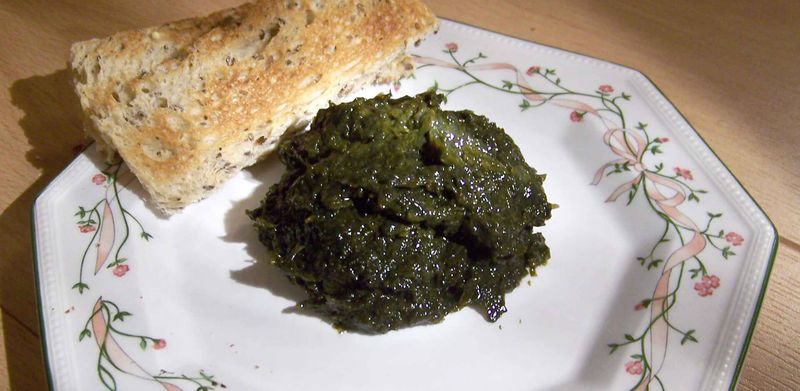
Laverbread sounds fancy, but it is actually a thick paste made from boiled seaweed harvested off the Welsh coastline. Rich in iron and minerals, it has been eaten in Wales for centuries, often spread on toast or fried up with bacon and cockles for a proper Welsh breakfast.
The flavour is deeply savoury and slightly briny, making it unlike anything else on this list. Dylan Thomas famously called it the Welshman's caviar, and honestly, that description is hard to argue with.
4. Bury Black Pudding (Lancashire)
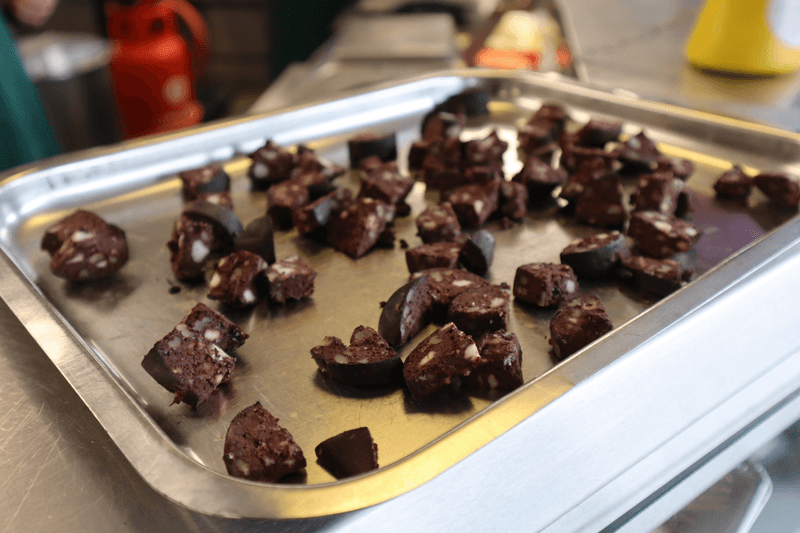
Bury in Lancashire is practically the black pudding capital of the world, and locals will tell you that no other version comes close. Made from pork blood, fat, oats, and a secret blend of spices, Bury black pudding has a rich, earthy flavour that is surprisingly addictive once you give it a chance.
It is sold at Bury Market straight from the stall, often eaten cold with a smear of English mustard. Street food does not get more authentically Northern than this.
5. Stottie Cake Sandwich (Tyneside)
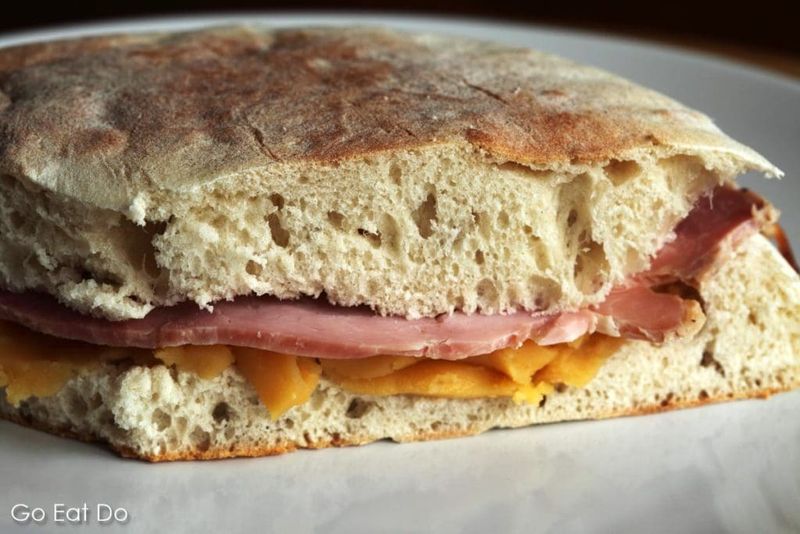
A stottie cake is a thick, doughy, flat bread roll unique to Tyneside, and filled with pease pudding and ham it becomes one of the most satisfying snacks the North East has to offer. The bread itself is dense and chewy, baked on the bottom of the oven to give it a distinctive texture.
You will not find a proper stottie outside the North East very easily. Locals grew up with these, and many say no other bread quite hits the same comforting spot after a long day.
6. Bedfordshire Clanger
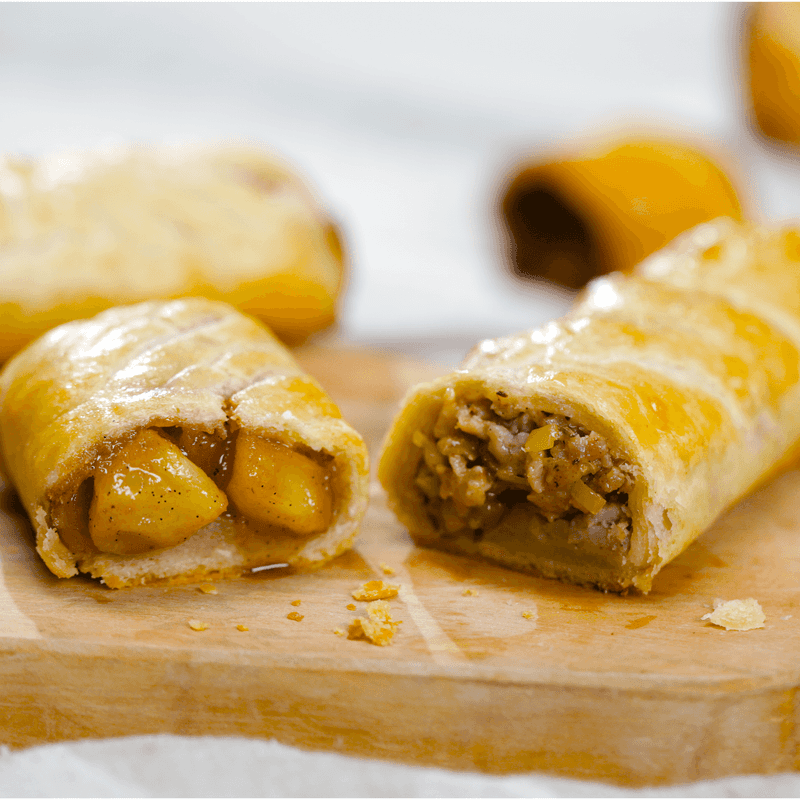
Here is a snack that doubles as both a main course and dessert in one handy package. The Bedfordshire Clanger is a long suet pastry with a savoury filling at one end, traditionally bacon or pork, and a sweet fruit filling at the other end.
Farm workers used to carry these out to the fields as a complete portable meal. The two fillings are separated by a pastry wall inside, so the flavours do not mix.
Genius, really, and surprisingly tasty once you try the combination.
7. Pork Dripping on Toast (Yorkshire)
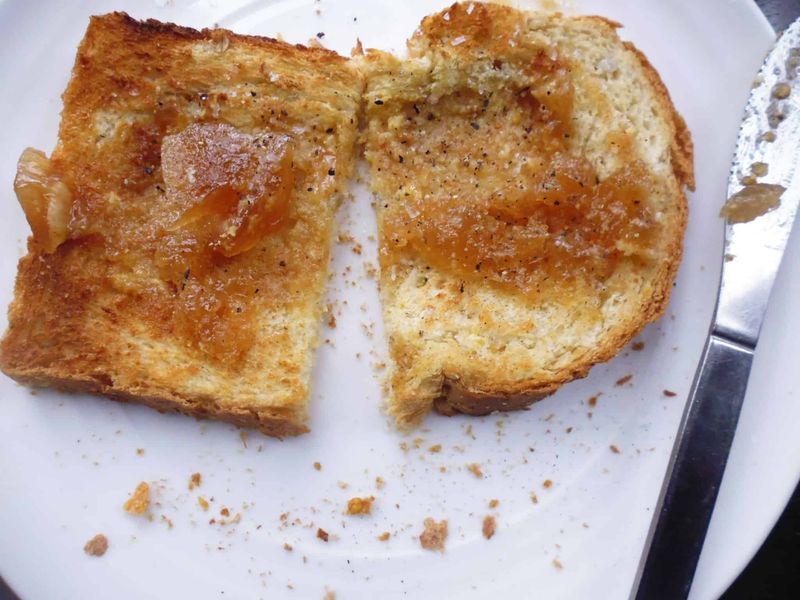
Pork dripping on toast might sound old-fashioned, but in Yorkshire it is still considered a proper treat. The dripping, collected from roasted pork fat, is spread thick on crusty white bread and seasoned with salt and black pepper for a deeply savoury, indulgent snack.
It was originally a way to use every scrap of a pig, wasting nothing in working-class households. Today it is enjoying a quiet comeback at food festivals and traditional butchers across the county, reminding people that simple food done well is hard to beat.
8. Arbroath Smokie (Scotland)
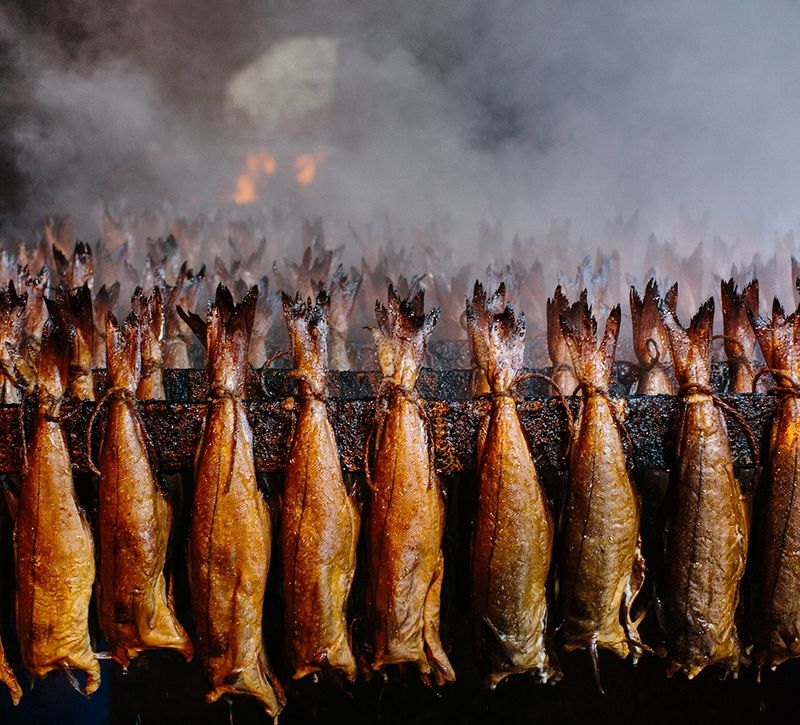
Arbroath smokies are whole haddock that have been salted and hot-smoked over hardwood in traditional pits, a method that has been used in the small Scottish town of Arbroath since the 1800s. The result is a deeply flavoured, moist fish with a beautiful golden skin that peels away easily.
They carry protected geographical indication status, meaning only smokies made in Arbroath can carry the name. Eaten warm, straight from the paper, they are one of Scotland's finest and most underappreciated snacking experiences.
9. Coventry God Cakes
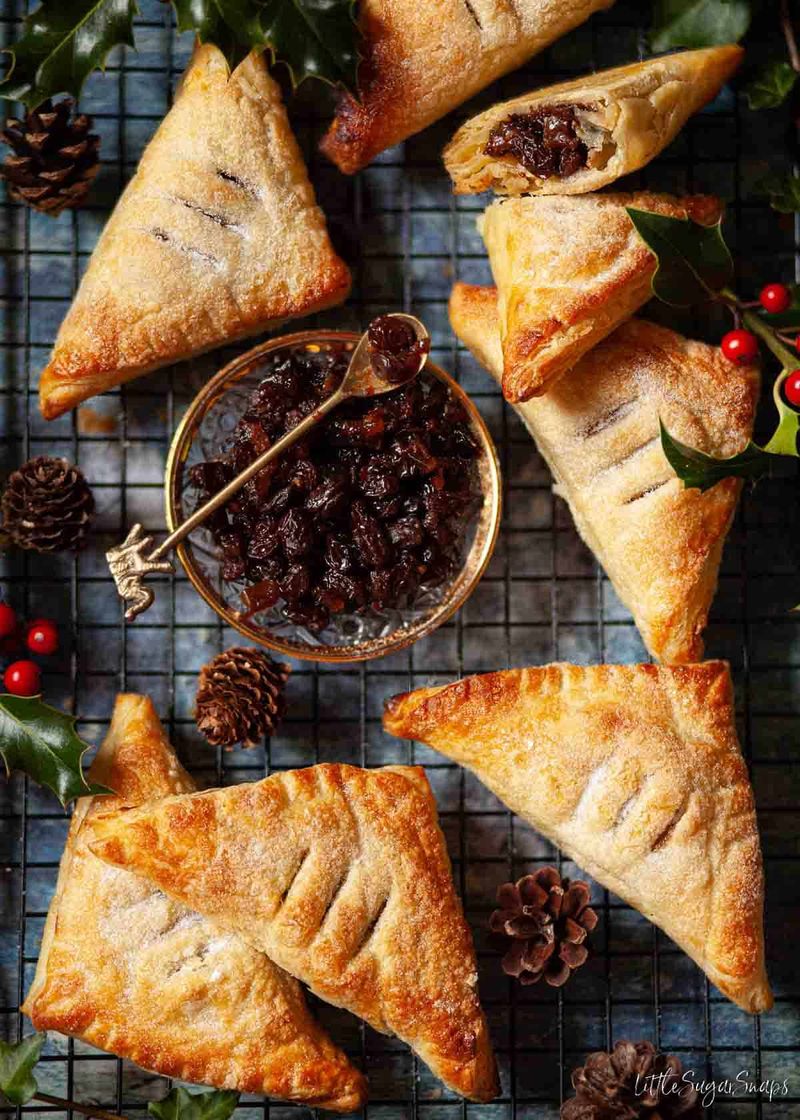
Coventry God Cakes are small, triangular puff pastry parcels filled with spiced mincemeat, and they have a history stretching back to the Middle Ages. Godparents traditionally gave them to their godchildren at New Year as a symbol of good luck and blessing.
Despite their sweet filling, they have a distinctly savoury edge thanks to the spiced meat and pastry combination. They mostly disappeared from bakeries for decades but are now being revived by Coventry bakers proud of their local food heritage, which is brilliant news for curious snack hunters.
10. Flaky Pastry Yarg Bites (Cornwall)
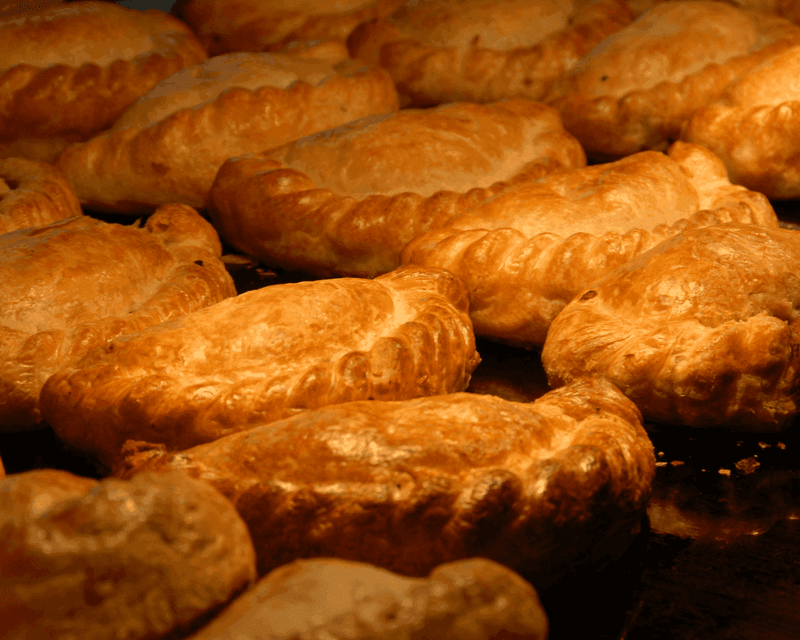
Cornish Yarg is a semi-hard cheese wrapped in nettle leaves, giving it a unique earthy flavour that sets it apart from your average cheddar. Wrapped in flaky pastry and baked into bite-sized pieces, it transforms into one of the most flavourful little snacks Cornwall quietly produces.
You will find these at farm shops, delis, and food markets across the county, often sitting beside more famous Cornish products without getting nearly enough attention. Once you taste that tangy, creamy filling inside buttery pastry, you will wonder why these are not sold everywhere.
11. Haslet (Lincolnshire)
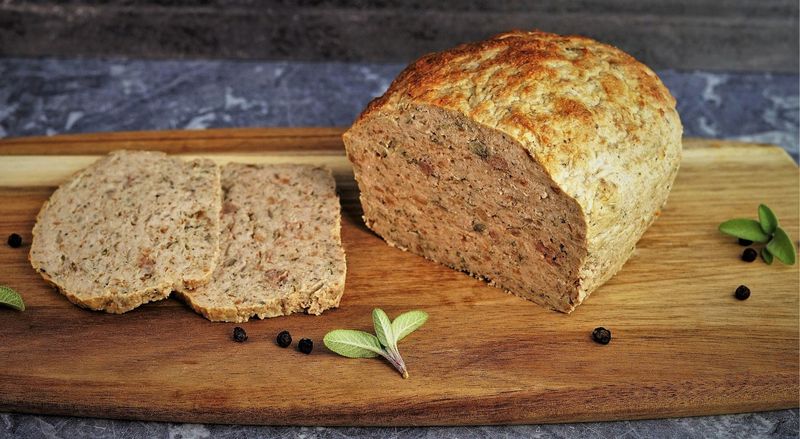
Haslet is a seasoned pork meatloaf that has been a Lincolnshire staple for centuries, yet most people outside the county have never encountered it. Made from minced pork, breadcrumbs, sage, and spices, it is pressed into a loaf and baked until firm and lightly crusted.
Eaten cold in slices with crusty bread and a smear of English mustard, it makes for a brilliantly easy and flavourful snack. Lincolnshire butchers take enormous pride in their haslet recipes, with every shop seemingly having its own closely guarded version passed down through the years.
12. Welsh Rarebit Bites
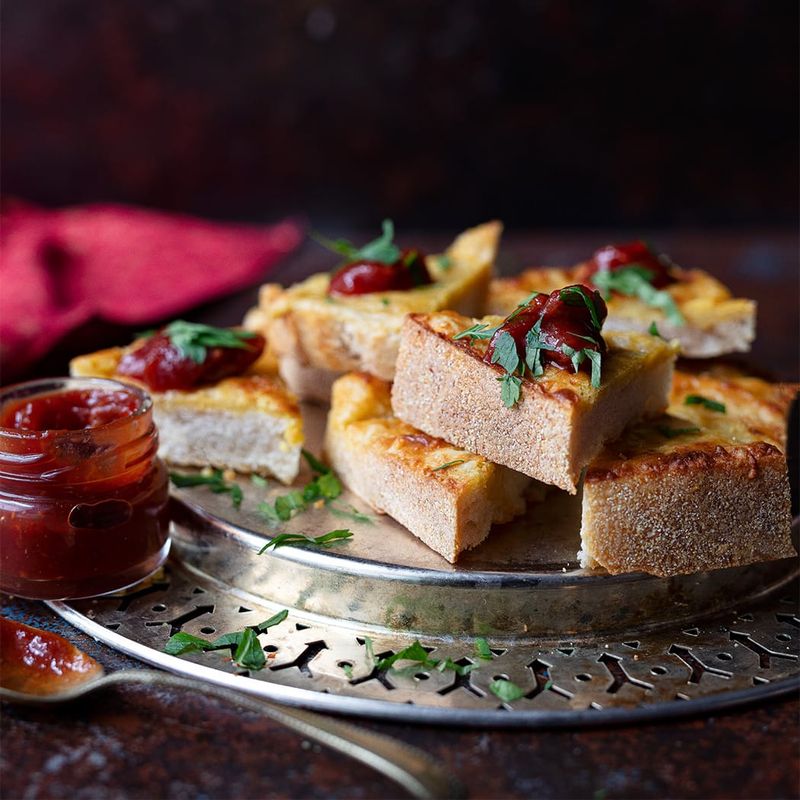
Welsh rarebit is not just cheese on toast. The sauce is made by melting strong cheddar with mustard, Worcestershire sauce, and dark ale into a thick, glossy mixture that gets grilled until bubbling and golden.
Cut into small squares, these bites are punchy, rich, and completely irresistible.
They appear at food markets and gastropubs across Wales but rarely get the national recognition they deserve. The ale gives the sauce a slightly bitter depth that regular melted cheese simply cannot match, making every bite a genuinely complex flavour experience worth seeking out.
13. Groaty Pudding (Black Country)
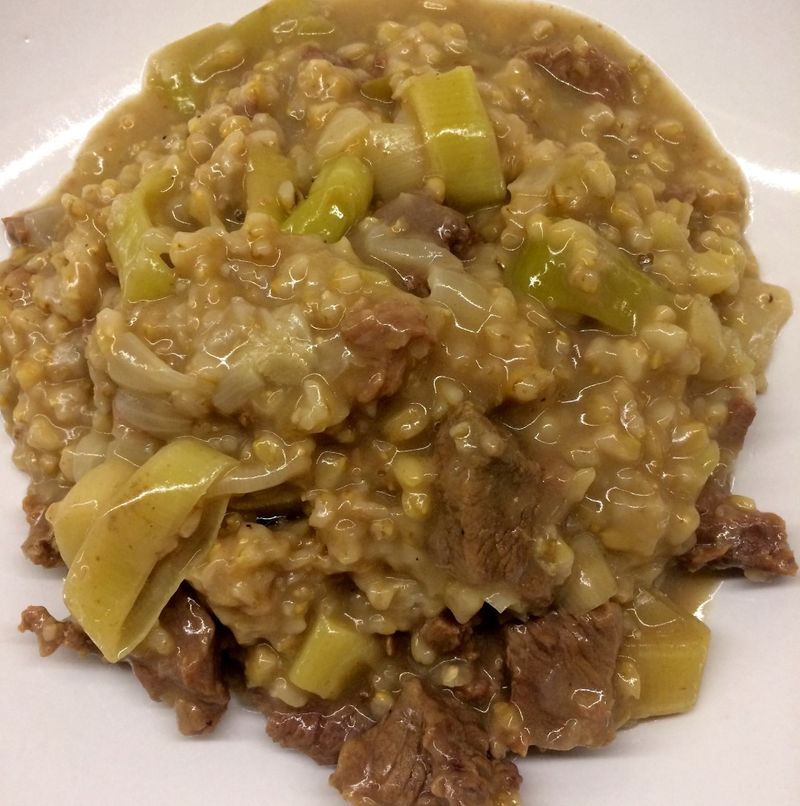
Groaty pudding is the kind of dish that sounds completely mysterious until you try it and immediately understand why Black Country folk have been making it for generations. Groats are hulled oat grains simmered slowly with beef, leeks, and onions into a thick, porridge-like savoury stew.
It is traditionally associated with Guy Fawkes Night in the region, slow-cooked all day while families enjoy bonfire festivities. The texture is warming and deeply comforting, with a mild but satisfying flavour that feels like a proper hug in a bowl.
14. Hogs Pudding (Devon and Cornwall)
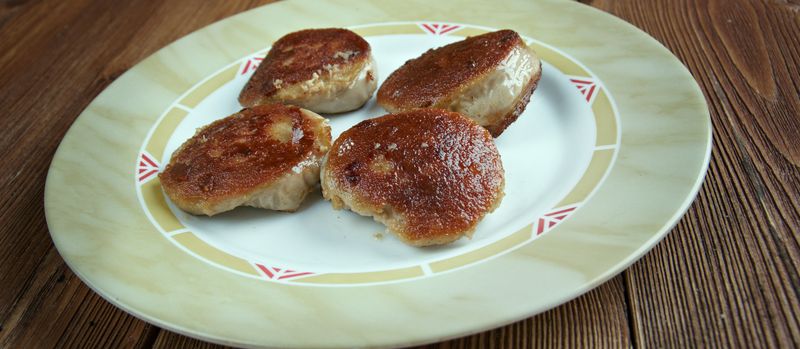
Hogs pudding looks like a white sausage but tastes like nothing else in the UK. Made from minced pork, fat, breadcrumbs, and a blend of spices including pepper and herbs, it has a soft, crumbly texture and a mild, aromatic flavour that is completely addictive when fried until golden.
It is a breakfast staple across Devon and Cornwall but also works brilliantly as a standalone snack. Outside the West Country, very few people have even heard of it, which makes discovering it feel like stumbling onto a genuine regional secret.
15. Potted Shrimps (Morecambe Bay)
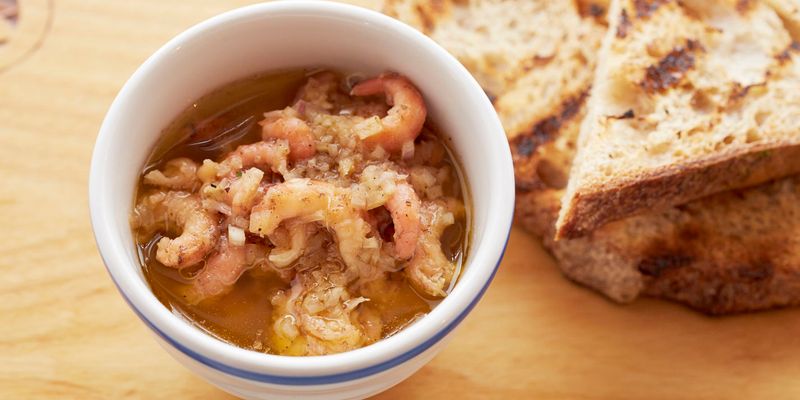
Morecambe Bay potted shrimps are one of those rare snacks where simplicity produces something extraordinary. Tiny brown shrimps caught in the shallow waters of Morecambe Bay are cooked and packed into small pots with spiced butter infused with mace, cayenne, and nutmeg.
As the butter sets around the shrimps, it preserves them and locks in an incredible depth of flavour. Spread thickly on warm toast, they deliver a rich, spiced seafood hit that feels both old-fashioned and completely luxurious at the same time.
16. Staffordshire Oatcakes
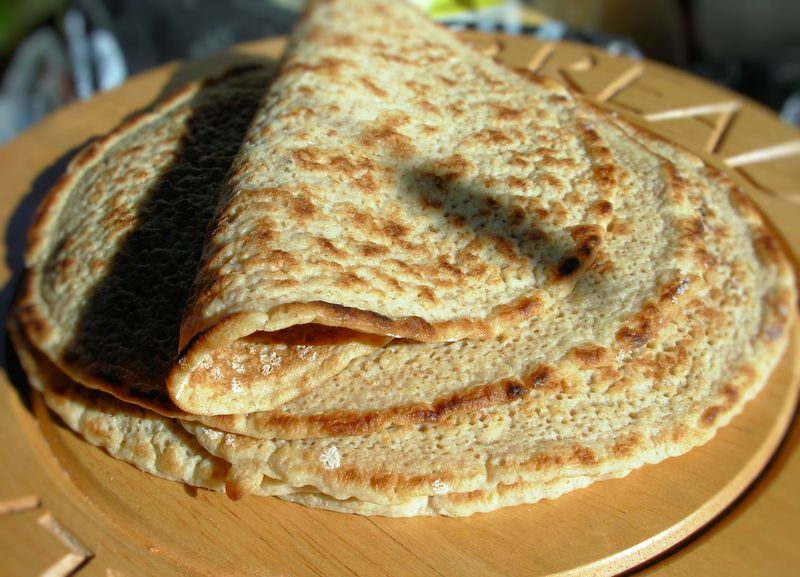
Staffordshire oatcakes are nothing like the hard, crunchy Scottish variety. These are soft, spongy pancakes made from oatmeal batter, cooked on a griddle and traditionally filled with cheese, bacon, or sausage.
They have been sold from oatcake shops in the Potteries area of Staffordshire since the 19th century.
Locals buy them warm from dedicated oatcake shops, some of which have been trading for over a hundred years. Outsiders visiting the area are often surprised by how satisfying and unique these humble snacks really are when eaten fresh.
17. Pease Pudding (North East England)
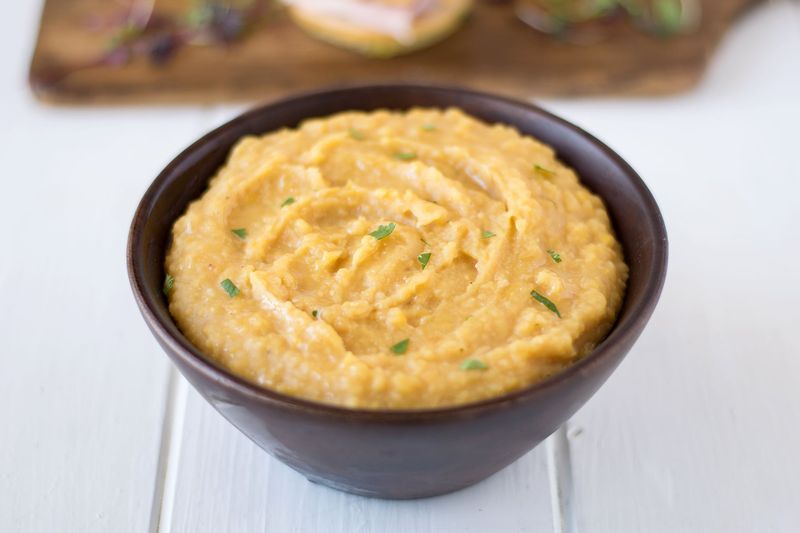
Pease pudding is a thick, golden paste made from boiled split peas, seasoned simply with salt and pepper, and it has been feeding people in the North East of England for hundreds of years. Traditionally cooked in a cloth bag alongside boiling ham, it absorbs the meaty flavours beautifully.
Eaten cold on a stottie cake or warm on toast with sliced ham, it is one of those snacks that feels completely unique to its region. The creamy, earthy texture and mild flavour make it far more satisfying than its humble ingredients might suggest.
18. Scrumpy Jack Cheese Straws (Somerset)
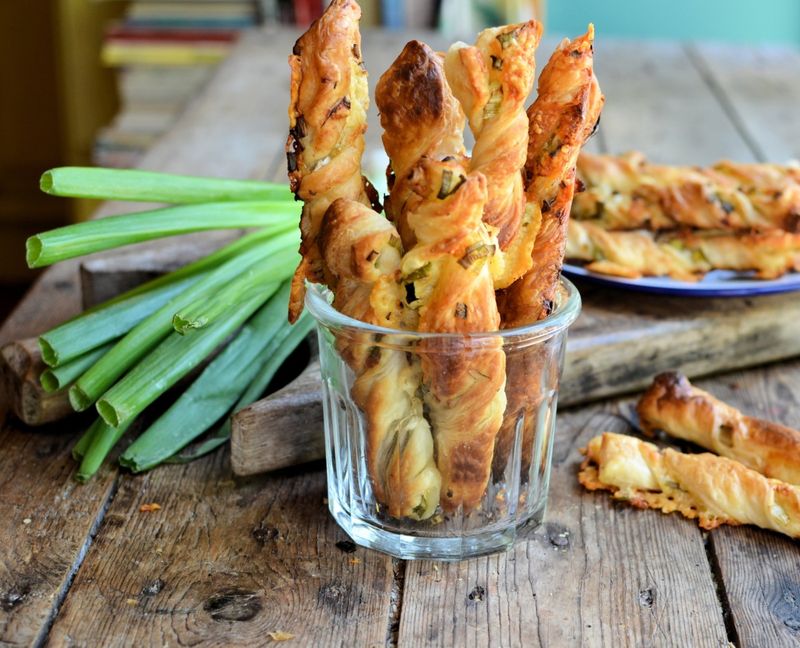
Somerset is famous for both its cheddar cheese and its scrumpy cider, so combining the two into a cheese straw is a stroke of regional genius. These twisted, golden pastry sticks use strong Somerset cheddar in the dough alongside a splash of dry cider, giving them a sharp, tangy bite with a subtle fruity undertone.
Farm shops and artisan bakers across Somerset sell them alongside local produce, yet they rarely appear outside the county. Once you have tried a Somerset cider cheese straw, the standard supermarket version feels distinctly lacking by comparison.
19. Dulse Crisps (Northern Ireland)
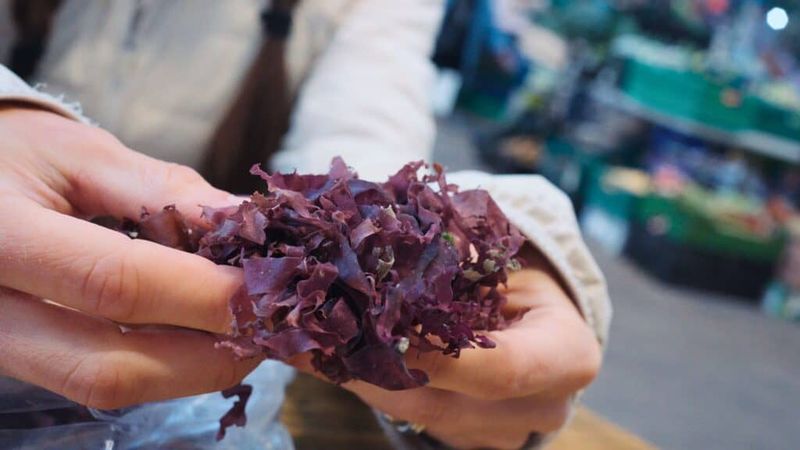
Dulse is a type of edible red seaweed that has been harvested and eaten along the Northern Irish coastline for over a thousand years. Dried and eaten straight from the bag, it has an intensely savoury, almost bacon-like flavour that surprises most people who try it for the first time.
It is sold at seaside markets and traditional shops across Northern Ireland, particularly around the Causeway Coast. High in protein and minerals, dulse is also genuinely nutritious, making it one of the rare snacks that feels indulgent while actually doing your body a favour.
20. Fidget Pie (Shropshire)
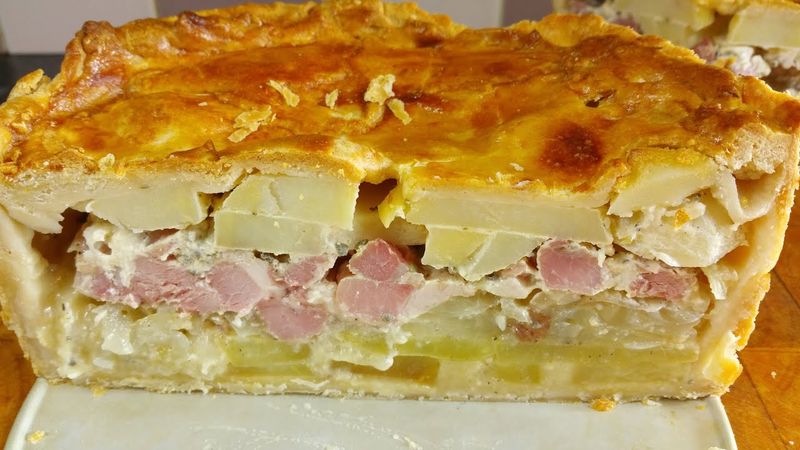
Fidget pie from Shropshire is one of those regional dishes that makes you wonder why it never became nationally famous. Filled with bacon, apple, and onion under a golden shortcrust pastry lid, it balances savoury and sweet in a way that feels both unusual and completely natural at the same time.
The name is thought to come from the word fitchett, meaning a polecat, though the exact origin is debated. Eaten in handheld slices, fidget pie is hearty, flavourful, and one of England's most criminally underrated savoury pastry snacks.
21. Tattie Scones (Scotland)
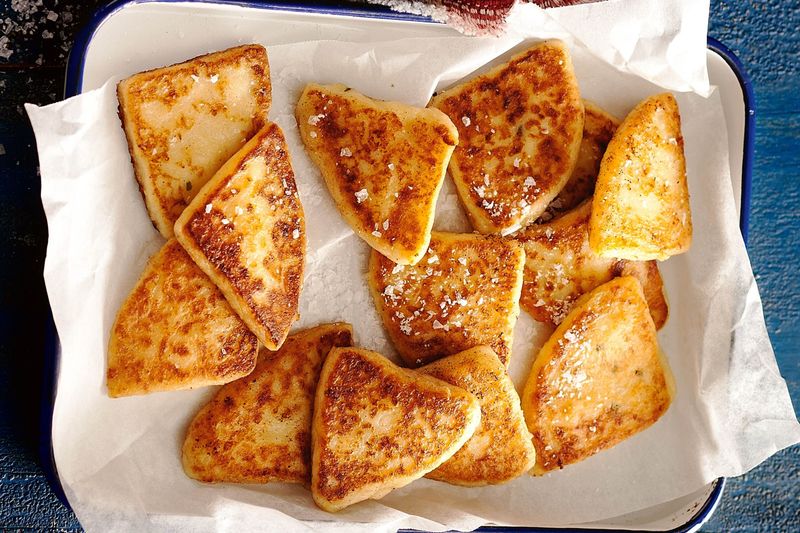
Made from mashed potato, flour, and butter, tattie scones are a Scottish griddle staple that appear on breakfast plates across the country yet remain virtually unknown south of the border. They are thin, flat, and slightly crispy at the edges, with a soft, starchy centre that soaks up butter or egg yolk beautifully.
Served as part of a full Scottish breakfast or eaten warm with a simple smear of butter, they are comforting in the most straightforward way possible. Their modest ingredients make them deceptively simple, yet somehow deeply satisfying every single time.




Comments
No Comments