













Growing your own herbs at home is one of the easiest and most rewarding things you can do in the kitchen. Fresh herbs make food taste better, smell amazing, and can even save you money at the grocery store.
The best part? You do not need a big garden or fancy equipment to get started.
A sunny windowsill or kitchen counter is all you need to grow a little green paradise right where you cook.
1. Basil
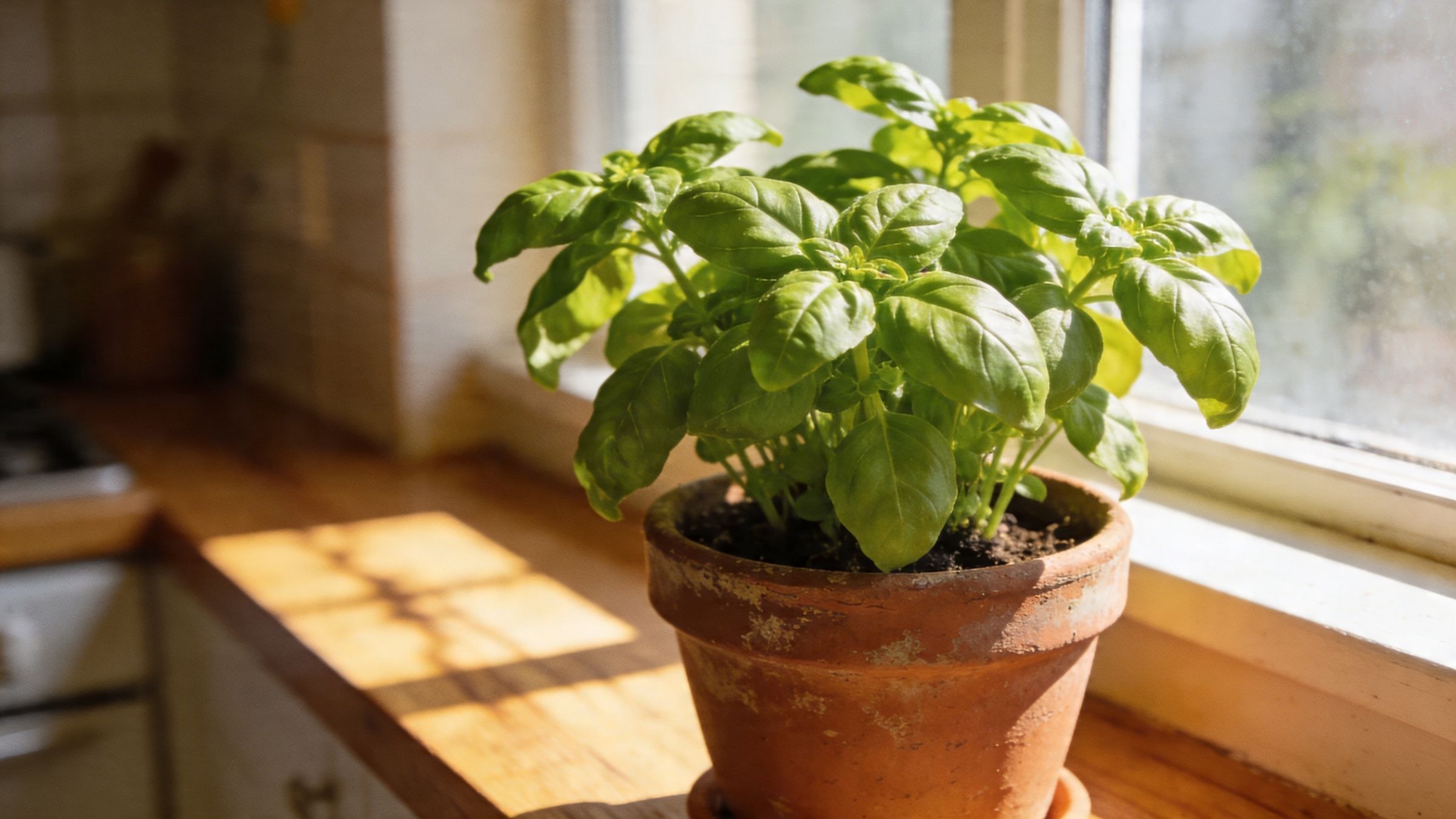
Walk into any Italian kitchen and chances are you will smell basil before you see it. This classic herb loves warmth and sunshine, making a kitchen counter near a south-facing window its perfect home.
Keep the soil moist but never soggy, and pinch off flowers as soon as they appear to keep the leaves growing. Add fresh basil to pasta, pizza, or caprese salad for an instant flavor upgrade.
2. Mint
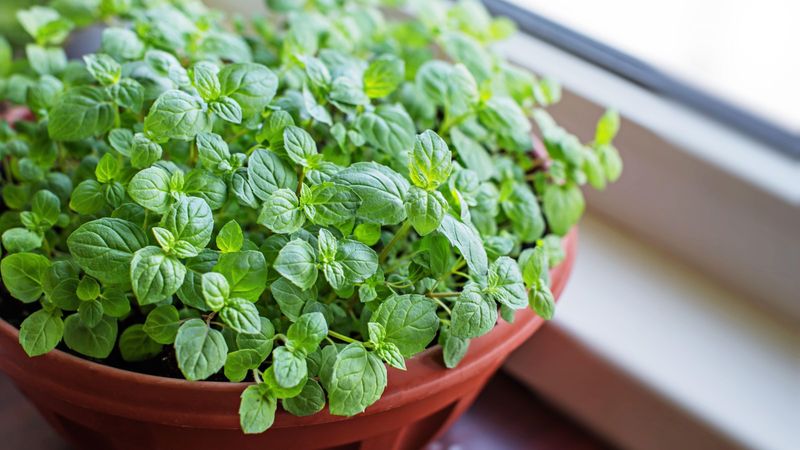
Mint is practically unstoppable once it gets going, which is exactly why it belongs in its own container. Plant it in a dedicated pot on your counter and it will reward you with fragrant leaves all year long.
Use fresh mint in lemonade, teas, desserts, or even savory lamb dishes. Did you know mint has been used as a medicinal herb for over two thousand years?
It is one of the oldest plants in recorded history.
3. Chives
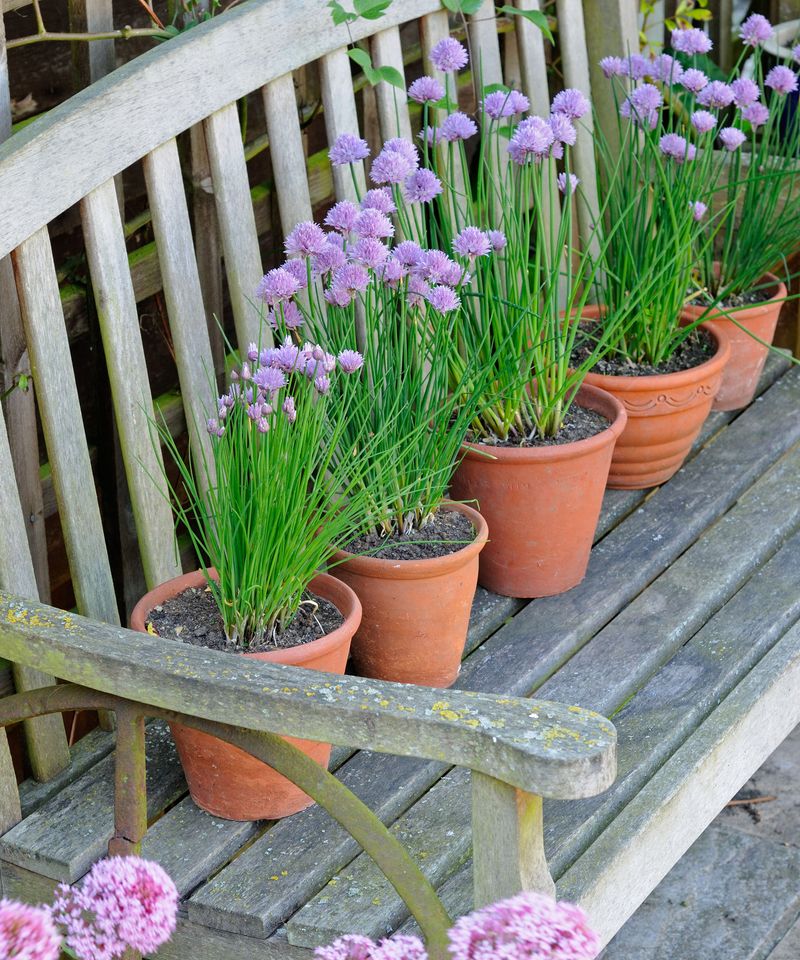
Chives are the quiet overachievers of the herb world. They look like tiny grass blades, but one snip over a baked potato or scrambled eggs transforms an ordinary dish into something special.
They thrive in moderate light and do not need much fuss, making them ideal for beginners. Harvest by cutting the leaves about an inch above the soil and they will keep growing back.
Both the green stalks and purple flowers are completely edible.
4. Parsley
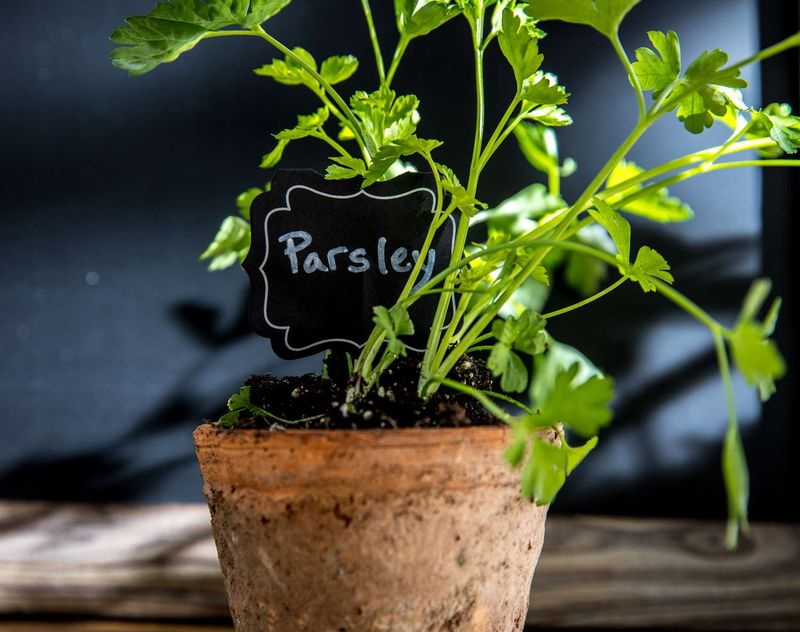
Parsley often gets dismissed as just a garnish, but this herb is packed with flavor and nutrition. Flat-leaf Italian parsley has a stronger taste, while curly parsley is milder and great for decoration.
It grows best in a deep pot since its roots like room to stretch. Keep it in a spot that gets at least six hours of light daily.
Stir fresh parsley into soups, sauces, or grain bowls to add a fresh, slightly peppery bite.
5. Cilantro
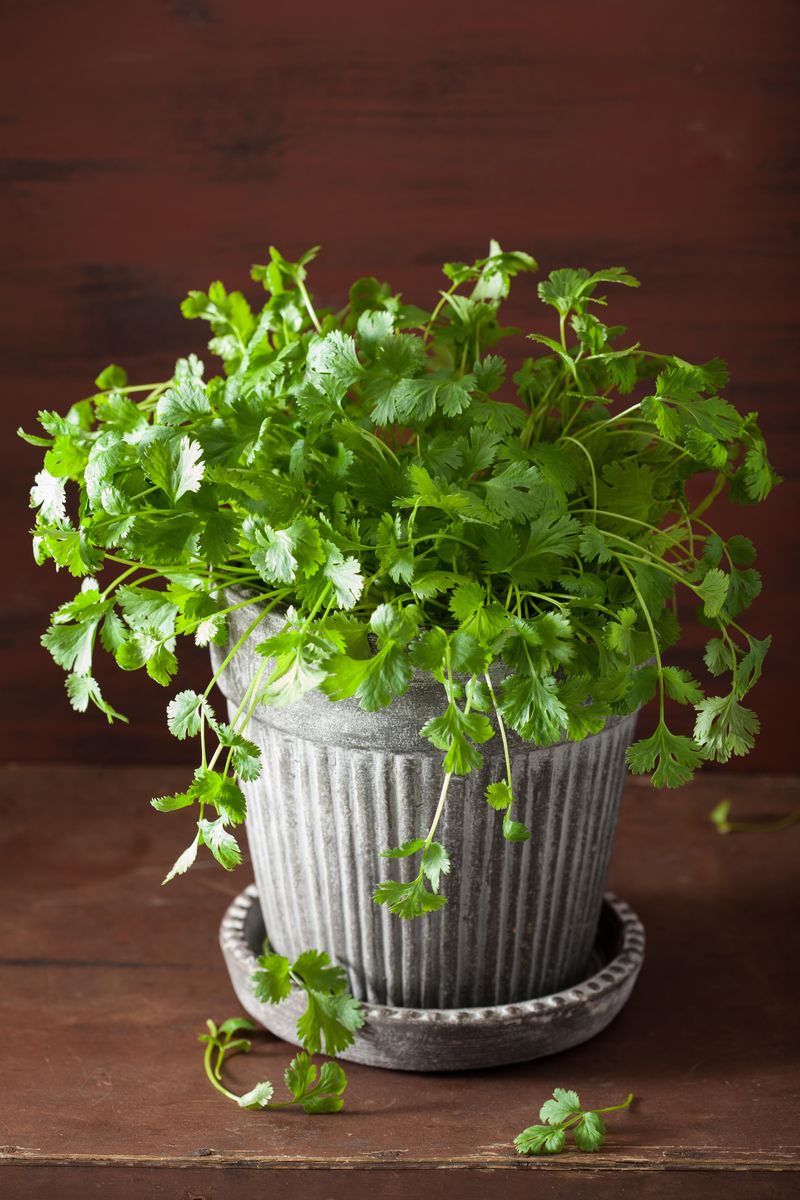
People tend to either love cilantro or strongly dislike it, but those who love it are absolutely devoted. This bold, citrusy herb is essential in Mexican, Indian, and Thai cooking.
Cilantro grows fast but also bolts quickly in heat, so keep it somewhere cool and bright. Sow seeds directly into a pot since it does not transplant well.
Harvest the outer leaves regularly to slow bolting and enjoy a longer growing season from each planting.
6. Rosemary
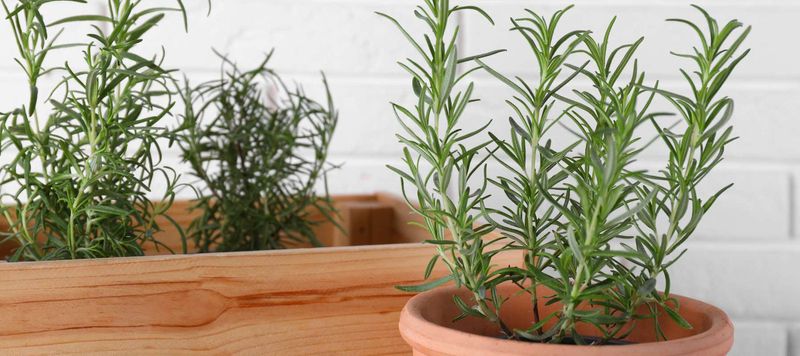
Rosemary smells like a Mediterranean hillside on a warm afternoon, and it brings that same boldness to roasted chicken, focaccia, and potatoes. It is a woody herb that actually prefers slightly dry conditions, so do not overwater it.
Place it in the sunniest spot on your counter and let the soil dry out between waterings. Rosemary is surprisingly slow-growing indoors, but a well-cared-for plant can last for years and grow into a small, fragrant shrub.
7. Thyme
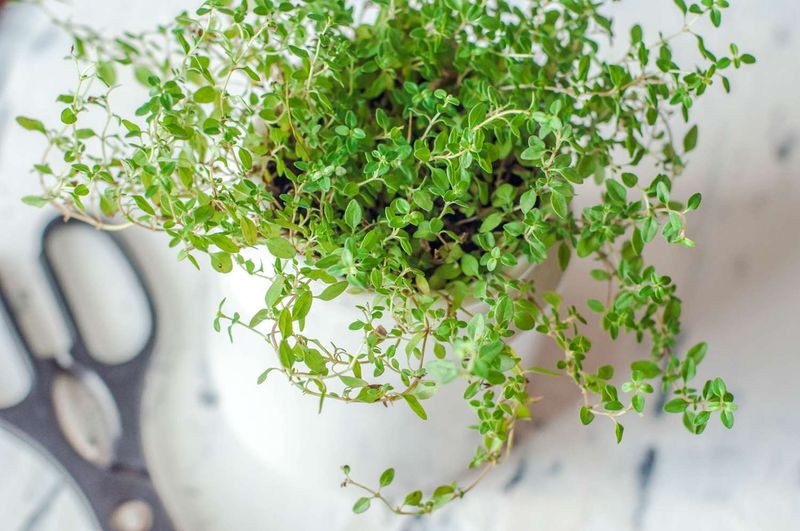
Tiny but mighty, thyme punches well above its weight in the flavor department. Its earthy, slightly floral taste works beautifully in soups, roasted vegetables, and marinades.
Thyme is one of the most forgiving herbs you can grow indoors. It handles a little neglect, prefers well-draining soil, and thrives in a sunny spot.
Harvest sprigs regularly to encourage bushier growth. As a bonus, thyme has natural antibacterial properties, which is why it has been used in cooking and medicine for centuries.
8. Oregano
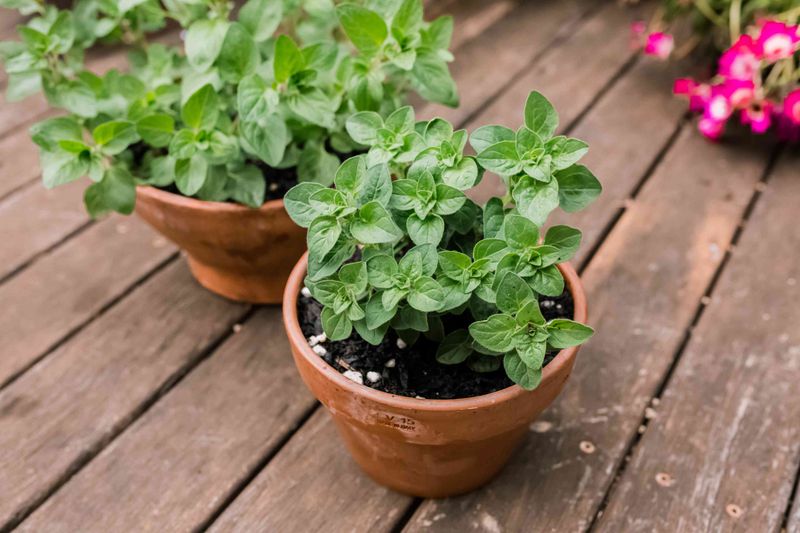
Oregano is the backbone of Italian and Greek cooking, and growing it fresh at home makes a noticeable difference in flavor compared to dried versions from a jar. Fresh oregano has a peppery, slightly bitter edge that brightens tomato sauces and grilled meats.
It loves sunshine and warm temperatures, so a south-facing counter spot works best. Let the soil dry slightly between waterings to mimic its natural Mediterranean habitat.
Pinch stems regularly to keep the plant full and bushy.
9. Lemon Balm
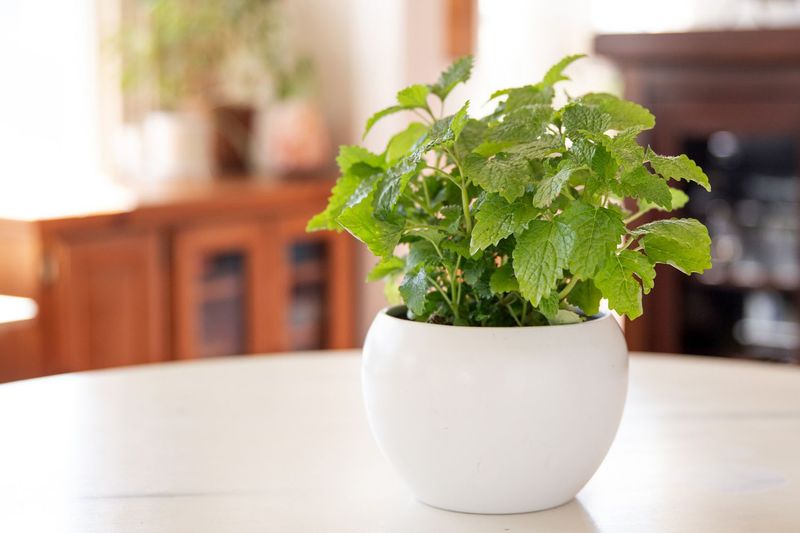
Lemon balm smells like sunshine in leaf form. Rub a leaf between your fingers and you get an instant burst of fresh lemon scent without any sourness.
It belongs to the mint family, so it grows vigorously and spreads fast in a pot.
Use it to make calming herbal tea, add leaves to fruit salads, or toss some into a glass of water for a refreshing twist. It also attracts pollinators if you move it outside in summer.
10. Sage
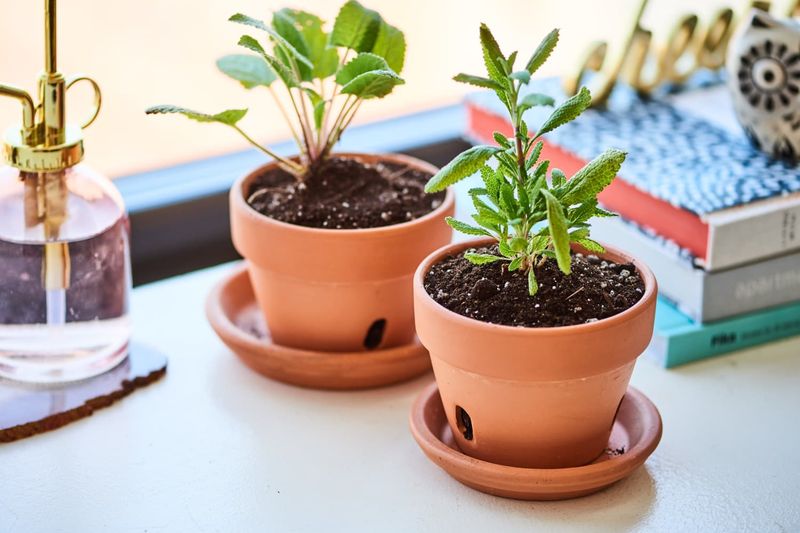
Sage has a deep, earthy aroma that feels almost ancient, which makes sense given that it has been used for cooking and healing since Roman times. Its velvety, silver-green leaves are beautiful enough to sit on any counter as decoration alone.
Brown butter and sage is one of the simplest and most luxurious pasta sauces you can make. Sage prefers well-draining soil and bright light but dislikes being overwatered.
A little neglect actually suits this herb quite well.
11. Dill
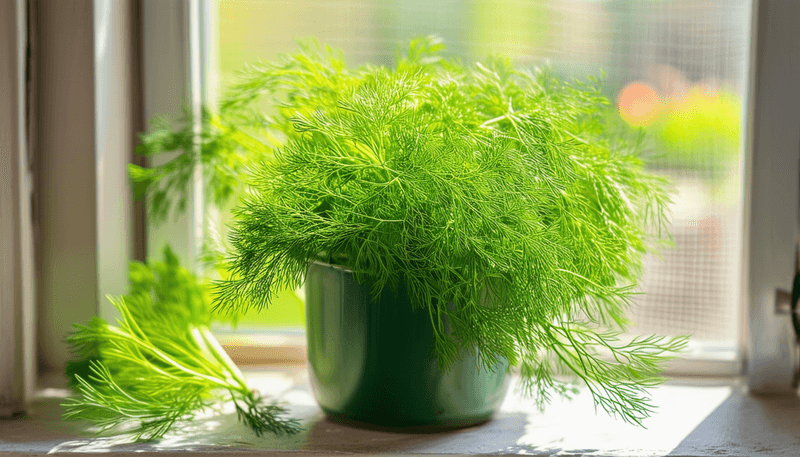
Dill is the herb that turns a plain cucumber into a pickle, and there is something deeply satisfying about that kind of kitchen magic. Its feathery fronds have a fresh, slightly tangy flavor that works brilliantly with fish, eggs, and yogurt dips.
Grow dill in a tall pot since its taproot needs depth. It loves full sun and consistent moisture.
Harvest the fronds before the plant flowers for the best flavor, and save the seeds to use as a spice in their own right.
12. Tarragon
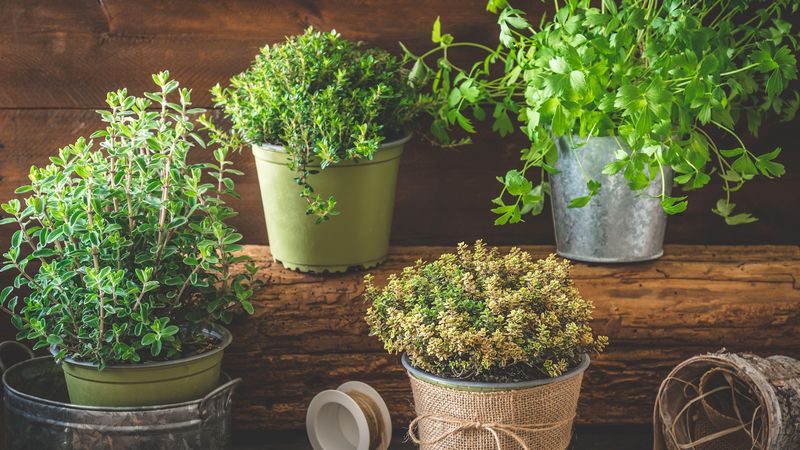
French tarragon is the secret weapon in classic French cooking, and surprisingly few home cooks grow it fresh. Its anise-like, slightly sweet flavor is irreplaceable in bearnaise sauce, chicken dishes, and homemade vinaigrettes.
Make sure you buy French tarragon, not Russian tarragon, which has almost no flavor. It grows best from cuttings rather than seeds and prefers a well-lit counter spot with moderate watering.
Once established, it is a reliable and fragrant herb that keeps on giving.
13. Chervil
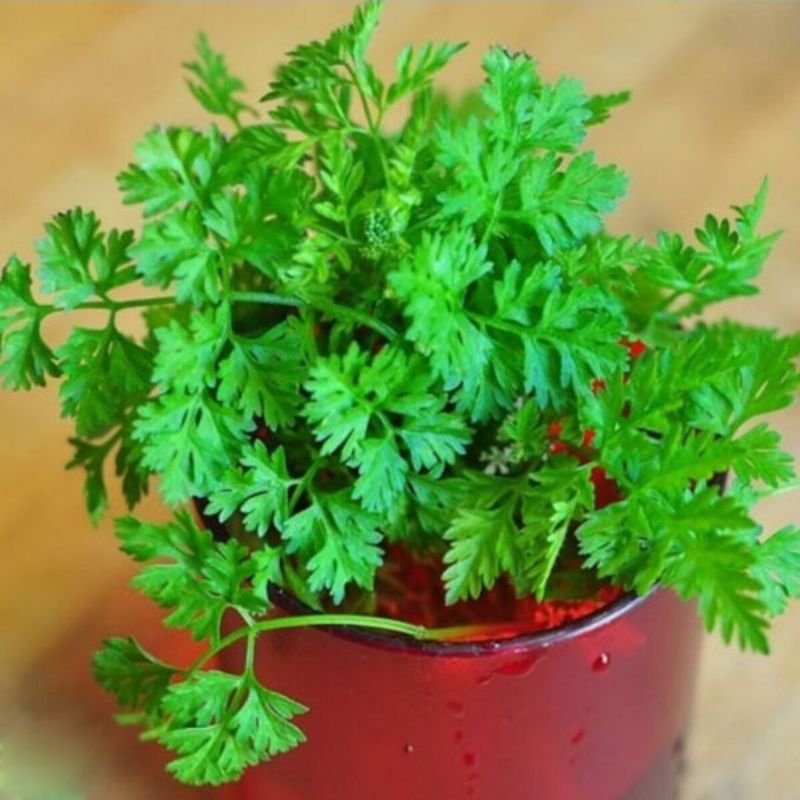
Chervil is one of the most underrated herbs in the kitchen, and once you discover it, you will wonder where it has been all your cooking life. It tastes like a gentle blend of parsley and anise, making it perfect for egg dishes, cream sauces, and spring soups.
Unlike many herbs, chervil actually prefers cooler temperatures and partial shade, making it ideal for a counter that does not get direct harsh sun. Keep the soil consistently moist for the best results.
14. Vietnamese Coriander
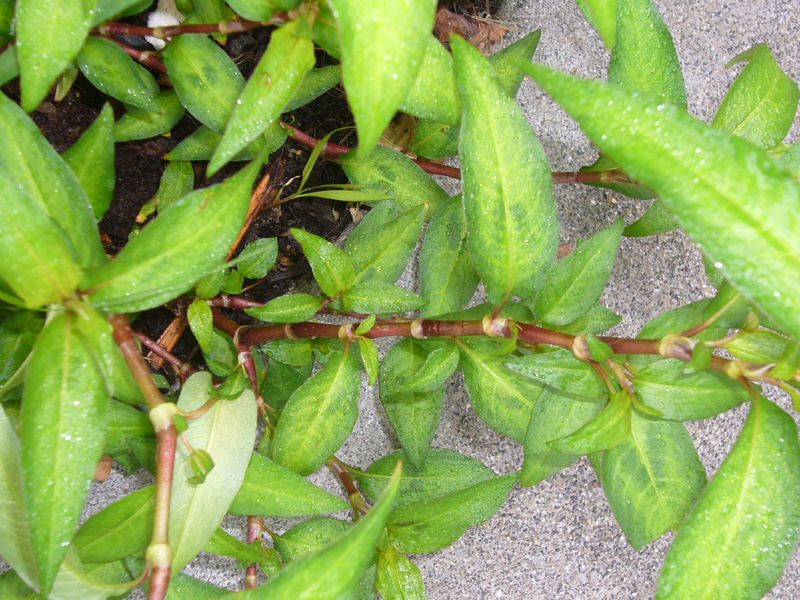
Vietnamese coriander, also called rau ram, is a staple in Southeast Asian kitchens and a fascinating alternative to regular cilantro. Its pointed leaves carry a spicy, citrusy punch that holds up well in salads, noodle soups, and fresh spring rolls.
It thrives in warm, humid conditions, so a kitchen counter suits it perfectly. Keep the soil moist and give it a medium-light spot.
It grows quickly and can be harvested often, making it a highly productive herb for everyday cooking.
15. Stevia
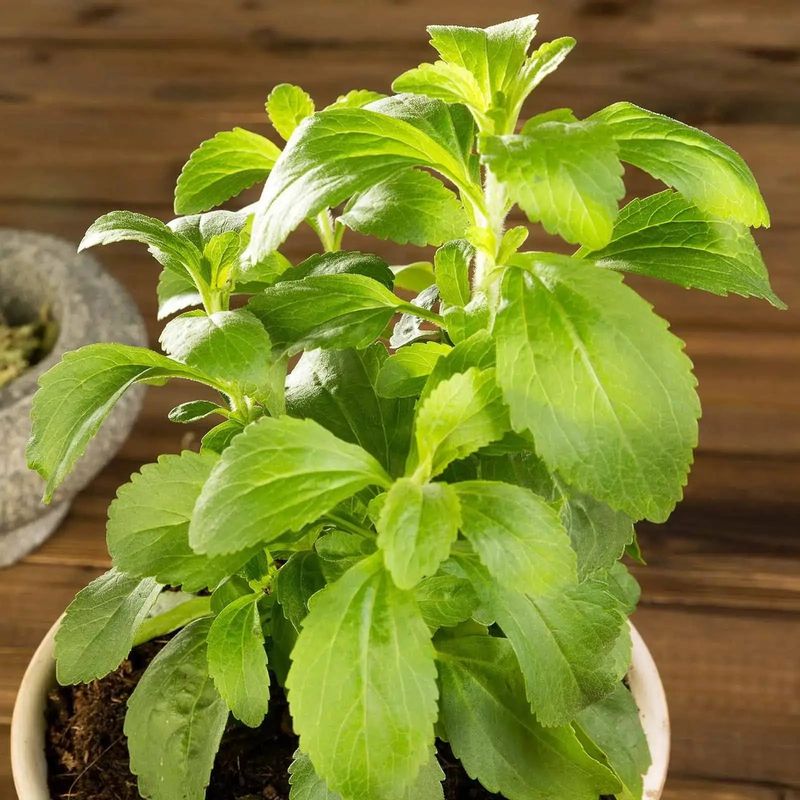
Stevia is the plant that sweetens your tea without a single calorie, and growing it fresh on your counter means you always have a natural sweetener within arm's reach. Just one small leaf dropped into a hot drink adds noticeable sweetness.
It loves warmth and full sun, making a bright kitchen counter the ideal location. Water regularly but avoid waterlogged soil.
Harvest leaves before the plant flowers for the sweetest flavor. Dry extra leaves to make your own powdered stevia at home.
16. Lemongrass
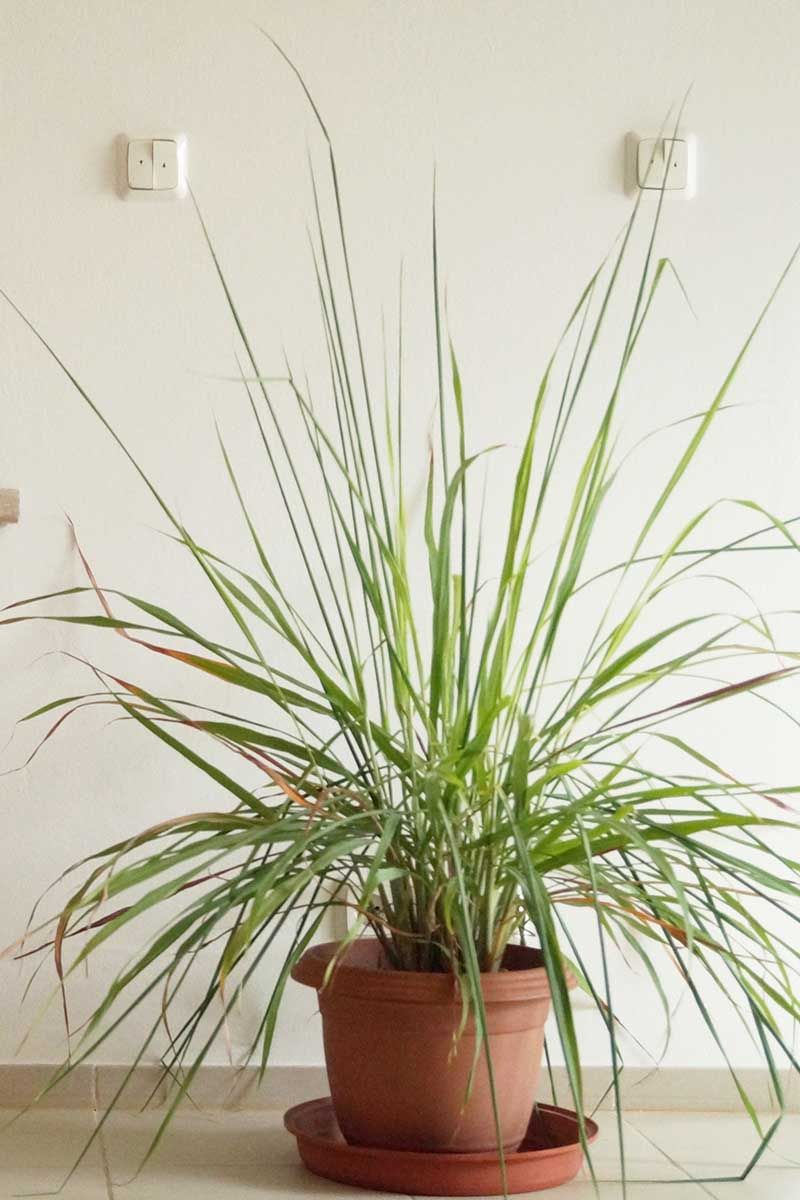
Lemongrass brings the bright, citrusy soul of Thai and Vietnamese cooking straight into your kitchen. Growing it at home means you can smash a fresh stalk into a curry or soup anytime the craving strikes.
Start from a store-bought stalk by placing it in water until roots appear, then transfer to a deep pot with rich soil. It grows tall and grassy and loves as much sun as you can give it.
Mist the leaves occasionally to keep it happy indoors.
17. Marjoram
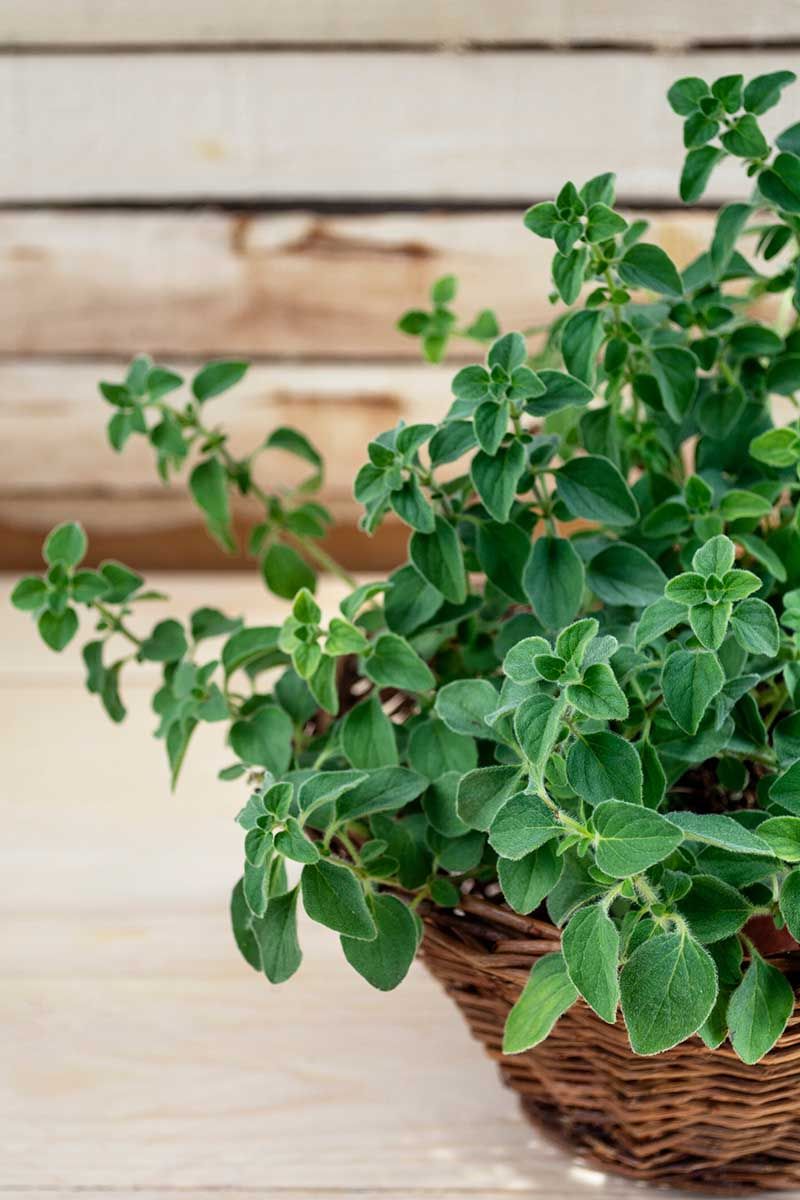
Marjoram is oregano's sweeter, more delicate cousin, and it deserves way more attention than it usually gets. Its mild, floral flavor works beautifully in poultry seasoning, roasted vegetables, and Mediterranean salads where you want a subtle herby note without overpowering other ingredients.
Grow it in a pot with good drainage and place it in a sunny spot. It is a bit more sensitive to cold than oregano, so keep it away from drafty windows.
Regular trimming keeps it compact and productive all season long.
18. Lavender
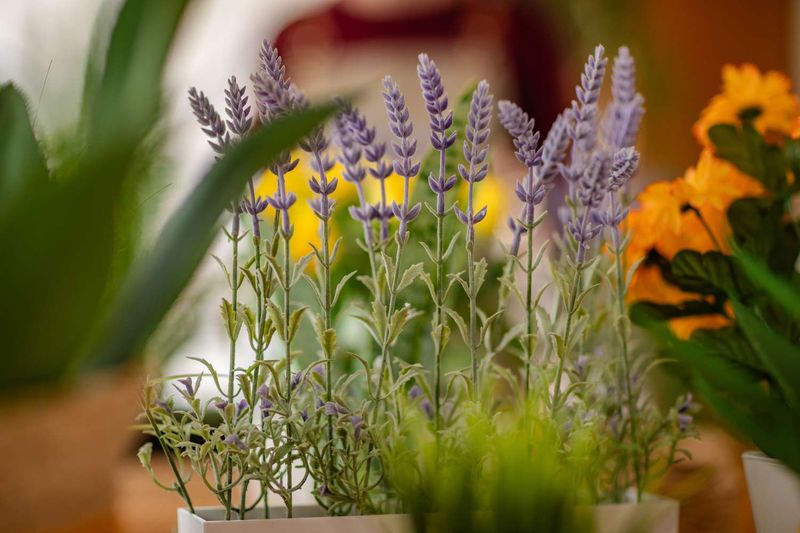
Lavender is not just for sachets and candles. In the kitchen, it adds a floral, slightly sweet note to baked goods, lemonade, and even savory lamb dishes.
Growing a small pot on your counter fills the room with a calming fragrance that makes cooking feel more relaxing.
Choose a compact culinary variety like Lavandula angustifolia for best results indoors. It craves full sun and well-draining, slightly sandy soil.
Water sparingly and enjoy harvesting the flower buds just before they fully open for the most intense flavor.
19. Shiso
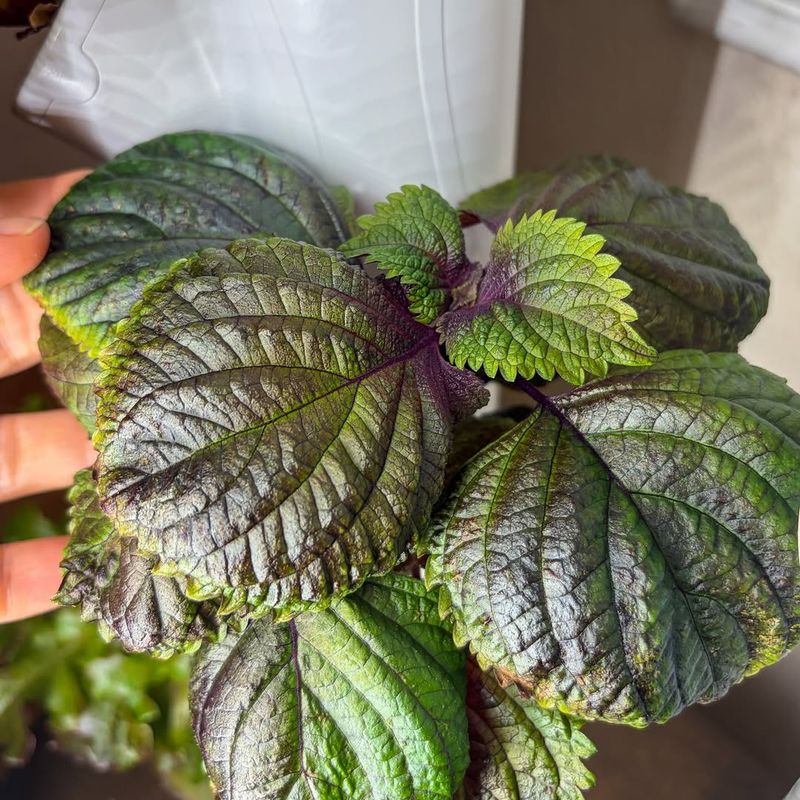
Shiso, also called perilla, is a Japanese herb with striking large leaves that come in green or deep purple. Its flavor is complex, combining hints of mint, basil, and anise in a way that is completely its own.
Wrap a leaf around sushi, shred it over rice bowls, or muddle it into a cocktail for an unexpected twist. Shiso loves warmth and moderate sunlight.
It grows quickly from seed and makes a gorgeous and edible addition to any kitchen counter setup.
20. Watercress
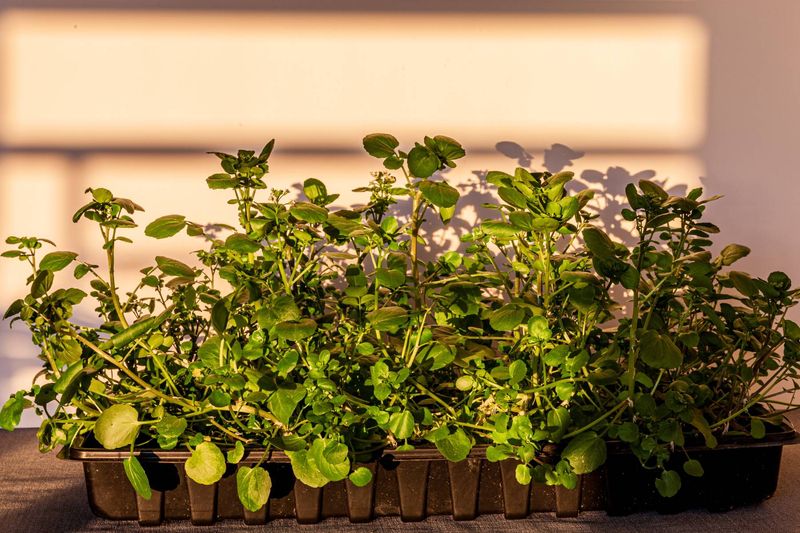
Watercress is one of the most nutrient-dense plants on the planet, and it grows surprisingly well indoors with the right setup. Its peppery, slightly spicy leaves are incredible in salads, sandwiches, and smoothies.
Unlike most herbs, watercress loves water and actually thrives when its pot sits in a shallow tray filled with water. Keep it in a bright spot and change the water regularly to prevent stagnation.
Harvest the top leaves and stems often to encourage fresh, bushy new growth.
21. Catnip
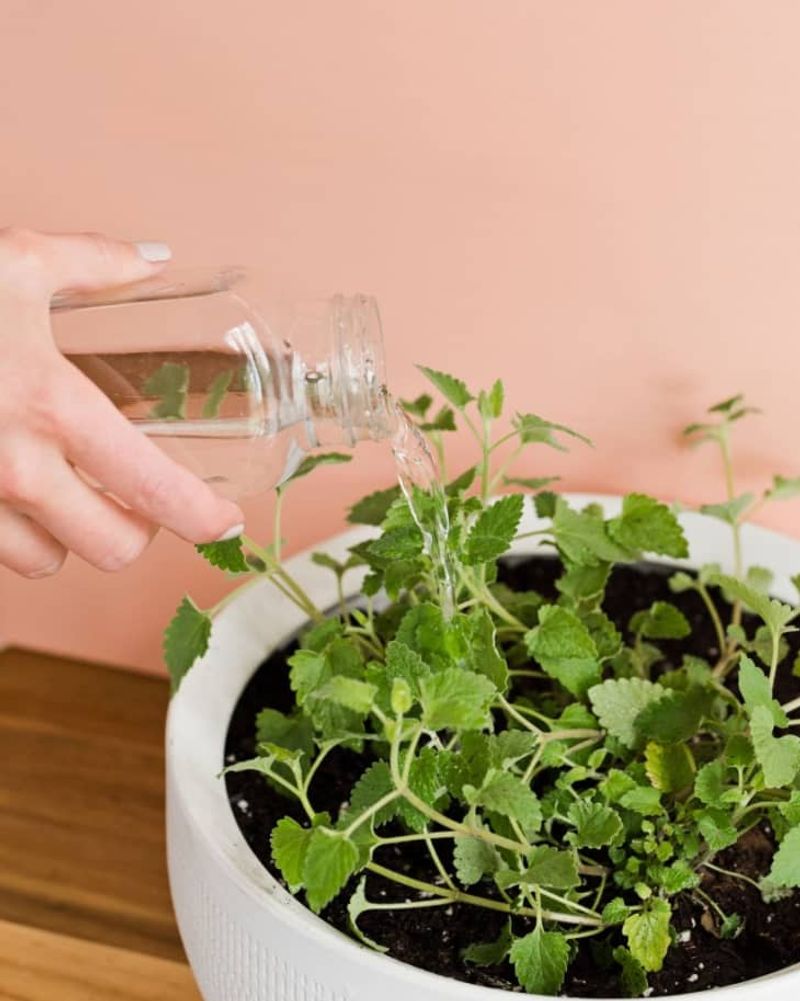
Yes, catnip is an herb you can actually use in the kitchen, not just for your cat. Belonging to the mint family, catnip makes a mild, slightly minty herbal tea that has been used for centuries to ease stress and promote sleep.
Grow it in a pot on your counter but keep it out of your cat's reach unless you want some very enthusiastic company. It thrives in moderate light and well-drained soil.
Harvest leaves before flowering for the strongest flavor in teas and herbal blends.




Comments
No Comments