













Most of us toss groceries into the fridge or pantry without a second thought, but the way you store food matters more than you might realize. Bad storage habits can make food spoil faster, lose flavor, or even become unsafe to eat.
Small changes in how you store everyday items can save you money, reduce waste, and keep your meals tasting their best. Read on to find out which common foods you have probably been storing the wrong way all along.
1. Tomatoes
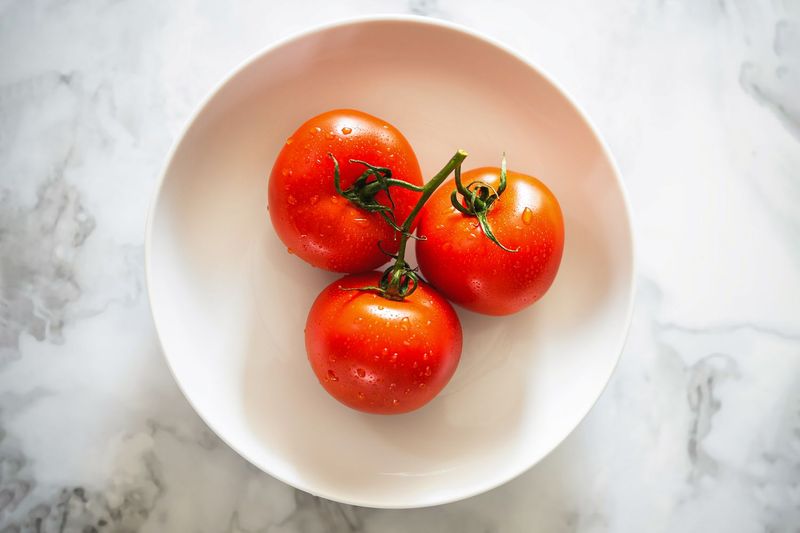
Putting tomatoes in the fridge is one of the most common kitchen mistakes people make. Cold temperatures break down the membranes inside the tomato, turning that juicy, flavorful fruit into something mealy and bland.
Keep tomatoes on the counter at room temperature, away from direct sunlight. If they are already cut, wrap them and refrigerate only the cut side.
Whole tomatoes stored at room temperature stay flavorful much longer than their chilled counterparts.
2. Bread
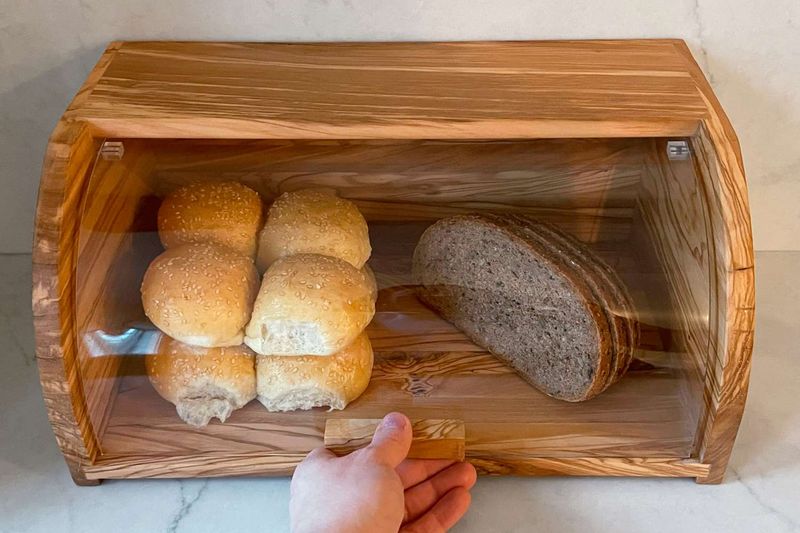
Believe it or not, the refrigerator is actually the worst place to store your bread. Cold air causes bread to go stale much faster because it speeds up a process called starch retrogradation.
Store bread in a bread box, a paper bag, or wrapped in a cloth at room temperature. If you need to keep it longer than a few days, freeze it instead.
Frozen bread thaws beautifully and tastes almost as fresh as the day it was baked.
3. Avocados
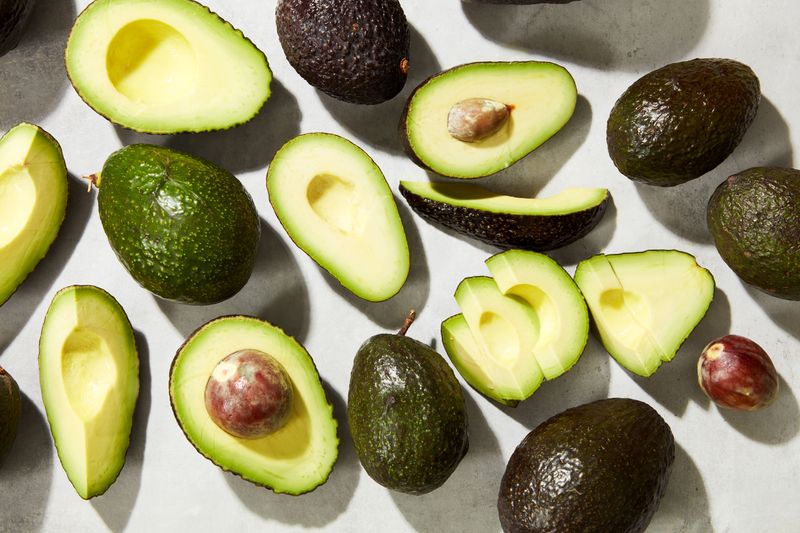
Avocados have a very specific storage timeline that most people completely ignore. An unripe avocado should never go into the fridge because the cold stops the ripening process dead in its tracks.
Leave unripe avocados on the counter until they give slightly when pressed. Once ripe, move them to the refrigerator to slow further ripening and buy yourself a couple extra days.
Already cut? Sprinkle lemon juice on the flesh and wrap it tightly before refrigerating to prevent browning.
4. Honey
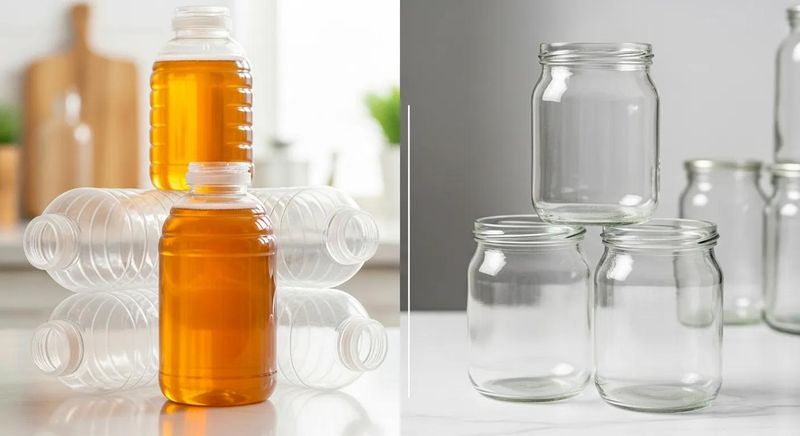
Honey is one of the few foods that never truly expires, yet many people store it in the refrigerator out of habit. Refrigerating honey causes it to crystallize quickly, making it thick, grainy, and hard to pour.
Store honey in a sealed glass jar in your pantry at room temperature. If it does crystallize, simply place the jar in warm water to restore its smooth consistency.
Honey stored properly can literally last for thousands of years without spoiling.
5. Onions
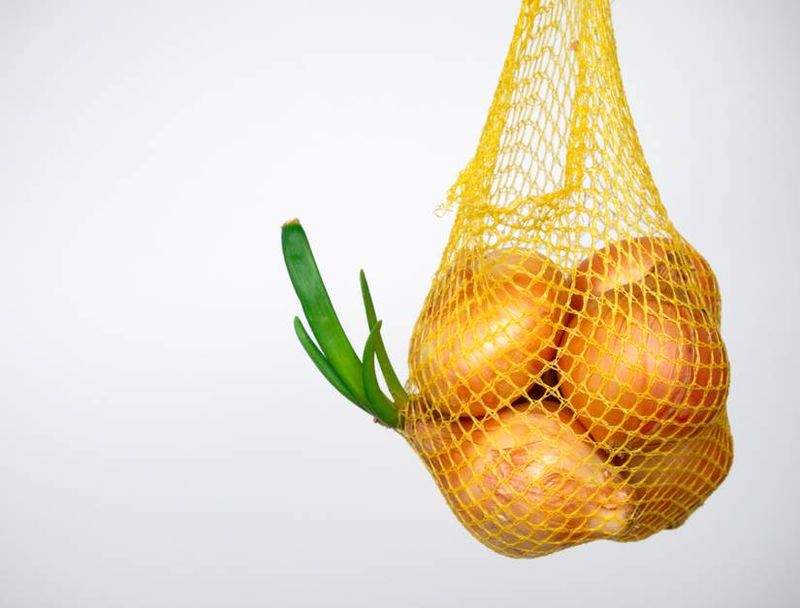
Storing onions in a plastic bag or next to potatoes is a recipe for disaster. Plastic traps moisture, which causes onions to rot, and potatoes release gases that make onions spoil much faster.
Whole, unpeeled onions prefer a cool, dry, and dark place with good air circulation, like a mesh bag in a pantry. Keep them far away from potatoes.
Once an onion is cut, wrap it tightly and store it in the refrigerator, where it will keep for a few days.
6. Potatoes
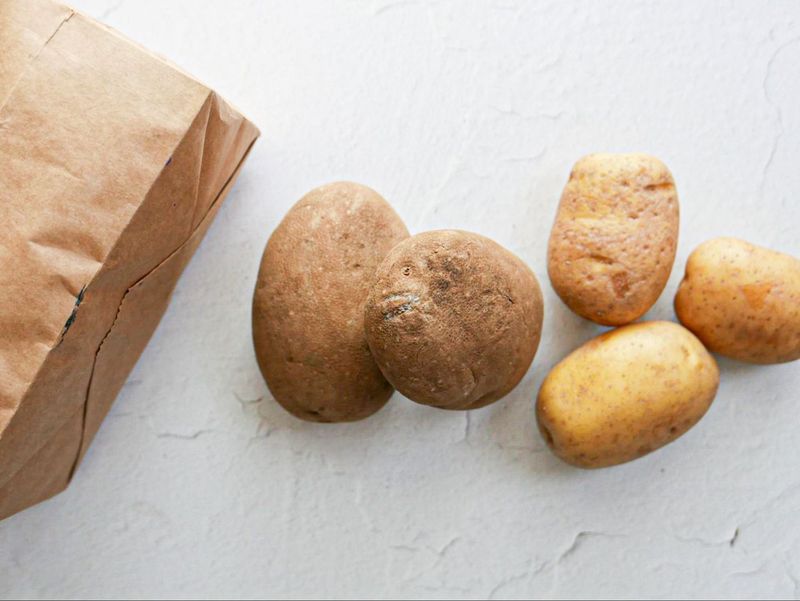
Light is a potato's worst enemy. When potatoes are exposed to light, they turn green and produce a compound called solanine, which can actually be harmful if eaten in large amounts.
Store potatoes in a paper bag or a cardboard box in a cool, dark, and dry spot, like a basement or pantry. Never refrigerate raw potatoes because the cold converts their starch into sugar, giving them an oddly sweet taste when cooked.
Keep them away from onions, too.
7. Fresh Herbs
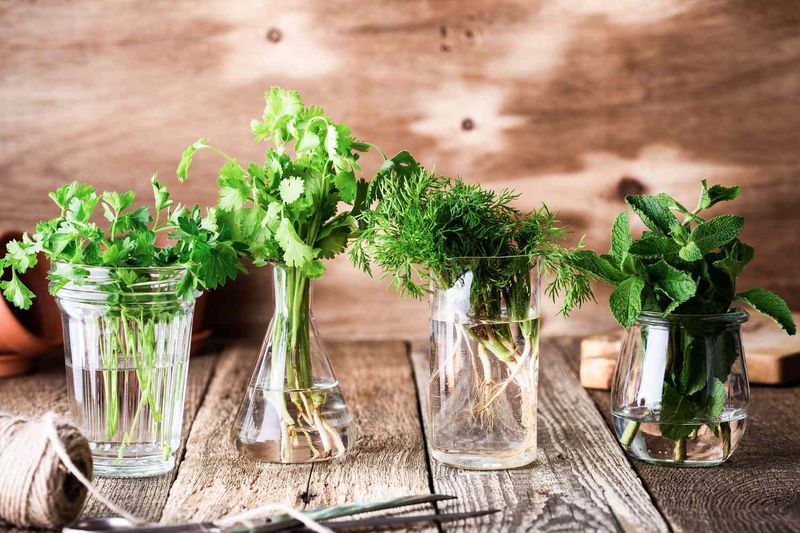
Most people shove fresh herbs into a plastic bag in the fridge and then wonder why they wilt within a day or two. Tender herbs like parsley, cilantro, and basil deserve much better treatment than that.
Treat them like fresh-cut flowers. Trim the stems, place them in a glass with a little water, and set them on the counter or in the fridge.
Basil specifically hates cold and does best at room temperature. Covering loosely with a plastic bag helps them stay fresh even longer.
8. Coffee
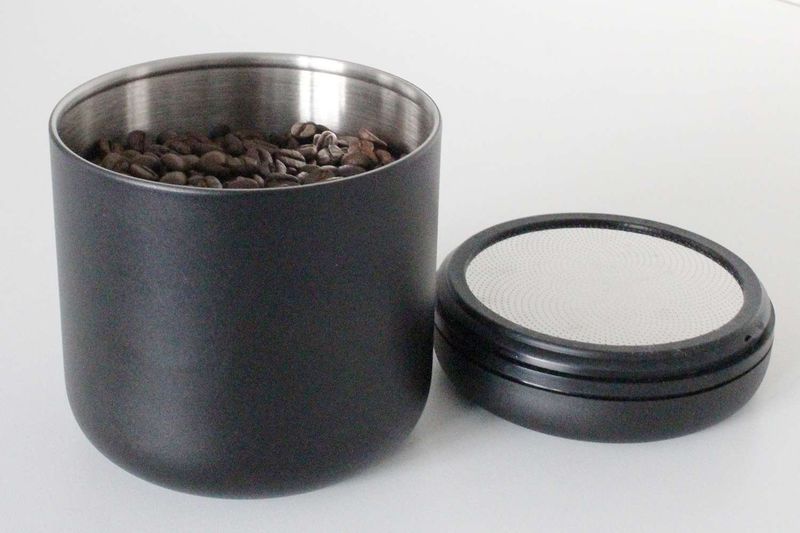
Coffee lovers, this one might sting a little. Storing coffee beans or grounds in the freezer or fridge is a common mistake that actually ruins the flavor over time.
Moisture from the refrigerator seeps into coffee and dulls the taste significantly. Instead, keep coffee in an airtight, opaque container stored in a cool, dark cabinet away from heat and light.
Buy coffee in smaller quantities so you use it while it is still fresh. Your morning cup will taste noticeably better.
9. Berries
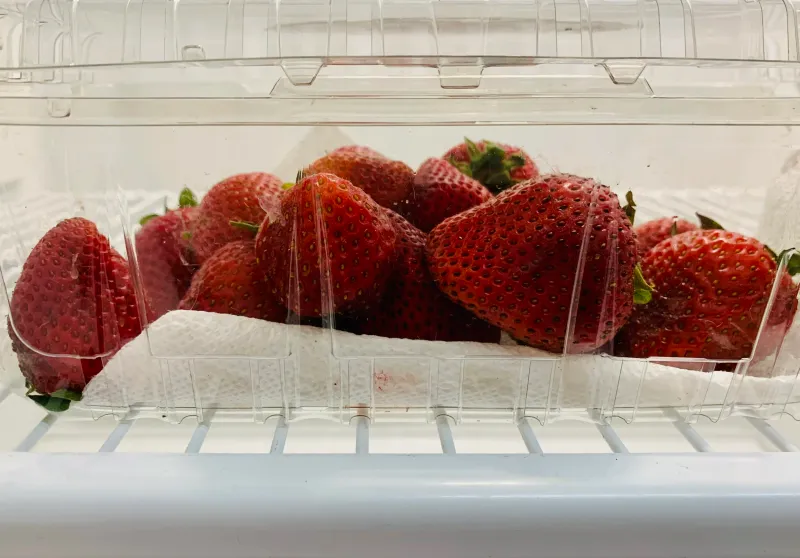
Washing berries before storing them is the fastest way to make them mold within hours. Water left on the surface of berries creates the perfect environment for mold to grow and spread quickly.
Store berries unwashed in the refrigerator in their original container or a breathable bowl lined with a paper towel. Only rinse them right before eating.
A quick soak in diluted white vinegar before drying and refrigerating can also kill mold spores and keep berries fresh for up to two extra weeks.
10. Garlic
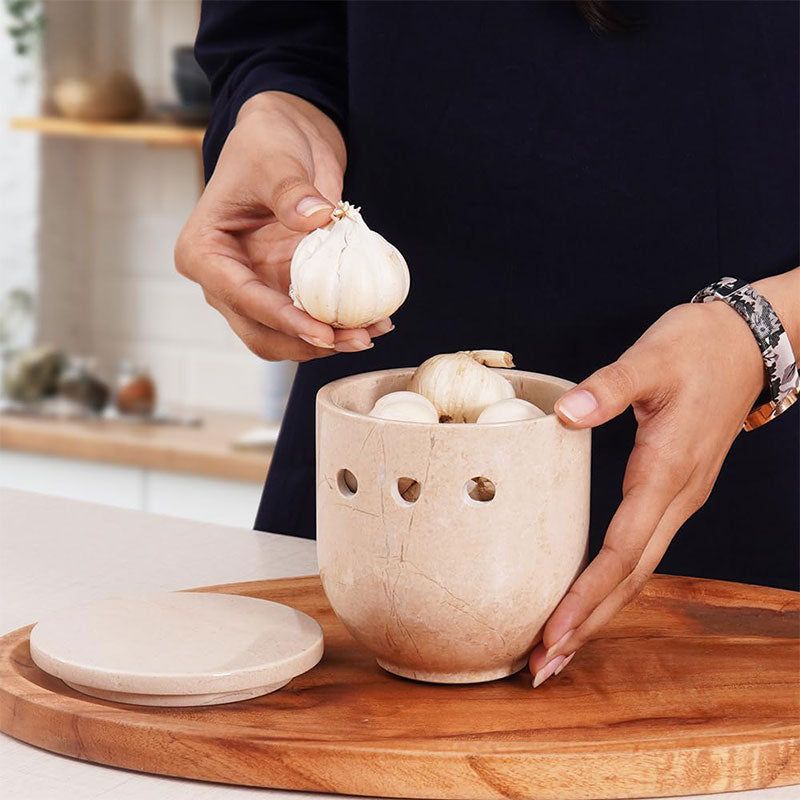
Garlic does not belong in the refrigerator, even though many people instinctively put it there. Cold and moisture cause garlic to sprout quickly and develop a bitter, unpleasant flavor.
Whole, unpeeled garlic bulbs store best at room temperature in a dry, well-ventilated spot, like a small basket or a garlic keeper with holes. Once you peel or mince garlic, it should be refrigerated and used within a few days.
Properly stored whole bulbs can stay fresh for several weeks without losing their punch.
11. Nuts
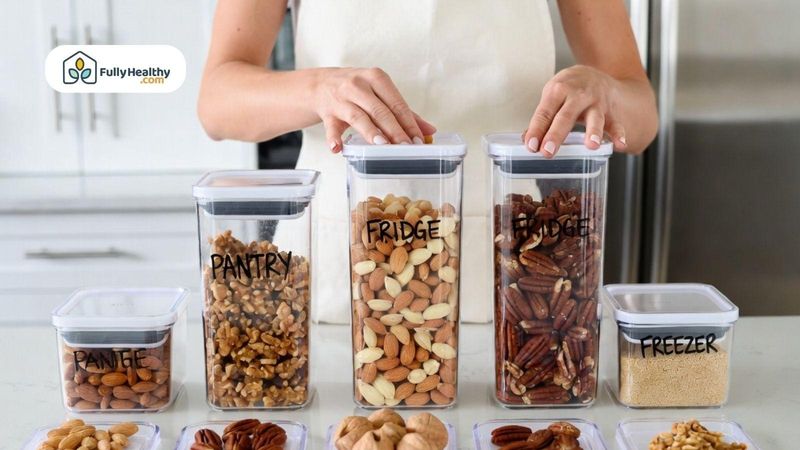
Nuts seem like a pantry staple, but leaving them in a warm cabinet is actually causing them to go rancid faster than you think. The natural oils in nuts break down quickly when exposed to heat, light, and air.
For short-term use, an airtight container in a cool, dark pantry works fine. But for longer storage, the refrigerator or freezer is the smarter option.
Frozen nuts can last up to a year without losing flavor or texture. Give your almonds and walnuts the cool home they deserve.
12. Eggs
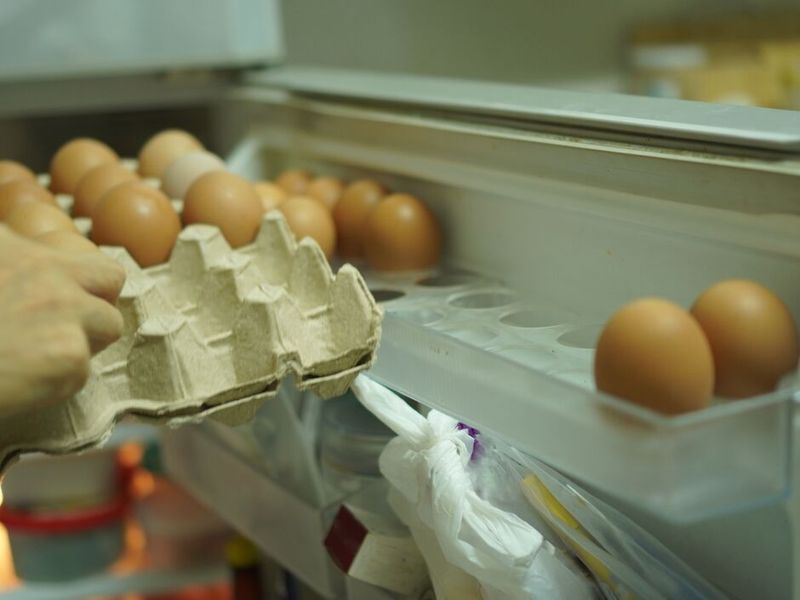
Here is something that surprises many people: eggs should never be stored in the little egg tray built into the refrigerator door. That spot experiences the most temperature fluctuation every time the door opens and closes.
Keep eggs in their original carton on a middle shelf where the temperature stays consistent and cold. The carton also protects eggs from absorbing odors from other foods in the fridge.
In the United States, refrigerating eggs is essential because the protective coating is washed off during commercial processing.
13. Bananas
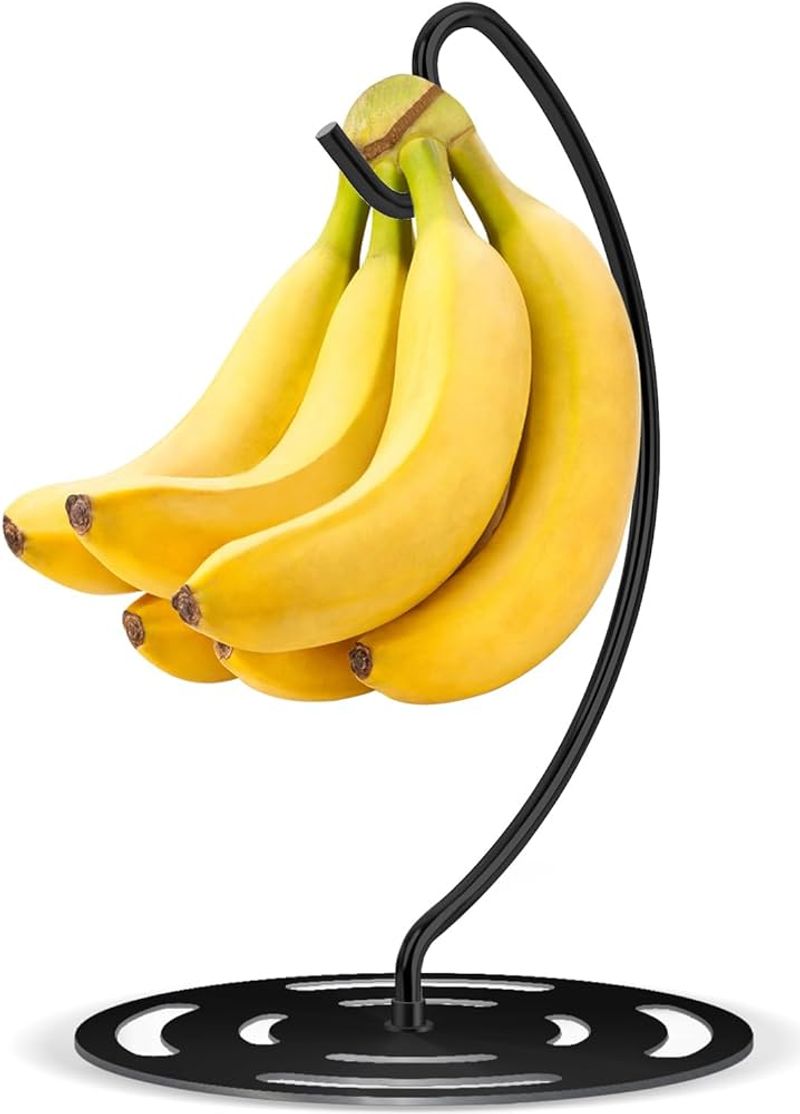
Bananas and other fruits do not make great roommates. Bananas release a gas called ethylene as they ripen, which speeds up the ripening and spoiling of any nearby fruit dramatically.
Store bananas on their own, ideally on a banana hanger that allows air to circulate around them. Keeping them away from apples, avocados, and other ethylene-sensitive fruits can extend the freshness of your whole fruit bowl.
If your bananas ripen too fast, peel and freeze them for smoothies or banana bread later.
14. Cooking Oils
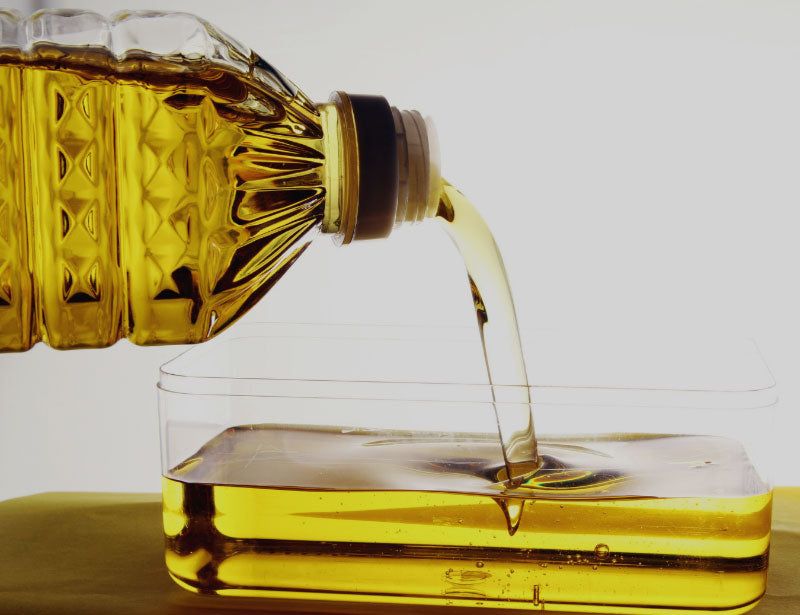
Storing cooking oil right next to the stove is incredibly convenient, but it is also one of the fastest ways to ruin it. Heat and light are the two biggest enemies of cooking oil quality.
Oils stored near a hot stove go rancid quickly, producing off flavors that can ruin your food. Keep oils in a cool, dark cabinet, away from the oven and any windows.
Olive oil especially benefits from being stored in a dark bottle or tin. Properly stored oil stays fresh and flavorful much longer.
15. Leafy Greens
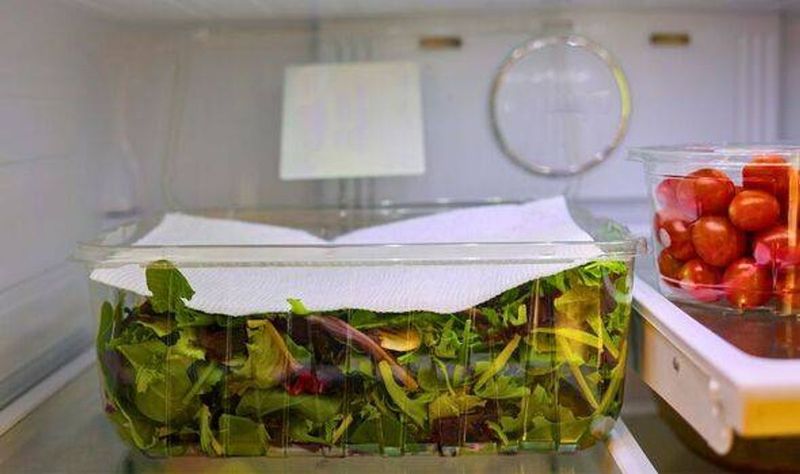
Soggy lettuce is the result of trapped moisture, and it happens when leafy greens are stored improperly. A wet environment inside a sealed bag turns crisp greens into a slimy, unappetizing mess within days.
Line a container or zip-lock bag with dry paper towels before adding your greens. The towels absorb excess moisture and keep the leaves crisp for much longer.
Store them in the crisper drawer of the fridge, which maintains the right humidity level. Changing the paper towel every couple of days extends freshness even further.
16. Cheese
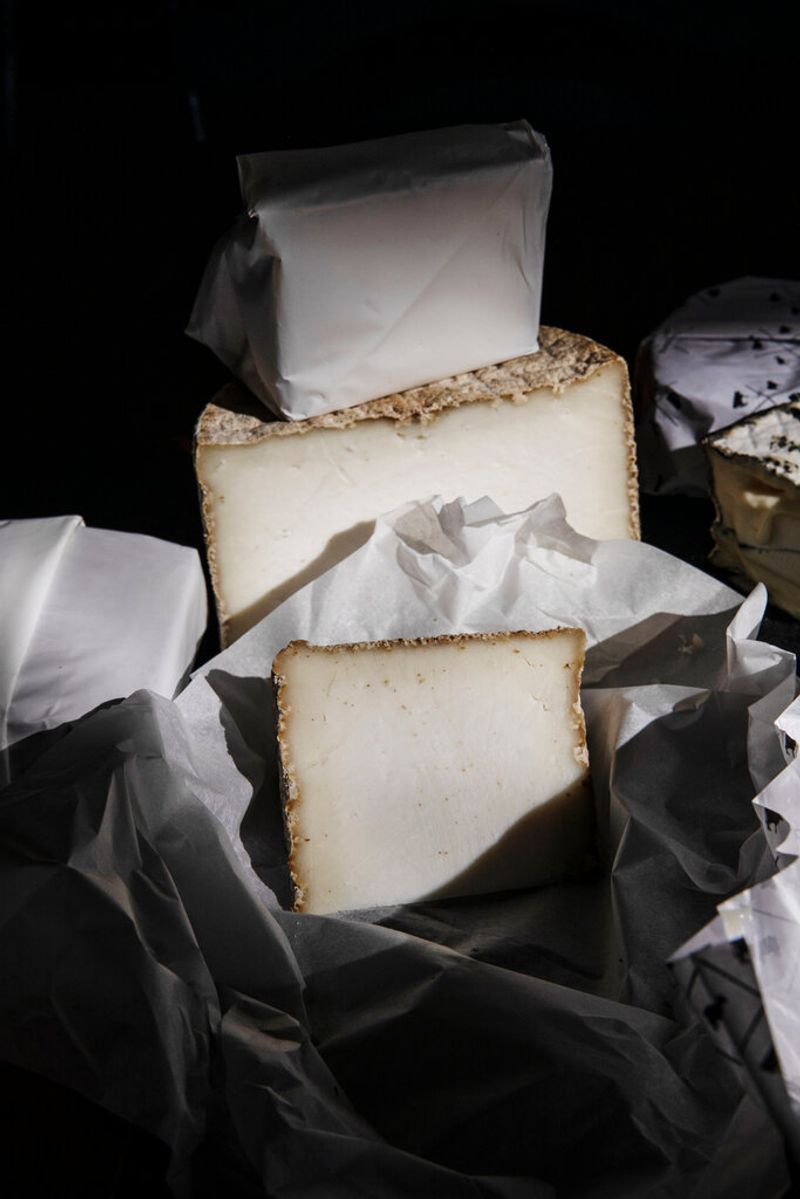
Wrapping cheese tightly in plastic wrap might seem like the logical move, but it actually suffocates the cheese and traps moisture, leading to an unpleasant slimy texture and off flavors.
Cheese needs to breathe. Wrap it in wax paper or specially designed cheese paper, then place it loosely in a container in the refrigerator.
Hard cheeses like cheddar and parmesan last much longer this way. Soft cheeses should be stored in their original packaging or in a covered container to maintain their delicate texture and taste.
17. Apples
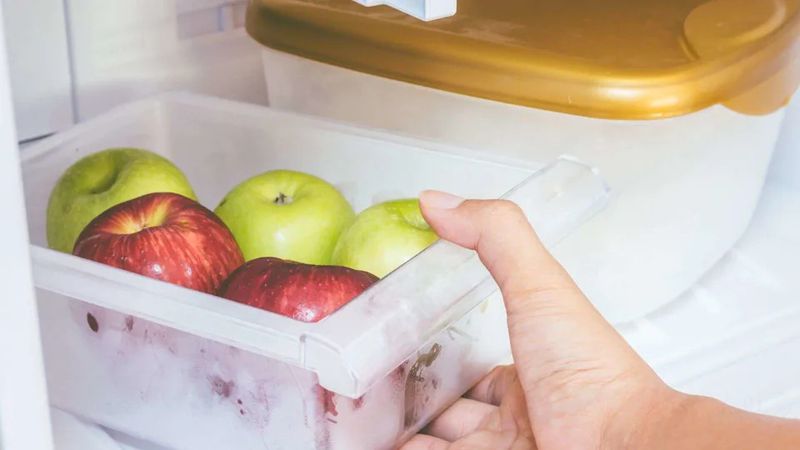
Apples might look perfectly happy sitting in a fruit bowl, but leaving them at room temperature causes them to go mealy and soft within just a few days. They actually prefer the cold.
Refrigerate apples in the crisper drawer to keep them crisp and fresh for up to six weeks. However, keep them away from other produce because apples are heavy ethylene producers and will speed up the ripening of nearby vegetables and fruits.
Store apples in a separate drawer or bag to protect your other groceries.
18. Flour
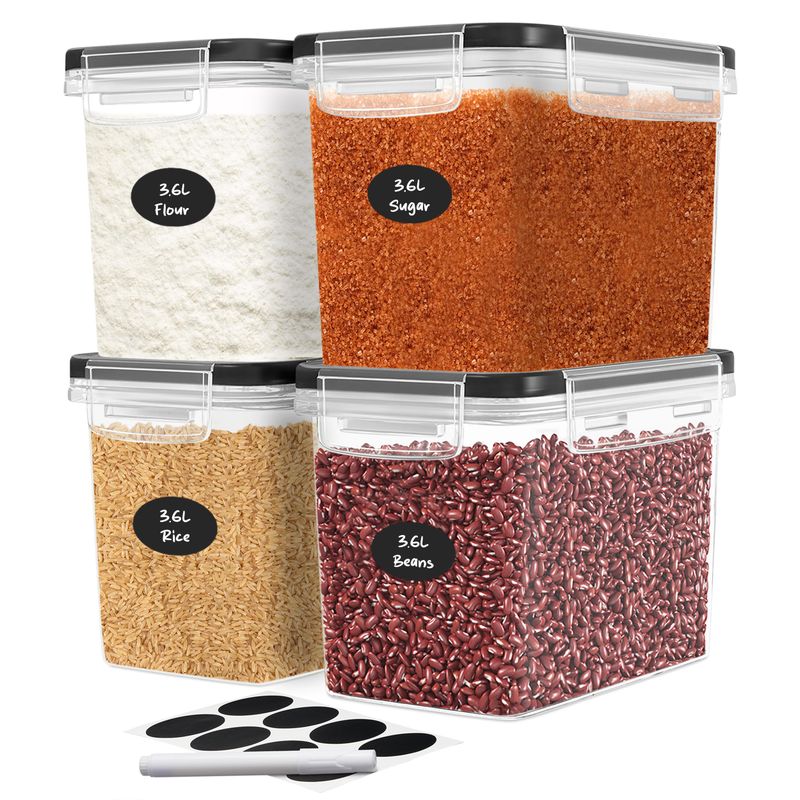
Most people store flour in its original paper bag and call it a day, but that paper bag does almost nothing to protect flour from moisture, pests, or odors from nearby foods.
Transfer flour into an airtight container as soon as you get home from the store. A sealed container keeps bugs out and maintains freshness much longer.
Whole wheat and specialty flours contain more oils and can go rancid faster, so refrigerating or freezing them is a smart move if you do not use them frequently.
19. Peanut Butter
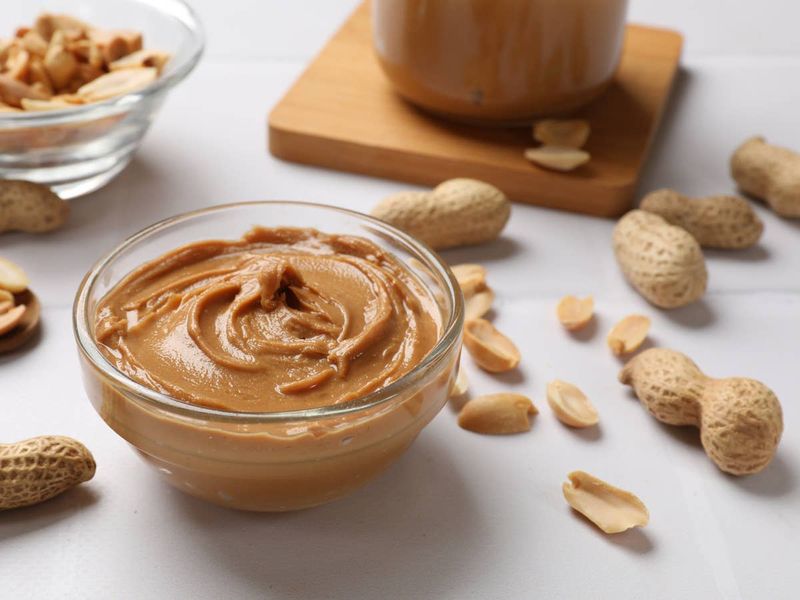
Natural peanut butter is a tricky one. The oil separates and rises to the top, and many people just pour it off, losing both flavor and nutrition in the process without realizing it.
Store natural peanut butter upside down so the oil distributes back through the jar. Once opened, keep it in the refrigerator to prevent the oils from going rancid.
Conventional peanut butter with added stabilizers can stay in the pantry after opening, but natural varieties definitely need the cooler environment to stay fresh and tasty for weeks.
20. Spices
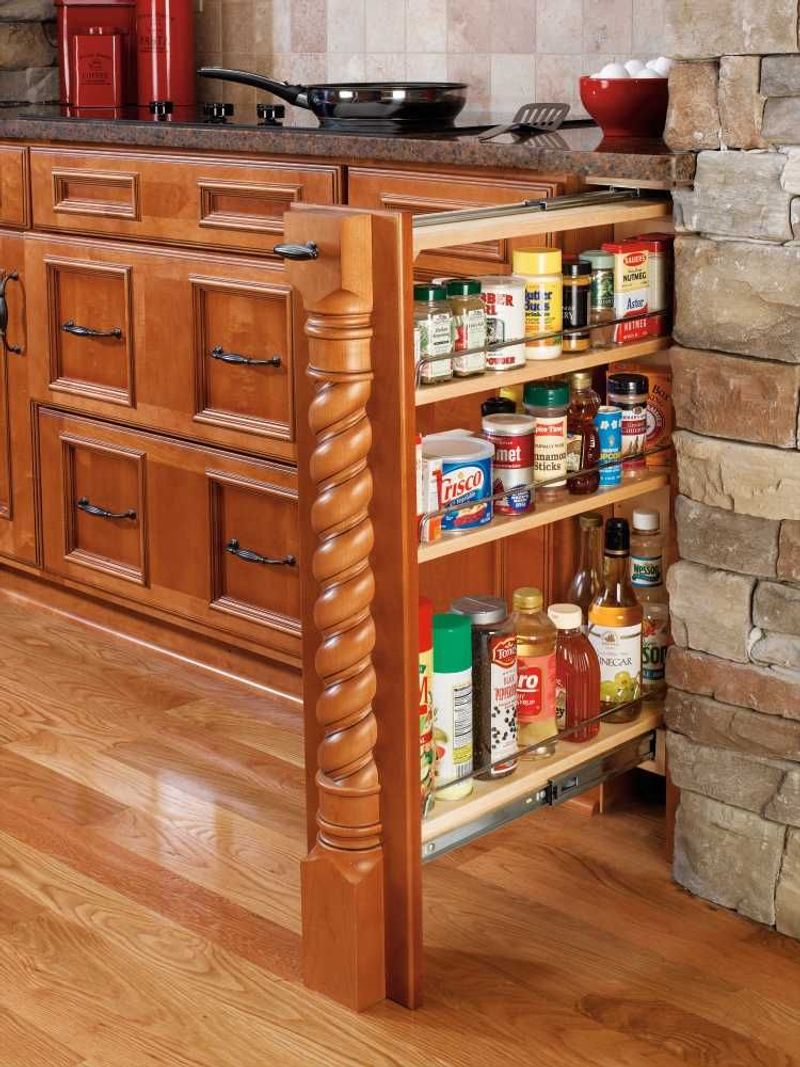
That cute spice rack sitting right next to your stove looks great, but the heat and steam from cooking are quietly destroying the flavor of every single spice on it.
Spices lose their potency much faster when exposed to heat, light, and humidity. Move them to a cool, dark drawer or cabinet away from the stove and oven.
Whole spices like cumin seeds and peppercorns stay fresh longer than pre-ground versions. Storing spices properly means you use less of them per recipe because the flavor stays stronger and more vibrant.
21. Citrus Fruits
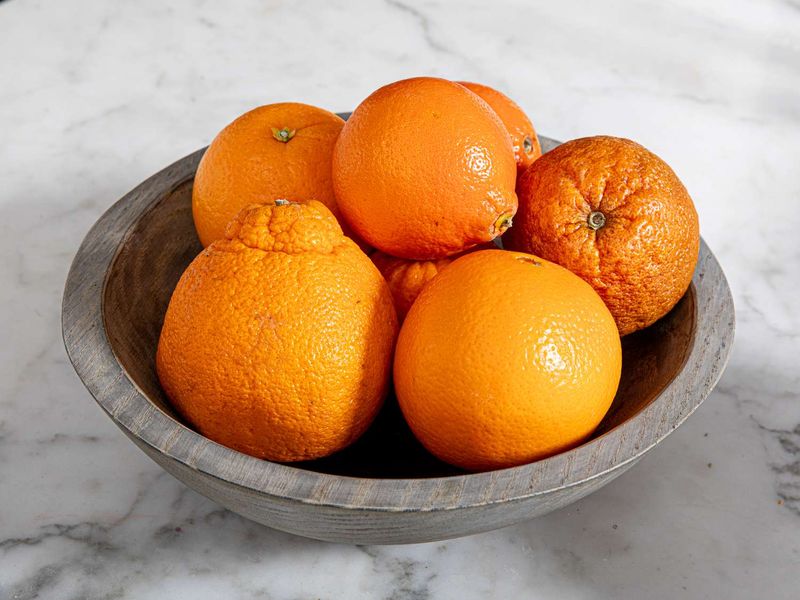
Oranges, lemons, and limes are often tossed into the refrigerator without a second thought, but they actually do just fine at room temperature for up to a week. Cold storage can even dull their bright, tangy aroma.
If you plan to use citrus within a week, keep them in a bowl on the counter away from direct sunlight. For longer storage, the refrigerator works well and can extend freshness up to a month.
Avoid sealing them in airtight bags because citrus needs a little airflow to prevent mold from forming on the skin.




Comments
No Comments