













Some foods seem totally harmless, but they can quietly drain your body of water and leave you feeling parched before you even notice. Salt, sugar, and certain hidden ingredients in everyday meals can pull moisture away from your cells and make your kidneys work overtime.
Knowing which foods trigger that nagging thirst can help you make smarter choices and stay better hydrated. Read on to find out which common foods might be secretly leaving you high and dry.
1. Salty Snack Chips
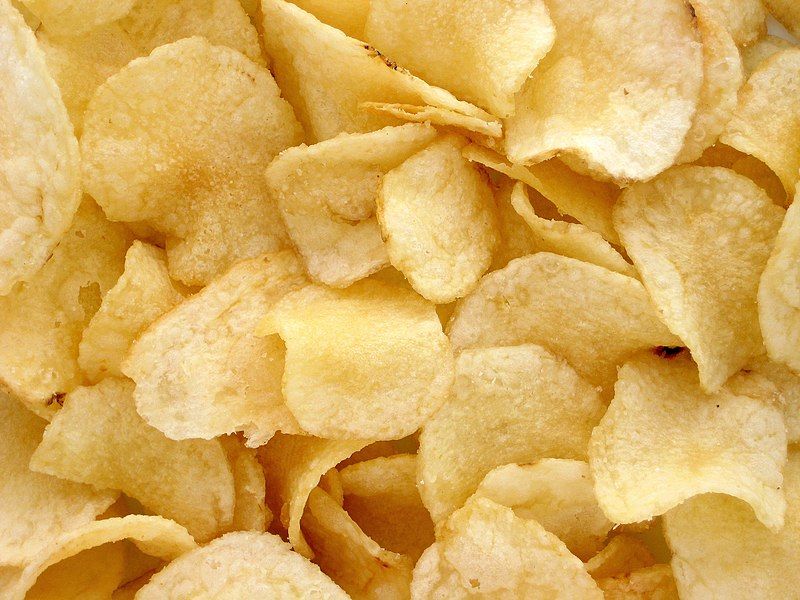
Grab a handful of chips and suddenly you are reaching for a drink. That is no accident.
The high sodium in chips pulls water out of your cells through a process called osmosis, making your body work hard to restore balance.
Your kidneys flush out excess salt using water, which means you lose more fluid than you realise. Keeping a water bottle nearby when snacking on chips is genuinely good advice, not just a reminder.
2. Processed Deli Meats
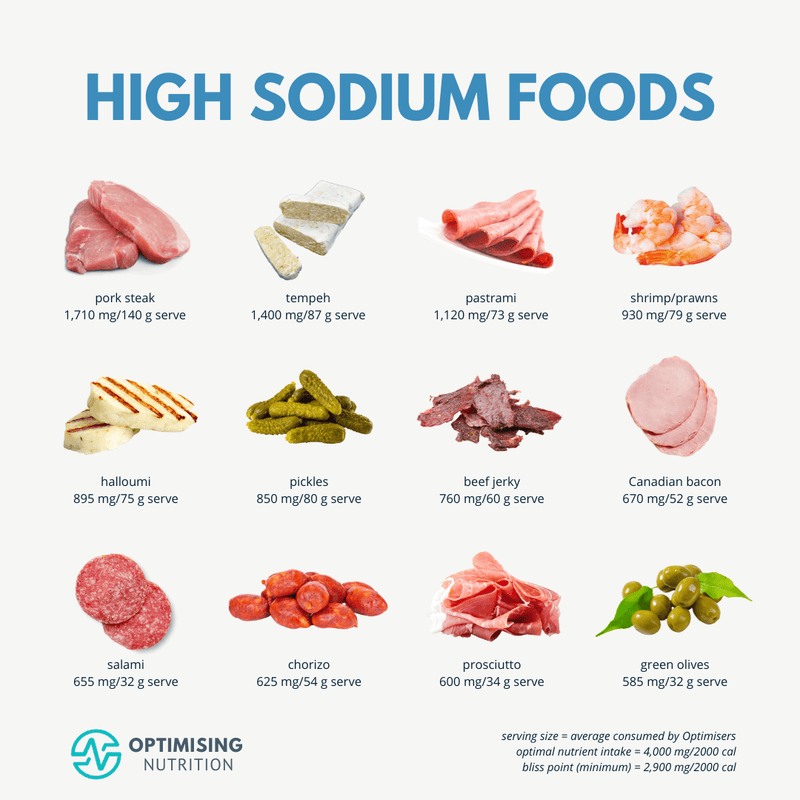
Deli meats like salami, ham, and bologna are packed with sodium used as a preservative. Just a few slices in your lunchtime sandwich can push your salt intake well over the recommended daily amount.
All that extra sodium signals your brain to increase thirst so your body can dilute the salt in your bloodstream. Choosing low-sodium versions or fresh-cooked meat can make a noticeable difference in how often you reach for a glass of water.
3. Canned Soups
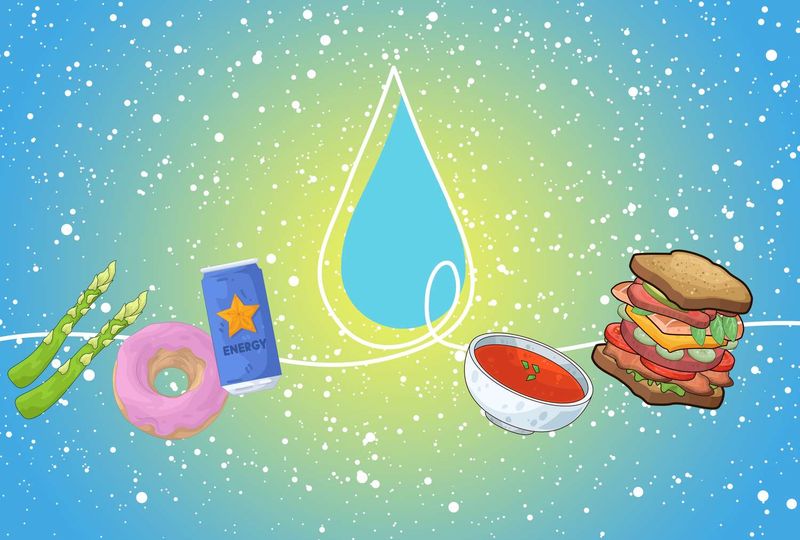
Canned soup sounds like a cosy, hydrating meal, but the sodium levels can be surprisingly high. A single can often contains more than half your recommended daily sodium intake in just one serving.
Even though soup is mostly liquid, the salt load means your body ends up needing more water to process it properly. Rinsing canned beans or choosing low-sodium soup labels are easy swaps that let you enjoy comfort food without the extra thirst payoff.
4. Sugary Breakfast Cereals
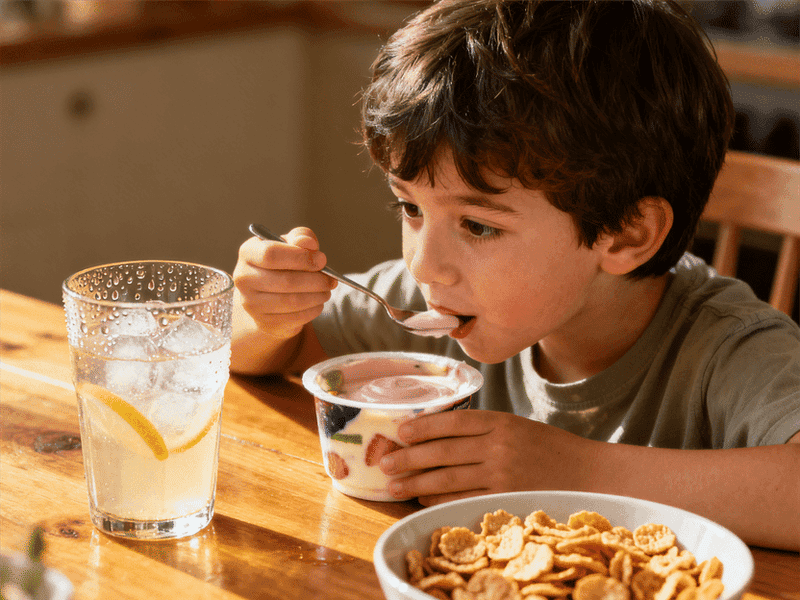
Starting your morning with a bowl of frosted or sugary cereal might feel energising, but the sugar spike that follows can quietly dehydrate you. High sugar levels in your blood draw water out of your cells to help dilute the glucose.
Your kidneys then work to excrete the extra sugar through urine, taking even more water with them. Choosing lower-sugar cereals with whole grains helps keep your hydration levels steadier throughout the morning.
5. Fast Food Burgers
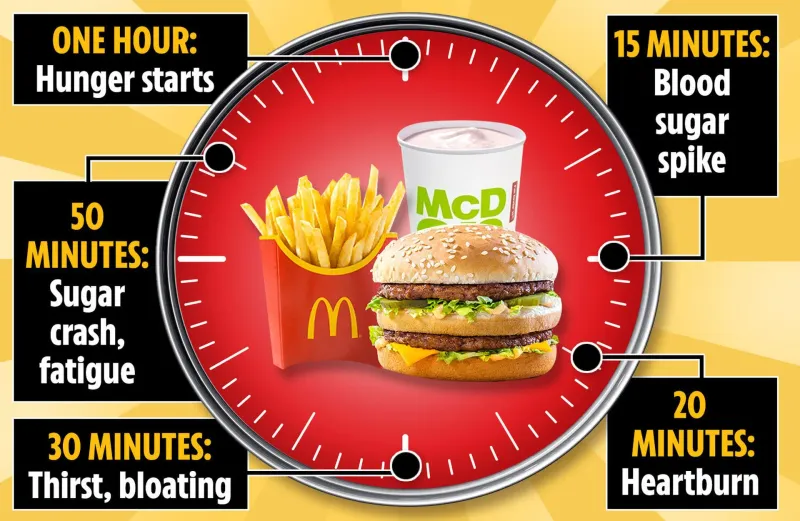
Fast food burgers are a double hit of salt and fat, both of which can leave you incredibly thirsty. The sodium in the patty, sauce, cheese, and bun stacks up faster than most people realise.
Fat slows digestion and increases the workload on your body, which can also affect how efficiently you stay hydrated. Pairing your burger with water instead of a sugary soda helps offset some of the dehydrating effects without skipping your favourite meal entirely.
6. Soy Sauce
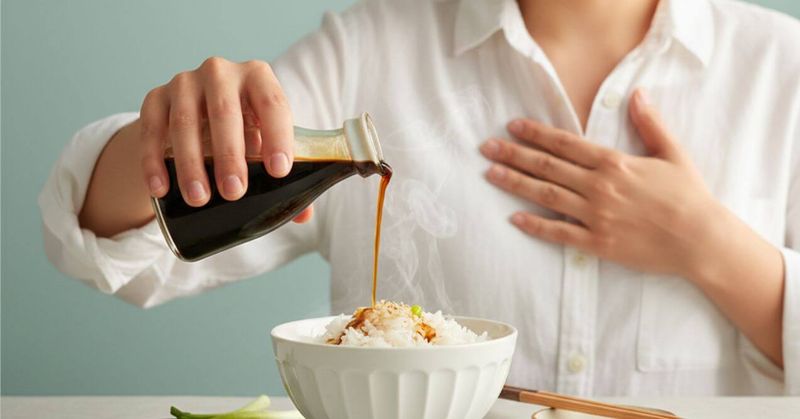
Just one tablespoon of soy sauce contains around 900 milligrams of sodium, which is nearly 40 percent of most adults' daily limit. That is a staggering amount packed into a tiny condiment.
Drizzling it over rice or noodles adds up quickly, and your body responds by pulling water from tissues to balance out the salt load. Low-sodium soy sauce still delivers that rich umami flavour while reducing the hydration hit by almost half.
7. Pickles and Pickled Vegetables
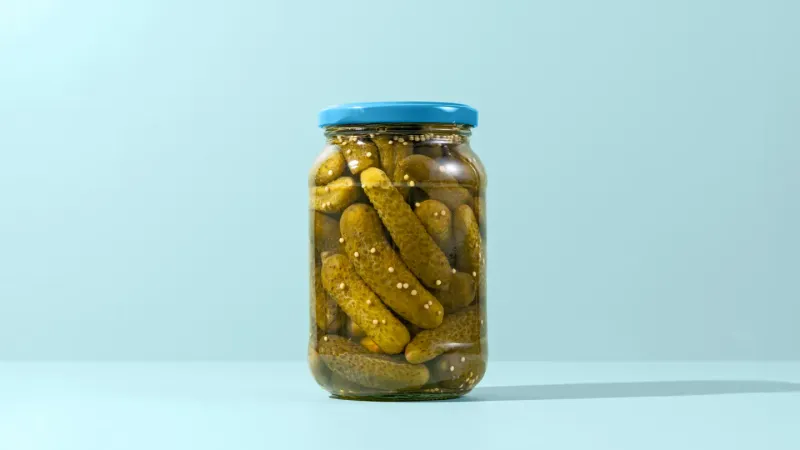
Pickles are essentially vegetables soaked in salty brine, which means they carry an impressive sodium punch for their small size. Athletes sometimes eat them to replace electrolytes, which tells you exactly how much salt is involved.
Eating pickles regularly without drinking extra water can leave you feeling persistently thirsty throughout the day. They are not bad for you in moderation, but pairing them with a tall glass of water is a smart habit to develop.
8. Spicy Foods
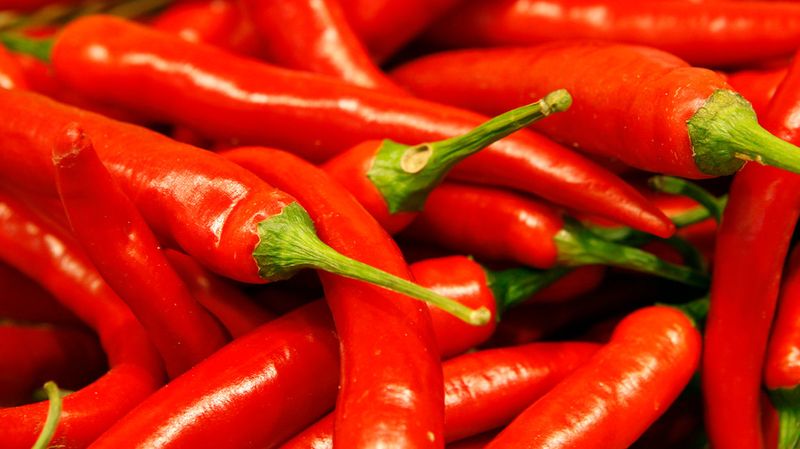
Spicy foods trigger sweating as your body tries to cool itself down from the heat of capsaicin, the compound found in chili peppers. Sweating means fluid loss, and that fluid has to come from somewhere inside you.
The more intensely spicy a meal is, the more your body sweats to regulate temperature, leaving you noticeably dehydrated afterward. Drinking water during and after a spicy meal is not just a comfort move, it is genuinely necessary for staying hydrated.
9. Frozen Pizza
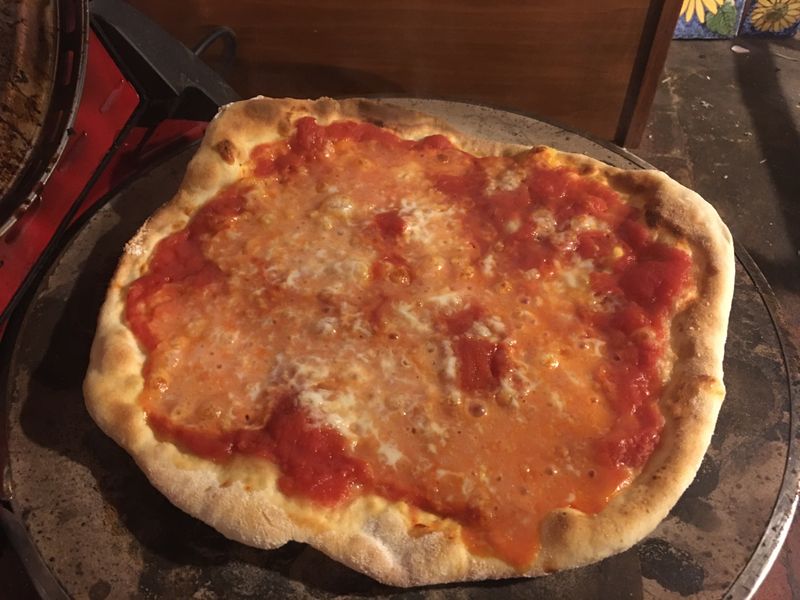
Frozen pizza is a convenience food that most people do not associate with dehydration, but the sodium content is often eye-watering. A single serving of some popular brands contains over 800 milligrams of sodium, and most people eat more than one serving.
Add cheese, processed meat toppings, and salty sauce together and you have a serious hydration challenge on your hands. Drinking water throughout the meal rather than after helps your body manage the salt load more effectively.
10. Beef Jerky
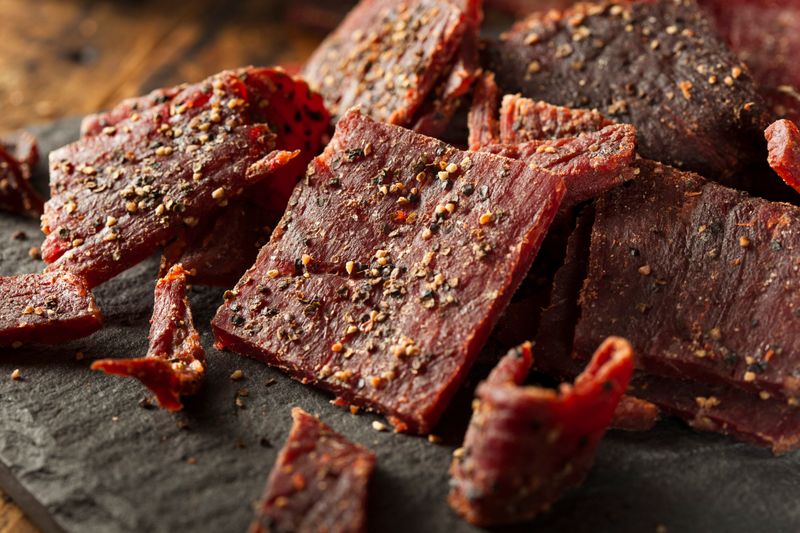
Beef jerky is popular as a high-protein snack, but it is also one of the saltiest foods you can grab on the go. The drying and curing process requires large amounts of salt to preserve the meat, and that sodium goes straight into your system.
Many people notice strong thirst within an hour of eating jerky, and that is your body signalling for more water to process the salt. Drinking water alongside it makes the snack far more body-friendly.
11. Alcohol

Alcohol is one of the most well-known diuretics, meaning it tells your kidneys to produce more urine than usual. This is why a night of drinking often leads to a painfully dry mouth and raging thirst the next morning.
Even moderate alcohol consumption at dinner can reduce your body's ability to retain water overnight. Alternating alcoholic drinks with glasses of water is one of the simplest and most effective ways to reduce the dehydrating impact.
12. Coffee and Caffeinated Drinks
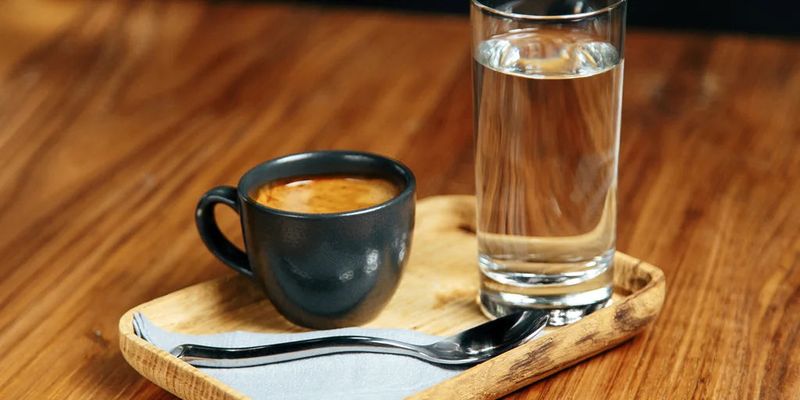
Caffeine has a mild diuretic effect, meaning it encourages your kidneys to push out more water than usual. While a single cup of coffee is unlikely to dehydrate you significantly, multiple cups throughout the day can add up.
Energy drinks often combine caffeine with high sugar levels, creating a double dehydration effect that many people do not connect to their afternoon thirst. Balancing every caffeinated drink with a glass of water is an easy way to stay ahead of fluid loss.
13. Asparagus
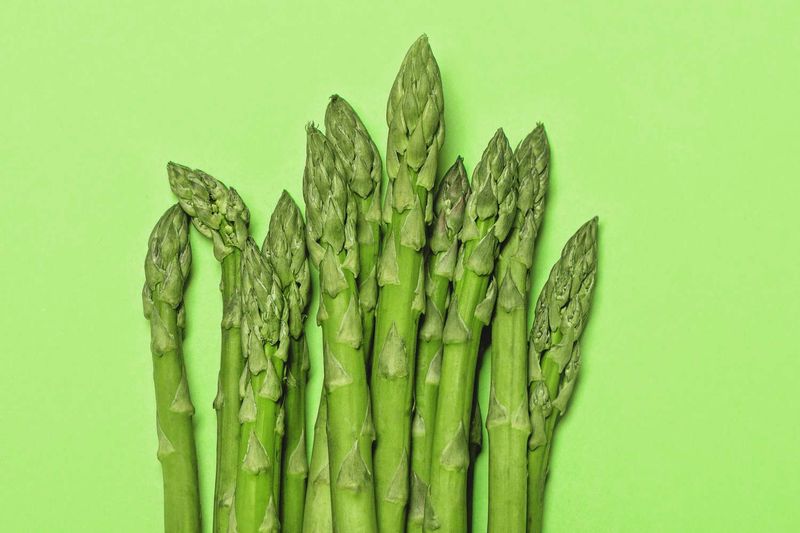
Asparagus is a healthy vegetable, but it acts as a natural diuretic, prompting your kidneys to excrete more water and salt than usual. This is actually one reason it has been used in traditional medicine to support kidney health.
Eating a large portion of asparagus, especially without drinking enough water alongside it, can leave you noticeably thirstier than expected. It is still absolutely worth eating for its vitamins and fibre, just keep your water glass topped up.
14. Salty Nuts
Roasted, salted nuts are an easy snack to mindlessly eat in large quantities, and the sodium adds up surprisingly fast. A single serving of salted peanuts or cashews can contain several hundred milligrams of sodium.
The combination of salt and fat in nuts can also slow your thirst response temporarily, meaning you might not feel thirsty until your body is already behind on fluids. Swapping to unsalted nuts gives you all the nutrition without the dehydration side effect.
15. Sugary Fizzy Drinks
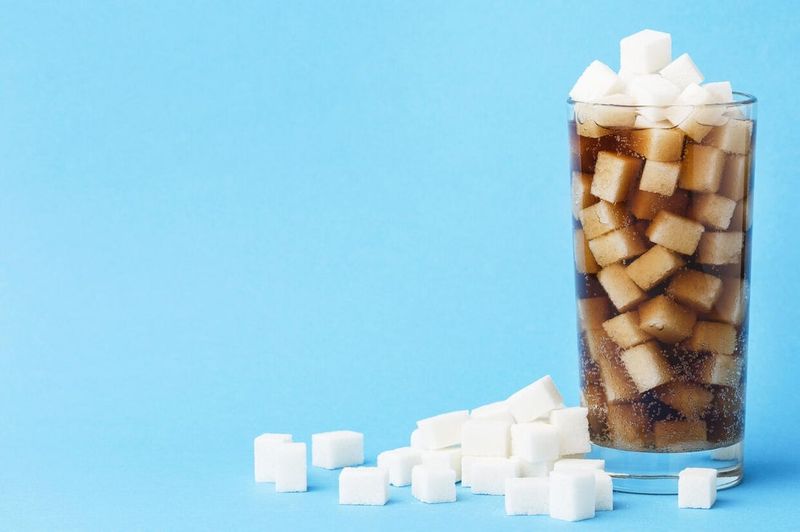
Fizzy drinks with high sugar content might feel refreshing going down, but they can actually increase your thirst over time. The sugar in these drinks raises blood glucose levels, which triggers your body to pull water from cells to dilute it.
Phosphoric acid, found in many colas, can also interfere with calcium absorption and increase the demand on your kidneys. Swapping even one fizzy drink per day for plain water makes a real difference in how hydrated you feel by evening.
16. Soy-Based Processed Foods
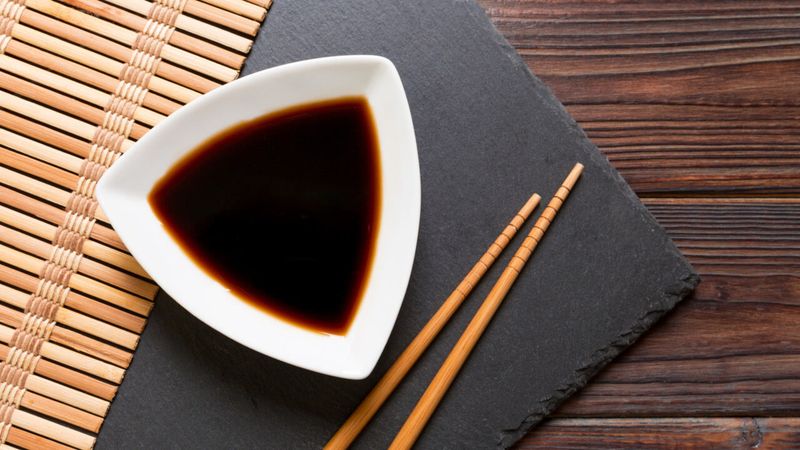
Soy-based processed foods like veggie burgers, soy sausages, and flavoured tofu products often contain significant amounts of added sodium for flavour and preservation. Many plant-based meat alternatives actually rival traditional meat products in their salt content.
Checking the nutrition label before buying is a good habit because sodium levels vary wildly between brands. Pairing these foods with plenty of water and fresh vegetables helps your body manage the salt and keeps your hydration on track throughout the day.
17. Smoked and Cured Fish
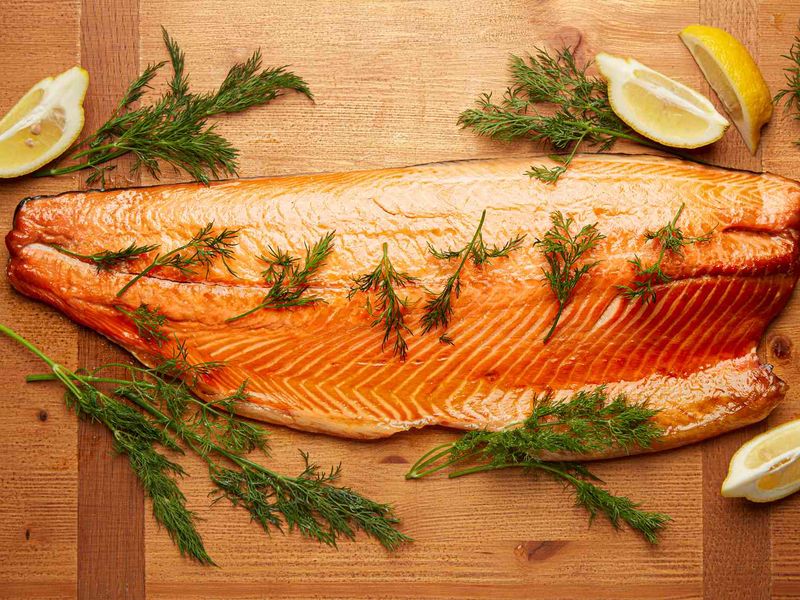
Smoked salmon, smoked mackerel, and other cured fish are preserved using salt, which means they carry a heavy sodium load in every bite. The smoking process also concentrates the fish's natural flavours along with the added salt.
Eating smoked fish regularly without compensating with extra water intake can quietly push your body into mild dehydration by the end of the day. Serving it alongside fresh cucumber, tomato, or other water-rich foods is a delicious way to balance things out.
18. Sauces and Condiments
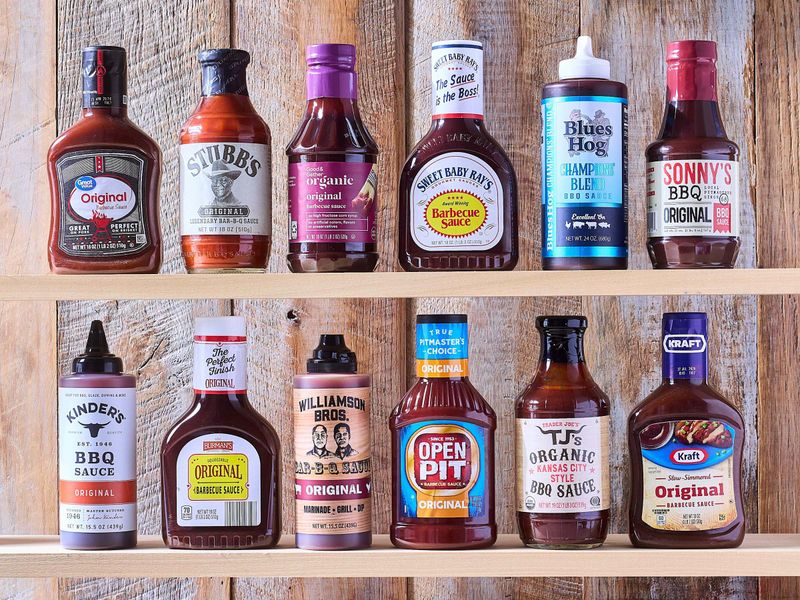
Ketchup, mustard, barbecue sauce, and hot sauce might seem like small additions to a meal, but their sodium content is surprisingly high per serving. Most people use far more than the official serving size listed on the bottle.
Those extra squirts and dollops add up to a meaningful amount of daily sodium that can leave you reaching for drinks throughout the afternoon. Making your own sauces at home gives you full control over the salt level without sacrificing flavour.
19. Instant Noodles
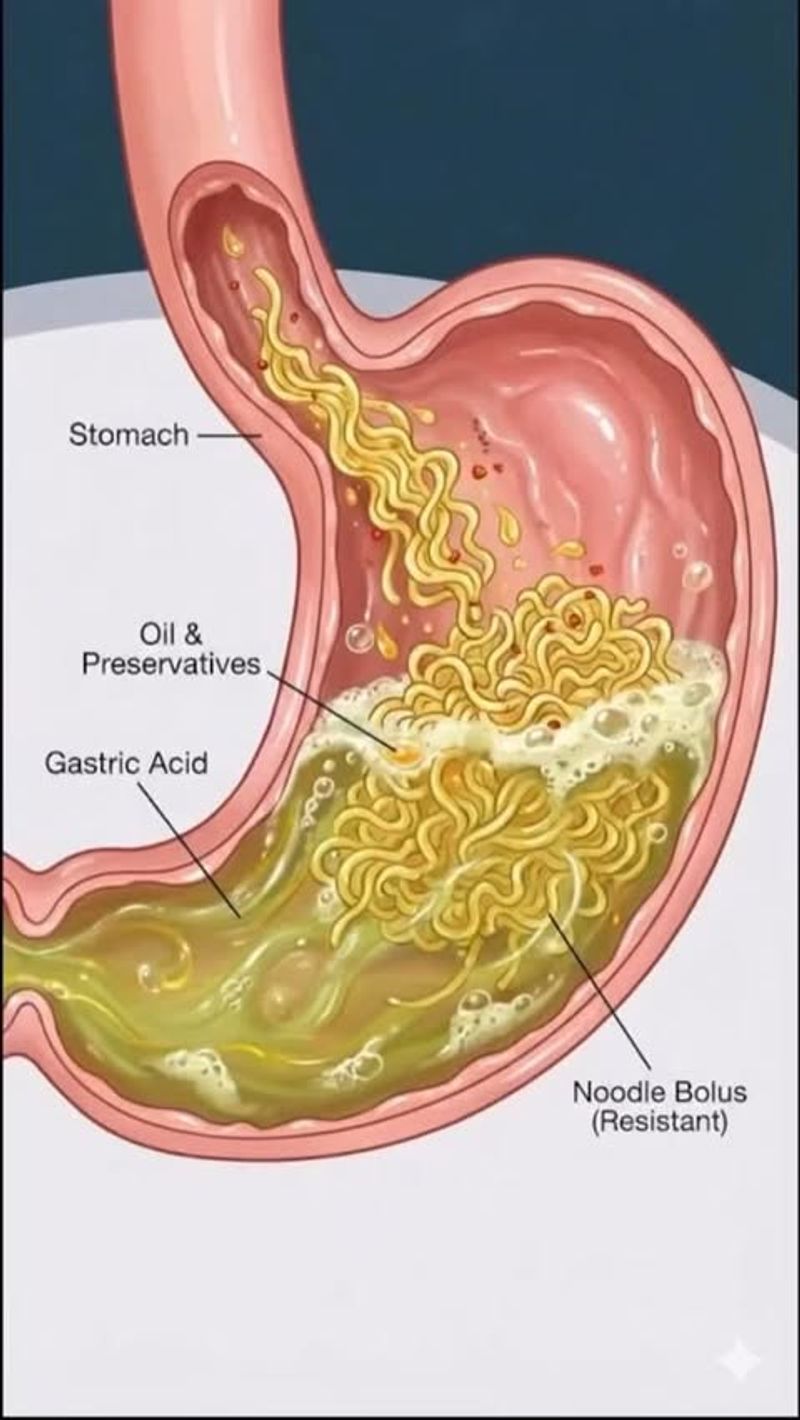
Instant noodles are famous for being cheap, quick, and tasty, but their sodium levels are genuinely alarming. A single packet of flavouring can contain over 1,500 milligrams of sodium, which is more than half the recommended daily intake in one small sachet.
Many students and busy people rely on instant noodles regularly, not realising how much they contribute to daily thirst and fluid imbalance. Using only half the flavour packet is a simple trick that cuts the sodium without ruining the taste entirely.
20. Bread and Baked Goods
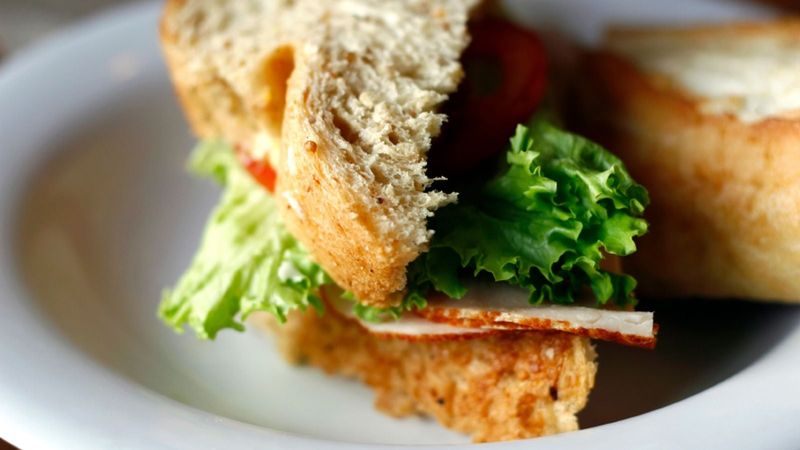
Bread might not taste salty, but it is actually one of the biggest contributors to daily sodium intake in many diets. A single slice of white bread can contain between 100 and 200 milligrams of sodium, and most people eat multiple slices per day.
Bagels, rolls, and artisan loaves often contain even more. The sodium sneaks in because it is used to control yeast activity and improve texture during baking, not just for flavour, making it easy to overlook.
21. Protein Bars and Meal Replacement Shakes
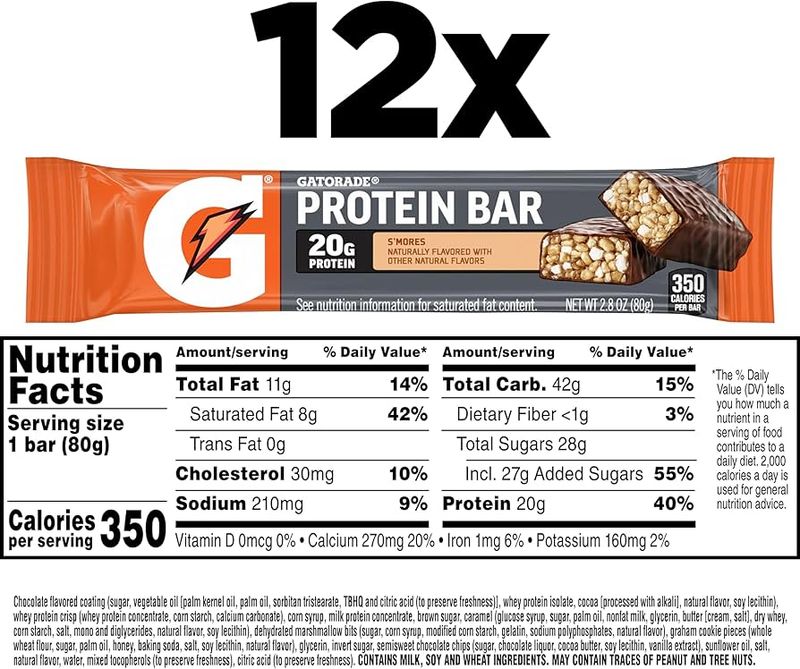
Protein bars and shakes are marketed as healthy convenience foods, but many brands load them with sodium and sugar to improve taste and shelf life. Some bars contain as much sodium as a bag of crisps, which surprises most fitness enthusiasts.
High protein intake itself also increases the kidneys' workload, requiring more water to process and excrete the nitrogen waste from protein metabolism. Drinking a full glass of water with every protein bar or shake is a practical habit that supports both hydration and digestion.




Comments
No Comments