













Trying to lose weight means watching every calorie carefully, and some foods just are not worth the trade-off. Certain items pack in a huge number of calories while leaving you feeling hungry just an hour later.
Knowing which foods to skip can make your caloric deficit feel way more manageable and even enjoyable. Here are 21 foods you are better off avoiding when you are trying to cut calories.
1. Granola
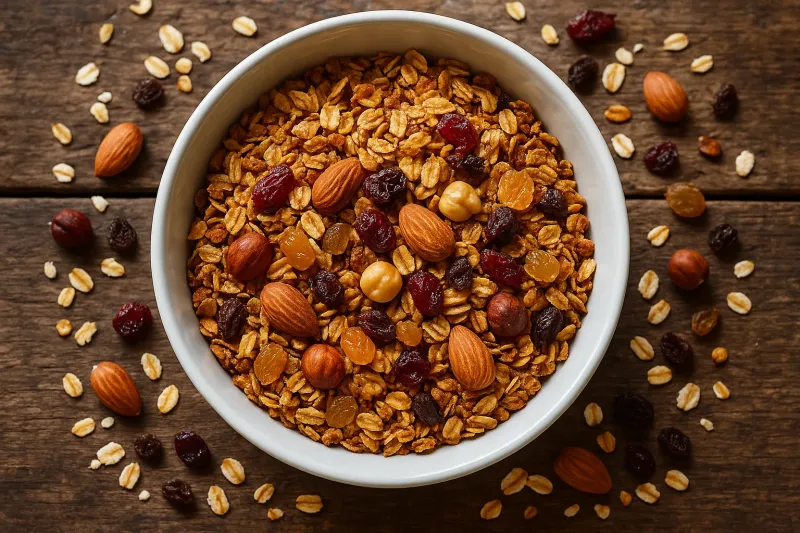
Granola sounds healthy, but a single half-cup serving can pack over 400 calories. Most store-bought versions are loaded with added sugar and oils that sneak up on you fast.
You might think you are eating a light breakfast, but two handfuls can blow a huge chunk of your daily calorie budget. If you love the crunch, try plain oats with a small amount of fruit instead.
2. Peanut Butter
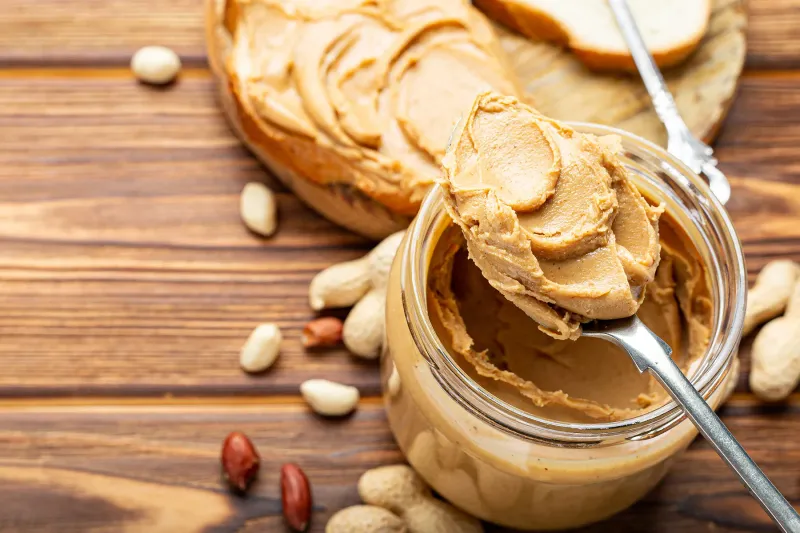
Two tablespoons of peanut butter clock in at nearly 200 calories. It is easy to go back for another spoonful without even noticing, which makes portion control really tricky.
The fat content is mostly healthy, but the calories add up shockingly fast. On a caloric deficit, you might want to swap it for a lighter option like powdered peanut butter, which cuts the calories by more than half.
3. Avocado
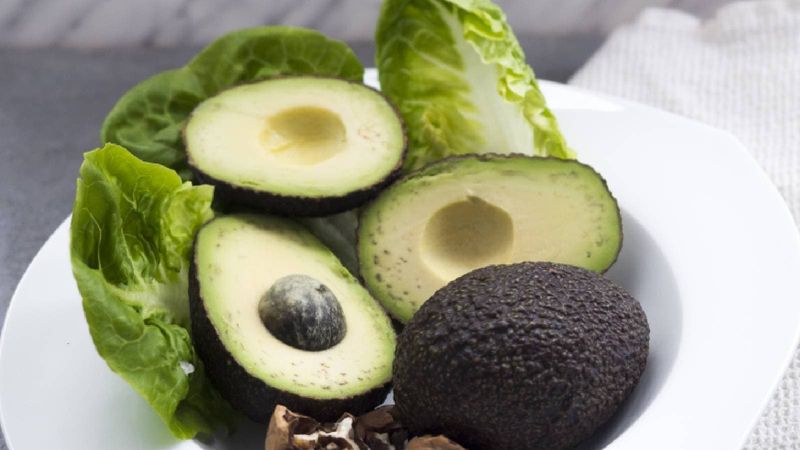
Avocados are packed with good fats and nutrients, but one whole avocado can contain around 300 calories. That is a lot when you are carefully counting every bite.
Many people add a full avocado to their meals without thinking twice, not realizing the calorie cost. Stick to a quarter or half at most, and you can still enjoy the creamy texture without wrecking your daily budget.
4. Flavored Yogurt
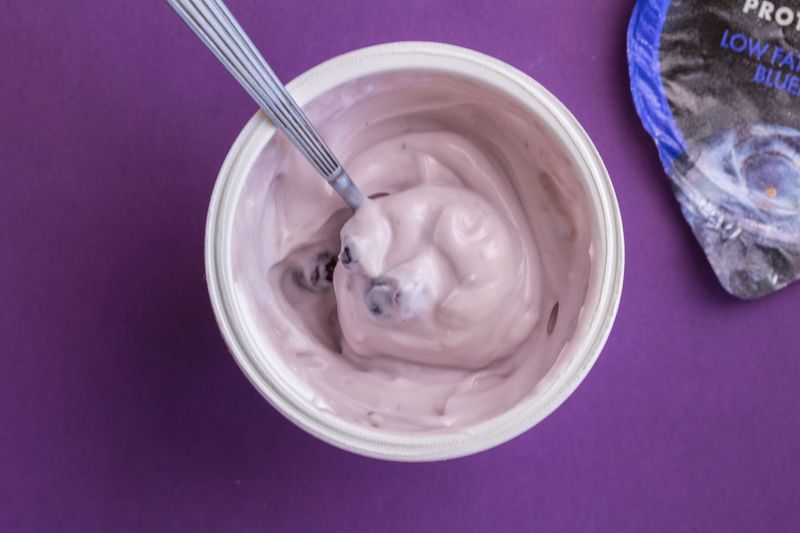
Plain yogurt is a solid diet food, but flavored varieties are a different story. Many single-serve flavored yogurts contain 20 to 30 grams of added sugar, turning what seems like a healthy snack into dessert.
The extra sugar means extra calories without any real nutritional payoff. Choosing plain Greek yogurt and adding fresh berries yourself gives you the sweetness you crave with far fewer calories overall.
5. Bagels
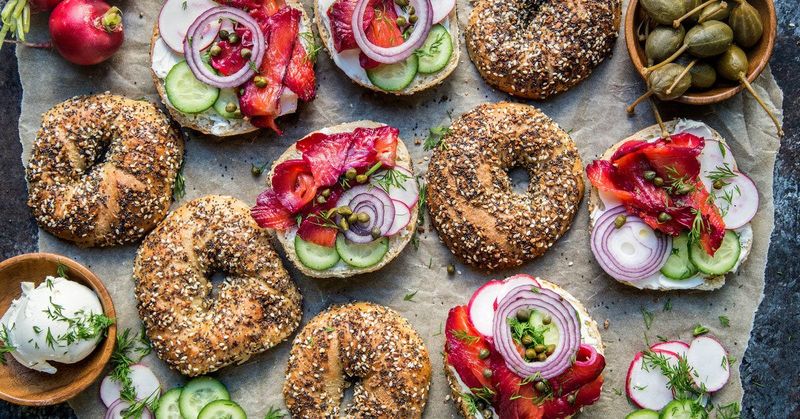
One large bagel can easily contain 300 to 400 calories before you even add any toppings. That is roughly the same as eating three or four slices of regular bread in one sitting.
Bagels are dense and refined, meaning they do not keep you full for very long either. A single slice of whole grain toast with a light topping is a smarter swap that keeps you satisfied for much longer.
6. Smoothies
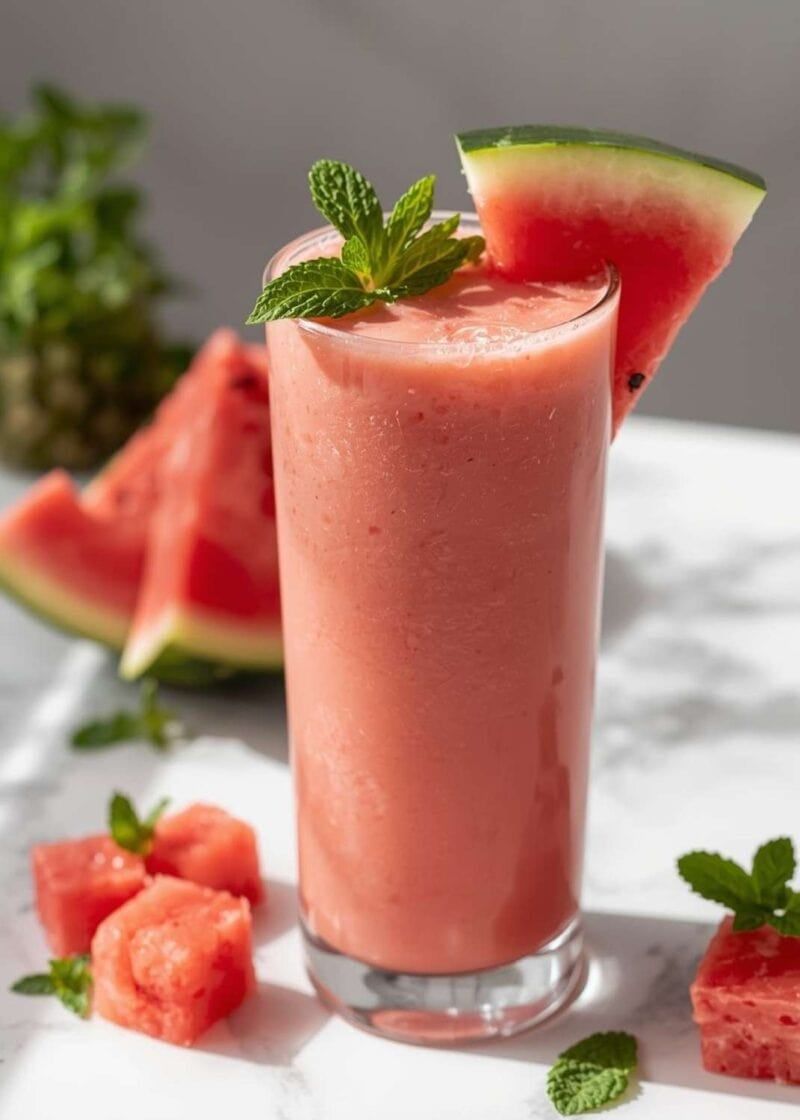
Smoothies can be sneaky calorie bombs, especially the ones sold at juice bars. A large fruit smoothie can easily top 500 or even 600 calories when blended with juice, honey, and multiple fruits.
Liquid calories do not trigger the same fullness signals as solid food, so you might drink a meal worth of calories and still feel hungry. Building a smaller smoothie with mostly vegetables and a little fruit is a much better approach.
7. Cheese
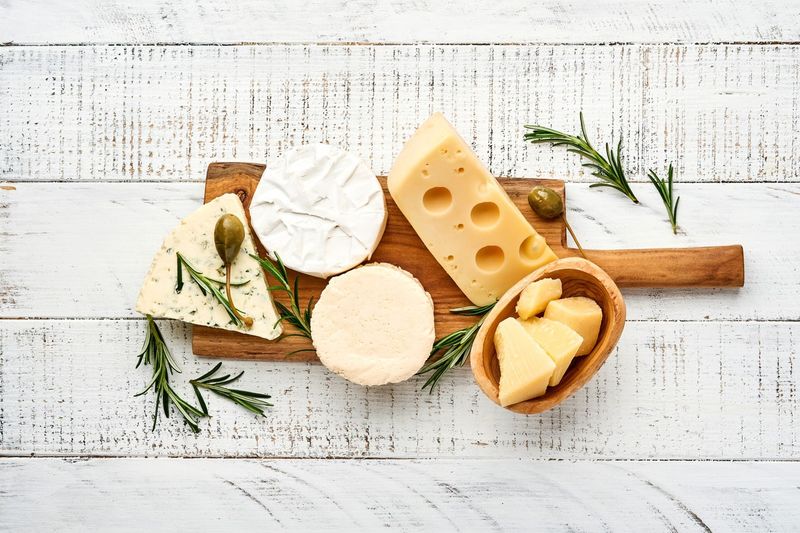
Cheese is delicious, but it is surprisingly calorie-dense for how little you actually eat. Just one ounce of cheddar has around 110 to 120 calories, and most people use two or three ounces without measuring.
It is one of those foods where portion creep happens constantly. Switching to a reduced-fat version or using nutritional yeast as a flavor booster can scratch the cheesy craving without the heavy calorie hit.
8. Dried Fruit
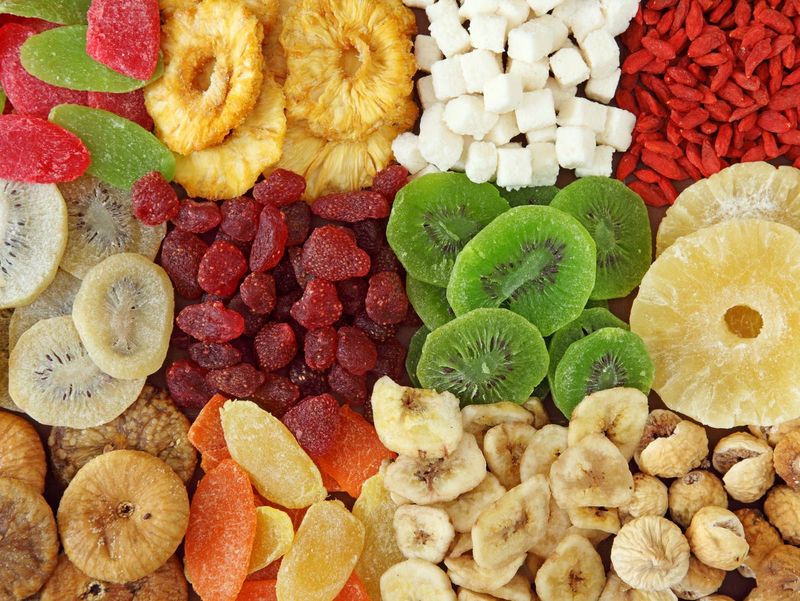
Removing water from fruit concentrates the sugars and calories into a much smaller package. A quarter cup of raisins has the same calories as a full cup of grapes, yet it takes up almost no space in your stomach.
This means you can eat a large quantity of dried fruit without ever feeling full. Fresh fruit is almost always the better choice when you are trying to stay within a calorie limit each day.
9. Olive Oil
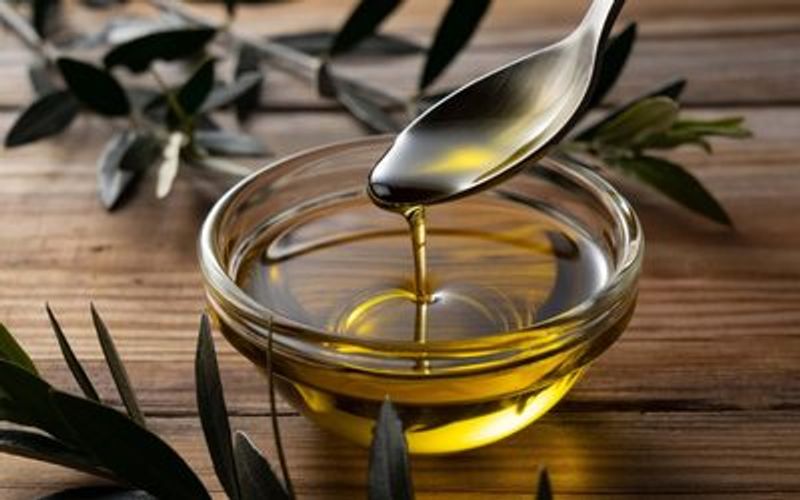
Olive oil is heart-healthy, but every tablespoon carries about 120 calories. Pouring it freely over salads or into pans can add hundreds of invisible calories to your meals without you realizing it.
People on a diet often assume using olive oil is fine because it is healthy, but health and calorie content are two separate things. Using a spray bottle or measuring carefully can help you enjoy the flavor without overdoing the calorie count.
10. Nuts
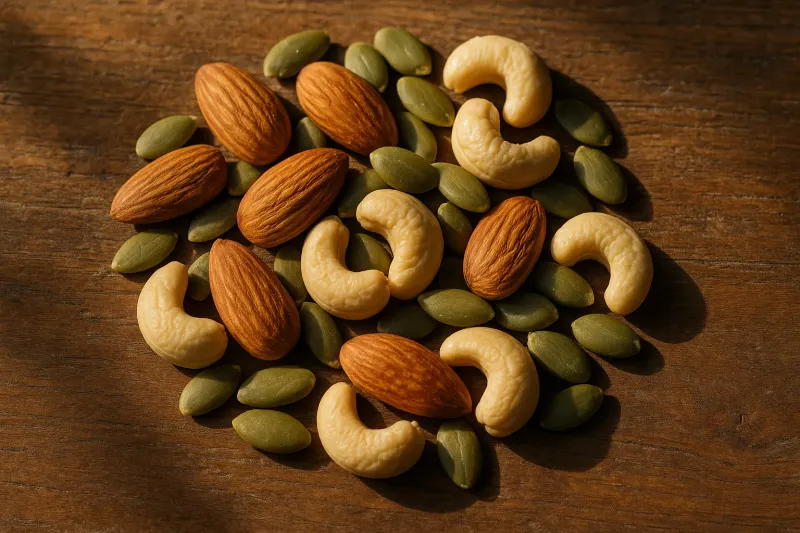
A small handful of mixed nuts seems harmless, but a one-ounce serving averages around 160 to 180 calories. The problem is that one ounce is much smaller than most people actually grab.
Nuts are easy to mindlessly snack on while watching TV or working, and before long you have eaten several servings. Pre-portioning them into small bags ahead of time is one of the best tricks to keep your intake under control.
11. White Rice

White rice is a staple food for billions of people, but it is not the most diet-friendly option. A single cooked cup has around 200 calories and is digested quickly, which means hunger returns faster than you would like.
The lack of fiber makes it easy to overeat without noticing. Swapping white rice for cauliflower rice or even a smaller portion of brown rice can dramatically reduce calories while still giving you a satisfying base for your meals.
12. Salad Dressing
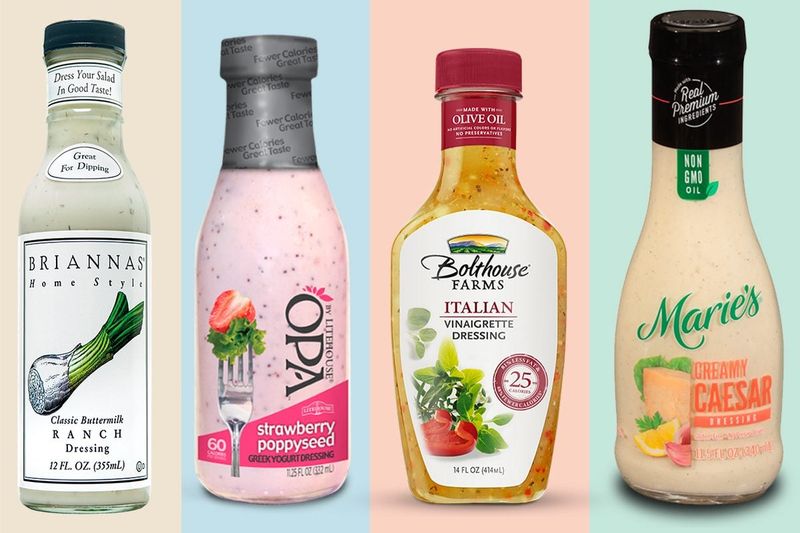
Salads are supposed to be the hero of any diet, but the dressing can completely undo all that hard work. Two tablespoons of ranch or Caesar dressing can add 120 to 180 calories to an otherwise light meal.
Most restaurant salads come drowning in dressing, which is one reason they end up being higher in calories than a burger. Asking for dressing on the side and using a fork dip method keeps flavor high and calories low.
13. Pasta
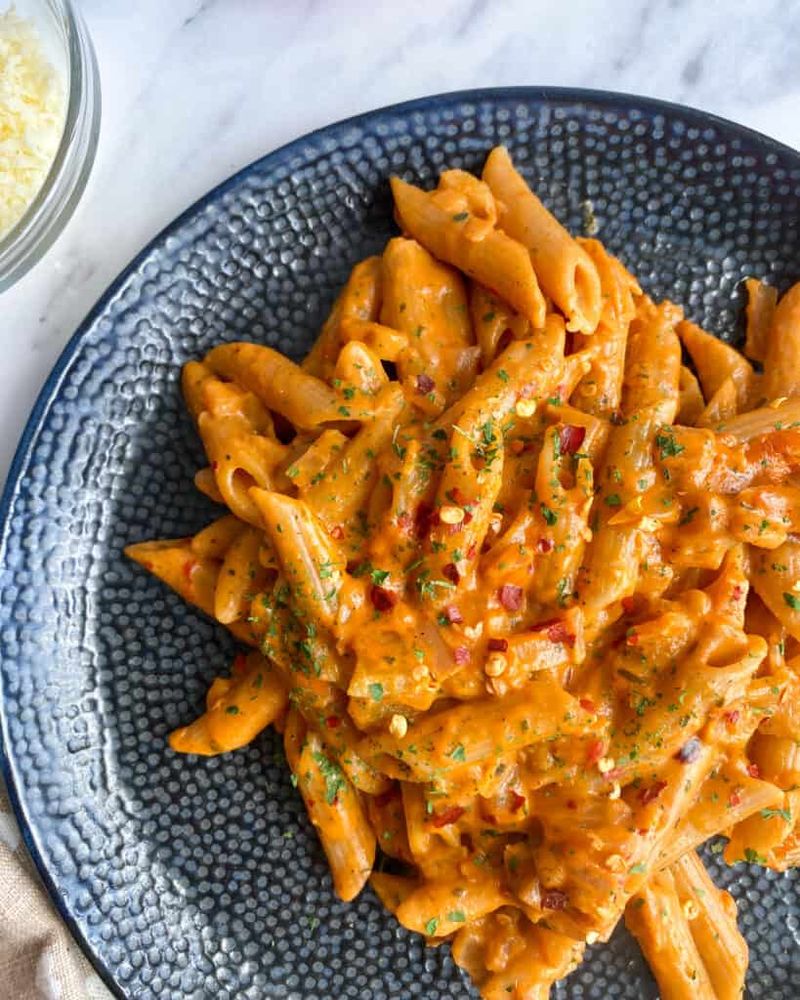
Pasta is comforting and filling, but a standard restaurant portion is usually two to three times the recommended serving size. Even a modest two-cup serving of cooked pasta can push past 400 calories before any sauce is added.
Creamy sauces like Alfredo or carbonara can easily double or triple that number. Zucchini noodles or shirataki noodles are surprisingly satisfying alternatives that let you keep the pasta experience with a fraction of the calories.
14. Fruit Juice
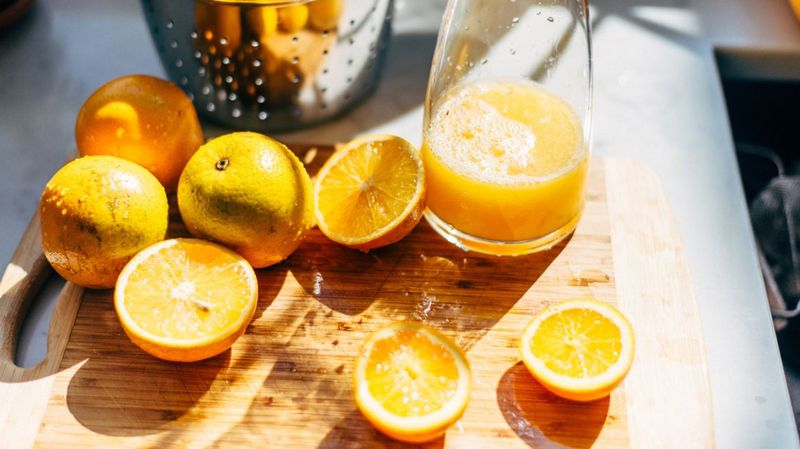
Drinking a glass of orange juice might feel like a healthy morning habit, but an eight-ounce glass contains about 110 calories with very little fiber. Without fiber, those natural sugars hit your bloodstream quickly and leave you hungry again soon after.
You would need to eat three whole oranges to get the same amount of juice, but you would never eat three oranges in one sitting. Eating whole fruit is almost always a smarter and more filling option on a diet.
15. Protein Bars
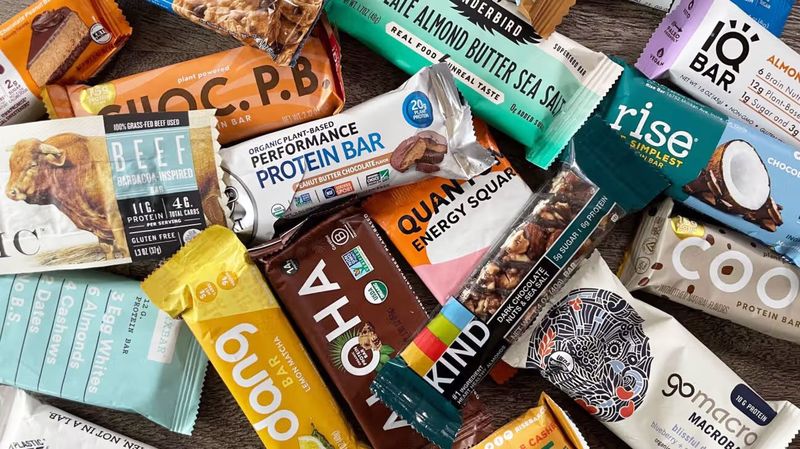
Protein bars are marketed as fitness food, but many of them are basically candy bars wearing athletic gear. Some popular brands pack in 300 to 400 calories, 20 grams of sugar, and a long list of processed ingredients.
They are convenient, but convenience often comes at a caloric cost. If you need a quick protein boost, a hard-boiled egg or a small serving of cottage cheese delivers more nutrition for fewer calories and less sugar.
16. Alcohol

Alcohol offers zero nutritional value while delivering seven calories per gram, more than protein or carbohydrates. A single glass of wine has about 125 calories, and a cocktail loaded with juice and syrups can easily reach 300 to 400 calories.
Beyond the calorie count, drinking lowers your willpower, which often leads to late-night snacking. Cutting back on alcohol is one of the fastest ways to create a meaningful calorie deficit without changing anything else about your diet.
17. Pita Bread and Hummus
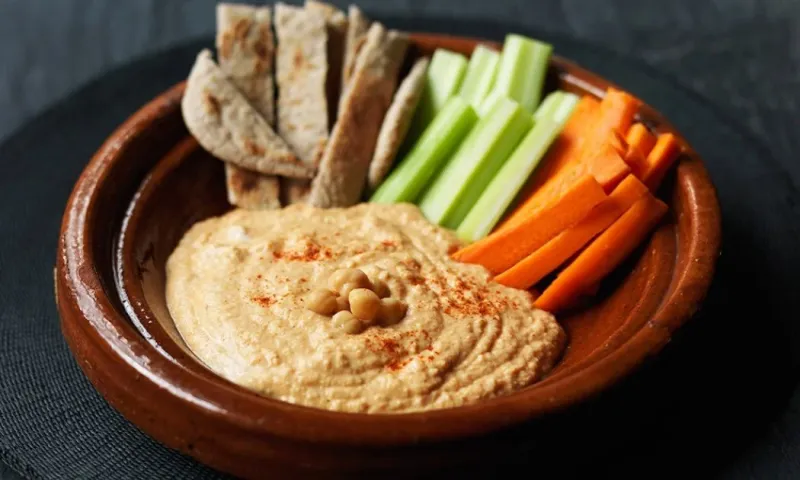
Hummus is nutritious and tasty, but it is easy to eat way more than you planned. A quarter cup of hummus has around 100 calories, and a full pita adds another 160 to 200 calories on top of that.
Together, this combo can quietly consume a large slice of your daily calorie allowance as a snack. Using cucumber slices or celery sticks instead of pita for dipping cuts the calorie load significantly while still giving you plenty of crunch.
18. Coconut Milk
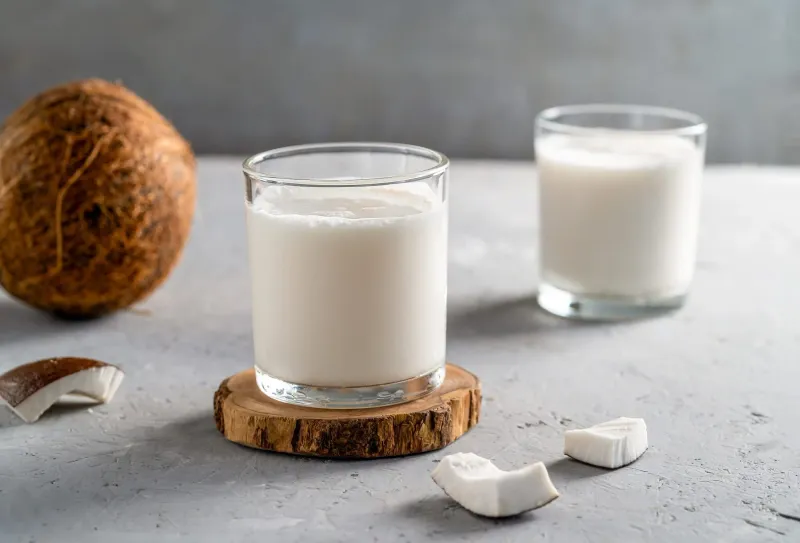
Full-fat coconut milk is rich, creamy, and loaded with saturated fat and calories. Just one cup contains around 445 calories, making it one of the most calorie-dense liquids you can add to a dish.
It shows up in curries, soups, smoothies, and desserts, often without people realizing how much it contributes to the total calorie count. Light coconut milk or a plant-based milk alternative can deliver a similar flavor with a much more diet-friendly calorie profile.
19. Granola Bars
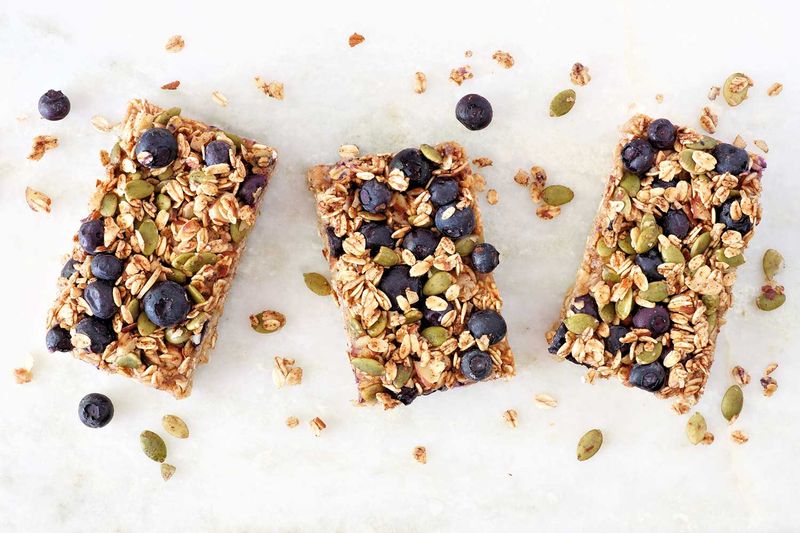
Granola bars are often seen as a healthy on-the-go snack, but most are closer to dessert than diet food. Many popular brands contain 200 to 300 calories and are held together with syrups, sugars, and chocolate chips.
The serving size is usually just one bar, which feels more like a tease than an actual snack for most people. A piece of fresh fruit or a small portion of plain almonds will keep you fuller and cost fewer calories overall.
20. Peanut Butter Crackers
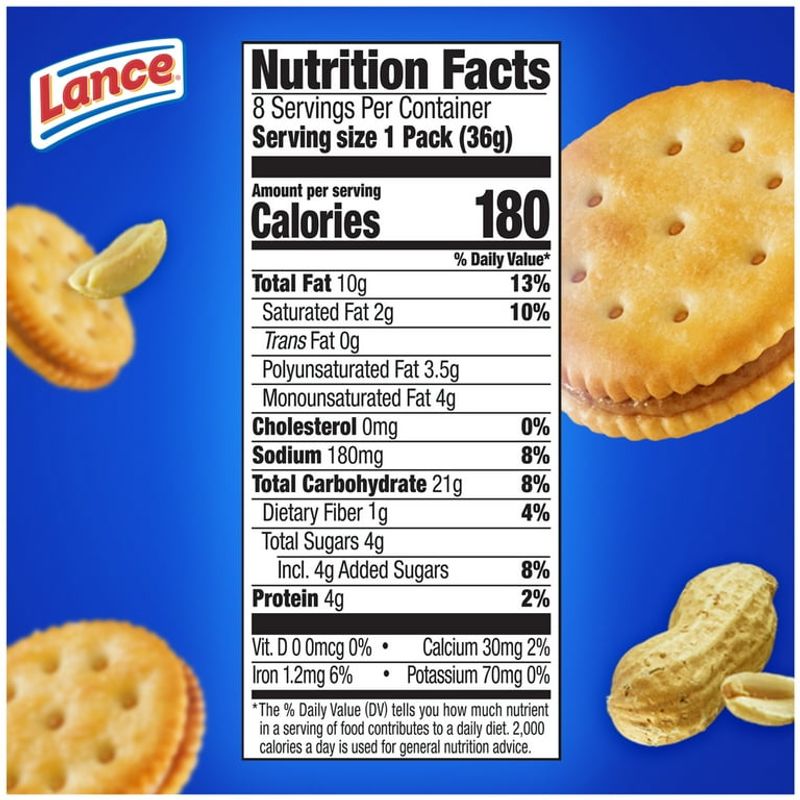
Peanut butter crackers seem like a reasonable snack, but a standard six-cracker pack contains around 190 to 210 calories with very little protein or fiber to keep hunger away. The combination of refined flour and nut butter creates a calorie-dense snack that disappears in just a few bites.
Most people also eat more than one pack. Replacing them with rice cakes topped with a light spread gives you a similar experience with noticeably fewer calories per serving.
21. Ice Cream
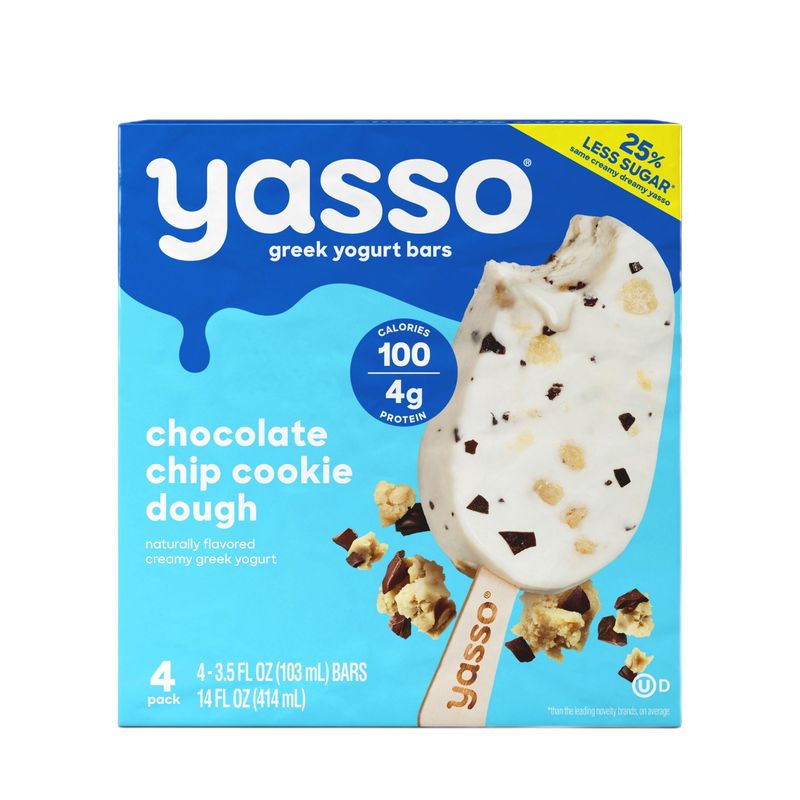
Ice cream is probably the most classic diet saboteur on this list. A single half-cup serving has around 150 to 200 calories, but who actually stops at half a cup when the container is right in front of them?
Most people eat two to three times that amount in one sitting without thinking about it. Frozen banana nice cream or a low-calorie ice cream brand can satisfy the craving with a much smaller dent in your daily calorie budget.




Comments
No Comments