













Europe is a continent packed with rich traditions, and nowhere is that more obvious than at the dinner table. From Italy to Norway, each country has its own unwritten rules about what you eat, how you eat it, and when.
Some of these rules might seem strange to outsiders, but locals take them very seriously. Get ready to discover food customs that might surprise, amuse, or even inspire you.
1. Never Order Cappuccino After 11am in Italy
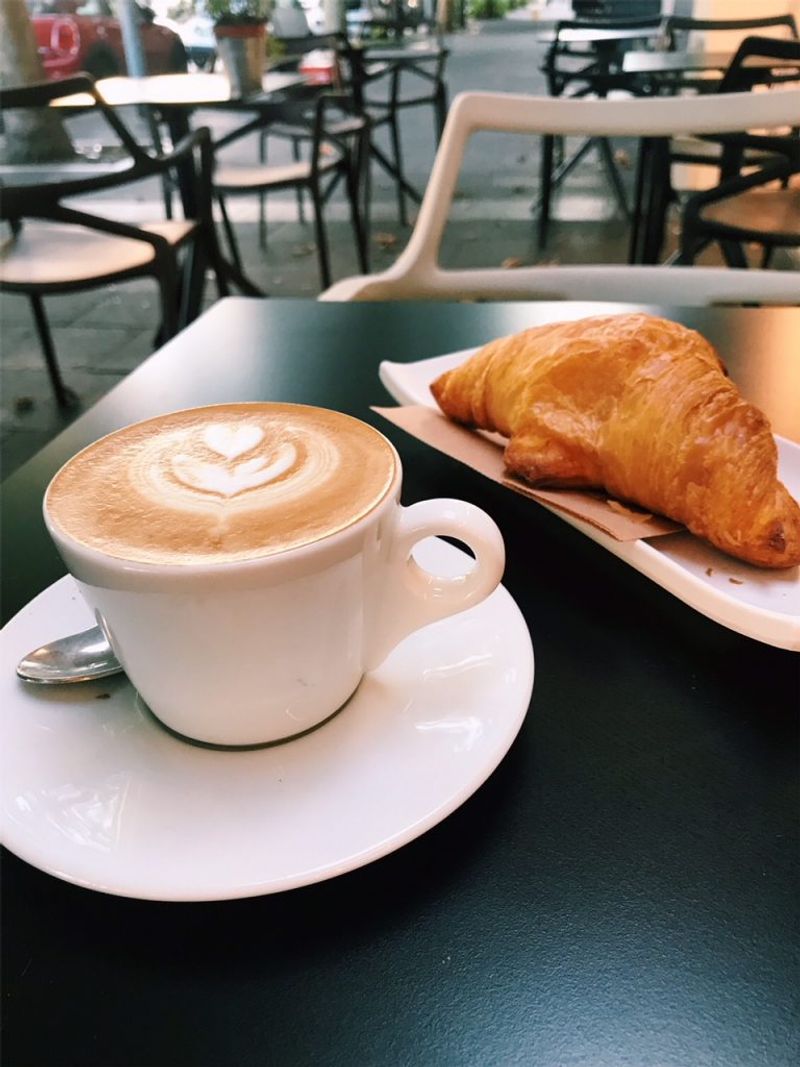
Italians have a deep, almost sacred relationship with coffee. Ordering a cappuccino after breakfast hours is considered a big no-no, because the milk is thought to upset digestion later in the day.
Locals stick to espresso after morning time.
Tourists who order cappuccinos at lunch often get raised eyebrows from baristas. It won't get you kicked out, but you'll definitely stand out as a visitor.
When in Italy, follow the coffee clock!
2. No Ketchup on Pasta in Italy
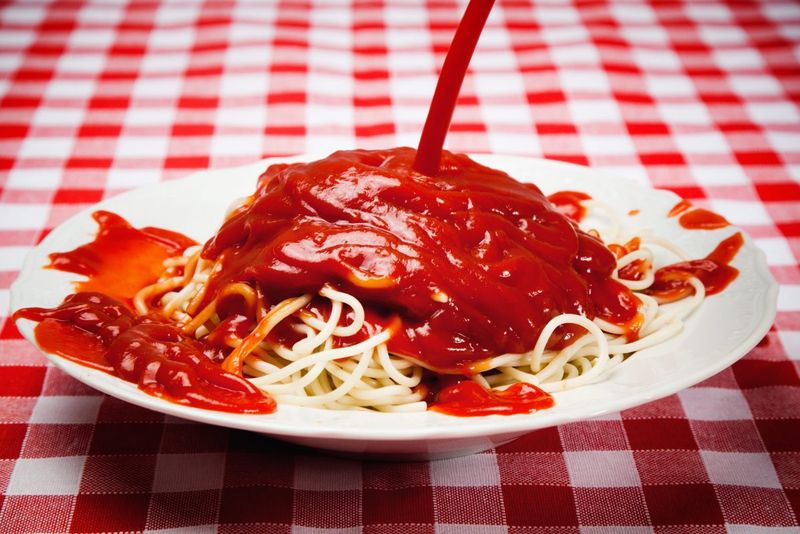
Ask for ketchup on your pasta in Italy and prepare for a dramatic reaction. Italian food culture is built on using the freshest, most carefully prepared ingredients, and bottled ketchup is seen as an insult to that tradition.
Even children are raised knowing that pasta deserves proper sauce, not a condiment from a squeeze bottle. It sounds strict, but once you taste authentic Italian pasta sauce, you will completely understand why this rule exists.
3. Bread Is Not a Starter in France
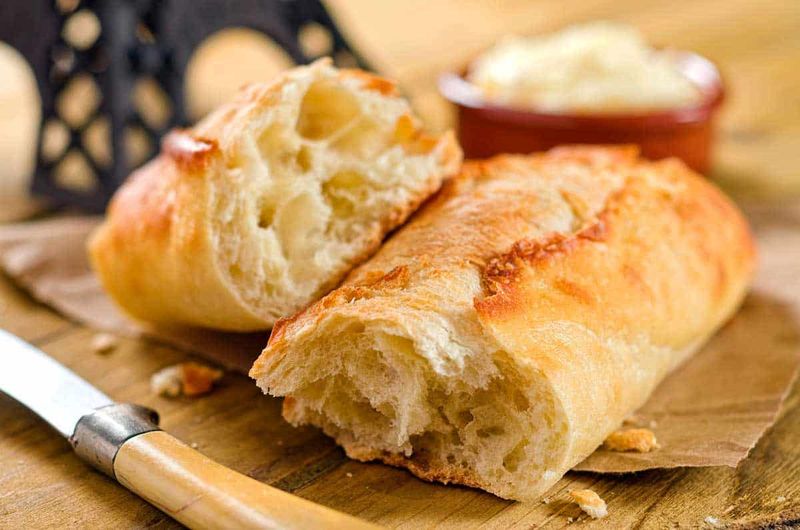
Walk into a French restaurant and you might notice bread on the table before your meal arrives. But do not mistake it for an appetizer.
In France, bread is meant to accompany the main course, not replace it or come before it.
Eating bread alone before food arrives is considered a little uncouth. It is there to help scoop up sauces and complement flavors during the meal.
Bread with butter as a snack? That is a very un-French idea.
4. Never Cut Salad With a Knife in France
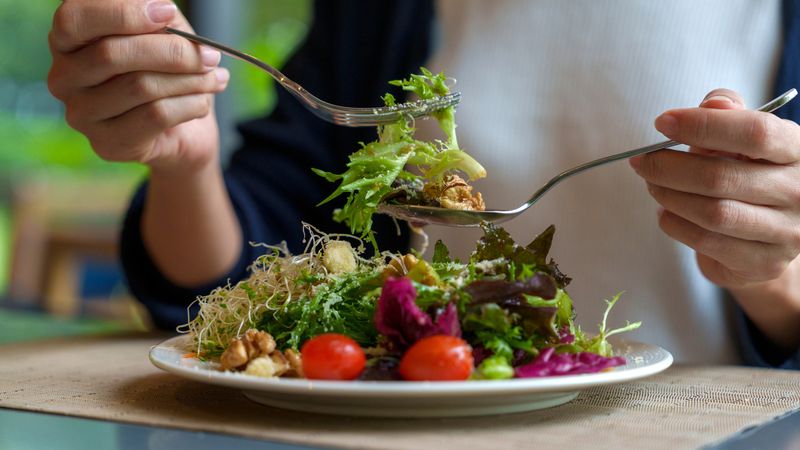
Here is a quirky one straight from French dining tradition. Cutting salad leaves with a knife is considered bad manners in France.
The proper technique is to fold the leaves using your fork until they are bite-sized.
This rule supposedly dates back to when knife blades were made of silver, which would react chemically with acidic dressings. Whether or not that matters today, the tradition stuck.
French hosts will silently judge any guest who reaches for the knife.
5. Always Finish Your Plate in Norway
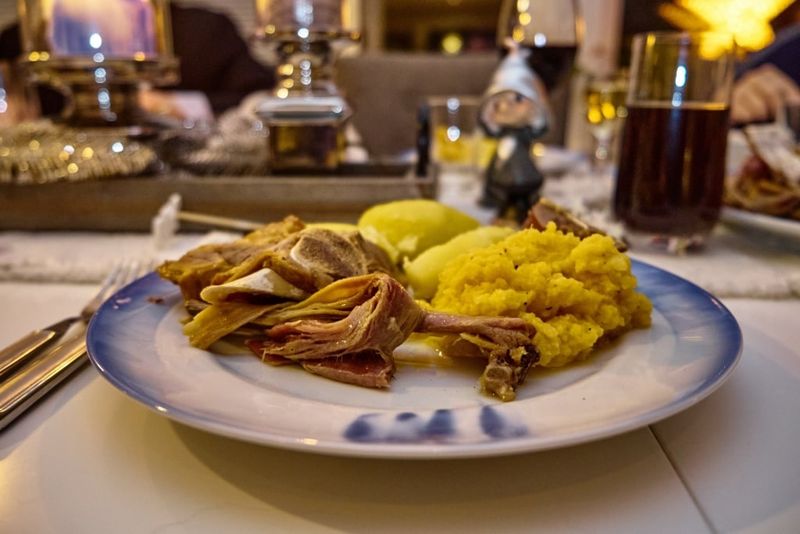
Leaving food on your plate in Norway can come across as rude or ungrateful. Norwegian culture places a strong value on not wasting food, and finishing everything you are served is a sign of respect for the cook.
This is especially true in family homes and traditional settings. If you are full, it is polite to mention it before serving rather than leaving leftovers behind.
It is a small habit that reflects a much bigger cultural respect for resources and hard work.
6. Do Not Split the Bill in Georgia
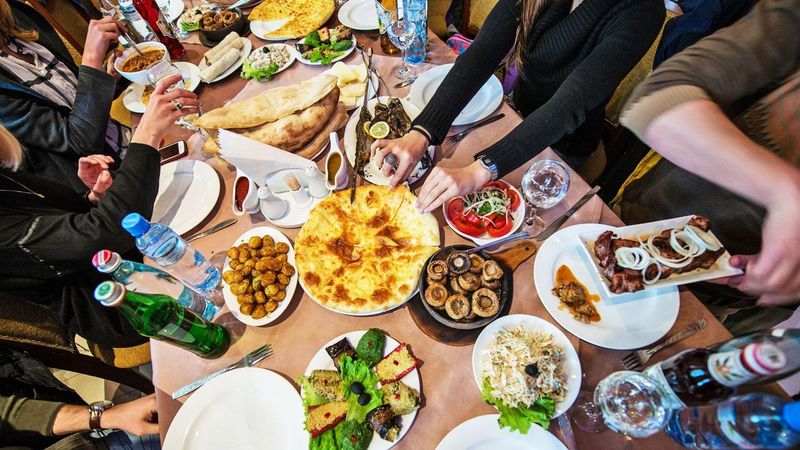
Georgia, nestled between Europe and Asia, has a legendary food tradition called the supra. At these massive feasts, one person called the tamada acts as toastmaster and host.
Splitting the bill is practically unheard of.
Generosity is a point of pride in Georgian culture, and whoever invites you to eat is expected to pay. Trying to split costs can actually offend your host.
The best response? Accept the hospitality graciously and perhaps bring a gift next time you visit.
7. No Pineapple on Pizza in Italy
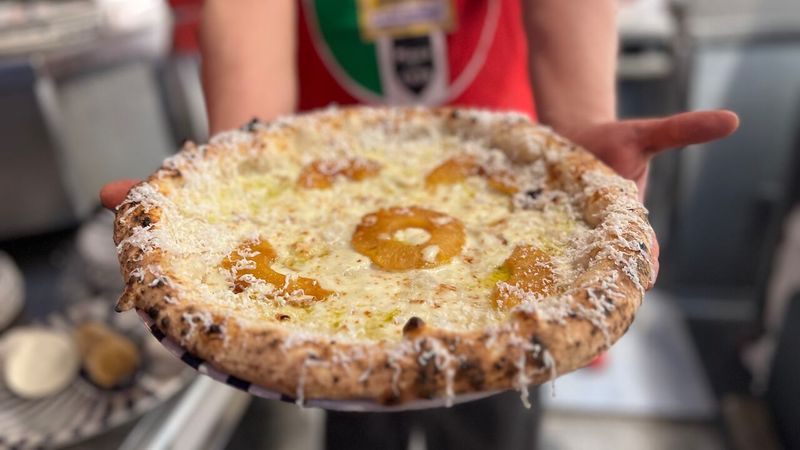
Pineapple on pizza is a global debate, but in Italy, it is not even a debate. It is simply wrong.
Italian pizza culture is protected by strict traditions, and mixing sweet tropical fruit with savory toppings is considered an offense against culinary logic.
The Associazione Verace Pizza Napoletana actually sets official rules about authentic pizza ingredients. While you might find pineapple pizza elsewhere in the world, ordering it in Naples would be met with genuine disbelief.
Some food rules are almost law!
8. Eat Lunch as the Main Meal in Spain
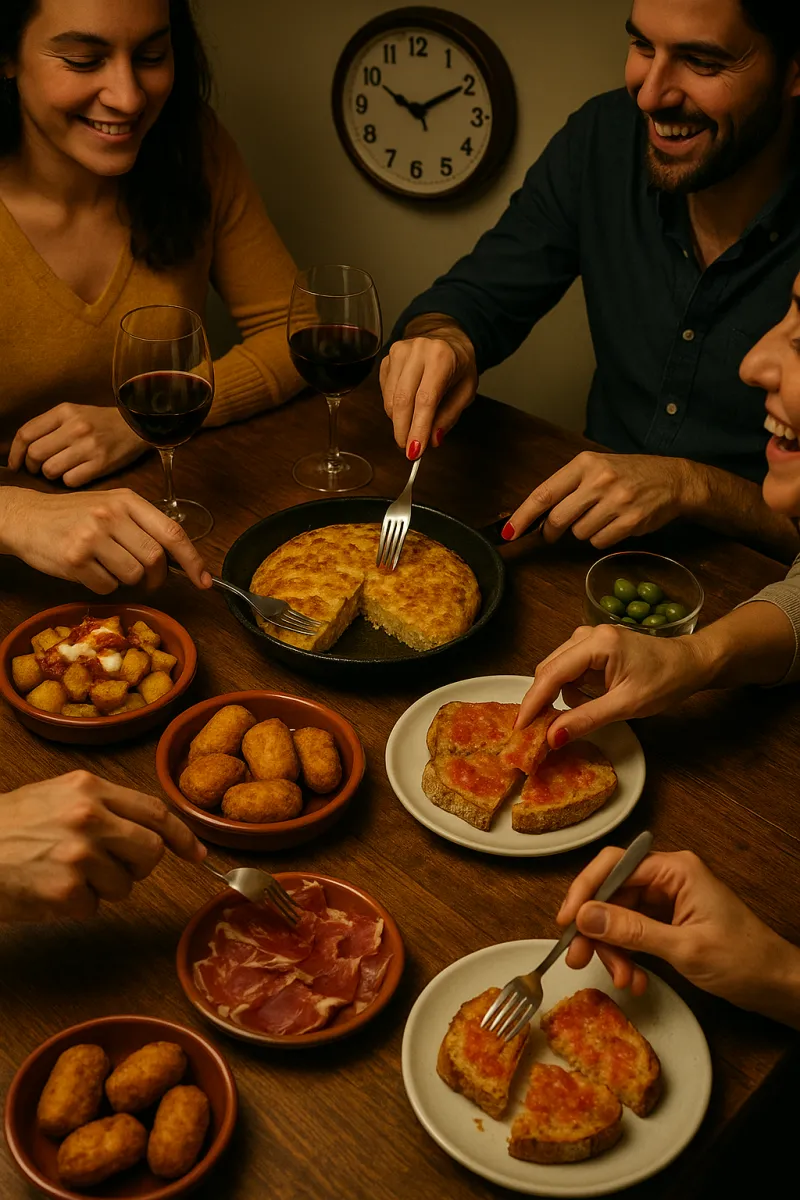
Spain flips the typical Western meal schedule upside down. Lunch, eaten between 2pm and 4pm, is the biggest and most important meal of the day.
Dinner is eaten late, often after 9pm, and is usually much lighter.
This schedule is deeply tied to Spain's siesta culture and warm climate. Trying to find a proper restaurant meal at 6pm in Spain can be surprisingly difficult.
Locals simply are not eating then. Adjusting your hunger clock is the first step to truly experiencing Spanish food culture.
9. Never Tap Your Glass on the Table in Hungary

After Austria and Hungary signed a peace agreement following a famous 19th-century conflict, Austrian officers reportedly celebrated by clinking beer glasses. Hungarians vowed not to clink glasses for 150 years as a form of protest.
That 150-year period has technically passed, but the cultural memory remains strong. Many Hungarians still avoid clinking glasses, especially beer glasses, out of tradition.
If you are at a Hungarian dinner, pay attention before you enthusiastically raise your glass for a toast!
10. Cheese Comes After the Main Course in France
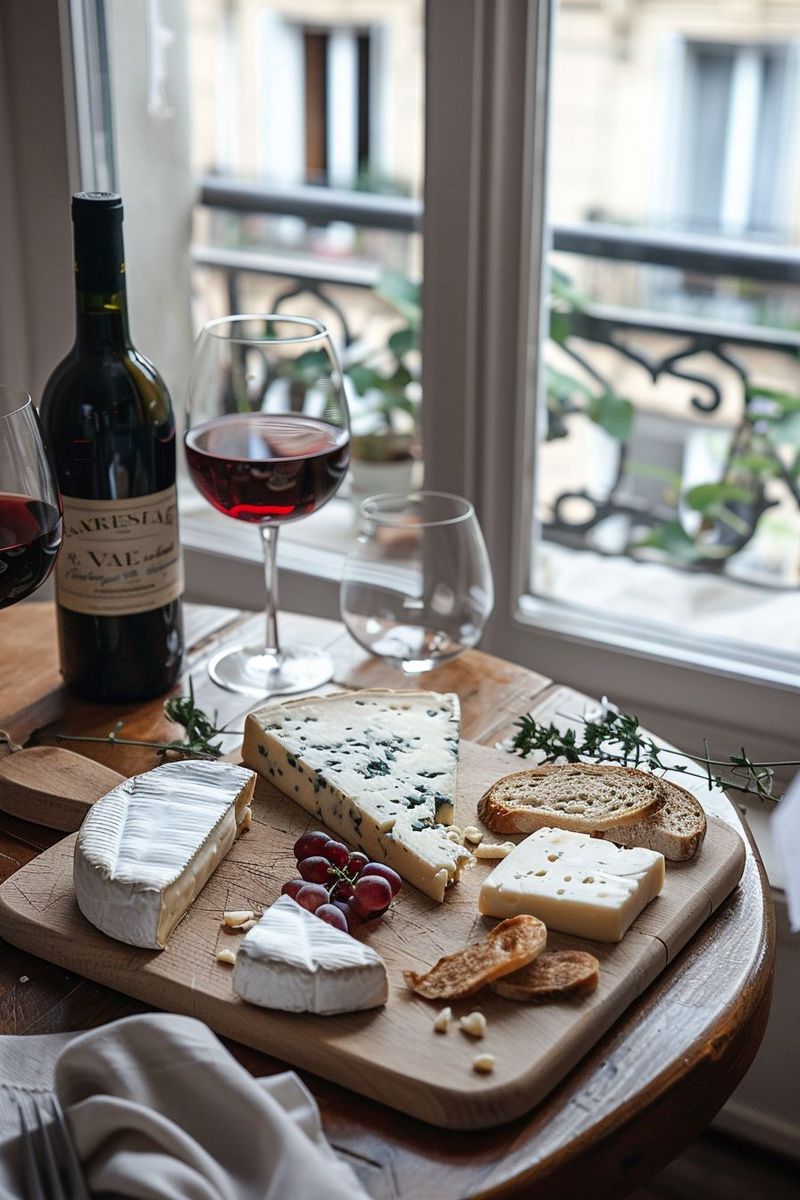
In France, the cheese course is a serious affair. Unlike in many countries where cheese might appear as a starter or snack, in France it arrives after the main dish and before dessert.
This is not optional in a formal setting.
French people treat cheese with the same reverence others might give fine wine. There are hundreds of regional varieties, and each deserves its moment.
Skipping the cheese course or eating it at the wrong time would genuinely puzzle a French dinner host.
11. Pasta and Rice Are Not Side Dishes in Italy
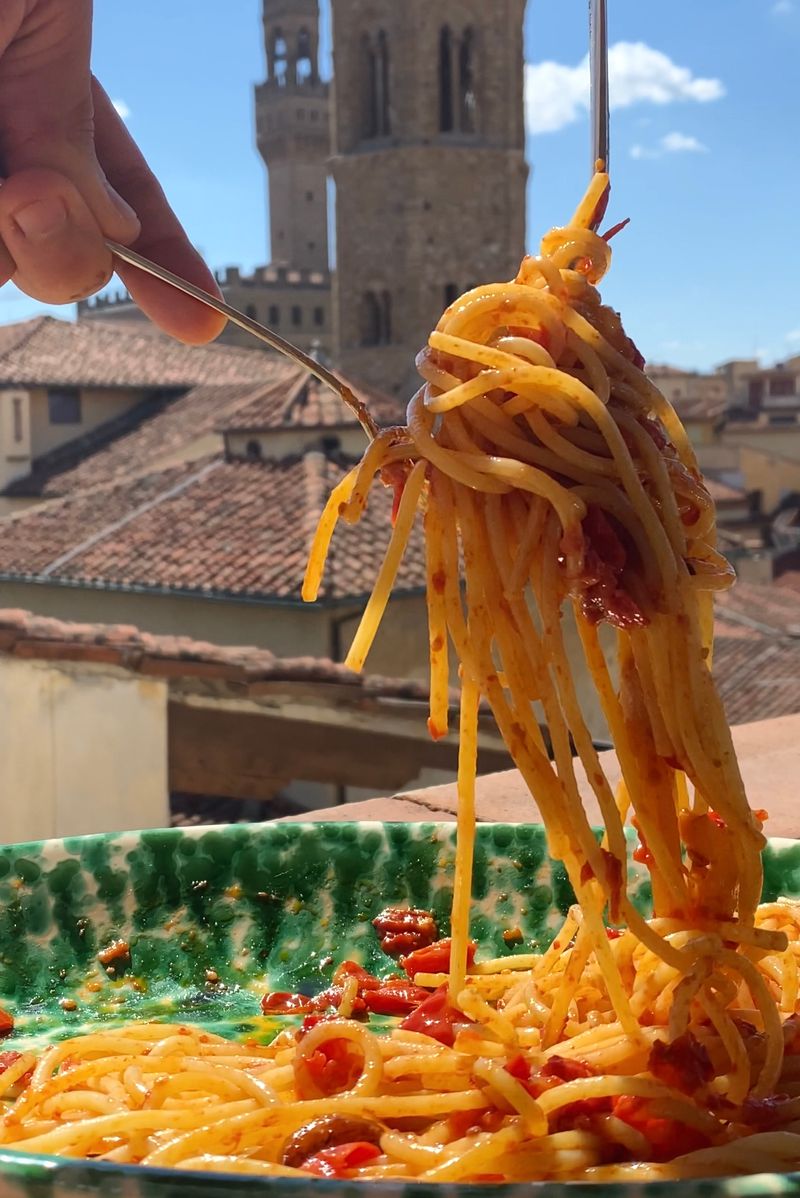
In Italy, pasta and rice dishes like risotto are served as a first course, called the primo, not as side dishes alongside meat or fish. Serving pasta next to a chicken breast would make an Italian cook shudder.
Each course has its purpose and its moment. The secondo, or second course, is where meat or fish appears, typically with simple vegetables.
This structured approach to eating reflects Italy's deep respect for flavors and the dining experience as a whole event, not just fuel.
12. Do Not Ask for Tap Water in Portugal
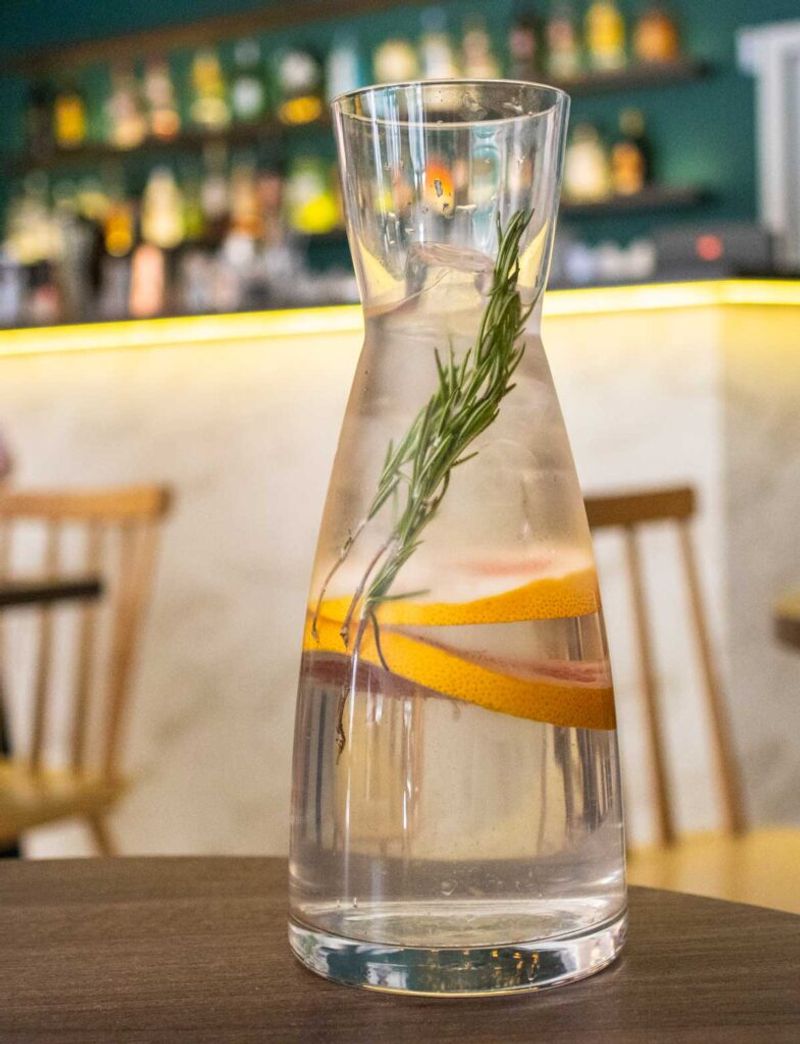
Asking for a glass of tap water in a Portuguese restaurant might get you some puzzled looks. While tap water is technically safe to drink in Portugal, locals almost always order bottled still or sparkling water with meals.
Restaurants will often bring bread, olives, and small snacks to the table automatically, but water from the tap is not standard practice. You can ask, and most places will oblige, but expecting a free pitcher of water like you might in the US is not the norm here.
13. Never Rush a Meal in Greece
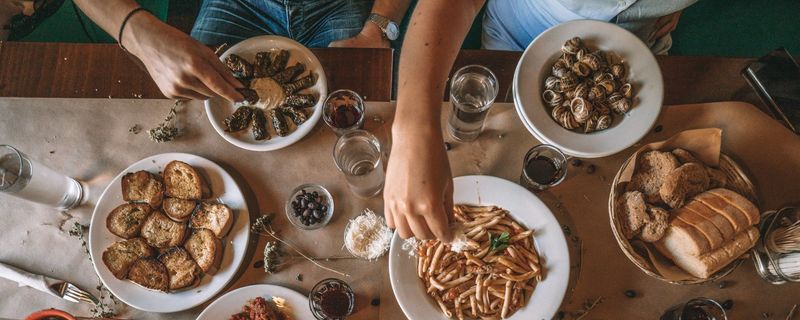
Greek meals are not events you rush through. Eating together is a deeply social experience, and meals can last for hours, especially on weekends or during celebrations.
Asking for the bill too early might actually offend your host.
Meze culture, where many small shared dishes arrive gradually, is designed to slow things down and encourage conversation. Food in Greece is about connection as much as it is about nutrition.
Sitting back, sharing stories, and savoring every bite is the entire point of the meal.
14. Drinking Milk With Meals Is Unusual in Many European Countries
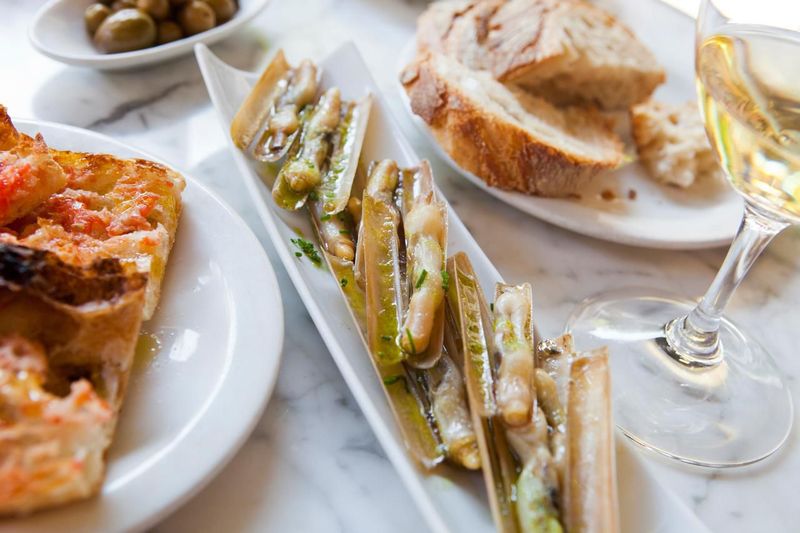
In the United States, drinking a cold glass of milk with dinner is completely normal. Across much of Europe, though, that habit seems strange or even childish to adults.
Milk is generally considered a breakfast drink or something for children.
Wine, water, or beer are the typical beverage choices at European dinner tables. Ordering milk at a restaurant in France or Germany might get you a confused look.
It is not wrong, just genuinely unexpected in most European dining cultures.
15. Herring for Breakfast in the Netherlands
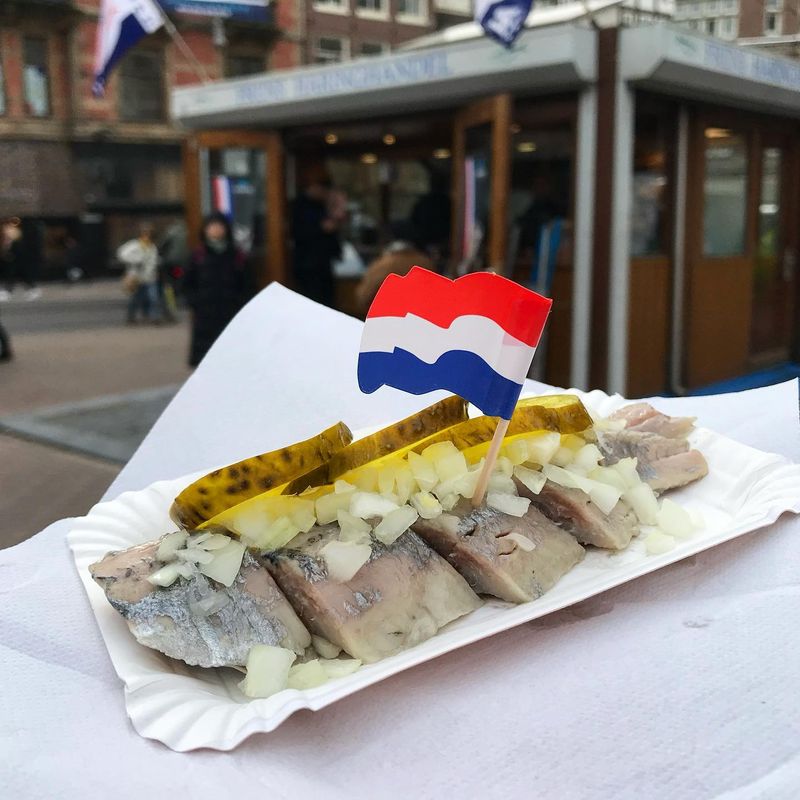
Raw herring for breakfast might not sound appealing, but in the Netherlands, it is a beloved national tradition. Hollandse Nieuwe, or fresh Dutch herring, is eaten whole, often held by the tail and dipped in chopped onions.
The herring season in late spring is a genuine cultural celebration. People line up at fish stalls across the country to get their first taste of the new batch.
It is salty, soft, and surprisingly delicious. If you ever visit Amsterdam, trying herring at a street stall is a must.
16. Sandwiches Are Eaten Open-Faced in Scandinavia
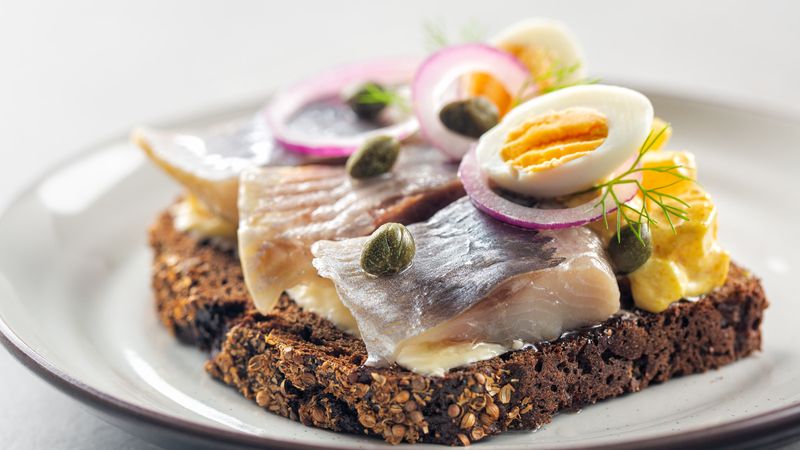
Forget stacking two slices of bread together. In Denmark, Sweden, and Norway, the traditional sandwich is open-faced and known as smørrebrød in Danish.
One slice of dense rye bread is topped with carefully arranged ingredients.
These are not casual grab-and-go snacks. Smørrebrød can be beautifully decorated with fish, meats, eggs, and garnishes, and eating them is a slow, seated affair.
Using a knife and fork is expected. The Scandinavian sandwich is basically a work of edible art on a single slice of bread.
17. Eating on Public Transport Is Frowned Upon in Switzerland
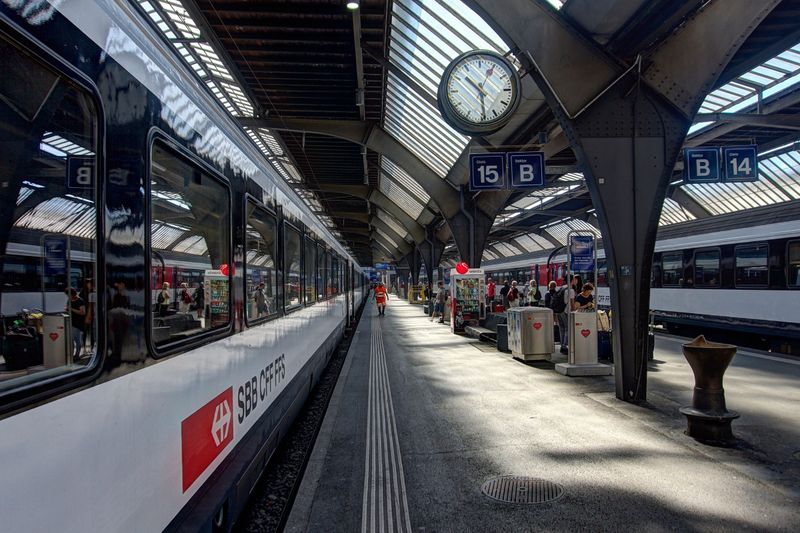
Switzerland is known for being orderly, clean, and precise. Eating on public transport, especially trains and trams, is strongly discouraged and considered inconsiderate behavior.
The smell, mess, and noise are all seen as disruptive to fellow passengers.
While there is no universal law banning it entirely, social pressure is powerful enough that most people simply do not do it. Eating in public spaces in general is viewed with mild disapproval in Swiss culture.
Meals belong at a table, not on a commute.
18. Birthday Person Brings the Cake in Germany

In most countries, people bring gifts and a cake to the birthday person. Germany flips this around in a charming way.
The birthday celebrant is expected to bring cake or treats to share with coworkers, classmates, or friends.
This tradition extends to workplaces and schools, where showing up on your birthday empty-handed might raise eyebrows. It reflects a cultural value of giving rather than receiving.
German birthday cakes are often homemade and lovingly prepared, making the gesture feel warm and personal rather than obligatory.
19. Do Not Eat Before the Host in Russia
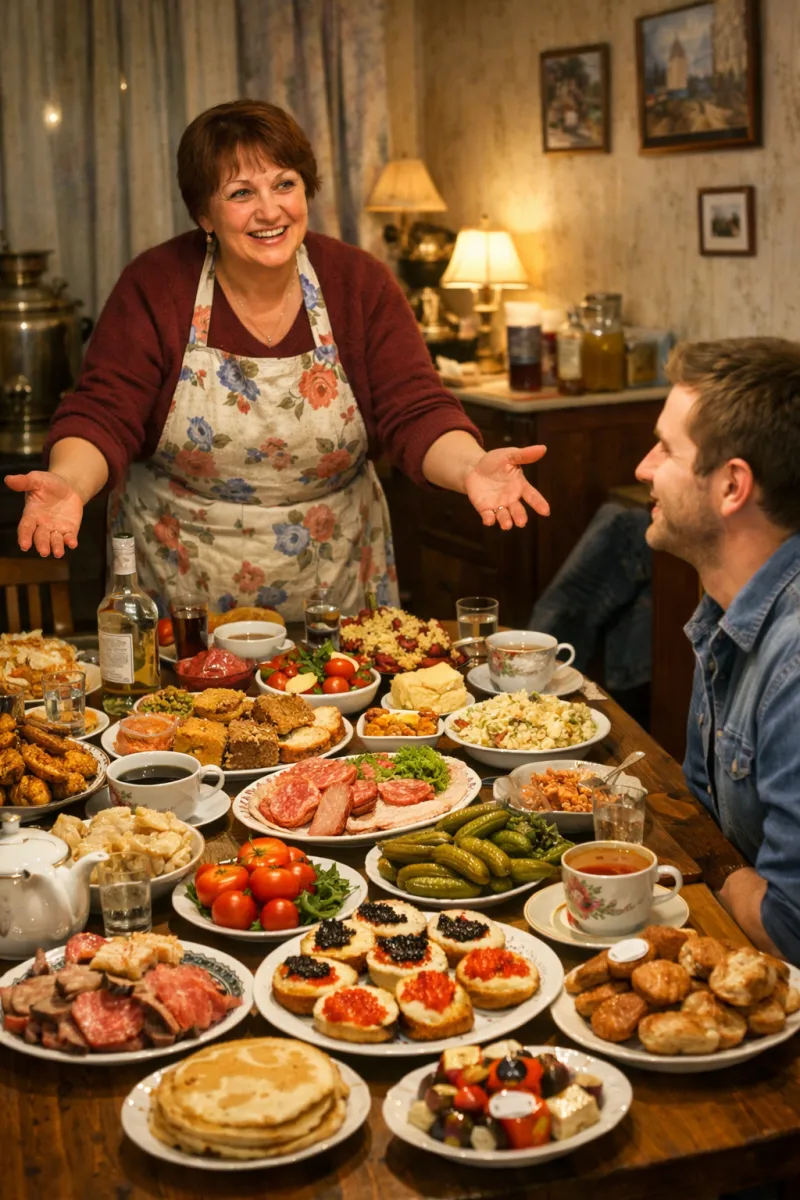
Russian hospitality is legendary, and with it comes a strict set of table manners. One of the most important rules is to wait for the host to begin eating before you pick up your fork.
Starting early is considered disrespectful.
Russian meals are often elaborate affairs with multiple courses, toasts, and speeches. The host sets the tone and pace for everything.
Being a gracious, patient guest is genuinely valued. If you are ever invited to a Russian home for dinner, patience and politeness will take you far.
20. Olive Oil, Not Butter, on Bread in Southern Europe
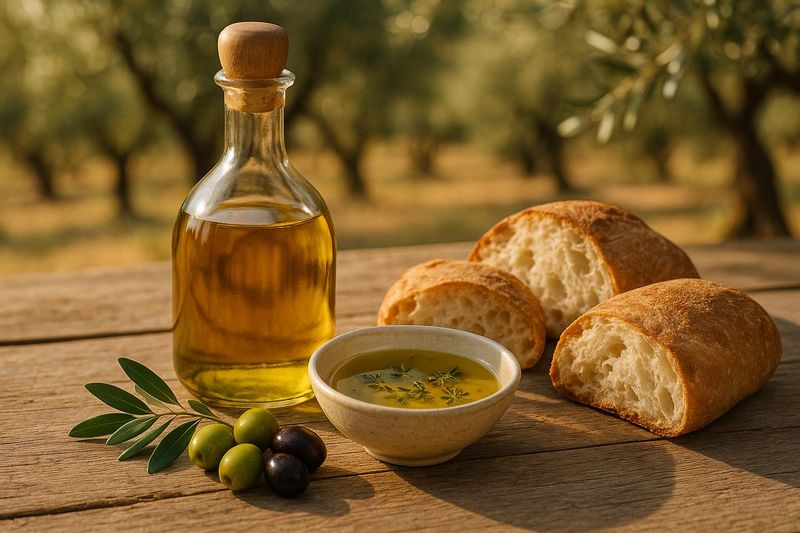
Across Spain, Italy, Greece, and Portugal, dipping bread in olive oil is the default. Butter on bread is seen as a northern European habit, and in many southern European restaurants, butter simply will not appear on the table.
This is not just a preference but a reflection of the Mediterranean diet and agricultural heritage of the region. Olive trees have grown in southern Europe for thousands of years.
The oil produced there is fresh, flavorful, and deeply tied to local identity. Once you try good olive oil on warm bread, you might never go back to butter either.




Comments
No Comments