













You probably think you know exactly what you're eating, but food labels can be full of surprises. Many everyday foods contain ingredients that sound strange, even a little shocking, once you find out what they really are.
From your morning cereal to your favourite candy, hidden components sneak into the things we eat all the time. Knowing what's actually in your food helps you make smarter, healthier choices every single day.
1. Beaver Secretion in Vanilla Flavouring
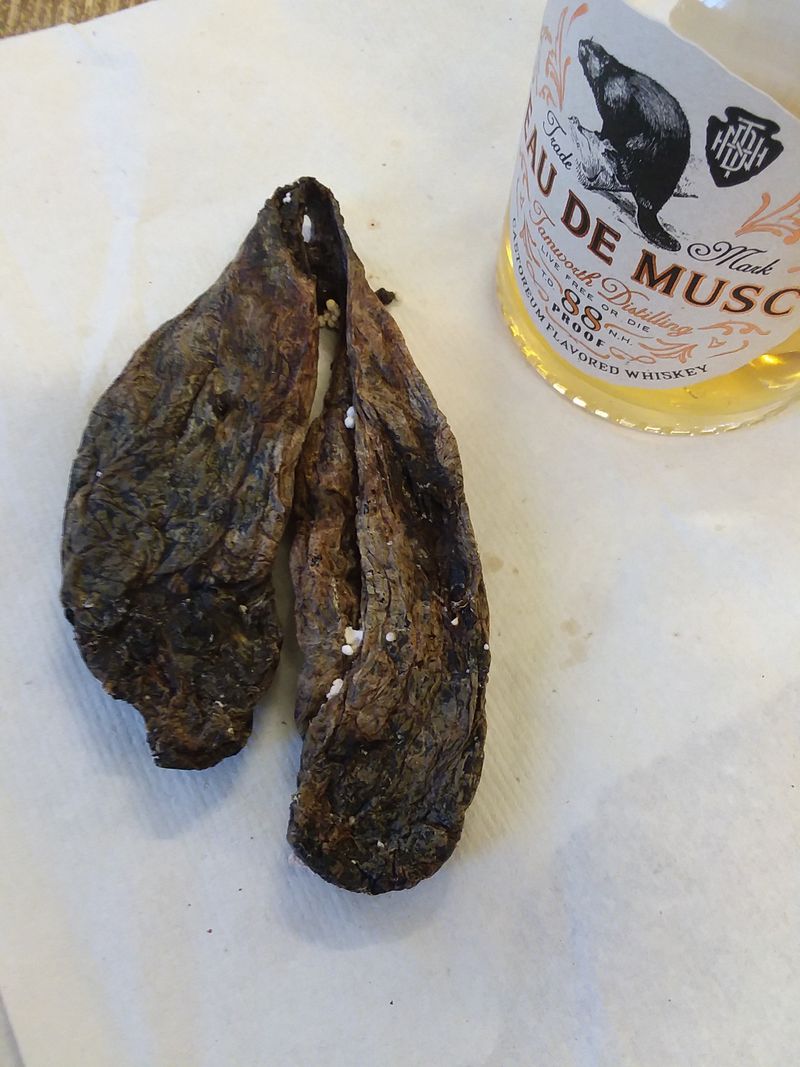
Believe it or not, some artificial vanilla flavouring comes from a substance called castoreum, which is secreted by beavers. It has been used for decades as a "natural flavour" in foods like ice cream and candy.
Most manufacturers have moved away from it due to cost, but it still legally hides under vague labels. Always check for "natural flavours" on ingredient lists if this kind of thing concerns you.
2. Crushed Beetles in Red Food Dye

That gorgeous red colour in your strawberry yoghurt or fruit juice might come from crushed bugs. Carmine, also labelled as cochineal extract or E120, is made from dried and ground cochineal beetles.
It takes roughly 70,000 beetles to produce just one pound of dye. Vegetarians, vegans, and people with certain allergies should scan labels carefully, since this ingredient hides behind scientific-sounding names most shoppers never recognise.
3. Wood Pulp in Shredded Cheese
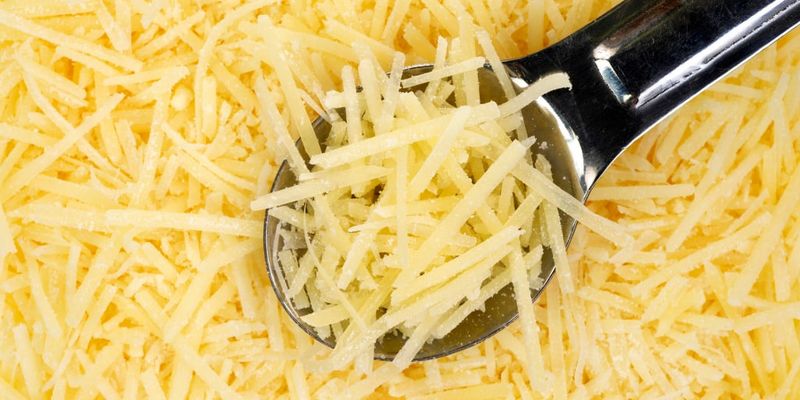
Powdered cellulose, which is essentially processed wood pulp, gets added to pre-shredded cheese to stop the pieces clumping together in the bag. It's completely safe to eat and passes through your body without being digested.
Still, knowing your parmesan might contain a little tree fibre is pretty wild. Freshly grated cheese skips this additive entirely, so grating your own block at home is a simple way to avoid it.
4. Sand in Table Salt and Spices
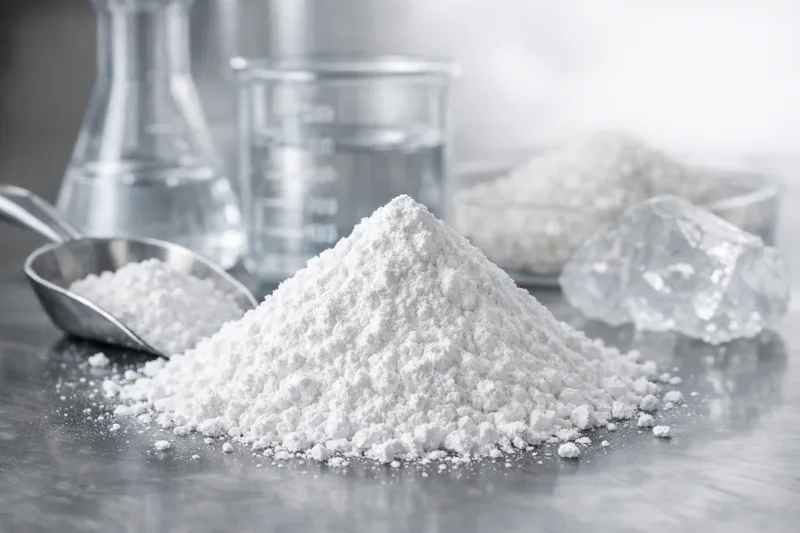
Silicon dioxide, the same compound found in sand and quartz, is added to table salt, powdered spices, and even some coffee creamers as an anti-caking agent. It stops moisture from turning your salt into one solid lump.
The quantities used are tiny and considered safe by food regulators worldwide. Still, it is a little amusing to think that something so similar to beach sand has been sitting quietly in your kitchen cupboard all along.
5. Sheep Secretion in Chewing Gum
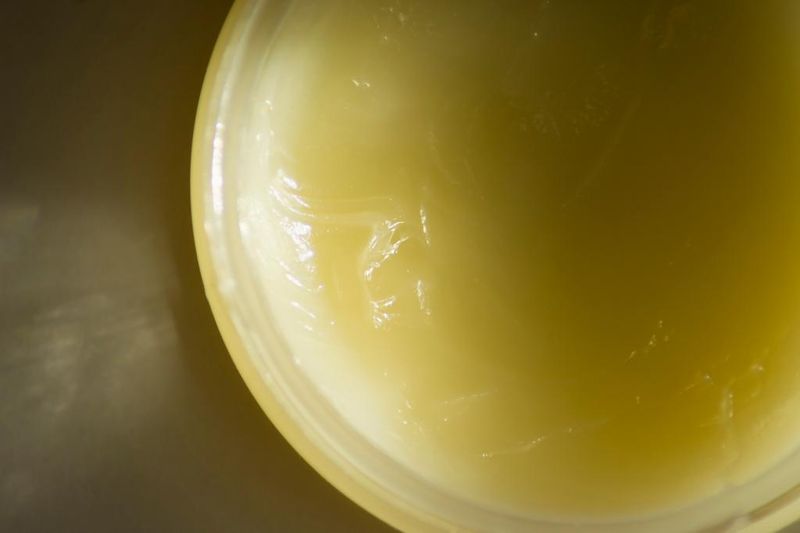
Lanolin, a waxy substance secreted by sheep's skin, is used in some chewing gum bases to give that smooth, chewy texture everyone enjoys. It's the same ingredient found in many moisturising lip balms and hand creams.
Most gum manufacturers list it under the catch-all term "gum base," making it nearly invisible to curious shoppers. If you chew gum daily, you've likely been enjoying a sheep by-product without ever knowing it.
6. Human Hair in Bread
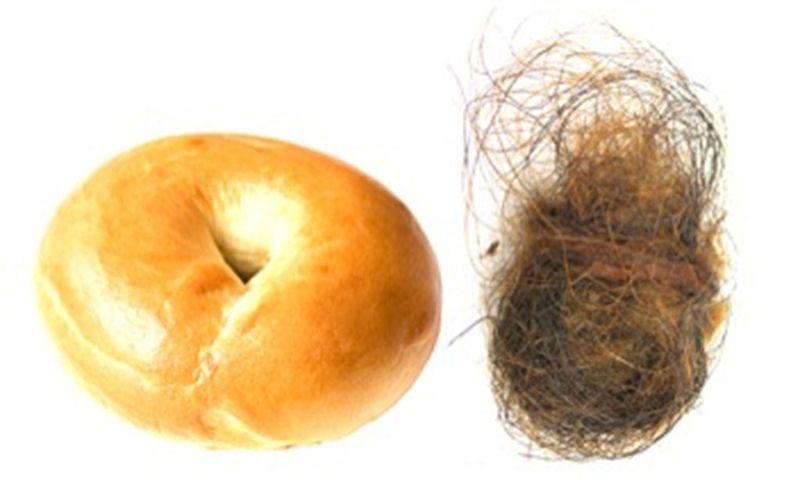
L-cysteine is an amino acid used as a dough conditioner in commercial bread, bagels, and pizza bases to improve texture and extend shelf life. It can be sourced from duck feathers, hog hair, or in some cases human hair collected from barbershops, mainly in China.
Synthetic versions exist, but they cost more. Checking whether your bread uses synthetic L-cysteine versus animal or human-derived versions requires some detective work on ingredient labels.
7. Fish Bladder in Beer and Wine
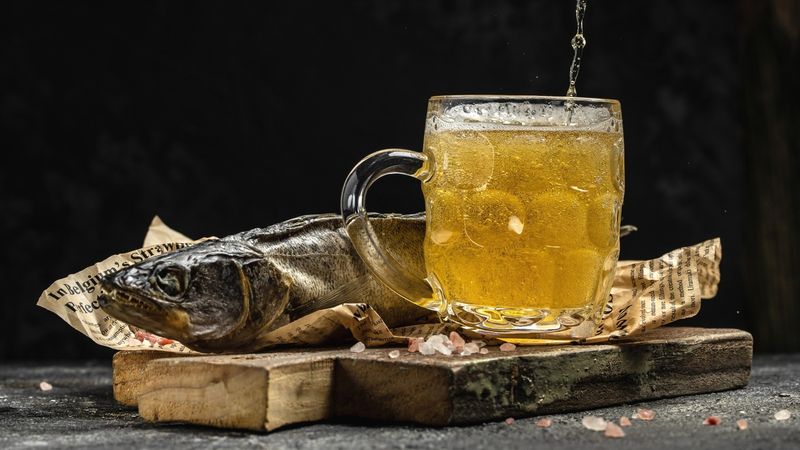
Isinglass, a fining agent made from dried fish swim bladders, has been used for centuries to clarify beer and wine. It attracts yeast particles and other solids, causing them to sink so the drink appears clear and clean.
While most of it is removed before bottling, traces can remain. This matters hugely to vegans and vegetarians who assume their pint is entirely plant-based.
Thankfully, many breweries now clearly label vegan-friendly options.
8. Insect Wax on Fresh Produce
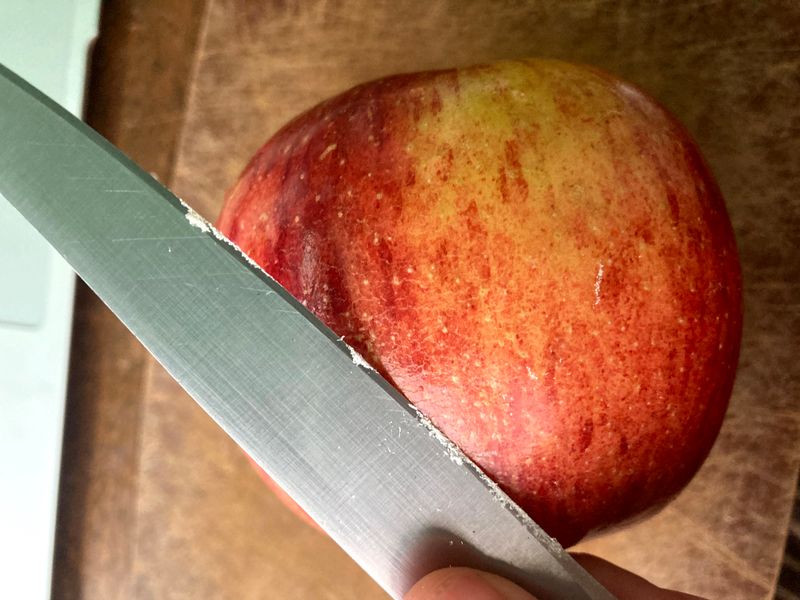
Shellac, produced by the female lac bug, is applied as a coating on apples, cucumbers, and even some sweets to give them that appealing shiny look. It's also used in nail polish and wood varnish, which makes snacking feel slightly different once you know.
Food-grade shellac is approved as safe, but it's worth washing your fruit thoroughly. Some manufacturers use plant-based wax instead, so checking the label is always a smart habit.
9. Ammonia in Fast Food Burgers
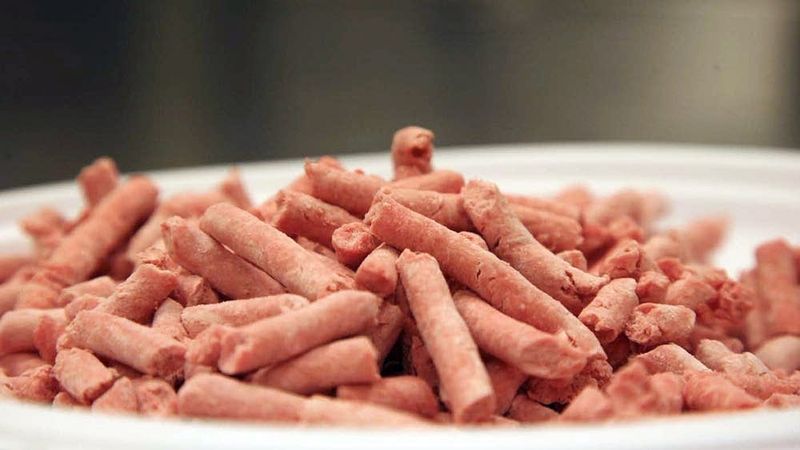
Ammonium hydroxide, a form of ammonia, was used to treat low-grade beef scraps in a process that became infamous under the nickname "pink slime." The chemical kills harmful bacteria like E. coli, making cheaper cuts of beef safer for mass production. Public outcry in the early 2010s led many chains to drop the practice, but some processed beef products still use similar treatments.
Reading labels on frozen patties and processed meats is genuinely worthwhile.
10. Titanium Dioxide in Sweets and Icing

Titanium dioxide is a white pigment also used in sunscreen and paint, and for years it made the frosting on doughnuts and the coating on certain candies brilliantly white. The European Food Safety Authority banned it in 2022 over safety concerns, but it remains permitted in other countries including the United States.
Spotting it on labels is straightforward since it's listed by its full name. Choosing products without it is easier now that awareness has grown.
11. Coal Tar Derivatives in Artificial Colours
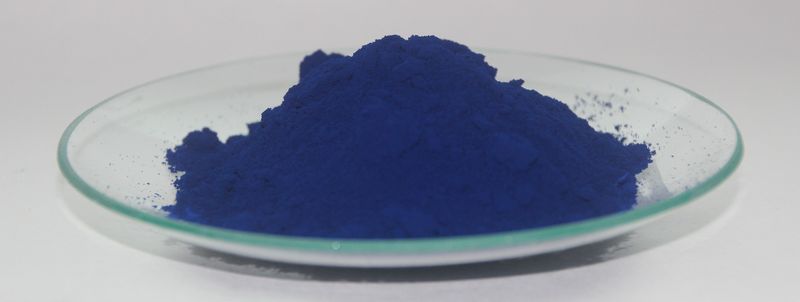
Several artificial food dyes, including Red 40, Yellow 5, and Blue 1, were originally derived from coal tar, a by-product of burning coal. Modern versions are now synthesised from petroleum, which somehow sounds even less appetising.
These dyes appear in everything from sports drinks to breakfast cereals and packaged snacks. Some studies link them to hyperactivity in children, which is why the UK requires warning labels on foods containing them while the US currently does not.
12. Propylene Glycol in Salad Dressings
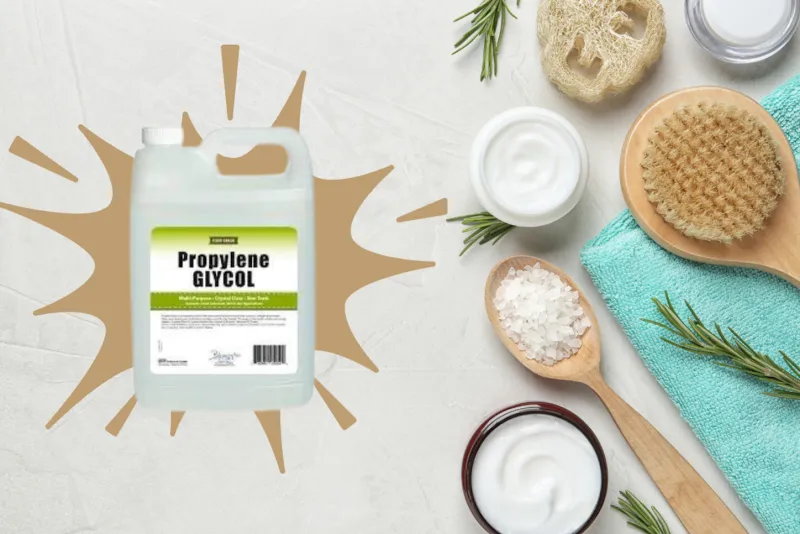
Propylene glycol is a synthetic compound used in antifreeze, but in much smaller, food-safe concentrations it appears in salad dressings, cake mixes, and even some ice creams to maintain moisture and texture. The food-grade version is different from industrial antifreeze and is approved by regulatory agencies globally.
Still, seeing it on an ingredient list can catch people off guard. Opting for homemade dressings with olive oil and vinegar neatly sidesteps the issue entirely.
13. Carnauba Wax in Chocolate and Sweets
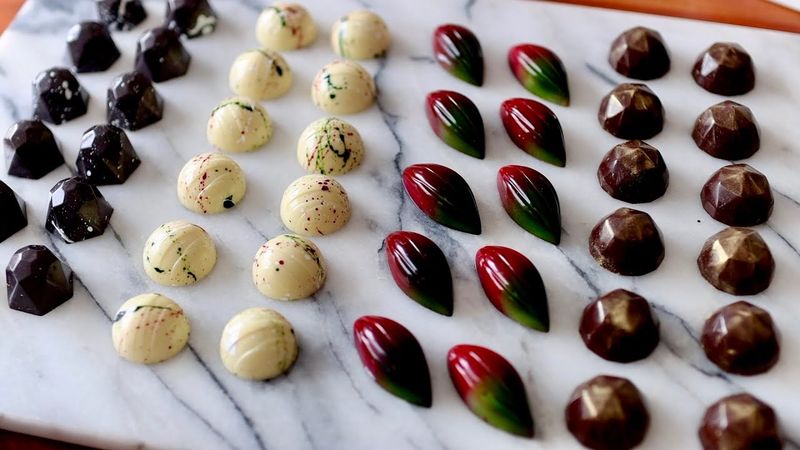
Carnauba wax, harvested from the leaves of a Brazilian palm tree, is what gives M&Ms and many chocolate bars that smooth, non-melty shine. It's also used in car polish and floor wax, which makes those sweets suddenly feel a little industrial.
Unlike some other mystery ingredients, carnauba wax is entirely plant-based, making it acceptable for most vegans. It appears on labels simply as "carnauba wax," so it's one of the easier hidden ingredients to spot.
14. Cellulose Gel in Low-Fat Ice Cream
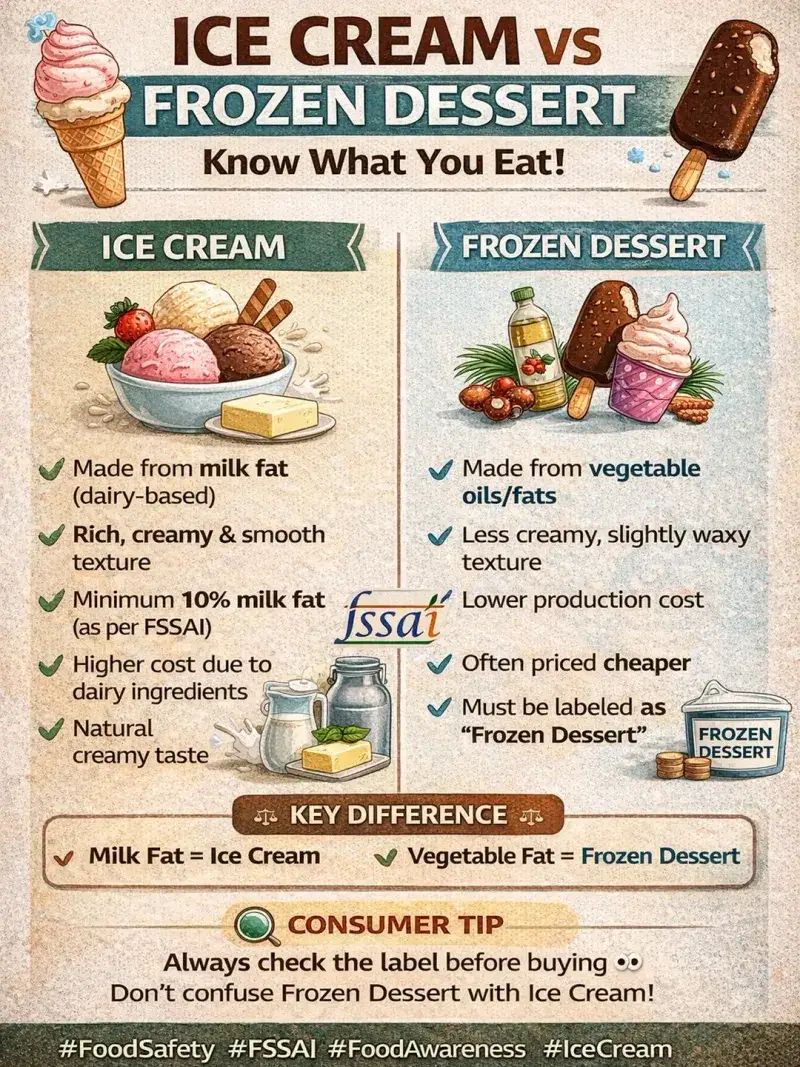
When fat gets removed from ice cream, something needs to replicate the creamy texture everyone loves. Microcrystalline cellulose, another form of processed plant fibre, steps in to mimic the mouthfeel of full-fat dairy.
It thickens the mixture and creates a smooth, scoopable consistency without adding calories. Nutritionally it's harmless, but it's a reminder that "low-fat" often just means "more additives." Full-fat ice cream eaten in moderation is sometimes the simpler, more straightforward choice.
15. Gelatine from Animal Bones in Marshmallows
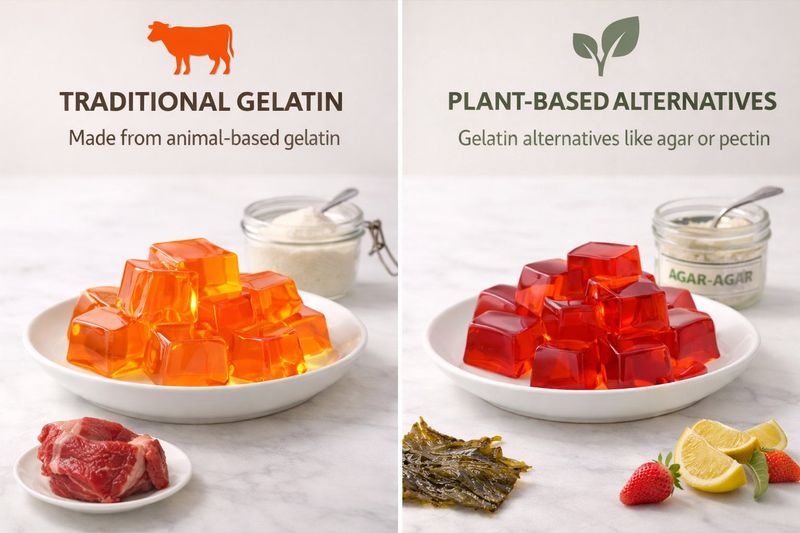
Gelatine is made by boiling the bones, skin, and connective tissue of pigs and cows, and it's what gives marshmallows, gummy bears, and jelly their bouncy, wobbly texture. Many people don't realise their favourite sweet treat is essentially a by-product of the meat industry.
Vegans and those following halal or kosher diets need to watch for this one carefully. Plant-based alternatives using agar-agar or pectin are widely available and work beautifully in most recipes.
16. Brominated Vegetable Oil in Sports Drinks
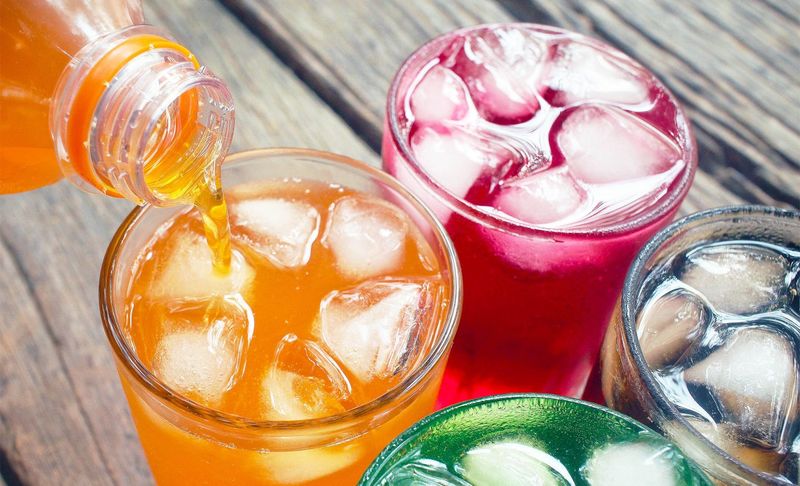
Brominated vegetable oil, or BVO, is used in some citrus-flavoured soft drinks and sports drinks to stop the flavouring from separating and floating to the top. Bromine is a chemical also used in flame retardants, which raised serious alarm among health advocates.
The FDA moved to revoke BVO's approval in 2023 after decades of debate. Major brands like Gatorade and Mountain Dew had already removed it, but smaller regional drink brands may still include it.
17. Carrageenan in Chocolate Milk
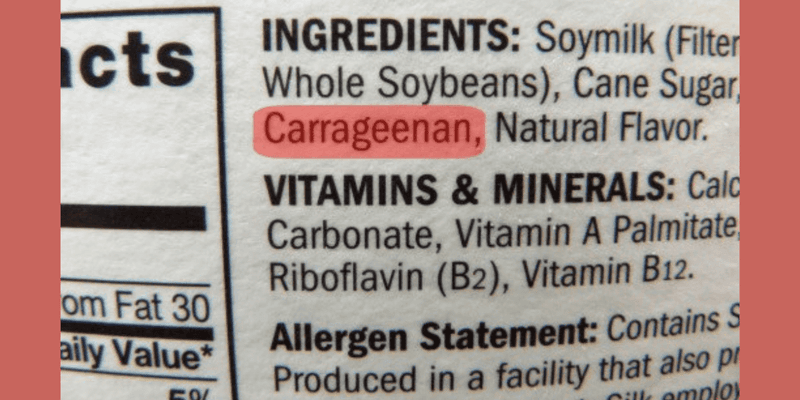
Carrageenan comes from red seaweed and is used in chocolate milk, infant formula, and deli meats to improve thickness and prevent separation. While it sounds natural and harmless, some research suggests it may cause inflammation in the digestive system, particularly in people with gut sensitivities.
Regulatory bodies still consider it safe at food levels, but the debate continues among nutritionists. Choosing plain milk and adding cocoa powder yourself is a simple way to skip it.
18. Transglutaminase Enzyme in Processed Meat
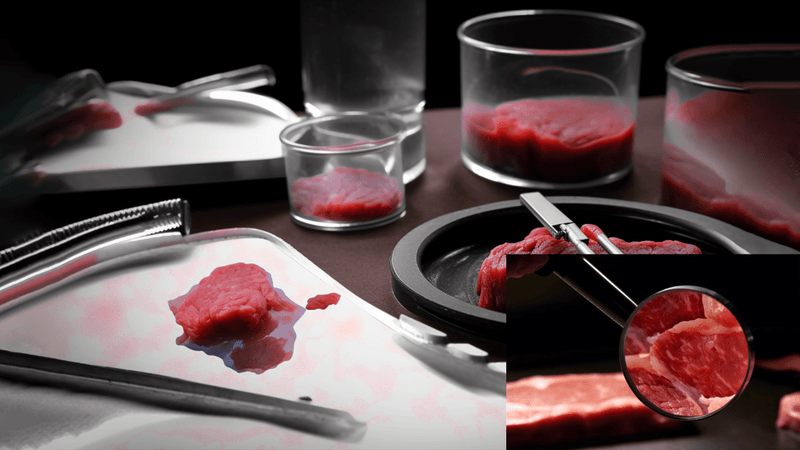
Often nicknamed "meat glue," transglutaminase is an enzyme that bonds pieces of protein together, allowing manufacturers to form scraps of meat into uniform, attractive cuts. That perfectly shaped chicken breast or deli ham slice might actually be several smaller pieces fused together.
It's odourless, tasteless, and leaves no visible trace, making it almost impossible to detect by sight. Some food safety experts raise concerns about bacteria being trapped inside the bonds, so thorough cooking is essential.
19. Silicone in Fast Food Chicken
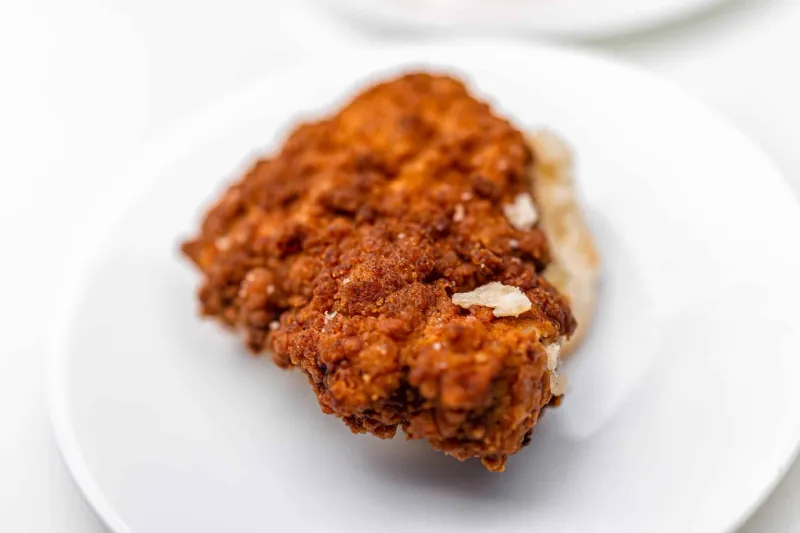
Dimethylpolysiloxane is a type of silicone used in breast implants and silly putty, and it's also added to the frying oil at major fast food chains to stop it from foaming. McDonald's and KFC both acknowledge its use.
In cooking applications, it's considered safe by food authorities, but finding silicone on your chicken nugget ingredient list still raises eyebrows. It's one of those ingredients that makes you pause and wonder just how far food processing has come.
20. Tartrazine Dye in Mac and Cheese
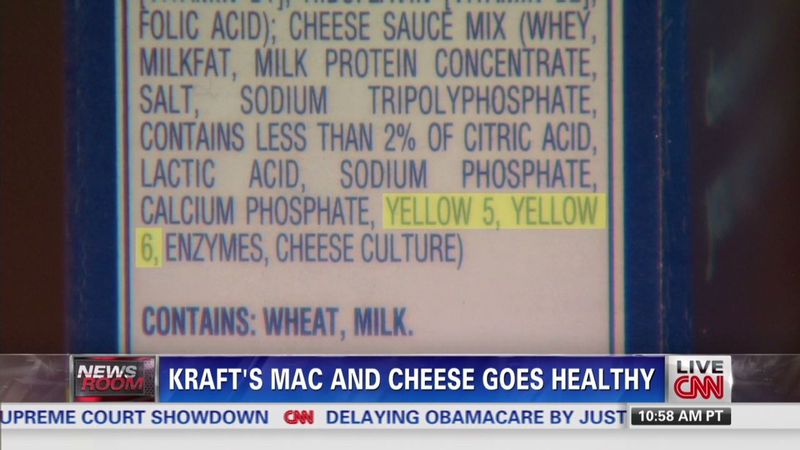
That unnaturally vivid orange colour in boxed macaroni and cheese often comes from tartrazine, also known as Yellow 5, a petroleum-derived synthetic dye. Some studies connect it to allergic reactions and behavioural changes in sensitive children.
Countries in the European Union require products containing tartrazine to carry a warning label, yet no such requirement exists in the United States. Choosing brands that use paprika or turmeric for colour instead is an easy, flavour-friendly swap.




Comments
No Comments