













British food often gets a bad reputation, but there is so much more to it than soggy chips and bland sandwiches. From ancient Roman influences to surprisingly global flavors, British cuisine has a rich and fascinating history that most people never learn about.
Whether you grew up eating beans on toast or have never tried a Cornish pasty, these facts are sure to change the way you think about food from the UK. Get ready to be genuinely surprised by what British cooking has to offer.
1. Curry Is Practically Britain's National Dish
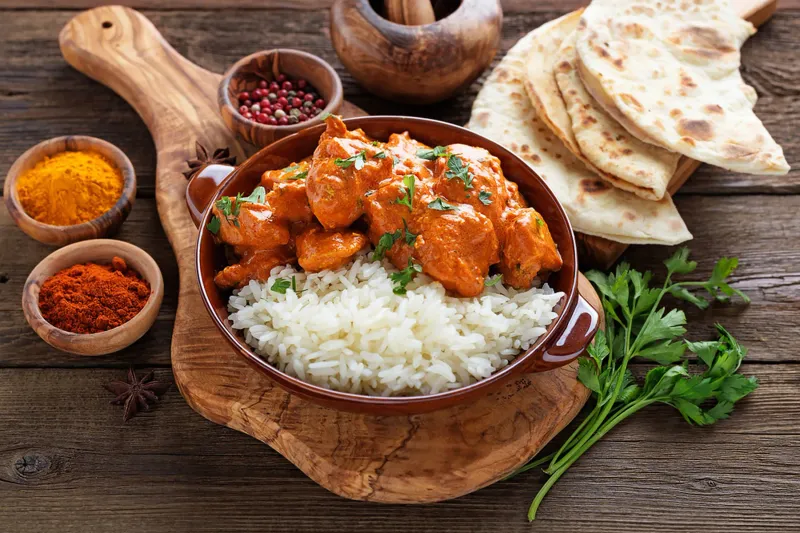
Forget fish and chips for a moment. Chicken tikka masala is so popular in the UK that it has been called an unofficial national dish.
British chefs adapted the original Indian recipe by adding a creamy tomato sauce to suit local tastes.
Today, there are over 12,000 Indian restaurants across Britain, and curry is a weekly staple for millions of families. It is a delicious reminder of how immigration and cultural exchange have shaped what British people love to eat.
2. Sandwiches Were Invented by a British Earl
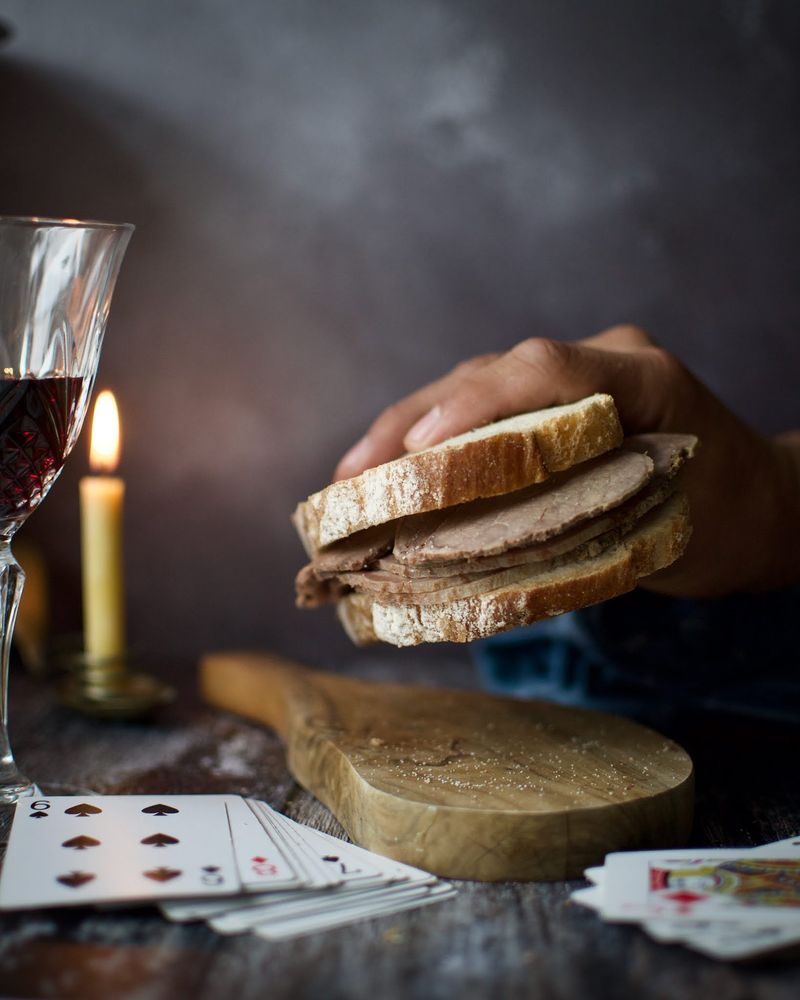
The humble sandwich owes its name to John Montagu, the 4th Earl of Sandwich, who lived in the 1700s. Legend says he asked his servants to bring him meat tucked between two slices of bread so he could keep playing cards without getting his hands greasy.
Whether that story is entirely true or not, the name stuck. Today, Britain produces around 11.5 billion sandwiches every single year, making it one of the most sandwich-obsessed nations on the planet.
3. Marmite Divides the Entire Nation
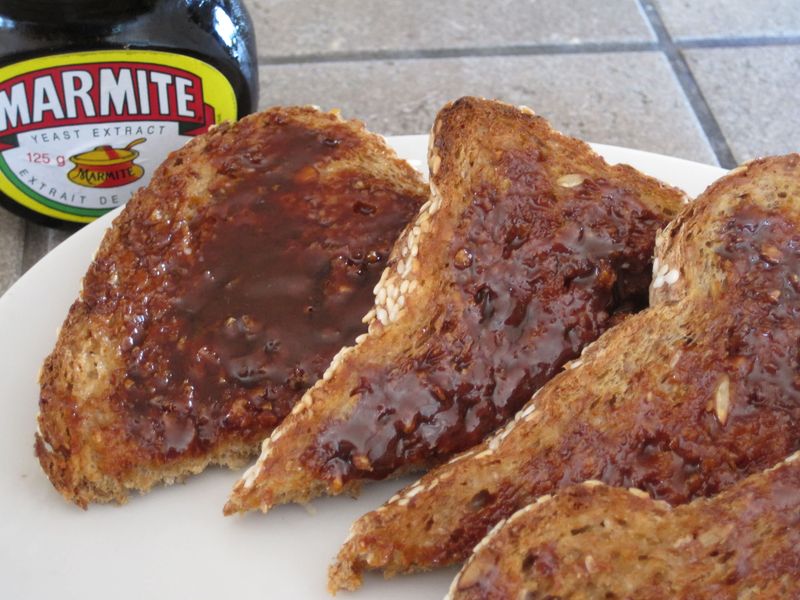
You either love it or you hate it. That is literally the marketing slogan for Marmite, and it perfectly captures how Britain feels about this sticky, dark, intensely savory spread made from leftover brewer's yeast.
Invented in the late 1800s, Marmite is packed with B vitamins and has been part of British breakfast culture for well over a century. During World War I, it was even included in soldiers' ration packs because of its nutritional value.
Talk about a legendary condiment.
4. British Cheese Culture Is Wildly Underrated
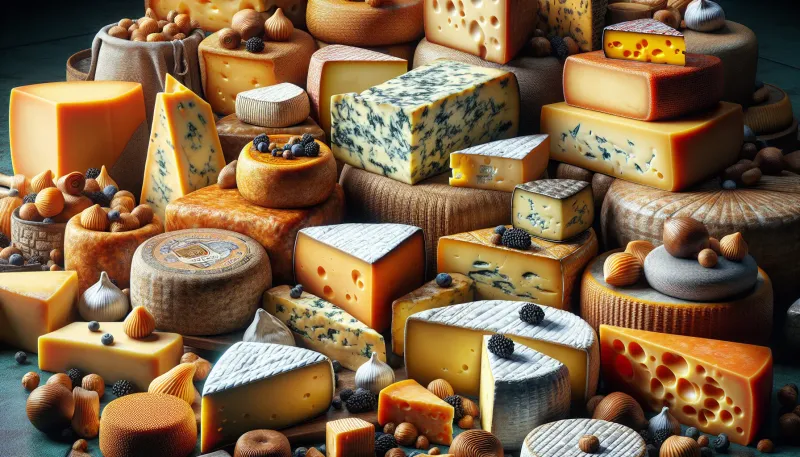
Most people think of France or Italy when they hear the word cheese, but Britain produces over 700 named varieties. Cheddar, Stilton, and Red Leicester are just the beginning of an enormous world of British dairy craftsmanship.
Cheddar cheese originated in a village in Somerset and has been made there since at least the 12th century. Stilton, the famous blue cheese, can only legally be produced in three specific English counties.
British cheese deserves far more recognition on the world stage.
5. Afternoon Tea Was Invented Out of Hunger
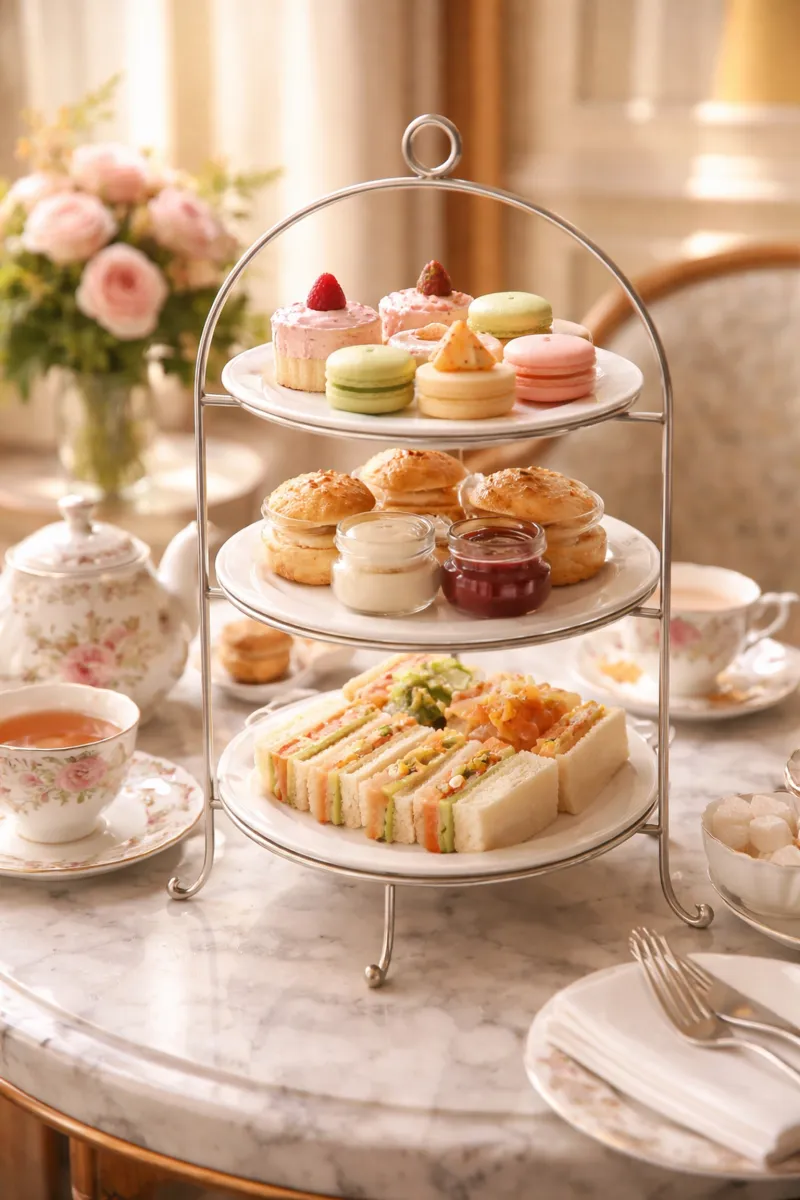
Anna, the 7th Duchess of Bedford, reportedly started afternoon tea in the 1840s because she kept getting hungry between lunch and the fashionably late dinner hour. She began asking for tea and small snacks to be brought to her room in the afternoon.
The idea caught on quickly among British high society, and soon it became a beloved national ritual. Scones, finger sandwiches, and delicate cakes became the standard menu.
What started as a duchess's snack break turned into one of Britain's most iconic cultural traditions.
6. Fish and Chips Has Jewish Roots
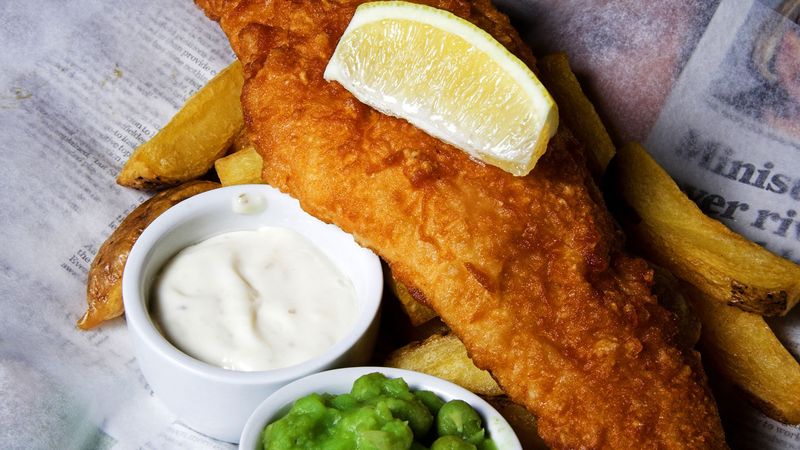
Fish and chips is the ultimate British comfort food, but its origins are surprisingly multicultural. The battered and fried fish portion is believed to have been introduced to Britain by Jewish immigrants from Spain and Portugal in the 17th century.
The chips part came later, likely from Belgian or French influences. By the Victorian era, the two had merged into the iconic dish we know today.
At one point, there were more fish and chip shops in Britain than McDonald's locations worldwide. That is a fun statistic to chew on.
7. Black Pudding Is Older Than You Think
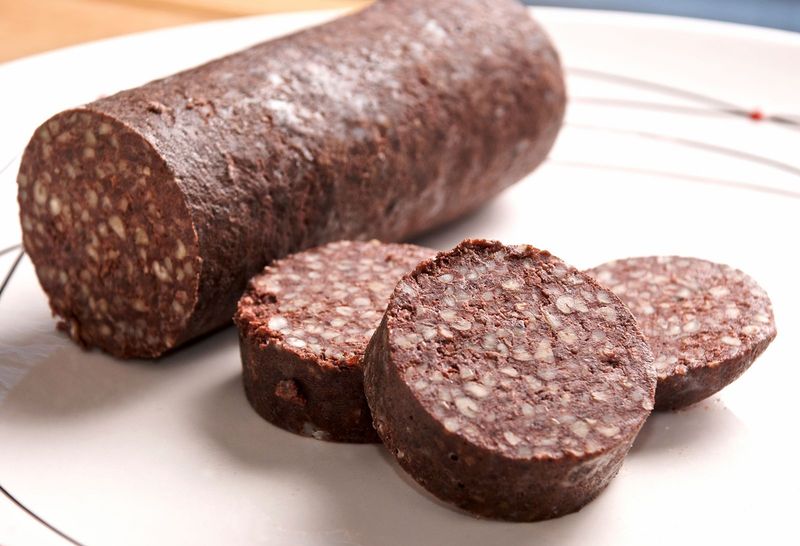
Black pudding sounds alarming to anyone who has never tried it, but this blood sausage has been eaten in Britain for thousands of years. Ancient Greeks and Romans both made similar blood-based sausages, and British versions have been documented since at least the 15th century.
Made from pork blood, fat, and oatmeal, black pudding is a staple of the full English breakfast. It even had a recent health food moment when nutritionists pointed out it is rich in protein, iron, and zinc.
8. Worcestershire Sauce Has a Surprisingly Exotic Origin
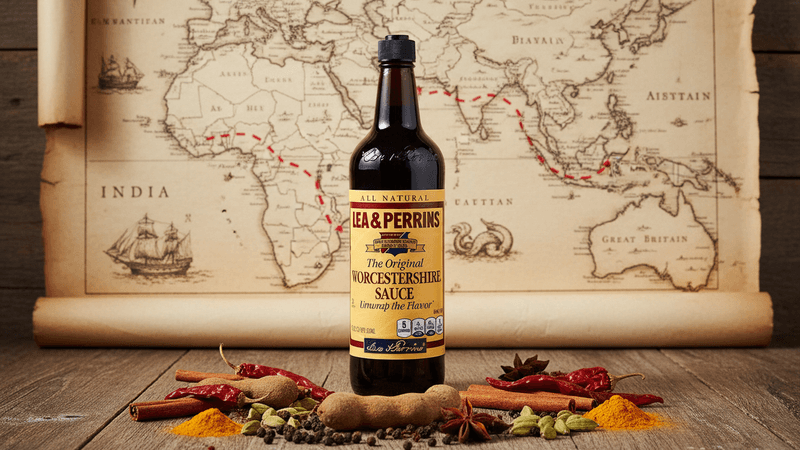
Worcestershire sauce is a British pantry staple, but its recipe was inspired by a fermented fish sauce from India. Lord Marcus Sandys, a former governor of Bengal, brought the recipe back to England in the 1830s and asked two chemists in Worcester to recreate it.
The chemists, John Wheeley Lea and William Perrins, made a large batch that smelled so awful they stored it in a cellar. When they rediscovered it months later, the fermentation had transformed it into something absolutely delicious.
A happy accident indeed.
9. The Full English Breakfast Varies by Region
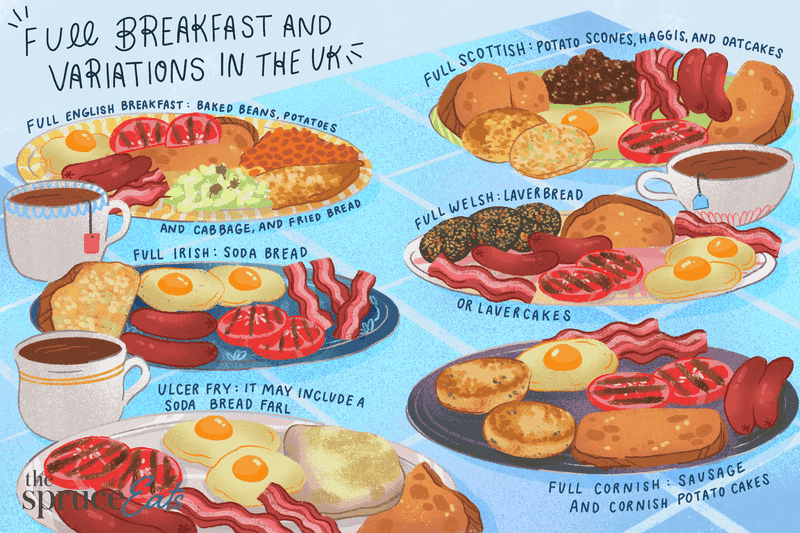
Most people picture the same plate when they hear full English breakfast, but the dish actually changes dramatically depending on where you are in the UK. In Scotland, you might find haggis, square sausage, and tattie scones instead of the standard baked beans and round sausage.
Wales has its own version featuring laverbread, which is made from seaweed. Northern Ireland adds soda bread and potato bread to the mix.
Every region takes serious pride in its own version, making breakfast a surprisingly passionate topic across the British Isles.
10. Baked Beans Are Actually American
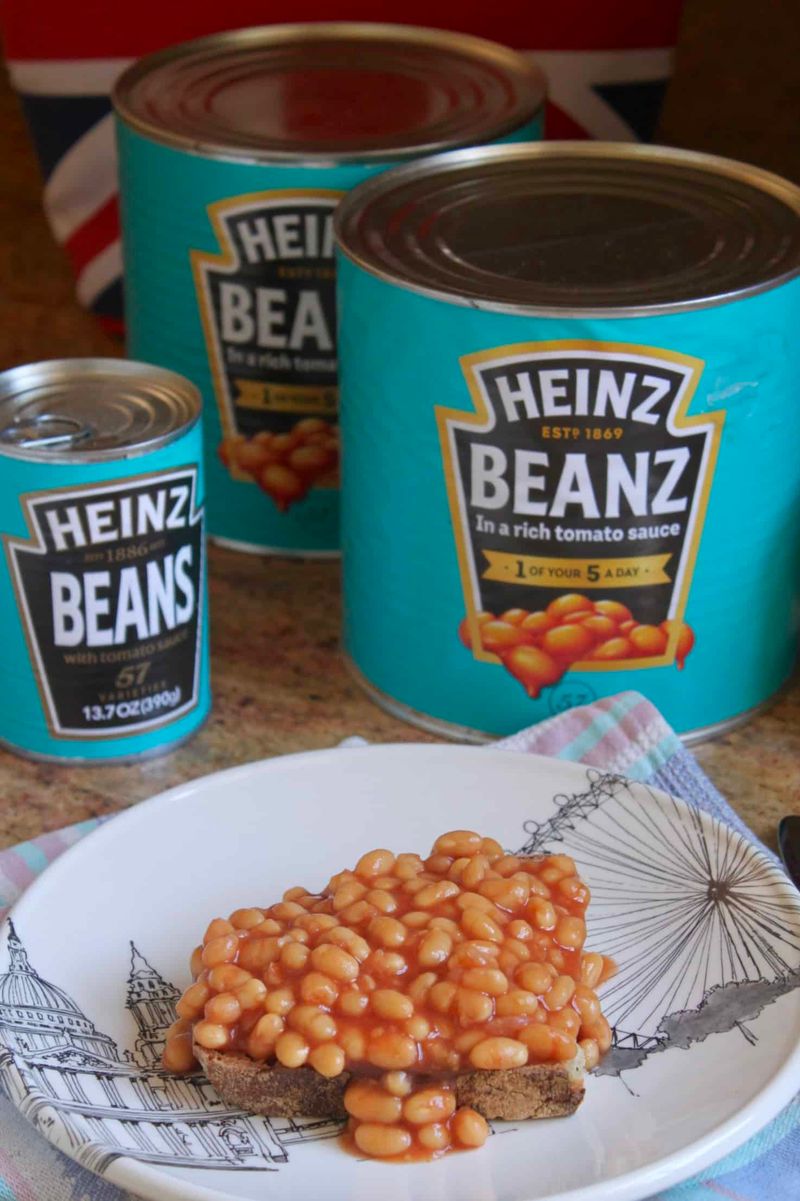
Baked beans on toast is one of the most British meals imaginable, yet the beans themselves are an American product. Heinz began exporting its canned baked beans to Britain in the early 1900s, and the country never looked back.
Originally a Native American dish, baked beans were adapted by American colonists and then mass-produced by Heinz. Britain now consumes more Heinz baked beans per capita than any other country in the world.
Something borrowed can truly become something beloved over time.
11. Cornish Pasties Were Miners' Lunchboxes
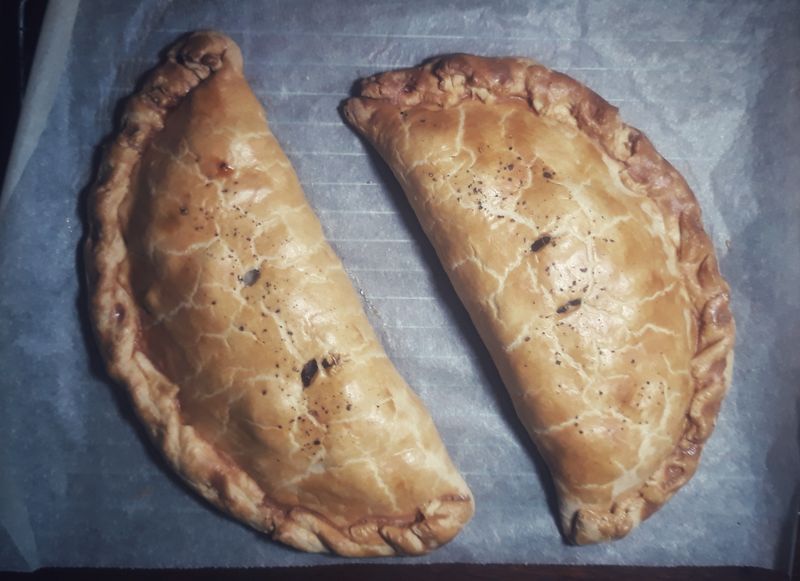
The thick crimped edge on a Cornish pasty was not just decorative. Tin miners in Cornwall used it as a handle so they could eat their lunch without transferring toxic metals from their hands to their food, then toss the crust away.
Pasties were designed to be a complete meal, with meat and vegetables at one end and jam or fruit at the other for dessert. Cornish pasties now have protected geographical status in the EU, meaning only pasties made in Cornwall can officially use the name.
12. Britain Has a Rich History of Foraging
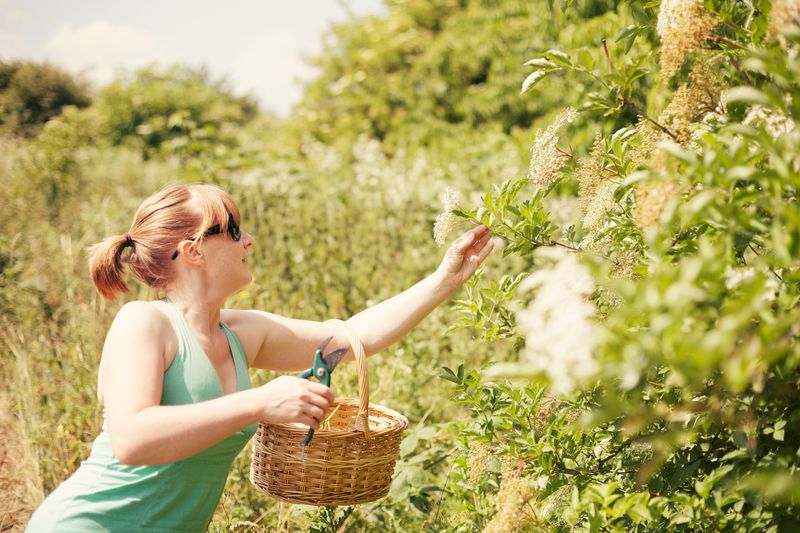
Long before supermarkets existed, British people foraged hedgerows and forests for food. Elderberries, wild garlic, blackberries, and nettles were all common ingredients in rural British cooking for centuries, and that tradition never fully disappeared.
Foraging has made a major comeback in recent years, with chefs and home cooks rediscovering wild ingredients. Nettle soup and elderflower cordial have both become fashionable again.
There is something wonderfully grounding about gathering your dinner from the same countryside your ancestors walked through.
13. Spotted Dick Is Exactly What It Sounds Like
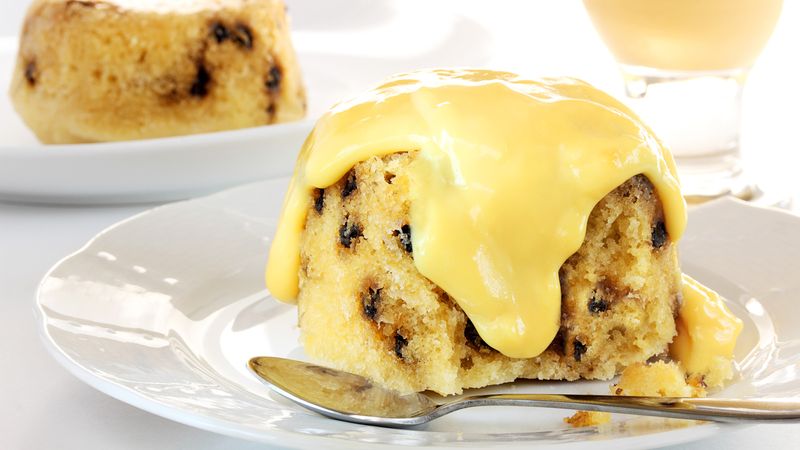
No, it is not a joke. Spotted dick is a classic British steamed suet pudding filled with dried currants or raisins, and it has been on British menus since at least the 1850s.
The word spotted refers to the fruit, and dick may come from an old word for dough or pudding.
Some restaurants have tried renaming it to avoid snickering, but most Brits insist on keeping the original name with great affection. It is usually served warm with a generous pour of custard, and it tastes absolutely wonderful.
14. Eton Mess Was Born from a Sports Day Accident
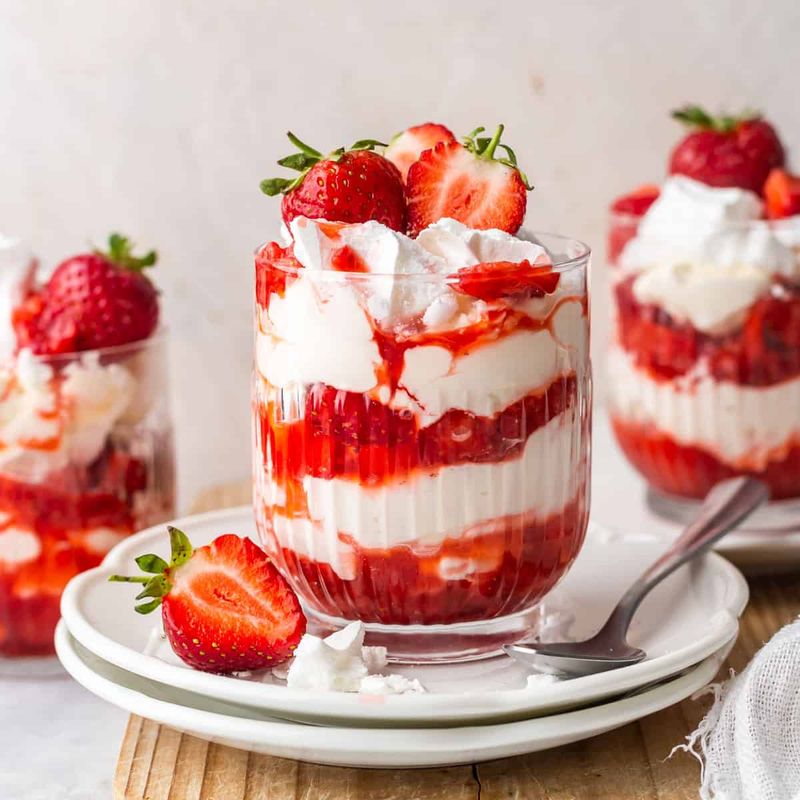
According to popular legend, Eton mess was created when a Labrador dog sat on a strawberry meringue dessert during a school picnic at Eton College. Rather than waste it, someone mixed the crushed meringue with cream and strawberries, and a classic was born.
Whether the dog story is true or not, the dessert has been a beloved British summer treat since the 1930s. It is wonderfully simple to make and tastes like a celebration in a bowl.
Sometimes the best recipes really do come from happy accidents.
15. British Pubs Serve More Than Just Beer
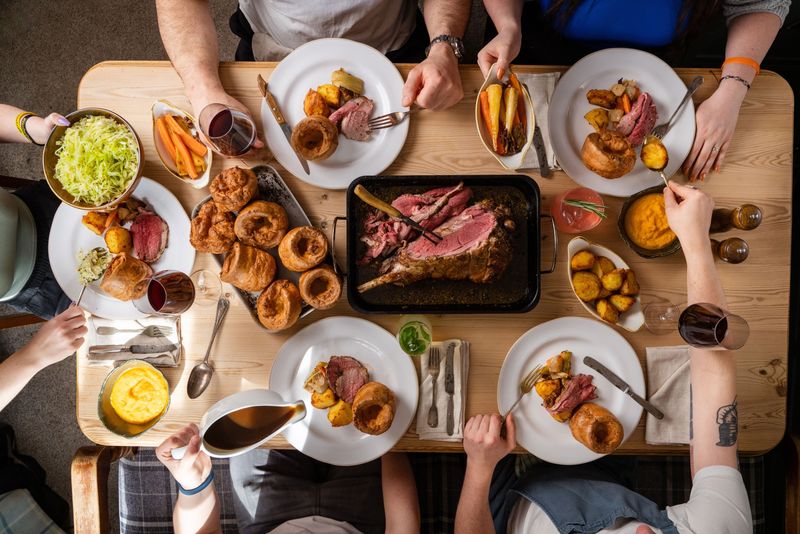
The British pub is a cultural institution, but its food menu has evolved far beyond simple bar snacks. The gastropub movement, which began in London in the 1990s, transformed pubs into serious dining destinations serving high-quality, locally sourced meals.
Sunday roast is still the undisputed king of pub food, with roasted meats, crispy roast potatoes, Yorkshire pudding, and gravy all piled onto one glorious plate. Millions of British families make the Sunday pub roast a weekly ritual that doubles as a social event.
16. Yorkshire Pudding Was Originally Served Before the Main Course
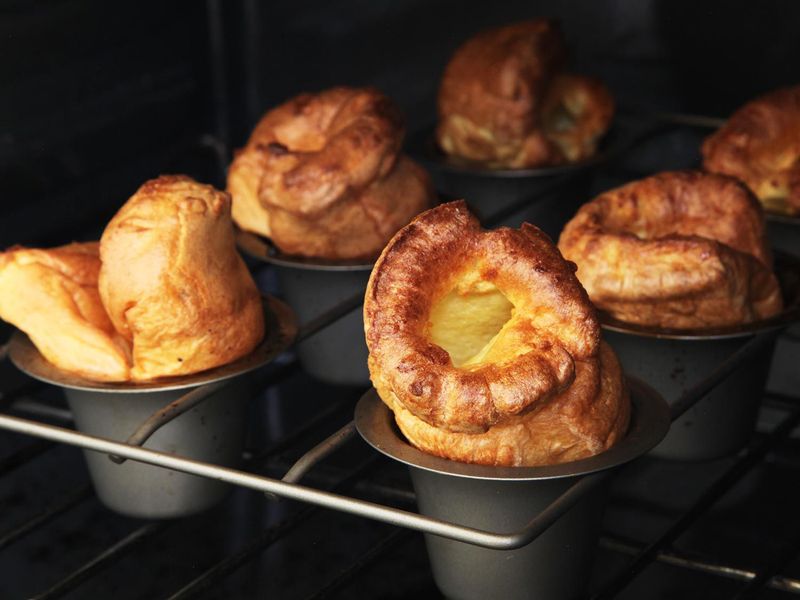
Yorkshire pudding, that fluffy baked batter dish, was not always served alongside roast beef. Historically, it was brought out before the main meal to fill up hungry diners so they would eat less of the more expensive meat that followed.
Made from a simple batter of eggs, flour, and milk, it was cooked beneath the roasting meat to catch the dripping fat. Frugal and delicious, it became a staple of working-class British cooking.
Today it is considered the crown jewel of a proper Sunday roast.
17. Britain Once Had a Thriving Spice Trade Culture
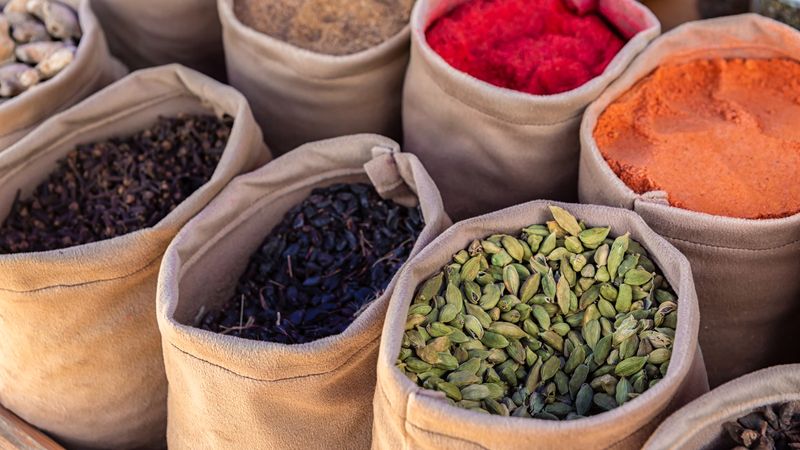
Medieval British cooking was actually loaded with bold spices. Wealthy households used cinnamon, cloves, pepper, saffron, and ginger generously in both sweet and savory dishes.
Spices were status symbols, and using them lavishly showed off your wealth to dinner guests.
It was only after the Industrial Revolution, when cheap, mass-produced food became the norm, that British cooking developed its reputation for blandness. Modern British chefs have been working hard to reclaim that spiced, adventurous culinary heritage.
The history books paint a much tastier picture than the stereotypes suggest.
18. Haggis Is Scotland's Most Misunderstood Dish
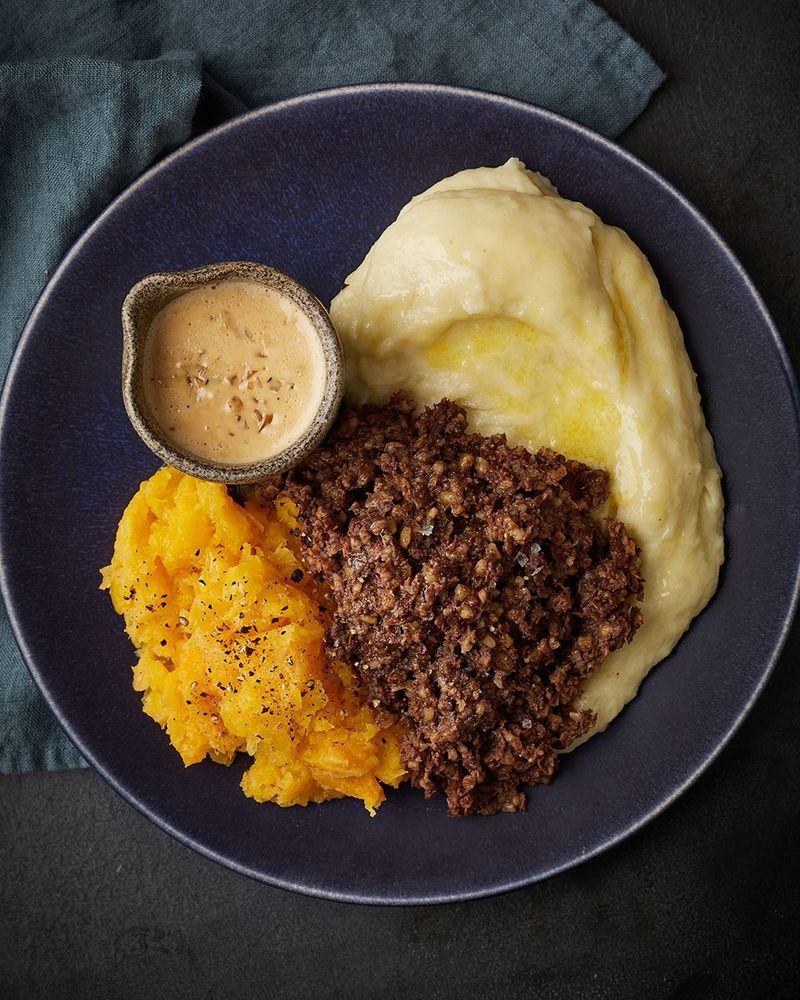
Haggis has a reputation that scares away most tourists, but Scots absolutely adore it. Made from sheep offal mixed with oatmeal, onions, and spices, then traditionally cooked in a sheep's stomach, it sounds far more terrifying than it tastes.
In reality, haggis has a rich, peppery, earthy flavor that pairs beautifully with mashed turnip and potato. Robert Burns, Scotland's most celebrated poet, wrote an entire ode to haggis in 1787.
Every year on Burns Night, January 25th, Scots celebrate with haggis, whisky, and poetry.
19. British Baking Has Ancient Roots
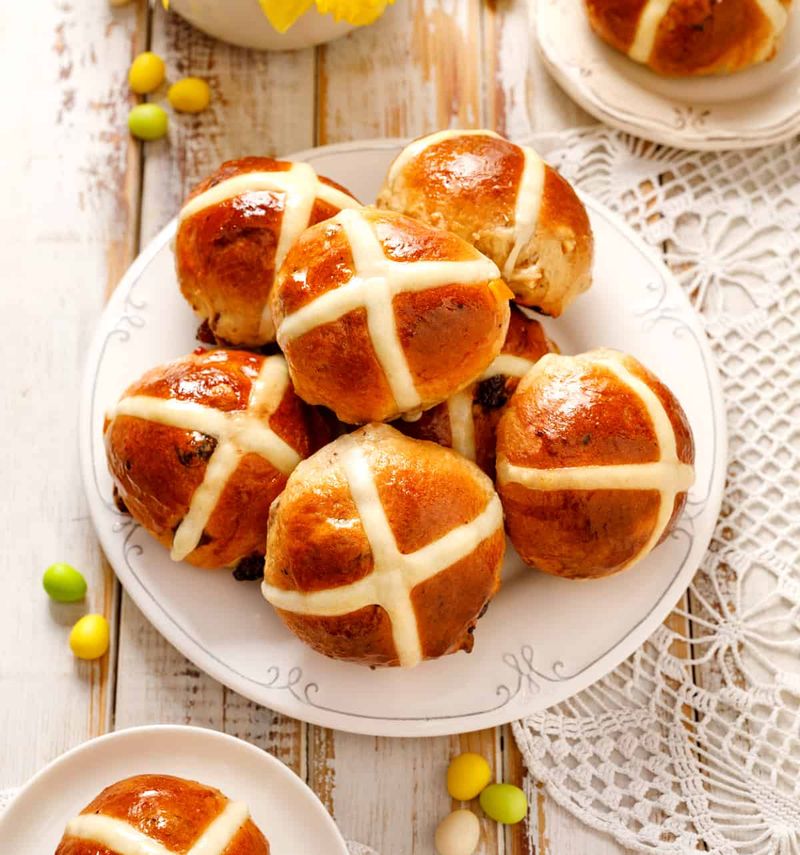
Britain has been a nation of bakers since ancient times. Archaeological evidence suggests bread was being baked in Britain over 6,000 years ago.
Hot cross buns, traditionally eaten on Good Friday, have been part of British culture since at least the 12th century.
The Victoria sponge cake, named after Queen Victoria herself, became a symbol of proper British teatime in the 19th century. From crumpets to shortbread, British baking has quietly built one of the most comforting and diverse pastry traditions in the world.
20. Britain Pioneered the Concept of Convenience Food
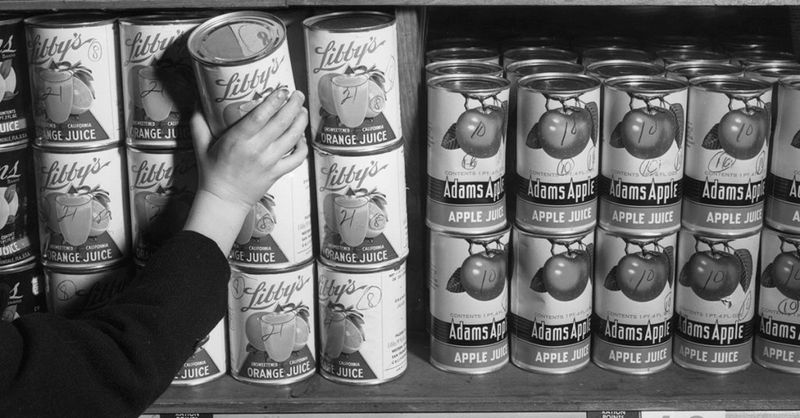
Long before microwave meals became a global phenomenon, Britain was already embracing the idea of convenience food. Heinz introduced canned goods to British kitchens in the early 1900s, and rationing during World War II made pre-packaged, shelf-stable food a necessity for millions of households.
The UK produced the world's first commercially successful frozen meal in the 1950s, and the country has been a major innovator in packaged food ever since. Not the most glamorous culinary legacy, but a genuinely influential one that changed how the whole world eats.




Comments
No Comments