













You've probably heard plenty of "facts" about healthy eating from friends, family, or the internet. But here's the surprising truth: many of those so-called facts are actually myths that have been passed around for years.
From avoiding all fats to drinking eight glasses of water daily, some popular beliefs about food and nutrition just don't hold up to science. Get ready to rethink what you thought you knew about eating well.
1. Eating Fat Makes You Fat
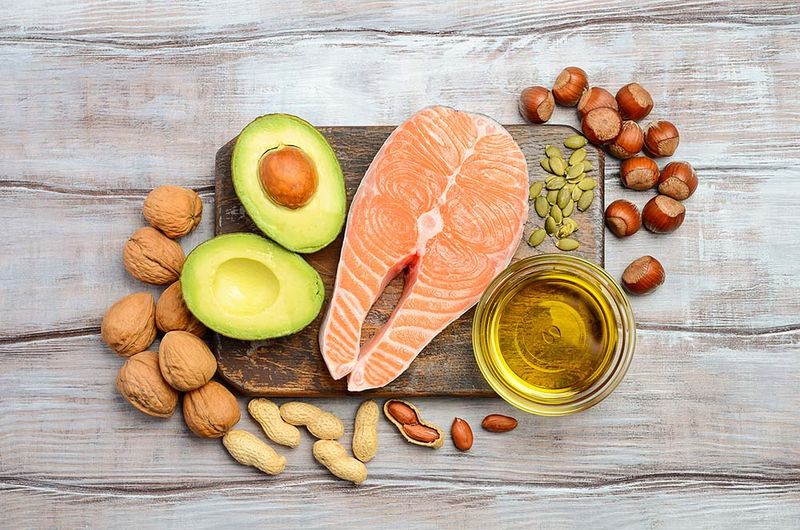
Fat got a terrible reputation back in the 1980s, and that bad buzz never fully went away. But here's the real deal: eating fat does not automatically make your body store fat.
Your body needs healthy fats from foods like avocados, nuts, and olive oil to function properly.
What actually causes weight gain is consuming more calories than your body burns. Cutting out all fat can actually leave you feeling hungrier and less satisfied after meals.
2. Carbs Are Always Bad for You
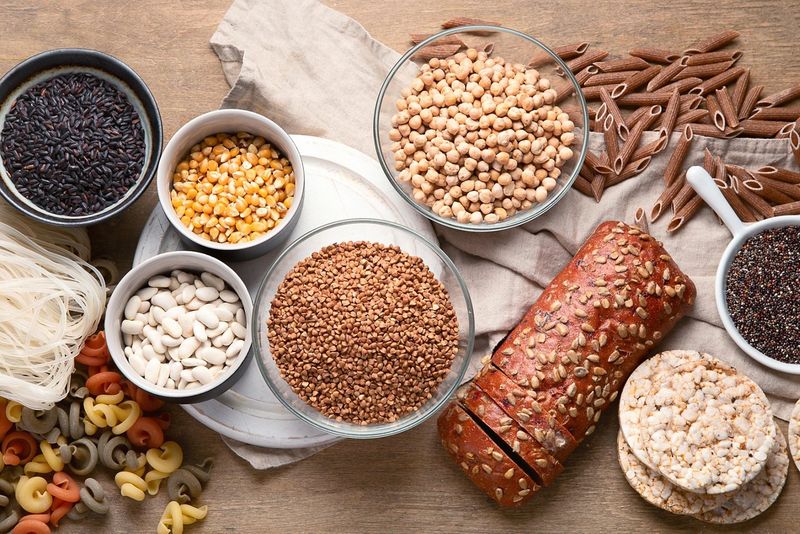
Somewhere along the way, carbohydrates became the villain of the nutrition world. Trendy low-carb diets made people think all carbs are harmful, but that's simply not true.
Whole grains, fruits, and vegetables are all carbohydrate-rich foods that fuel your brain and muscles every single day.
The real problem comes from refined carbs like white bread and sugary snacks, not carbs as a whole food group. Your body actually relies on carbohydrates as its main energy source.
3. You Need Eight Glasses of Water Every Day

Eight glasses a day sounds so clean and simple that it stuck around for decades. The truth is, there's no solid scientific study behind this specific number.
How much water you actually need depends on your body size, activity level, the climate you live in, and what foods you eat.
Fruits and vegetables contain a surprising amount of water that counts toward your daily hydration. Your body sends you thirst signals for a reason, so listening to them works just fine.
4. Breakfast Is the Most Important Meal of the Day
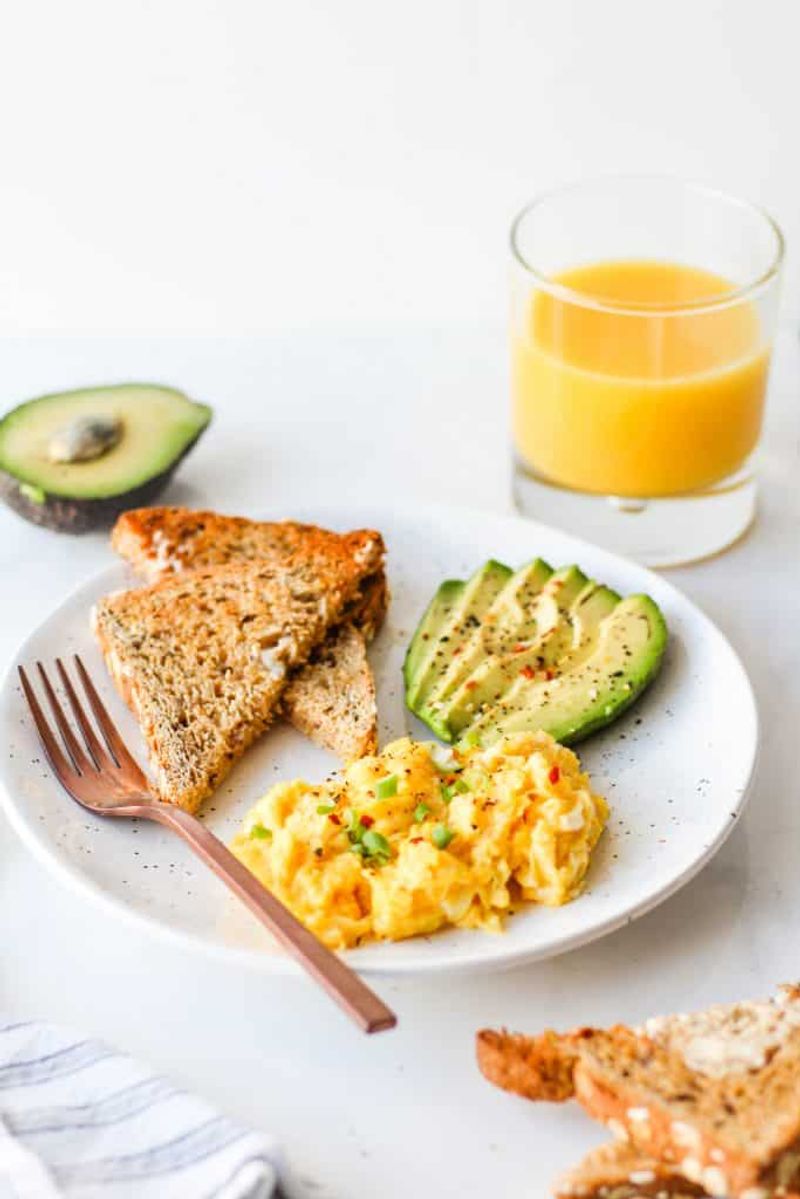
This popular saying was actually made famous by cereal companies in the early 1900s as a marketing strategy. While breakfast can be a great habit for many people, skipping it does not automatically wreck your health or metabolism.
Some people simply aren't hungry in the morning, and that's perfectly normal.
What matters far more is the overall quality of your diet throughout the entire day. Forcing yourself to eat when you're not hungry isn't necessarily a healthy move.
5. Fresh Produce Is Always Healthier Than Frozen

Most people automatically reach for fresh vegetables thinking they're making the superior choice. Frozen fruits and vegetables are typically harvested at peak ripeness and flash-frozen within hours, locking in their nutrients almost immediately.
Fresh produce, on the other hand, can spend days or even weeks traveling to your grocery store.
During that travel time, important vitamins and minerals can actually break down. Frozen options are often just as nutritious and usually more affordable, making them a smart everyday choice.
6. Eating Late at Night Causes Weight Gain

Late-night snacking has been blamed for weight gain for years, but the timing of your meals matters far less than most people think. Your body doesn't suddenly switch into fat-storage mode once the clock hits 8 PM.
Weight gain happens when you consistently eat more calories than your body uses, regardless of the hour.
The real issue with late-night eating is that people tend to reach for high-calorie, low-nutrition snacks when they're bored or tired. It's the food choice, not the clock, that creates the problem.
7. Organic Food Is Significantly More Nutritious
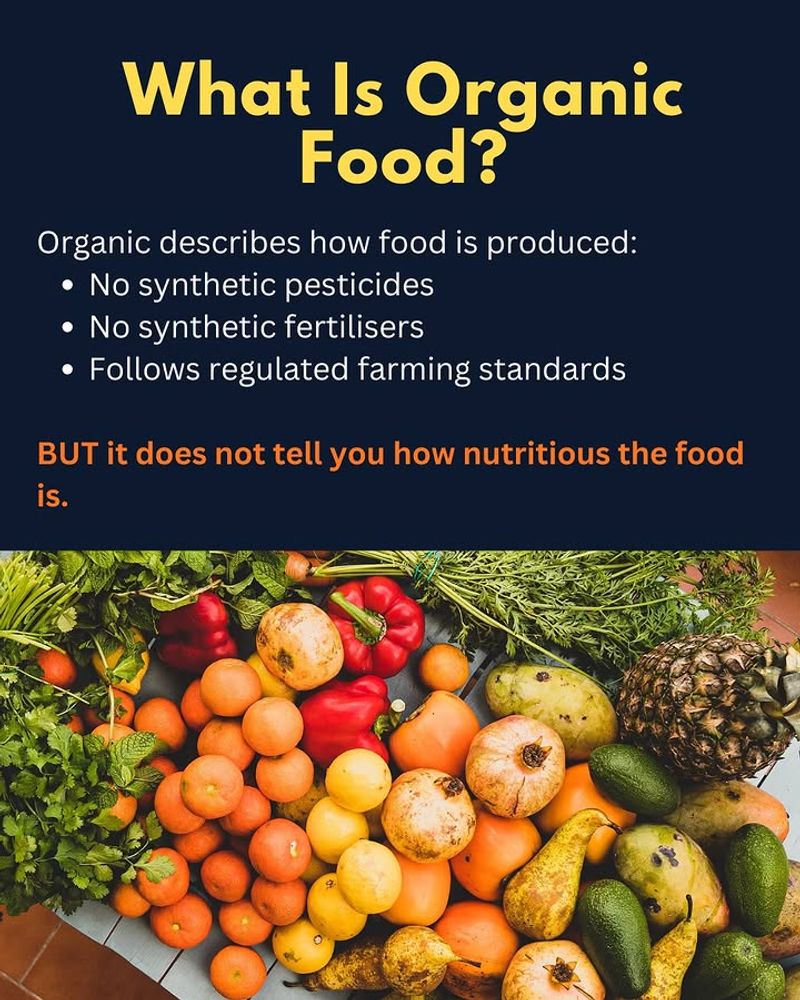
Organic produce has a shiny health halo that makes it seem far superior to conventional food. Extensive research, including a large Stanford University review, found very little difference in the nutritional content between organic and conventionally grown foods.
Both types deliver similar amounts of vitamins and minerals to your body.
Choosing organic may reduce your exposure to certain pesticide residues, which is a valid reason to buy it. But expecting dramatically better nutrition from organic labels alone is not backed by strong scientific evidence.
8. Protein Supplements Are Essential for Building Muscle

Walk into any gym and you'll see people chugging protein shakes like they're mandatory equipment. Protein supplements are convenient, but they're far from essential for building muscle or improving fitness.
Most people who eat a balanced diet already get plenty of protein from whole foods like eggs, beans, chicken, and dairy.
Real food protein comes packaged with other nutrients that powders simply don't provide. Supplements are helpful in certain situations, but they're not a magic shortcut that regular food can't also deliver.
9. Detox Diets Cleanse Your Body of Toxins
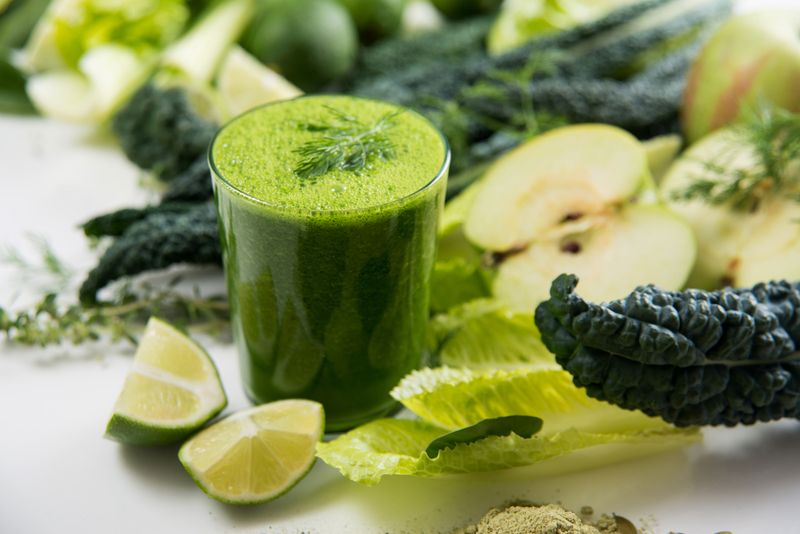
Juice cleanses and detox programs are sold with bold promises about flushing harmful toxins from your body. Here's the thing: your liver and kidneys are already doing that job around the clock, completely for free.
No special juice, tea, or three-day program has been scientifically proven to enhance this natural process.
Most detox diets are extremely low in calories, which is why people sometimes feel lighter afterward. That feeling is largely from reduced calorie intake and water weight loss, not actual toxin removal.
10. Brown Sugar Is Much Healthier Than White Sugar

Brown sugar looks more natural and wholesome, which tricks many people into thinking it's a dramatically healthier swap. In reality, brown sugar is simply white sugar with a small amount of molasses added back in for color and flavor.
The nutritional difference between the two is almost completely negligible.
Both types contain nearly identical calorie counts and affect your blood sugar in essentially the same way. Choosing brown over white sugar is mostly a flavor preference, not a meaningful health decision.
11. Eating Small Meals Throughout the Day Boosts Metabolism
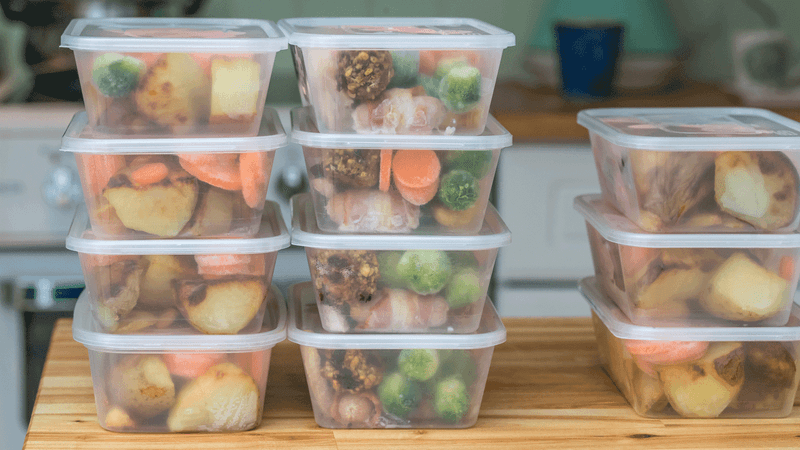
For years, nutrition advice pushed the idea of eating five or six small meals daily to keep your metabolism fired up. Multiple studies have since shown that meal frequency has very little effect on how fast your metabolism actually runs.
Your total calorie and nutrient intake across the day matters far more than how many times you eat.
Some people genuinely feel better eating smaller, more frequent meals, and that's completely valid for them. But if you prefer three solid meals, your metabolism isn't suffering because of it.
12. All Calories Are Created Equal
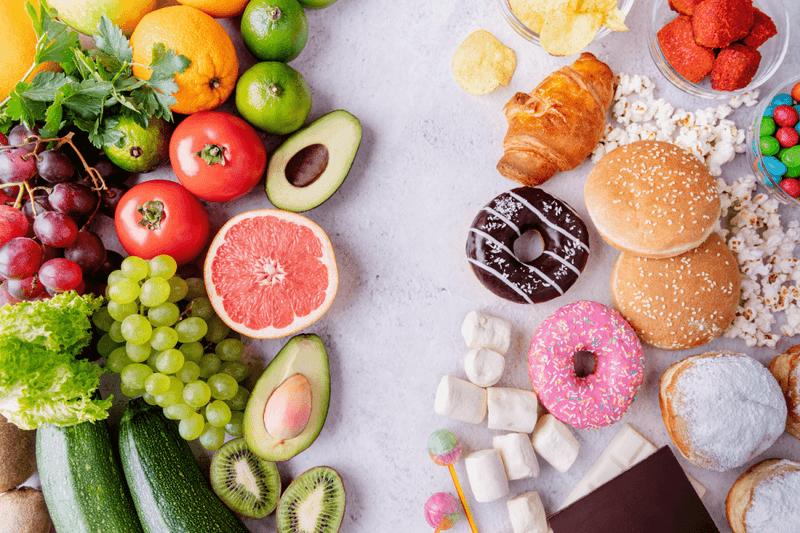
A calorie is a unit of energy, so on paper they all sound identical. But 200 calories of broccoli and 200 calories of candy do very different things inside your body.
Whole foods provide fiber, vitamins, and minerals that affect hunger hormones, digestion, and energy levels in ways that processed foods simply cannot match.
The source of your calories directly influences how full you feel, how your blood sugar responds, and how well your body functions. Counting calories alone misses a huge part of the nutrition picture.
13. Gluten-Free Foods Are Healthier for Everyone
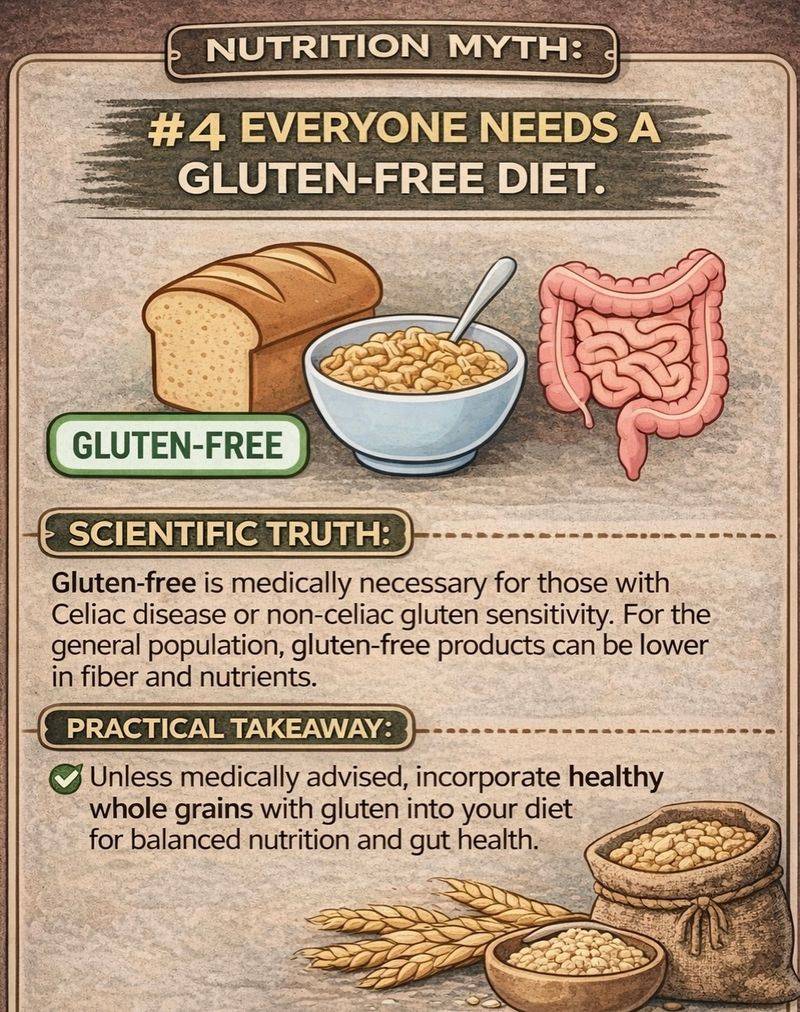
Gluten-free products have exploded in popularity, with many people believing they're making a healthier choice by avoiding gluten. For people with celiac disease or a true gluten sensitivity, avoiding gluten is absolutely medically necessary.
For everyone else, there's no proven health benefit to cutting it out of your diet.
Many gluten-free packaged products actually contain more sugar, fat, and artificial additives than their regular counterparts. Without a medical reason to avoid gluten, swapping to gluten-free versions can sometimes mean eating a less nutritious product overall.
14. Juicing Is Better Than Eating Whole Fruit
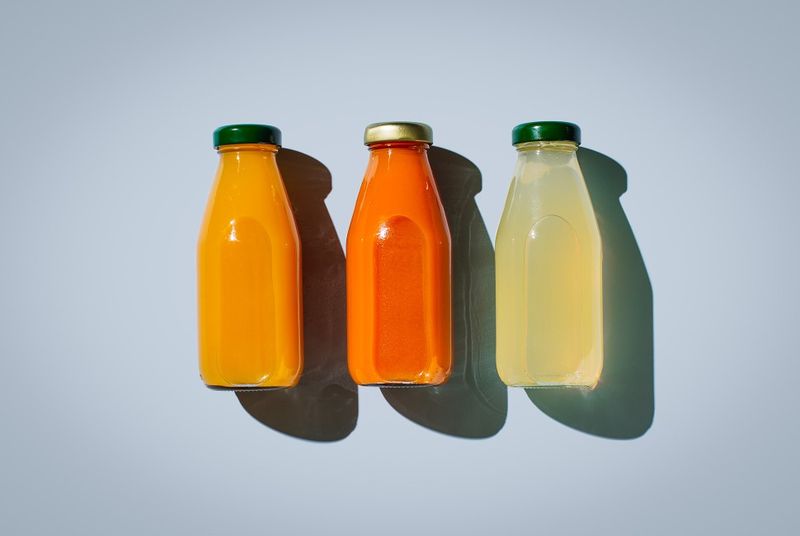
Juicing has been trendy for years, presented as the ultimate way to flood your body with nutrients. When you juice a fruit, you remove most of the fiber, which is one of the most valuable parts of eating whole produce.
Fiber slows digestion, keeps you fuller longer, and helps manage blood sugar levels effectively.
Fruit juice also concentrates natural sugars, meaning you can consume far more sugar in one glass than you'd ever eat in whole fruit form. Whole fruits offer a more balanced nutritional package every time.
15. Sea Salt Is a Healthier Alternative to Table Salt
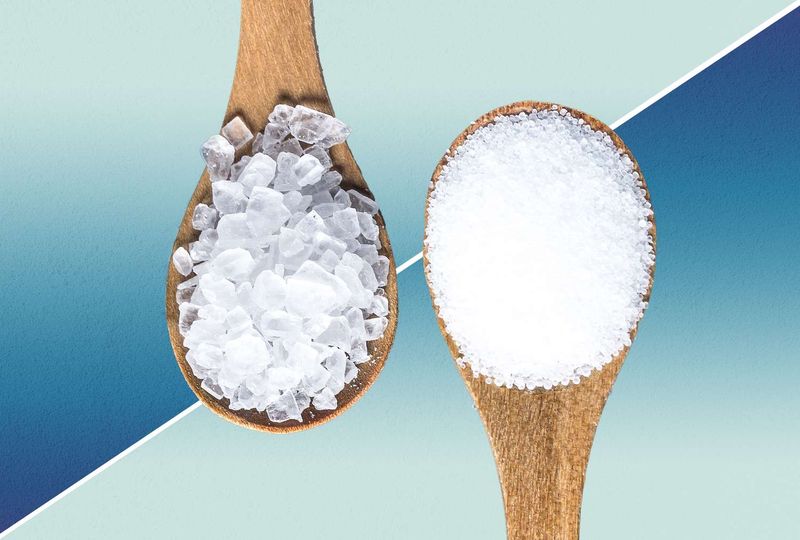
Sea salt has a premium, natural reputation that makes it sound far superior to ordinary table salt. Both types contain nearly the same amount of sodium per teaspoon, which is the main ingredient that affects blood pressure and heart health.
The tiny trace minerals in sea salt exist in such small quantities that they provide no real nutritional benefit.
The main difference between the two is texture and flavor, not health value. If you're monitoring your sodium intake, the type of salt you choose matters far less than how much you use.
16. Microwaving Food Destroys Its Nutrients

Plenty of people avoid microwaving vegetables because they believe it zaps away all the good stuff. Cooking method and cooking time actually have a much bigger impact on nutrient loss than whether you use a microwave or a stovetop.
Microwaves cook food quickly and with minimal water, which actually helps preserve certain heat-sensitive vitamins better than boiling does.
Boiling vegetables in large amounts of water causes far more nutrient loss than a quick microwave session. Short cooking times and less water exposure generally mean more nutrients stay in your food.
17. Natural Sugars Are Completely Fine in Any Amount

Honey, maple syrup, and fruit sugars carry a health halo because they come from natural sources. Your body processes fructose from honey and fructose from a candy bar through very similar metabolic pathways.
Consuming excessive amounts of natural sugar can still raise blood sugar levels and contribute to unwanted calorie intake.
Whole fruits are a different story because their fiber slows sugar absorption significantly. But concentrated natural sweeteners like agave or honey should still be used in moderation, just like any other sweetener.
18. High-Protein Diets Are Safe for Everyone
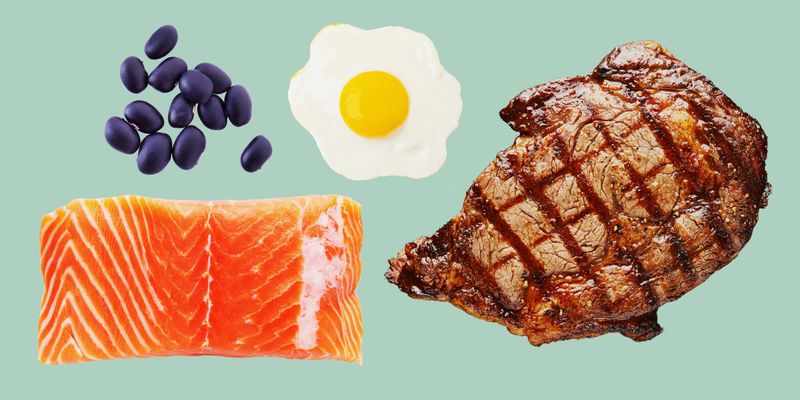
High-protein diets are incredibly popular right now, and for many healthy adults they can be a useful eating approach. However, people with existing kidney disease or certain metabolic conditions need to be careful about consuming very large amounts of protein.
The kidneys work hard to process protein byproducts, and overloading them can worsen pre-existing conditions over time.
For most healthy people, moderately higher protein intake is perfectly safe and even beneficial. The key word is moderation, and checking with a doctor before drastically changing your protein intake is always a smart move.
19. Eating Eggs Raises Your Cholesterol Dangerously
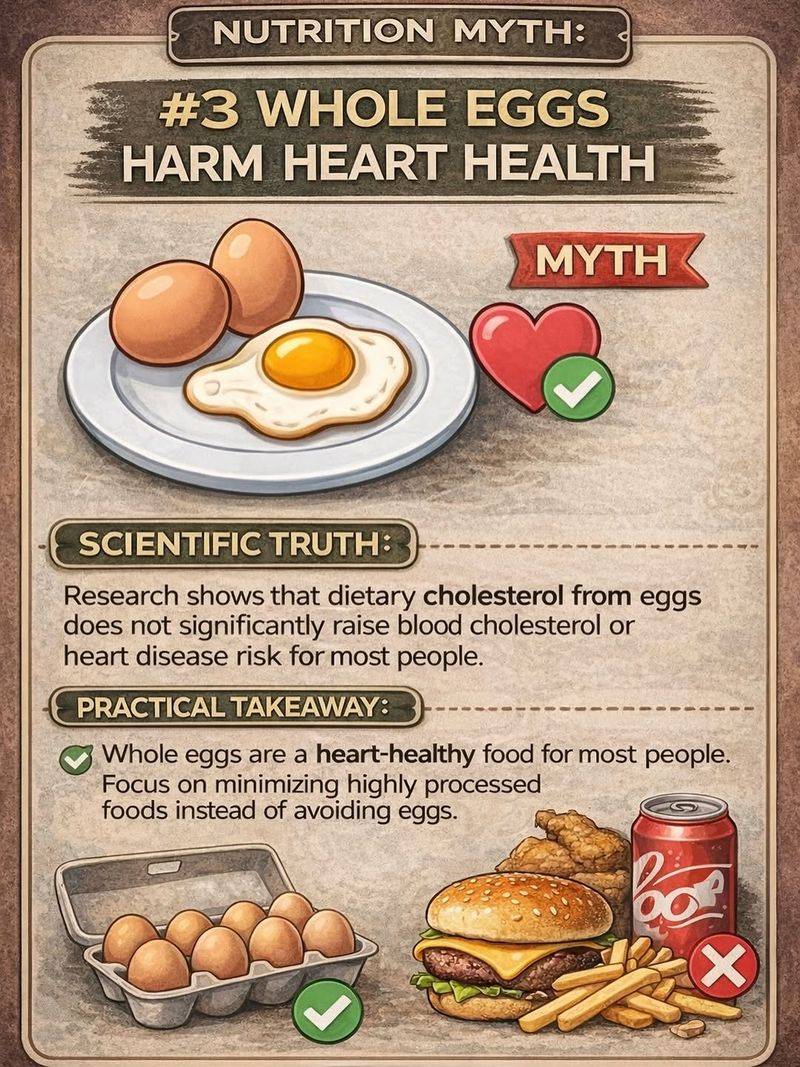
For decades, eggs were treated like tiny cholesterol bombs that would clog your arteries with every bite. Current nutritional science tells a much more nuanced story about dietary cholesterol and heart health.
For most healthy people, eating eggs in reasonable amounts does not significantly raise harmful LDL cholesterol levels in the blood.
Saturated fats and trans fats found in processed foods have a far greater impact on blood cholesterol than eggs do. Eggs are also packed with protein, vitamins, and minerals, making them one of the most nutrient-dense foods available.
20. Supplements Can Replace a Balanced Diet
Vitamin bottles and supplement capsules are tempting shortcuts that promise to fill every nutritional gap in your diet. The problem is that whole foods contain thousands of naturally occurring compounds, including antioxidants, phytonutrients, and fiber, that no supplement can fully replicate in a pill.
Scientists are still discovering new beneficial compounds found in real foods that haven't even been put into supplements yet.
Supplements can be genuinely helpful for addressing specific deficiencies or medical needs. But popping a multivitamin while eating a poor diet does not come close to matching the benefits of actually eating nutritious whole foods.




Comments
No Comments