













We have all been there - you find an amazing recipe online, head to the grocery store, and end up buying a bunch of ingredients you have never heard of before. The recipe turns out great, but now you have a half-used bottle of something sitting in your pantry collecting dust.
These forgotten ingredients end up getting tossed out weeks later, wasting both food and money. Here are 20 grocery items that people almost always buy for just one recipe and never touch again.
1. Fish Sauce
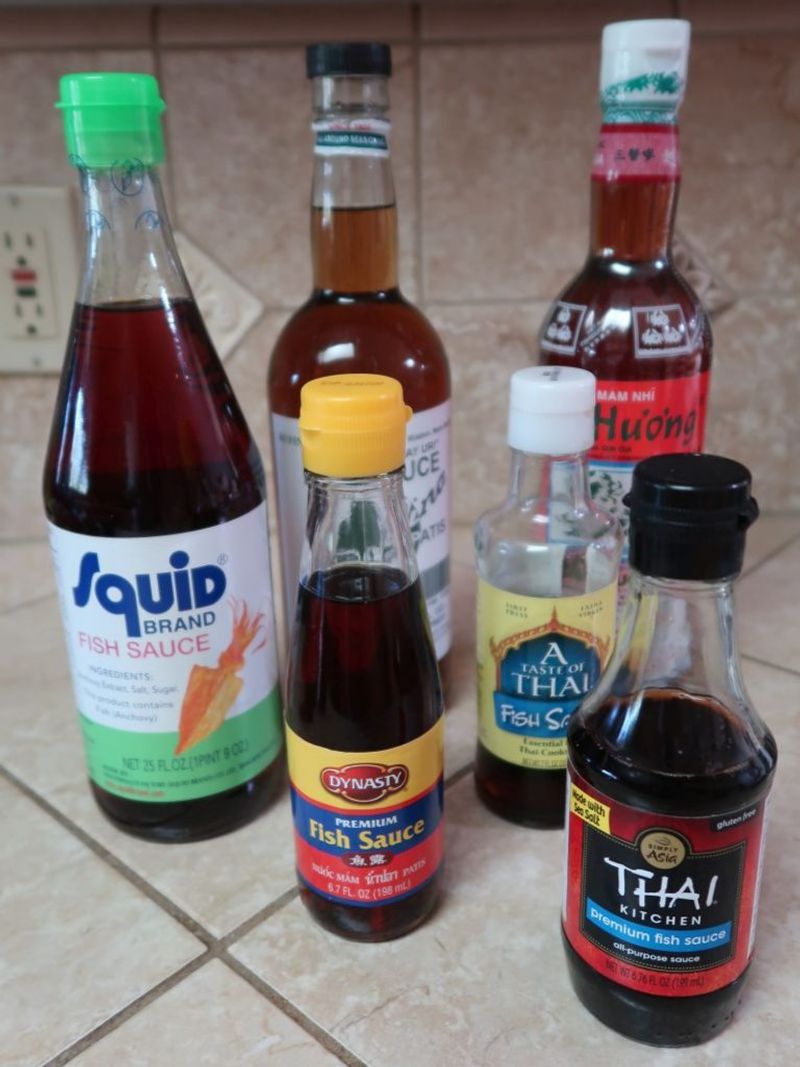
That one Thai curry recipe called for two tablespoons of fish sauce, and now you have a nearly full bottle with nowhere to go. Fish sauce has a very strong, salty, and slightly funky smell that turns most people off from using it again.
It is made from fermented fish and salt, and even a small splash packs a huge punch of flavor.
Storing it in the fridge after opening can help it last longer, but most home cooks just forget it is there.
2. Tamarind Paste
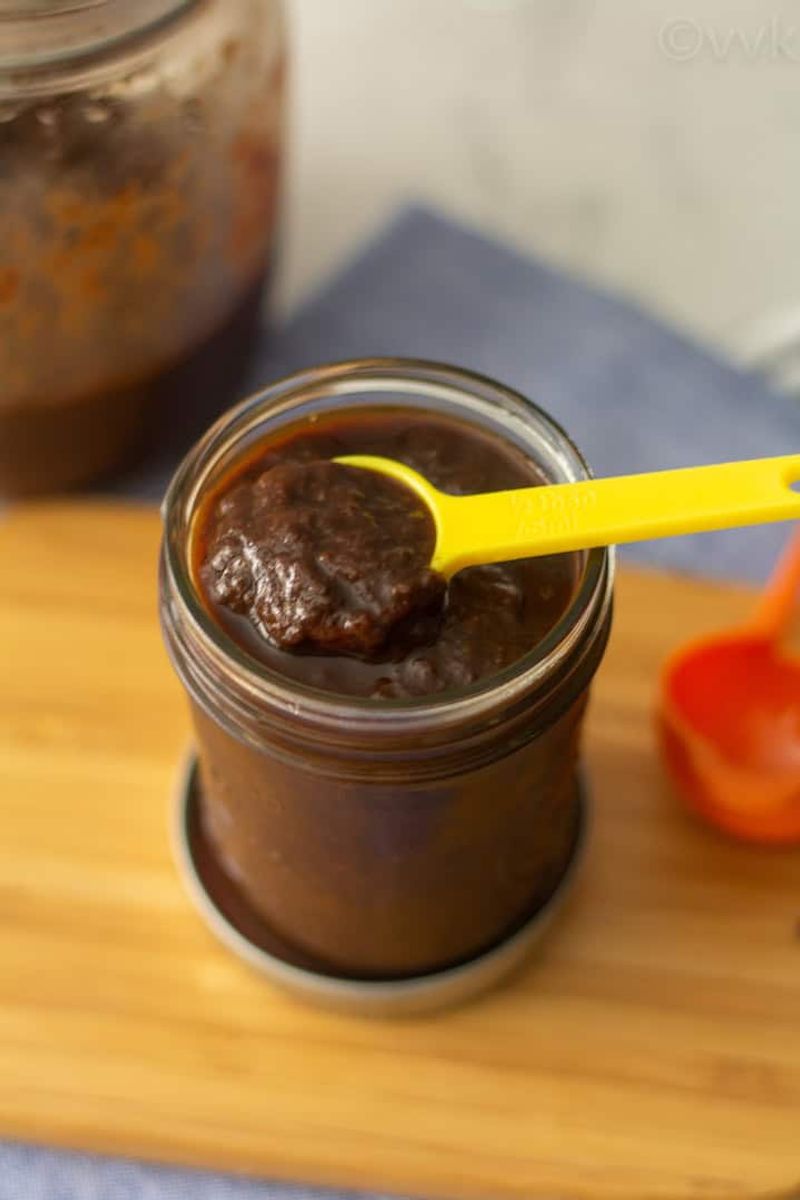
Tamarind paste has a unique sour and tangy flavor that shows up in pad thai recipes and certain Indian chutneys. Most people buy the whole jar for a single dish and then have no idea what else to do with it.
The thick, dark paste looks a little intimidating, and not many everyday recipes call for it.
Surprisingly, tamarind works well in marinades and even some cocktails, but most shoppers never get that far before tossing the jar.
3. Miso Paste
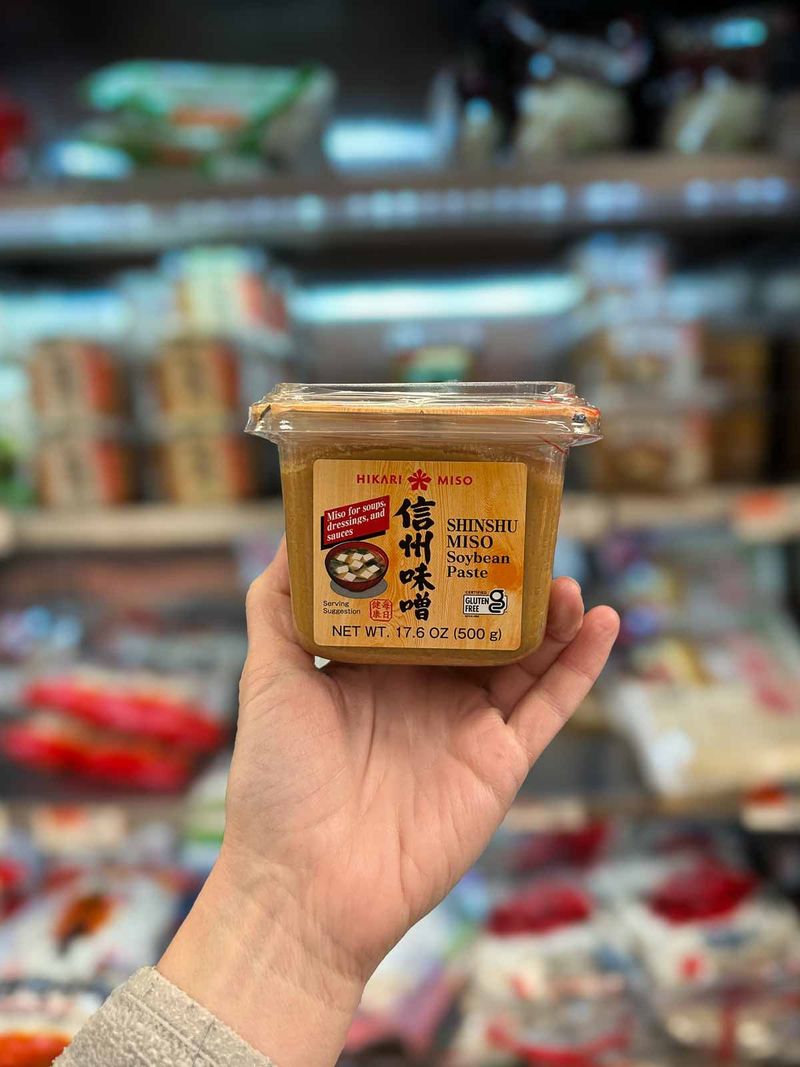
Miso soup at a Japanese restaurant sounds so simple that people think they can recreate it at home easily. They pick up a tub of miso paste, make one batch of soup, and then the rest sits in the fridge for months.
Miso is actually a fermented soybean paste that comes in several varieties, including white, yellow, and red.
Each type has a different strength of flavor. While it does last a long time when refrigerated, most people never find a second use for it.
4. Lemongrass
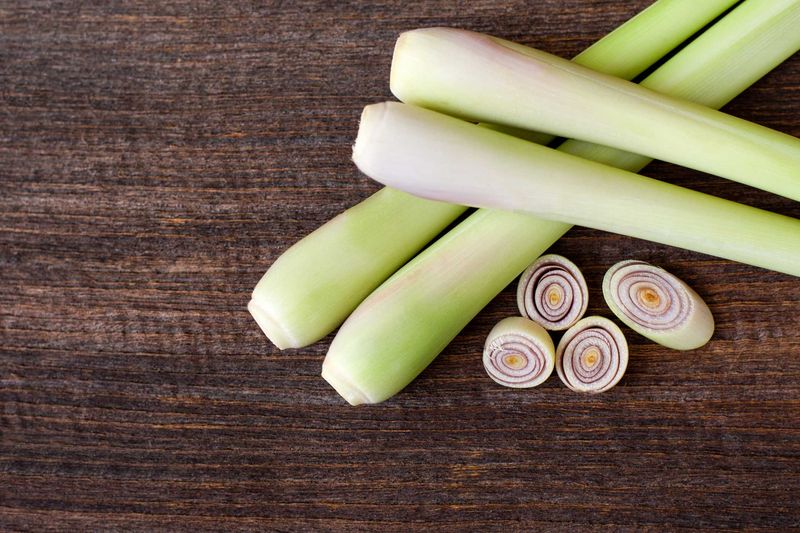
Lemongrass shows up in Thai and Vietnamese recipes and gives dishes a fresh, citrusy flavor that is hard to replicate with anything else. The problem is that it usually comes in a bunch of several stalks, and most recipes only need one or two.
The stalks are tough and fibrous, so they cannot just be eaten like regular vegetables.
Many cooks are unsure how to prep it properly beyond what the recipe says, so the rest of the bunch ends up wilting in the produce drawer.
5. Harissa Paste
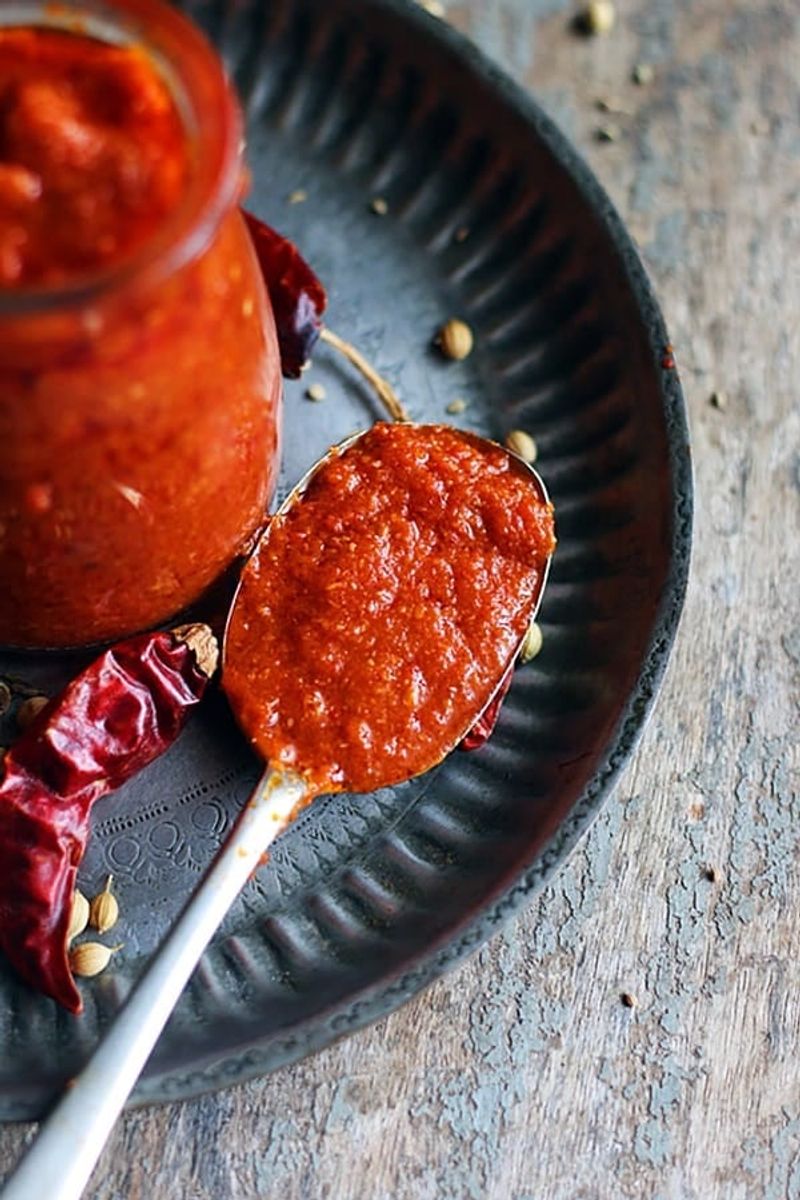
Harissa is a North African chili paste that adds smoky, spicy heat to dishes like shakshuka or roasted vegetables. Food bloggers and recipe developers love it, but the average home cook buys it once and has no plan for the leftovers.
It has a bold, complex flavor made from roasted red peppers, chili peppers, garlic, and spices.
A little goes a long way, which means the jar lasts forever in the fridge, mostly forgotten behind the ketchup and mustard.
6. Dried Chipotle Peppers
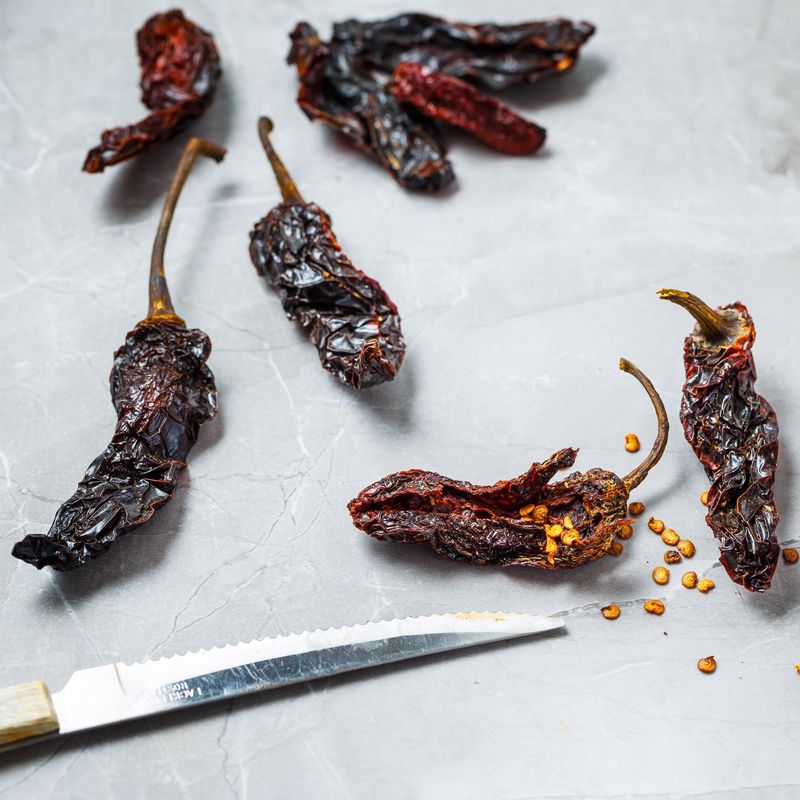
Chipotles in adobo sauce are one thing, but whole dried chipotle peppers are a different purchase entirely. Some slow cooker or homemade salsa recipes call for one or two dried peppers, leaving the rest of the bag completely untouched.
They have a rich, smoky flavor that is genuinely hard to replace, but most people do not know how to work them into everyday meals.
They can be rehydrated in hot water and blended into sauces, but that extra step is enough to scare off most cooks.
7. Sumac
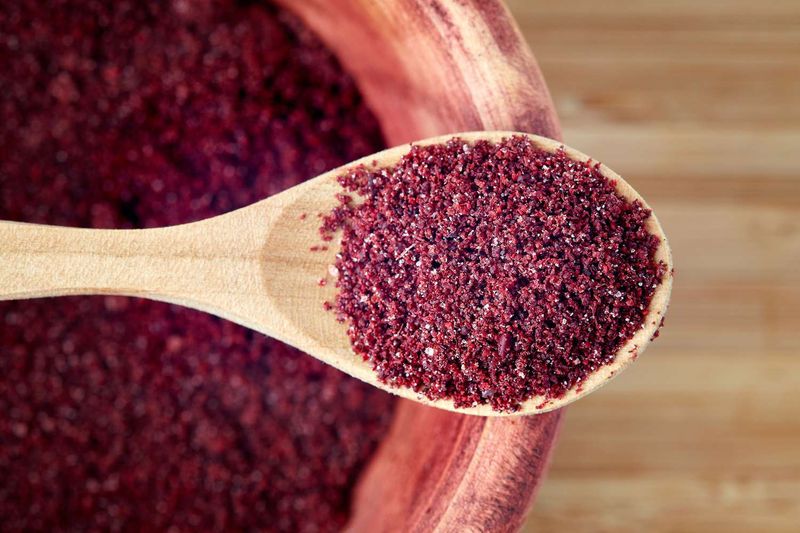
Sumac is a deep red spice with a tangy, lemony flavor that is common in Middle Eastern cooking. A single fattoush salad recipe or za'atar spice blend might call for it, sending shoppers on a hunt to the spice aisle.
Once the dish is made, the jar goes right back on the shelf, likely never to be opened again.
Sumac actually works beautifully sprinkled over hummus or grilled meats, but most people never discover that on their own.
8. Coconut Aminos
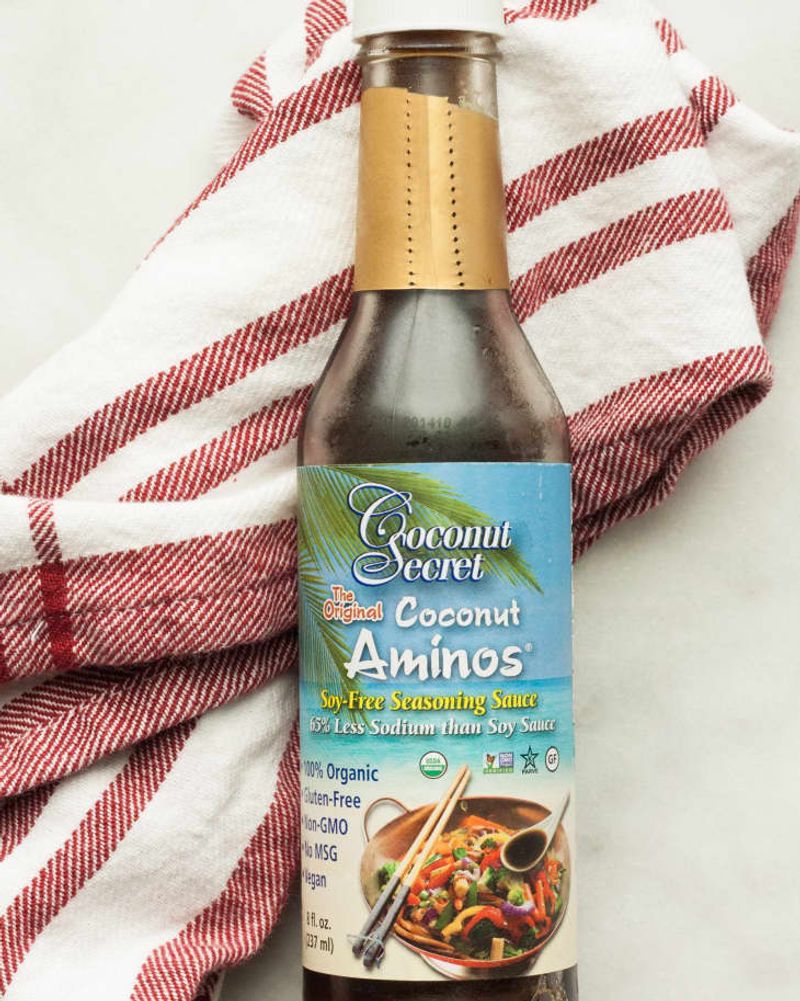
Coconut aminos became popular with paleo and Whole30 diets as a soy sauce substitute, and many recipes from those eating plans require it. Once the diet ends or the specific recipe phase is over, the bottle tends to get abandoned at the back of the fridge door.
It tastes slightly sweeter and less salty than soy sauce, which makes it hard to swap in casually.
Most people find it easier to just go back to regular soy sauce and forget the coconut aminos ever existed.
9. Whole Nutmeg
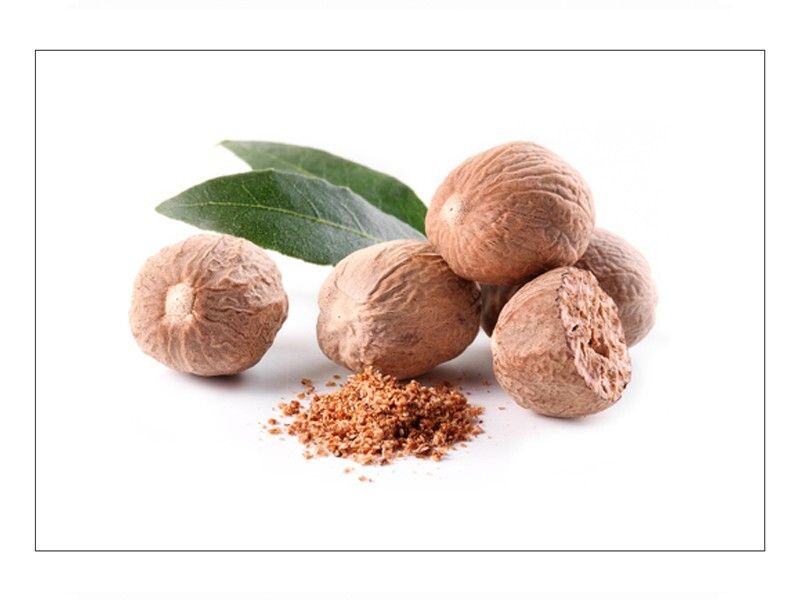
Holiday baking recipes sometimes call for freshly grated nutmeg, which sounds like a great idea until you realize grating a hard, round seed is kind of annoying. Most people buy the whole nutmeg once, grate a tiny bit for a pie or eggnog, and then toss it in a drawer.
Ground nutmeg from a jar is so much easier that the whole version rarely gets a second chance.
Whole nutmeg actually stays fresh much longer than the pre-ground kind, but that useful fact does not save it from being forgotten.
10. Buttermilk
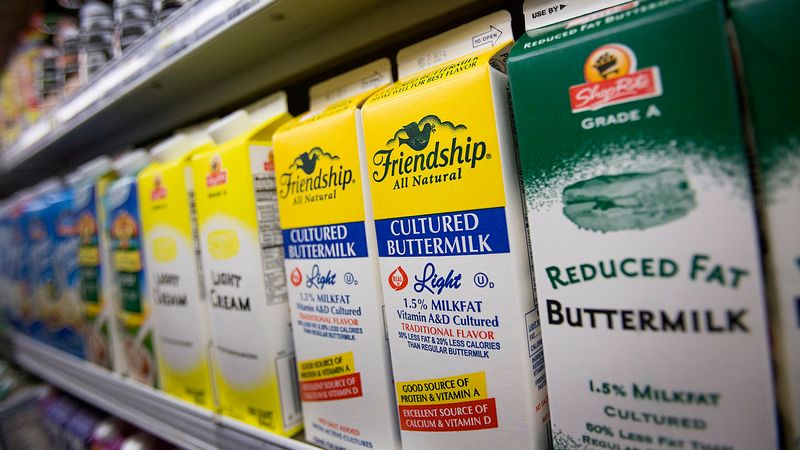
Buttermilk is a classic baking ingredient that makes pancakes fluffy, biscuits tender, and fried chicken extra crispy. Most recipes only need a cup or two, but buttermilk is usually sold in quart-sized cartons.
The leftover buttermilk sits in the fridge while people wonder what else they can possibly make with it before it expires.
It actually works great as a marinade for chicken or in salad dressings, but most home bakers just watch the expiration date pass with a little guilt.
11. Tahini
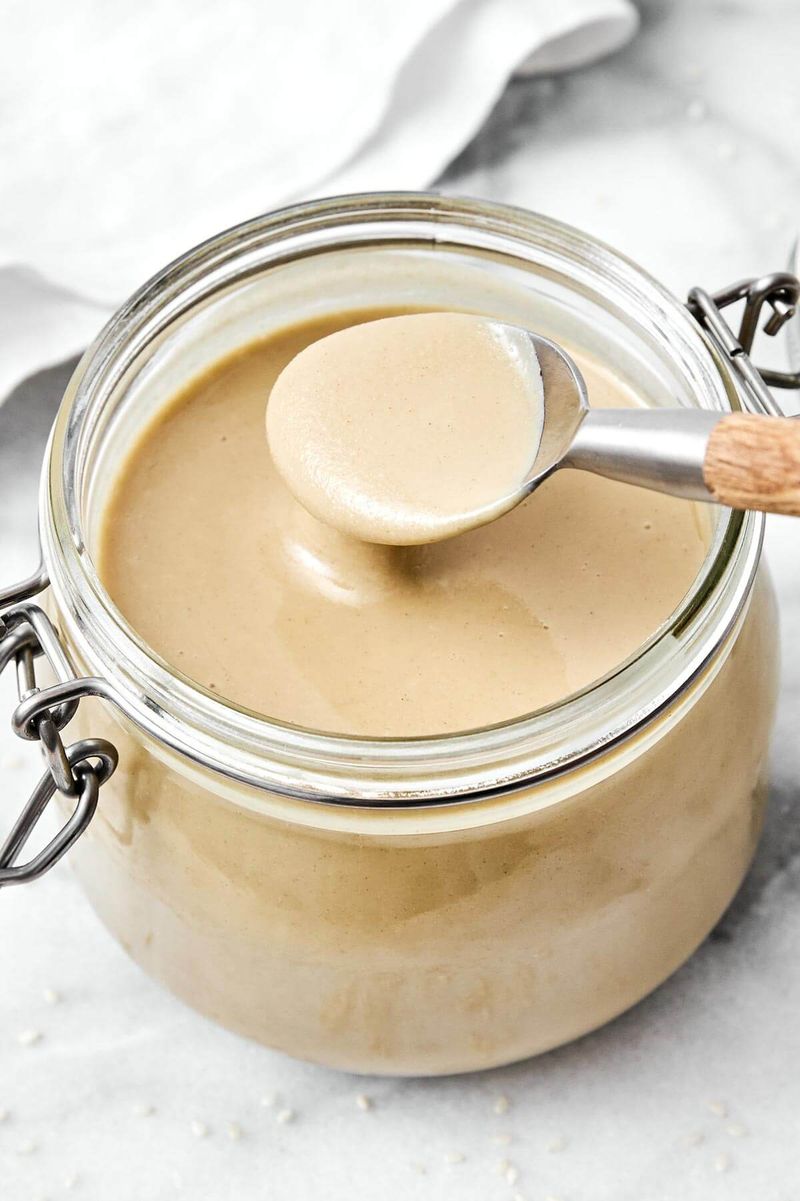
Tahini is a sesame seed paste that is the backbone of homemade hummus, and that is usually the only reason people buy it. After one batch of hummus, the jar goes into the fridge where the oil separates and the paste becomes thick and difficult to stir.
The separation alone is enough to put people off using it again.
Tahini is actually amazing drizzled over roasted vegetables or mixed into salad dressings, but most jars meet their end before those ideas are ever tried.
12. Star Anise
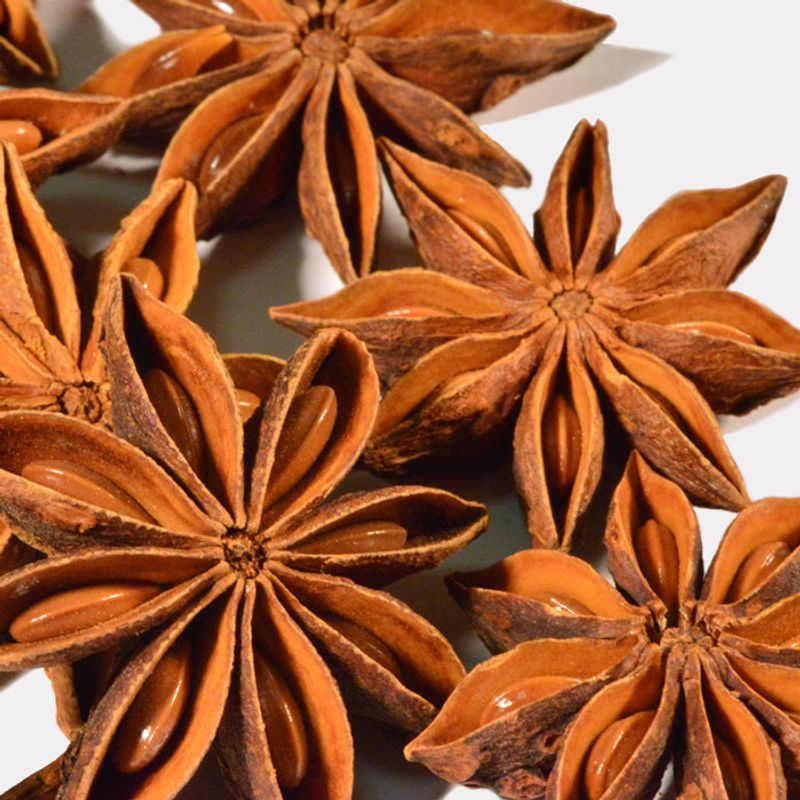
Star anise is one of those spices that looks almost too pretty to cook with, shaped like a little wooden star with a licorice-like aroma. Pho broth and certain Chinese braised meat recipes require it, but most home cooks use one or two pods and then stash the rest away.
Its flavor is very intense and not something most Western recipes call for regularly.
The good news is that dried whole spices like star anise last for years, so there is technically no rush to use it up.
13. Anchovy Paste
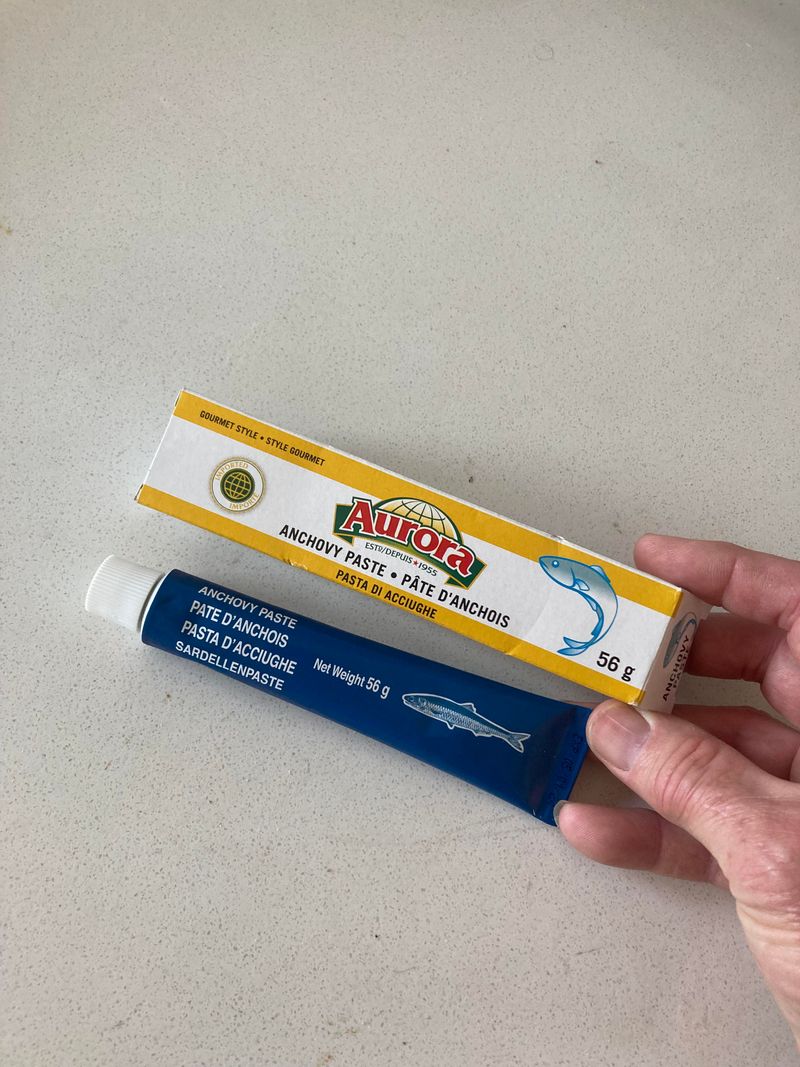
Anchovy paste is a secret weapon in many Italian pasta sauces and Caesar salad dressings, adding a deep, savory flavor without making anything taste fishy. The problem is that most recipes call for just a small squeeze, leaving a tube that is mostly full.
People often feel unsure about using it in anything else because of the strong smell when the cap comes off.
Anchovy paste can last a while in the fridge, but most tubes get thrown out long before they are empty.
14. Dried Fenugreek Leaves
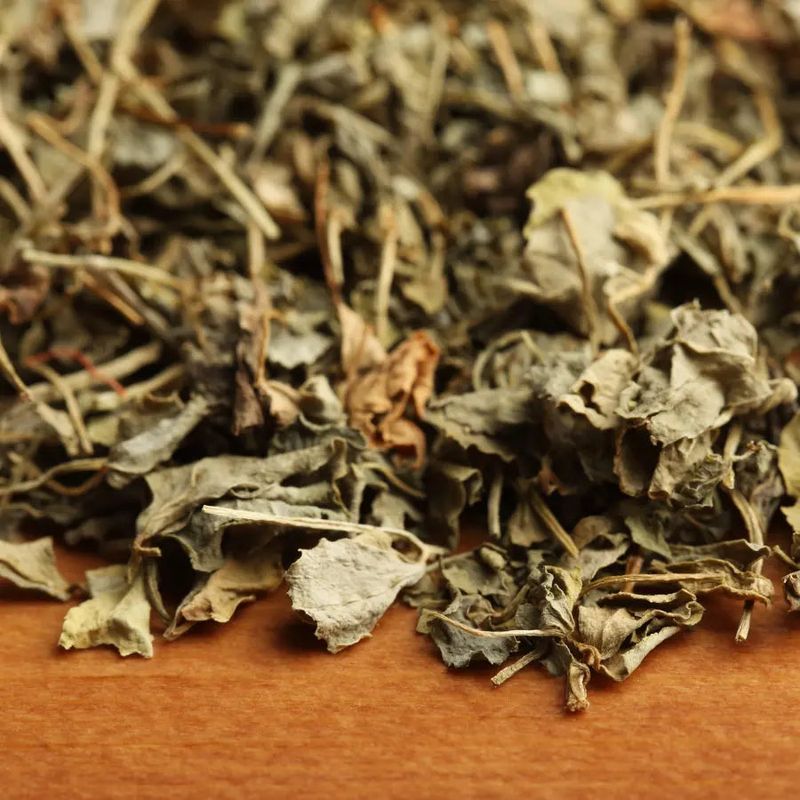
Dried fenugreek leaves, also called kasuri methi, are an essential finishing touch in dishes like butter chicken and certain Indian curries. A single curry recipe sends shoppers to the Indian grocery section, where they pick up a container and use just a pinch.
The remaining dried leaves sit on the shelf indefinitely, slowly losing their slightly bitter, maple-like aroma.
Most people who cook Indian food only occasionally never work through a full container before it loses its flavor completely.
15. Pomegranate Molasses
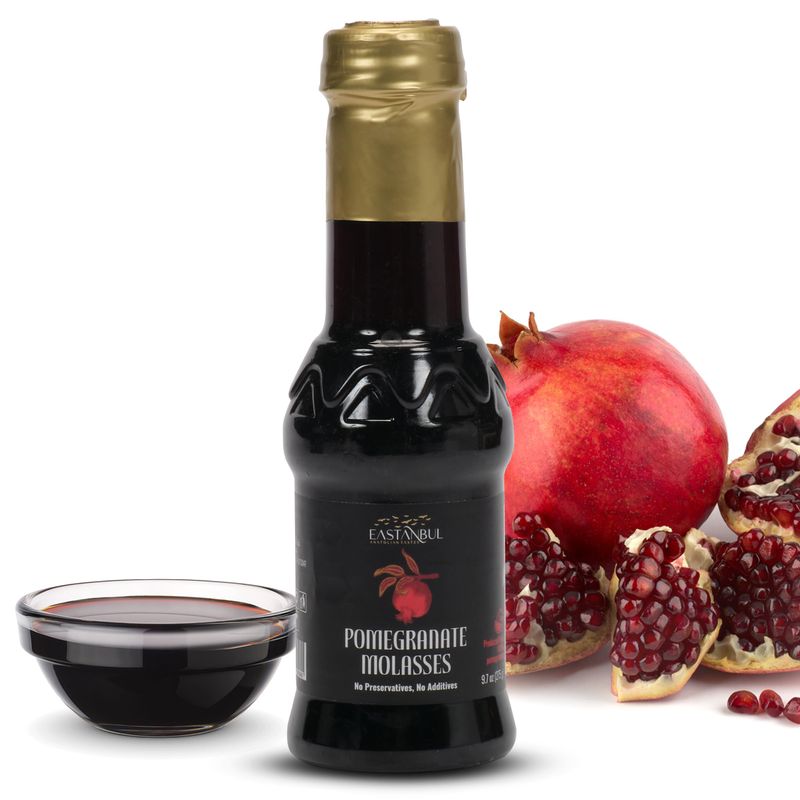
Pomegranate molasses has a sweet, tart, and deeply fruity flavor that shows up in Middle Eastern recipes like muhammara dip or certain salad dressings. The bottle looks beautiful in the store, and the recipe sounds exciting, but after one use it tends to collect dust on the pantry shelf.
It has a very specific taste that does not fit into most everyday cooking without some creativity.
Stirring a spoonful into sparkling water or cocktails is a great way to use it up, but most people never get around to that idea.
16. Rose Water
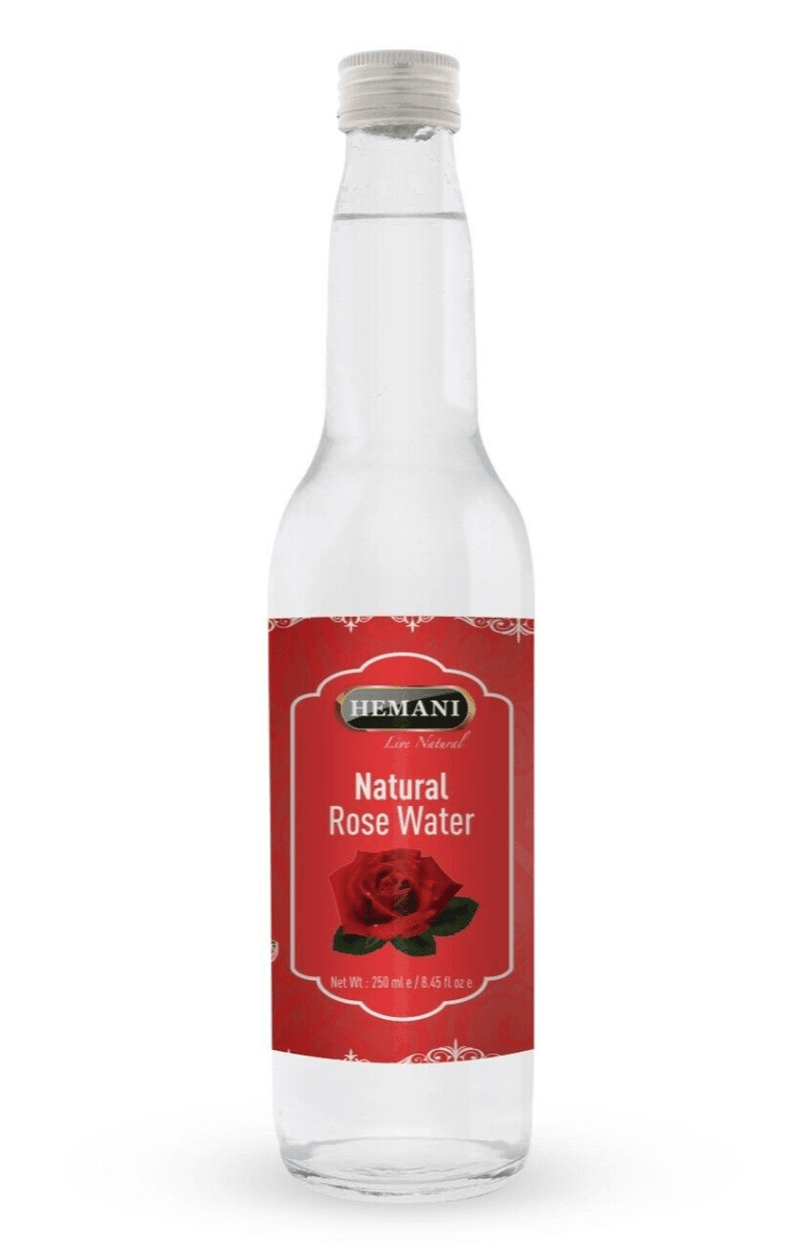
Rose water adds a delicate floral flavor to Middle Eastern sweets, Indian desserts like kheer, and even some cocktails. Most recipes need only a teaspoon or two, so a small bottle can technically last through dozens of uses.
But the flavor is so distinctive and perfume-like that many cooks are nervous about using too much and ruining a dish.
That fear of over-pouring keeps the bottle on the shelf, barely touched, for months or even years after that one baklava attempt.
17. Liquid Smoke
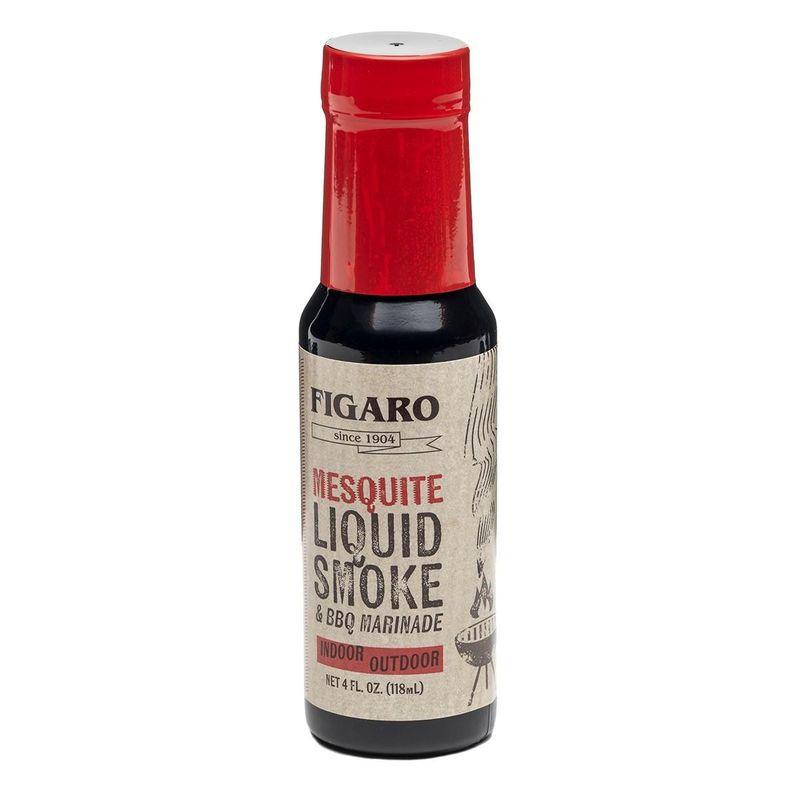
Liquid smoke is a fun ingredient that gives foods a rich, campfire-like flavor without an actual grill or smoker. It works great in homemade BBQ sauces, baked beans, and even vegan recipes that want a meaty depth.
But a little goes an extremely long way, and adding too much makes food taste like an ashtray.
After one cautious use, most people put the bottle away and never feel confident enough to try it again, leaving it parked next to the soy sauce forever.
18. Cardamom Pods
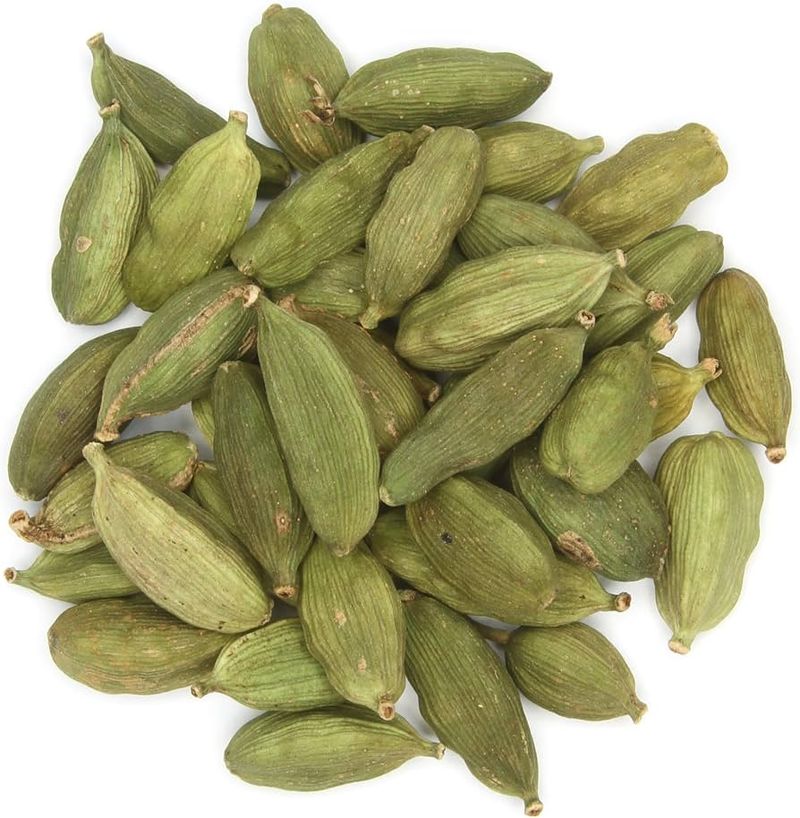
Cardamom pods have a warm, spicy, and floral aroma that is central to chai tea, Indian rice dishes like biryani, and Scandinavian baked goods. Recipes sometimes call for whole pods that need to be cracked open to release the seeds inside, which adds an extra prep step most casual cooks did not expect.
The pods come in a bag with far more than any single recipe needs.
Ground cardamom is easier to find and use, so the whole pods often get pushed to the back of the spice cabinet after just one use.
19. Creme Fraiche
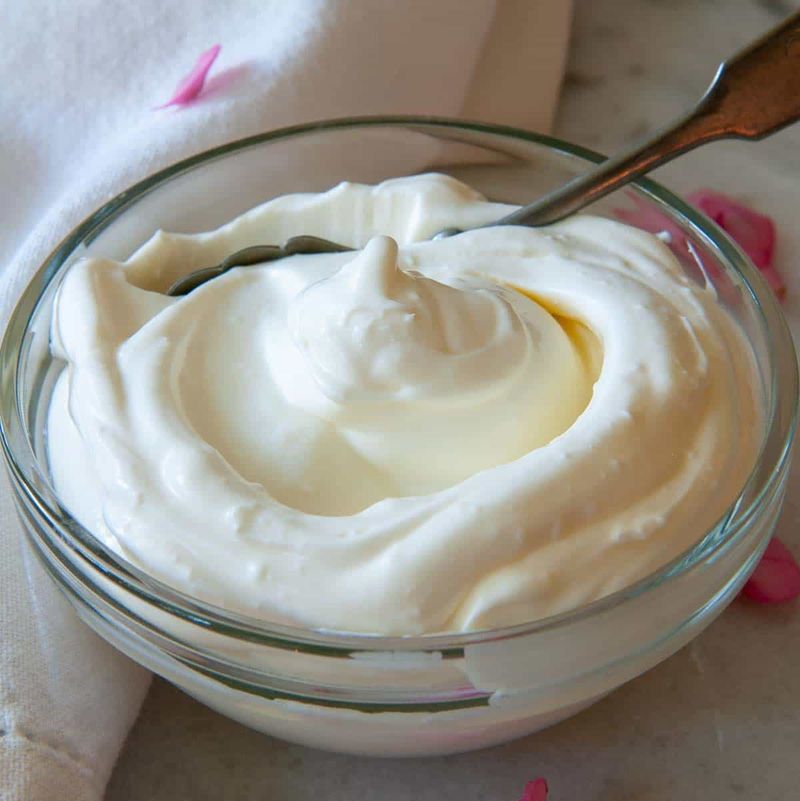
Creme fraiche is a rich, tangy French-style cream that elevates pasta sauces, soups, and baked goods with a luxurious texture. Many upscale recipe blogs call for it as a finishing touch, which convinces home cooks to track it down at a specialty grocery store.
The container is usually larger than needed, and creme fraiche has a shorter shelf life than people expect.
After the one recipe is done, the rest of the container gets used as a slightly fancier version of sour cream until it expires.
20. Preserved Lemons
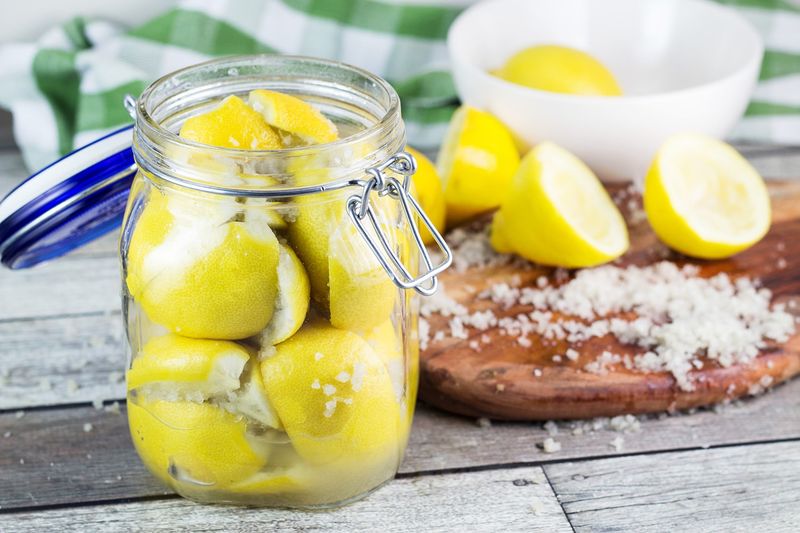
Preserved lemons are a staple in Moroccan and North African cooking, adding a salty, intensely citrusy punch to tagines and grain salads. A recipe for a slow-cooked lamb dish or roasted chicken might call for just one wedge, leaving a whole jar of lemons bobbing in salty brine.
The flavor is very strong and unfamiliar to most Western palates, making it hard to casually use the rest.
Chopping a small amount into a pasta dish or grain bowl actually works wonderfully, but most jars never get that second chance.




Comments
No Comments