













Canada is a country full of surprises, and its food culture is no exception. Many Britons arrive expecting something familiar, only to find a whole world of unique flavours, quirky combinations, and deeply loved traditions they never saw coming.
From sweet maple syrup poured over everything to savoury dishes that sound almost impossible, Canadian food has a personality all its own. Get ready to discover 20 food traditions that will make you do a double take.
1. Poutine for Breakfast
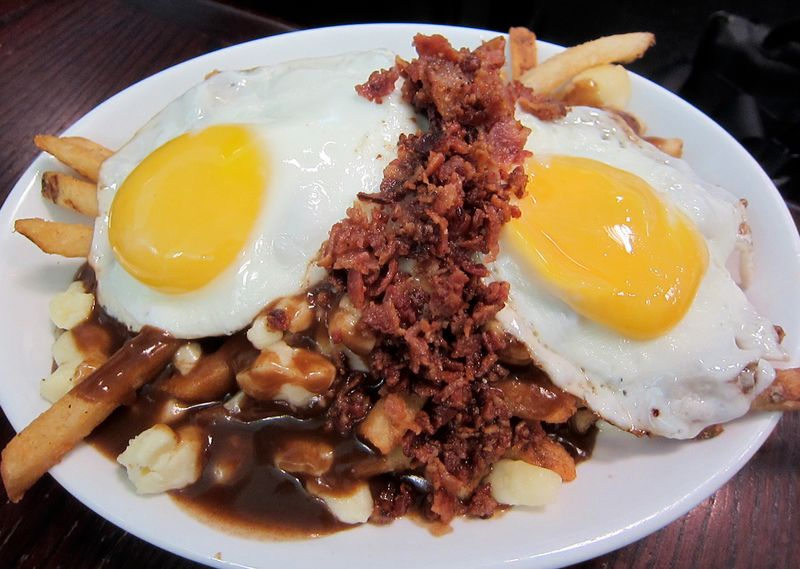
Most Britons think of poutine as a late-night snack, but Canadians happily eat it at any hour, including first thing in the morning. Quebec diners have been serving this iconic dish since the 1950s, and breakfast poutine with a fried egg on top is completely normal.
The salty gravy, squeaky cheese curds, and crispy fries make a surprisingly satisfying start to the day. If you ever visit a greasy spoon in Montreal, do not be shocked to see it on the breakfast menu.
2. Maple Syrup on Almost Everything
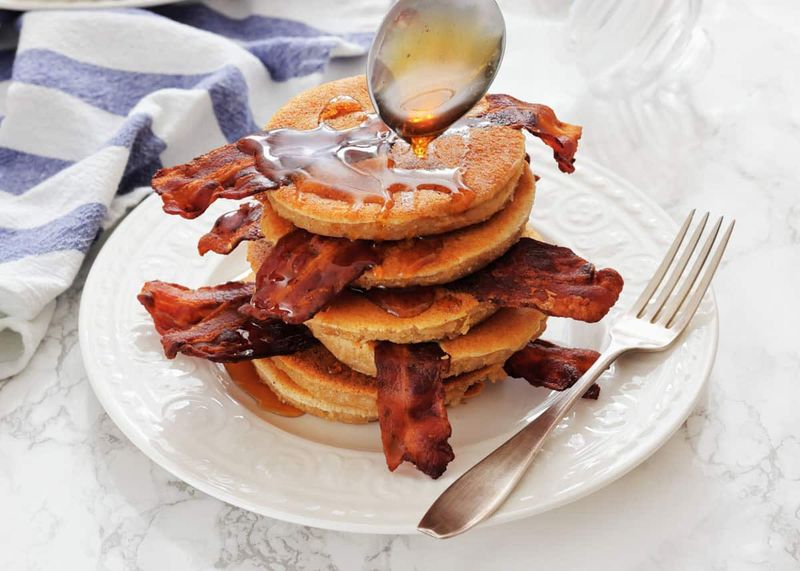
Back in Britain, maple syrup is a fancy pancake topping saved for special occasions. In Canada, it is practically a condiment used on bacon, sausages, salmon, popcorn, and even cocktails.
Pure Canadian maple syrup comes in several grades, each with a different depth of flavour, and Canadians take their syrup very seriously. Quebec alone produces about 70% of the world's maple syrup supply, making it a true national treasure.
Once you try it on crispy bacon, there is no going back.
3. Ketchup Chips

Walk into any Canadian convenience store and you will spot bags of ketchup-flavoured crisps staring back at you from every shelf. This bold, tangy flavour is practically a Canadian institution, yet it barely exists anywhere else in the world.
The chips have a sweet, vinegary punch that is oddly addictive from the very first bite. Most Britons pull a face when they first hear about it, then quietly finish the entire bag.
Lays Ketchup chips are considered a must-try souvenir for visitors leaving Canada.
4. The Caesar Cocktail
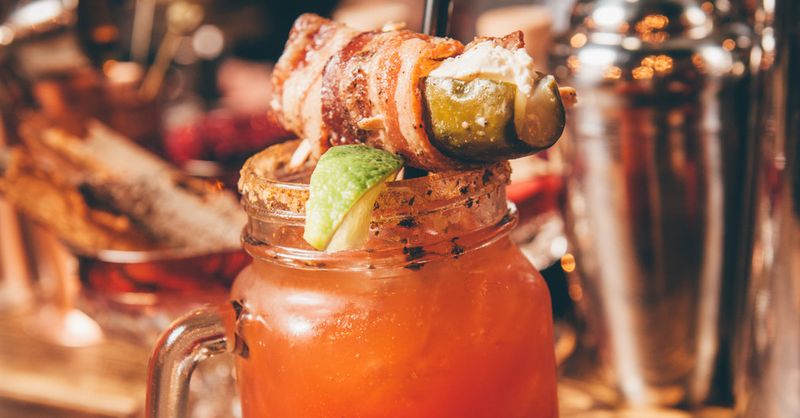
Imagine a Bloody Mary, but instead of plain tomato juice, it is made with Clamato, a blend of tomato juice and clam broth. That is the Caesar, Canada's most beloved cocktail, invented in Calgary in 1969.
Canadians drink over 400 million Caesars every single year, making it wildly more popular than any other cocktail in the country. Britons tend to raise an eyebrow at the clam element, but one sip usually converts the biggest sceptics into instant fans of this savoury, spicy drink.
5. Butter Tarts
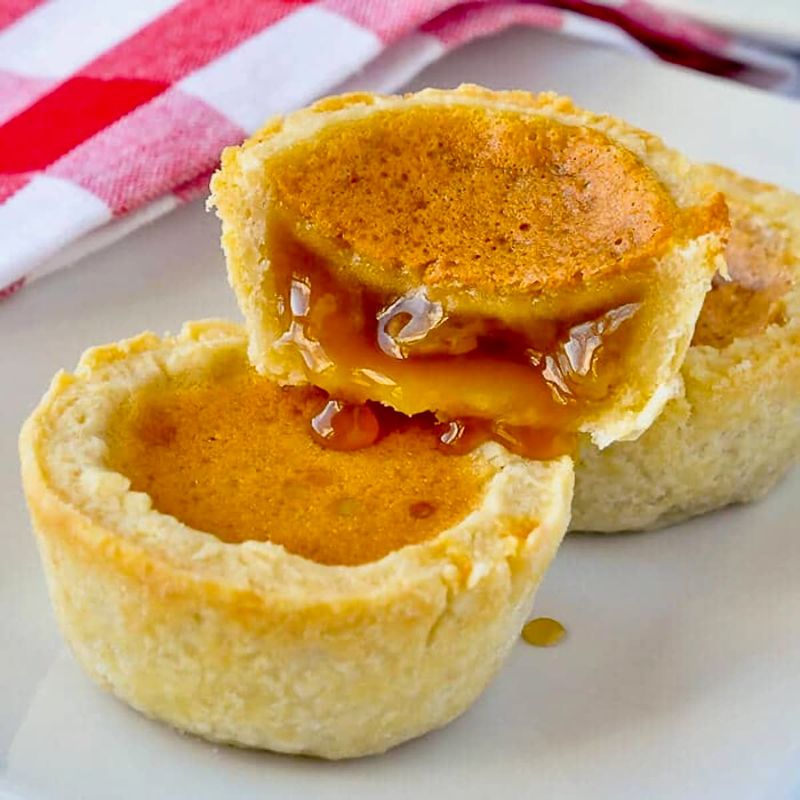
Small, golden, and dangerously sweet, butter tarts are one of Canada's oldest and most fiercely loved desserts. The filling is a gooey mixture of butter, sugar, syrup, and egg baked inside a flaky pastry shell.
There is an ongoing debate across the country about whether the filling should be runny or firm, and whether raisins or pecans belong inside. The recipe dates back to at least 1900 in Ontario, and every bakery claims to make the best version.
Britons often mistake them for small pecan pies.
6. Nanaimo Bars
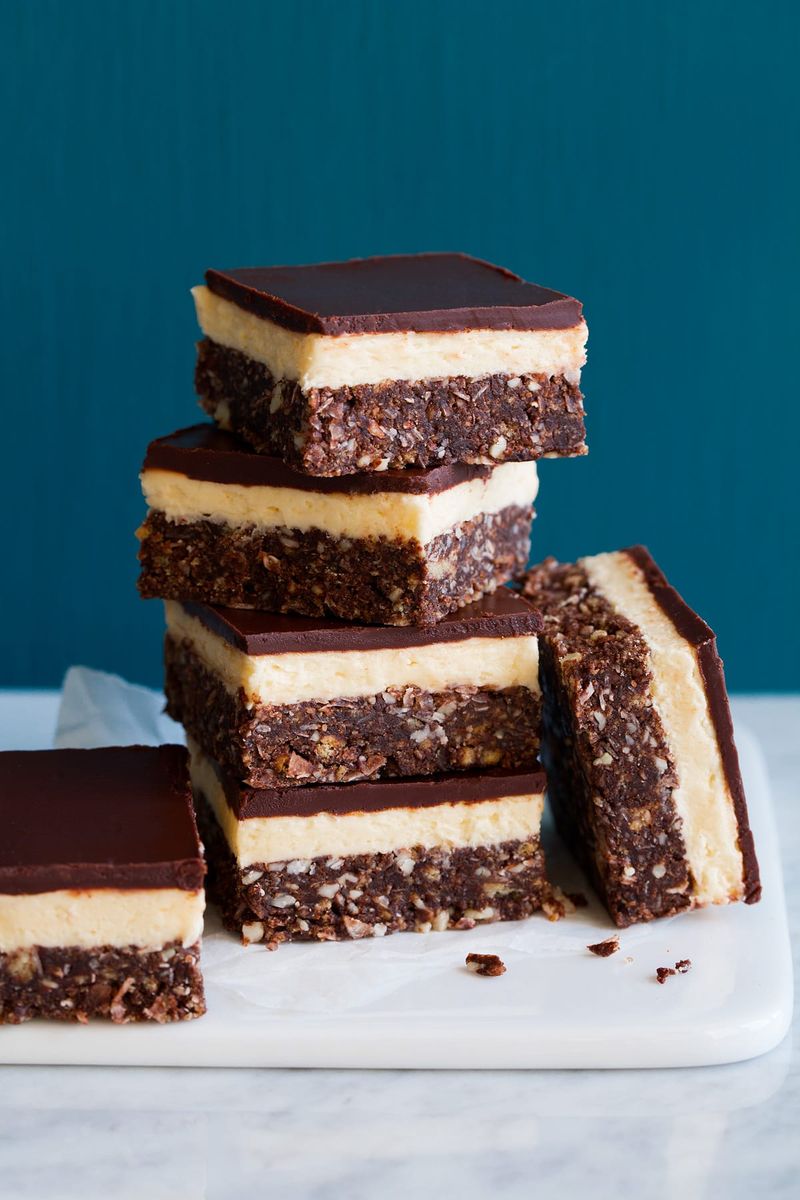
Named after a city in British Columbia, Nanaimo bars are a no-bake dessert made of three very distinct layers. The bottom is a crumbly mix of cocoa, coconut, and graham crackers.
The middle is a sweet custard buttercream, and the top is a smooth chocolate ganache.
No oven is required, which makes them a popular treat for home bakers across Canada. They appear at every holiday party, bake sale, and family gathering without fail.
Britons often have no idea what they are biting into, then immediately ask for another square.
7. BeaverTails Pastry
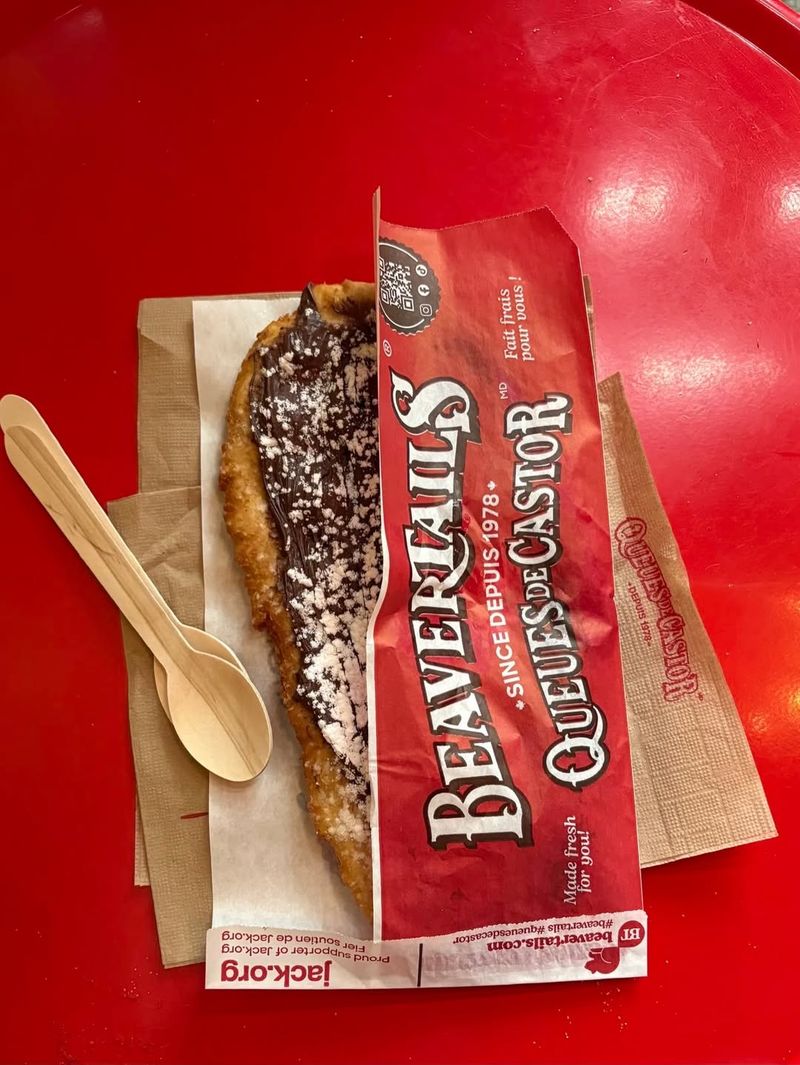
Forget the animal, because BeaverTails are a fried dough pastry stretched into the shape of a beaver tail and loaded with sweet toppings. You can choose from cinnamon sugar, Nutella, lemon and sugar, or even peanut butter and banana.
They are sold at outdoor festivals, ski resorts, and market stalls across Canada, especially during winter. The brand started in Ottawa in 1978 and has become a beloved national snack.
Standing in line for a BeaverTail on a cold winter night is a proper Canadian experience.
8. Peameal Bacon
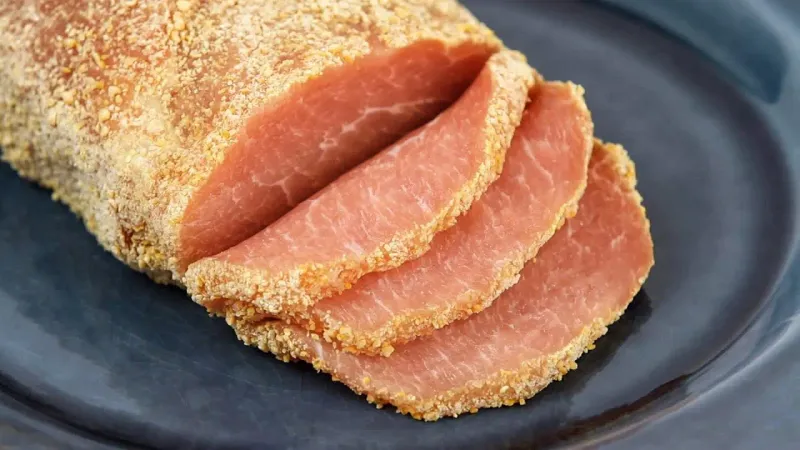
Called Canadian bacon everywhere else in the world, peameal bacon is nothing like the streaky rashers Britons are used to frying up for a full English. It is a lean, wet-cured pork loin rolled in yellow cornmeal, giving it a distinctive golden crust.
Toronto's St. Lawrence Market has been serving peameal bacon sandwiches for decades, and locals treat it as a sacred weekend ritual. The texture is juicy and firm rather than crispy, which surprises most Britons expecting something closer to a rasher.
It is worth every bite.
9. Tourtiere Meat Pie
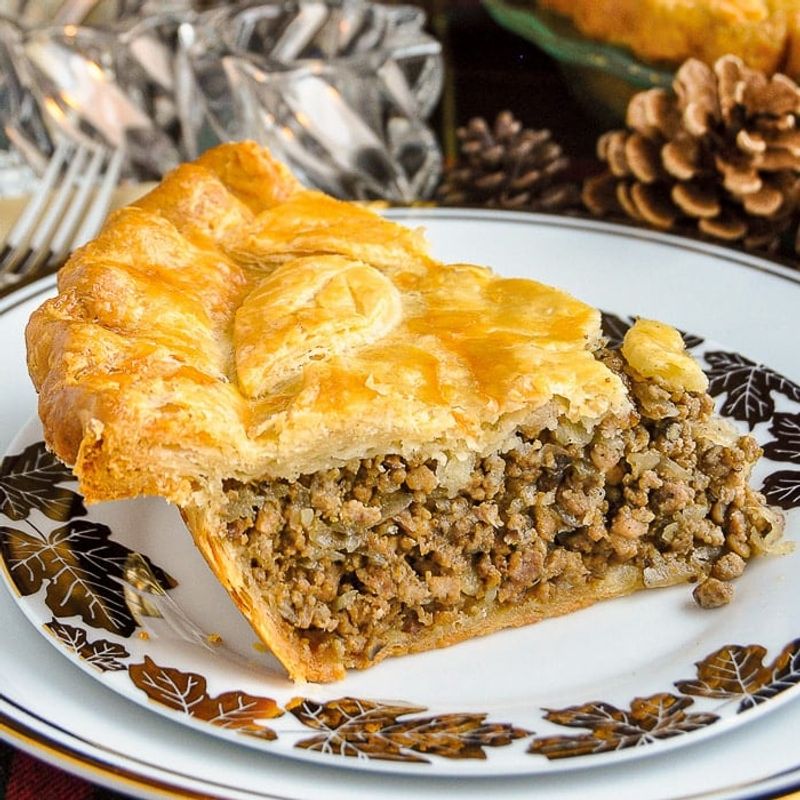
Tourtiere is a deeply spiced meat pie from Quebec with roots going back to the 17th century, traditionally served on Christmas Eve after midnight Mass. The filling typically combines pork, beef, or game meat with warming spices like cloves, cinnamon, and allspice.
Every family has its own closely guarded recipe, passed down through generations like a culinary heirloom. Britons who love a good pie are often amazed by how different the flavour profile is from anything they have tried at home.
It is hearty, comforting, and completely unforgettable.
10. Smoked Meat Sandwiches
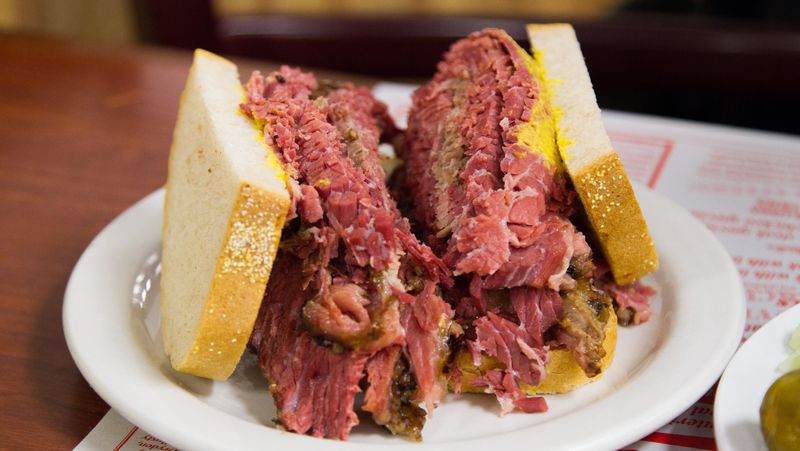
Montreal smoked meat is to Canada what salt beef is to London's East End, only bigger, bolder, and piled even higher. The brisket is brined for days in spices, then smoked and steamed until it falls apart at the slightest touch.
Schwartz's Deli on Boulevard Saint-Laurent has been serving legendary smoked meat sandwiches since 1928, and queues often stretch out the door regardless of the weather. Served on rye with yellow mustard, it is an experience that genuinely stops Britons in their tracks.
Simple, perfect, and iconic.
11. Putting Vinegar on Chips

Actually, this one might feel familiar to Britons, but the way Canadians apply vinegar to their chips takes things to an entirely new level. Salt and vinegar is not just a crisp flavour in Canada, it is a way of life applied liberally to fresh-cooked fries.
Some chip trucks, which are beloved roadside food stands across Ontario and Quebec, keep bottles of malt vinegar right on the counter as a default condiment. The fries are usually thick-cut and cooked in beef tallow for extra richness.
Britons feel strangely at home, yet somehow surprised.
12. Maple Taffy on Snow
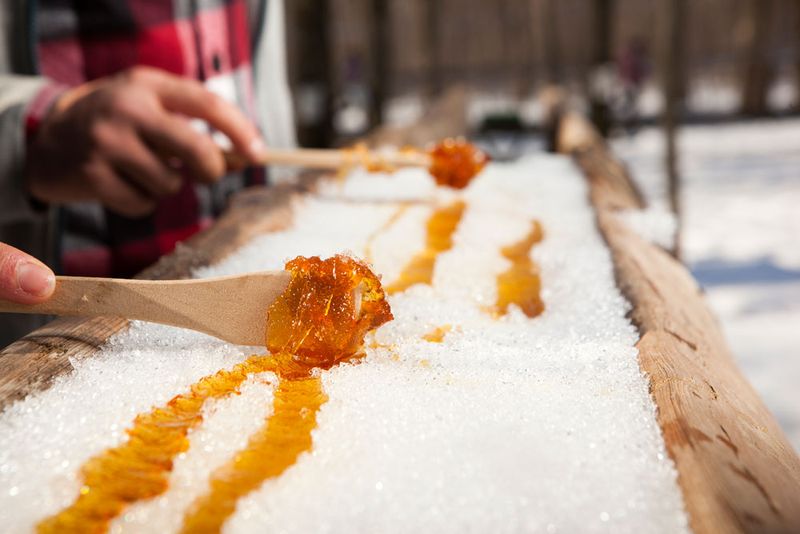
Every late winter, Quebec sugar shacks invite visitors to watch hot maple syrup get poured over fresh clean snow, where it cools instantly into a chewy, stretchy candy called tire sur la neige, or maple taffy. You roll it onto a stick and eat it like a lollipop.
The whole experience is tied to the maple syrup harvest season and feels genuinely magical, especially for children. Britons visiting in March are often completely enchanted by the simplicity of it.
Just two ingredients, syrup and snow, and it becomes one of the most memorable things you will ever taste.
13. Tim Hortons as a Cultural Ritual
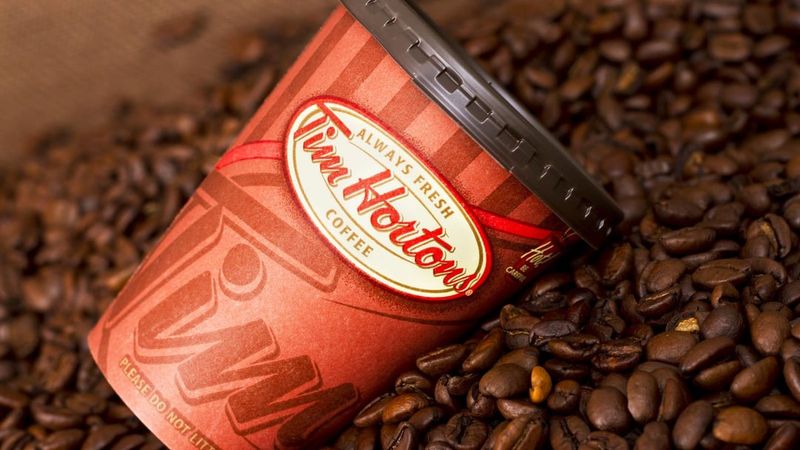
Tim Hortons is not just a coffee chain in Canada, it is a deeply woven part of national identity. Canadians visit Timmies, as it is affectionately nicknamed, multiple times a day, often stopping for a double-double, which is two creams and two sugars in a coffee.
The drive-through lines can stretch around entire city blocks even in blizzard conditions, and nobody seems to mind. Britons used to a quiet cup of tea at home find the sheer devotion to a fast food coffee chain both baffling and oddly charming.
It really does taste like Canada.
14. Bannock Bread
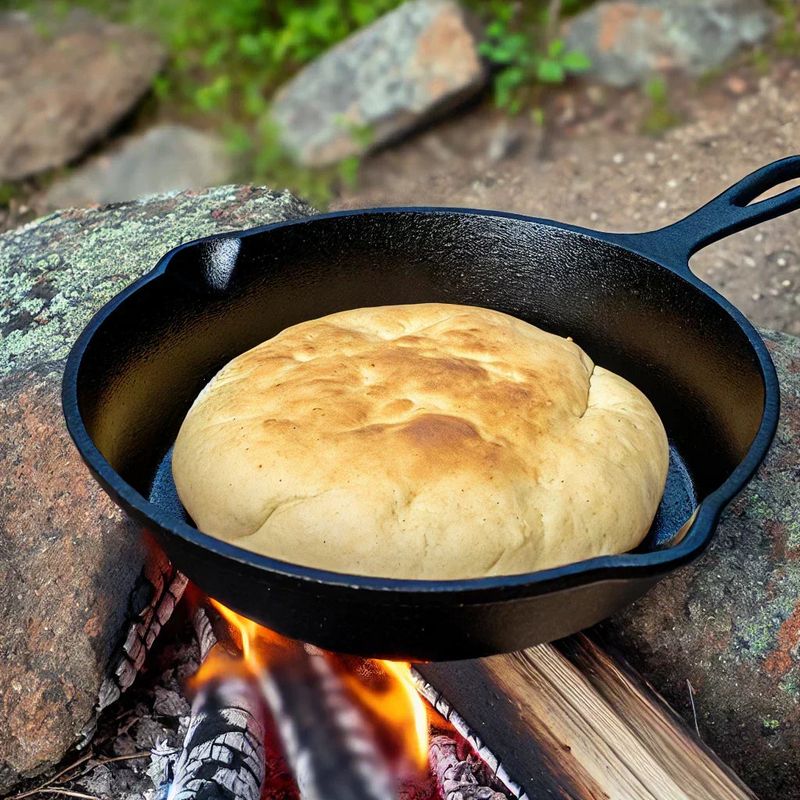
Bannock is a simple, dense flatbread with deep Indigenous roots across Canada, traditionally cooked over an open fire or in a cast iron pan. Made from flour, baking powder, salt, and fat, it has been a staple food for First Nations communities long before European settlers arrived.
Today, bannock appears at community events, food trucks, and Indigenous-run restaurants across the country, often served with jam, honey, or smoked salmon. Many Britons have never heard of it, but one warm piece fresh off the fire is all it takes to understand why Canadians cherish it deeply.
15. Jiggs Dinner from Newfoundland
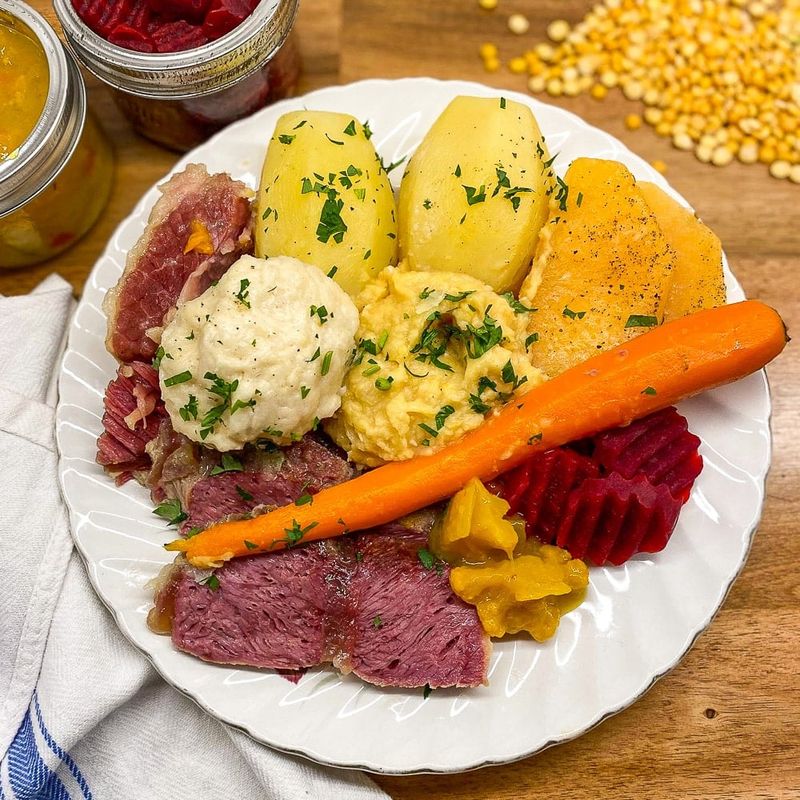
Jiggs Dinner is the ultimate Sunday meal in Newfoundland and Labrador, a boiled dinner of salt beef cooked low and slow with cabbage, turnip, carrots, potatoes, and pease pudding all in one enormous pot. It has been feeding Newfoundland families for generations.
The name comes from a popular comic strip character from the early 1900s who loved corned beef and cabbage. Britons might recognise echoes of an old-fashioned boiled dinner, but the pease pudding and salt beef combination gives it a flavour that is entirely its own.
Hearty does not even begin to cover it.
16. Donair from Nova Scotia
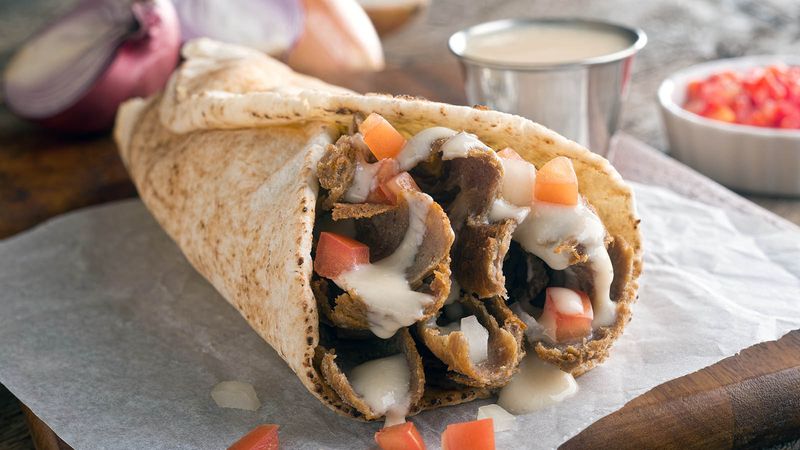
Halifax has its own version of the doner kebab, and it is nothing like what you would find on a British high street at midnight. The Halifax donair uses sweetened evaporated milk and garlic as its sauce, which sounds strange but creates an addictively sweet and tangy flavour.
The beef is heavily spiced, the pita is soft, and the whole thing is usually eaten standing up with sauce dripping everywhere. Nova Scotia declared it the official food of Halifax in 2015.
Britons expecting something like a kebab shop classic are always caught off guard by that sweet white sauce.
17. Saskatoon Berry Pie
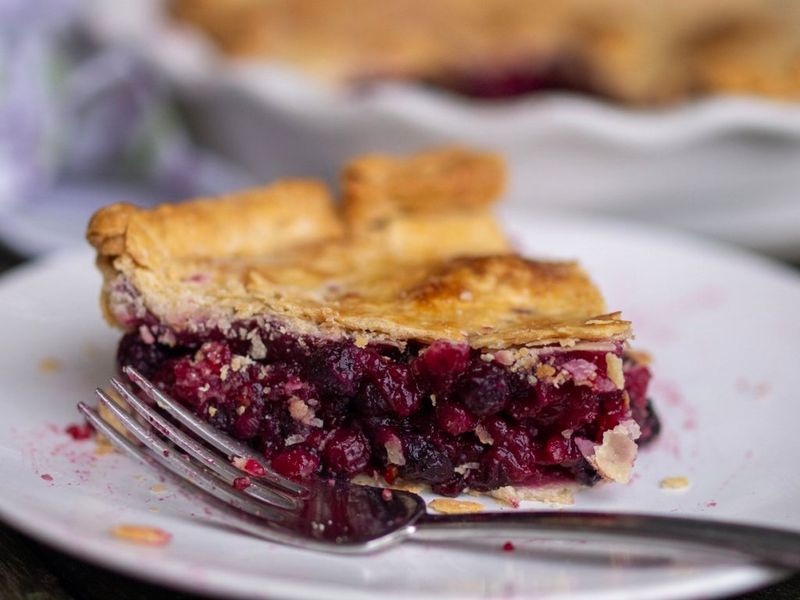
Saskatoon berries look like blueberries but taste like a cross between a cherry and an almond, and they grow wild across the Canadian Prairies. Indigenous peoples have harvested and eaten them for thousands of years, and Prairie communities still celebrate the berry with festivals every summer.
Baked into a pie with a buttery crust, Saskatoon berries create a filling that is rich, slightly nutty, and deeply purple. Most Britons have never seen or tasted one before.
One slice of Saskatoon berry pie is usually all it takes to spark a genuine obsession with this underrated Canadian fruit.
18. Putting Old Bay and Vinegar on Popcorn

Canadians have a habit of turning popcorn into something far more interesting than butter and salt. Across the country, particularly in maritime regions, dousing popcorn in malt vinegar and Old Bay seasoning is a completely normal snack move.
The tangy, spiced combination might sound odd to Britons raised on cinema butter popcorn, but it works remarkably well. Some Canadians also add nutritional yeast for a cheesy flavour without the cheese.
Once you have tried vinegar popcorn during a hockey game, plain salted popcorn starts to feel like a missed opportunity.
19. Flapper Pie
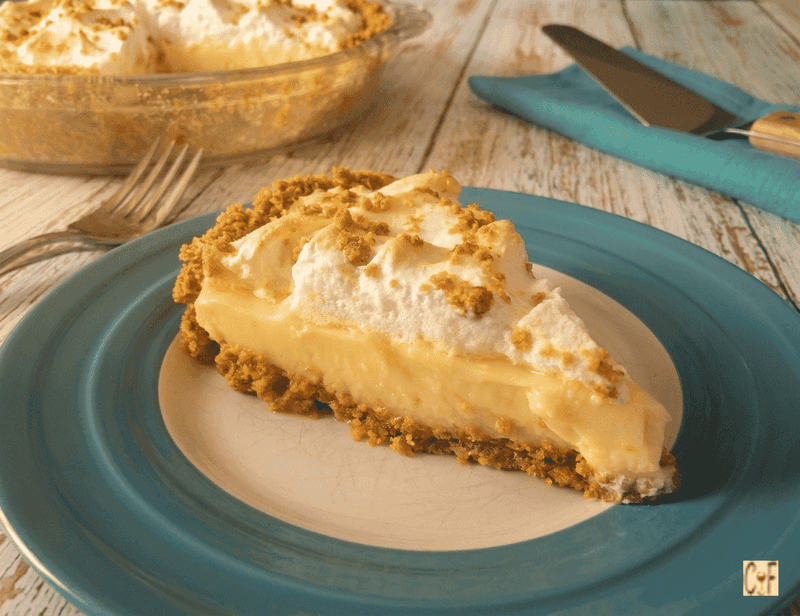
Flapper pie is an old-school Prairie dessert that most people outside of Manitoba and Saskatchewan have never heard of, yet it has been a staple at family tables since the 1920s. A graham cracker crust holds a thick, creamy vanilla custard topped with a cloud of toasted meringue.
It gets its name from the Roaring Twenties flapper era, when it first became popular in Prairie kitchens. Britons tend to compare it to a custard tart, but the graham cracker base and towering meringue make it a completely different beast.
Wonderfully old-fashioned and absolutely worth seeking out.
20. Eating Peanut Butter with Dill Pickles
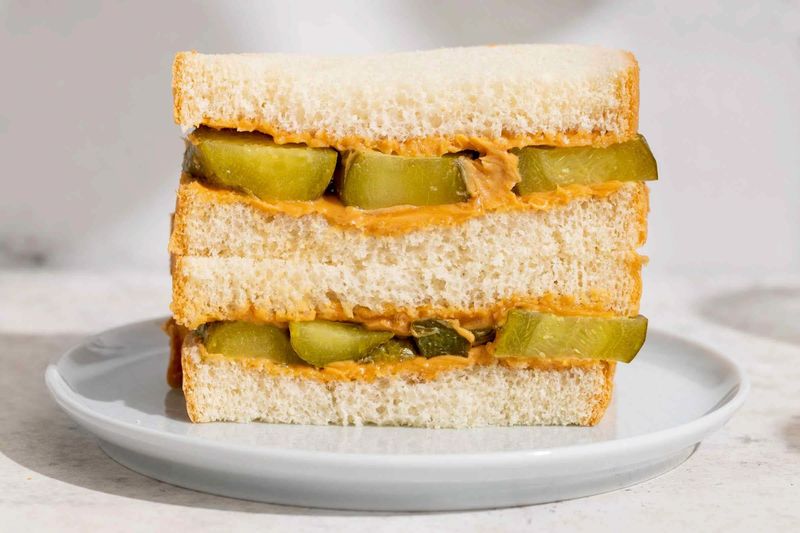
Before you say anything, hear Canada out. The combination of creamy peanut butter and crunchy dill pickles on bread is something many Canadians grew up eating without a second thought.
The salty, briny pickle cuts right through the richness of the peanut butter in a way that genuinely works.
Some food historians trace the pairing back to Depression-era Canada, when stretching affordable ingredients creatively was a necessity. Britons tend to react with wide eyes and a firm no, right up until someone convinces them to take a single bite.
Reactions after that first taste are almost universally surprised and conflicted.




Comments
No Comments