













Growing up in Britain means having a whole menu of comfort foods that felt completely normal at the time. Whether it was a warm bowl of beans on toast after school or a packet of crisps at lunchtime, these foods were just part of everyday life.
Now, many of us look back and realise just how special and uniquely British these meals and snacks really were. Here are 20 classic British foods that most of us totally took for granted.
1. Beans on Toast
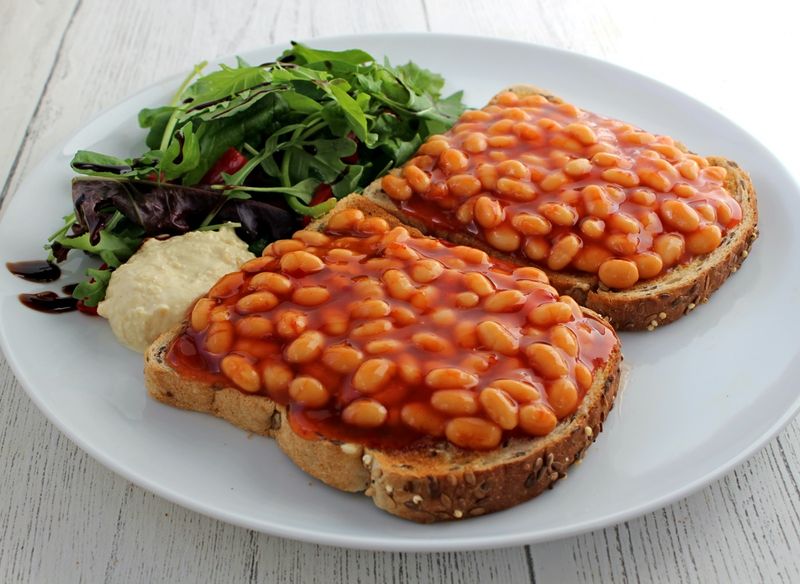
Few things say "British childhood" quite like a steaming tin of baked beans slopped over hot buttered toast. It was the go-to meal when mum was tired, when dinner needed to be quick, or when you just fancied something warm after school.
Heinz baked beans became so iconic that the blue tin is practically a national symbol. Simple, filling, and ready in minutes, this humble dish fed generations of British kids without anyone making a fuss about it.
2. Angel Delight
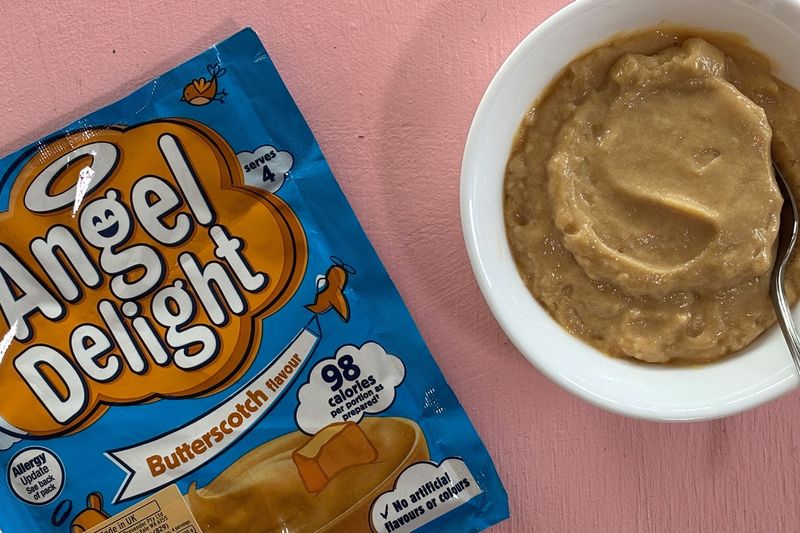
Angel Delight was basically magic in a packet. You poured in some cold milk, whisked it up, and somehow ended up with a fluffy, mousse-like dessert that tasted like pure happiness.
Butterscotch was the ultimate flavour, though strawberry had its loyal fans too.
It showed up at birthday parties, school dinners, and lazy Sunday lunches throughout the 1980s and 1990s. Most kids never questioned it.
Looking back, it was wonderfully weird and completely brilliant.
3. Cheese and Pickle Sandwiches
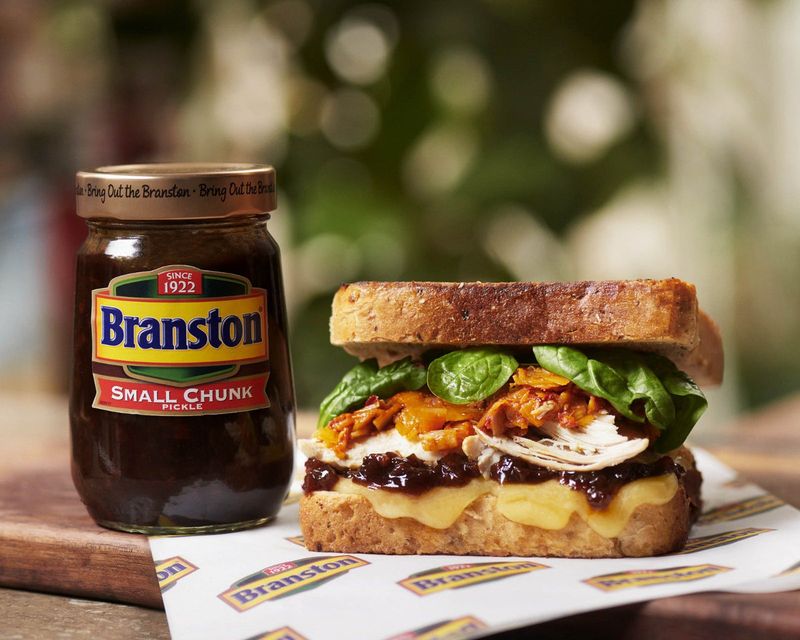
Branston pickle and mature cheddar between two slices of thick white bread was a lunchbox staple that millions of British children grew up eating. The sharp tang of the pickle mixed with the creamy bite of the cheese was genuinely perfect, even if nobody really stopped to appreciate it.
Branston pickle has been made since 1922, so this combination has been feeding Britain for over a century. It still tastes just as good today as it did back then.
4. Fish Fingers and Chips
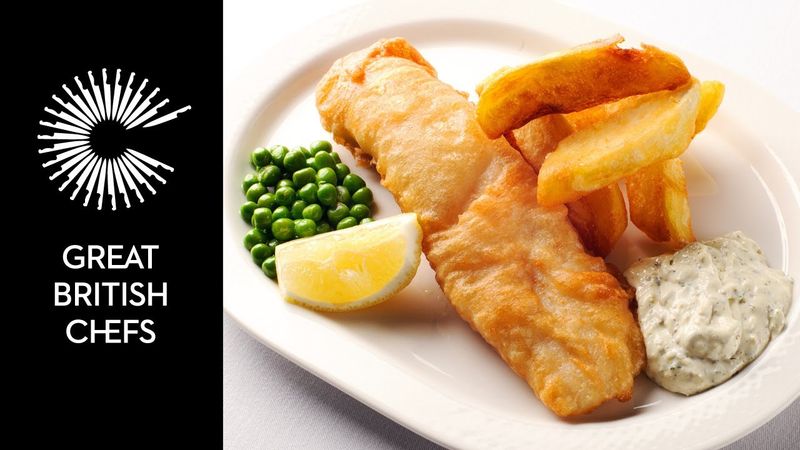
Captain Birds Eye practically raised a generation of British children. Fish fingers were the ultimate teatime hero, golden and crispy on the outside, soft and flaky on the inside, and absolutely perfect with a mountain of chips and a lake of tomato ketchup.
Most kids had no idea what kind of fish was actually inside, and honestly, nobody cared. It was reliable, it was tasty, and it appeared on dinner tables across the country at least once a week without fail.
5. Pot Noodle
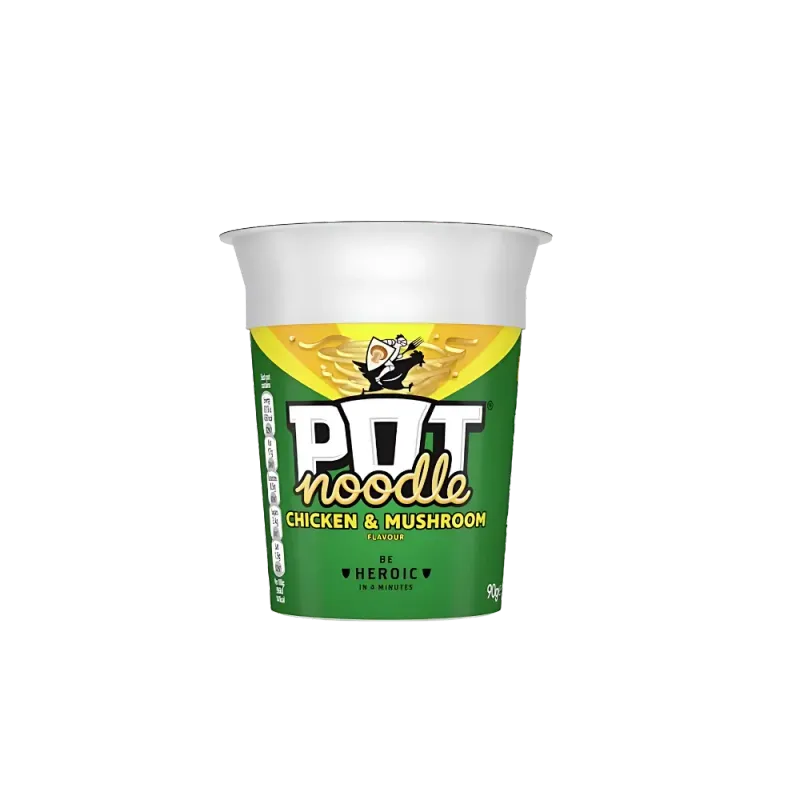
Universally mocked but secretly adored, the Pot Noodle was a rite of passage for British teenagers. Add boiling water, wait two minutes, stir, and suddenly you had something that tasted absolutely brilliant despite everyone insisting it was terrible.
Chicken and mushroom remains the classic flavour that defined the experience. Whether it was a late-night snack, an after-school emergency, or a student survival tool, the humble Pot Noodle earned its place in British food history with zero apologies.
6. Marmite on Toast
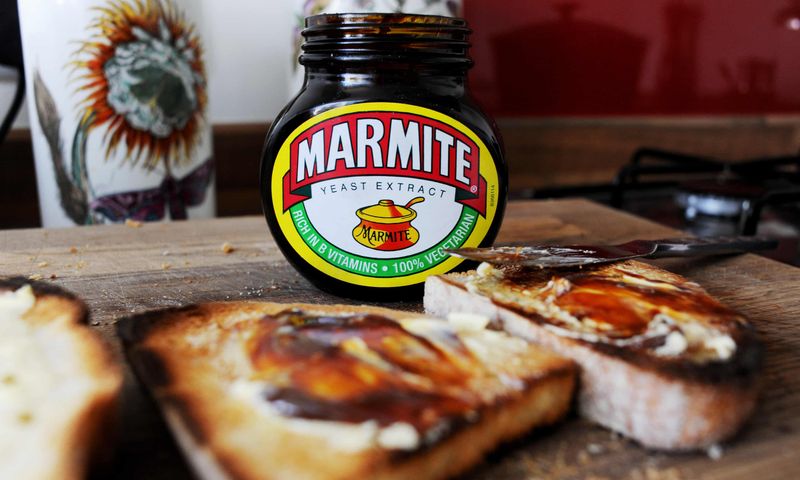
You either loved it or hated it, and that debate started at the breakfast table before most of us were old enough to have opinions about anything else. Marmite on hot buttered toast was a morning ritual in countless British households, spreading that dark, salty, intensely savoury paste across golden bread.
Made from yeast extract, Marmite has been a British pantry staple since 1902. Its bold flavour is genuinely one of a kind, and nothing else comes close to replacing it.
7. Jam Roly-Poly
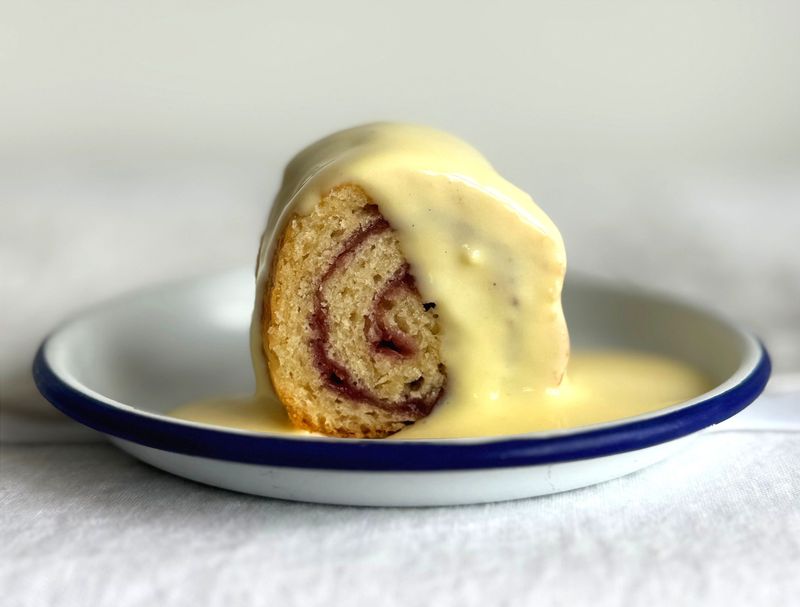
School dinner puddings do not get more nostalgic than jam roly-poly. That thick, doughy suet roll packed with bright red jam, served warm and swimming in custard, was the kind of dessert that made the entire school lunch worth sitting through.
Suet puddings like this have been part of British cooking since the 1800s, which means generations of children have been warmed up by the same comforting recipe. It was old-fashioned even then, but somehow that made it even better.
8. Spam Fritters
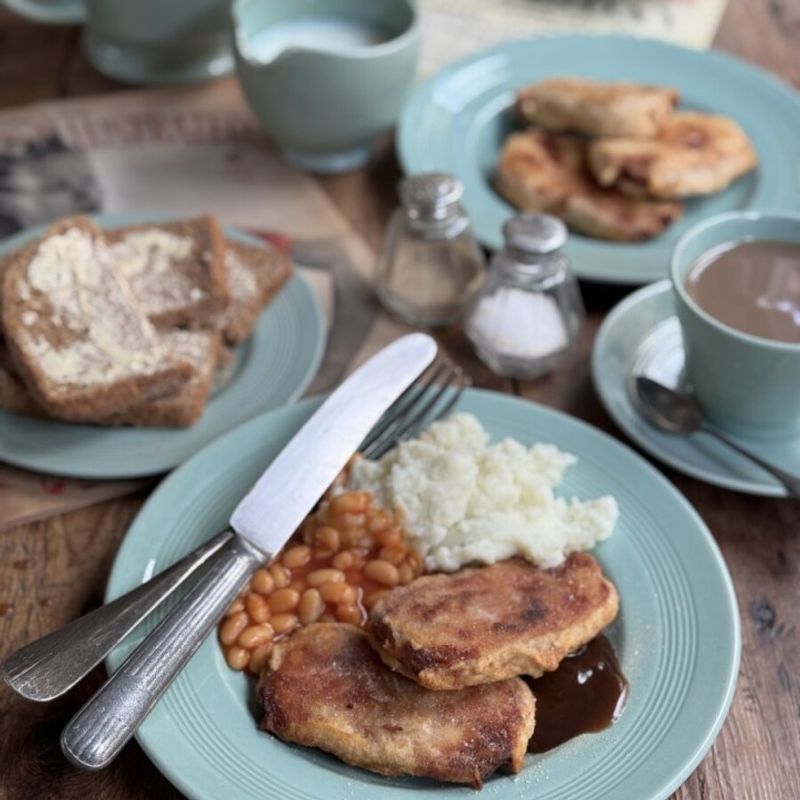
Spam fritters were a school canteen legend. That rectangle of processed pork, coated in thick batter and deep-fried until golden, divided opinion sharply but kept showing up on the menu regardless.
Kids who loved them really loved them.
Spam itself arrived in Britain during World War II as part of American food aid, and it stuck around long after rationing ended. The fritter version became a cheap, cheerful, and surprisingly satisfying British classic that older generations still remember with real warmth.
9. Custard Creams
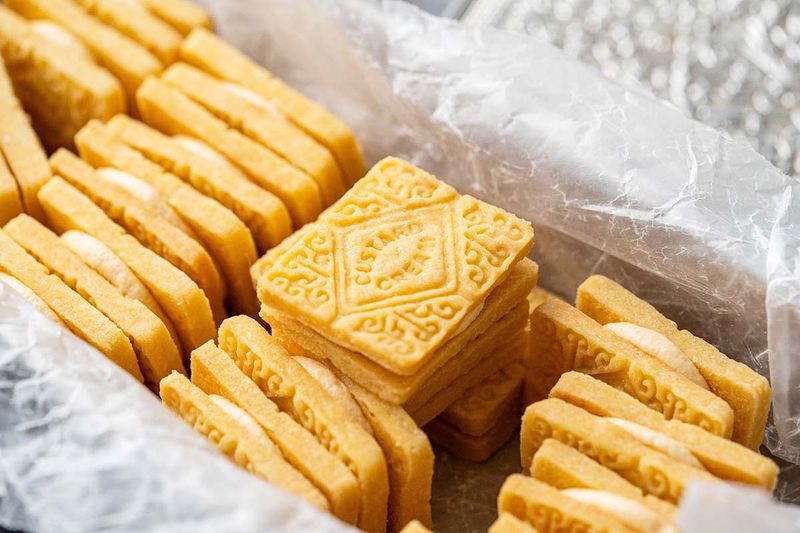
Custard creams have been sitting in British biscuit tins since 1908, which makes them one of the oldest and most beloved biscuits in the country. That crunchy vanilla shortcake sandwiched around a sweet, creamy filling was practically a food group for British children growing up.
The art of twisting them apart to lick the filling first was a skill every kid mastered early. Paired with a cup of tea, they were completely ordinary yet somehow always satisfying in a way that fancier biscuits rarely managed.
10. Tinned Tomato Soup
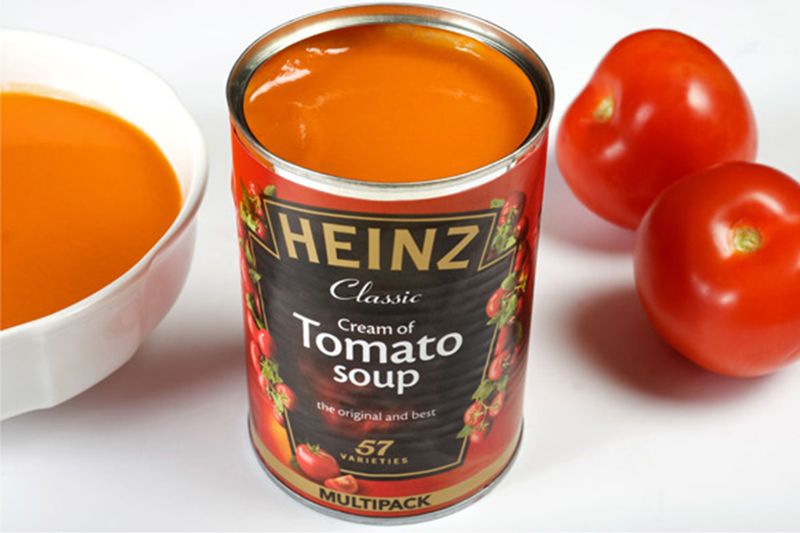
Heinz cream of tomato soup from a tin was the ultimate comfort food for poorly days, cold afternoons, and lazy lunches. That vivid red colour, the sweet, slightly tangy flavour, and the way it warmed you from the inside out made it feel like a hug in a bowl.
Dunking a slice of soft white bread into it was not optional, it was mandatory. Most British adults can recall the sound of that tin opener and the smell that followed as pure childhood comfort.
11. Pickled Onion Monster Munch
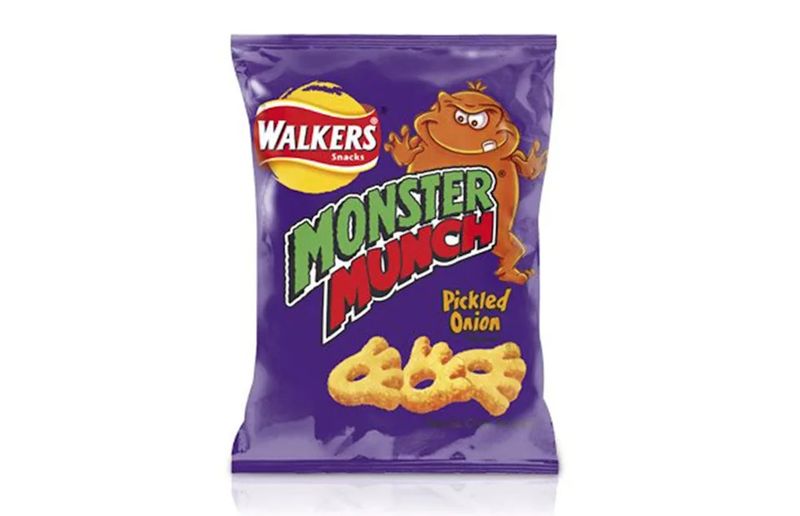
Monster Munch launched in 1977 and the pickled onion flavour quickly became the nation's favourite, even though it left your breath absolutely lethal for hours afterwards. Those oversized, claw-shaped corn puffs had a sharp, tangy, vinegary punch that no other crisp could match.
They were the crisp of choice for school packed lunches throughout the 1980s and 1990s. Eating them was almost an event, crunching through each monster-shaped piece with the kind of enthusiasm reserved only for truly great snacks.
12. Spotted Dick
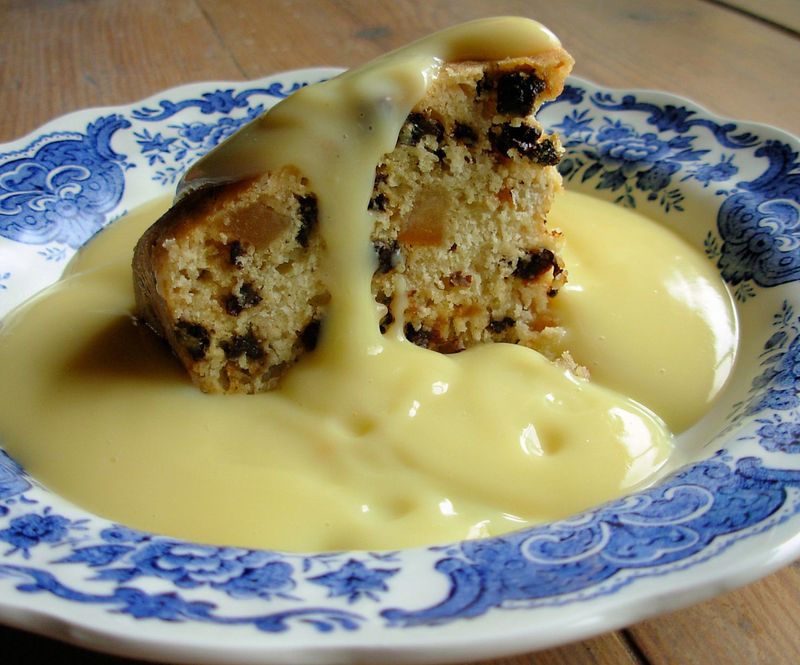
The name always caused chaos in school canteens, but spotted dick is a genuinely delicious British steamed sponge pudding studded with dried currants and served with lashings of warm custard. It has been a staple of British cooking since at least the mid-1800s.
Despite its old-fashioned reputation, it remains one of the most comforting puddings imaginable on a cold day. The soft, slightly sticky sponge soaking up all that custard was something British children enjoyed for decades without fully appreciating how special it was.
13. Iced Gems
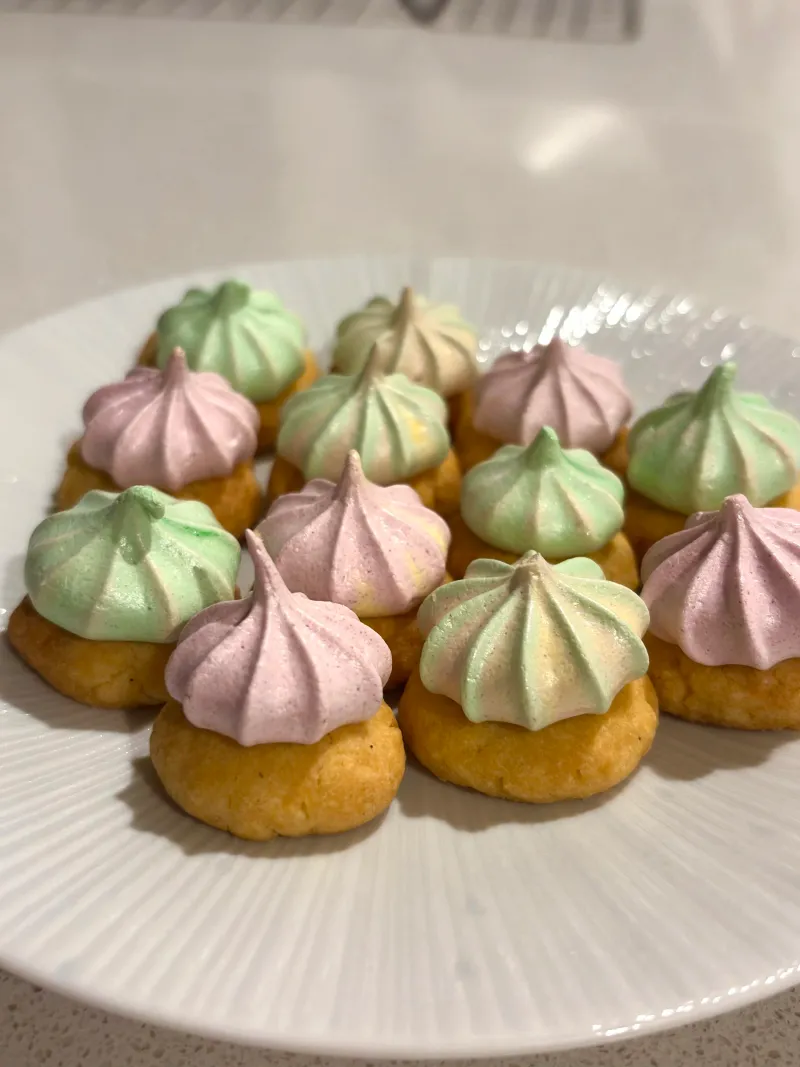
Iced Gems were almost too cute to eat, but that never stopped anyone from pouring half a bag into their mouth at once. Those tiny, crunchy little biscuit bases topped with a stiff rosette of brightly coloured icing were a party bag essential and a sweet shop favourite for generations of British children.
Introduced in the 1800s, they are one of Britain's oldest surviving sweets. Somehow, that miniature size made them taste even better than a full-sized biscuit ever could.
14. Corned Beef Hash
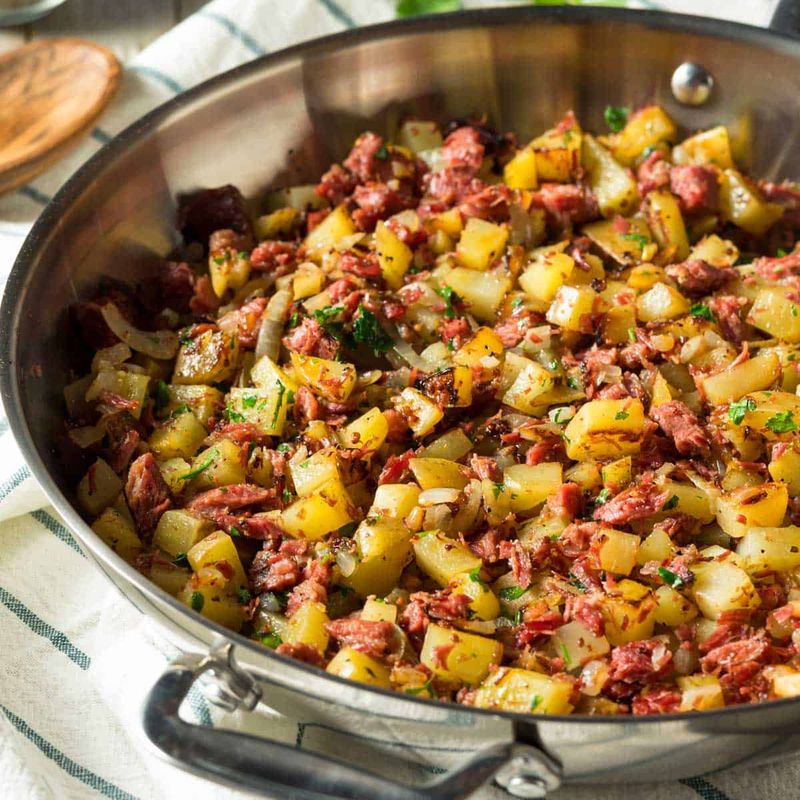
Corned beef hash was the kind of meal that appeared without ceremony on weeknight dinner tables across Britain. Tinned corned beef, diced potatoes, and onions all fried up together into a golden, slightly crispy, deeply satisfying plate of food that required almost no effort to make.
It was economical, filling, and genuinely tasty, though most kids never gave it a second thought. The distinctive trapezoidal tin with its little key opener was a familiar sight in every British kitchen cupboard for decades.
15. Bread and Butter Pudding
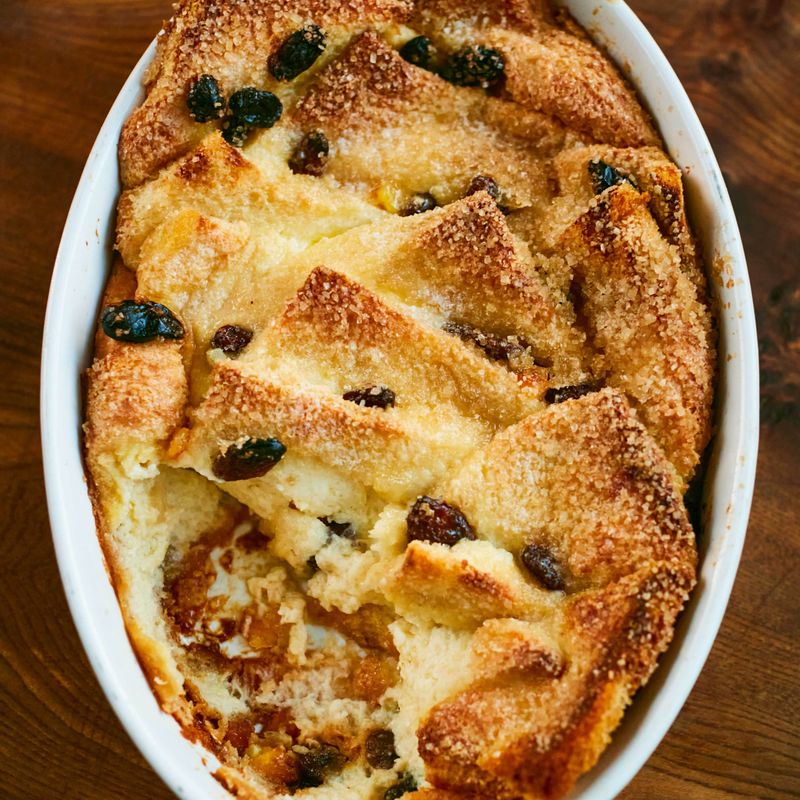
Bread and butter pudding is the ultimate example of British thriftiness turned into something genuinely wonderful. Stale bread, butter, raisins, eggs, milk, and a sprinkle of nutmeg baked together until golden and custardy was a pudding that cost almost nothing but tasted like a real treat.
It was a regular feature at school dinners and Sunday family meals throughout the 20th century. Many British adults remember it as one of the most comforting desserts of their childhood, even if they never said so at the time.
16. Prawn Cocktail Crisps
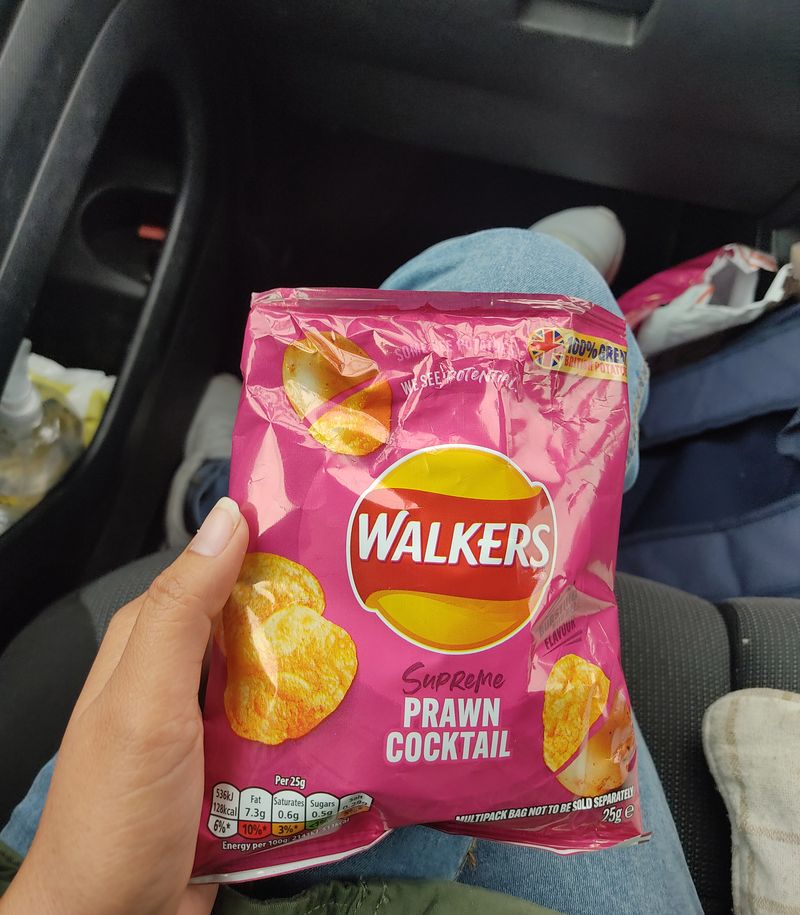
Prawn cocktail crisps are one of Britain's most enduring flavours, introduced by Walkers and others in the 1970s and never going away since. That distinctive sweet, tangy, slightly seafood-flavoured coating on a light, crunchy crisp became completely normal to British palates from childhood onwards.
They were a party staple, a lunchbox regular, and a corner shop impulse buy all in one. Only after travelling abroad do most British people realise that prawn cocktail crisps are a deeply, wonderfully odd national quirk.
17. Cheese Strings
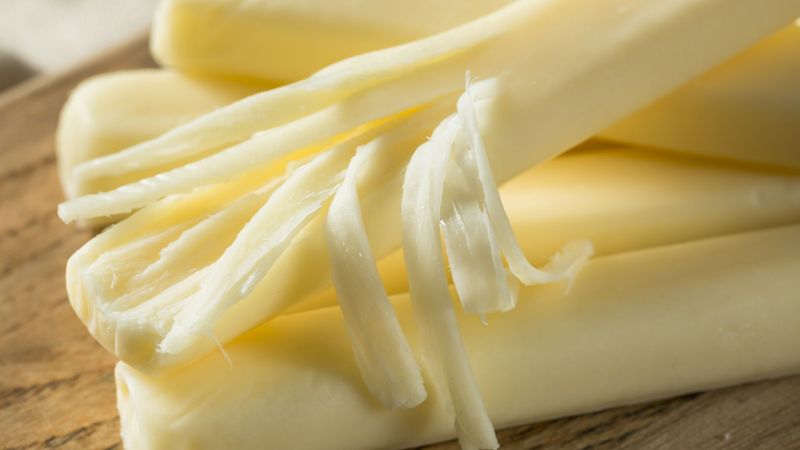
Cheese Strings arrived in British lunchboxes in the mid-1990s and immediately became the most exciting thing happening in any school at lunchtime. The whole point was peeling the cheese into long, satisfying strings rather than just eating it normally, which made it feel more like a toy than a snack.
Parents loved them because they were a source of calcium. Kids loved them because they were fun to eat.
It was a rare moment of genuine agreement between the two generations at the lunch table.
18. Toad in the Hole
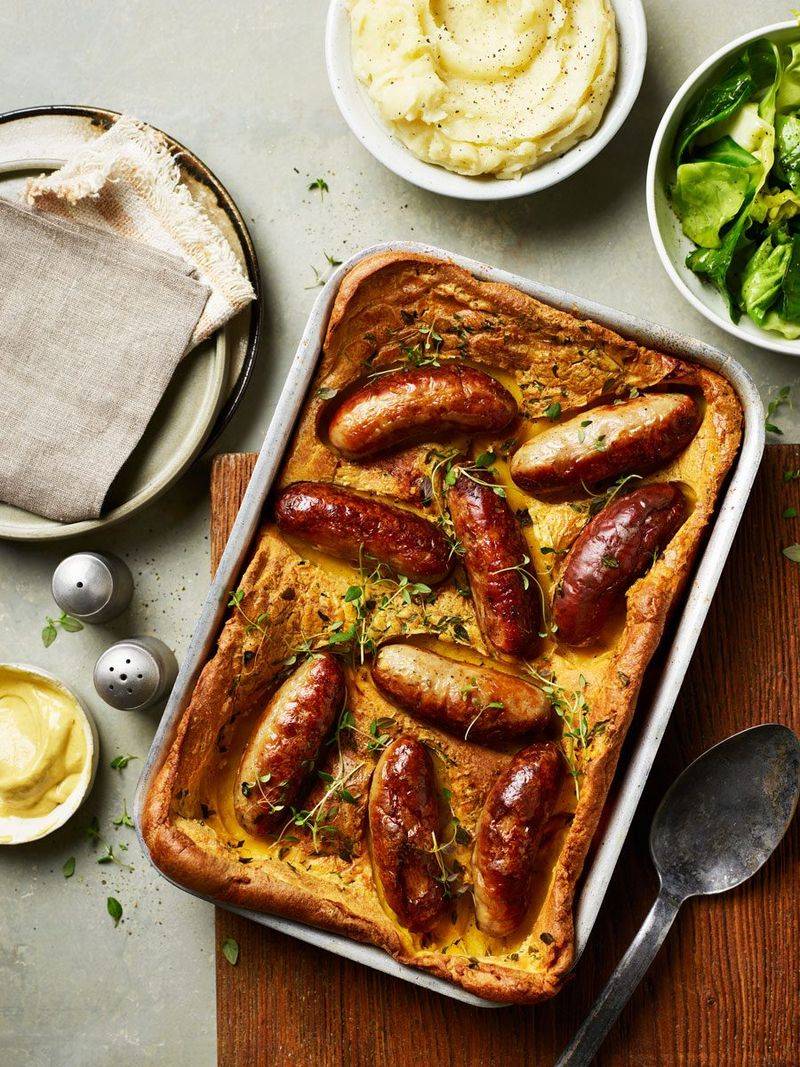
Sausages baked inside a giant Yorkshire pudding, served with onion gravy and mashed potato, was the kind of dinner that made you genuinely glad to be British. Toad in the hole has been around since at least the 1700s, making it one of the oldest dishes on this entire list.
The trick was always getting the batter to puff up dramatically around the sausages. When it worked perfectly, the result was crispy on the outside, soft and eggy in the middle, and completely irresistible to anyone at the table.
19. Arctic Roll
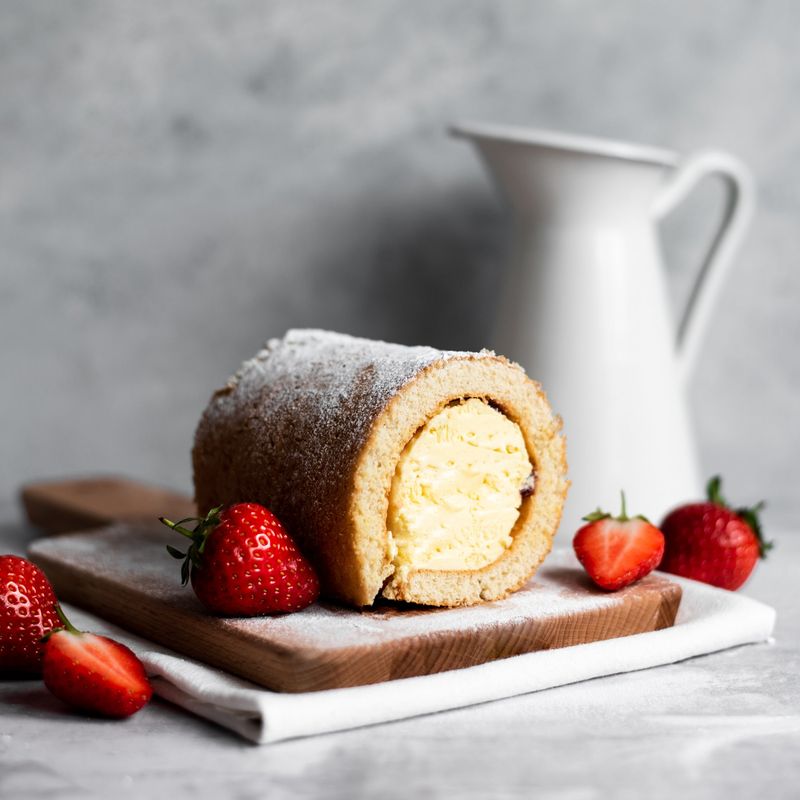
Arctic Roll was genuinely groundbreaking when it first appeared in Britain in the 1960s. The idea of vanilla ice cream wrapped inside a soft sponge cake with a thin layer of jam seemed almost futuristic for its time, and it became a freezer cabinet icon almost immediately.
It showed up at birthday parties and Sunday dinners as the fancy dessert option throughout the 1970s and 1980s. Slicing through that pale sponge to reveal the frozen core inside was always a small, satisfying moment of pure teatime theatre.
20. Sherbet Fountain
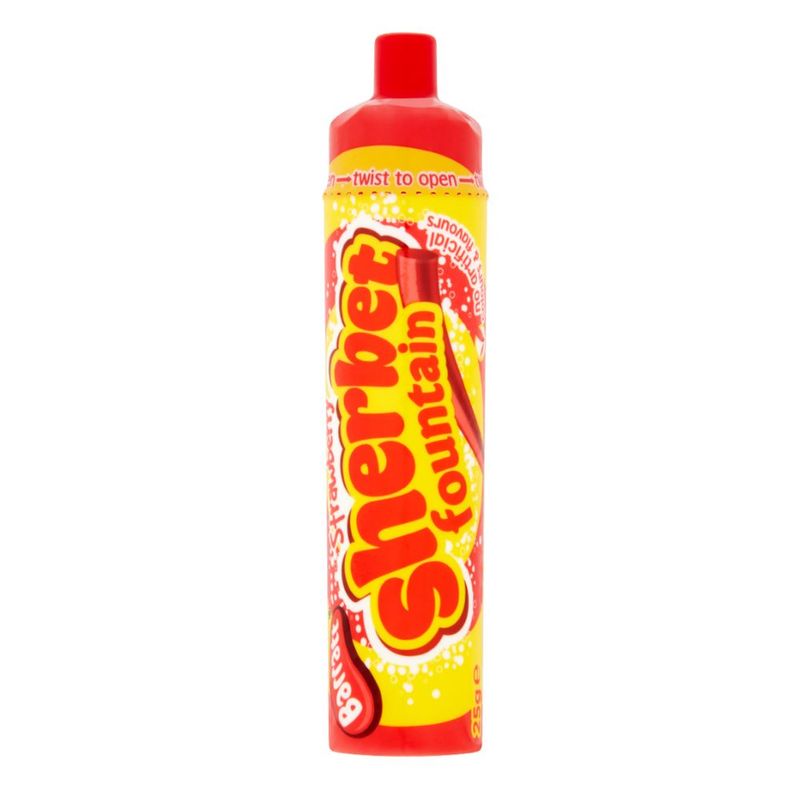
The Sherbet Fountain has been around since 1925, which means it has been fizzing on British tongues for exactly 100 years. That yellow cardboard tube packed with white sherbet powder, with a long black liquorice straw to dip in and suck through, was a corner shop legend that cost almost nothing.
The combination of the sharp, fizzy sherbet and the chewy, slightly bitter liquorice was genuinely unique. Every British child knew the ritual of licking the straw, dipping it in, and trying not to breathe in a cloud of sherbet by accident.




Comments
No Comments