













Walking into a British corner shop for the first time can feel like stepping into a different world. The shelves are packed with snacks, drinks, and products that look completely unfamiliar to visitors from abroad.
From oddly named sweets to sauces with mysterious purposes, these everyday items are totally normal to locals but leave tourists scratching their heads. Get ready to discover the quirky, beloved staples that Brits grab without a second thought.
1. Pot Noodle
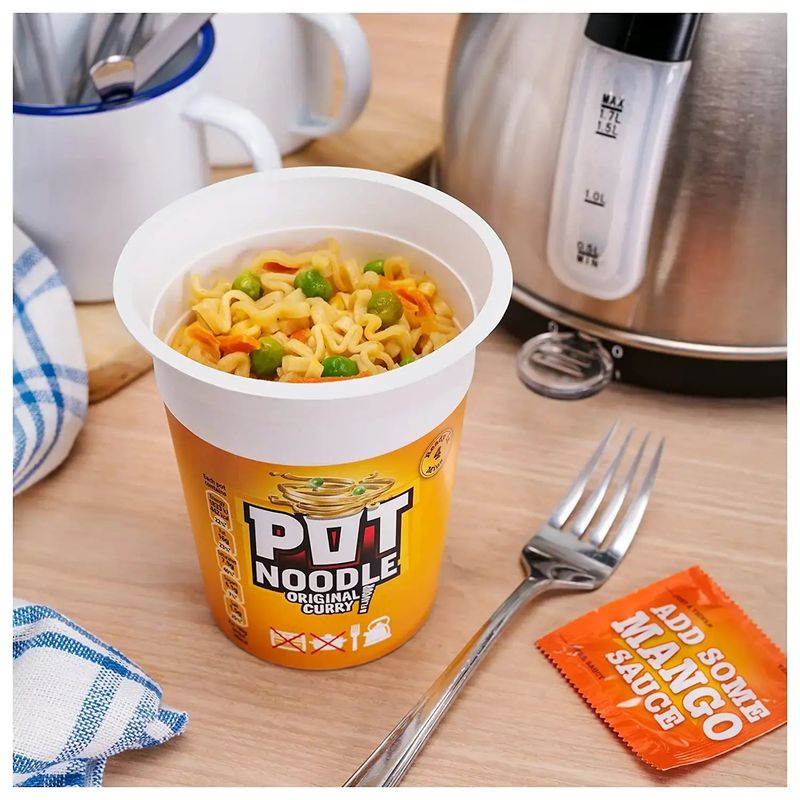
Forget fancy ramen bars - Pot Noodle has been fueling hungry Brits since 1977. You just pour boiling water in, wait a couple of minutes, and stir.
It sounds too simple to be good, and honestly, that is exactly the point.
Tourists often pick it up, flip it over, and look completely puzzled. But to a British student or late-night snacker, finding a Pot Noodle is like striking gold.
It comes in flavors like Bombay Bad Boy and Beef and Tomato.
2. Lucozade
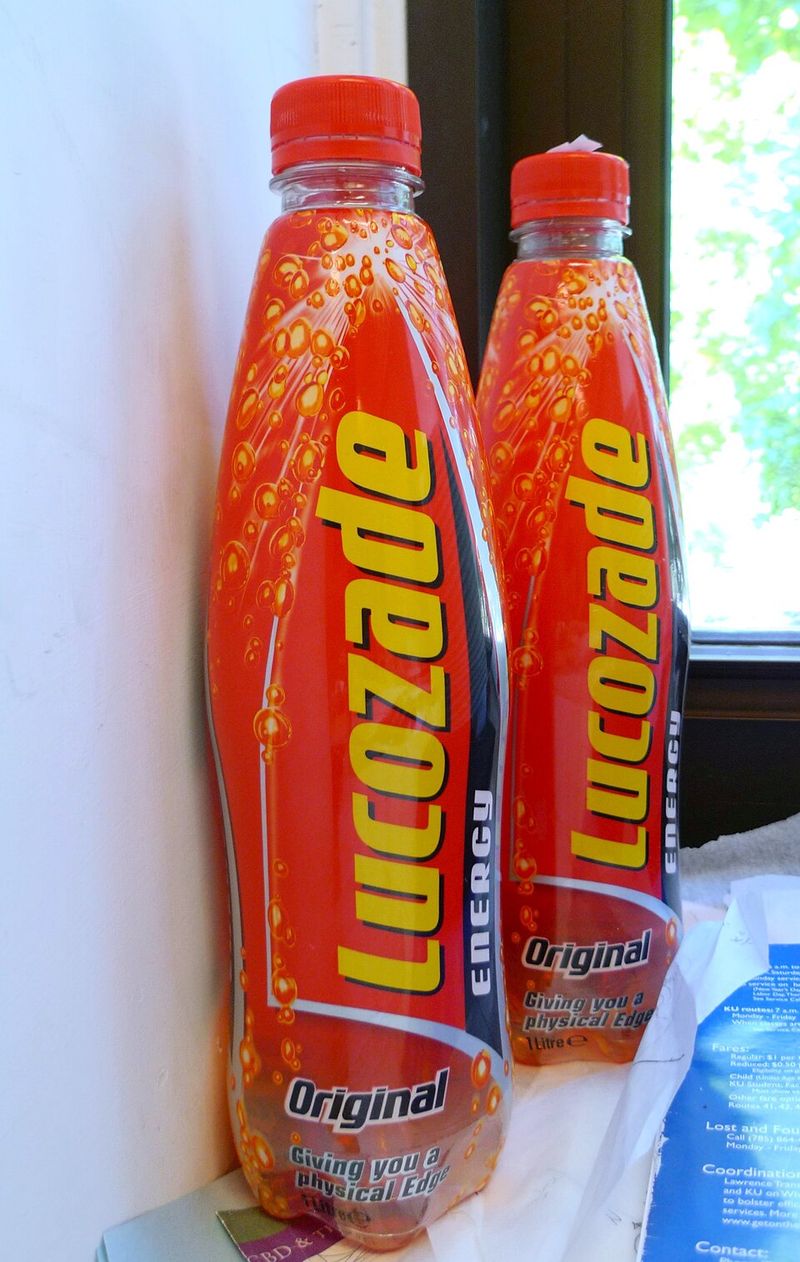
Lucozade is one of those drinks that has a totally different reputation in the UK compared to anywhere else. Originally sold in hospitals as an energy drink for sick patients, it later transformed into a sports drink.
That backstory alone surprises most tourists.
The classic orange flavor wrapped in crinkly cellophane is an iconic image in British culture. Many Brits grew up drinking it when they had a cold.
Spotting it on a corner shop shelf brings on a wave of childhood nostalgia.
3. Marmite
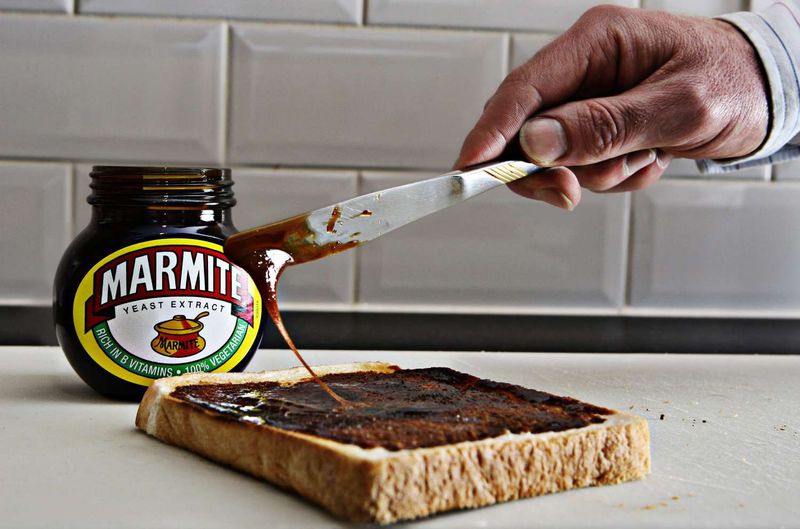
Few products in the world split opinion as dramatically as Marmite. The slogan says it all: you either love it or hate it.
This dark, sticky yeast extract is spread thinly on buttered toast and is absolutely beloved by millions of Brits.
Tourists who try it expecting something sweet are usually in for a shock. It is intensely salty and savory, with a deep umami punch.
Fun fact: Marmite was invented by a German scientist but became one of Britain's most iconic foods.
4. Ribena
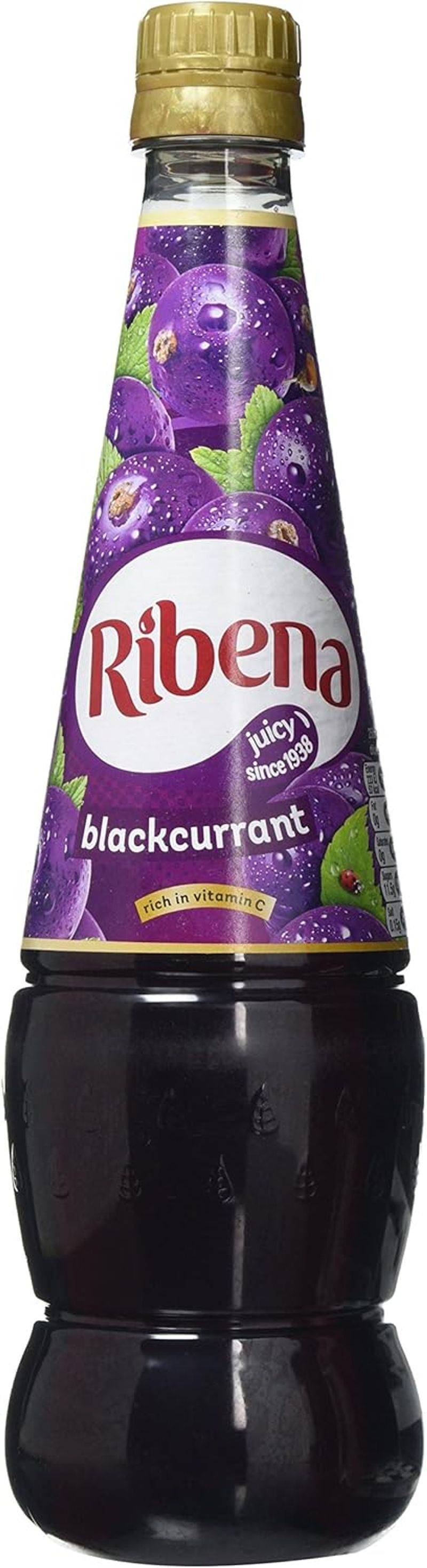
Ribena is a blackcurrant squash drink that most British kids grew up sipping at school or after football practice. The deep purple color and sweet-tart taste are unmistakable.
Tourists often stare at the blackcurrant flavor, unsure what to expect.
Blackcurrant is not a common flavor in many other countries, which makes Ribena feel exotic to visitors even though it is completely ordinary here. During World War II, the UK government actually promoted Ribena to children as a source of vitamin C.
5. Scotch Eggs
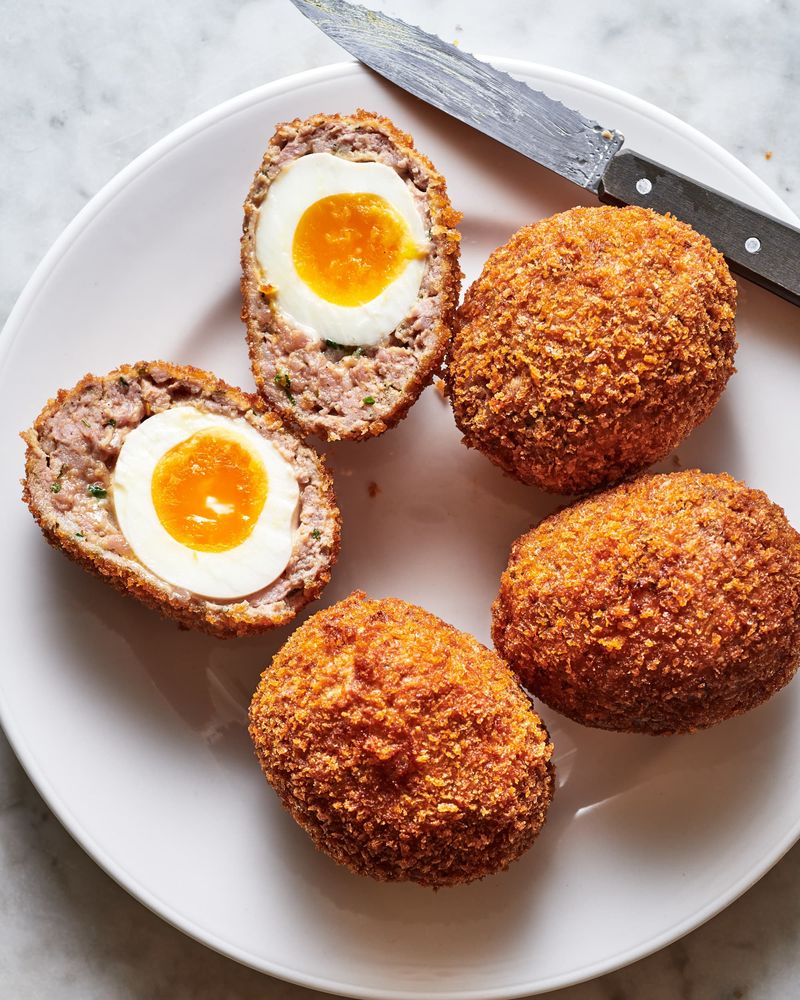
A hard-boiled egg wrapped in seasoned sausage meat, coated in breadcrumbs, and deep-fried - that is a Scotch egg in a nutshell, or rather, out of one. They sit proudly in the corner shop chilled section, often eaten cold as a snack.
Visitors from outside the UK tend to stare at them with a mixture of curiosity and suspicion. Despite the name, Scotch eggs are thought to have originated in London, not Scotland.
They are a proper grab-and-go British classic that locals never question.
6. Pickled Onion Monster Munch
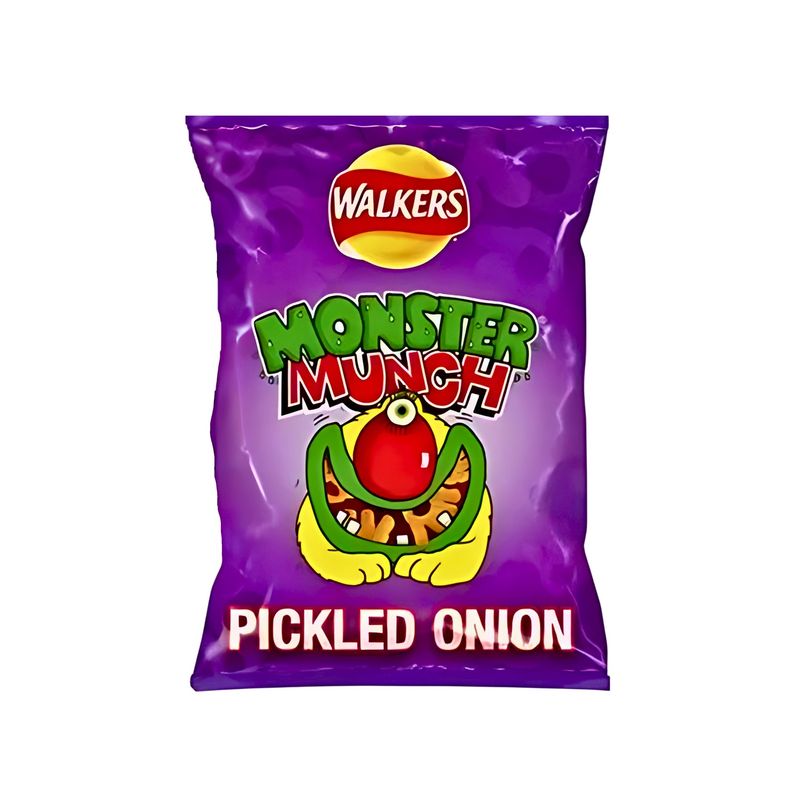
Monster Munch are claw-shaped corn puffs that come in flavors bold enough to make your eyes water - and Pickled Onion is the undisputed champion. The sharp, tangy punch of fake pickled onion flavor hits you immediately and lingers long after the bag is gone.
Tourists often reach for these out of sheer curiosity about the monster on the packet, then are caught completely off guard by the flavor. Brits, on the other hand, eat these with fierce loyalty and zero apology.
7. Irn-Bru
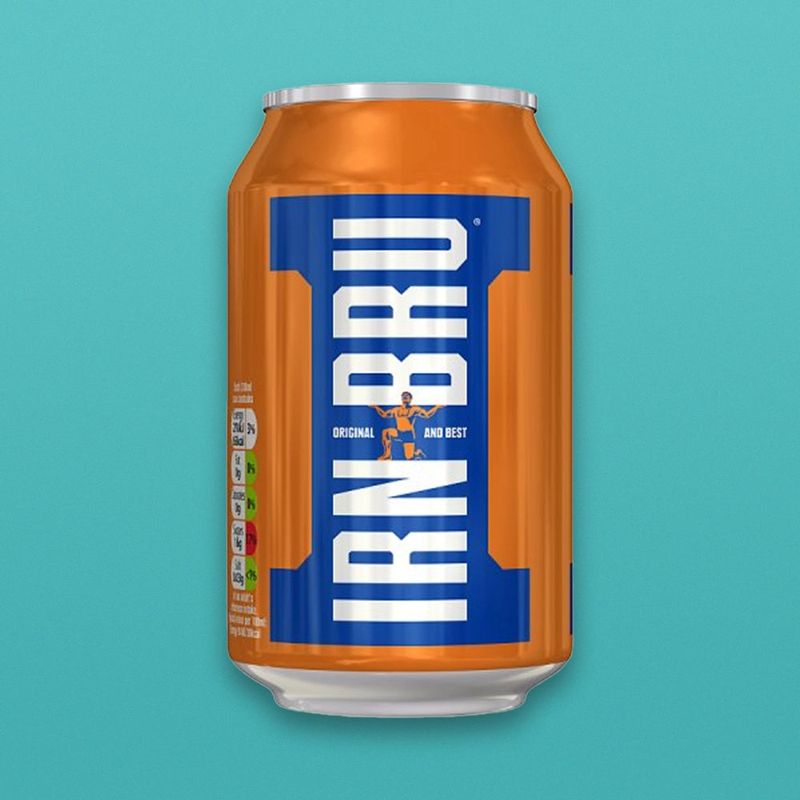
Scotland's other national drink - after whisky - is a fluorescent orange fizzy soda called Irn-Bru. The color alone stops tourists in their tracks.
The flavor is genuinely hard to describe; it is sweet, slightly fruity, and unlike anything else on the planet.
Irn-Bru is so popular in Scotland that it outsells Coca-Cola there, which is rare for any local brand anywhere in the world. The recipe is famously secret, known only to two members of the Barr family at any given time.
Remarkable stuff.
8. Pork Scratchings
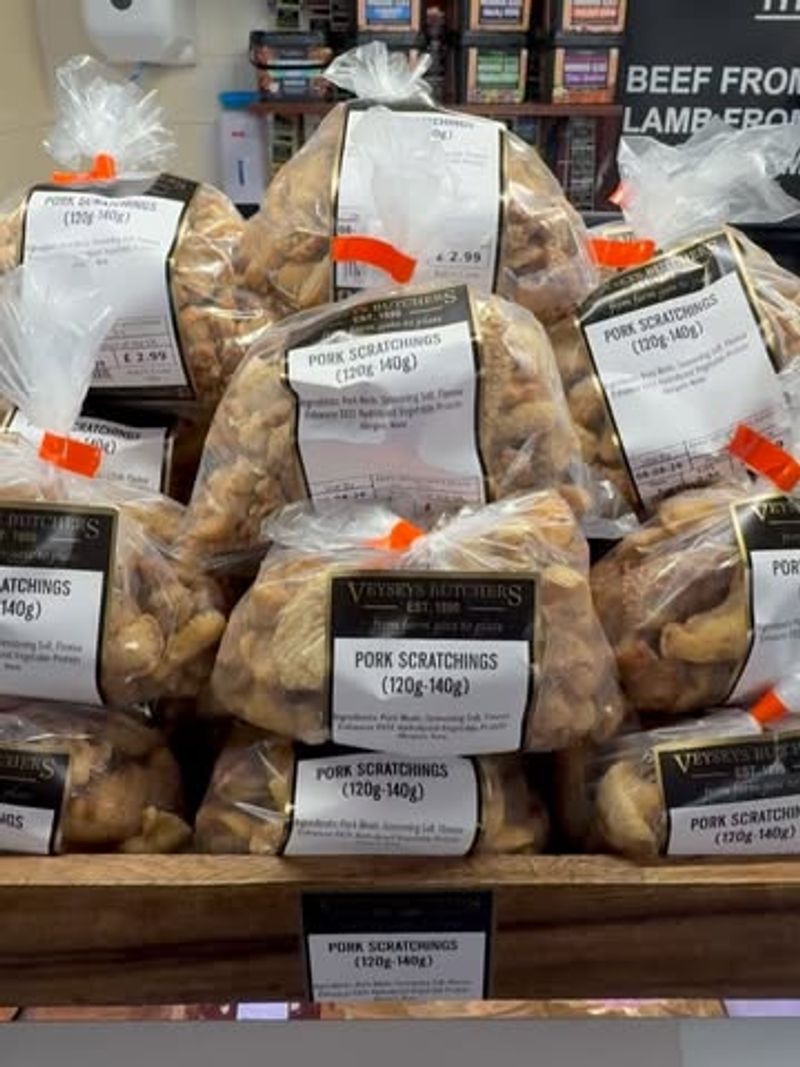
Pork scratchings are deep-fried pig skin, salted heavily, and sold in small bags near the checkout. They are crunchy, fatty, and intensely savory.
The texture is unlike any other snack - somewhere between a cracker and a rock, depending on the batch.
Most tourists pick up a bag, read the ingredients, and slowly put it back down. Brits, especially those who enjoy a pint at the pub, absolutely swear by them.
They are high in protein, very low in carbs, and surprisingly filling for such a small bag.
9. Hobnobs
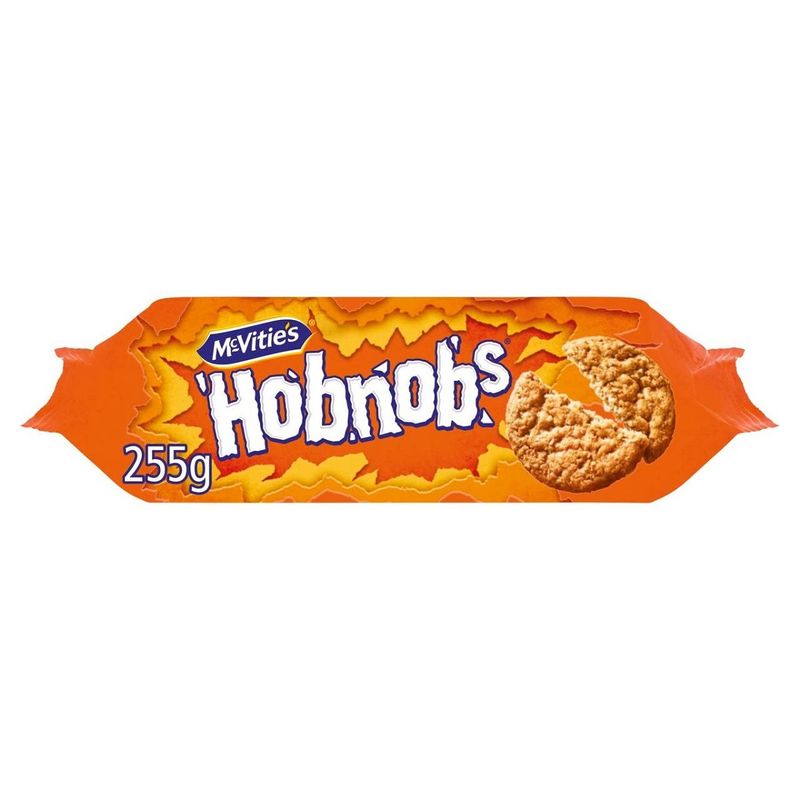
Hobnobs are oat-based biscuits that have earned an almost cult-like following in the UK. They are slightly crumbly, hearty, and perfect for dunking in a hot cup of tea without immediately disintegrating - a quality Brits take very seriously.
Visitors to the biscuit aisle of a British corner shop are usually overwhelmed by the sheer number of options. Hobnobs stand out with their rustic, wholesome look.
The chocolate-coated version is widely considered an upgrade, though biscuit purists insist the plain version is the real deal.
10. Heinz Salad Cream
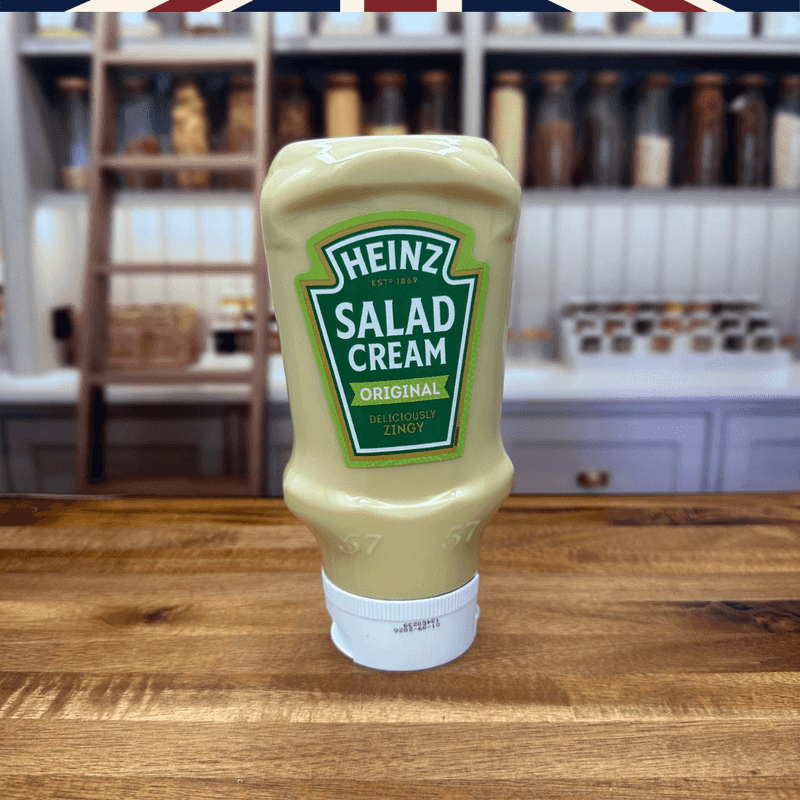
Salad cream is not mayonnaise, not Caesar dressing, and definitely not ranch - it is its own thing entirely. Heinz Salad Cream has a tangy, slightly sweet flavor that has been a staple of British salads, sandwiches, and chip butties since 1914.
Tourists often mistake it for mayo and get a very different experience on their sandwich. Many Brits drizzle it on everything from iceberg lettuce to cold cuts without a second thought.
Heinz once threatened to discontinue it, sparking genuine national outrage.
11. Fray Bentos Pie
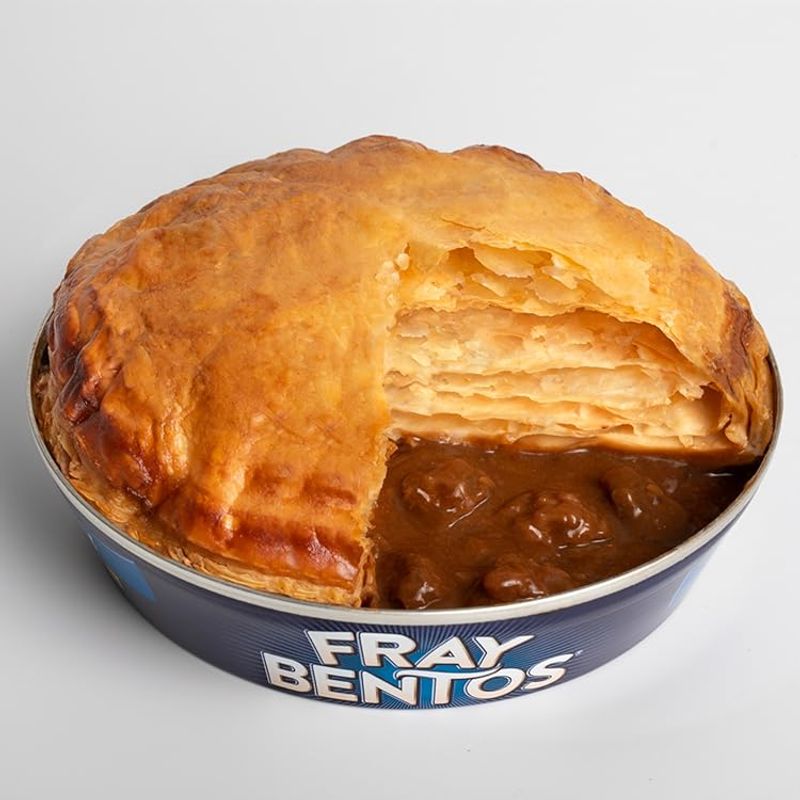
Imagine a meat pie baked inside a tin can. That is exactly what Fray Bentos is, and Brits have been eating them since the 1960s without any sense of shame whatsoever.
You pop the tin in the oven, and out comes a surprisingly decent pie with a golden pastry top.
Tourists usually find the concept deeply confusing - a pie, in a tin? But for generations of British families, Fray Bentos was an emergency dinner hero.
The brand originates from Uruguay, making it an unexpectedly international corner shop staple.
12. Custard Creams
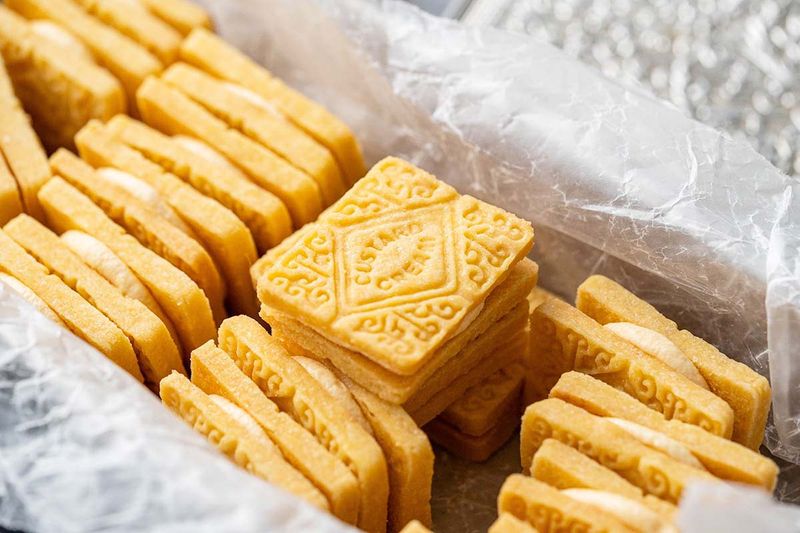
Custard creams are two vanilla-flavored biscuits sandwiched together with a sweet custard buttercream filling. They are pressed with an elaborate floral pattern that looks almost too fancy for a 30p biscuit.
Yet here they are, sitting proudly in every corner shop in Britain.
These have been a teatime staple since the 1900s and are regularly voted among the nation's favorite biscuits. Tourists often overlook them in favor of flashier options, which is genuinely their loss.
One bite and most people understand immediately why Brits keep coming back for more.
13. Vimto
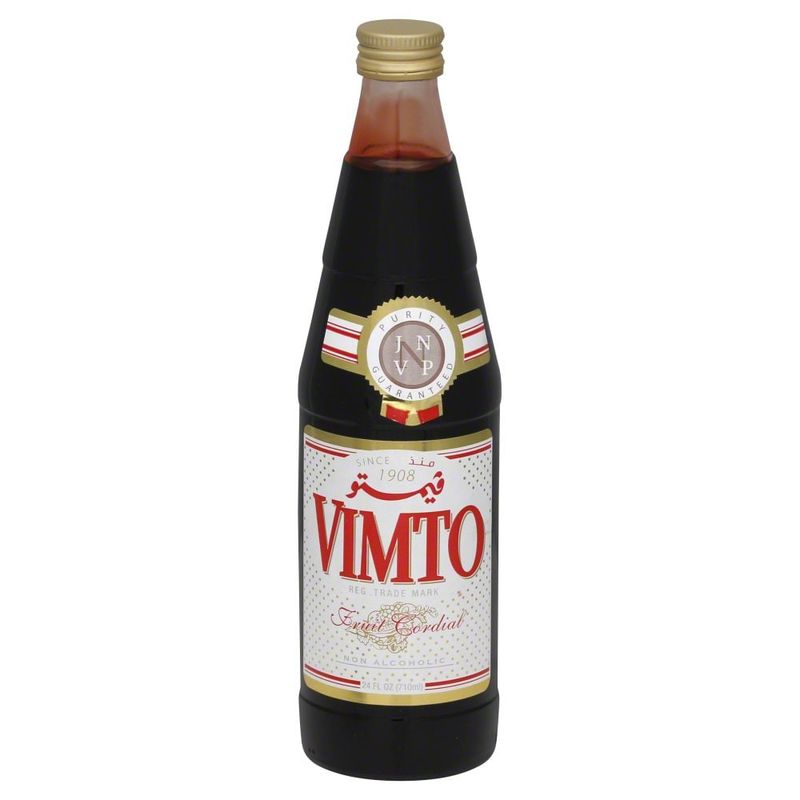
Vimto is a fruit cordial made from a blend of grapes, raspberries, and blackcurrants, and it has been around since 1908. The flavor is sweet, slightly tart, and completely unique.
You dilute it with water to make a refreshing drink, though some Brits just drink it straight.
Tourists are often puzzled by the concept of a cordial - a concentrated syrup you mix yourself. Vimto is also hugely popular in the Middle East during Ramadan, which is a fun bit of trivia most British shoppers have no idea about.
14. Wall's Sausage Rolls
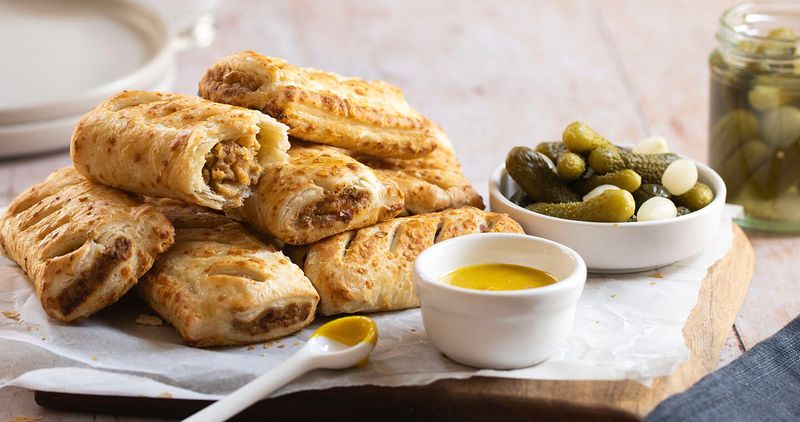
Sausage rolls are a British snack institution. Flaky puff pastry wrapped around seasoned pork sausage meat, baked until golden - they are sold warm at bakeries and cold in corner shop fridges.
Wall's is one of the most recognized brands for the chilled, grab-and-go version.
Tourists from countries where pastry-wrapped meat snacks are not a thing often find the whole concept a bit puzzling. But for Brits, a cold sausage roll eaten standing up is perfectly normal and deeply satisfying.
Greggs may get more fame, but Wall's holds its own.
15. PG Tips Tea Bags
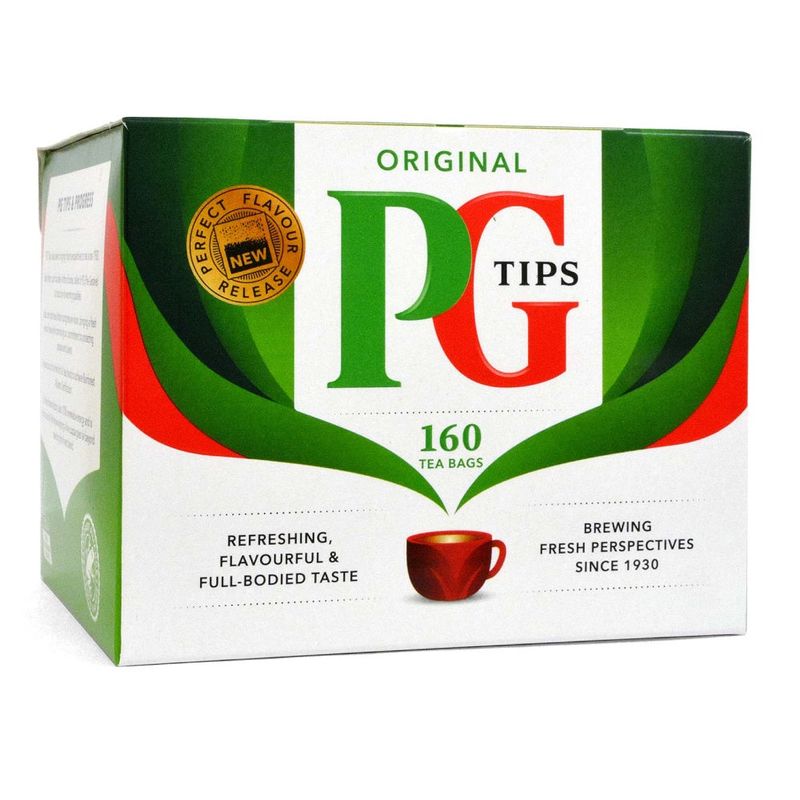
No British corner shop is complete without a prominent display of tea bags, and PG Tips is one of the top contenders for the nation's favorite. The pyramid-shaped bags are designed to allow the tea to brew more fully, which Brits will explain to you at length if you ask.
Tourists from coffee-drinking cultures often underestimate how seriously the British take their tea. Choosing the wrong brand or brewing it incorrectly can spark genuine debate.
PG Tips became famous through TV ads featuring chimpanzees dressed as humans, which ran for decades.
16. Garibaldi Biscuits
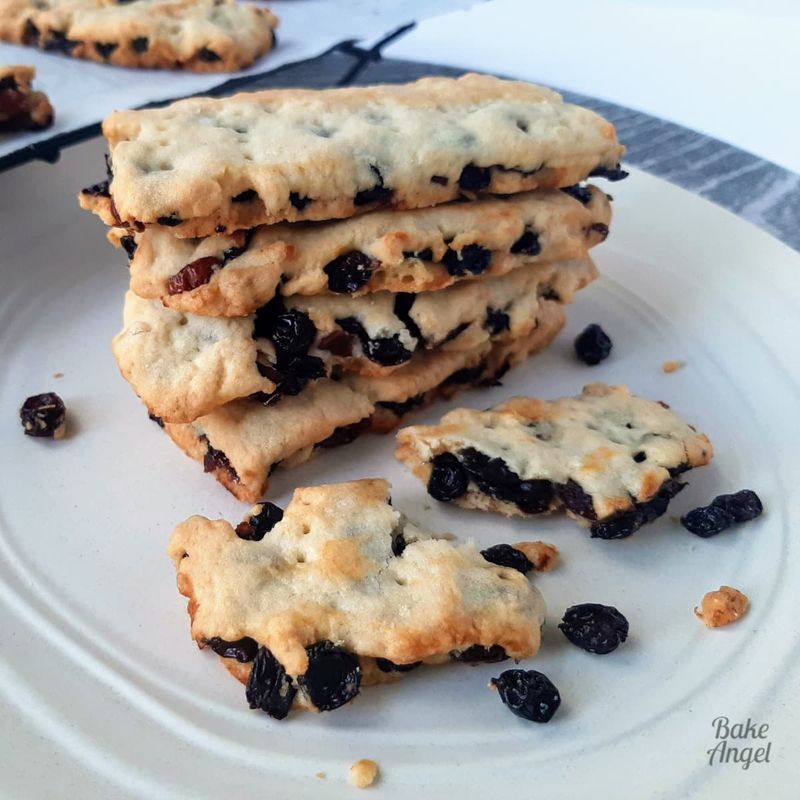
Garibaldi biscuits look like nothing special - thin, flat, and studded with squashed currants baked right into the dough. They are sometimes called squashed fly biscuits by British children, which is both charming and slightly off-putting at the same time.
Named after the Italian general Giuseppe Garibaldi, these biscuits have been made in Britain since 1861. Tourists rarely pick them up because they look so plain, but that understated quality is exactly what generations of Brits have always appreciated about them.
Simple, honest, and quietly delicious.
17. Branston Pickle
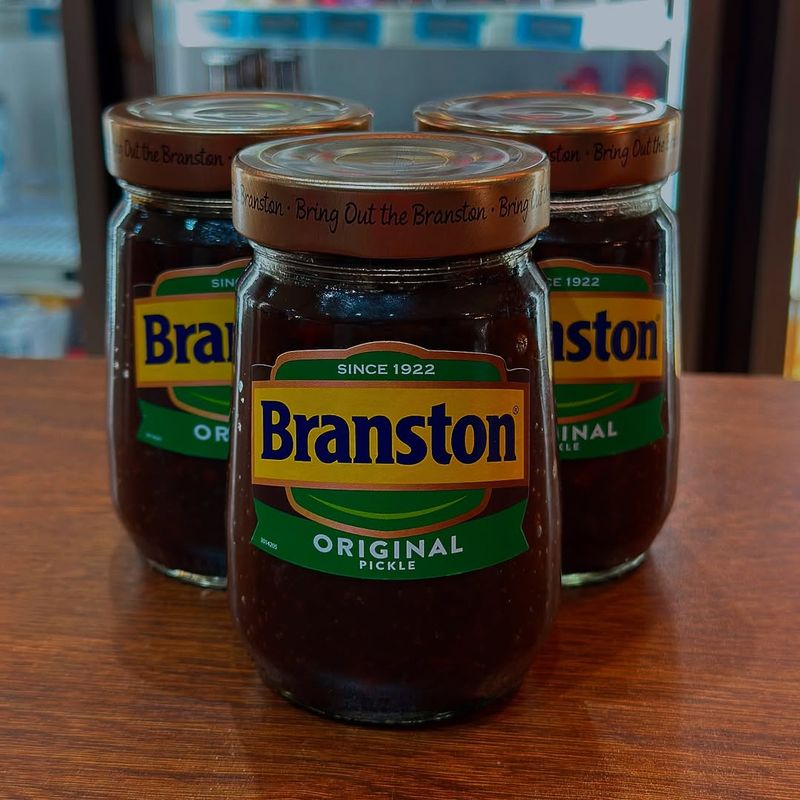
Branston Pickle is a chunky, sweet-and-tangy chutney made from diced vegetables in a thick brown sauce. It sits in sandwiches alongside cheddar cheese and is considered one of the great British flavor combinations.
The jar is immediately recognizable by its brown and yellow label.
Visitors from abroad usually have no frame of reference for what Branston actually is or how to use it. The name comes from the village of Branston in Staffordshire, where it was first made in 1922.
Today it is an irreplaceable part of the British ploughman's lunch.
18. Cadbury Flake
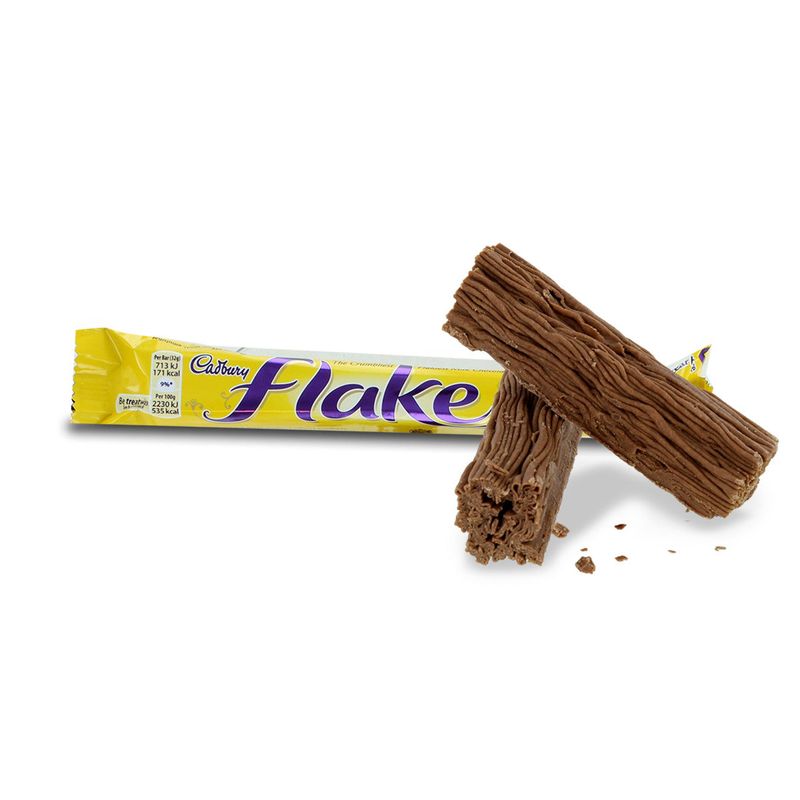
Crumbly, delicate, and absolutely guaranteed to shed chocolate everywhere the moment you unwrap it - the Cadbury Flake is one of Britain's most beloved chocolate bars. It is made from folded layers of milk chocolate that somehow hold together until the first bite, then dramatically fall apart.
Tourists who try a Flake for the first time are often surprised by the texture, which is unlike standard chocolate. The most iconic use of a Flake is stuck into a soft-serve ice cream cone, known as a 99 Flake.
That combination is purely, gloriously British.
19. Typhoo Tea
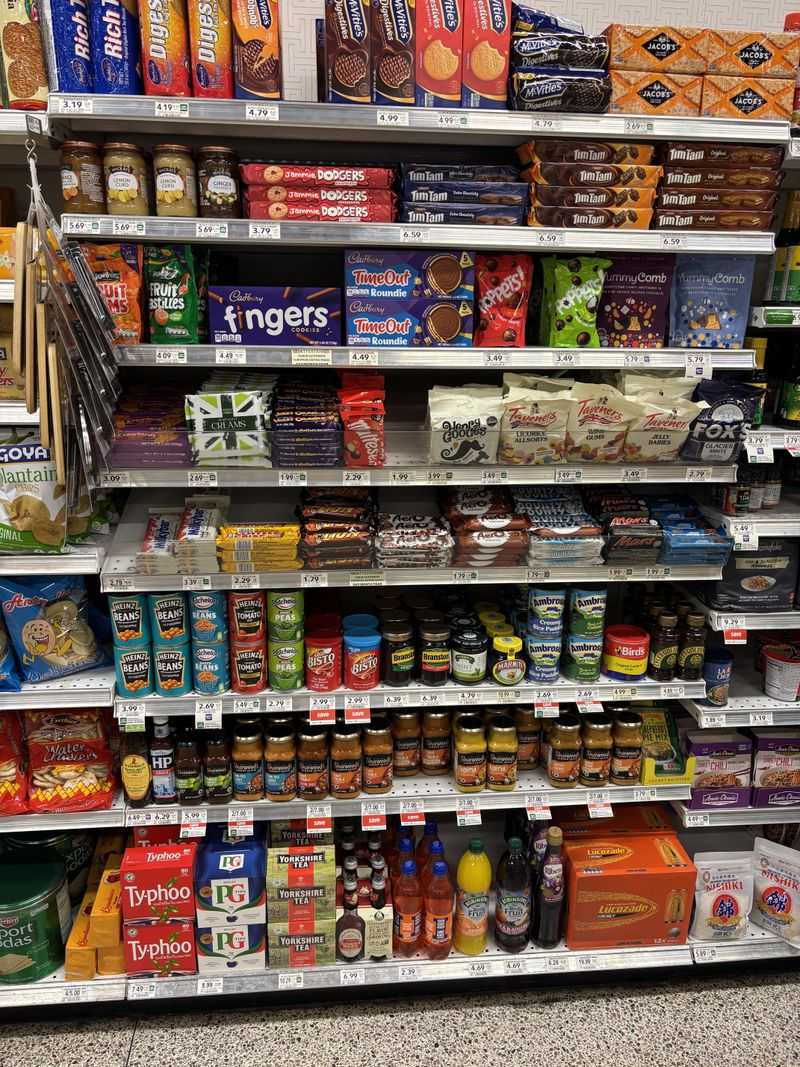
Typhoo is another heavyweight in the British tea world, often found sitting right next to PG Tips and Yorkshire Tea on the corner shop shelf. It has a slightly lighter, more delicate taste compared to stronger blends, making it a favorite for those who prefer a gentler brew.
The brand has been around since 1903, when it was sold as a medicinal tea to aid digestion. That health-focused origin has long been forgotten by most shoppers who simply reach for it out of habit.
In Britain, choosing your tea brand is almost as personal as choosing a football team.
20. Spam
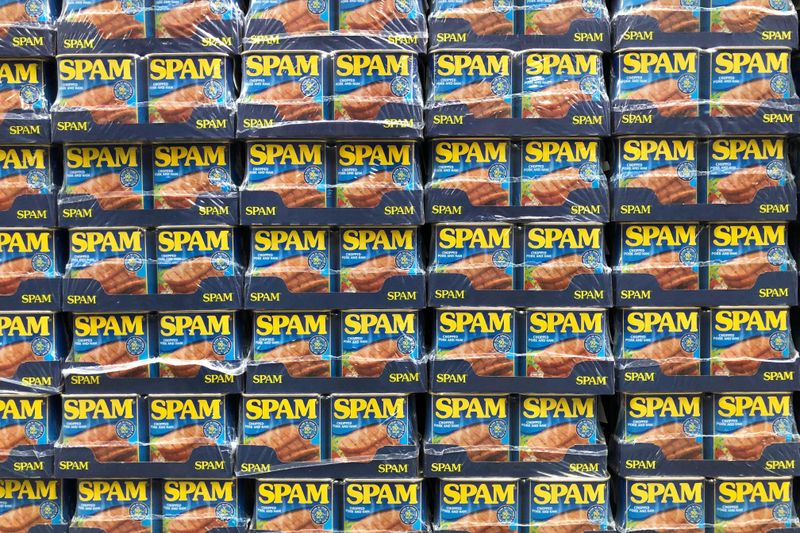
Spam is a canned meat product made from pork that has been part of British corner shop shelves for decades. It gained huge popularity during World War II rationing, when fresh meat was scarce and Spam provided a reliable, affordable protein source for struggling families.
Today, tourists often laugh when they spot it, associating the name with unwanted emails rather than actual food. But older Brits remember Spam fritters, Spam sandwiches, and Spam fried with eggs fondly.
It remains a surprisingly steady seller in corner shops across the country, nostalgia being a powerful thing.




Comments
No Comments