













Food has come a long way from simple campfires and stone tools. Over the centuries, clever inventors and accidental discoveries have completely transformed how we cook, store, and enjoy meals.
Some of the biggest changes in history happened right in the kitchen. Get ready to explore 20 remarkable food inventions that shaped the world on your plate.
1. Canned Food
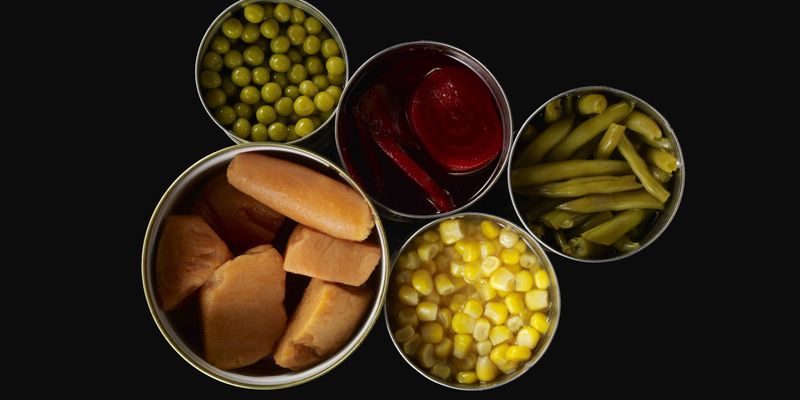
Back in the early 1800s, soldiers and sailors desperately needed food that would not spoil on long journeys. A French chef named Nicolas Appert discovered that sealing food in airtight containers and heating them kept the food safe for months.
This invention changed everything. Canned food made it possible to store meals for years without refrigeration.
Today, billions of cans are produced every year, feeding families all around the world in a quick and affordable way.
2. Refrigeration
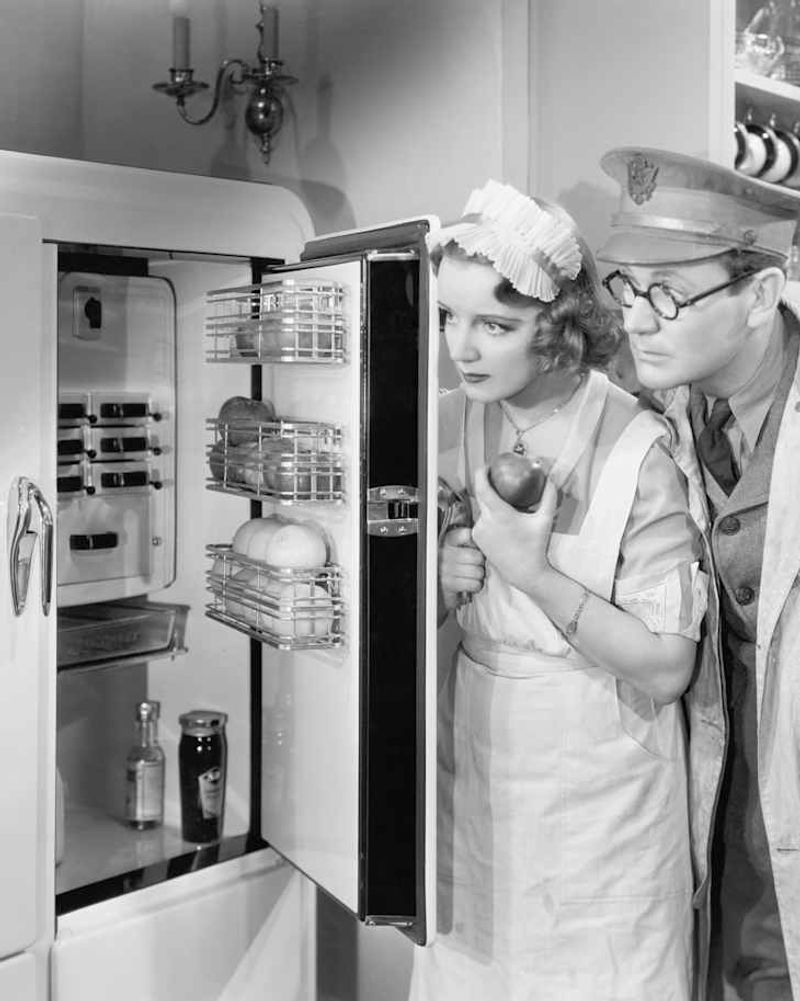
Imagine if your milk went bad every single day. Before mechanical refrigerators became common in homes during the 1920s, keeping food fresh was a constant struggle for families everywhere.
Refrigeration slowed the growth of bacteria, making food last days or even weeks longer. It completely changed grocery shopping, meal planning, and food safety standards.
Without this invention, many of the foods we casually grab from the fridge today simply would not exist in our daily diet.
3. Pasteurization
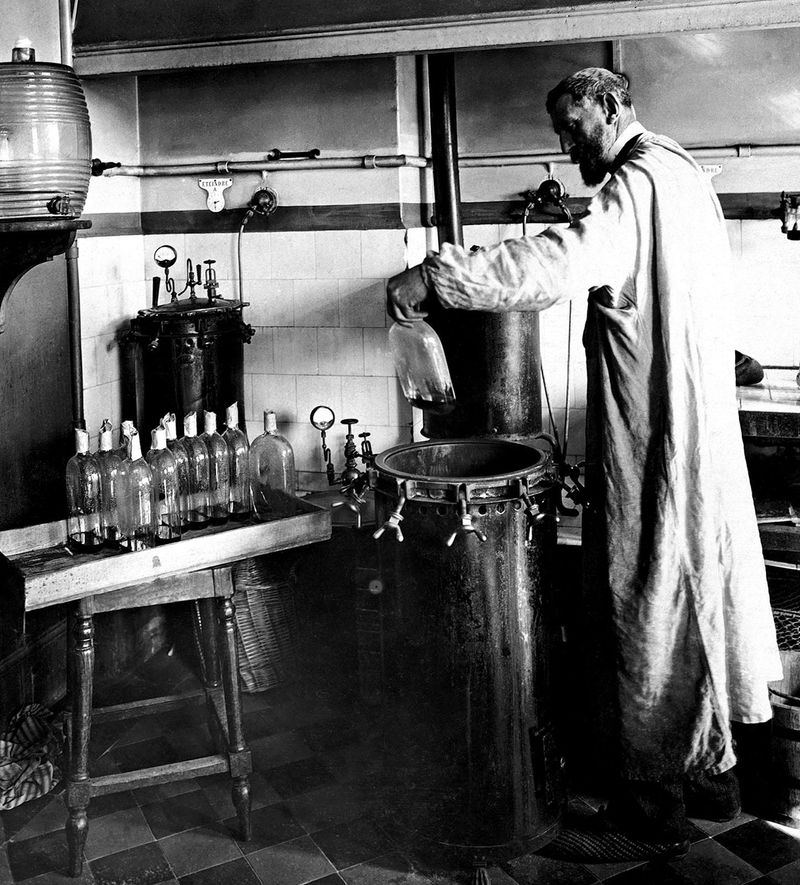
Louis Pasteur was a French scientist who, in the 1860s, figured out that heating liquids to a specific temperature could kill harmful bacteria without ruining the taste. His method was first used on wine and beer, then later applied to milk.
Pasteurization saved countless lives by making dairy products much safer to drink. Before this process, contaminated milk caused widespread illness.
Today, almost every carton of milk you pick up at the store has been pasteurized.
4. Sliced Bread
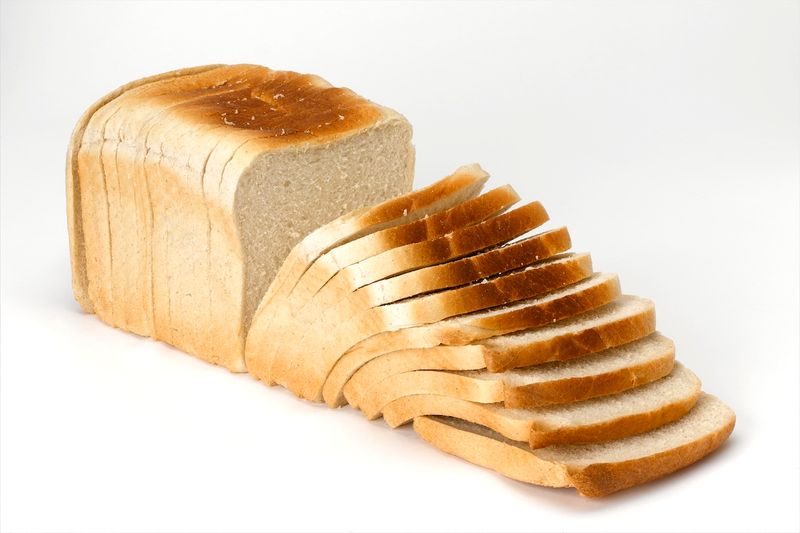
"The greatest thing since sliced bread" is a phrase people still use today, and it started with one man's big idea. Otto Rohwedder invented the first bread-slicing machine in 1928, and bakeries quickly adopted it across America.
Before this, people had to cut their own bread unevenly at home. Pre-sliced bread made sandwiches faster, toast more consistent, and breakfast routines much easier.
It seems simple, but this invention genuinely changed how millions of people ate every single morning.
5. The Microwave Oven
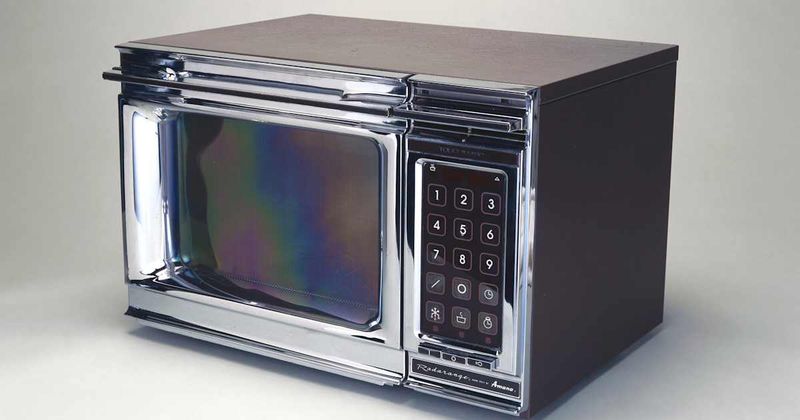
A radar engineer named Percy Spencer accidentally discovered microwave cooking in 1945 when a chocolate bar melted in his pocket near radar equipment. Curious and creative, he experimented further and developed the first commercial microwave oven.
Early models were huge and expensive, but by the 1970s, compact versions became affordable for regular homes. Reheating leftovers, making popcorn, and defrosting dinner became tasks that took seconds instead of hours.
The microwave truly rewired the pace of modern cooking.
6. Instant Noodles
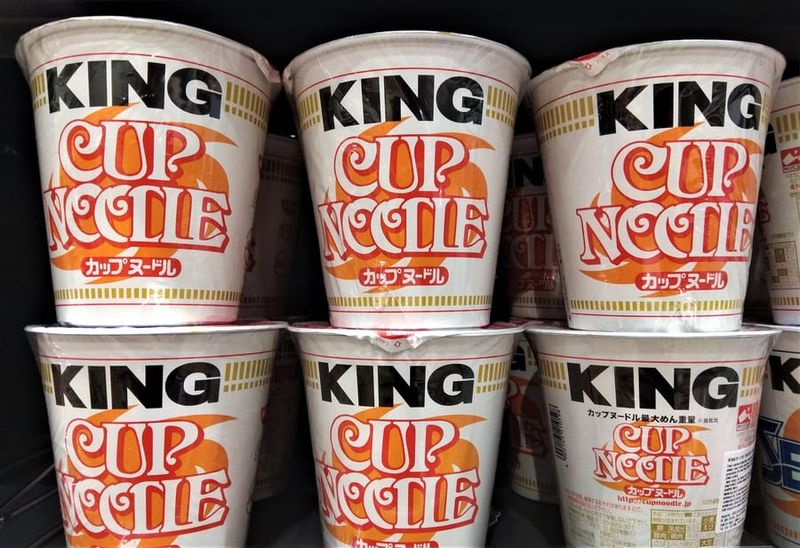
Momofuku Ando invented instant noodles in Japan in 1958 after seeing long lines of hungry people waiting for a bowl of ramen after World War II. He spent months experimenting in a small shed behind his house before perfecting the flash-frying method that made noodles shelf-stable.
Today, over 100 billion servings of instant noodles are eaten worldwide each year. They are cheap, fast, and endlessly customizable.
College students, busy parents, and travelers everywhere rely on this humble invention daily.
7. Freeze-Drying
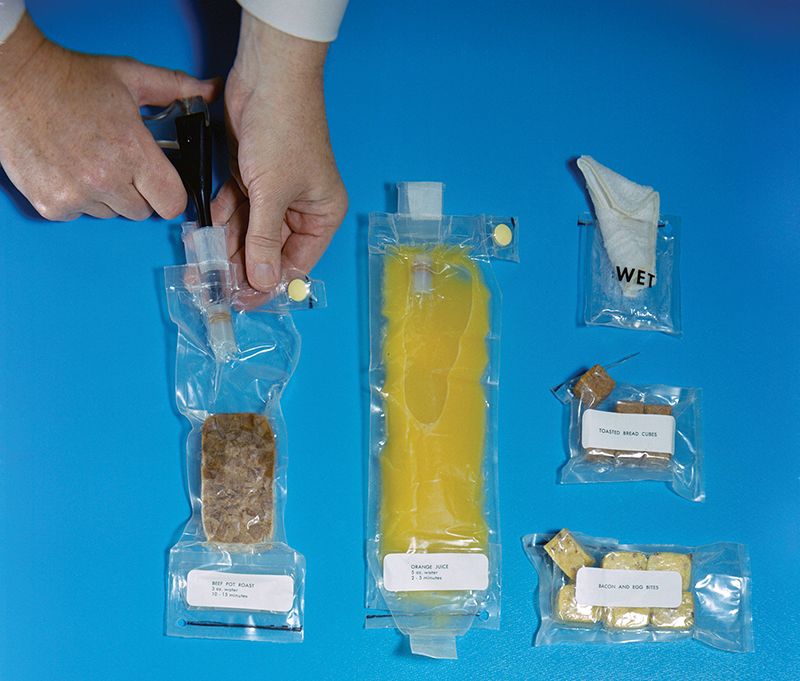
Freeze-drying removes almost all the moisture from food while keeping its shape, flavor, and nutrients surprisingly intact. Originally developed for medical supplies during World War II, the technology was later applied to food preservation in creative ways.
Astronauts eat freeze-dried meals in space, hikers carry freeze-dried snacks on trails, and emergency kits often include freeze-dried food that lasts up to 25 years. It is one of the most clever preservation methods ever invented, blending science and practicality in every lightweight bite.
8. The Electric Toaster
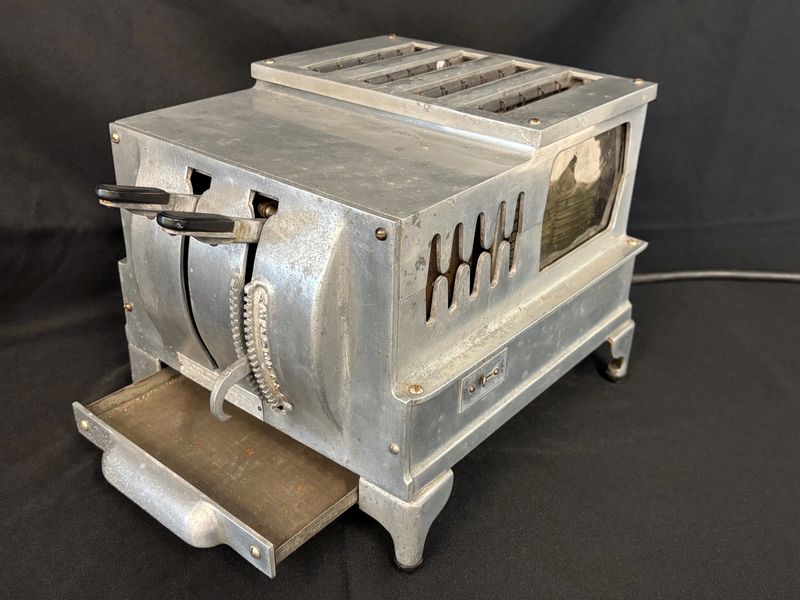
Before electric toasters existed, people held bread over open flames or used long-handled wire frames near a fire, which was slow and sometimes dangerous. The first electric toaster appeared in 1893, but it was not until 1921 that Charles Strite invented the automatic pop-up model.
That spring-loaded mechanism changed breakfast culture forever. Crispy, evenly toasted bread became a morning staple across America and beyond.
The humble toaster remains one of the most-used kitchen appliances in households around the world today.
9. Food Coloring
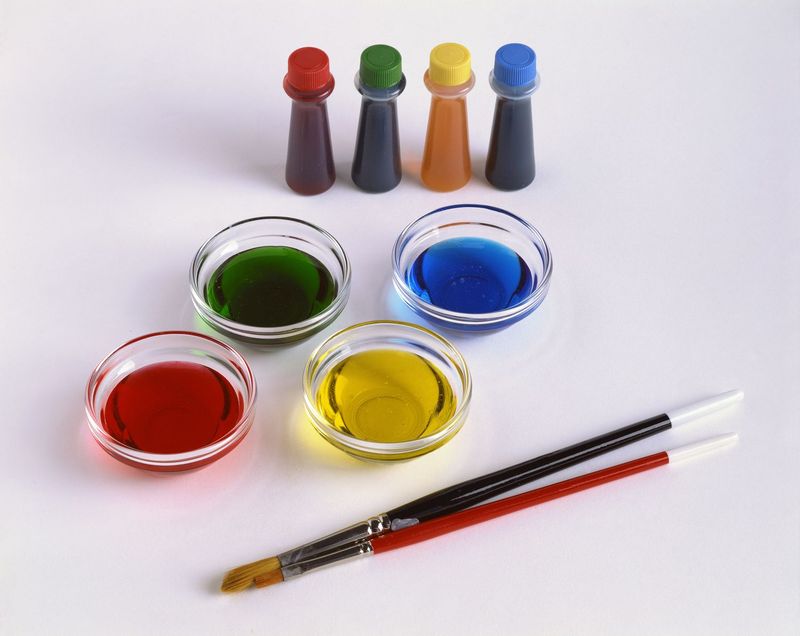
Bright blue frosting, rainbow sprinkles, and vivid red velvet cake all owe their eye-catching looks to food coloring. Early food dyes were made from plants and minerals, but synthetic food coloring was developed in the late 1800s after the discovery of coal tar dyes.
Food coloring transformed baking and candy-making into visual art forms. It also plays a role in making food look fresh and appealing.
While debates about artificial dyes continue, their impact on food culture and presentation is absolutely undeniable.
10. The Blender
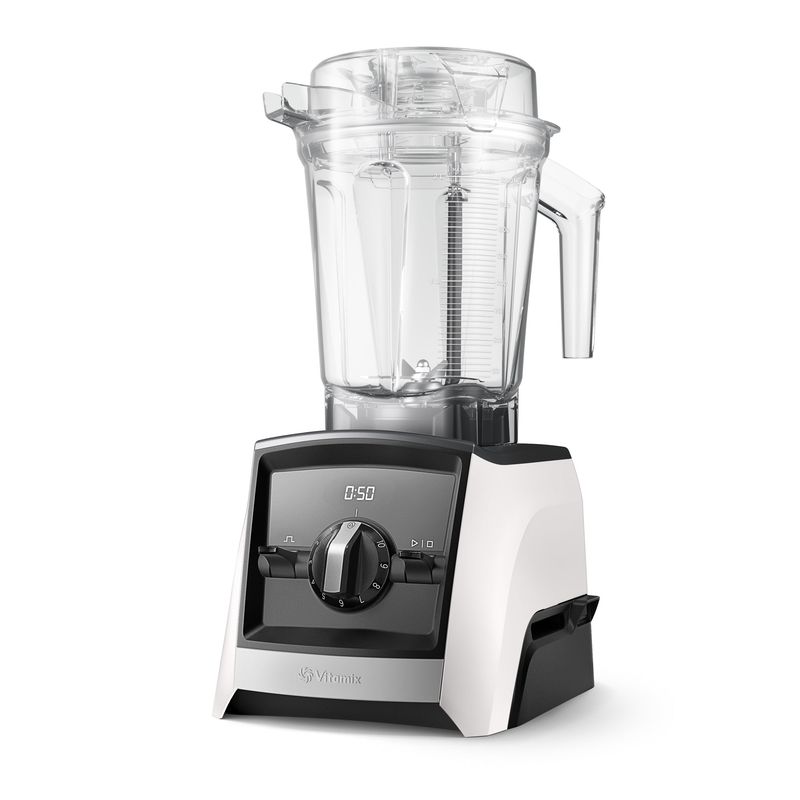
Stephen Poplawski invented the first electric blender in 1922, originally designed to mix malted milk drinks at soda fountains. The design was later refined by Fred Waring, who turned it into a kitchen tool that home cooks could actually use.
Blenders opened up a world of culinary possibilities, from silky soups and creamy sauces to smoothies and baby food. They made healthy eating faster and more accessible.
Few kitchen gadgets have had such a wide-ranging impact on both home cooking and professional restaurants alike.
11. Artificial Sweeteners
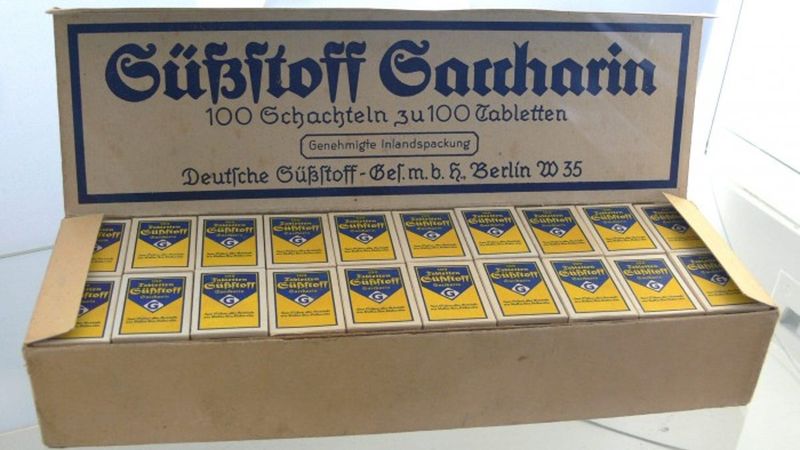
Saccharin, the first artificial sweetener, was accidentally discovered in 1879 by a chemist named Constantin Fahlberg who noticed a sweet taste on his hands after working in the lab. He had not washed them before eating, and curiosity led him to investigate the source.
Artificial sweeteners gave people with diabetes and those watching calories a way to enjoy sweet flavors without the sugar. Today, they appear in thousands of products, from diet sodas to sugar-free gum, reshaping how the world manages sugar consumption.
12. Vacuum Sealing
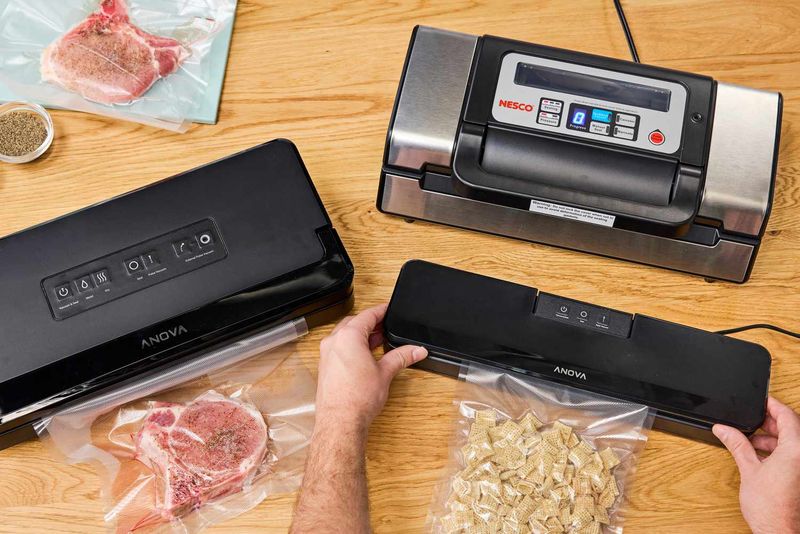
Vacuum sealing works by removing all the air from a package before sealing it shut, which dramatically slows spoilage and freezer burn. The technology became commercially practical in the 1940s and 1950s and was quickly adopted by the food industry.
Home vacuum sealers became popular in the 1980s, letting families store bulk foods for much longer periods. Meal preppers, hunters, and outdoor enthusiasts use them constantly.
Vacuum sealing also plays a key role in the sous vide cooking method that chefs around the world love.
13. Fortified Foods

Adding vitamins and minerals to everyday foods might sound obvious now, but it was a groundbreaking public health move in the early 20th century. Iodine was added to salt in the 1920s to prevent goiter, a thyroid disease that was once very common.
Vitamin D was added to milk to fight rickets in children, and folic acid was added to bread to reduce birth defects. Fortified foods helped eliminate several nutritional deficiency diseases that once affected millions of people worldwide every year.
14. Chocolate Chip Cookies
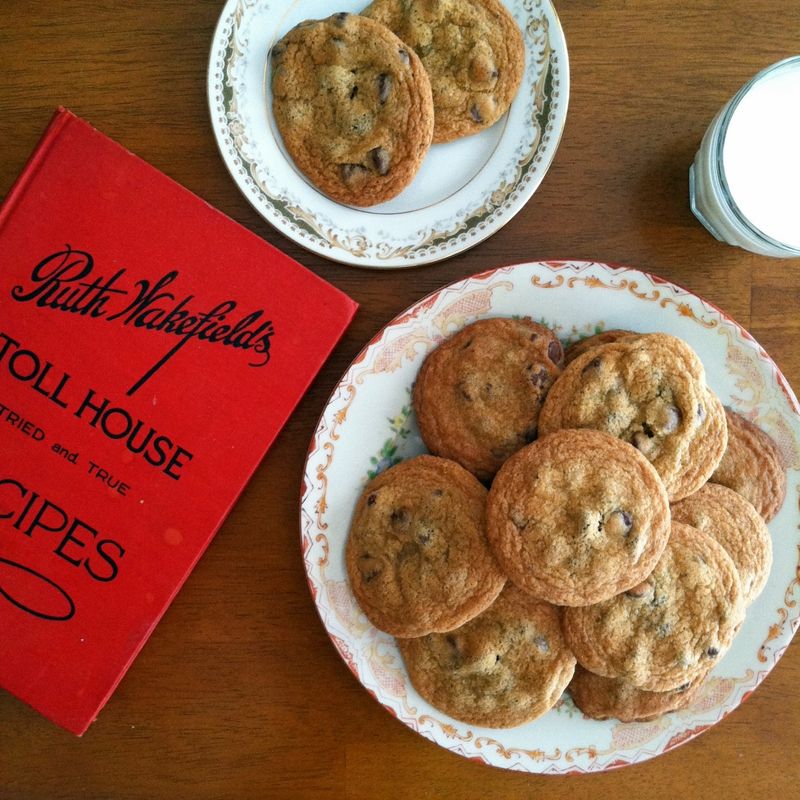
Ruth Wakefield invented chocolate chip cookies in 1938 at the Toll House Inn in Massachusetts, reportedly by breaking a Nestle chocolate bar into her cookie dough, expecting it to melt fully. It did not, and the result was something far more delicious.
She shared the recipe with Nestle in exchange for a lifetime supply of chocolate. The Toll House cookie recipe became one of the most printed recipes in American history.
This happy kitchen accident gave the world one of its most beloved treats.
15. Carbonated Beverages

Joseph Priestley, the same scientist who discovered oxygen, invented carbonated water in 1767 by suspending a bowl of water over a beer vat and infusing it with carbon dioxide gas. He described it as a pleasant, fizzy drink.
His discovery eventually led to the creation of soda water, then flavored sodas, and ultimately the massive soft drink industry we know today. Carbonation changed beverages forever, giving rise to sodas, sparkling water, and energy drinks enjoyed by billions of people worldwide every single day.
16. Non-Stick Cookware
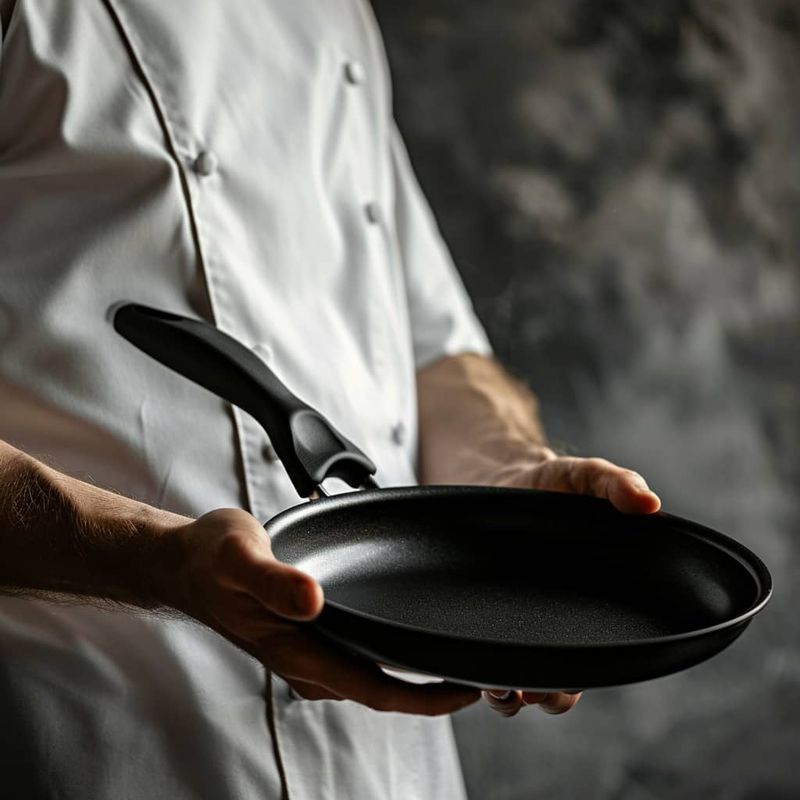
Teflon, the slippery coating used in non-stick pans, was accidentally discovered by Roy Plunkett at DuPont in 1938. He was experimenting with refrigerants when he found a waxy, incredibly slick substance that nothing seemed to stick to.
By the 1960s, non-stick frying pans were showing up in kitchens everywhere. Cooking eggs without butter, making pancakes without scrubbing the pan, and frying fish with minimal oil became simple tasks.
Non-stick cookware made cooking less messy and cleanup dramatically faster for home cooks.
17. The Pressure Cooker
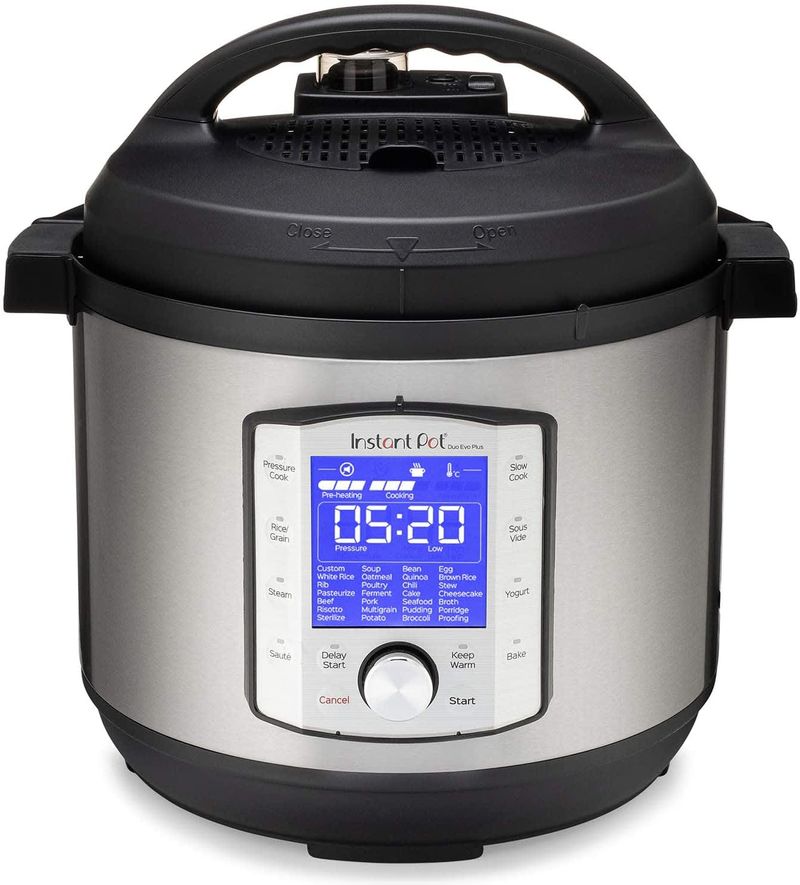
Denis Papin, a French physicist, built the first steam pressure digester in 1679 as a way to soften bones and extract gelatin quickly. His invention used steam pressure to raise the boiling point of water, cooking food much faster than traditional methods.
Modern pressure cookers and electric Instant Pots have made this concept wildly popular again. Tough cuts of meat become tender in under an hour.
Dried beans cook in minutes instead of hours. For busy families, the pressure cooker is a genuine time-saving hero.
18. Food-Grade Plastic Packaging
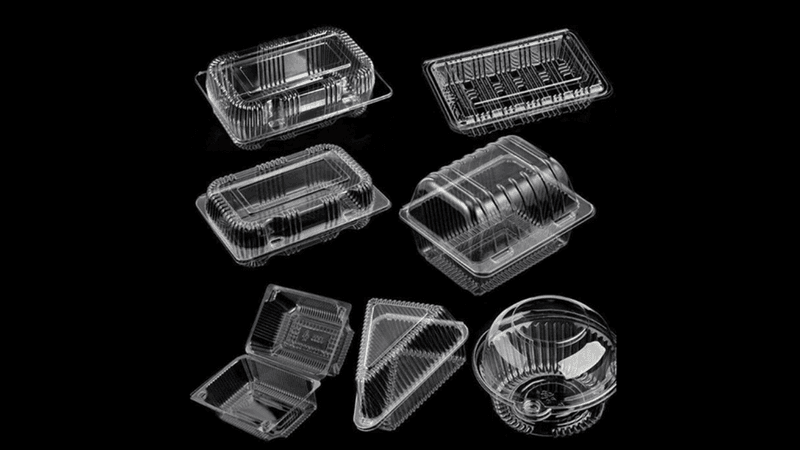
Plastic packaging transformed the food industry in the mid-20th century by offering a lightweight, flexible, and affordable alternative to glass and metal. Cling wrap, plastic bags, and sealed containers made transporting and storing food far more convenient than ever before.
While plastic has raised serious environmental concerns in recent years, its contribution to reducing food waste and keeping products fresh during shipping is significant. The challenge today is finding sustainable alternatives that offer the same level of food protection without harming the planet.
19. Breakfast Cereal
Dr. John Harvey Kellogg invented corn flakes in 1894 at a health sanitarium in Michigan, originally as a bland, healthy food for patients. His brother Will Keith Kellogg later added sugar and began mass-marketing the product, launching a breakfast revolution.
Ready-to-eat cereal completely changed morning routines worldwide. No cooking, no cleanup, and endless variety made it the ultimate convenience food.
Today, the breakfast cereal industry is worth billions of dollars, offering hundreds of options from whole grain to sugar-coated and everything in between.
20. The Kitchen Stand Mixer
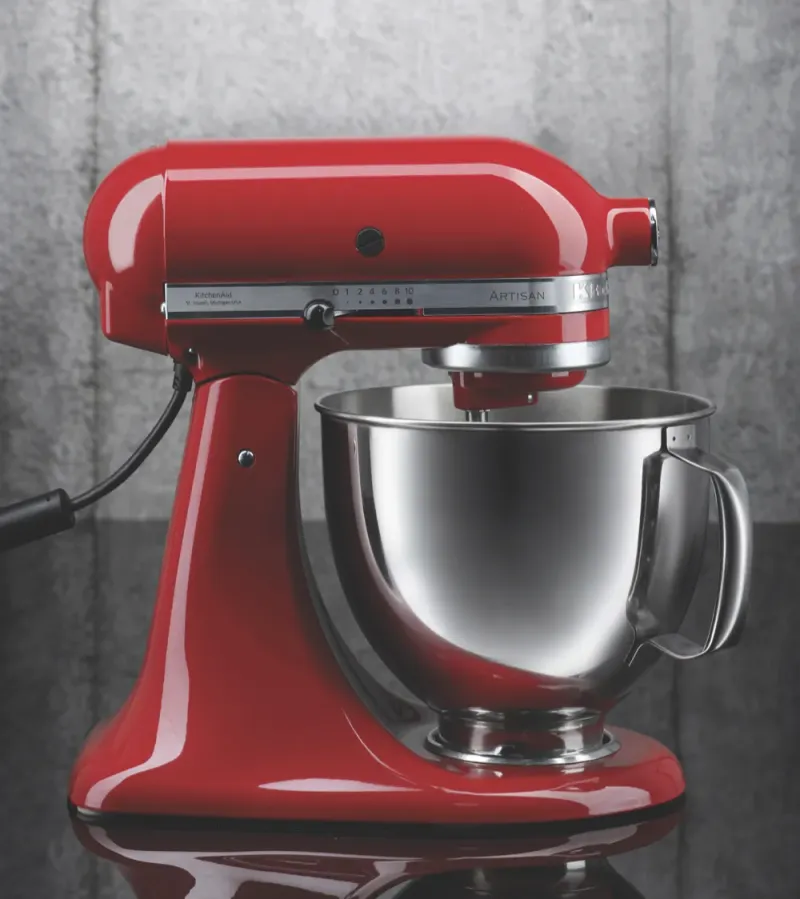
Before stand mixers, baking meant exhausting minutes of hand-whisking eggs, kneading dough, and stirring thick batters by hand. Herbert Johnston invented the electric stand mixer for commercial bakeries in 1908, and KitchenAid brought a home version to the market in 1919.
Home bakers suddenly had a tireless mechanical helper that could whip cream in seconds and knead bread dough effortlessly. Stand mixers sparked a golden era of home baking.
They remain a prized kitchen tool, inspiring generations of bakers to try recipes they once thought were too difficult.




Comments
No Comments