













Some of the best flavors in cooking come from the most surprising places. Professional chefs are always experimenting, reaching for ingredients you would never expect to find in a recipe.
From pantry staples used in totally new ways to bizarre additions that somehow make everything taste better, these secret weapons transform ordinary dishes into something unforgettable. Get ready to rethink everything you thought you knew about cooking.
1. Miso Paste in Caramel Sauce
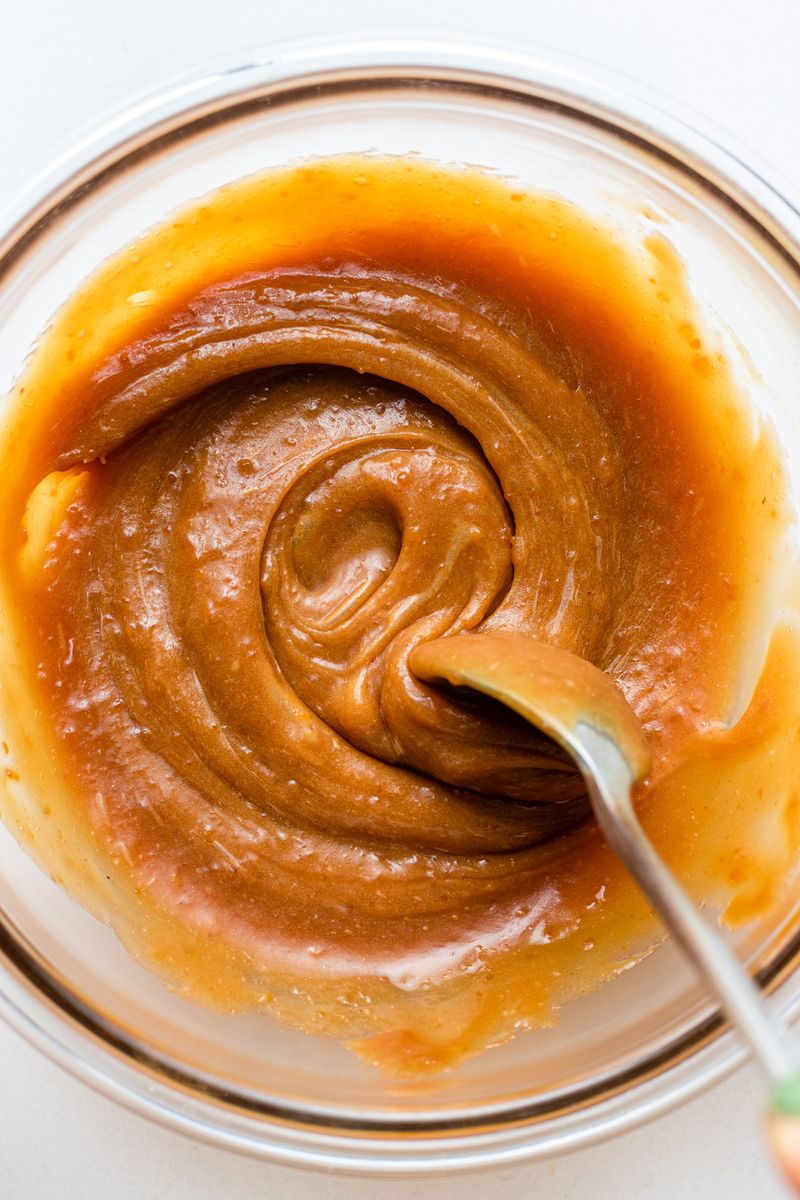
Miso paste in caramel sounds like a mistake, but it is actually genius. The salty, fermented flavor of miso cuts through the sweetness of caramel and adds a deep, savory richness that makes the sauce taste way more complex.
Chefs at high-end restaurants have been sneaking it into desserts for years. Just one tablespoon can completely change the flavor profile of your caramel.
Try it on brownies or ice cream and prepare to be amazed.
2. Fish Sauce in Pasta
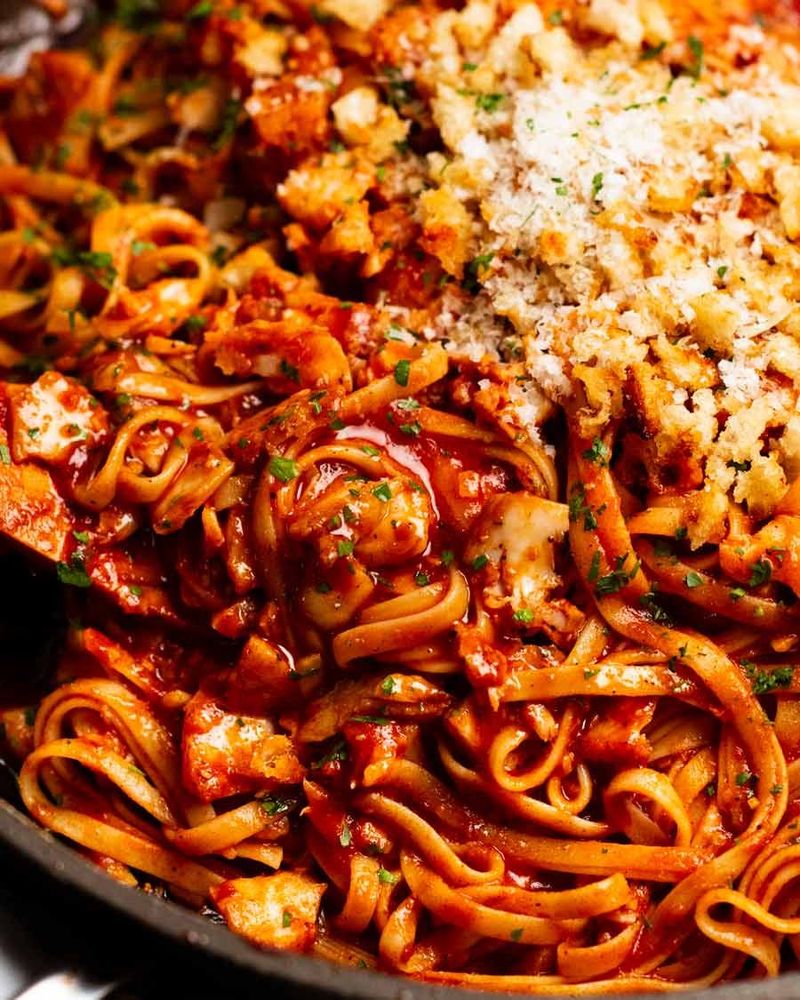
Fish sauce has a smell that can clear a room, but add just a few drops to pasta and something magical happens. It melts into the background, boosting savory depth without tasting even slightly fishy.
Chefs call this the umami effect. The fermented anchovies in fish sauce release glutamates that make other flavors pop.
Gordon Ramsay and Nigella Lawson have both recommended using it in pasta sauces. A little goes a very long way.
3. Coffee in Beef Stew
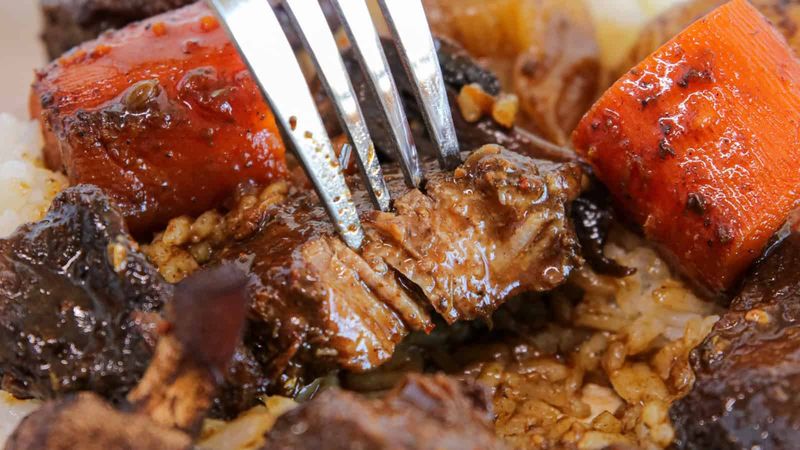
Coffee and beef together sounds like breakfast gone wrong, but chefs have been pairing them for decades. Brewed coffee or espresso added to a beef stew creates a deep, almost smoky richness that makes the meat taste incredibly bold.
The bitterness of coffee balances the fat in the beef beautifully. It also adds a dark color to the broth that looks stunning in the bowl.
Start with half a cup and build from there.
4. Anchovies in Tomato Sauce
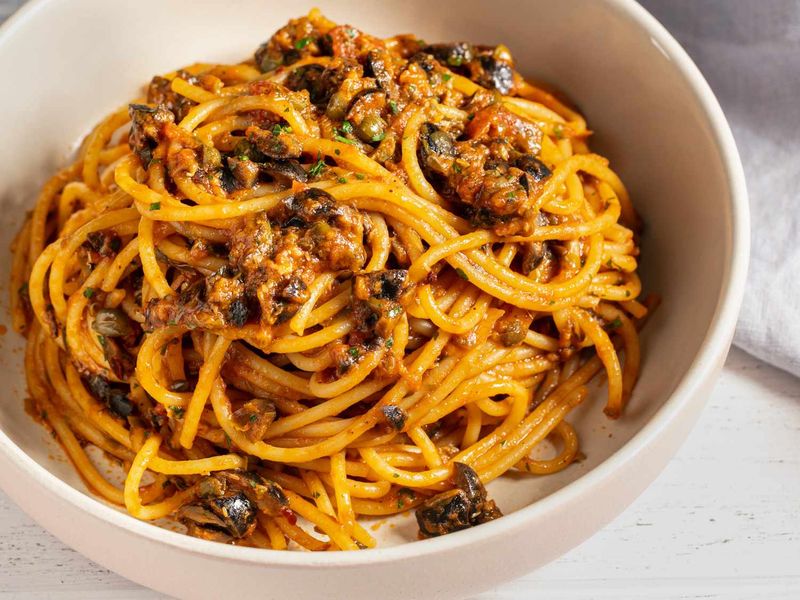
Many people wrinkle their noses at anchovies, but chefs know a secret. When you cook them down in olive oil at the start of a tomato sauce, they completely dissolve and vanish into the dish.
What they leave behind is pure savory magic. The sauce becomes richer, fuller, and more satisfying without any fishy flavor at all.
Italian grandmothers have been using this trick for generations, and professional cooks swear by it.
5. Worcestershire Sauce in Chocolate Cake
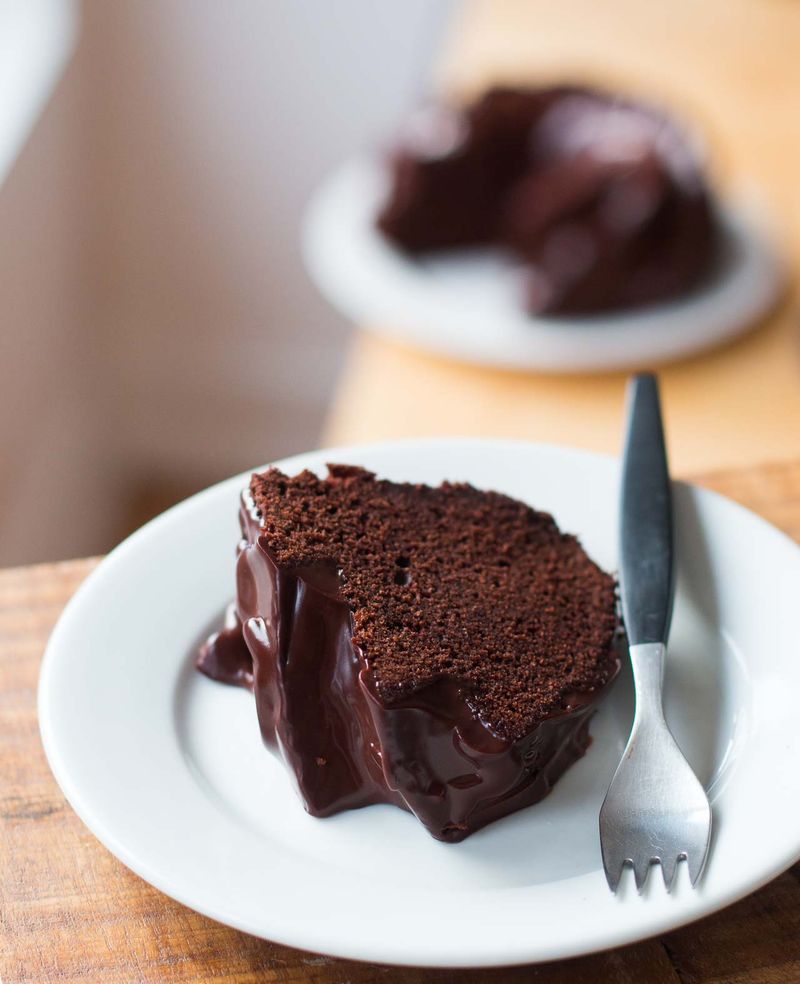
Worcestershire sauce in a chocolate cake sounds completely wrong until you taste the result. This fermented condiment is packed with tamarind, vinegar, and molasses, all of which deepen the chocolate flavor enormously.
Bakers who use it say it makes the chocolate taste more intensely chocolatey, not savory. The secret is using a small amount, usually just a teaspoon.
It enhances what is already there rather than adding something new and weird.
6. Soy Sauce in Butter Cookies

Soy sauce in cookies might raise eyebrows, but pastry chefs have been quietly using it for years. Just a splash adds a salty, toasty note that makes butter cookies taste richer and more interesting than the usual recipe.
Salt has always been used in baking to enhance sweetness, and soy sauce takes that idea further. It also adds a faint caramel undertone that pairs beautifully with vanilla and brown butter.
Totally worth trying.
7. Mayonnaise on Grilled Cheese

Butter has always been the go-to for grilling cheese sandwiches, but many restaurant cooks have switched to mayonnaise and never looked back. Mayo has a higher fat content and spreads more evenly than butter, which means a more consistently golden crust.
The emulsified oils in mayo also help the bread brown without burning. The result is a crispier, richer exterior with a perfectly gooey center.
Once you try it, butter will feel like the second choice.
8. Cardamom in Savory Meat Dishes
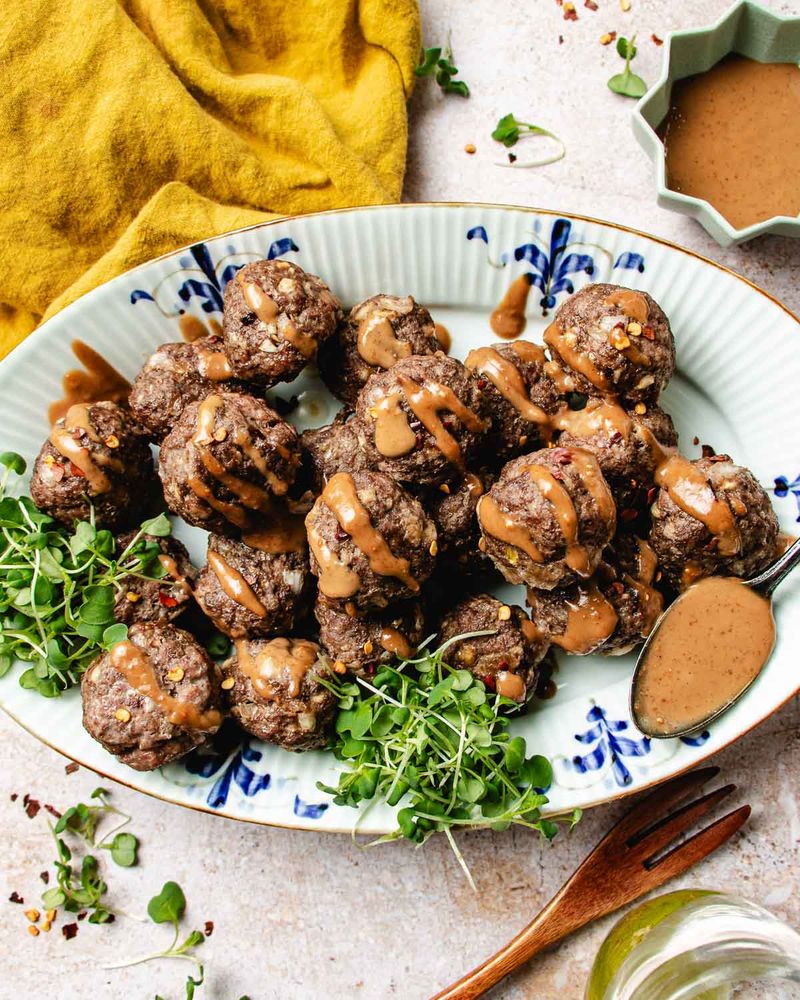
Cardamom is mostly known for chai and baked goods, but chefs across the Middle East and Scandinavia have long used it in meat dishes. Its floral, spicy aroma adds a layer of complexity that makes lamb or chicken taste exotic and exciting.
A pinch of ground cardamom in a meatball mix or a lamb marinade works wonders. It pairs especially well with warm spices like cumin and cinnamon.
The flavor is bold, so start small and adjust.
9. Pickle Brine as a Marinade
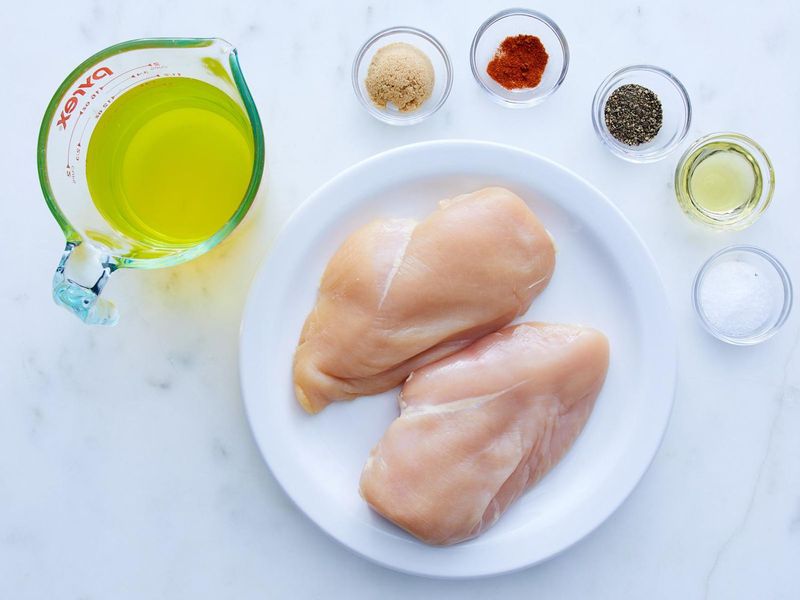
Pouring leftover pickle juice down the drain is a mistake many home cooks make. Chefs figured out long ago that brine from a pickle jar is one of the best marinades you can use for chicken, especially before frying.
The vinegar and salt in brine tenderize the meat and season it all the way through. Chick-fil-A is famously rumored to use a pickle brine soak.
The result is incredibly juicy, flavorful chicken every single time.
10. Vanilla Extract in Lobster Bisque
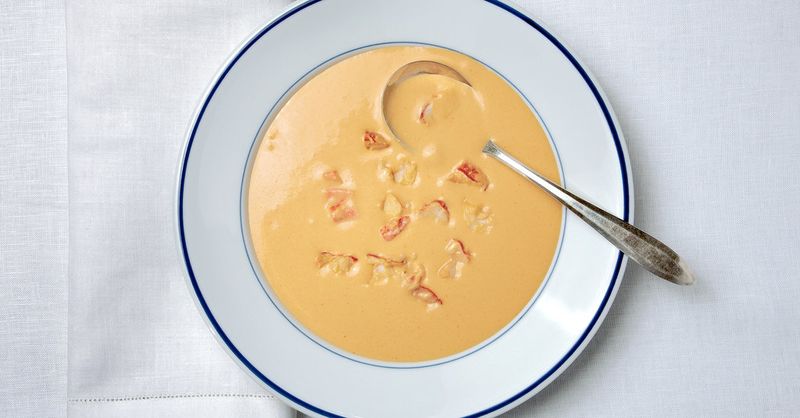
Vanilla and seafood sound like a flavor disaster, but a tiny drop of vanilla extract in lobster bisque is a trick used by some of the world's most celebrated chefs. The vanilla softens the sharpness of cream and enhances the natural sweetness of the lobster.
You use so little that no one can identify it, but everyone agrees the soup tastes better. It rounds out the flavor and adds warmth.
The best secret ingredients are the ones nobody can name.
11. Balsamic Vinegar in Strawberry Jam
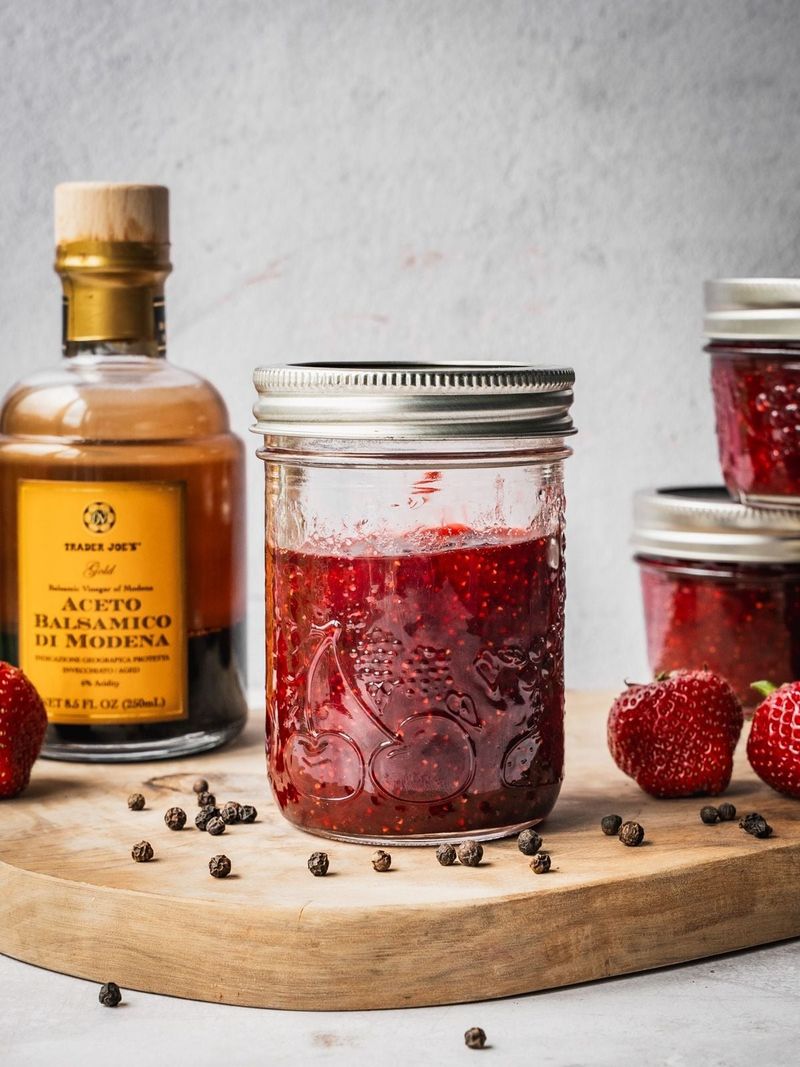
Strawberry jam is already delicious, but add a splash of aged balsamic vinegar and it becomes extraordinary. The vinegar intensifies the berry flavor and adds a slight tartness that keeps the jam from tasting one-dimensional.
Fancy restaurant kitchens use this pairing in desserts, cheese plates, and salad dressings. The acidity also helps preserve the jam and brightens the color.
It sounds fancy, but it is actually one of the simplest upgrades you can make to a classic recipe.
12. Tahini in Chocolate Brownies
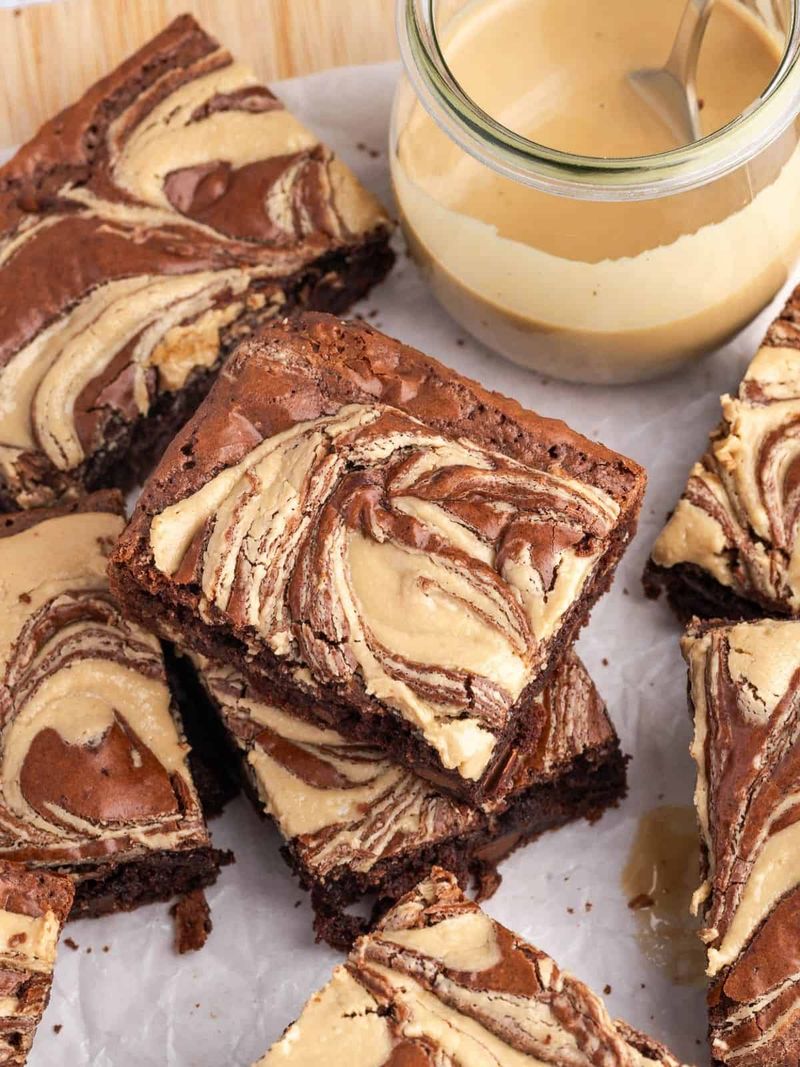
Tahini, which is ground sesame paste, has a nutty, slightly bitter flavor that pairs with chocolate in a surprisingly beautiful way. Swirling it into brownie batter before baking adds richness and a subtle complexity that makes every bite more interesting.
It also keeps brownies moist for longer since sesame oil does not dry out as quickly as butter. Middle Eastern and Israeli bakers have used this combination for years.
Chocolate and sesame are a match worth celebrating.
13. Espresso Powder in Chili
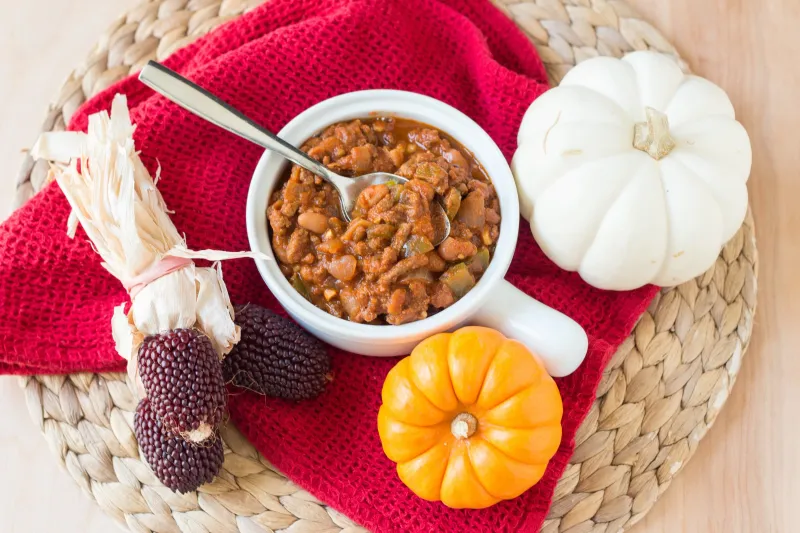
Award-winning chili cook-off champions often refuse to share their full recipes, but many of them quietly admit to using espresso powder. A teaspoon or two adds a dark, smoky depth that makes the chili taste like it has been simmering for hours, even if it has not.
Coffee and chili peppers are natural partners because they share similar bitter, roasted flavor compounds. The espresso does not make it taste like coffee.
It just makes everything taste more intense and satisfying.
14. Nutmeg in Macaroni and Cheese
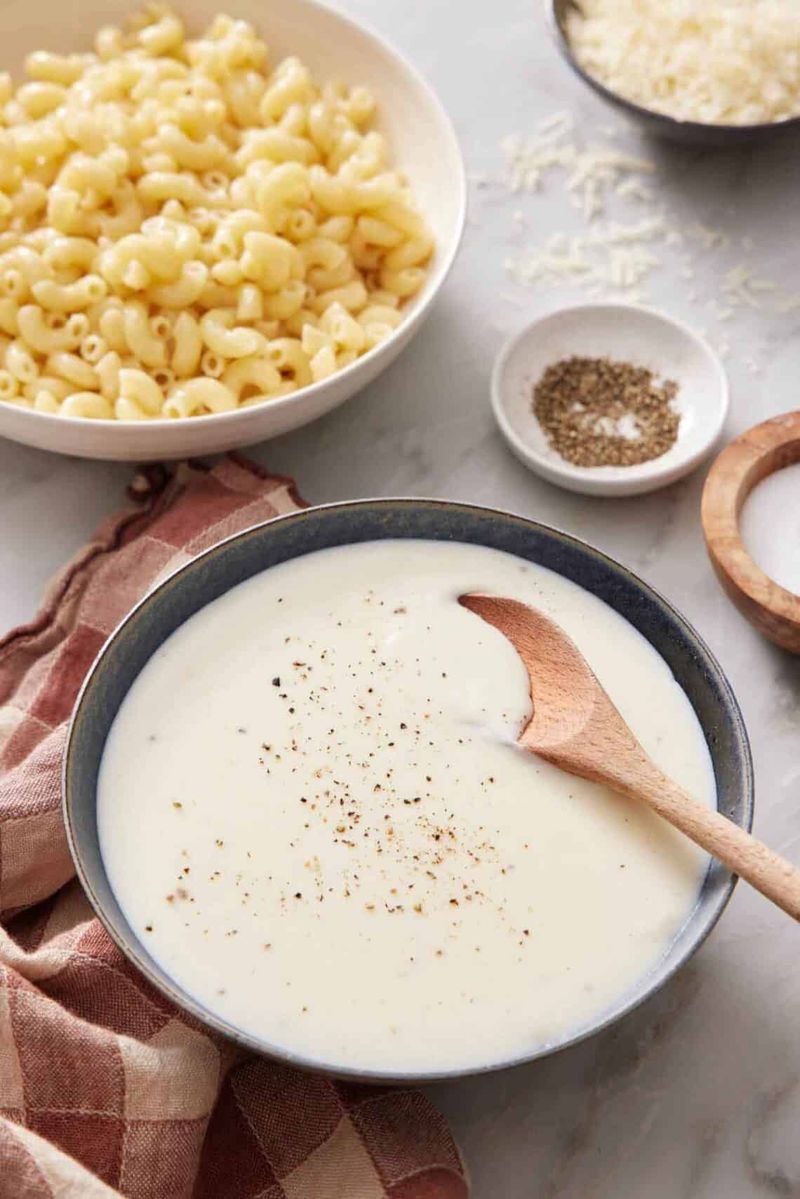
Nutmeg is the quiet hero of the cheese sauce world. French chefs have been adding a pinch of it to bechamel sauce for centuries, and since mac and cheese is basically pasta in bechamel, the logic carries over perfectly.
Nutmeg adds a warm, slightly sweet note that enhances the savory flavor of cheese without overpowering it. It also makes the sauce smell incredible while it is cooking.
Freshly grated nutmeg is much more aromatic than the pre-ground version.
15. Parmesan Rinds in Soup
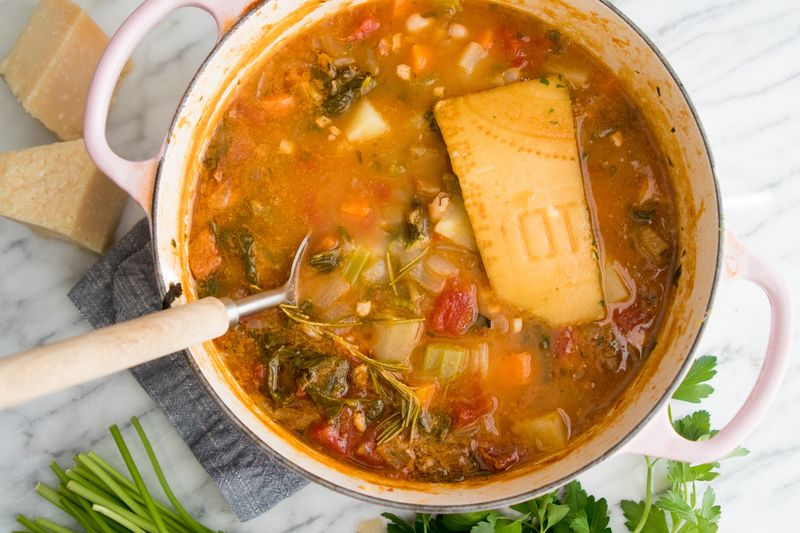
Most people throw away the hard rind at the end of a parmesan block, but Italian chefs treat it like gold. Dropping a rind into a pot of soup while it simmers releases a slow, steady stream of salty, cheesy richness into the broth.
The rind softens but does not fully dissolve, and you can fish it out before serving. Minestrone, bean soup, and tomato-based broths benefit the most.
Save your rinds in the freezer so you always have one ready to go.
16. Dijon Mustard in Vinaigrette
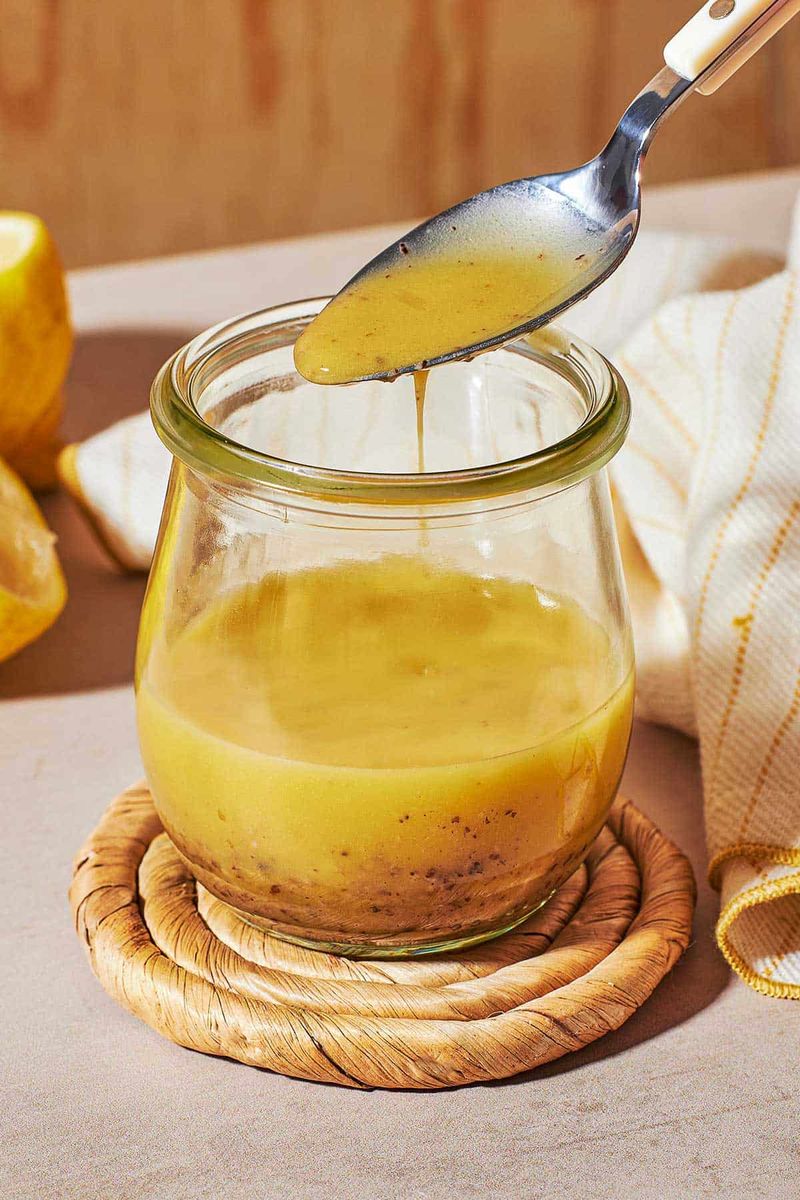
Dijon mustard is the unsung hero of homemade salad dressing. Most vinaigrette recipes separate into oily puddles within minutes, but a teaspoon of Dijon mustard acts as an emulsifier that holds oil and vinegar together in a smooth, creamy coating.
Beyond its practical role, Dijon also adds a peppery sharpness that makes salads taste livelier. French bistros use it in almost every house dressing.
Once you know this trick, you will never make vinaigrette without it again.
17. Cinnamon in Lamb Meatballs
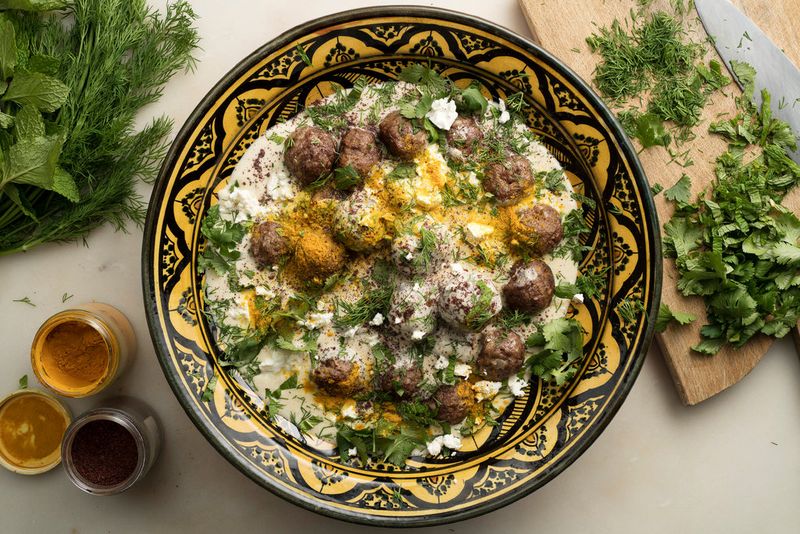
Cinnamon in a savory meatball recipe sounds like a holiday accident, but across Greece, Morocco, and Turkey, it is completely standard. Ground cinnamon added to lamb mince brings out a warm sweetness that balances the gaminess of the meat beautifully.
It works especially well when paired with cumin and allspice in dishes like kofta or Greek youvetsi. The spice blend creates a flavor that is deeply comforting and unlike anything you would find in a typical Western recipe.
Try it once and you will be hooked.
18. Coconut Milk in Mashed Potatoes
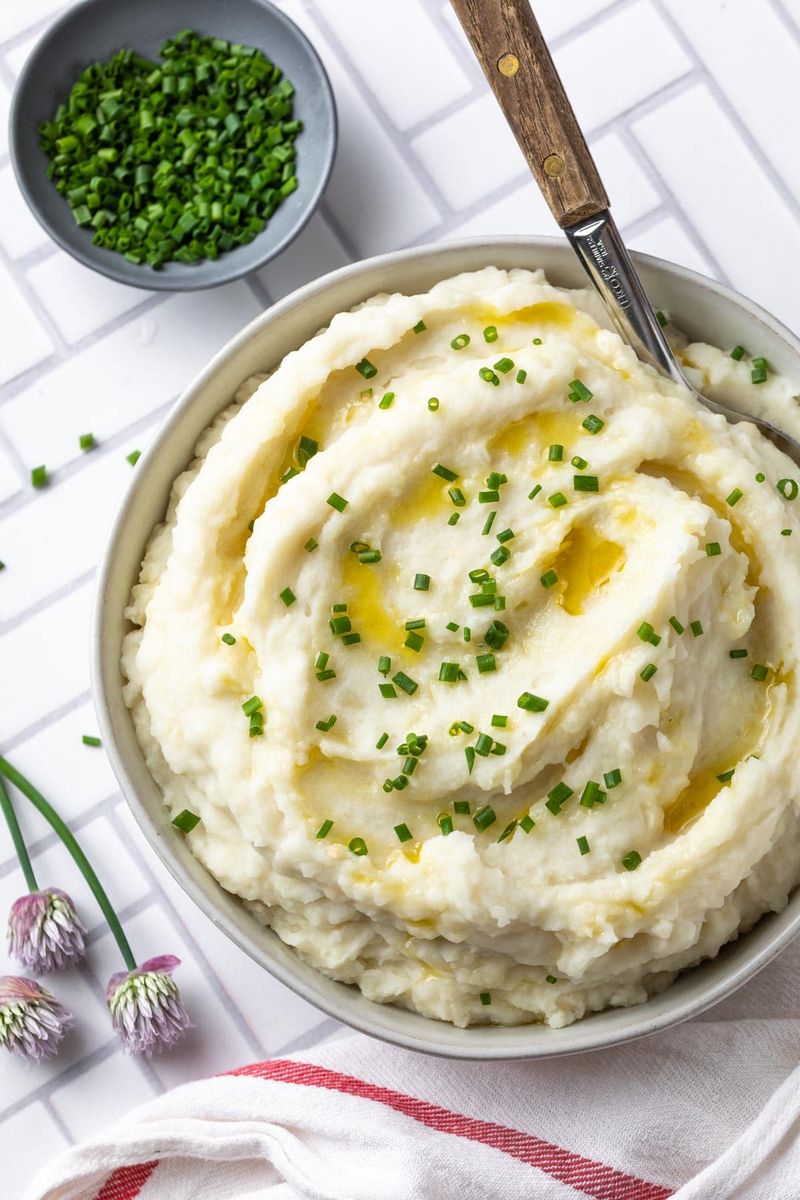
Butter and cream are the traditional way to make mashed potatoes rich and silky, but coconut milk is a surprising upgrade that chefs in Southeast Asia and the Caribbean have used for ages. It adds a subtle sweetness and an ultra-creamy texture that is genuinely luxurious.
The coconut flavor is mild enough that most people cannot identify it, but they always notice the mash tastes better. It is also a great option for anyone avoiding dairy.
Use full-fat coconut milk for the best results.
19. White Miso in Salad Dressing
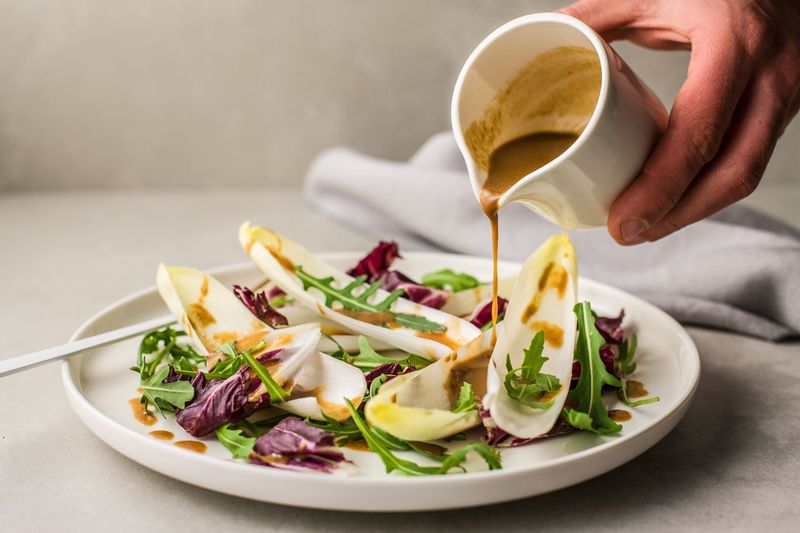
White miso is mild, slightly sweet, and packed with umami, which makes it a surprisingly perfect base for salad dressing. A tablespoon blended with rice vinegar, sesame oil, and a little honey creates a dressing that is complex, balanced, and completely addictive.
Trendy restaurant salads often feature miso dressings without explaining why they taste so much better than the usual options. Miso also adds protein and gut-friendly probiotics to your greens.
It is a small swap with a big payoff.




Comments
No Comments