













America is a massive melting pot of cultures, flavors, and food traditions that stretch from coast to coast. While most people know about hot dogs and apple pie, there are hundreds of quirky, hyper-regional dishes hiding in diners, fairgrounds, and grandmothers' kitchens across the country.
Some of these foods are tied to a single town, a specific festival, or even just one family's recipe. Get ready to discover 19 oddly specific American foods that might just make you want to plan your next road trip around eating.
1. Garbage Plate (Rochester, New York)
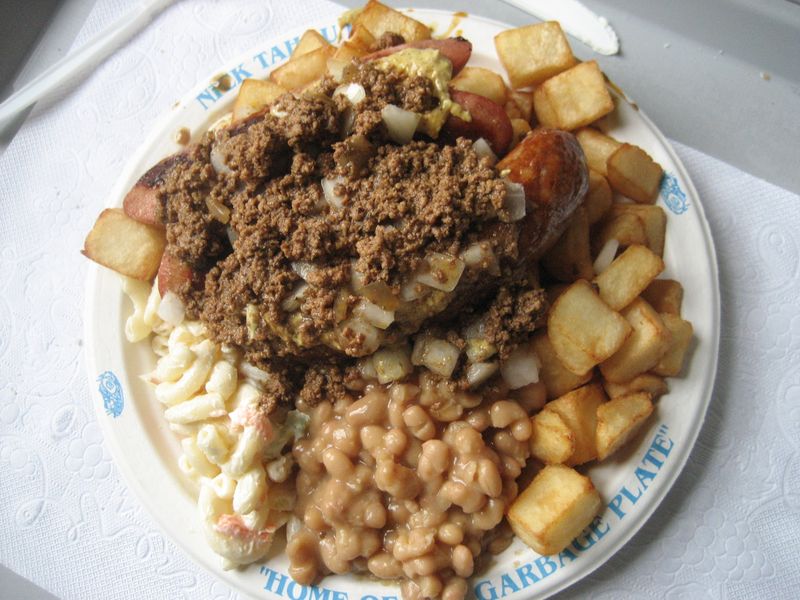
Back in 1918, a college student at Nick Tahou Hots asked for "a plate with everything on it" — and a legend was born. The Garbage Plate is a heaping mound of macaroni salad, home fries, baked beans, and your choice of protein, all smothered in a spiced meat hot sauce.
It sounds chaotic, but locals swear by it. Every bite is somehow different from the last.
No two plates ever look exactly the same, and that is completely the point.
2. Chislic (South Dakota)
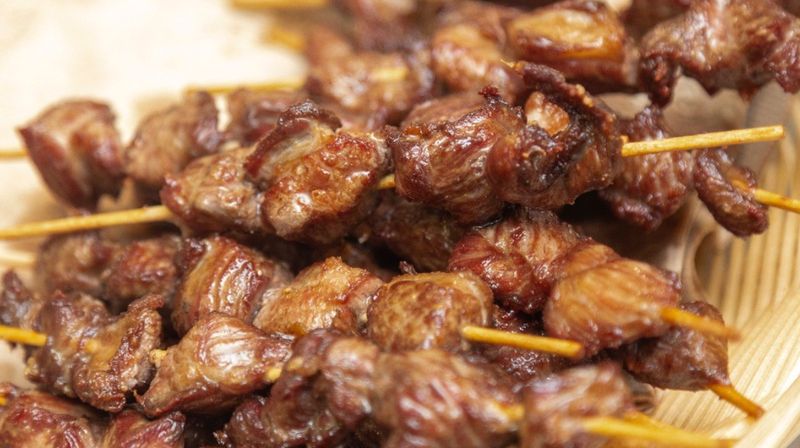
South Dakota named chislic its official state nosh in 2018, but most people outside the Great Plains have never even heard of it. Cubes of lamb or mutton are deep-fried or grilled on skewers, then hit with a heavy shake of garlic salt.
It is bar food at its most honest — no fancy sauce, no complicated plating. Just meat on a stick, crispy on the outside, juicy in the middle, and utterly addictive after the first bite.
3. Scrapple (Pennsylvania Dutch Country)
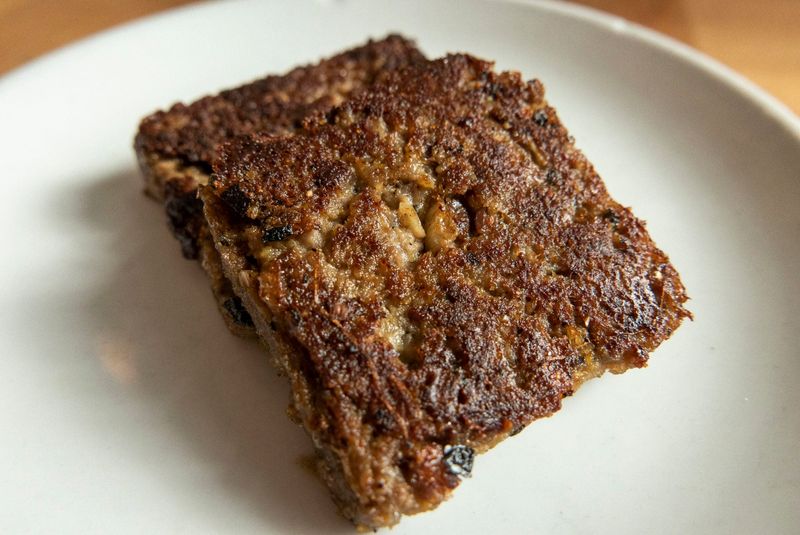
Scrapple is the breakfast food that wastes absolutely nothing. Pennsylvania Dutch settlers invented it by combining pork scraps and offal with cornmeal and spices, then pressing the mixture into a loaf.
Sliced and pan-fried until crispy, it becomes something surprisingly delicious.
Many people who try it for the first time are skeptical — right up until they take that first golden, crunchy bite. Served alongside eggs, it is a hearty, no-frills morning meal with serious history behind every slice.
4. Fry Sauce (Utah)
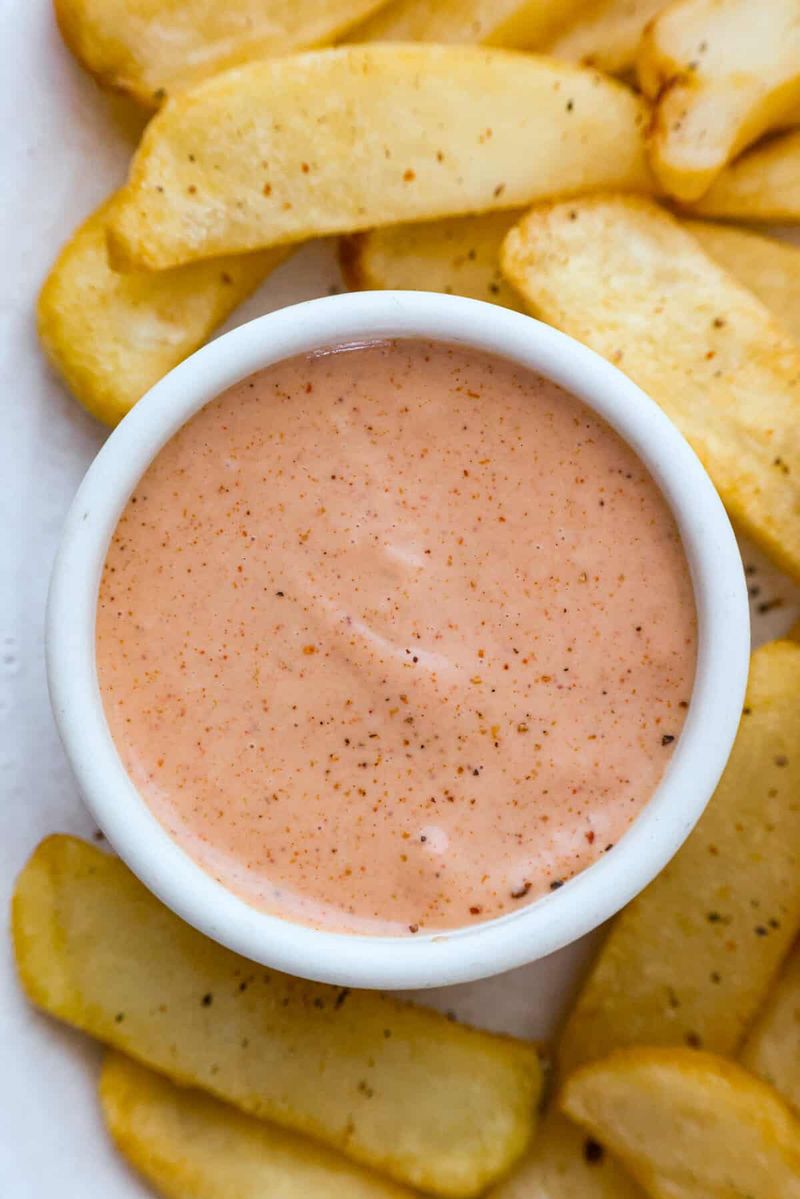
Utah has a quiet confidence about its fry sauce, and honestly, that confidence is completely earned. A simple blend of mayonnaise and ketchup — sometimes with a dash of pickle juice or paprika — fry sauce is the unofficial condiment of the entire state.
Fast food joints across Utah serve it automatically, the way other places hand out ketchup packets. Visitors are often confused at first, then immediately converted.
Once you dip a fry into this tangy, creamy sauce, plain ketchup just feels like a downgrade.
5. Goetta (Cincinnati, Ohio)
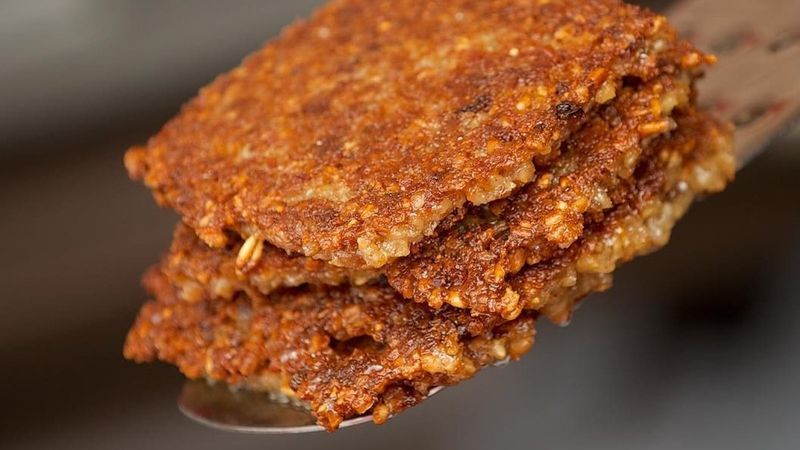
Cincinnati's German immigrant roots gave the city goetta — a sausage-like patty made from ground pork, steel-cut oats, and a blend of savory spices. It is denser and heartier than regular sausage, with a slightly nutty flavor from the oats.
Pan-fry it until the outside gets a crackling crust, and you have something truly special. Cincinnati locals eat it at breakfast like it is the most normal thing in the world, while visitors from other states stare at the menu trying to figure out how to pronounce it.
6. Pimento Cheese (The South)
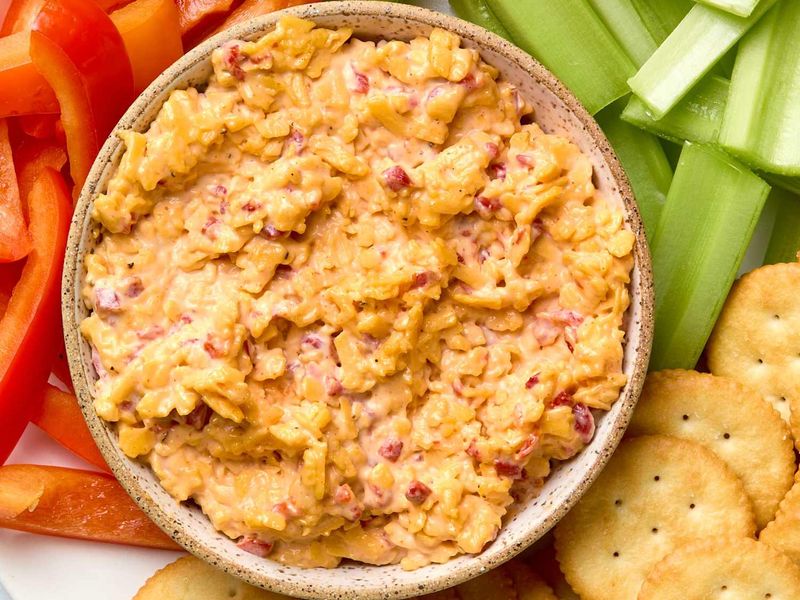
Southerners call it "the caviar of the South," and they are not being ironic. Pimento cheese is a spreadable mixture of sharp cheddar, cream cheese, mayonnaise, and sweet pimento peppers — and in states like Georgia and the Carolinas, it shows up everywhere.
It goes on sandwiches, crackers, burgers, and even hot dogs. Every family has their own recipe, and debates about whose version is best can get surprisingly heated.
Simple ingredients somehow combine into something bold and completely unforgettable.
7. Pasty (Upper Michigan)
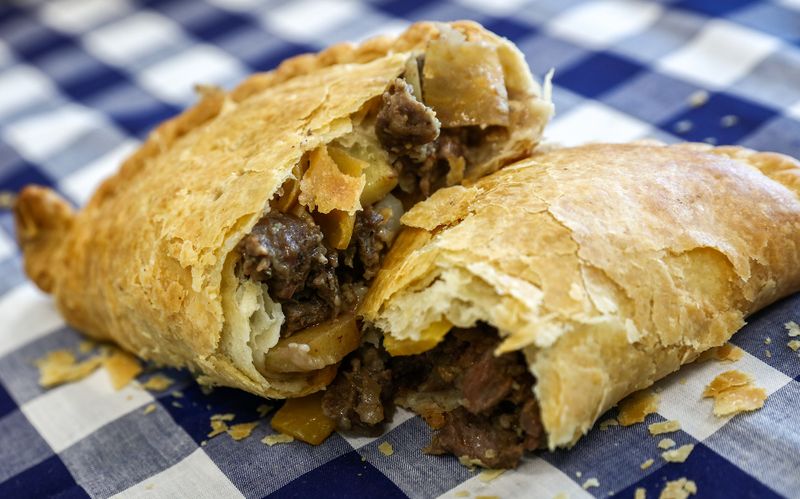
Cornish miners brought pasties to Michigan's Upper Peninsula in the 1800s, and the locals never let them go. A pasty is a thick, hand-held pastry stuffed with beef, potato, rutabaga, and onion — basically a portable, self-contained meal.
Up in the U.P., as locals call it, arguing about whether to put ketchup or gravy on your pasty is a legitimate cultural debate. Shops dedicated entirely to selling pasties dot the landscape, and some families have been using the same dough recipe for five generations.
8. Burgoo (Kentucky)
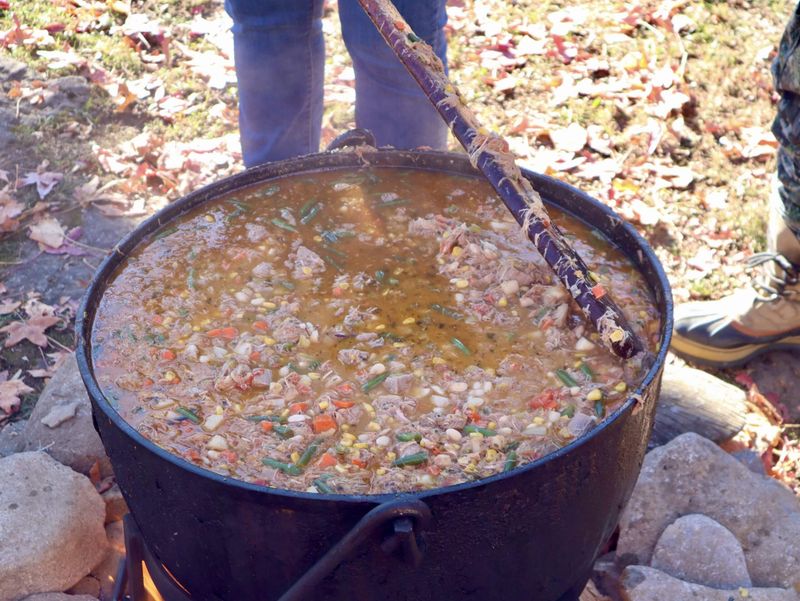
Kentucky burgoo is not your average stew — it is a slow-cooked, multi-meat, multi-vegetable extravaganza that has been simmering at Kentucky Derby parties and county fairs for well over a century. Squirrel was once a common ingredient, though modern versions usually stick to chicken, pork, and mutton.
The longer it cooks, the better it gets. Traditionally made in massive outdoor pots for crowds, burgoo is the kind of food that requires patience, community, and a very big spoon to truly appreciate.
9. Tavern Sandwich (Iowa and Minnesota)
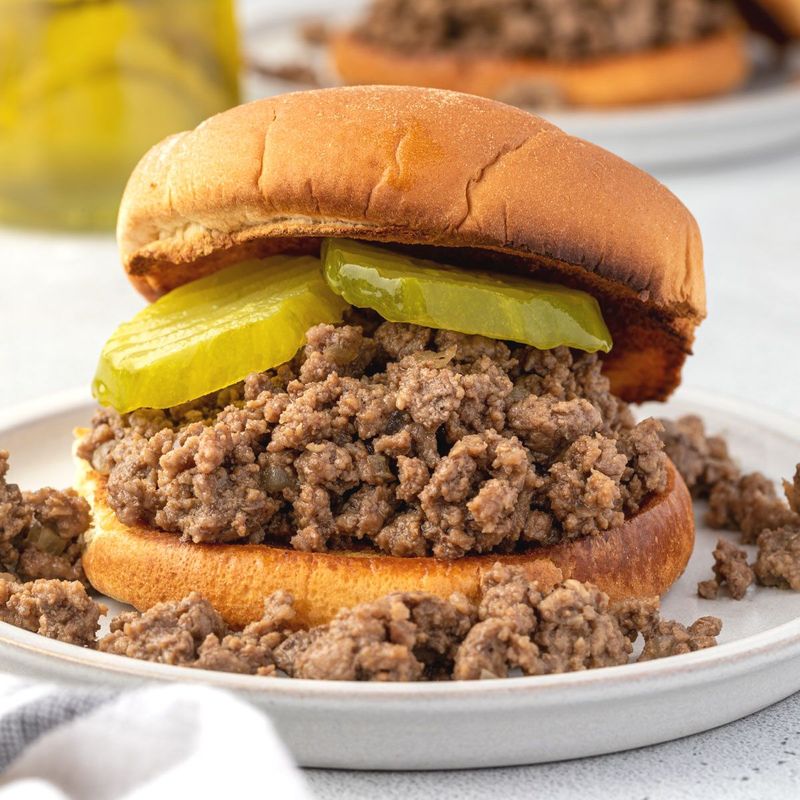
Forget everything you know about Sloppy Joes — the Tavern sandwich is its more restrained, Midwestern cousin. Ground beef is seasoned and simmered until perfectly loose and juicy, then piled onto a plain bun without any tomato sauce in sight.
Iowa and Minnesota diners have been serving these since the 1920s, and regulars are fiercely loyal to their preferred spots. The beauty is in the simplicity.
No mess, no fuss — just well-seasoned meat on bread, and somehow that is more than enough.
10. Chocolate Gravy (Arkansas and Ozarks)
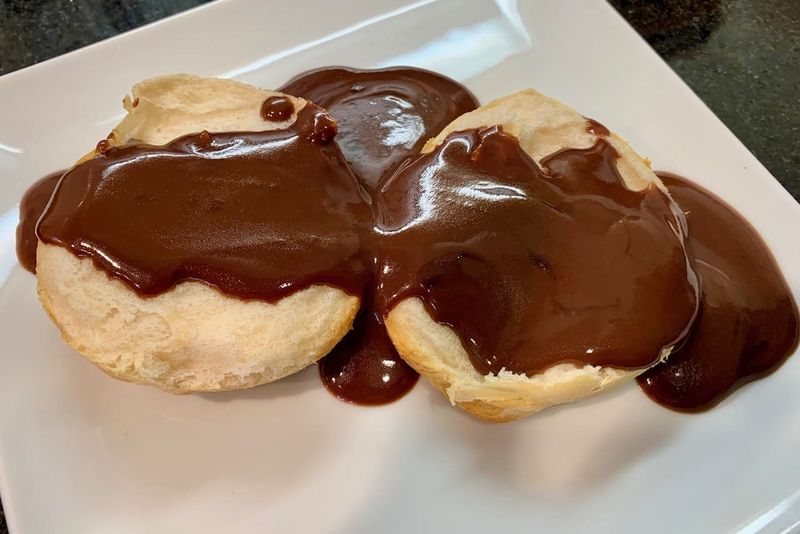
Chocolate gravy sounds like a dessert sneaking into the breakfast category — and honestly, that is exactly what it is. Made from cocoa powder, flour, sugar, butter, and milk, it has the consistency of a thin pudding and gets poured hot over fresh biscuits.
In Arkansas and the surrounding Ozark region, this is a beloved Saturday morning tradition passed down through generations. Kids grow up thinking every family eats chocolate gravy, and adults from outside the region are consistently shocked to learn it is a real thing.
11. Fluffernutter (New England)
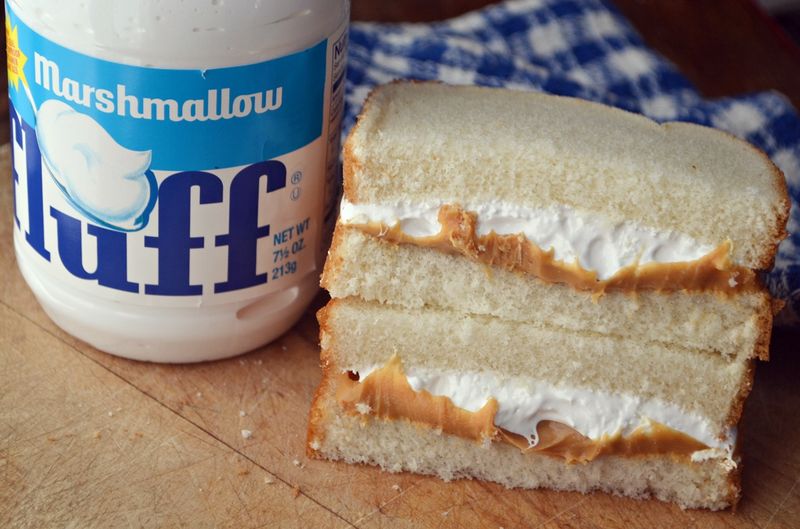
Marshmallow Fluff was invented in Massachusetts in 1917, and New Englanders have been spreading it on peanut butter sandwiches ever since. The Fluffernutter — peanut butter and Marshmallow Fluff on white bread — is a school lunch staple that feels like pure childhood joy in sandwich form.
Massachusetts even tried to make it the official state sandwich. The bill did not pass, but the loyalty is real.
Outside of New England, most Americans have never encountered Fluff in a grocery store, let alone between two slices of bread.
12. Boiled Peanuts (The Deep South)
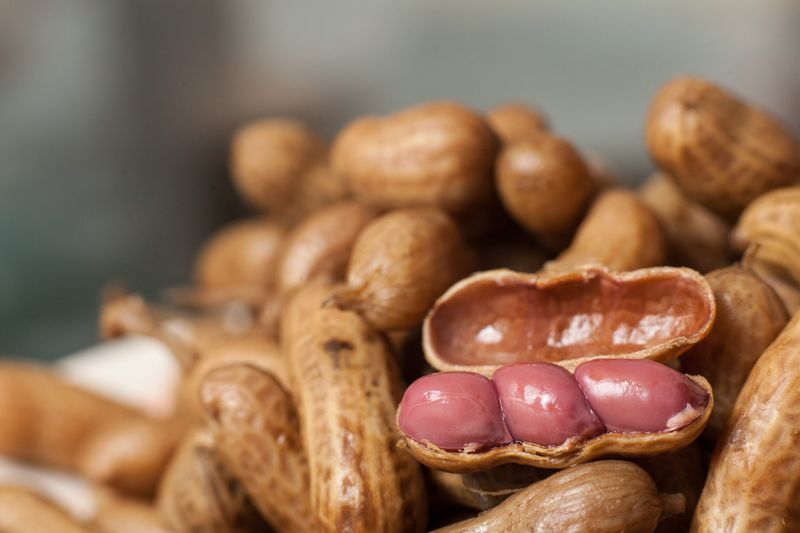
Pull off any highway in Georgia or South Carolina and you will almost certainly see a hand-painted sign reading "Boiled P-Nuts." Raw peanuts are simmered in heavily salted water for hours until they turn soft, salty, and almost creamy inside their shells.
The texture confuses people who expect the crunch of roasted peanuts. But one warm, soggy, perfectly briny peanut is all it takes to convert a skeptic.
They are the ultimate Southern road trip snack — messy, irresistible, and impossible to eat just one of.
13. Maidrite (Iowa)
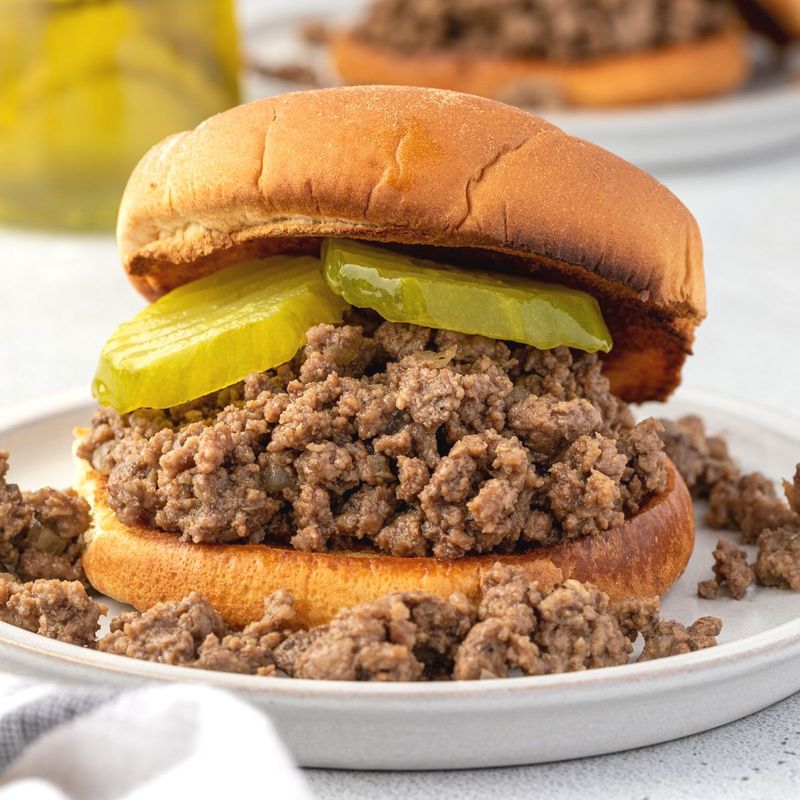
Since 1926, Iowans have been walking up to Maid-Rite counters and ordering loose meat sandwiches that somehow feel more satisfying than any burger. The meat is seasoned ground beef, crumbled fine, and served on a steamed bun — no binding sauce, no filler, just pure simplicity.
Eating a Maidrite is a skill. The meat tumbles out with every bite, and you end up eating half of it with a spoon from the wrapper.
Locals consider this completely normal and even charming.
14. Crab Cake (Maryland)
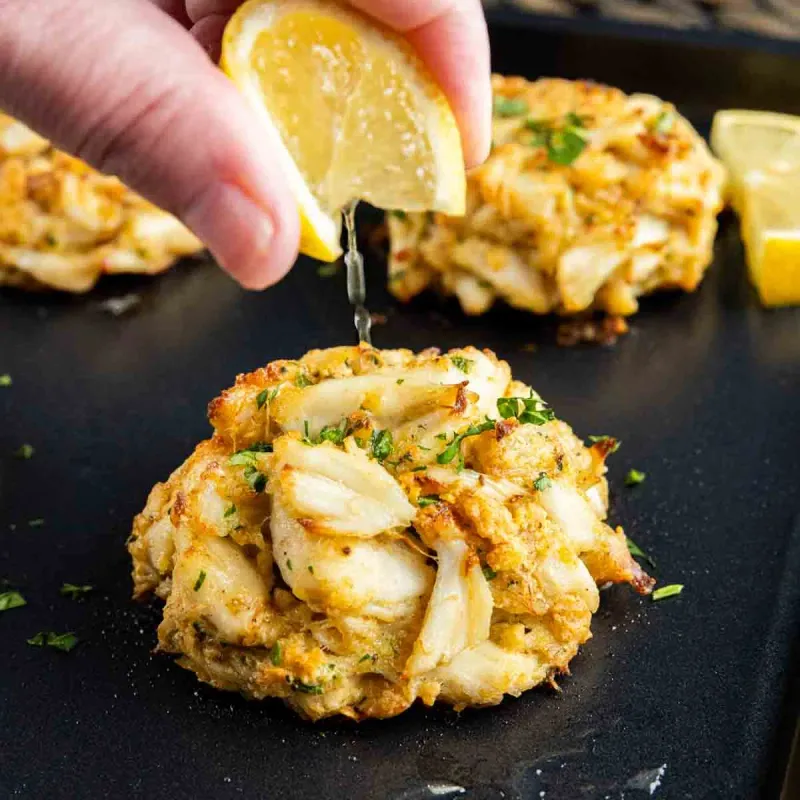
Maryland takes its crab cakes so seriously that restaurants proudly advertise "no filler" like it is a badge of honor. A proper Maryland crab cake is almost entirely jumbo lump blue crab meat, held together with just enough egg and breadcrumb to keep it from falling apart on the pan.
Old Bay seasoning is non-negotiable. Marylanders have strong opinions about this dish — ask anyone from Baltimore where to get the best one, and you will get a 20-minute passionate answer complete with hand gestures.
15. Horseshoe Sandwich (Springfield, Illinois)
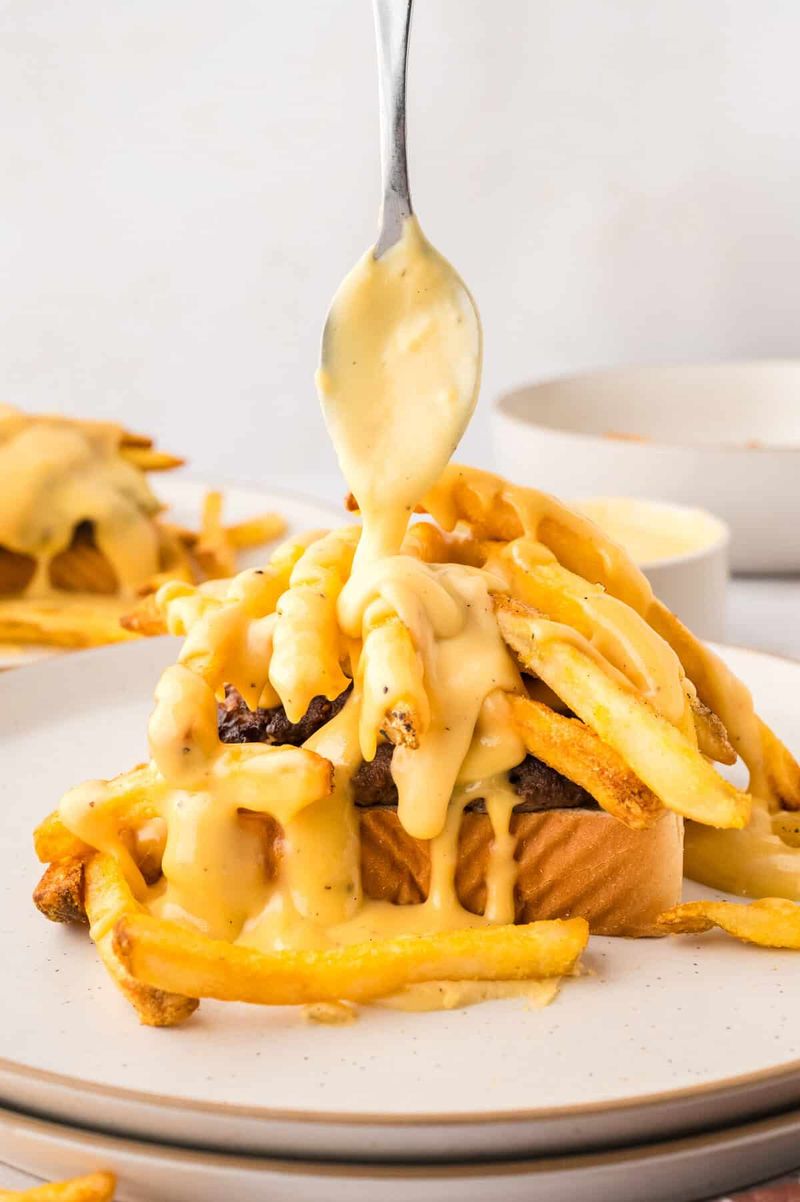
Springfield, Illinois invented the Horseshoe in 1928, and it is one of those dishes that makes you question every food choice you have ever made. Two slices of thick toast are topped with a meat patty, buried under a mountain of french fries, and then drowned in a bubbling Welsh rarebit cheese sauce.
It is enormous, excessive, and absolutely magnificent. Local restaurants each have their own cheese sauce recipe, and comparing them is a serious Springfield hobby.
Visitors leave both full and slightly overwhelmed.
16. Souse (African American Southern Tradition)
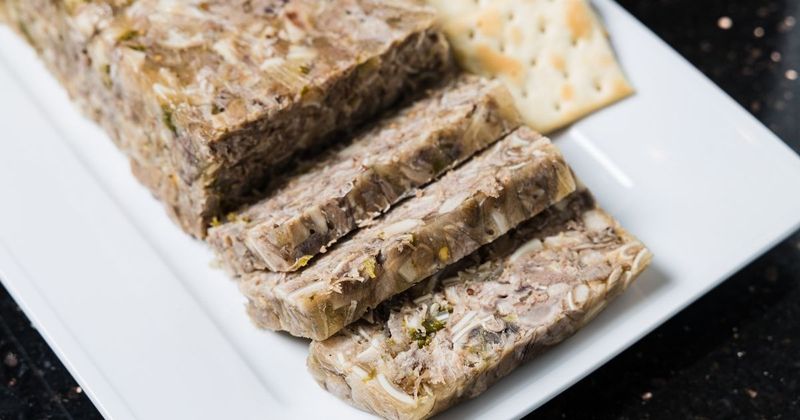
Souse is one of those dishes that carries an entire history in every bite. Born out of necessity during slavery, when enslaved people were given the least desirable cuts of pork, souse transforms pig ears, feet, and snouts into a tangy, pickled, chilled meat dish held together in a savory aspic.
Seasoned with vinegar, onion, and hot pepper, it has a bold, bracing flavor that wakes up your taste buds. Served cold with hot sauce and crackers, it remains a proud tradition in many Southern families today.
17. Pickle Pizza (Various American Pizzerias)
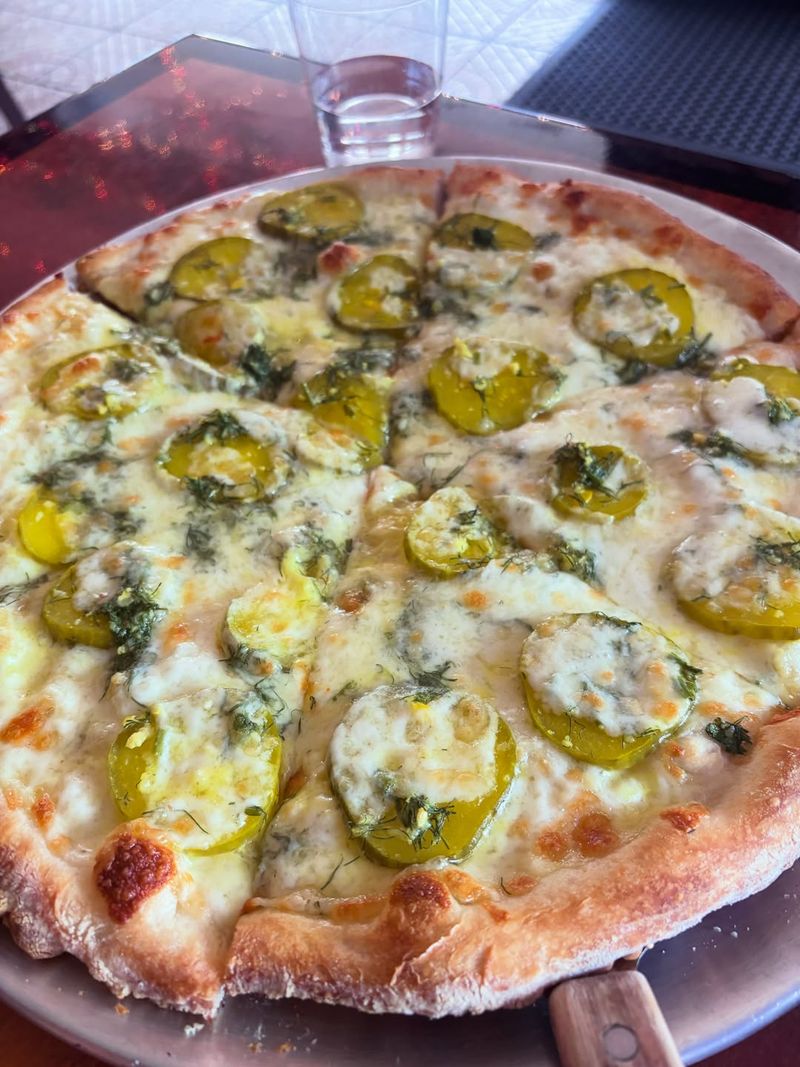
Pickle pizza sounds like a dare, but pizzerias across the country are selling out of it on a regular basis. Instead of tomato sauce, the base is a creamy garlic or ranch sauce, topped with mozzarella and loaded with thin-sliced dill pickles that get warm and slightly tangy in the oven.
The salty, briny pop of pickle against rich, melted cheese is oddly perfect. Social media helped launch this trend, but the people who try it in real life are the ones keeping it alive.
18. Chop Suey Sandwich (Fall River, Massachusetts)
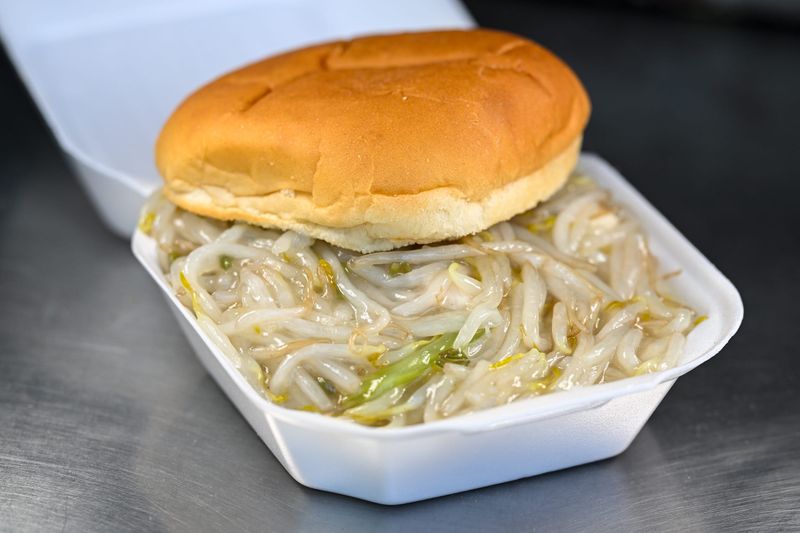
Fall River, Massachusetts has a quirky food tradition that confuses everyone outside the city: putting Chinese-American chop suey inside a hamburger bun and calling it lunch. The saucy stir-fry mixture of meat, celery, bean sprouts, and onions gets piled onto a soft roll and eaten like a sandwich.
It is a product of the city's large Portuguese and Chinese immigrant communities mixing culinary traditions in a uniquely American way. You will not find this anywhere else, and Fall River residents are very proud of that fact.
19. Funeral Potatoes (Utah and Mormon Communities)
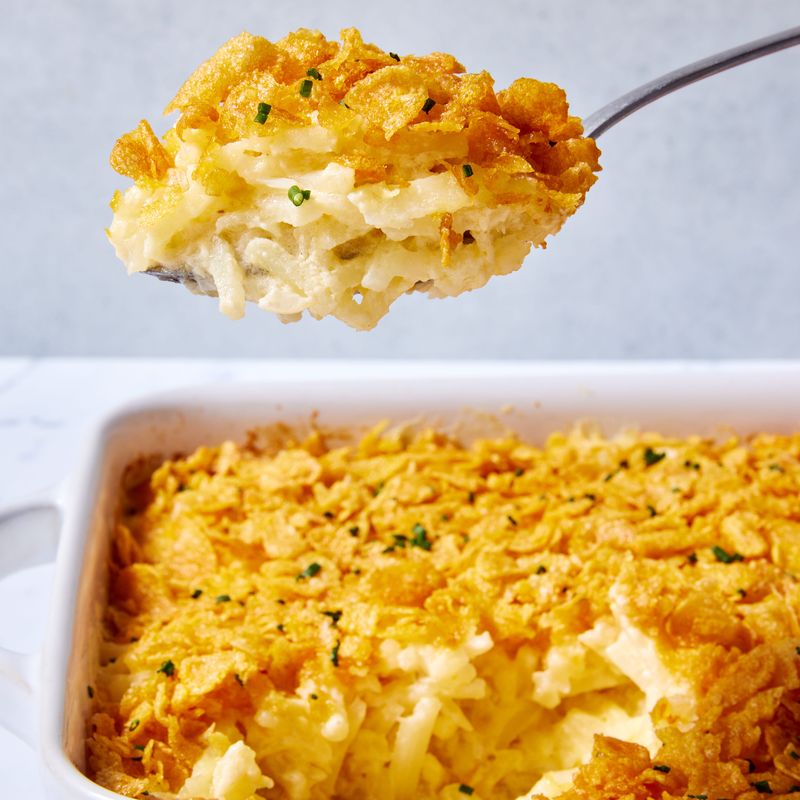
The name might sound grim, but funeral potatoes are actually one of the most comforting dishes in American cuisine. This cheesy, creamy casserole made from frozen hash browns, sour cream, cream of chicken soup, and shredded cheddar gets topped with crushed cornflakes and baked until golden and bubbling.
It earned its name because it is the dish Utah and Latter-day Saint communities bring to families after a funeral. Warm, filling, and completely unpretentious, it has since become a beloved comfort food far beyond its religious and regional roots.




Comments
No Comments