













Your heart works hard every single day, so why not feed it the best fuel possible? Nuts and seeds are tiny powerhouses packed with healthy fats, fiber, and nutrients that can make a real difference for your cardiovascular system.
Studies show that eating a small handful of the right nuts or seeds regularly can help lower bad cholesterol, reduce inflammation, and keep your arteries in great shape. Read on to discover 19 amazing options you can easily add to your daily routine.
1. Walnuts
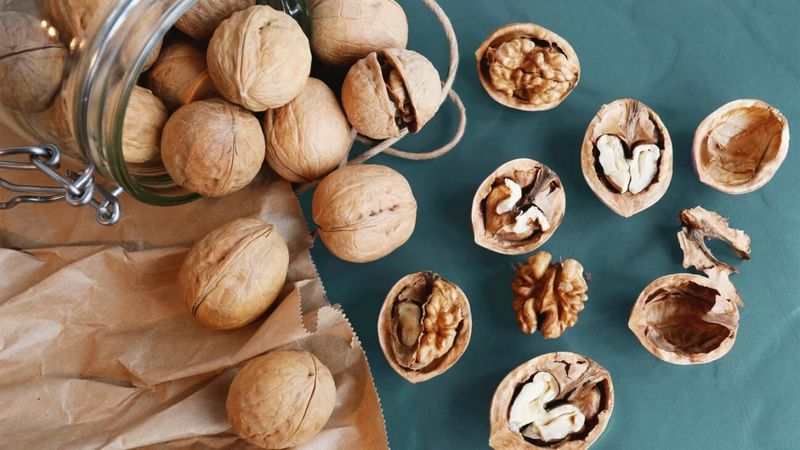
Walnuts look a little like tiny brains, and fittingly, they are one of the best foods for both your brain and your heart. They are loaded with omega-3 fatty acids, which help reduce inflammation and lower bad LDL cholesterol levels.
Just a small handful a day can make a measurable difference.
Snack on them plain, toss them into oatmeal, or mix them into a salad for a satisfying crunch that your heart will truly appreciate.
2. Almonds
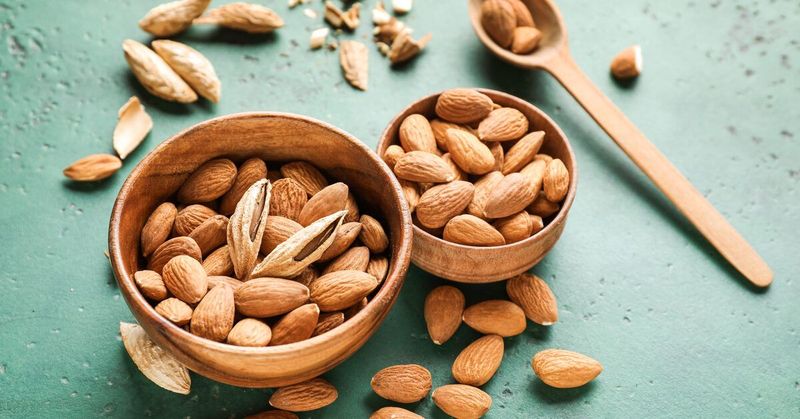
Almonds have been a beloved snack for thousands of years, and modern science fully backs up their reputation. Rich in vitamin E, magnesium, and monounsaturated fats, they actively work to lower LDL cholesterol while protecting your artery walls from damage.
Even ancient cultures prized them as a symbol of health and vitality.
A small handful before meals can help control hunger and support steady blood pressure, making almonds one of the smartest daily snack choices around.
3. Flaxseeds
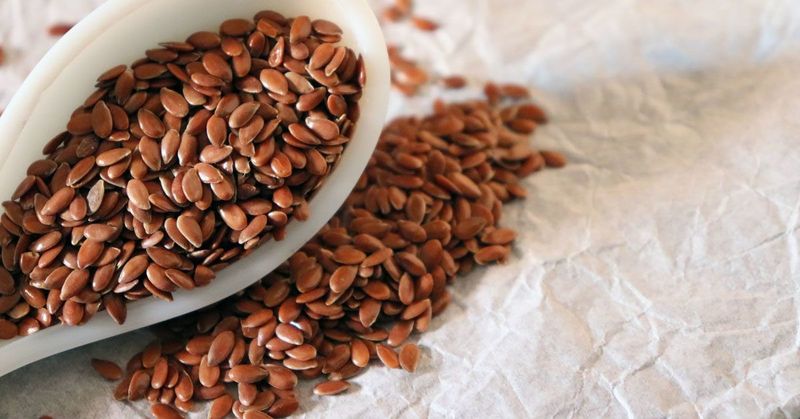
Flaxseeds punch way above their weight when it comes to heart health. These tiny golden seeds are bursting with alpha-linolenic acid, a plant-based omega-3 fat that helps keep inflammation in check and supports healthy cholesterol levels.
They also contain lignans, powerful antioxidants that protect blood vessels from oxidative stress.
Ground flaxseeds are easier for your body to absorb than whole ones, so sprinkle them into smoothies, yogurt, or baked goods for maximum benefit.
4. Chia Seeds
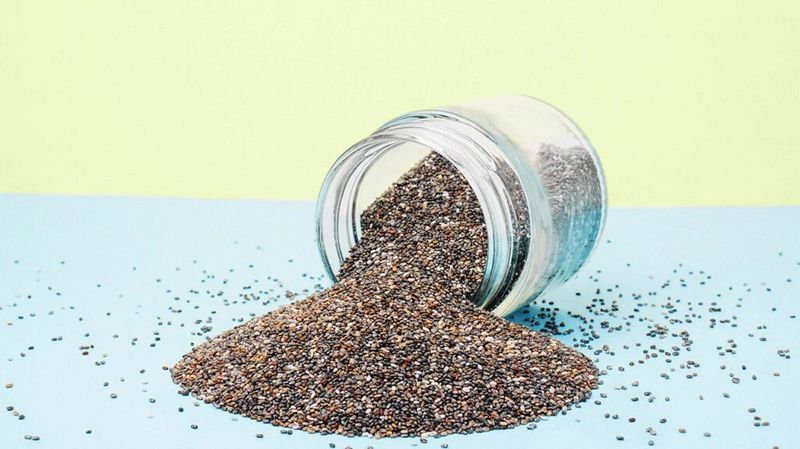
Did you know that chia seeds can absorb up to 12 times their weight in water? That gel-forming ability is one reason they are so good for your heart.
They are rich in fiber, omega-3 fatty acids, and potassium, all of which help manage blood pressure and keep cholesterol levels balanced.
Stir them into overnight oats or blend them into a smoothie. Their mild flavor means they fit into almost any meal without changing the taste.
5. Pistachios
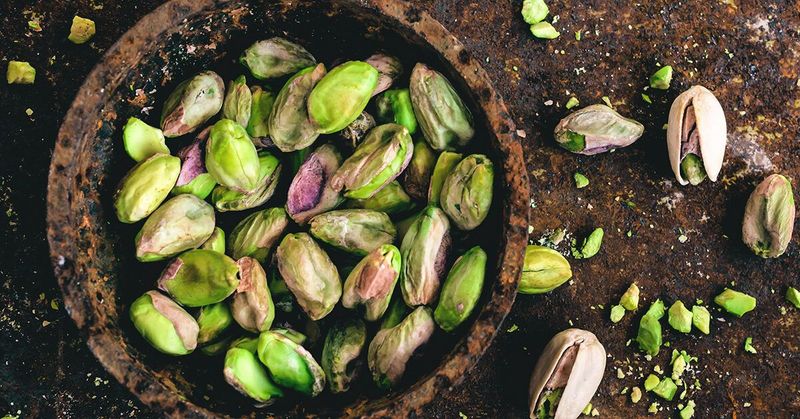
Pistachios are the only nut you have to work for, and that built-in slow-down actually helps you eat a more mindful portion. Beyond the fun of cracking them open, they deliver impressive heart benefits including lower LDL cholesterol, improved blood vessel flexibility, and reduced blood pressure.
They are also packed with potassium and antioxidants.
Research shows that eating pistachios regularly may reduce the risk of heart disease. Their rich, buttery flavor makes sticking to a heart-healthy habit genuinely enjoyable.
6. Pumpkin Seeds
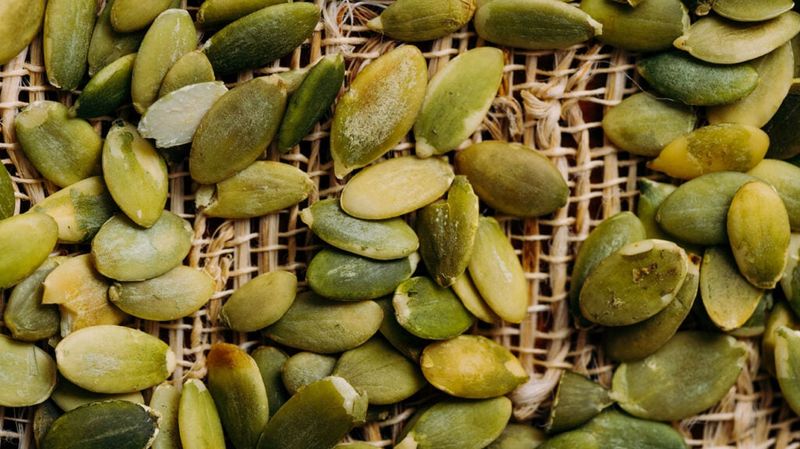
Pumpkin seeds, also called pepitas, are small but surprisingly mighty when it comes to cardiovascular support. They are one of the best plant-based sources of magnesium, a mineral that plays a direct role in regulating blood pressure and keeping heart rhythms steady.
Low magnesium levels have been linked to a higher risk of heart disease.
Roast them lightly with a pinch of sea salt, toss them on soups, or eat them raw for a crunchy, nutrient-dense snack your heart will thank you for.
7. Sunflower Seeds
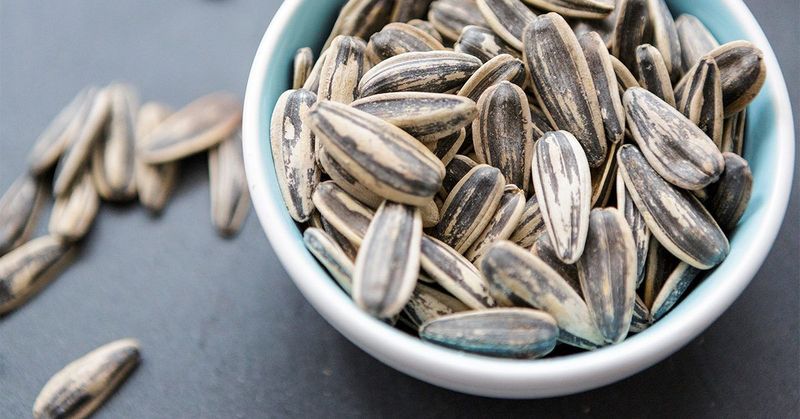
Sunflower seeds carry a cheerful reputation, and their heart benefits are just as uplifting. Packed with vitamin E, a fat-soluble antioxidant, they help prevent bad cholesterol from oxidizing and sticking to artery walls.
They also provide healthy unsaturated fats that support overall cardiovascular function when eaten as part of a balanced diet.
Sprinkle them on salads, mix them into trail mix, or enjoy them as a standalone snack. Their mild, nutty flavor makes them incredibly easy to incorporate every day.
8. Cashews
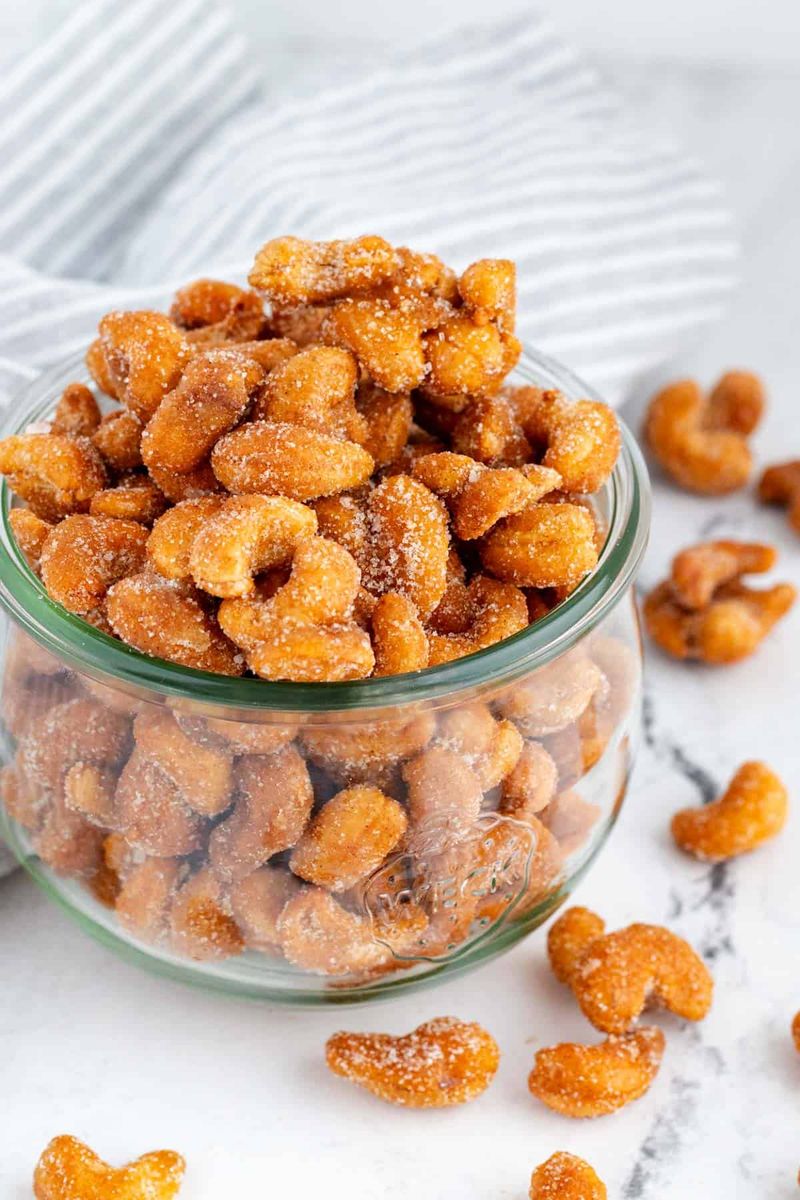
Cashews have a creamy, buttery quality that makes them feel more like a treat than a health food, but do not let that fool you. They are rich in monounsaturated fats and copper, nutrients that support healthy cholesterol levels and help maintain strong, flexible blood vessels.
They also provide magnesium for steady blood pressure regulation.
Because they are calorie-dense, a small portion goes a long way. Blend them into sauces, enjoy them in stir-fries, or munch on a small handful as an afternoon snack.
9. Hemp Seeds
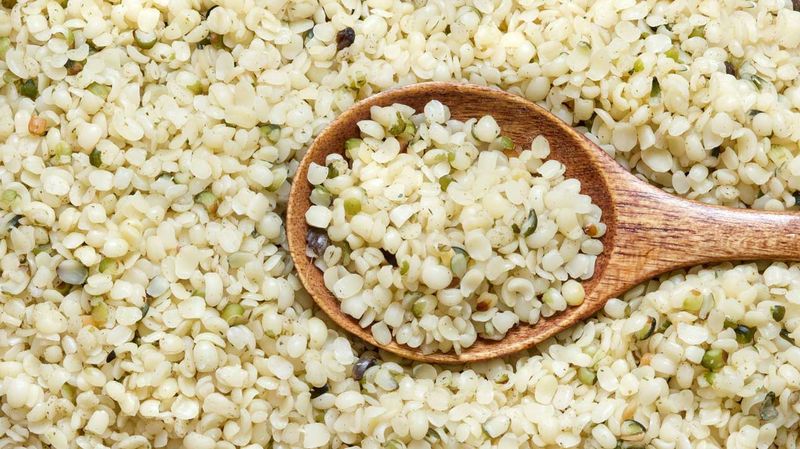
Hemp seeds are one of the rare plant foods that contain all nine essential amino acids, making them a complete protein. For heart health specifically, they shine because of their ideal 3-to-1 ratio of omega-6 to omega-3 fatty acids, which helps keep inflammation low and supports healthy cholesterol balance.
They also contain arginine, an amino acid that helps relax blood vessels.
Their subtle, nutty flavor works beautifully sprinkled over salads, blended into smoothies, or stirred into yogurt for an easy daily boost.
10. Sesame Seeds
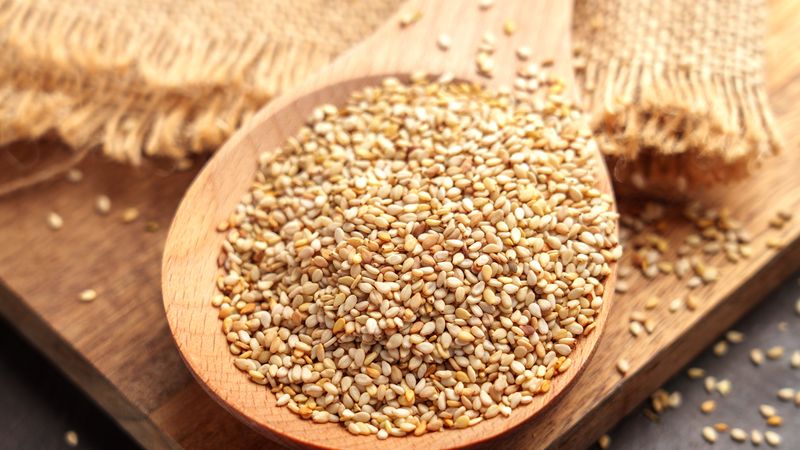
Sesame seeds have been used in cooking for over 5,000 years, and their heart-protective qualities are part of why they have stood the test of time. They contain sesamin and sesamolin, unique plant compounds that help lower cholesterol and reduce blood pressure naturally.
They are also a solid source of calcium, magnesium, and zinc.
Toast them and sprinkle over stir-fries, add tahini to dressings, or mix them into homemade energy bars. A little goes a long way with these flavorful seeds.
11. Hazelnuts
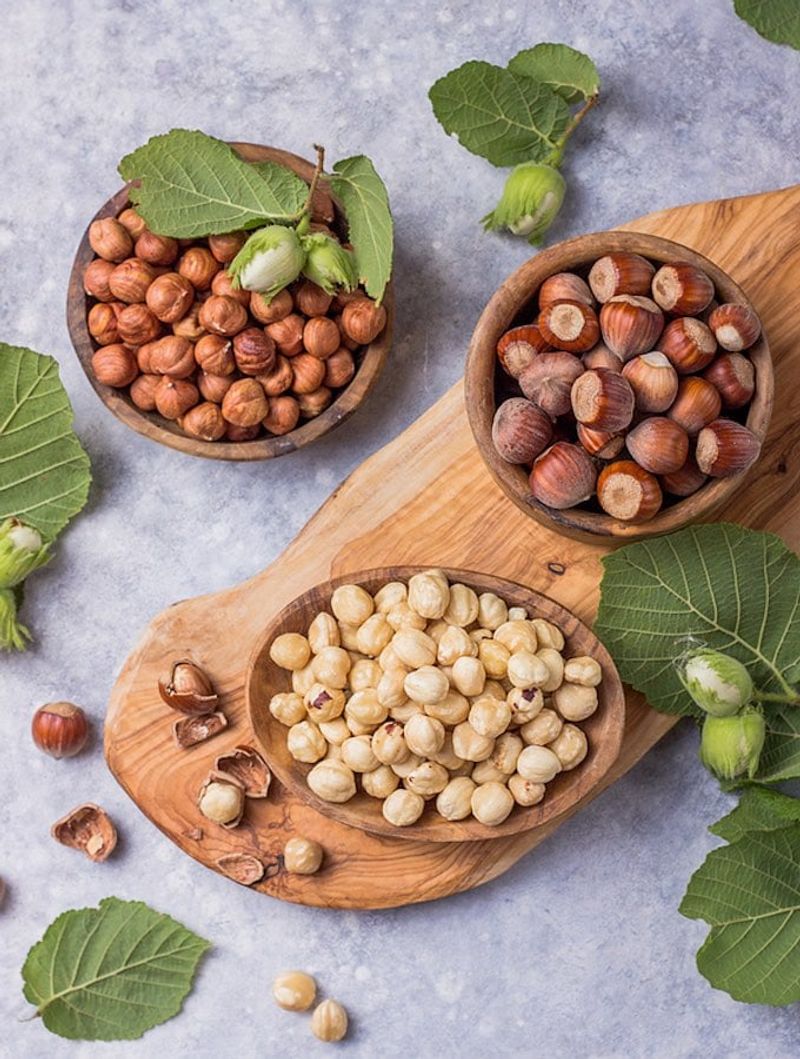
Hazelnuts bring a rich, toasty flavor that feels indulgent, yet they are genuinely great for your heart. They are loaded with monounsaturated fats, folate, and vitamin E, all of which work together to reduce LDL cholesterol and protect artery walls from damage.
Their high antioxidant content also helps fight inflammation throughout the cardiovascular system.
Chop them into oatmeal, blend them into nut butter, or pair them with dark chocolate for a heart-friendly treat that feels totally decadent without the guilt.
12. Brazil Nuts
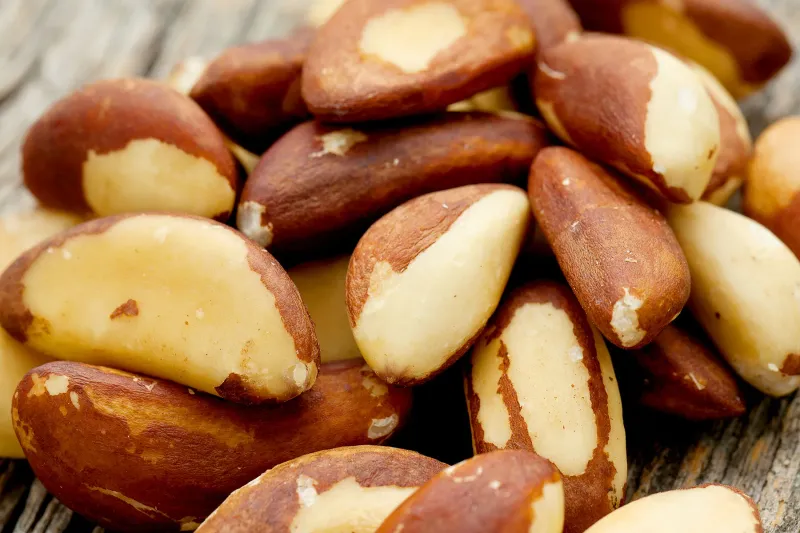
Just two Brazil nuts a day can supply your entire recommended daily intake of selenium, a powerful antioxidant mineral that protects the heart from oxidative stress. That makes Brazil nuts one of the most efficient heart-health foods on the planet.
Selenium also supports thyroid function, which indirectly affects cardiovascular health and metabolism.
Because they are so nutrient-dense, eating just a couple daily is enough. Too many can actually lead to selenium overload, so moderation is genuinely the key with this particular nut.
13. Pecans
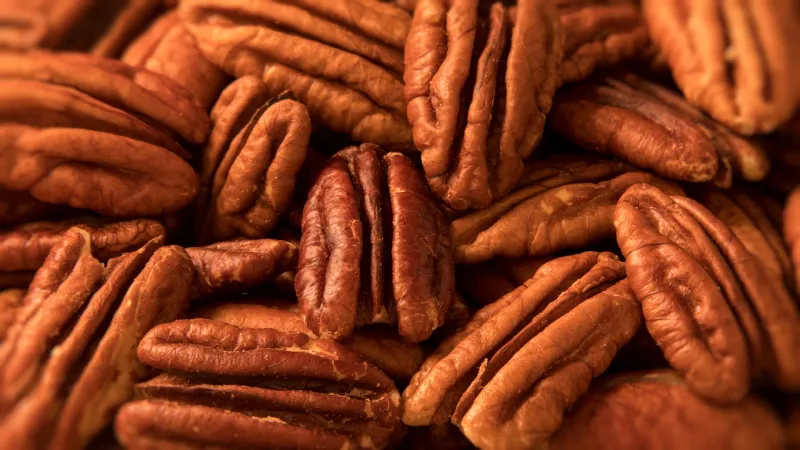
Pecans are a Southern classic, but their heart benefits go well beyond pecan pie. They are among the highest antioxidant-rich nuts available, helping to prevent LDL cholesterol from oxidizing, which is a key step in the development of artery-clogging plaque.
They also provide oleic acid, the same heart-friendly fat found in olive oil.
Add pecans to grain bowls, mix them into homemade granola, or enjoy them lightly toasted with a sprinkle of cinnamon. Your taste buds and your heart will both be on board.
14. Macadamia Nuts
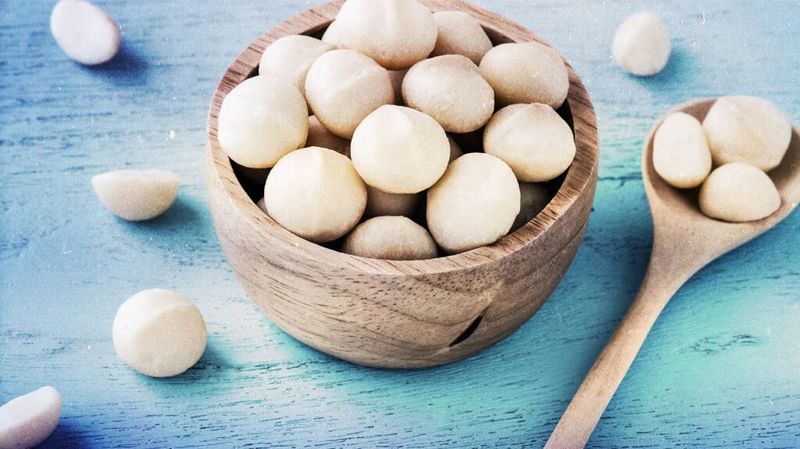
Macadamia nuts have one of the highest monounsaturated fat contents of any nut, which is great news for your heart. These healthy fats actively lower LDL cholesterol and raise HDL, the so-called good cholesterol that helps sweep harmful particles out of your bloodstream.
They also contain flavonoids that reduce inflammation in blood vessels.
While they are on the pricier side, a small serving a few times a week is enough to reap real benefits. Their buttery, rich taste makes every bite feel like a luxury.
15. Pine Nuts
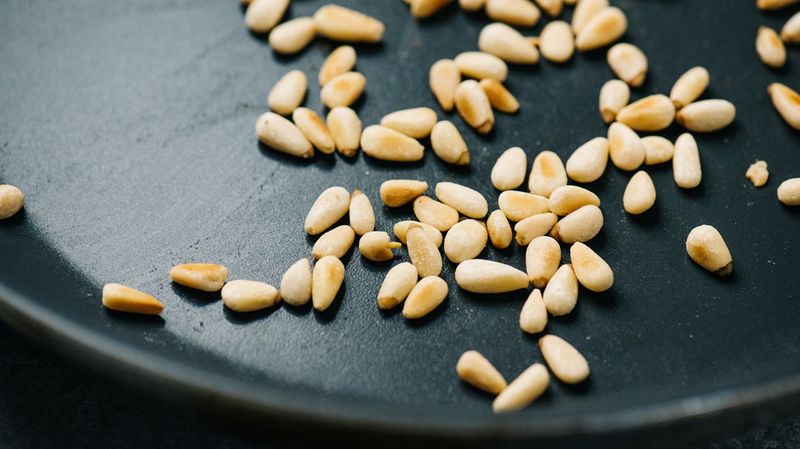
Pine nuts are the secret ingredient in classic pesto, but they deserve recognition for more than their culinary flair. They contain pinolenic acid, a unique polyunsaturated fat that has been shown to suppress appetite hormones and support healthy cholesterol levels.
They are also rich in vitamin K, which plays a role in preventing arterial calcification.
Toasted pine nuts add a warm, buttery depth to salads, roasted vegetables, and pasta dishes. Even a small tablespoon scattered over a meal delivers meaningful heart-supportive nutrition.
16. Black Sesame Seeds
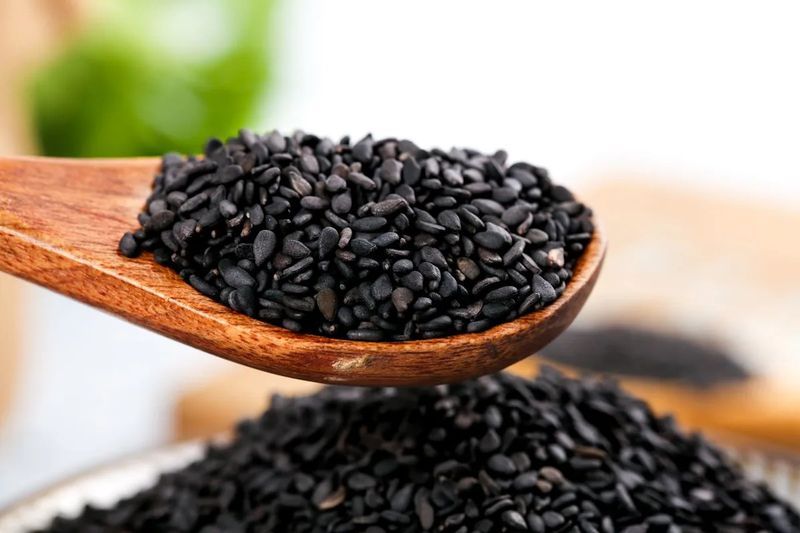
Black sesame seeds look striking and sophisticated, but their real magic is what happens inside your body when you eat them. They contain higher concentrations of antioxidants compared to white sesame seeds, and their sesamin content is particularly effective at reducing blood pressure and lowering total cholesterol over time.
Traditional Chinese medicine has celebrated them for centuries.
Blend them into smoothies, sprinkle over rice dishes, or mix into homemade crackers. Their bold, slightly bitter flavor pairs beautifully with honey or maple syrup for a balanced treat.
17. Sacha Inchi Seeds
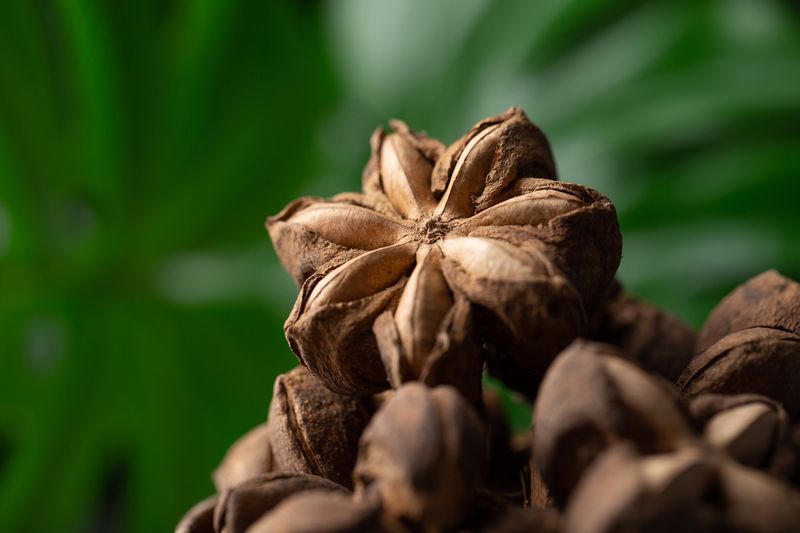
Sacha inchi seeds might not be a household name yet, but heart health enthusiasts are quickly taking notice. Native to the Amazon rainforest, these star-shaped seeds are extraordinarily rich in omega-3 fatty acids, even more so than many fish sources, making them a fantastic plant-based option for reducing inflammation and supporting healthy cholesterol ratios.
They also deliver a solid protein punch. Roasted sacha inchi seeds have a pleasant, nutty flavor similar to peanuts, and they work well as a snack or crushed over grain bowls.
18. Pomegranate Seeds
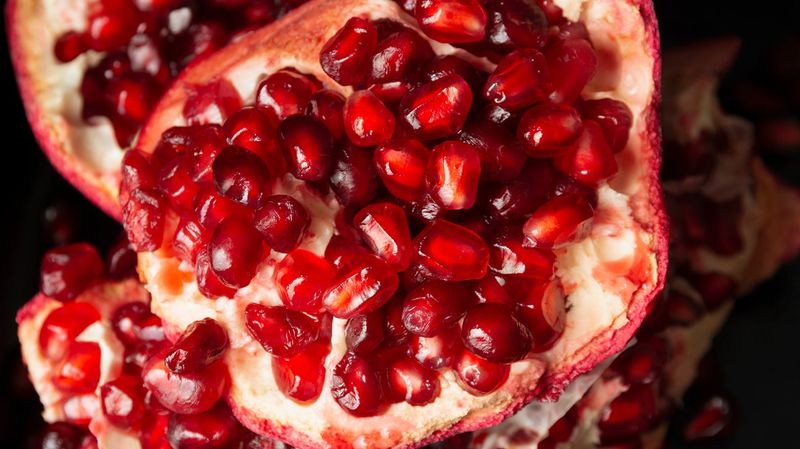
Pomegranate seeds are jewel-bright and bursting with flavor, but their most impressive quality is their extraordinary antioxidant content. Studies have found that pomegranate juice and seeds can lower systolic blood pressure, reduce arterial plaque buildup, and improve overall blood flow to the heart.
Their punicalagins and anthocyanins are among the most potent cardiovascular protectors found in any food.
Scatter them over yogurt, salads, or oatmeal for a pop of color and sweetness. They make healthy eating genuinely feel like a celebration.
19. Peanuts
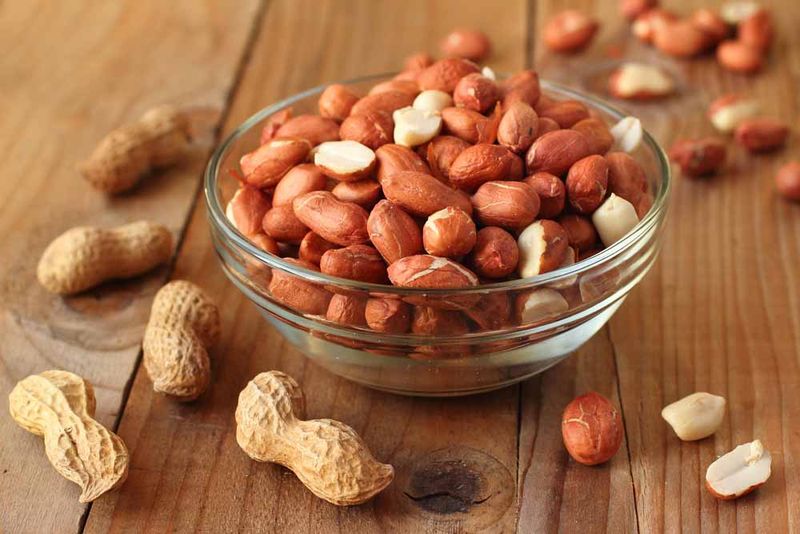
Technically a legume, peanuts earn their spot on this list because their nutritional profile closely mirrors that of tree nuts. They are packed with resveratrol, the same antioxidant found in red wine, along with niacin and folate, which together help reduce cardiovascular disease risk.
Research consistently links regular peanut consumption with lower rates of heart-related illness.
Choose unsalted or lightly salted varieties to keep sodium in check. Natural peanut butter spread on whole grain toast is one of the easiest and most affordable heart-healthy snacks you can make.




Comments
No Comments