













Ever wonder why restaurant food tastes so much better than the same dish you make at home? Professional chefs have a few tricks up their sleeves, and most of them come down to a handful of special ingredients.
These additions don't cost a fortune, but they add layers of flavor that make every bite feel like a luxury. Once you know these secrets, your home cooking will never be the same.
1. White Miso Paste
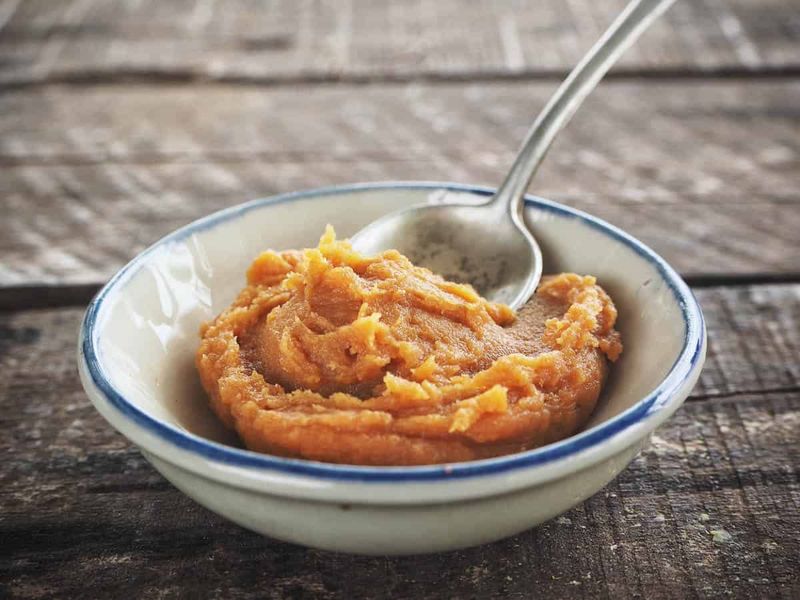
Spoon a little white miso paste into almost anything savory, and something magical happens. It brings a deep, salty, almost buttery richness that makes people lean in for another bite.
Chefs sneak it into salad dressings, soups, and even pasta sauces. Unlike strong red miso, white miso is mild enough that nobody can quite identify it, but everyone notices the food just tastes better.
It is fermented, so it adds serious depth fast.
2. Finishing Butter (Beurre Monte)
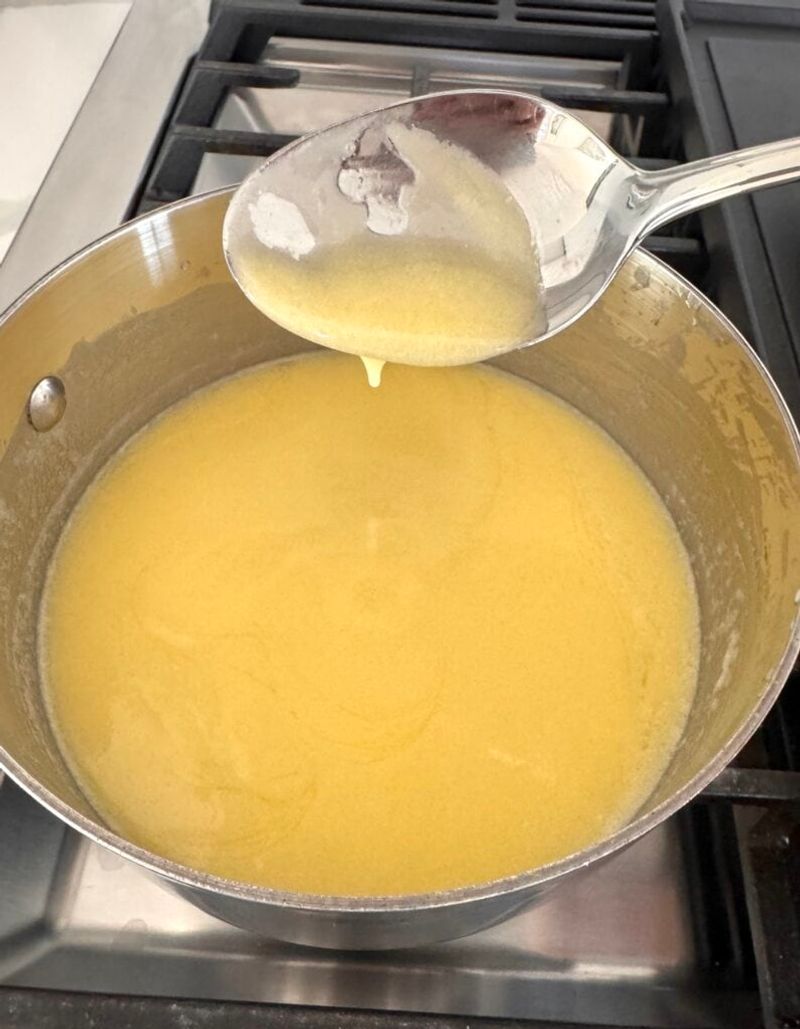
French chefs have known this trick for centuries: swirl cold butter into a warm sauce right before serving and watch everything transform. The technique is called beurre monte, and it creates a silky, rich finish that makes sauces look and taste like they came from a five-star kitchen.
Even a simple pan sauce made from drippings becomes restaurant-worthy with this move. Use high-fat European butter for the most dramatic, luxurious result possible.
3. Fish Sauce
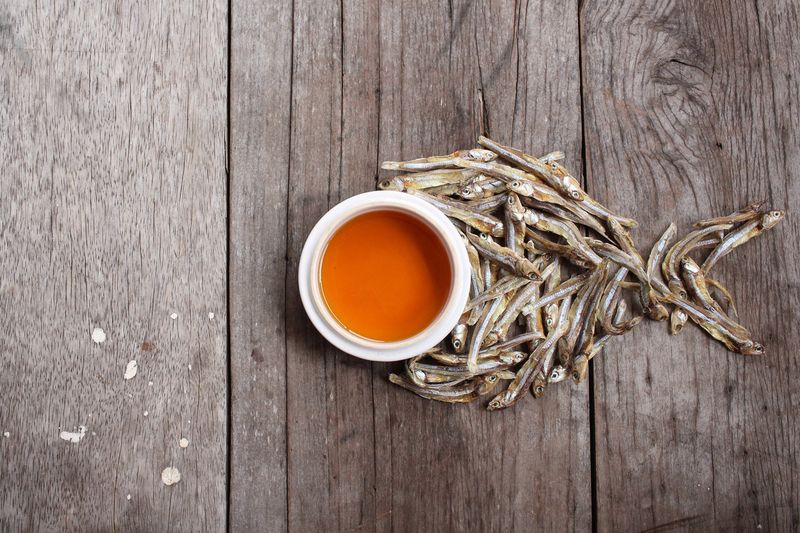
Before you wrinkle your nose, hear this out. Fish sauce smells strong on its own, but add just a few drops to a pasta, a stew, or even a burger, and it disappears completely into the background.
What it leaves behind is pure umami, that savory, craveable quality that makes food taste deeply satisfying.
Chefs from Italian to Thai kitchens use it as a secret weapon. A little goes a very long way.
4. Truffle Oil
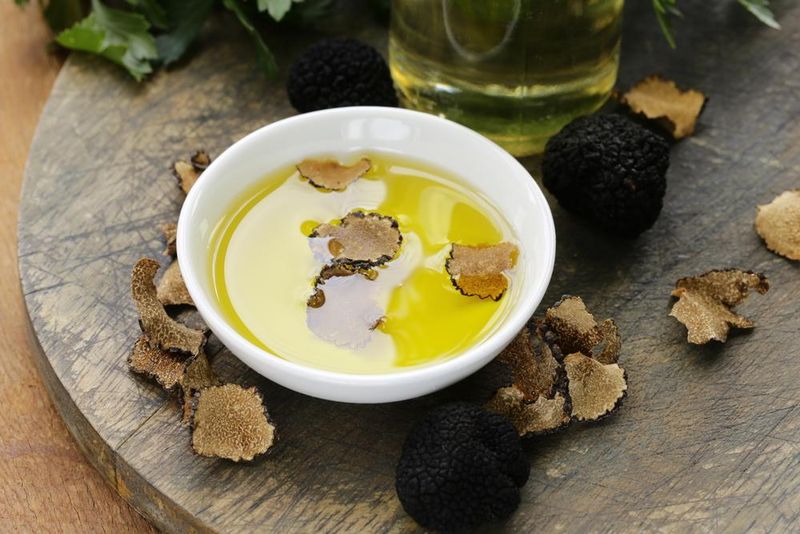
Just a few drops of truffle oil can turn a bowl of scrambled eggs or popcorn into something that feels genuinely indulgent. The earthy, almost musky aroma is instantly associated with luxury dining, which is why chefs use it so sparingly and strategically.
Too much overwhelms everything, but the right amount adds a finishing note that guests always comment on.
Drizzle it on at the very end, never cook with it, to keep that aroma alive.
5. Anchovy Paste

Anchovies are one of the most misunderstood ingredients in the kitchen. Squeeze a tiny bit of anchovy paste into a tomato sauce, a Caesar dressing, or a lamb marinade and it melts away completely, leaving behind a bold, savory backbone that makes the whole dish taste more complex.
Nobody will guess anchovies are in there, but everyone will ask what your secret is. Chefs have been relying on this trick for decades without saying a word.
6. Smoked Paprika
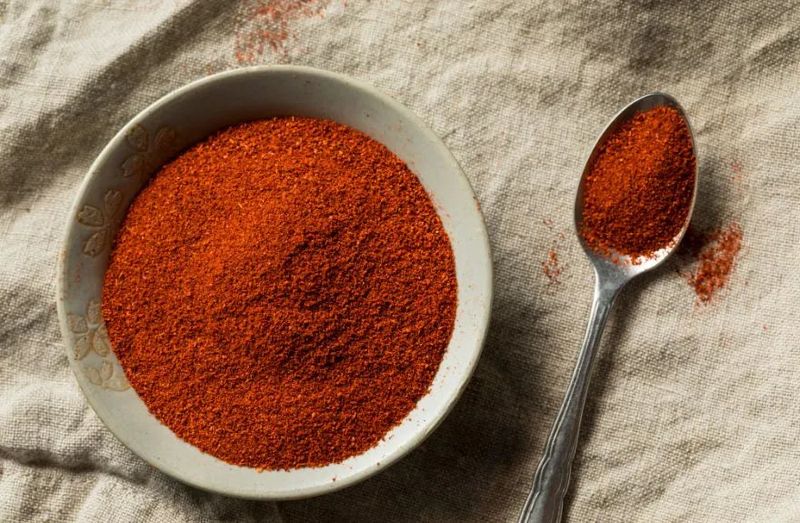
Regular paprika adds color, but smoked paprika adds soul. One teaspoon stirred into roasted vegetables, rice, or grilled chicken gives food a subtle, campfire-like warmth that feels deeply satisfying and surprisingly sophisticated.
Chefs in Spanish and Portuguese kitchens have leaned on this spice forever, and it is finally getting the recognition it deserves in home kitchens everywhere.
It works beautifully in rubs, dips, and even deviled eggs, turning everyday bites into memorable ones.
7. Saffron
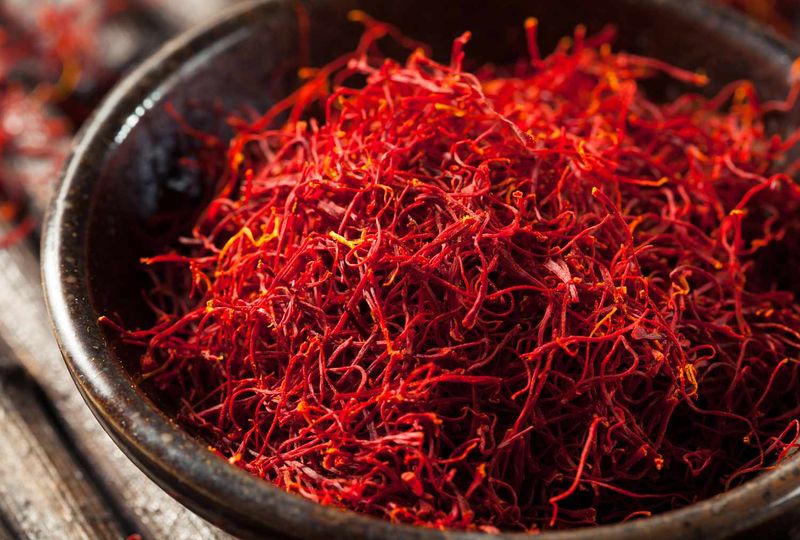
Saffron is the world's most expensive spice by weight, but you only ever need a tiny pinch, making it surprisingly affordable per use. Those few threads steeped in warm water release a golden color and a floral, honeyed aroma that instantly elevates rice dishes, soups, and seafood.
Paella and bouillabaisse owe their soul to saffron.
Bloom it in warm liquid first to draw out maximum flavor before adding it to whatever you are cooking.
8. Aged Parmesan Rind
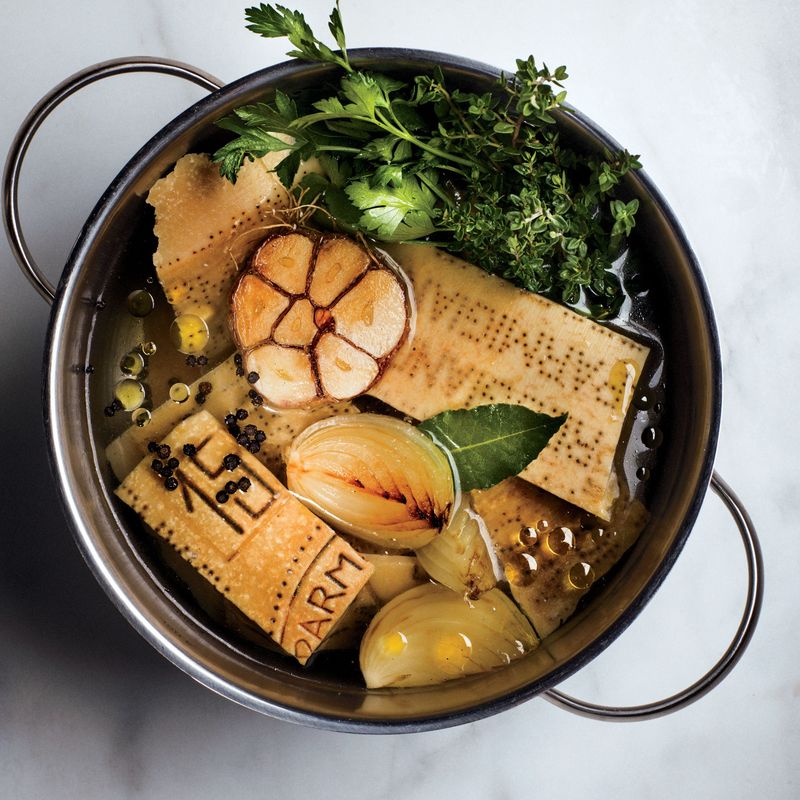
Most people toss Parmesan rinds in the trash, and chefs quietly cringe every time. Drop one of those waxy rinds into a simmering soup, a pot of beans, or a tomato sauce and let it slowly melt and dissolve over low heat.
It releases a nutty, salty, deeply savory richness that store-bought broth simply cannot replicate.
Save your rinds in a zip-lock bag in the freezer so you always have one ready to go when needed.
9. Dijon Mustard
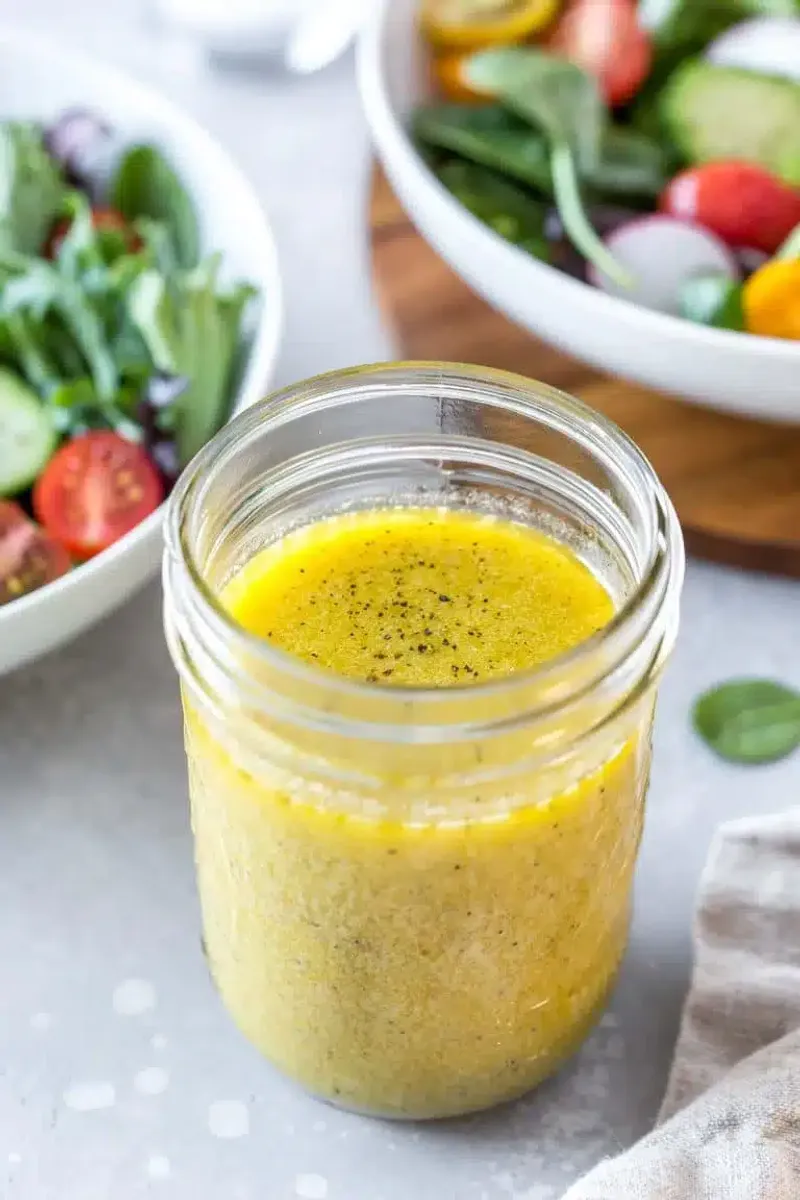
Dijon mustard is not just for sandwiches. Chefs whisk it into vinaigrettes to help oil and vinegar stay blended, creating creamy, restaurant-quality dressings in seconds.
It also adds a tangy sharpness to cream sauces and marinades that makes every flavor in the dish pop a little brighter.
The best part is that when used in cooking, the sharp mustard flavor mellows beautifully, leaving behind complexity without heat. It is a quiet but powerful kitchen staple.
10. Toasted Sesame Oil
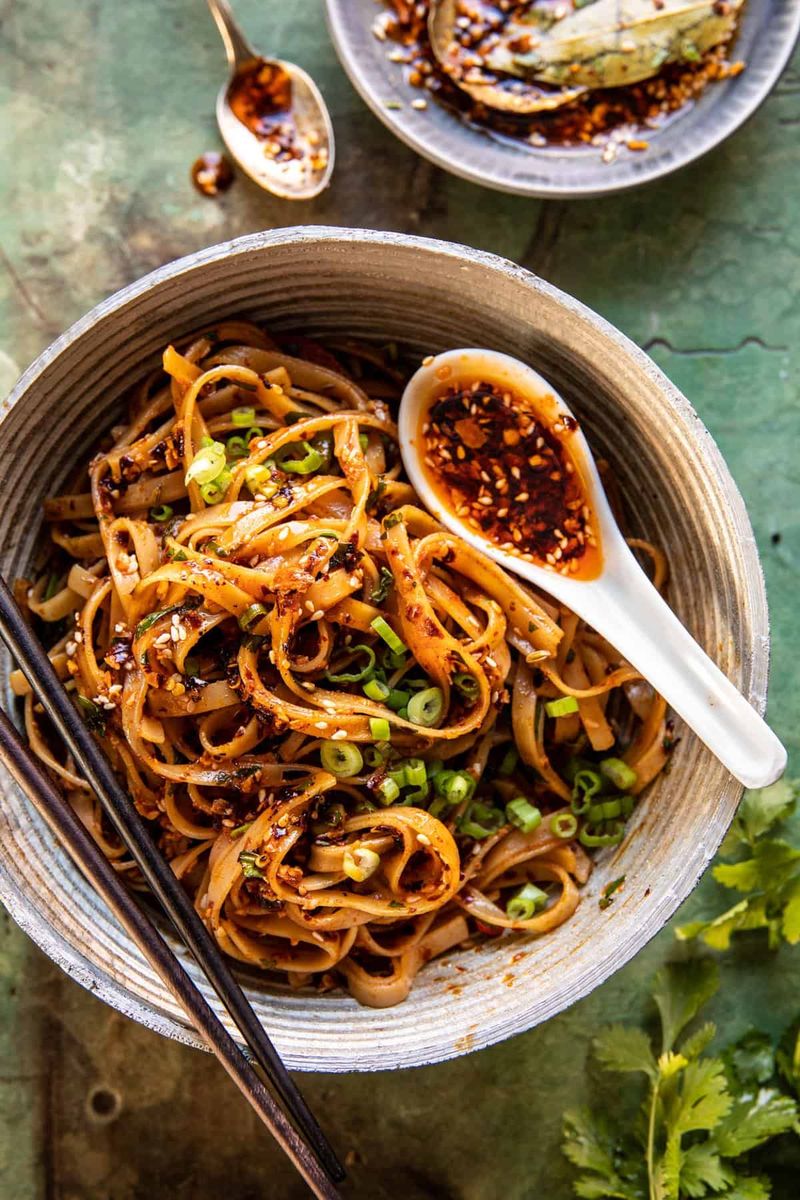
There is a reason Asian restaurant noodles taste so much better than homemade ones, and toasted sesame oil is a big part of that answer. Just a teaspoon drizzled over finished dishes adds a nutty, rich, slightly smoky aroma that is instantly recognizable and deeply appetizing.
Never cook with it over high heat, because the delicate oils burn and turn bitter.
Add it at the very end as a finishing touch and it transforms everything it touches.
11. Worcestershire Sauce
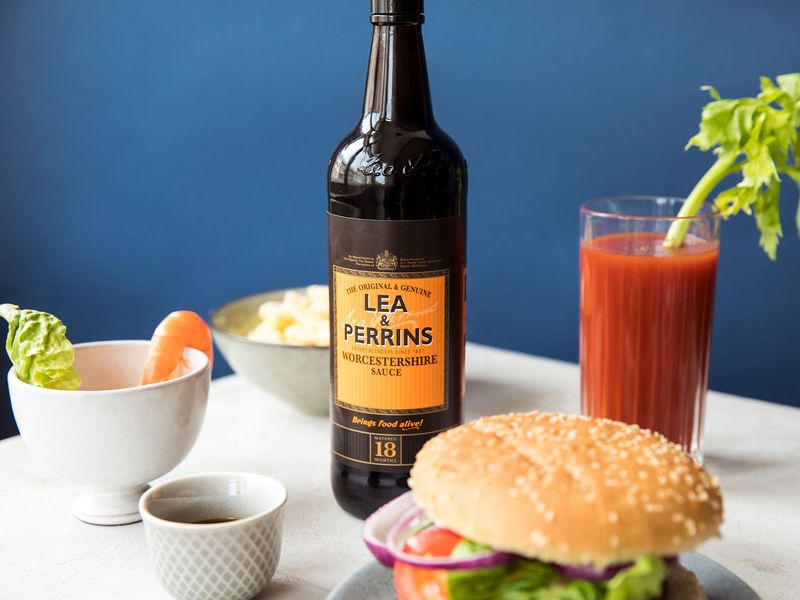
Worcestershire sauce is one of those ingredients that has been hiding in kitchens for over 150 years, and yet most home cooks underestimate it completely. A splash into a burger mix, a beef stew, or a bloody mary adds a fermented, tangy depth that is nearly impossible to achieve any other way.
It contains tamarind, anchovies, vinegar, and molasses, which together create an incredibly complex flavor profile in a single bottle. Chefs call it a one-ingredient flavor bomb.
12. High-Quality Vanilla Extract
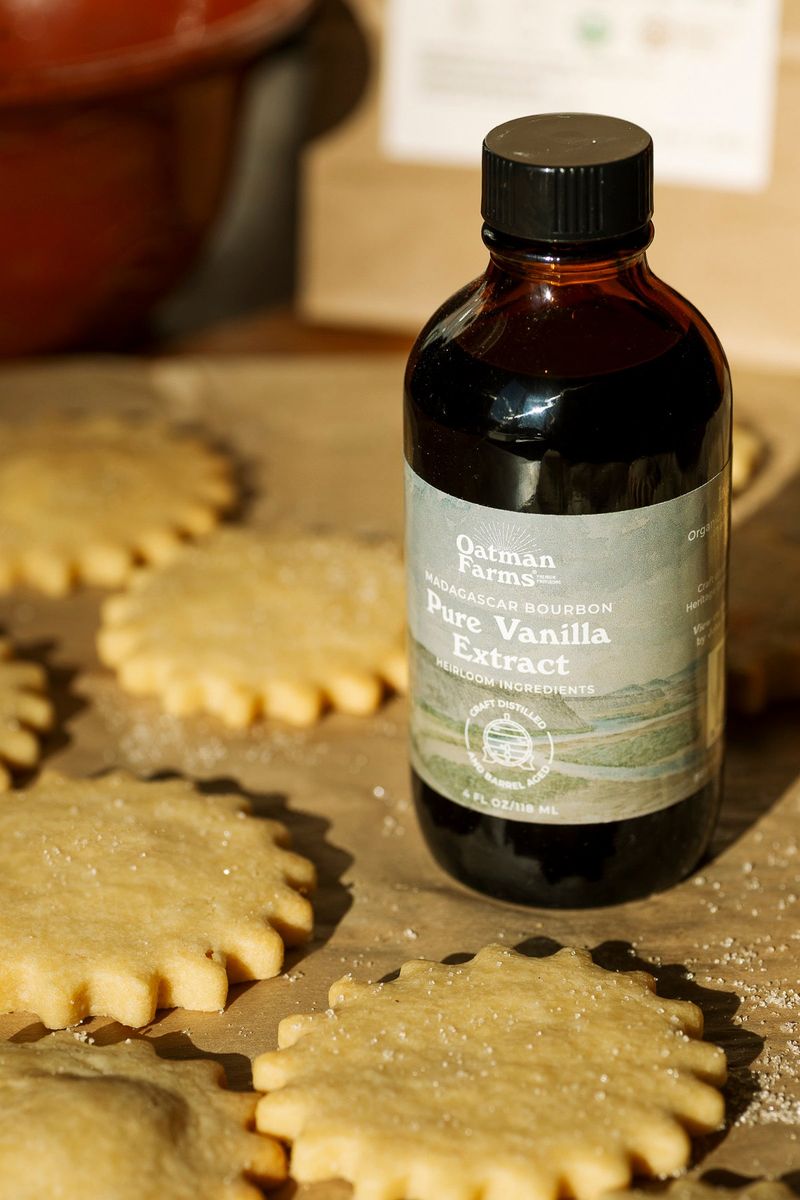
Pure vanilla extract versus imitation vanilla is not a small difference, it is the difference between flat and extraordinary. Real vanilla contains hundreds of flavor compounds that create warmth, floral notes, and a creamy sweetness that imitation versions can only poorly suggest.
Pastry chefs never settle for the artificial version.
Add a tiny splash to savory dishes like butternut squash soup or sweet potato casserole and it rounds out the sweetness in a way that feels genuinely restaurant-level.
13. Lemon Zest
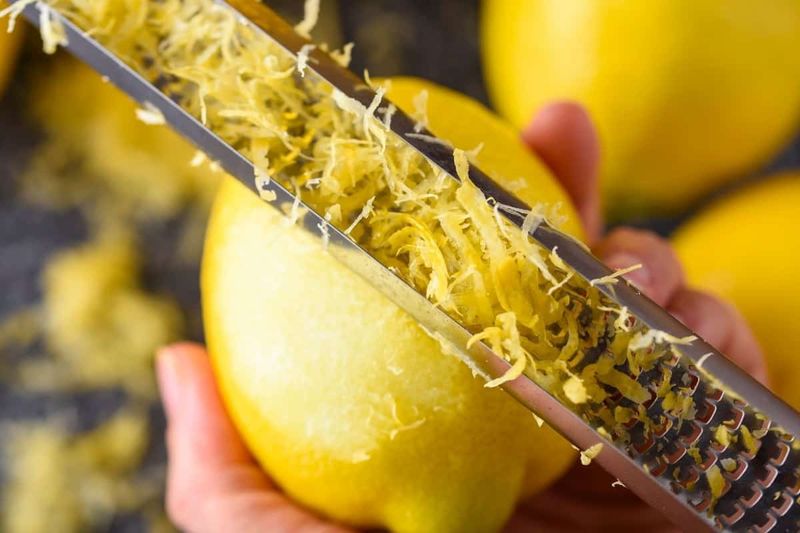
Chefs know that lemon juice and lemon zest are completely different tools. Juice adds acidity, but zest adds bright, floral, intensely citrusy flavor without any extra liquid.
Stir it into pasta, baked goods, salad dressings, or herb butters and the whole dish lifts to a completely different level.
The oils in the zest are incredibly fragrant and are best added right before serving. Even the simplest grilled fish becomes something special with a little lemon zest on top.
14. Sherry Vinegar

Sherry vinegar is the quiet sophistication that balsamic vinegar gets all the credit for. Aged in oak barrels in Spain, it carries a nutty, complex sweetness with just enough sharpness to brighten any dish without overpowering it.
Professional chefs splash it into gazpacho, braised meats, and pan sauces to add a refined finishing note.
A little goes a long way, and once you try it, ordinary red wine vinegar starts to feel one-dimensional and thin by comparison.
15. Capers
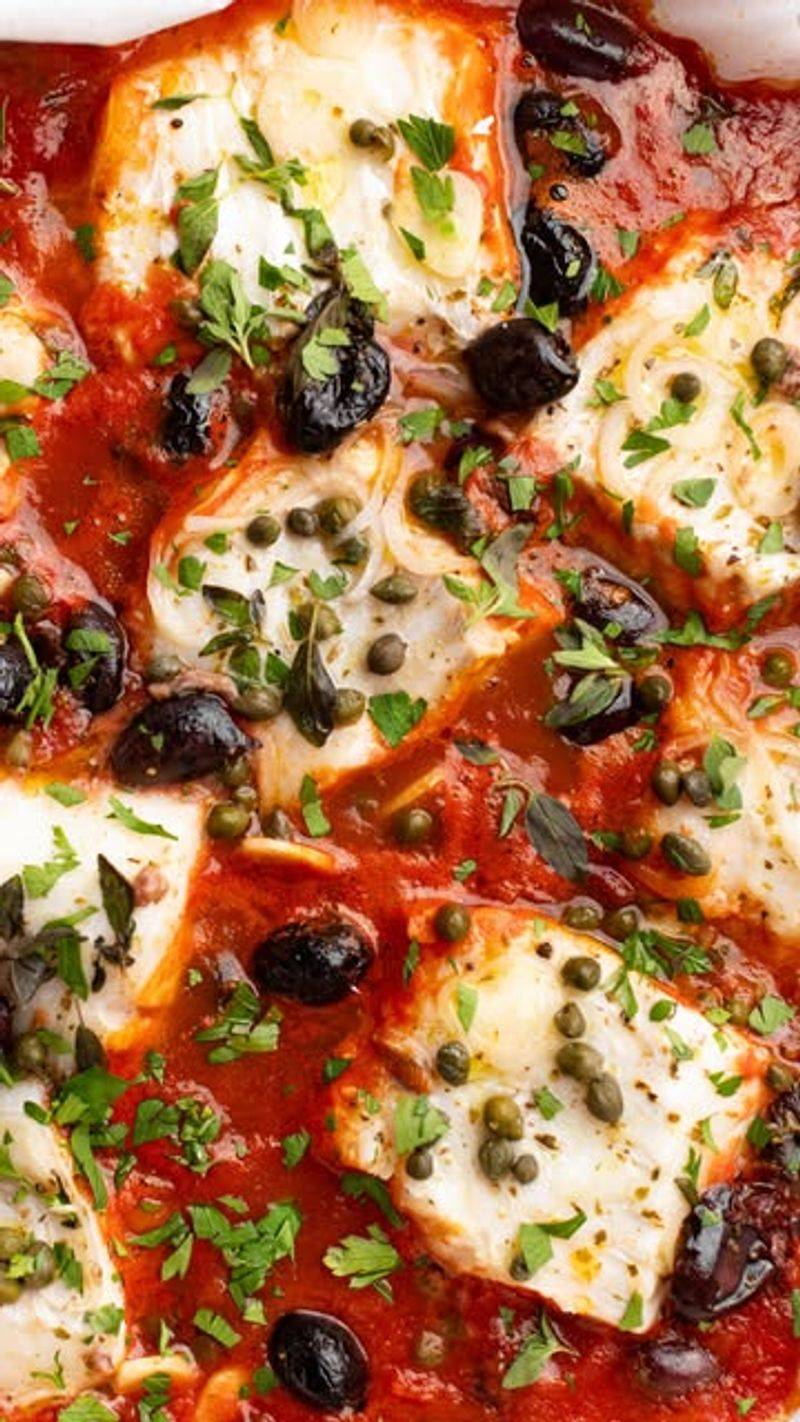
Tiny but fierce, capers pack a briny, tangy punch that cuts through rich, fatty dishes like nothing else. Chefs fold them into smoked salmon spreads, piccata sauces, and tapenade to add a sharp contrast that keeps every bite from feeling heavy.
Frying them in olive oil until they bloom and crisp is a restaurant trick worth stealing immediately.
Once fried, they become little flavor explosions that work beautifully sprinkled over roasted vegetables, fish, or creamy dips.
16. Nutritional Yeast
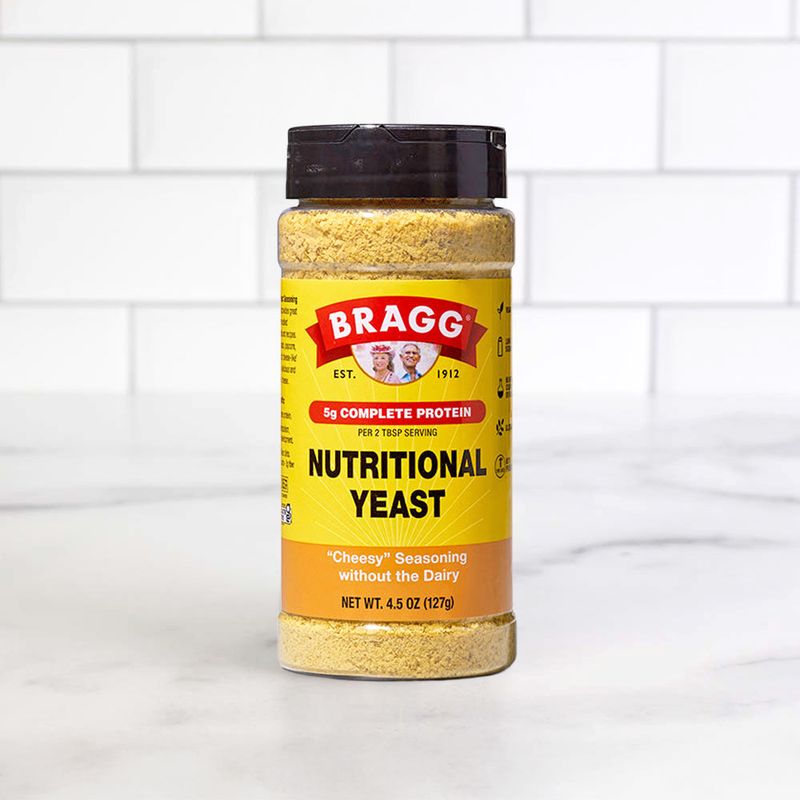
Nutritional yeast sounds like something you would find in a health food store rather than a professional kitchen, but chefs have been quietly using it for years. It has a nutty, cheesy, savory flavor that mimics Parmesan without any dairy involved.
Sprinkled over popcorn, pasta, roasted vegetables, or soups, it adds a rich, almost creamy depth that makes simple dishes feel thought-through and intentional.
It is also loaded with B vitamins, which makes it a genuinely smart addition to your pantry.
17. Pomegranate Molasses
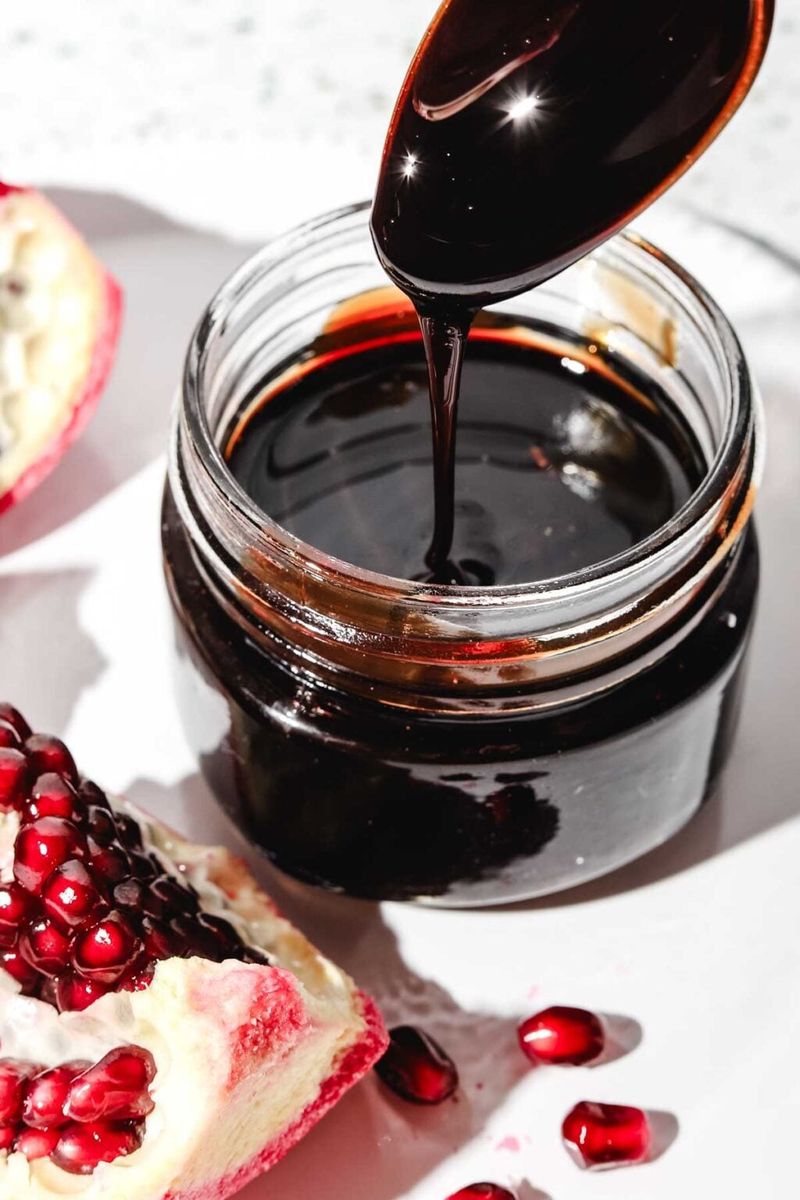
Pomegranate molasses is one of the most underused ingredients in Western kitchens, despite being a staple in Middle Eastern cooking for centuries. It is tart, sweet, and deeply fruity all at once, making it an extraordinary glaze for roasted meats, a bold addition to salad dressings, or a finishing drizzle over hummus.
Just a tablespoon added to a marinade adds a caramelized, tangy complexity that takes hours of slow cooking to otherwise achieve. It is a serious shortcut to flavor.
18. MSG (Monosodium Glutamate)
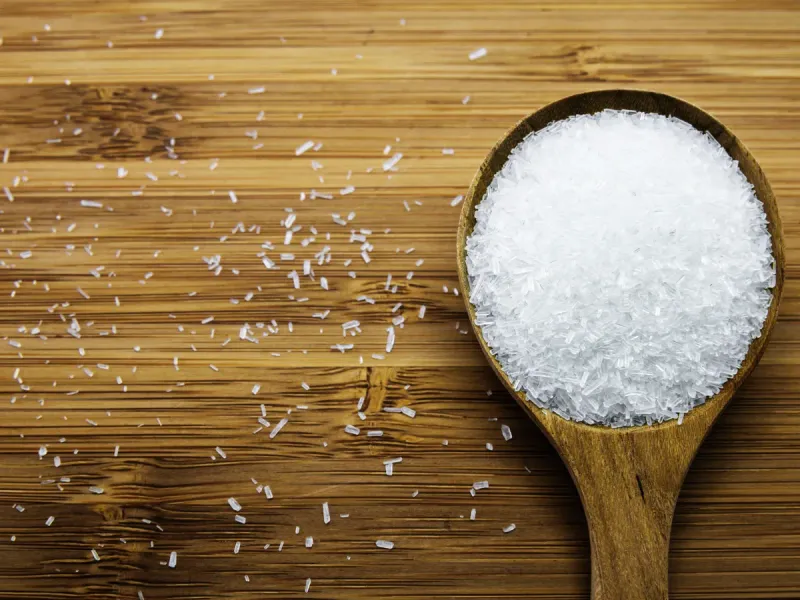
MSG got a bad reputation it never deserved, and chefs have always known the truth. It is simply a concentrated form of glutamate, the same naturally occurring compound found in tomatoes, mushrooms, and aged cheese that makes food taste savory and satisfying.
A tiny pinch added to soups, stir-fries, or even popcorn amplifies every other flavor in the dish.
Restaurants have been using it for decades. Adding a small amount at home is one of the most honest cooking upgrades you can make.
19. High-Quality Extra Virgin Olive Oil
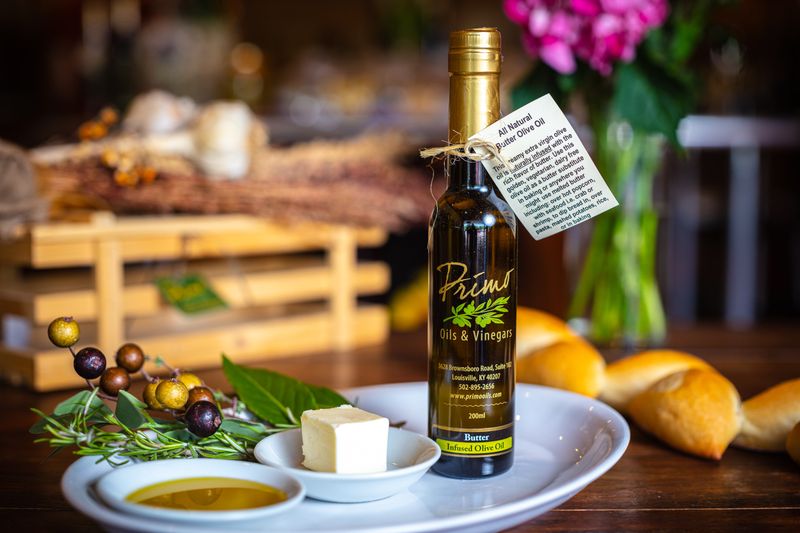
Not all olive oil is created equal, and chefs are very serious about this distinction. A cheap olive oil used for finishing a dish tastes flat and greasy, while a high-quality extra virgin olive oil carries fruity, peppery, grassy notes that genuinely elevate whatever it touches.
The key is using good olive oil as a finishing drizzle, never for high-heat cooking.
Pour it generously over grilled bread, fresh pasta, or roasted vegetables right before serving for an instantly luxurious result.




Comments
No Comments