













Some foods go out of style just like old fashion trends, only to make a surprising comeback years later. Whether forgotten on grandma's dinner table or pushed aside by flashier options, these foods are back and better than ever.
Chefs, food bloggers, and home cooks have rediscovered their flavor, nutrition, and charm. Get ready to meet 19 foods that went from overlooked to totally obsessed-over.
1. Cottage Cheese
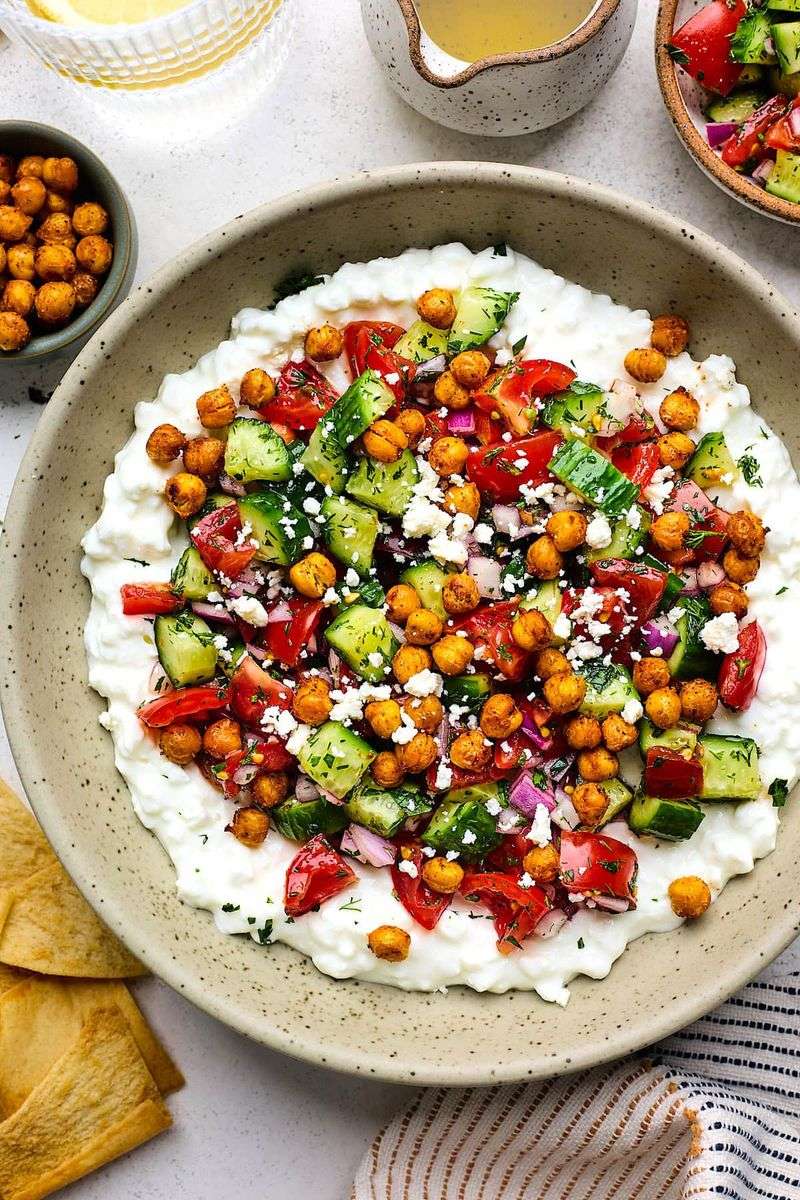
Once the poster food of 1970s diet culture, cottage cheese spent decades collecting dust in the back of the fridge. Now it is absolutely everywhere again.
High-protein recipes using cottage cheese have taken over social media, from pasta sauces to smoothies.
Young food lovers are rediscovering its creamy texture and mild flavor. It pairs well with both sweet and savory toppings, making it incredibly versatile.
Nutritionists love recommending it as a filling, low-fat snack.
2. Sardines

For a long time, sardines were the fish nobody wanted to admit they liked. Smelly, small, and canned, they seemed destined to stay forgotten on pantry shelves.
But chefs started putting them on toast and fancy menus, and suddenly everyone paid attention.
Packed with omega-3 fatty acids, calcium, and protein, sardines are a nutritional powerhouse. Food writers now call them one of the most sustainable seafood choices available.
They are affordable, flavorful, and shockingly good on crackers.
3. Bone Broth
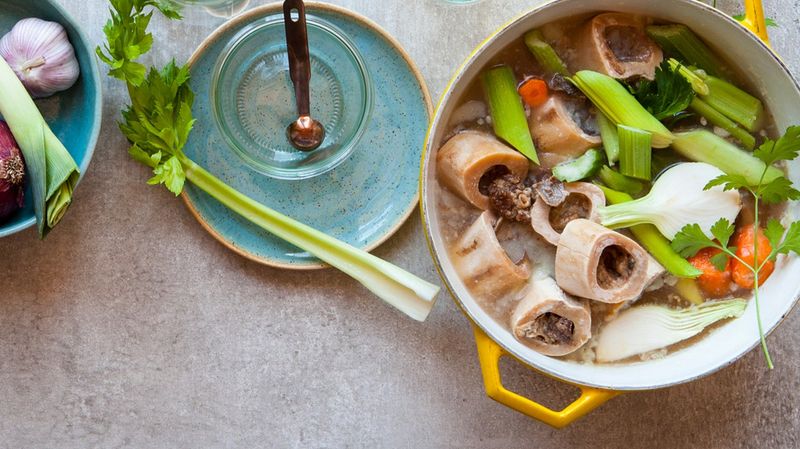
Grandmothers have been simmering bones into rich broth for centuries, but somewhere along the way, modern cooking left this tradition behind. Then wellness culture arrived, and bone broth became the hottest drink in health food stores.
People started sipping it like coffee every single morning.
Collagen, minerals, and amino acids make bone broth a gut-friendly powerhouse. Fitness enthusiasts swear by it for joint health and recovery.
You can buy it ready-made or make a huge batch at home for the whole week.
4. Liver
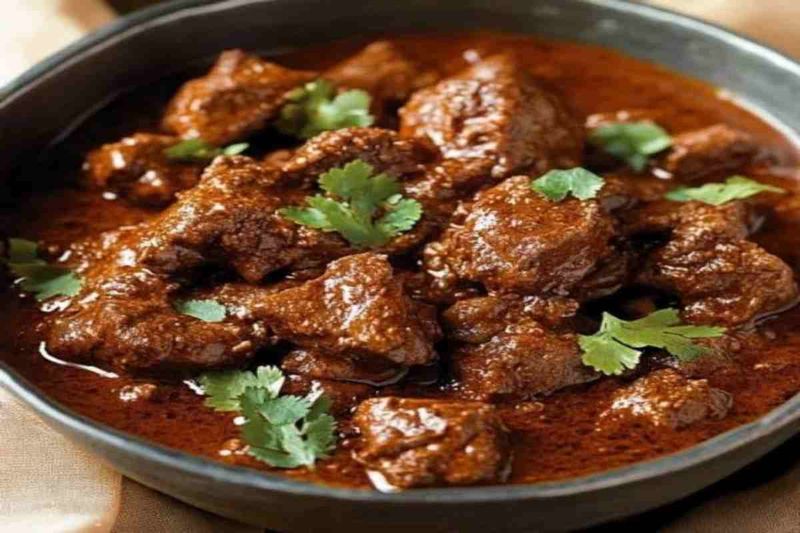
Liver was once a regular weeknight dinner in many households, then it quietly disappeared from most dinner tables for decades. The strong taste and unusual texture scared off younger generations.
But the nose-to-tail eating movement brought liver roaring back into kitchens worldwide.
Beef liver is one of the most nutrient-dense foods on the planet, loaded with iron, B12, and vitamin A. Creative chefs have found ways to prepare it with bold spices and sauces that balance its intense flavor.
Even picky eaters are coming around.
5. Sourdough Bread
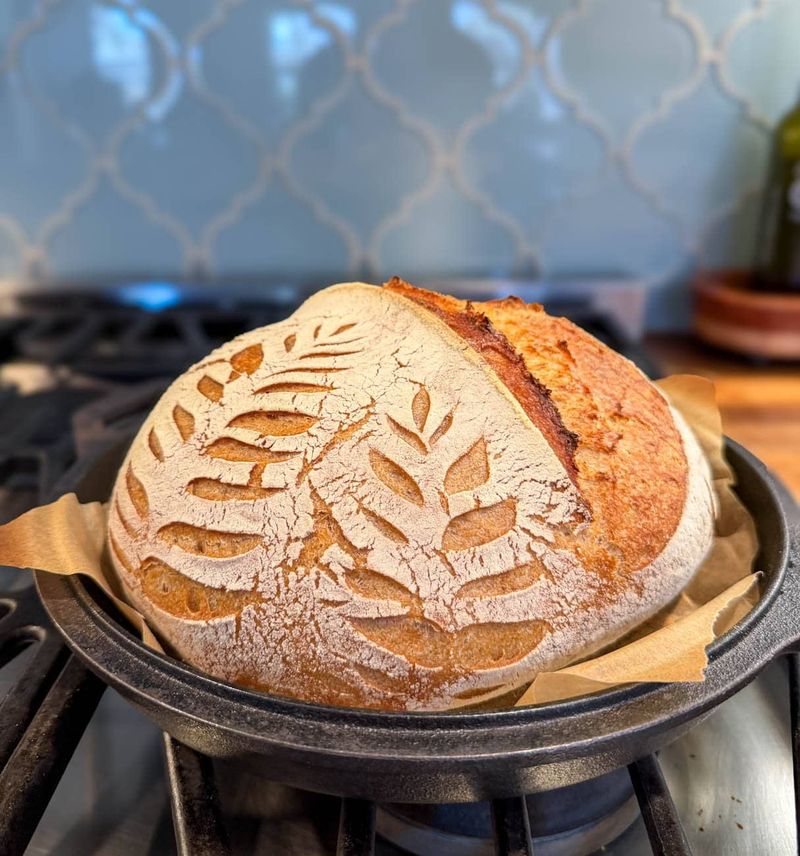
Sourdough bread dates back thousands of years, but it nearly vanished when commercial yeast took over bakeries everywhere. During the pandemic lockdowns, millions of people suddenly found themselves learning how to feed a sourdough starter at home.
Flour sales skyrocketed almost overnight.
The tangy flavor and chewy texture of real sourdough are hard to beat. It is also easier to digest than regular bread because of the natural fermentation process.
Bakeries that specialize in sourdough now have lines stretching out the door every weekend morning.
6. Lard

For decades, lard was treated like the villain of the cooking world, blamed for everything unhealthy about old-fashioned food. Vegetable oils pushed it off store shelves, and home cooks forgot it even existed.
Then food scientists and chefs started questioning whether lard was really so bad after all.
Turns out, lard has a high smoke point and contains healthy monounsaturated fats similar to olive oil. Traditional bakers swear it makes the flakiest pie crusts imaginable.
Farmers market vendors selling house-rendered lard can barely keep up with demand these days.
7. Kimchi
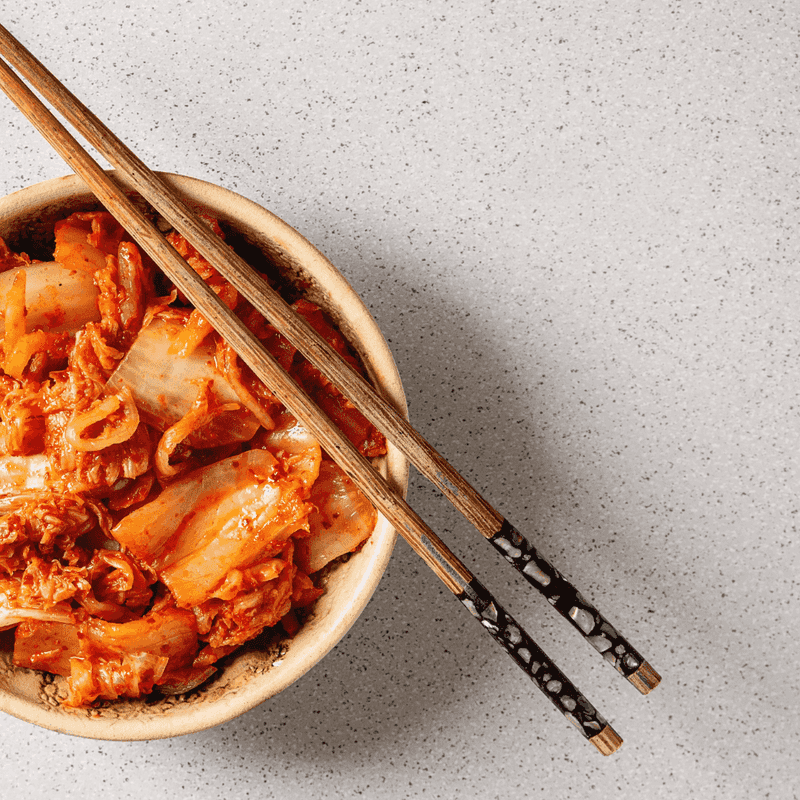
Kimchi has been a staple in Korean households for over 2,000 years, but outside of Korean communities, most people had never even heard of it until recently. The global surge in fermented foods brought kimchi into mainstream grocery stores and restaurant menus almost simultaneously.
Spicy, tangy, and full of gut-friendly probiotics, kimchi is now showing up in tacos, grilled cheese sandwiches, and even burgers. Its bold flavor adds an exciting kick to almost any dish.
Home fermenters are making their own batches and sharing recipes passionately online.
8. Oats
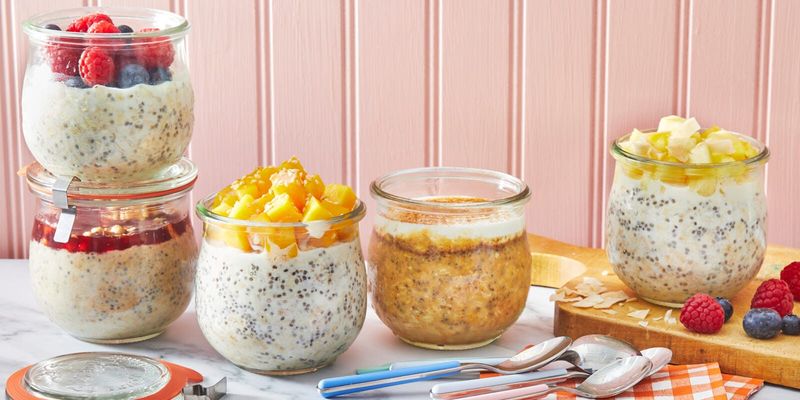
Oats were once seen as bland, boring breakfast food reserved for old people or plain dieters with zero imagination. Then overnight oats exploded on Pinterest and Instagram, and suddenly everyone was layering oats with fruit, nut butters, and chocolate chips.
Oat milk followed shortly after, changing the coffee world forever.
Rich in fiber and slow-digesting carbohydrates, oats keep energy levels steady for hours. Bakers use oat flour as a gluten-friendly alternative in cookies and pancakes.
There is no shortage of creative ways to enjoy this humble grain today.
9. Anchovies
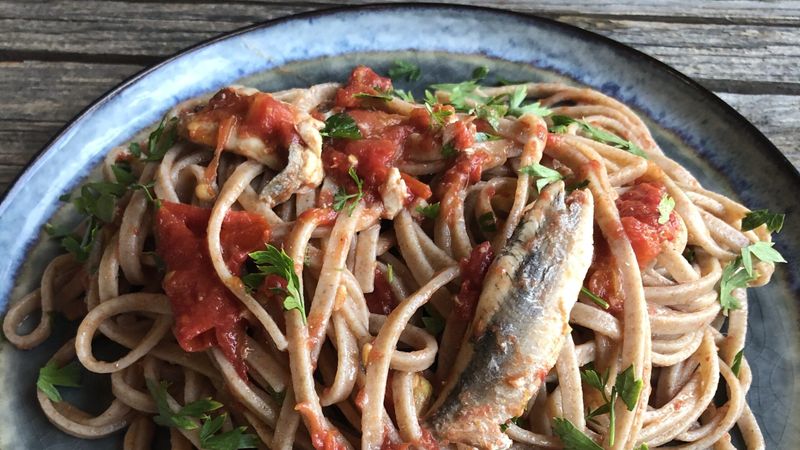
Anchovies have a reputation problem that goes way back. People hear the word and immediately think of the salty, fishy pizza topping they always asked to leave off.
But somewhere between food magazines and upscale Italian restaurants, anchovies got a serious image makeover.
Chefs discovered that anchovies dissolve into sauces and dressings, adding a deep savory richness without any fishiness. Caesar salad dressing, pasta puttanesca, and compound butters all rely on anchovies for that mysterious umami depth.
Once you understand how to use them, you will never go back.
10. Turnips
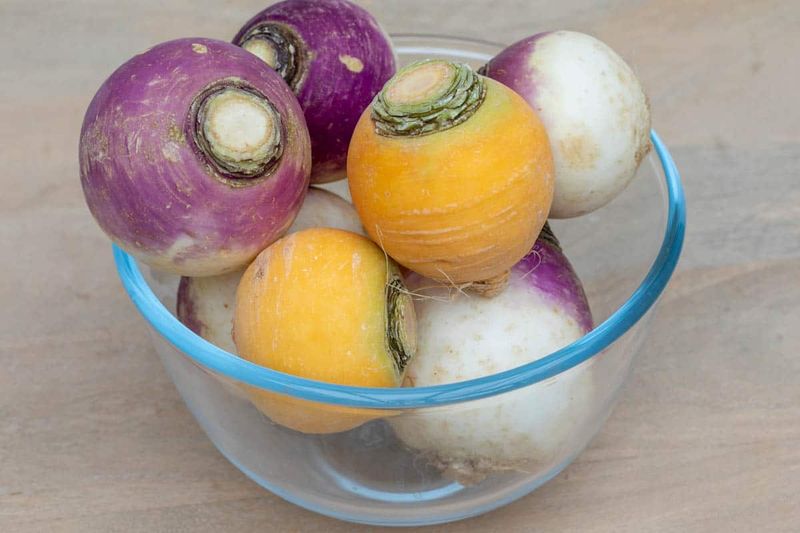
Turnips spent years being the forgotten vegetable at the farmers market, overshadowed by trendier options like kale and Brussels sprouts. They have a slightly bitter, earthy taste that takes some getting used to, which probably explains the long stretch of neglect.
But roasting completely transforms them into something sweet and caramelized.
Low in calories and high in fiber and vitamin C, turnips are a smart addition to any meal. Chefs mash them with butter, roast them with herbs, or slice them thin for hearty winter soups.
They deserve far more credit than they ever received.
11. Rye Bread
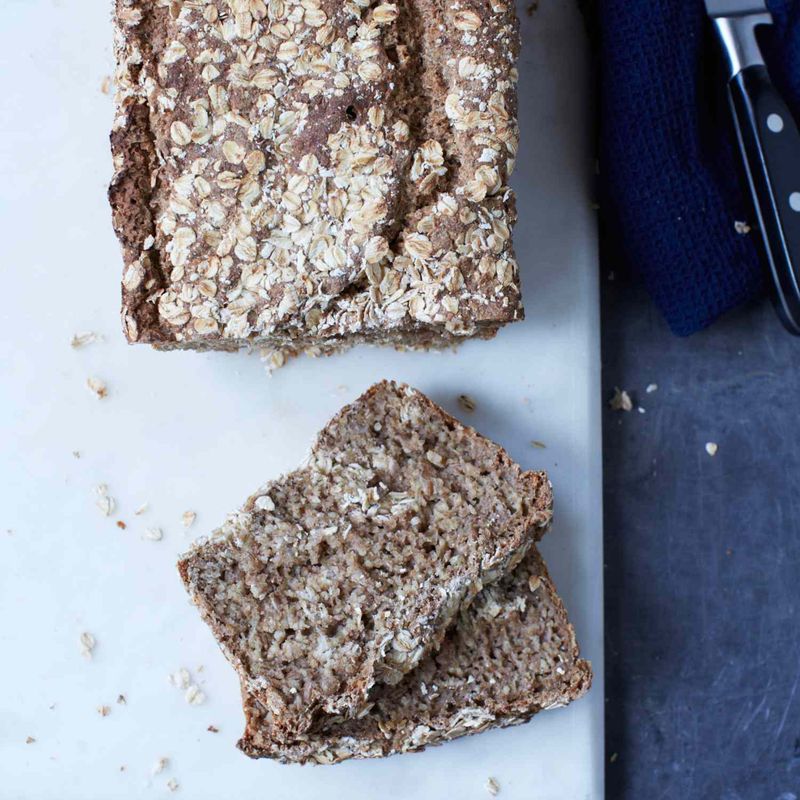
Dark, dense, and slightly sour, rye bread never quite fit into the soft, pillowy bread culture that dominated American grocery stores for so long. Scandinavian and Eastern European communities always kept it alive, but mainstream eaters mostly passed it by.
The artisan bread revival changed all of that quickly.
Rye bread has a lower glycemic index than white bread, meaning it does not spike blood sugar as sharply. Its hearty texture holds up beautifully under thick spreads, cured fish, or strong cheese.
Small bakeries now feature rye loaves as proudly as any sourdough.
12. Butter

Remember when butter was public enemy number one and everyone switched to margarine? That phase lasted for decades, with low-fat spreads dominating refrigerator shelves across America.
Then research revealed that processed margarine was actually far worse than natural butter ever was.
Butter made a triumphant comeback, especially with the rise of high-fat diets like keto. Chefs celebrate it openly now, finishing sauces, roasting vegetables, and making pastries with generous amounts.
High-quality cultured butters from small dairies have become gourmet products that food lovers happily pay extra for.
13. Fermented Vegetables
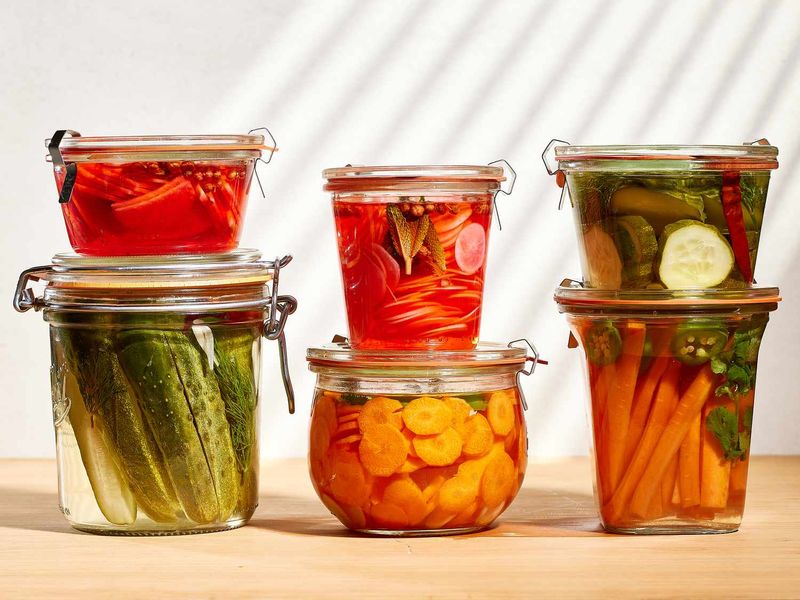
Before refrigerators existed, fermenting vegetables was how people preserved food through long winters. The tradition nearly disappeared once modern preservation methods took over grocery store supply chains.
Gut health research brought fermented vegetables back into the spotlight with full scientific backing.
Sauerkraut, pickled beets, fermented carrots, and curtido are all experiencing a major revival. Each jar is packed with live cultures that support digestion and immune function.
Making fermented veggies at home requires nothing more than salt, water, and a little patience, making it accessible to almost anyone.
14. Tallow
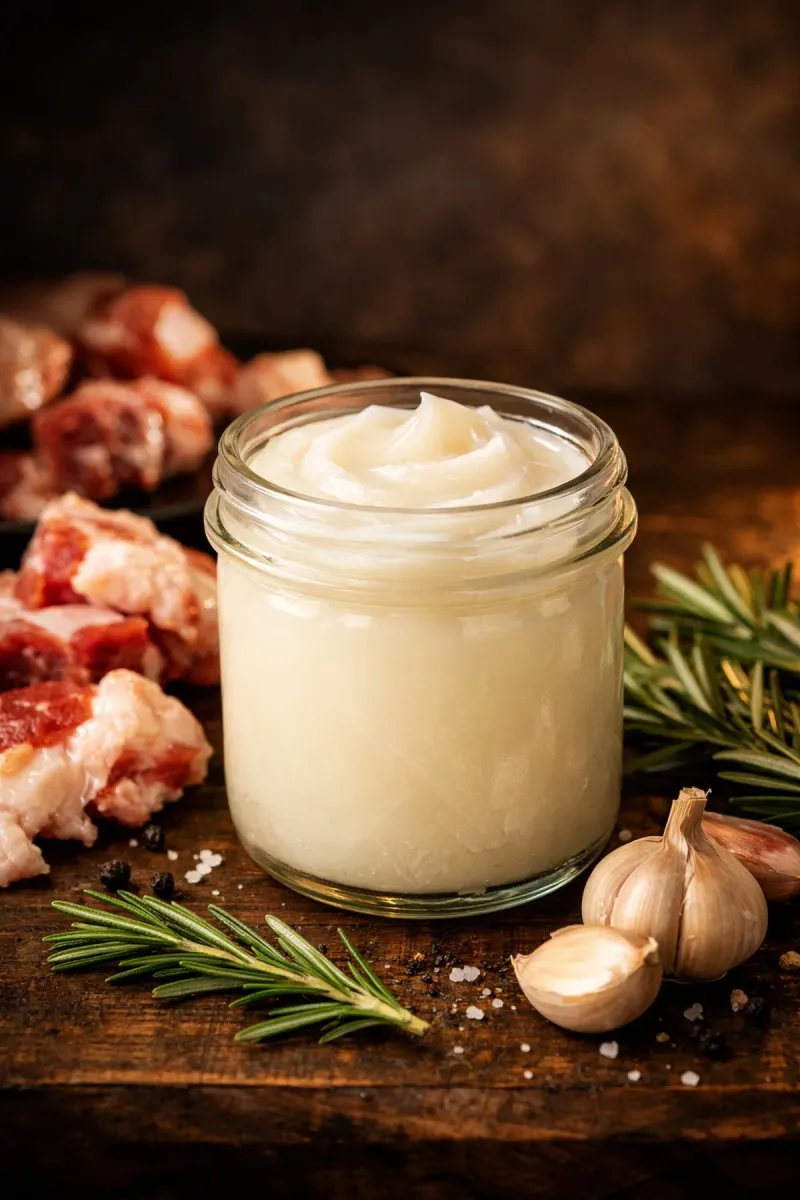
Beef tallow was the cooking fat of choice for generations before industrial seed oils took over in the mid-20th century. Fast food chains even used it to fry their famous french fries before switching to cheaper vegetable oils.
Many food historians argue the flavor has never been the same since.
Tallow has a rich, beefy flavor and handles extremely high cooking temperatures without breaking down. Carnivore diet followers and traditional food advocates have pushed it back into mainstream conversations.
Specialty butchers and online shops now sell tallow in beautifully packaged jars to eager home cooks.
15. Miso
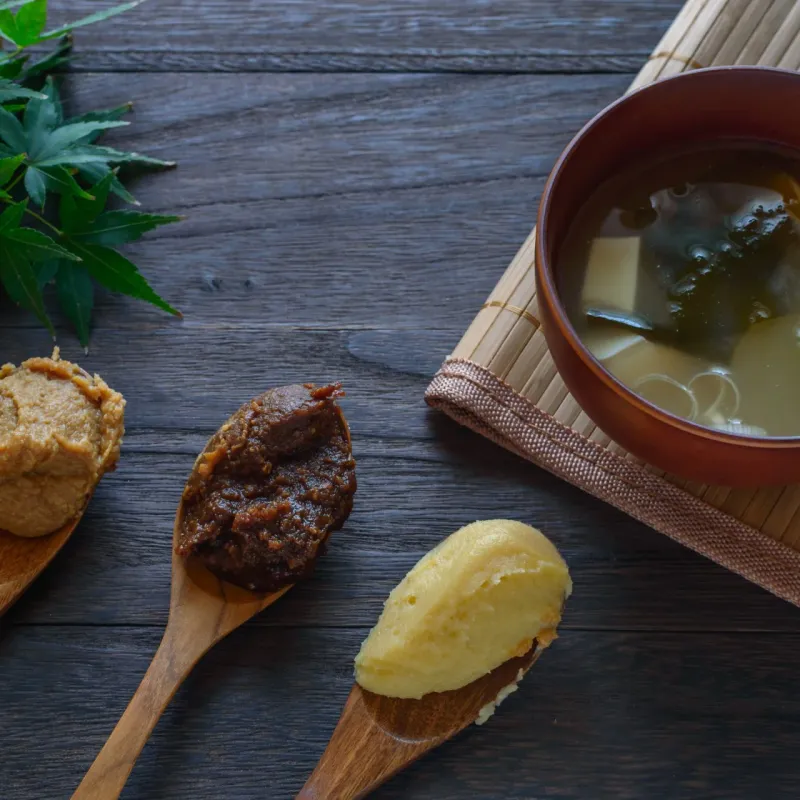
Miso has been a cornerstone of Japanese cooking for over a thousand years, but outside Japan it was mostly known as that soup at the start of a sushi restaurant meal. Western cooks rarely thought to use it beyond that simple broth.
Then food influencers started adding miso to everything imaginable.
Miso butter on roasted vegetables, miso caramel in desserts, miso glaze on salmon, the combinations seem endless. Its salty, fermented depth adds complexity to dishes in a way that is hard to explain but impossible to ignore.
Grocery stores now stock multiple varieties for curious shoppers.
16. Chickpeas
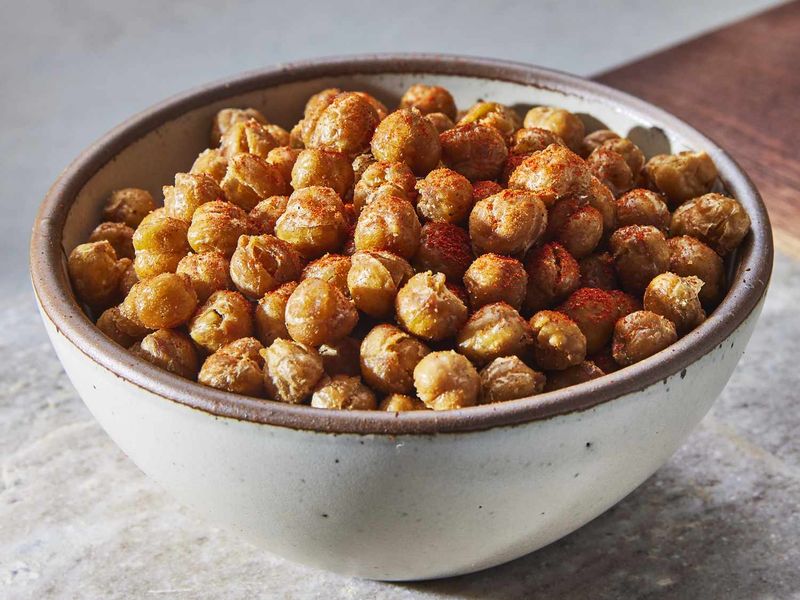
Chickpeas have been eaten across the Middle East, Mediterranean, and South Asia for thousands of years, yet they spent a long time being overlooked in Western kitchens. Hummus changed some minds, but chickpeas as a full ingredient stayed under the radar for surprisingly long.
The plant-based eating movement finally gave them the spotlight they deserved.
Roasted chickpeas make an addictive crunchy snack, while canned chickpeas can replace meat in curries, stews, and tacos. They are high in protein, fiber, and iron, making them a nutritional win for any diet.
Aquafaba, the liquid from canned chickpeas, even works as an egg substitute in baking.
17. Buckwheat
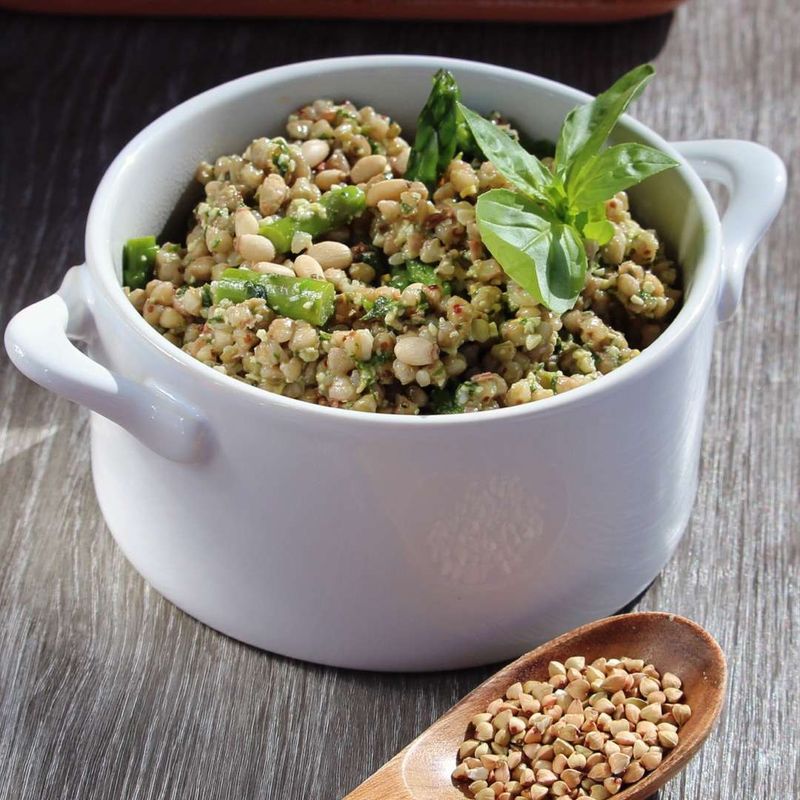
Buckwheat sounds like it should contain wheat, but it is actually a seed completely unrelated to any grain, which surprises most people who hear that for the first time. It was a staple crop in Eastern Europe and parts of Asia for centuries before wheat farming pushed it to the margins.
Health-conscious eaters have brought it back in a big way.
Naturally gluten-free and packed with protein, buckwheat is used in soba noodles, pancakes, porridge, and salads. Its nutty, slightly earthy flavor pairs wonderfully with mushrooms, root vegetables, and bold dressings.
Specialty grocery stores and health food shops now stock it in multiple forms.
18. Canned Fish
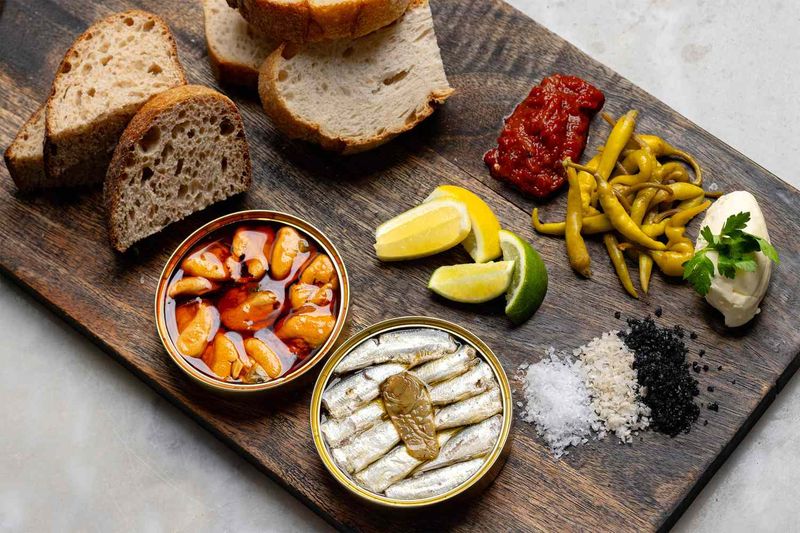
Canned fish used to be the emergency pantry item that only came out when there was nothing else to eat. Nobody bragged about cracking open a tin of mackerel for dinner.
Then a wave of premium European canned seafood brands hit American markets, and the whole story changed dramatically.
Beautifully packaged tins of smoked oysters, mackerel fillets, and yellowfin tuna are now displayed proudly on charcuterie boards and restaurant menus. Food lovers treat them like gourmet ingredients rather than backup meals.
The trend even has its own name, tinned fish, and it shows absolutely no signs of slowing down.
19. Lamb
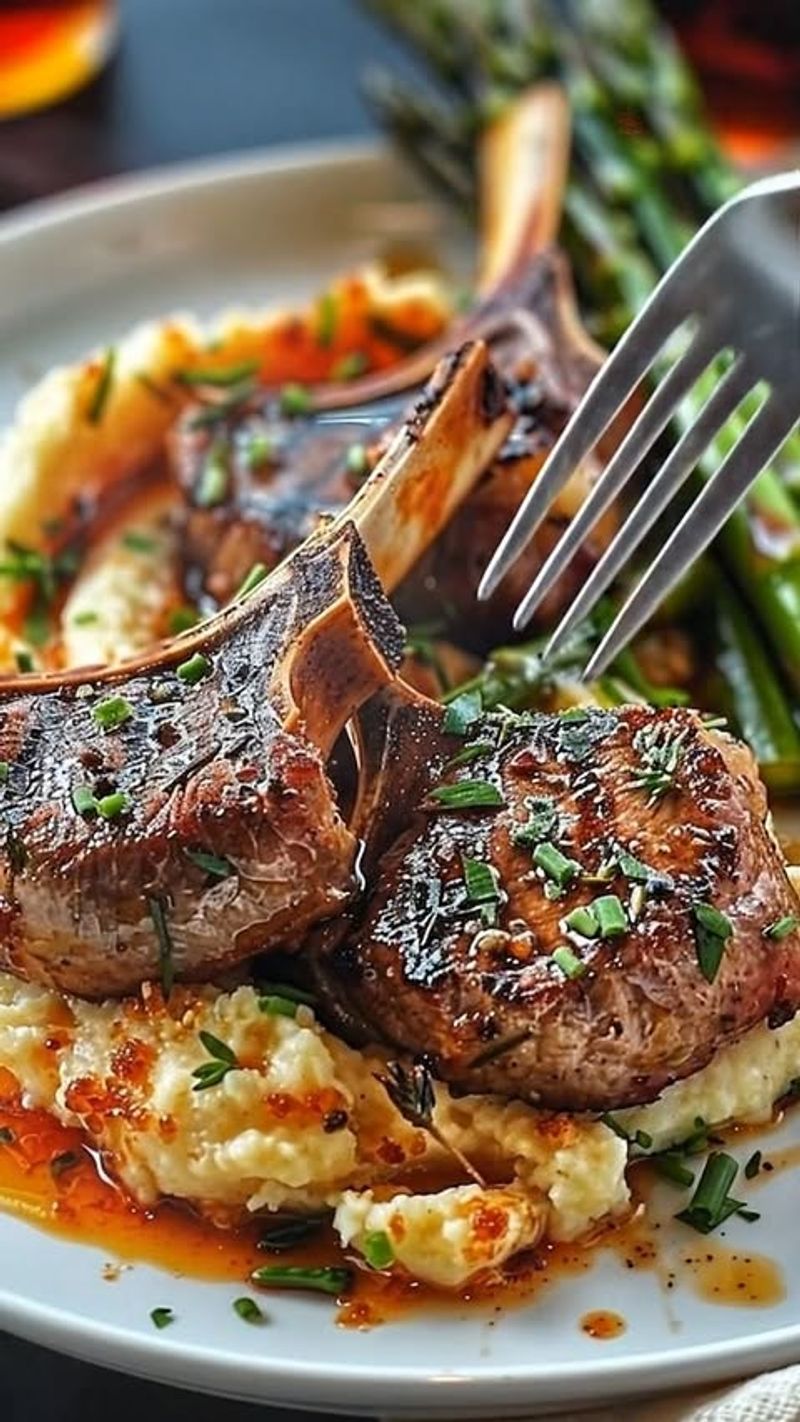
Lamb was once a centerpiece of celebration dinners and holiday feasts, then it quietly faded from everyday menus as beef and chicken dominated the meat market. Many home cooks found it intimidating to prepare, unsure how to handle the bold, distinctive flavor.
Restaurant chefs, however, never stopped loving it.
Lamb is incredibly rich in zinc, iron, and B vitamins, making it one of the most nutrient-packed red meats available. Global cuisines from Morocco to Greece to India have always celebrated lamb as a star ingredient.
As international food culture grows, more home cooks are finally giving it a well-deserved second chance.




Comments
No Comments