













Britain has a rich food culture full of unwritten rules that nobody ever officially teaches you. From the perfect cup of tea to a proper Sunday roast, getting these dishes right matters more than most Brits will openly admit.
Make one wrong move in the kitchen, and you might earn yourself a disapproving glance across the dinner table. Here are 19 foods where Brits quietly keep score.
1. A Proper Cup of Tea
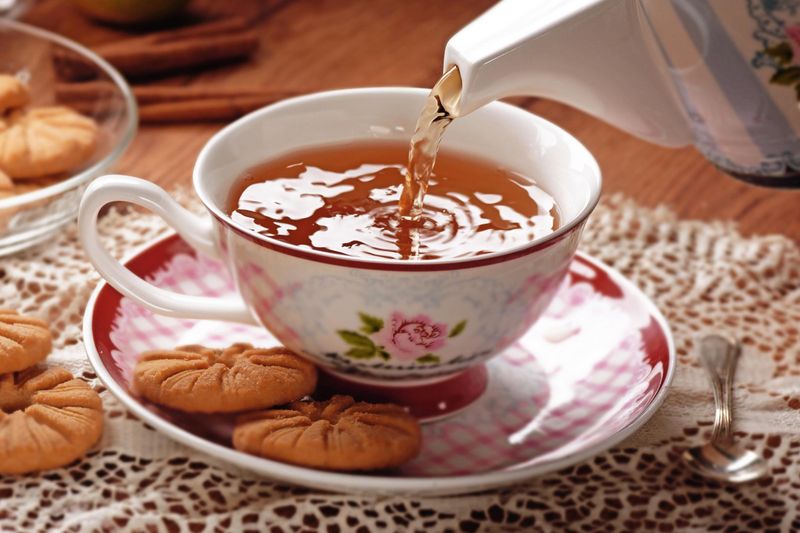
Ask any Brit and they will tell you straight: the milk goes in after the tea, not before. Using a mug instead of a teapot, steeping for only thirty seconds, or reaching for the wrong brand of teabag are all considered quiet crimes.
Cold water from a kettle that was not fully boiled? Unforgivable.
The perfect brew takes patience, the right water temperature, and at least two to three minutes of steeping time.
2. Scrambled Eggs
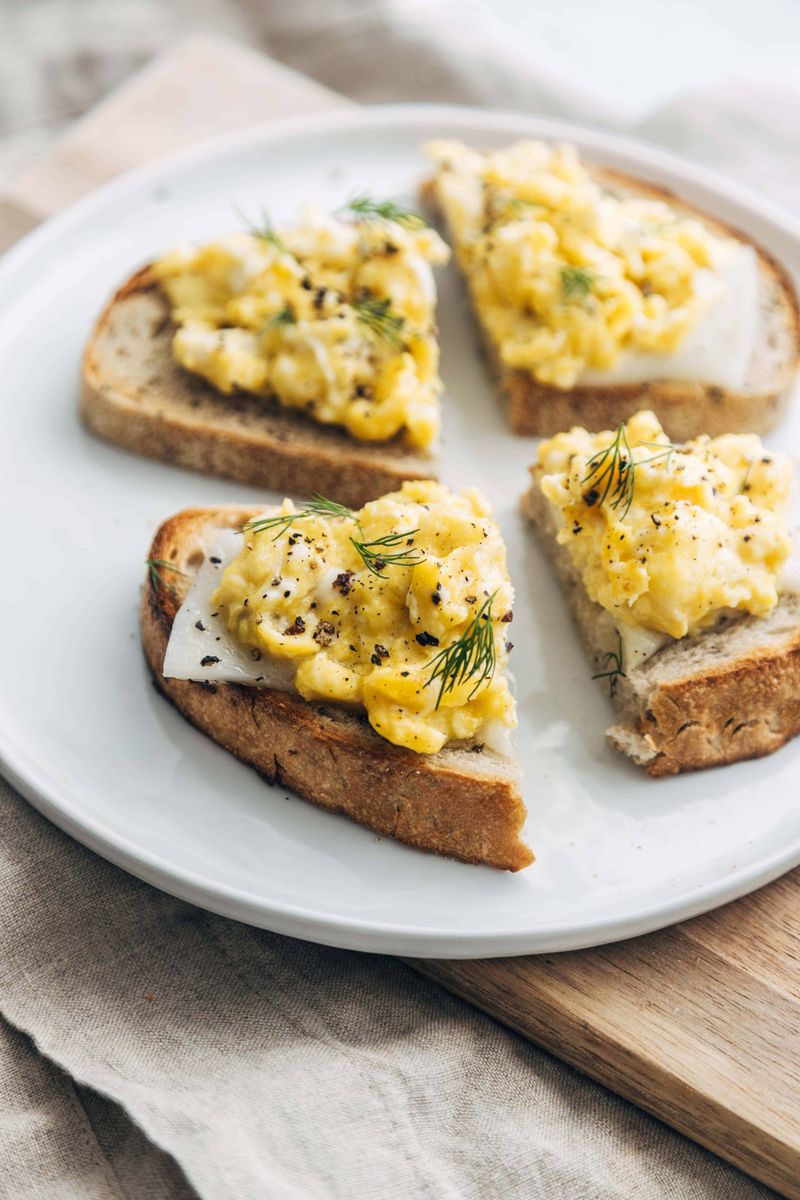
Rubbery, overcooked scrambled eggs are one of the most common breakfast sins in British kitchens. The secret is low heat, real butter, and constant stirring.
Many people crank up the heat to rush the process, which results in dry, bouncy curds that nobody wants to eat.
Proper scrambled eggs should be glossy, soft, and slightly underdone when you take them off the heat, because residual warmth finishes the job perfectly.
3. Roast Potatoes
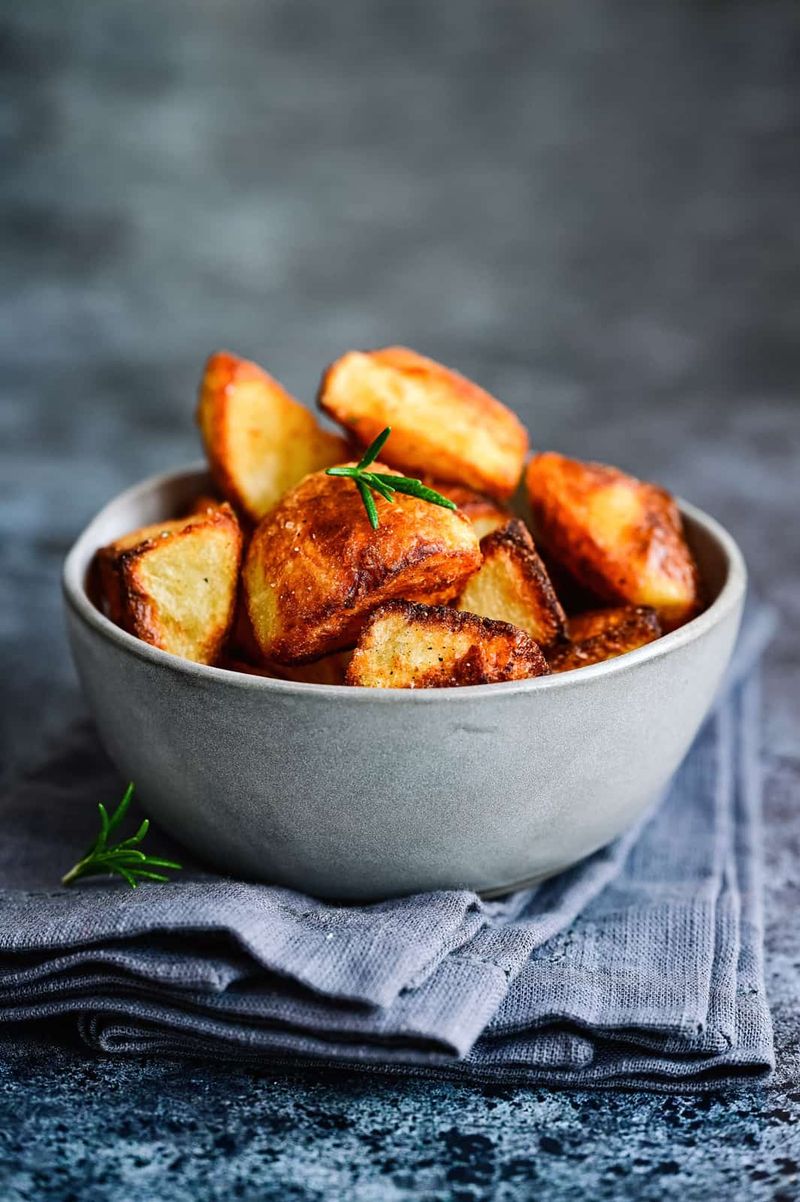
Roast potatoes are practically a religion in Britain, and soggy ones are treated like a national disaster. The golden rule is to parboil them first, rough up the edges, and cook them in very hot goose fat or lard.
Olive oil might seem like a healthy swap, but seasoned cooks will notice immediately.
Floury varieties like Maris Piper work best. Skip any of these steps and your Sunday roast quietly falls apart.
4. Yorkshire Pudding
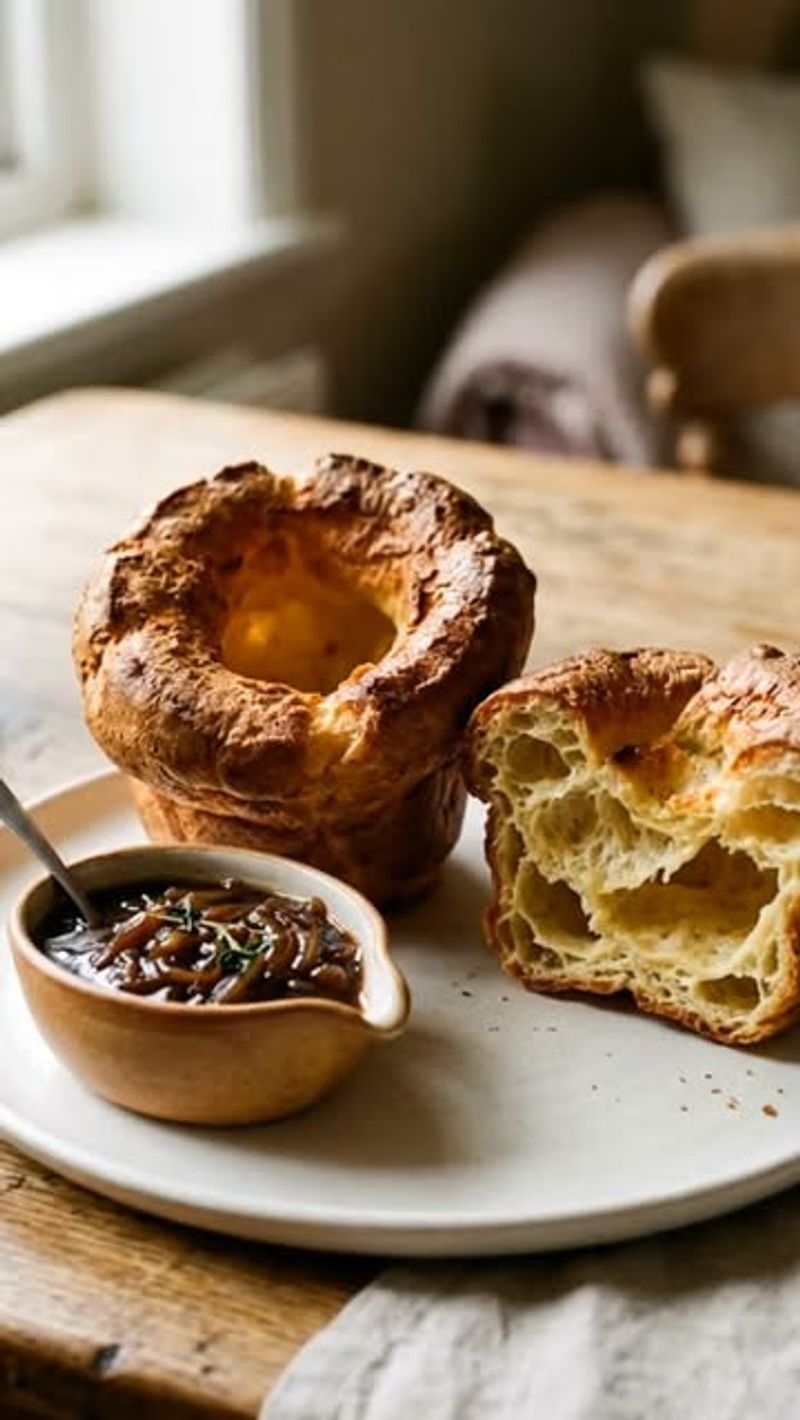
Flat Yorkshire puddings are a source of quiet shame at any Sunday dinner table. The batter must rest, the tin must be smoking hot, and the oven door must never be opened mid-bake.
Equal parts egg, milk, and flour is the classic ratio that most bakers swear by.
Yorkshire pudding should rise dramatically and hold its shape, not collapse into a sad, doughy disc the moment it hits the plate.
5. Beans on Toast
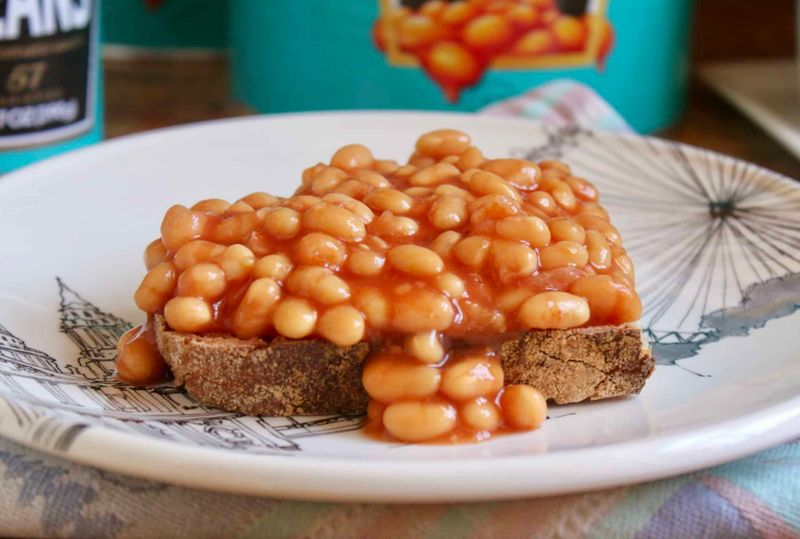
It sounds simple, but beans on toast has its own set of unspoken rules. The bread should be thick-cut white or brown, properly toasted and not soggy.
Heinz is the only brand most Brits will accept without raising an eyebrow, and using a supermarket own-brand is considered a bold lifestyle choice.
Warming the beans in a saucepan rather than the microwave is the mark of someone who genuinely cares about the result.
6. Gravy
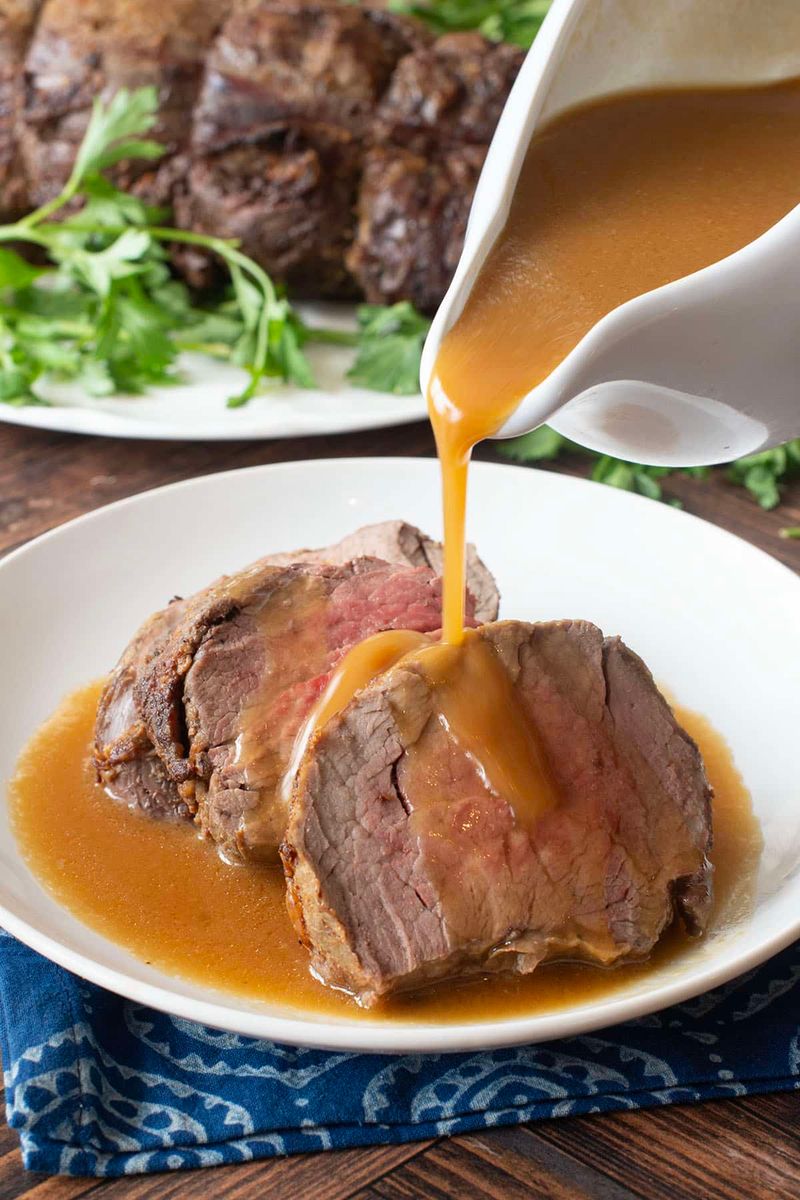
Gravy made from a granule packet is tolerated, but homemade gravy from the meat drippings earns real respect. Lumpy gravy, watery gravy, or gravy that tastes more like saltwater than anything else will be silently noticed by every guest at the table.
Good gravy should coat the back of a spoon.
A splash of red wine or Worcestershire sauce deepens the flavor in ways that granules simply cannot replicate, no matter how convenient they are.
7. Sausage Rolls

A soggy-bottomed sausage roll is the kind of thing Brits mention years later. The pastry must be flaky, buttery, and properly golden all the way around, not pale underneath where it sat in the tin too long.
The filling needs seasoning, ideally with herbs and a hint of onion.
Shop-bought versions are fine for a party, but if you are baking them yourself and they come out pale and soft, expect polite silence and knowing looks.
8. Scones
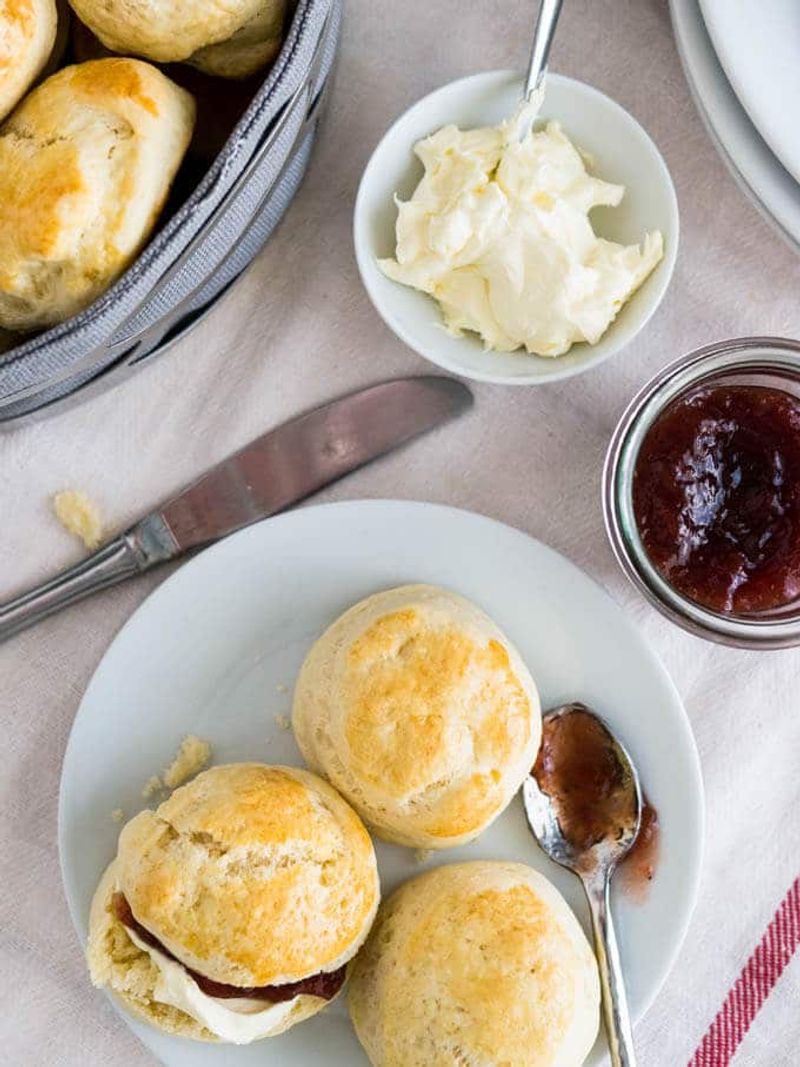
The great cream tea debate, cream first or jam first, is almost less important than whether the scones themselves are any good. Dense, heavy scones that could double as doorstops are a common failure.
They should be light, tall, and slightly crumbly with a golden top.
Overmixing the dough is the most frequent mistake. Handle it gently, barely bring it together, and resist the urge to knead it like bread dough.
9. Fish and Chips
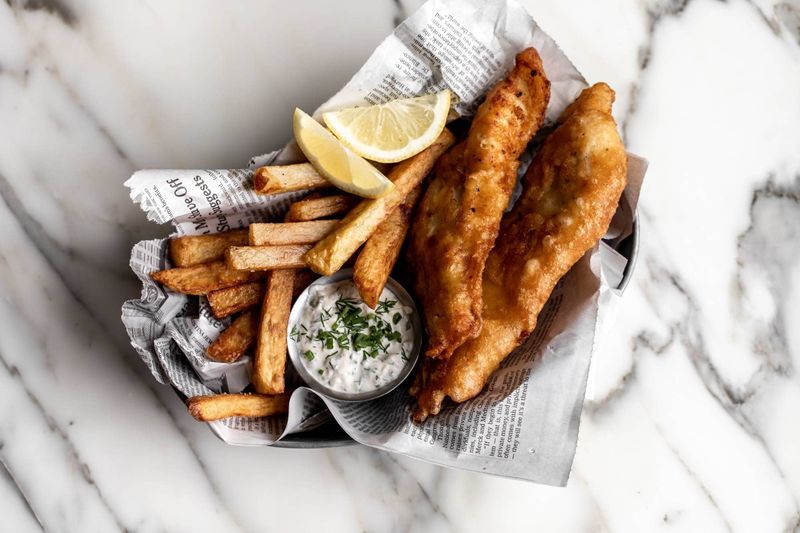
Soggy batter is practically a crime against British culture. Real fish and chips rely on cold sparkling water or beer in the batter, very hot oil, and fresh cod or haddock.
Mushy, greasy chips that have been sitting under a heat lamp too long are a clear sign that something went wrong.
Malt vinegar and salt are non-negotiable. Ketchup is acceptable, but mayo on chips is still a controversial choice in many parts of the country.
10. Shepherd's Pie
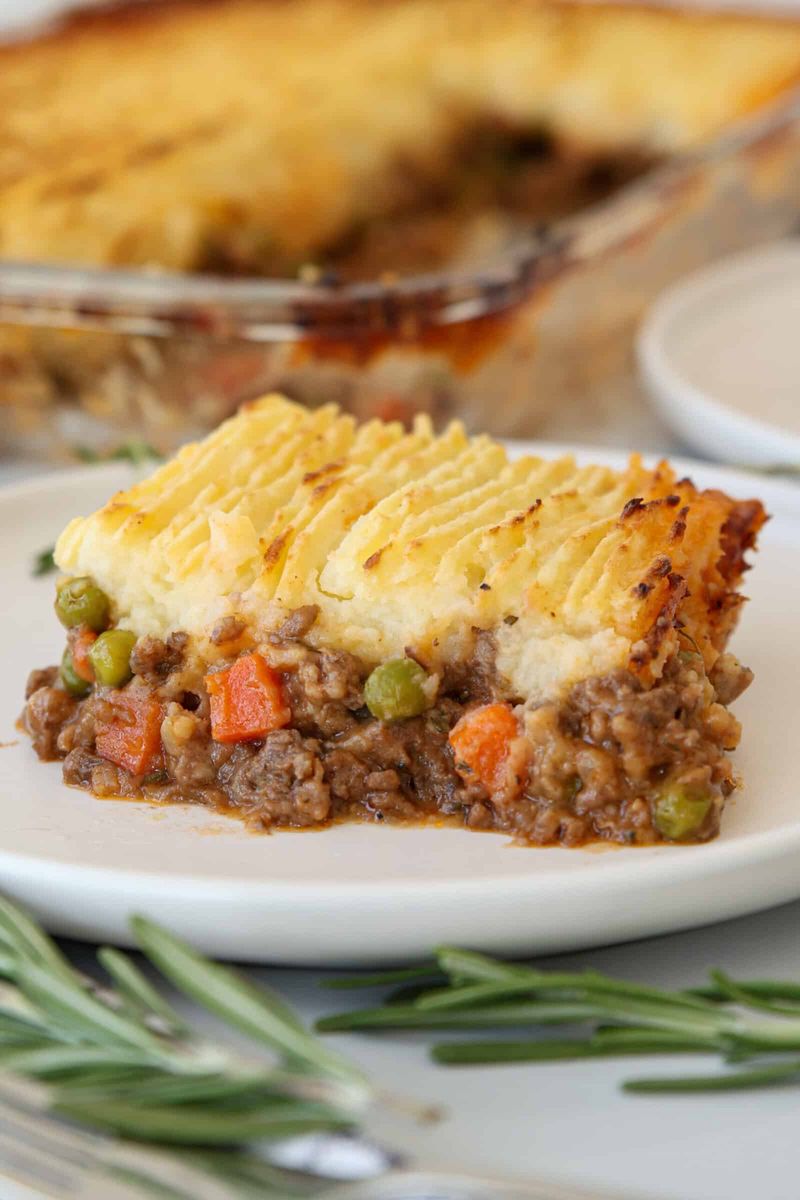
Here is something that quietly irritates Brits more than they let on: calling it shepherd's pie when it is made with beef. Shepherd's pie uses lamb, cottage pie uses beef, and mixing these up is a reliable way to get a polite correction at the dinner table.
Beyond that, the mashed potato topping must be smooth, well-seasoned, and properly browned on top.
A watery filling or lumpy mash signals that someone rushed the most important parts.
11. Porridge
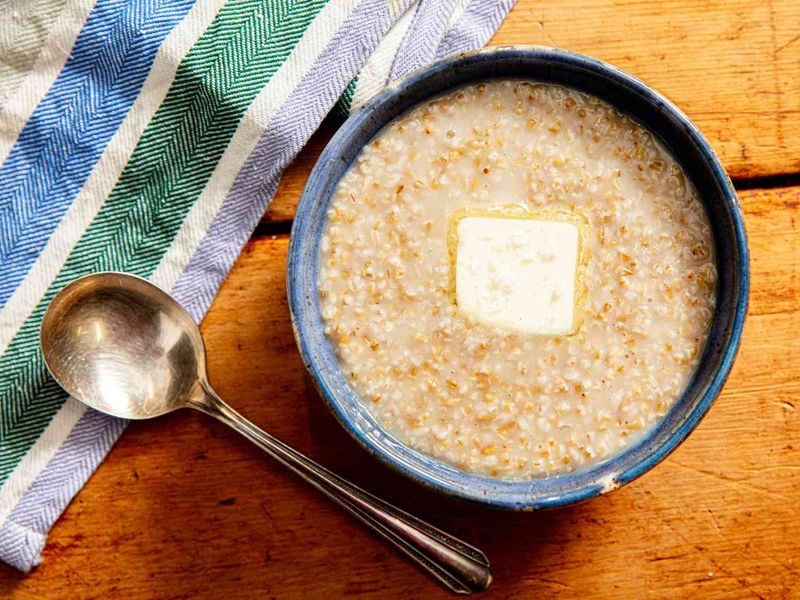
Porridge made with water instead of milk, or cooked so fast it turns gluey and thick, is a breakfast that Brits approach with quiet dread. The oats need time, gentle heat, and regular stirring to develop a creamy, smooth consistency.
Instant sachets are fine in a rush, but anyone who grew up with the real thing will always notice the difference.
A pinch of salt, believe it or not, genuinely makes the flavor pop.
12. Cheese on Toast
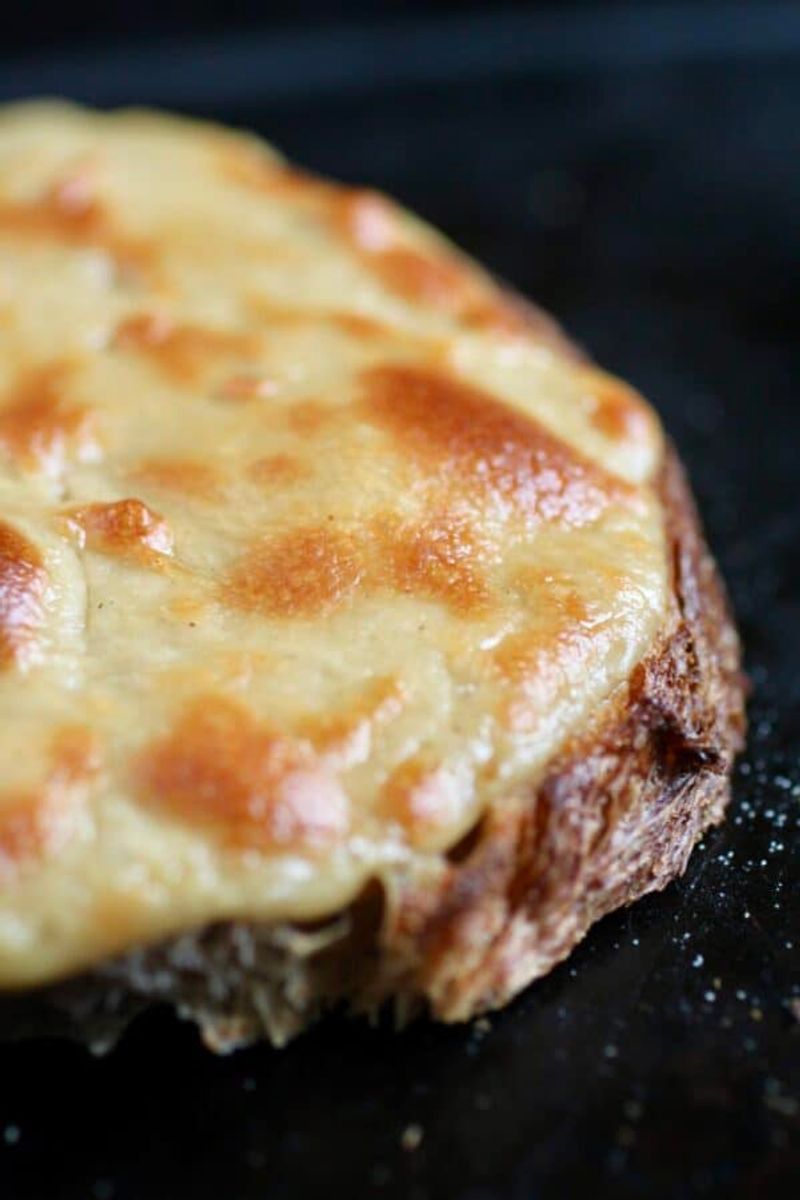
Cheese on toast might seem like the easiest thing in the world, but there is a surprisingly easy way to get it wrong. Using pre-sliced processed cheese instead of proper mature cheddar is the first mistake.
Grilling it too quickly so the cheese melts before the bread toasts is the second.
Welsh rarebit, the grown-up version made with a cheesy mustard sauce, is the dish Brits secretly wish everyone made instead of just slapping cheese on bread.
13. Victoria Sponge
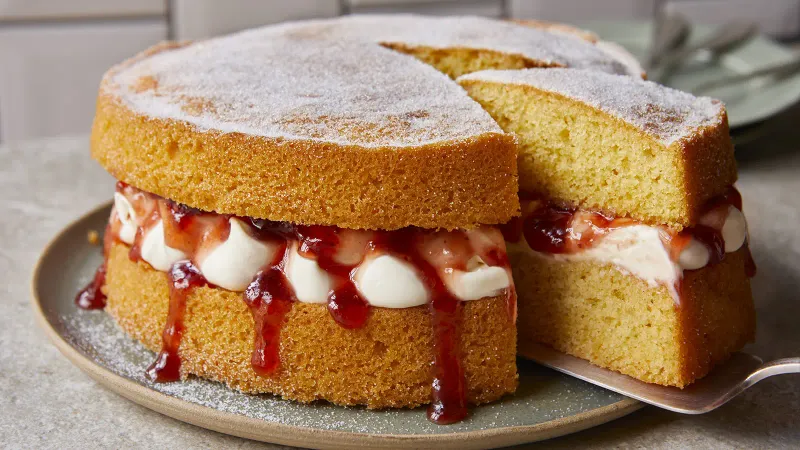
Britain's most iconic cake has very clear standards, and Brits notice when they are not met. The sponge should be light, even, and spring back when gently pressed.
A sunken middle, dense crumb, or too little jam filling will all be quietly registered by anyone who grew up eating this at village fetes.
Buttercream versus fresh cream is a genuine point of debate, but either way, the layers must be equal and the presentation should look effortless.
14. Trifle
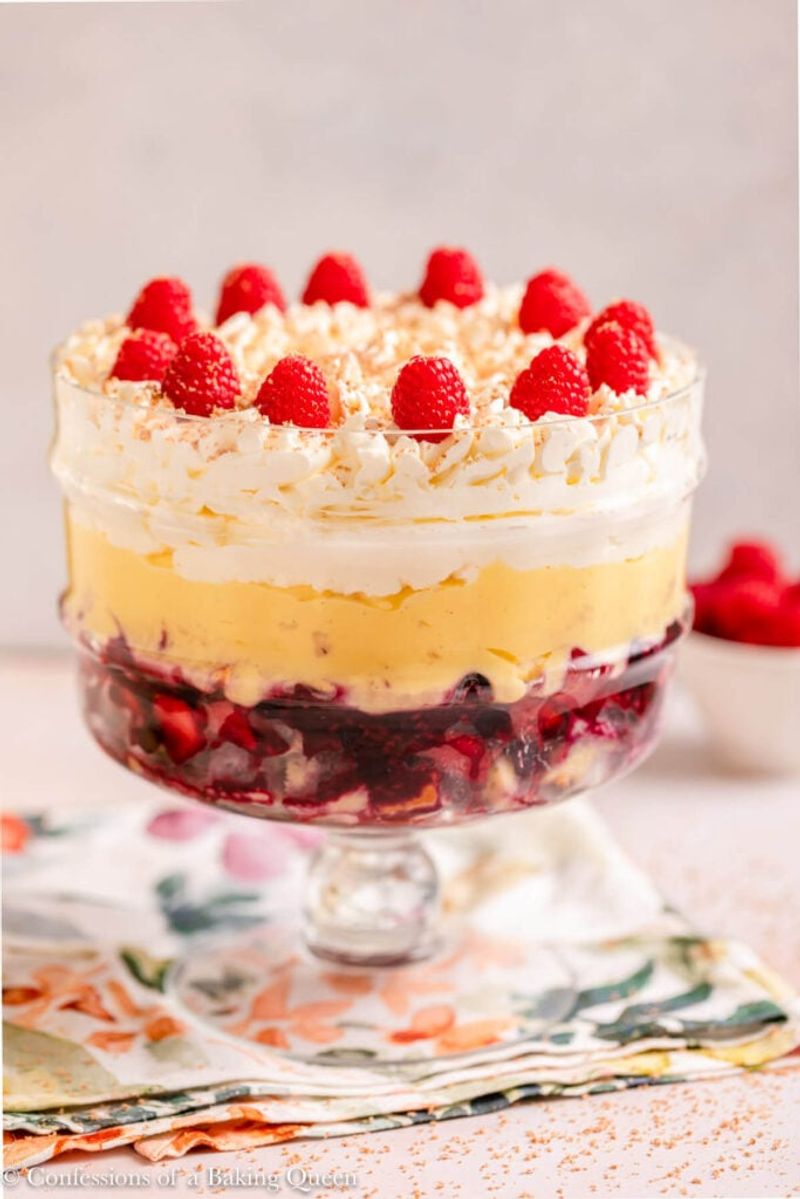
Trifle is a dessert with deeply personal family traditions attached to it, which is exactly why getting it wrong feels so noticeable. The layers matter: sponge soaked in sherry, fruit jelly, proper egg custard, and whipped cream on top.
Using instant custard powder instead of real egg custard is the most commonly judged shortcut.
Skipping the sherry because guests might not drink alcohol is understandable, but the trifle will taste noticeably flat without something to soak the sponge.
15. Egg Mayonnaise Sandwiches
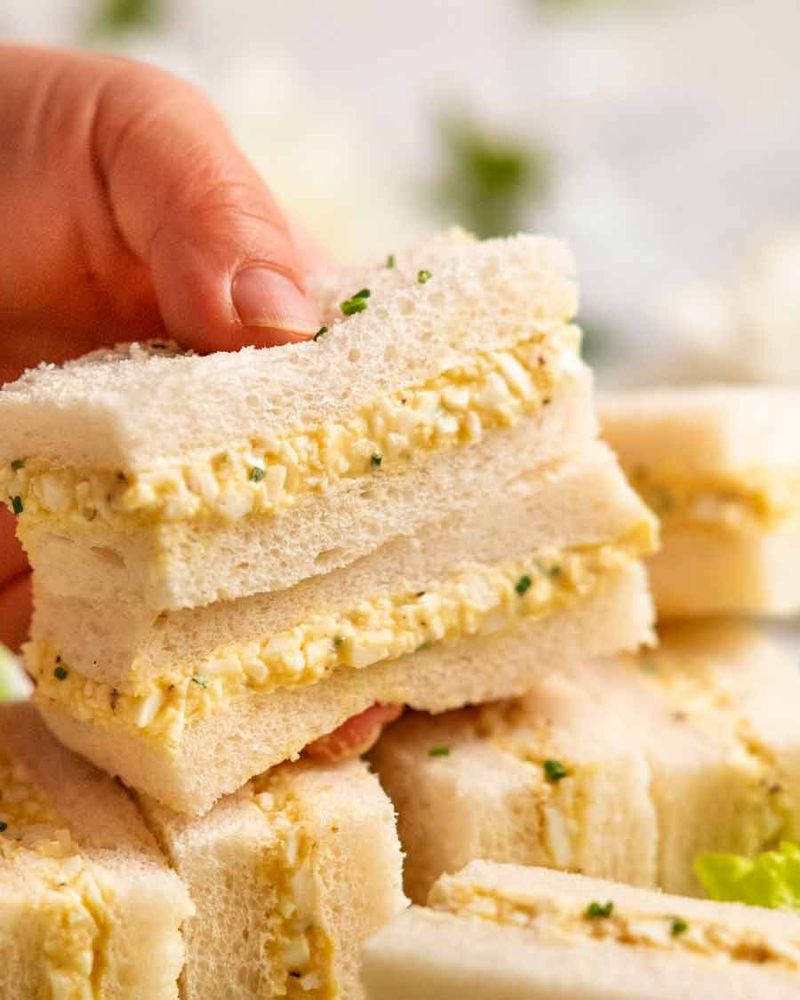
Egg mayo sandwiches sound simple, but watery filling, not enough seasoning, or too much mayonnaise that makes the bread soggy are all quietly judged. The eggs should be properly hard-boiled but not rubbery, and the mayo should be full-fat, not the light version that lacks flavor.
A pinch of white pepper and a small amount of mustard are the quiet additions that separate a forgettable sandwich from one that people actually mention afterward.
16. Bread and Butter Pudding
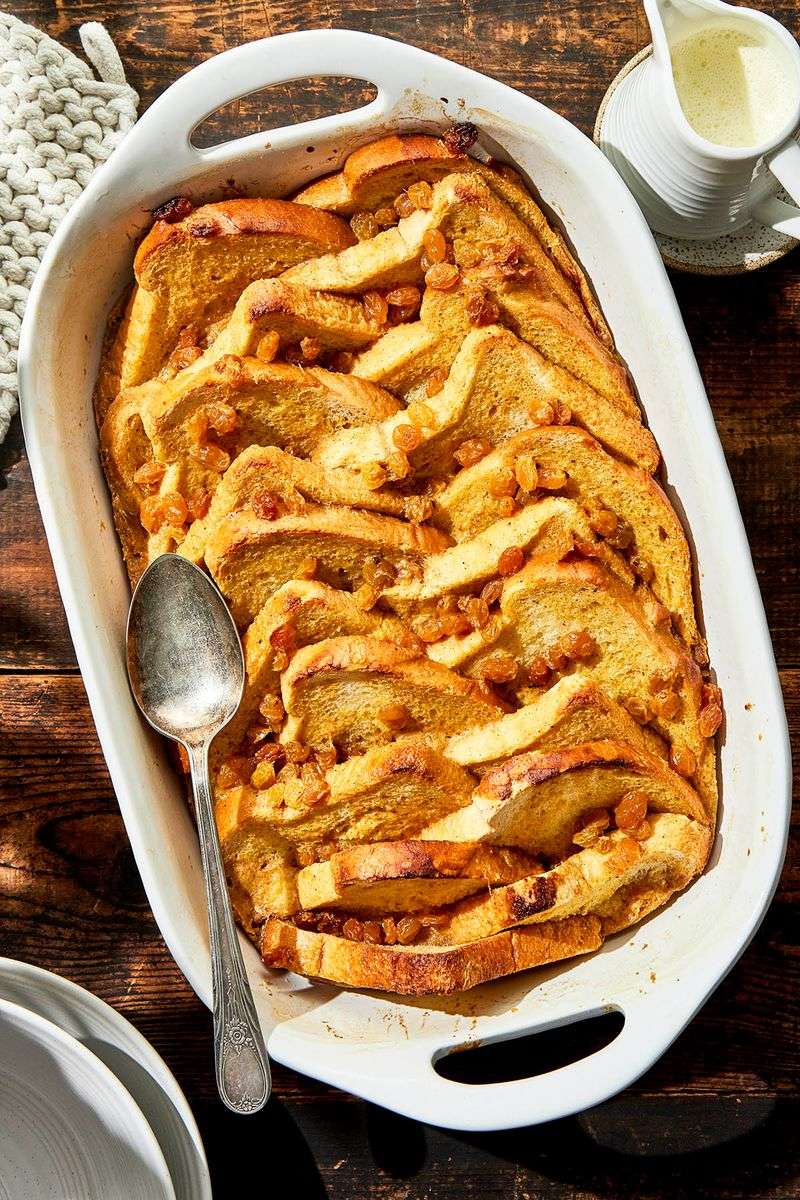
Few British comfort foods carry as much nostalgic weight as bread and butter pudding, which is why a poorly made version feels almost personal. Stale white bread is traditional, and the custard mixture should soak in properly before baking.
Rushing this step produces a dry pudding with an uneven texture throughout.
A generous dusting of nutmeg on top and a good pour of warm custard to serve are non-negotiable finishing touches for anyone who respects the dish.
17. Coronation Chicken
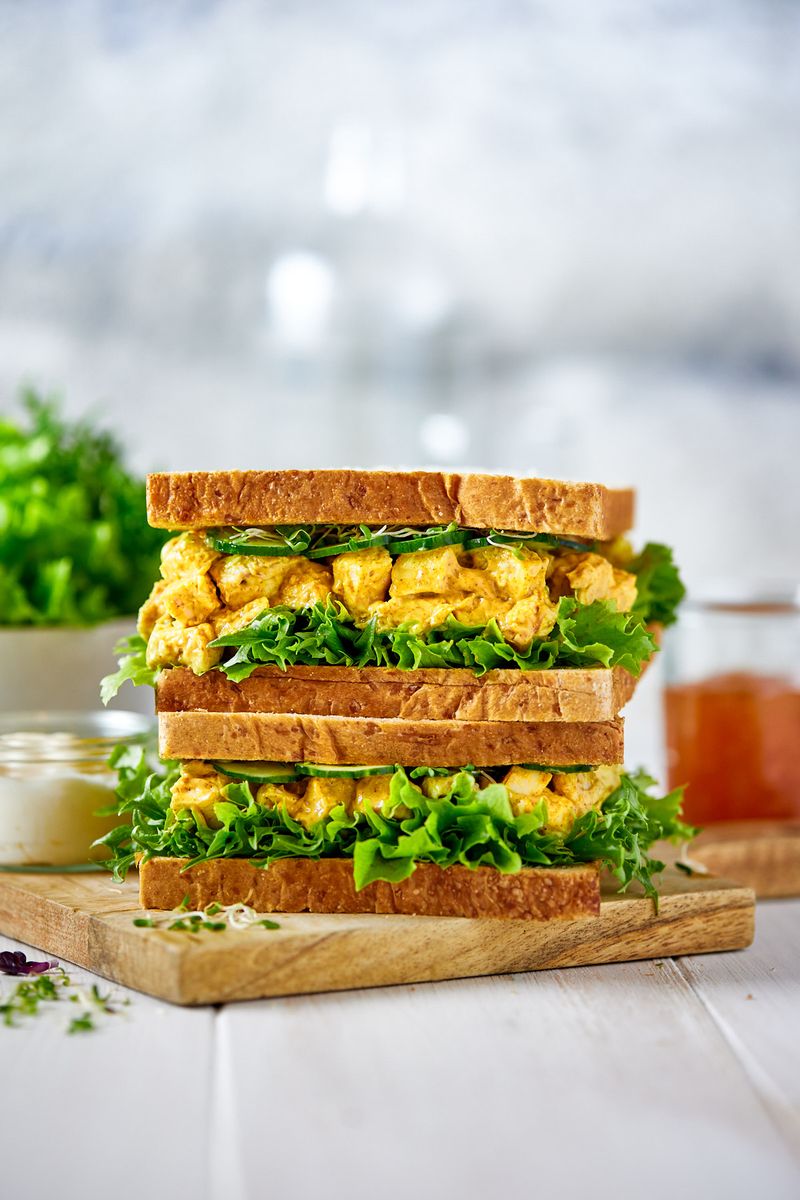
Created for Queen Elizabeth II's coronation in 1953, this dish has a very specific flavor profile that Brits are protective of. Too much curry powder makes it overwhelming, too little makes it bland and forgettable.
The mango chutney and sultanas provide sweetness that balances the spiced mayo, and leaving either out changes the whole character of the dish.
Serving it in a sandwich filling is its most beloved form, and the bread choice matters just as much as the filling.
18. Spotted Dick
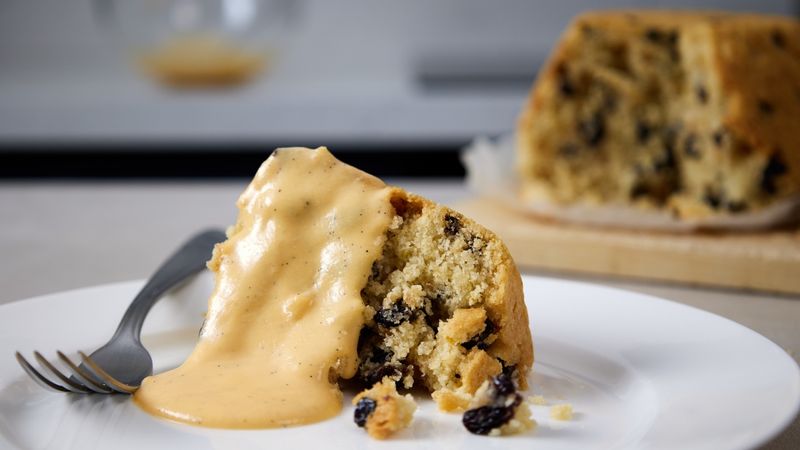
Spotted dick is a classic British steamed suet pudding that many younger cooks have never actually attempted from scratch. The currants need to be plump and evenly distributed, not clumped together or absent from whole sections of the sponge.
Suet is the key ingredient, and swapping it for butter changes the texture significantly.
Served cold or without custard, spotted dick loses much of its appeal. Warm, with proper poured custard, it is a genuine British comfort classic.
19. Ploughman's Lunch
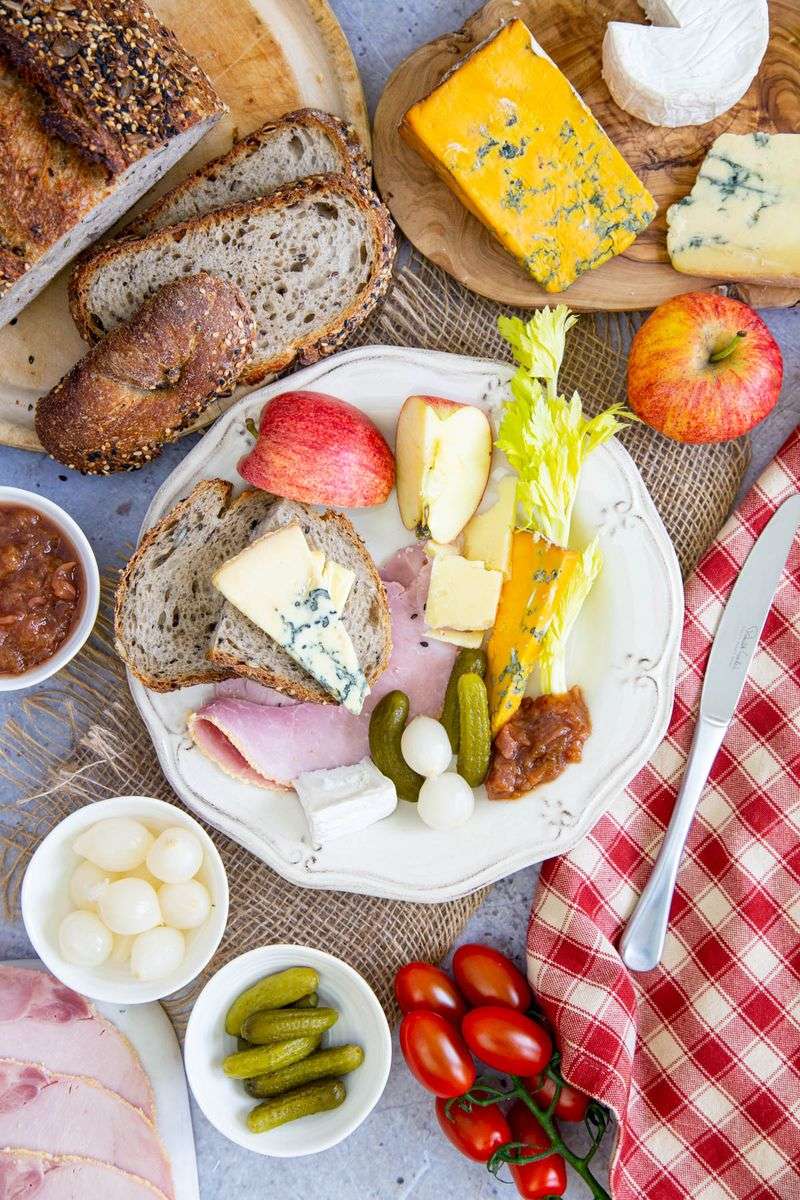
A ploughman's lunch is not really a recipe, but assembling it wrong is still very much possible. Cheap cheddar, soft white bread rolls, or forgetting the Branston pickle are all choices that will earn a raised eyebrow.
The cheese should be mature and have some bite to it, the bread should be crusty, and the pickle is absolutely not optional.
A proper ploughman's is about quality ingredients brought together simply, and cutting corners on any element shows immediately.




Comments
No Comments