













Food is much more than flavor — it is a direct response to the world around us. Long before refrigerators or grocery stores, people cooked with whatever their environment provided, and the weather played a huge role in that.
From icy tundras to scorching deserts, climate quietly became one of the most powerful chefs in history. These 19 culinary traditions prove that where you live shapes what ends up on your plate.
1. Fermented Foods in Scandinavia
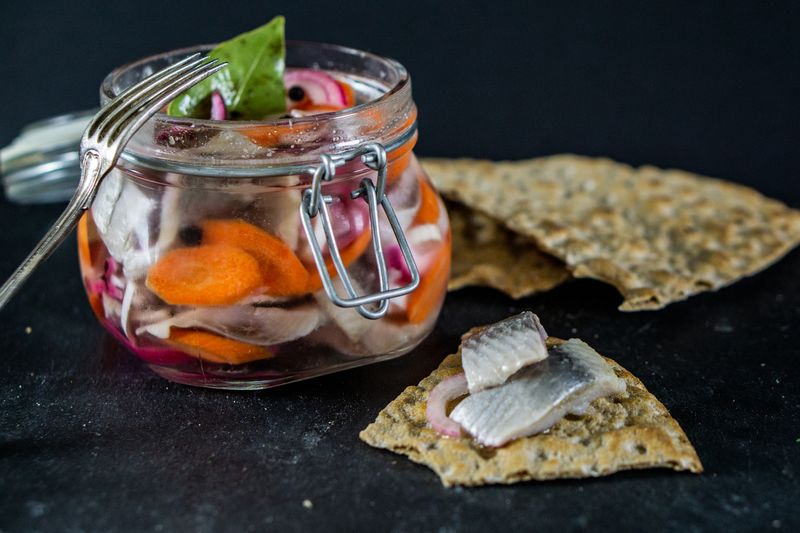
Scandinavia's brutal winters once made fresh food nearly impossible to come by for months at a time. Fermenting fish, vegetables, and dairy became a survival skill — not a gourmet trend.
The cold temperatures actually help slow bacterial growth, making fermentation safer and more effective in northern climates.
Today, dishes like surströmming and pickled herring are cultural staples. What started as a necessity born from freezing winters has become a proud culinary identity that Scandinavians carry with them worldwide.
2. Dried and Salted Cod in Portugal
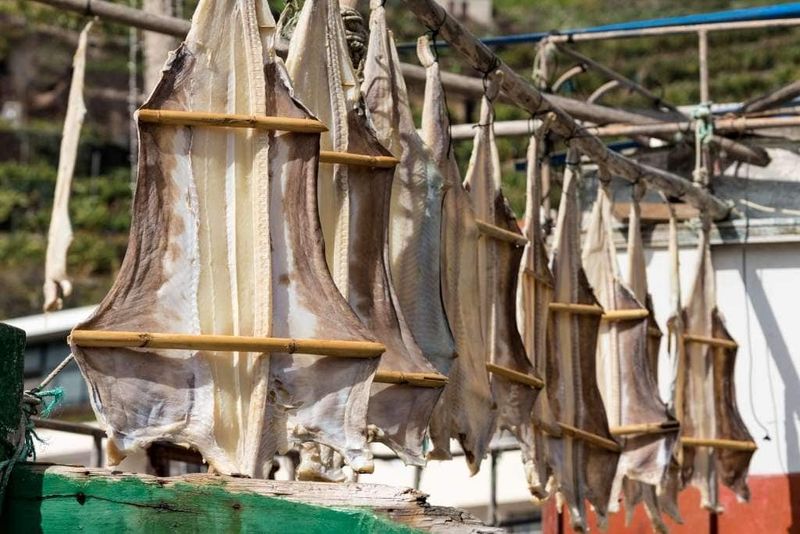
Portugal's long coastline and warm, dry Atlantic winds created the perfect natural conditions for drying and salting fish. Bacalhau, or dried salted cod, became a cornerstone of Portuguese cooking not because it was delicious at first — but because it lasted for months without refrigeration.
Sailors and fishermen depended on it during long ocean voyages. The climate made the drying process reliable and fast, turning a practical solution into a beloved national dish with over 365 recipes.
3. Spicy Curries in South Asia
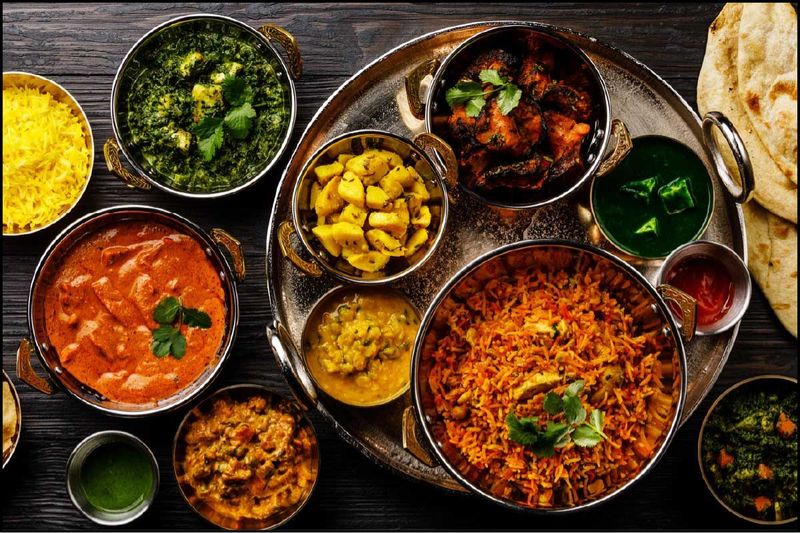
Ever wonder why the hottest climates tend to produce the spiciest food? In South Asia, intense heat and humidity created ideal conditions for growing bold spices like chili, turmeric, and cumin.
These ingredients also have natural antimicrobial properties, helping preserve food in hot weather before refrigeration existed.
Spicy curries became a practical kitchen solution that doubled as a flavor explosion. The climate essentially demanded bold cooking, and South Asian cuisine answered with thousands of vibrant, layered dishes.
4. Olive Oil in Mediterranean Cooking
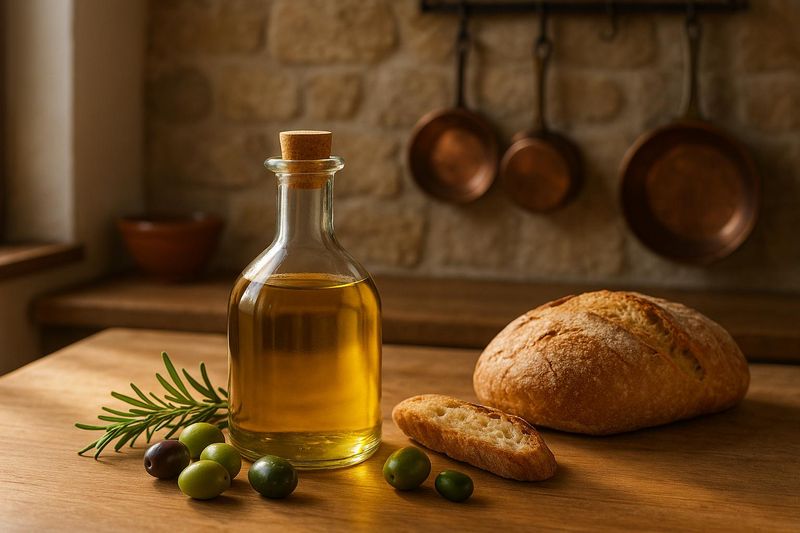
Olive trees thrive in hot, dry summers and mild winters — exactly the climate that hugs the Mediterranean Sea. It is no coincidence that olive oil became the dominant cooking fat across Greece, Italy, Spain, and Turkey.
The geography and weather made olive cultivation not just possible but wildly abundant.
Butter, by contrast, spoiled quickly in the heat. Olive oil kept longer and was available in huge quantities, naturally steering an entire region's cooking style in a single, golden direction.
5. Injera Flatbread in Ethiopia

Teff, the tiny grain used to make Ethiopia's spongy injera flatbread, grows in the highlands where few other crops survive. The country's unpredictable rainfall and high-altitude climate made teff one of the most reliable crops available, and communities built their entire food culture around it.
Injera is not just bread — it is a plate, a utensil, and a communal centerpiece. The climate did not just influence the ingredient; it shaped the entire way Ethiopians eat together as a community.
6. Pemmican Among Indigenous North Americans
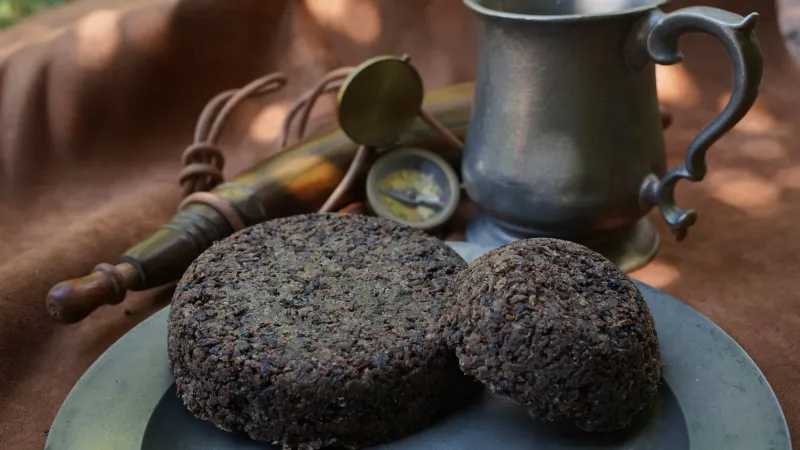
Pemmican is one of the most climate-engineered foods ever created. Indigenous peoples of the Great Plains developed this dense mixture of dried meat, fat, and berries specifically to survive harsh winters when hunting was difficult and food was scarce.
The dry prairie air made meat dehydration fast and effective. Rendered fat sealed out moisture, allowing pemmican to last for years without spoiling.
This was not a recipe born from culinary creativity — it was pure survival science shaped entirely by a punishing northern climate.
7. Rice-Based Diets in Southeast Asia
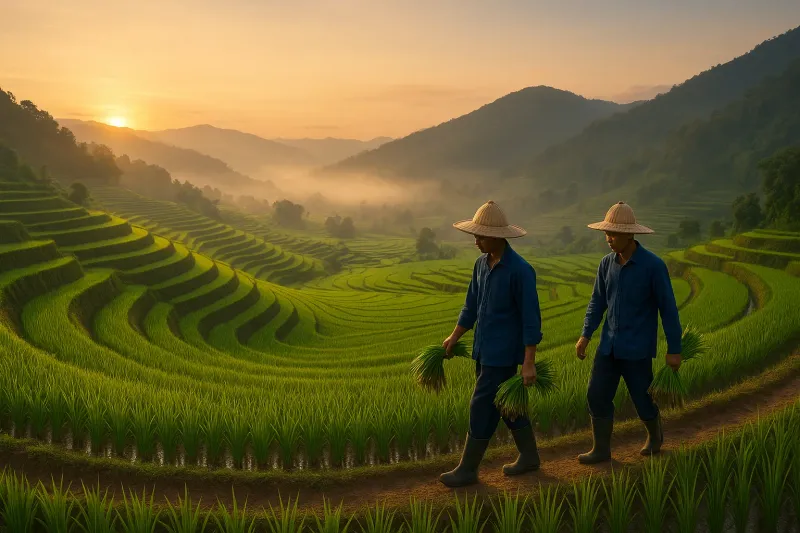
Rice loves heat, rain, and flooded fields — a description that perfectly matches the monsoon-driven climate of Southeast Asia. Countries like Thailand, Vietnam, and Indonesia receive enormous amounts of rainfall each year, making wet rice cultivation not just possible but extraordinarily productive.
The climate essentially handed these civilizations a reliable, calorie-rich staple. Rice became the foundation of nearly every meal, every celebration, and every recipe.
Without the monsoon rains, the entire food identity of the region would look completely different.
8. Meat-Heavy Diets in Mongolia
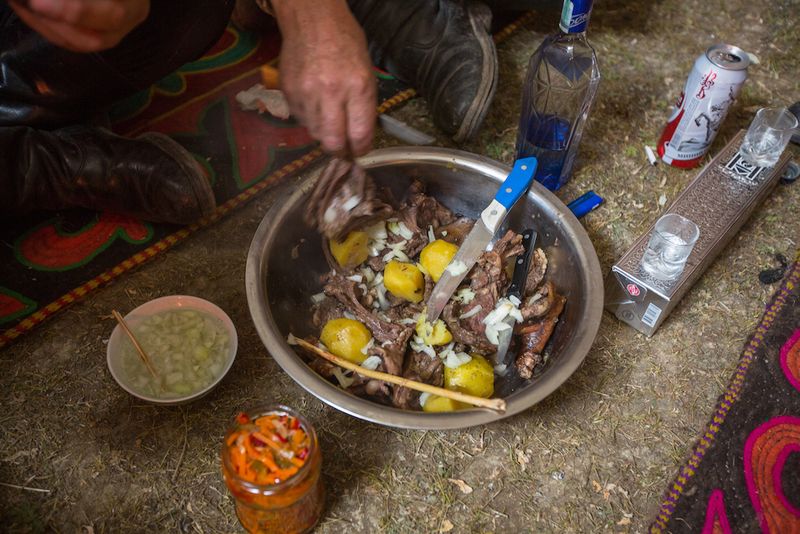
Mongolia's extreme continental climate — freezing winters, scorching summers, and very little rain — makes growing vegetables or grains nearly impossible across most of the land. Nomadic herders adapted by relying almost entirely on their livestock for food, eating large amounts of mutton, beef, and dairy.
The harsh steppe environment made plant-based diets impractical, while animal products provided the fat and protein needed to endure brutal cold. The Mongolian diet is essentially a direct conversation between people and their unforgiving landscape.
9. Ceviche in Peru
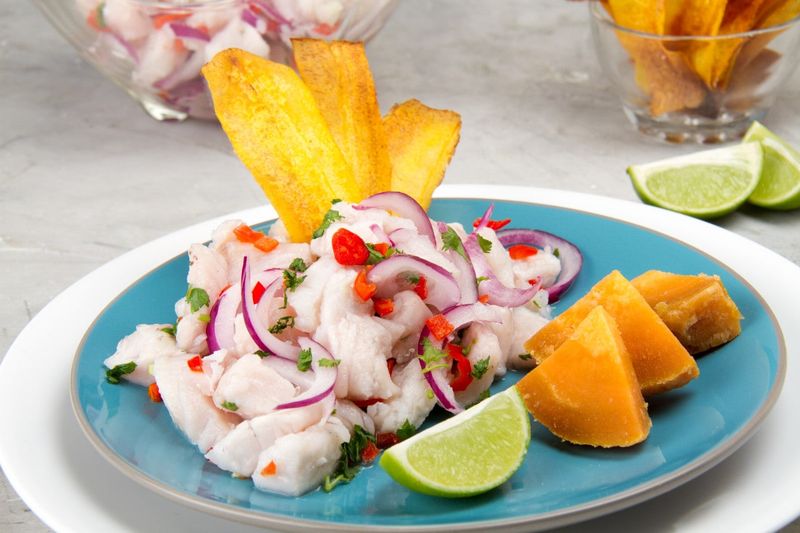
Peru sits along the cold Humboldt Current, which keeps Pacific coastal waters rich with fish year-round. The abundant marine life made seafood a natural dietary anchor, while the coastal climate provided an endless supply of fresh citrus fruits like limes that grow in the warm inland valleys.
Ceviche — raw fish cured in citrus juice — was born from this perfect geographical pairing. The cool ocean, the sunny valleys, and the availability of fresh ingredients all worked together to create one of the world's most iconic dishes.
10. Tagine Cooking in North Africa
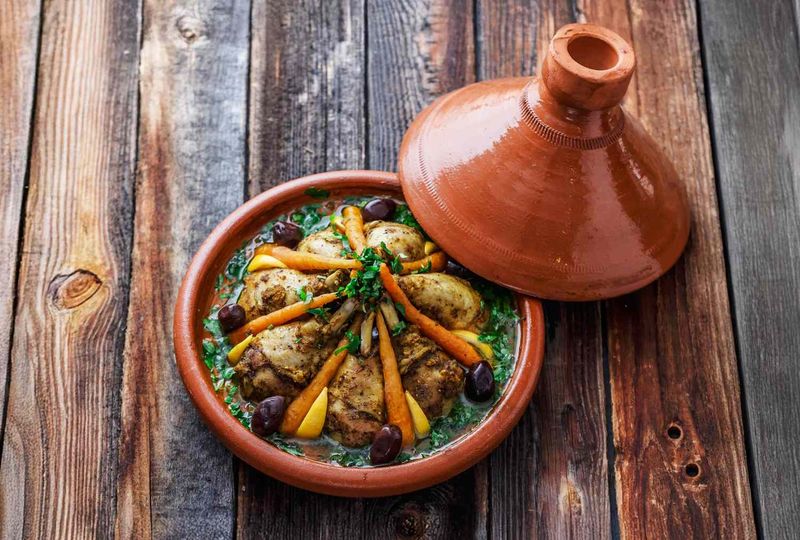
The slow-cooking tagine pot of North Africa is a masterpiece of desert climate engineering. In regions where firewood was scarce and temperatures soared, cooking food slowly over a small flame was the most energy-efficient method available.
The cone-shaped lid traps steam, keeping moisture inside and reducing the need for large amounts of water.
Preserved lemons and dried fruits — also ingredients shaped by a hot, dry climate — add bold flavor. The Saharan environment essentially designed this cooking style from the ground up.
11. Sauerkraut in Central Europe
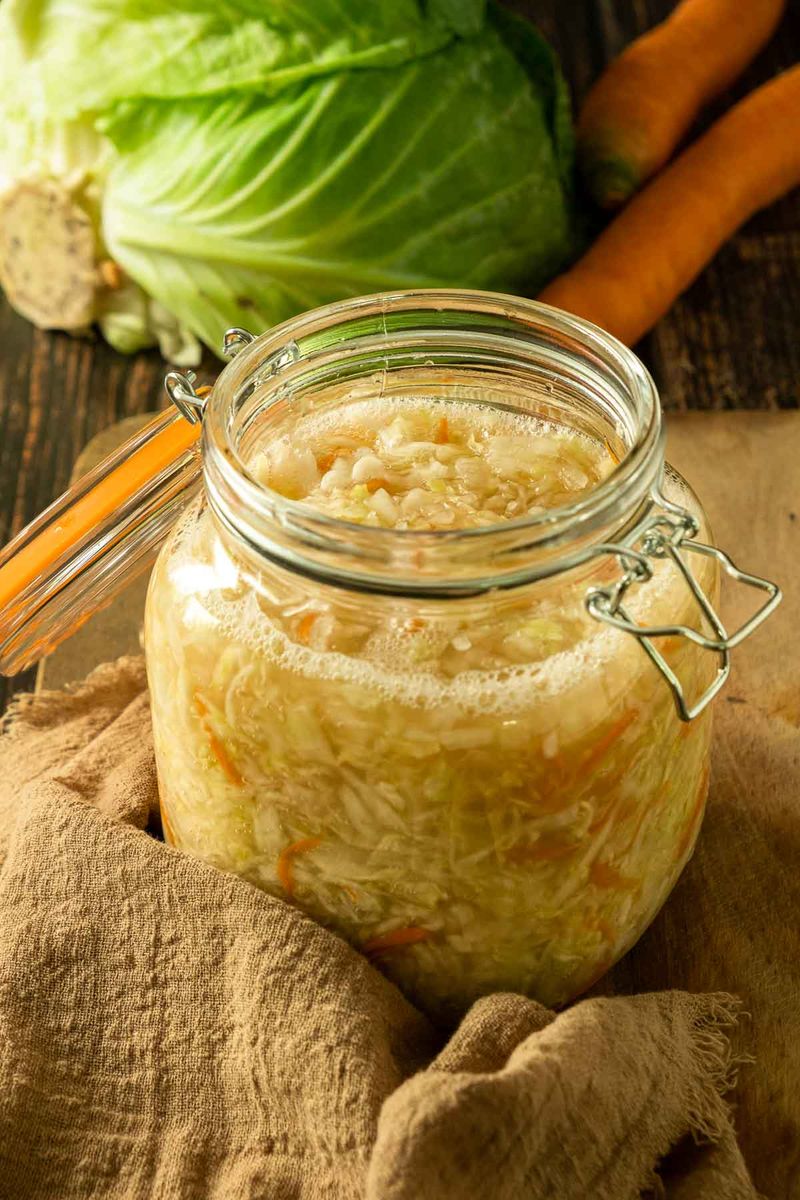
Cabbage grows incredibly well in the cool, moist climates of Germany, Poland, and Austria. But fresh cabbage does not last through long, dark winters — so fermenting it into sauerkraut became a regional tradition built entirely around climate and survival.
The cold temperatures of Central European winters made cellars ideal for slow fermentation without spoiling. What began as a way to store food for months turned into a beloved tangy staple.
Climate did not inspire sauerkraut — it absolutely required it.
12. Maple Syrup in Canada and the Northeastern U.S.
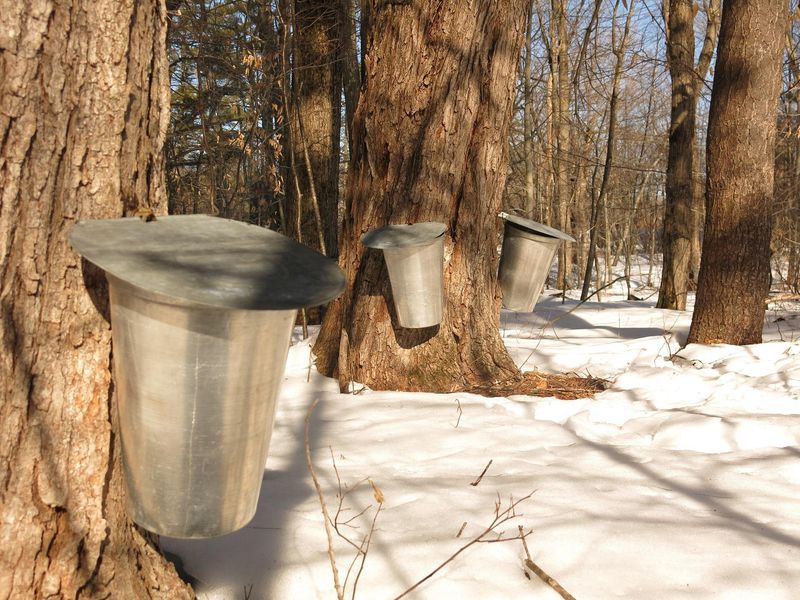
Maple syrup only flows when temperatures do something very specific — freezing nights followed by warm days. This precise weather pattern happens naturally in parts of Canada and the northeastern United States each spring, causing sugar maple trees to push sweet sap up through their trunks.
Indigenous peoples discovered this seasonal gift long ago, and the tradition of tapping maple trees became deeply rooted in the region. No other climate on Earth reliably produces this temperature swing in quite the same way.
13. Coconut-Based Cooking in Tropical Islands
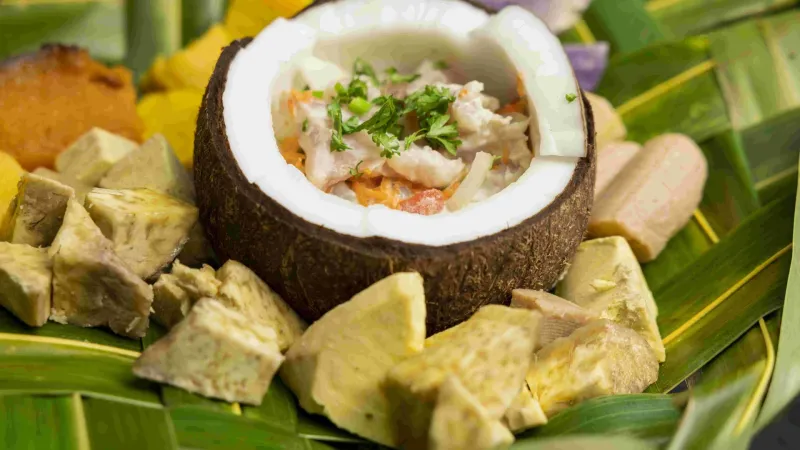
Coconut palms grow almost exclusively in tropical climates with high humidity, warm temperatures, and plenty of rainfall. Islands across the Caribbean, Pacific, and Indian Ocean are blanketed with coconut trees, making coconut milk, oil, and flesh the most accessible cooking ingredients available.
From Sri Lankan curries to Jamaican rice and peas, coconut shapes entire flavor profiles across dozens of island cuisines. The tropical climate did not just influence these dishes — it handed cooks their most essential pantry ingredient on a silver platter.
14. Smoked Meats in the American South
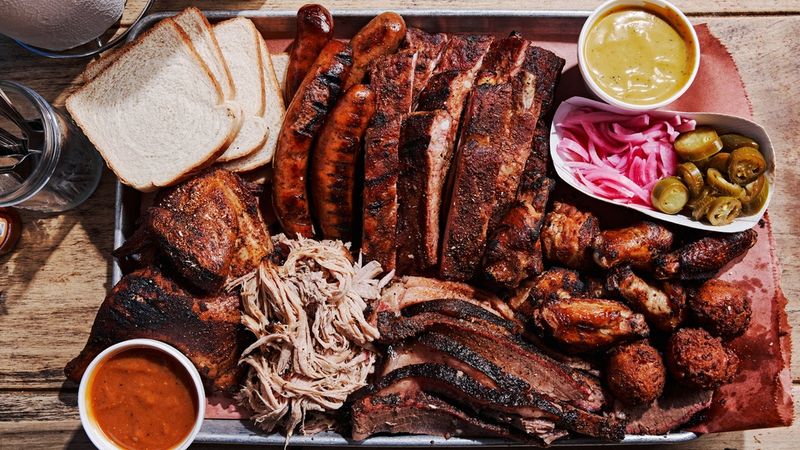
The American South's hot, humid summers created a real problem for early settlers — meat spoiled fast. Smoking became a preservation method that slowed bacterial growth while adding incredible flavor, and the region's abundant hardwood forests provided the fuel needed to keep those fires burning for hours.
Hickory, pecan, and oak each gave smoked meats their own distinct character. What began as a way to keep food safe in a warm, wet climate became a deeply emotional, fiercely debated culinary tradition that defines Southern identity today.
15. Soy Sauce and Fermented Pastes in East Asia
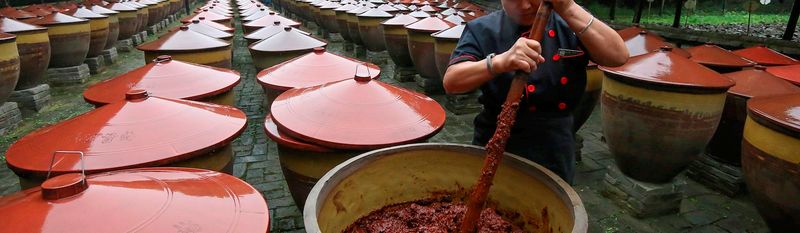
East Asia's humid, warm summers are perfect for the microbial fermentation needed to make soy sauce, miso, and doenjang. Ancient communities in China, Japan, and Korea discovered that soybeans transformed beautifully in their climate, producing rich, umami-packed condiments that lasted through cold winters.
The seasonal rhythm of hot summers and cold winters essentially created a natural fermentation schedule. Generations of cooks learned to work with the weather, producing flavor-packed staples that now anchor some of the world's most beloved culinary traditions.
16. Flatbreads in the Middle East and Central Asia
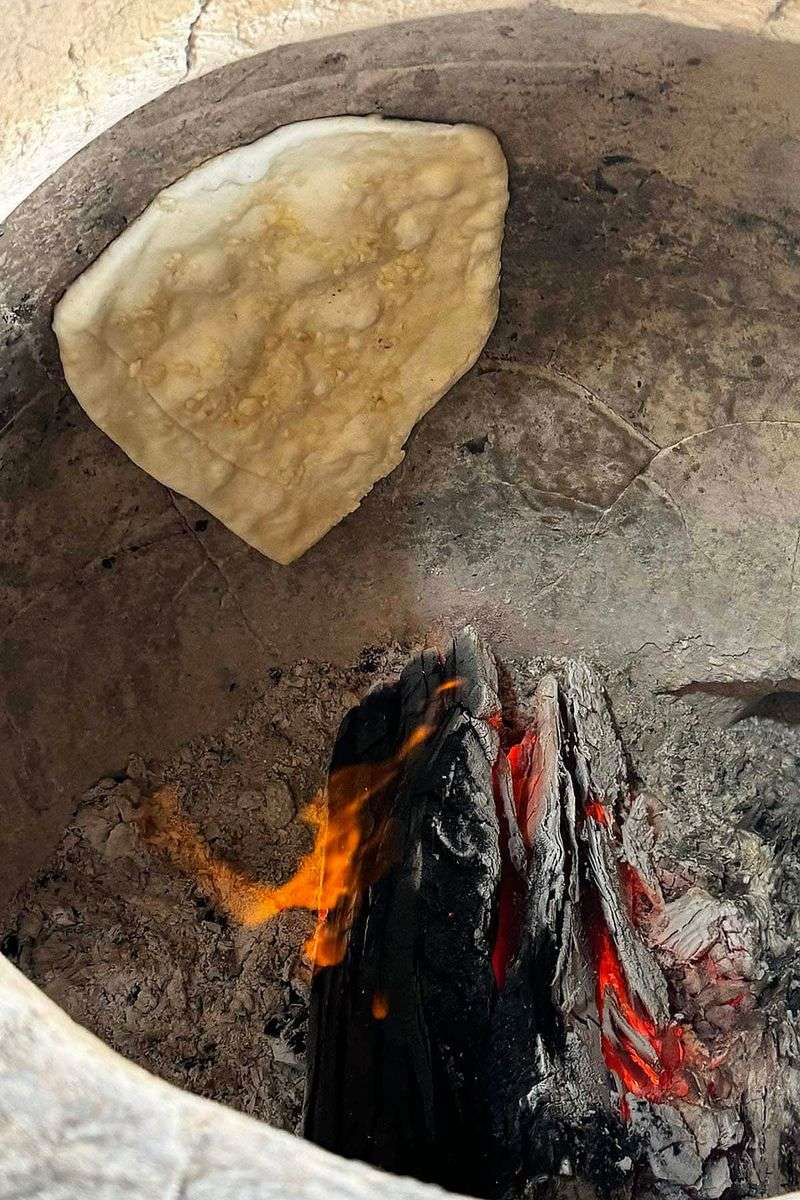
Wheat grows well in the semi-arid climates of the Middle East and Central Asia, where dry heat and low humidity make grain cultivation practical. Flatbreads like lavash, naan, and pita emerged because they require minimal water, cook quickly over intense heat, and do not need yeast to rise — a practical advantage in hot, dry regions.
The tandoor oven itself is a climate adaptation, designed to cook food rapidly using very little fuel. These flatbreads are edible proof of how heat shapes a kitchen.
17. Quinoa Cultivation and Cooking in the Andes
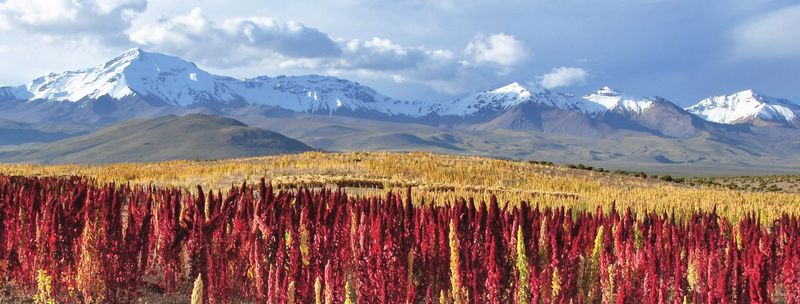
Quinoa is one of the few crops tough enough to grow at altitudes above 12,000 feet, where thin air, frost, and intense UV radiation would kill most plants. Andean communities cultivated it for thousands of years not because it was trendy, but because almost nothing else would grow in their extreme mountain climate.
Rich in protein and easy to store, quinoa became a nutritional backbone for civilizations like the Inca. The altitude and cold essentially selected quinoa as the hero ingredient of Andean cooking.
18. Preserved Lemons and Dried Fruits in Persian Cuisine
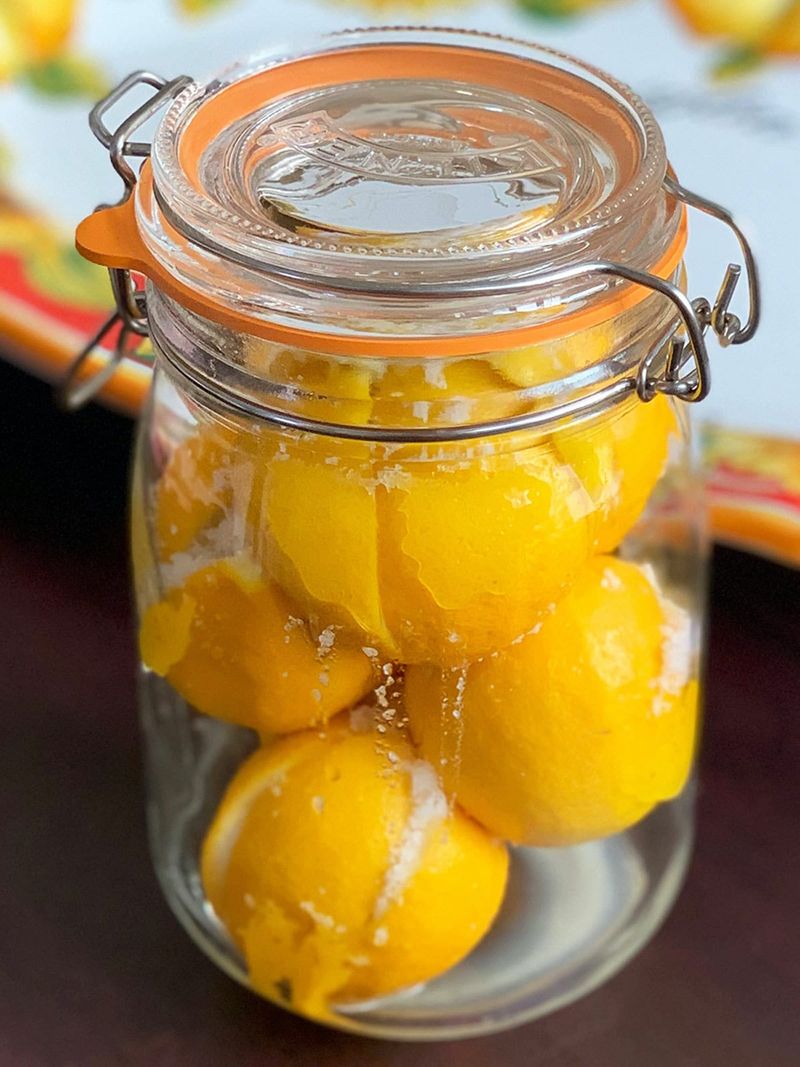
Iran's hot, dry summers and wide temperature swings between seasons made fresh produce preservation essential for year-round cooking. Drying fruits and curing citrus in salt were ancient solutions to a climate problem, and they accidentally created some of the most complex, layered flavors in world cuisine.
Preserved lemons add a mellow, briny depth to stews, while dried fruits bring sweetness to savory rice dishes. Persian cooking's signature blend of sweet and sour is, at its roots, a love letter to a challenging climate.
19. Chili Peppers and Corn in Mesoamerican Cooking
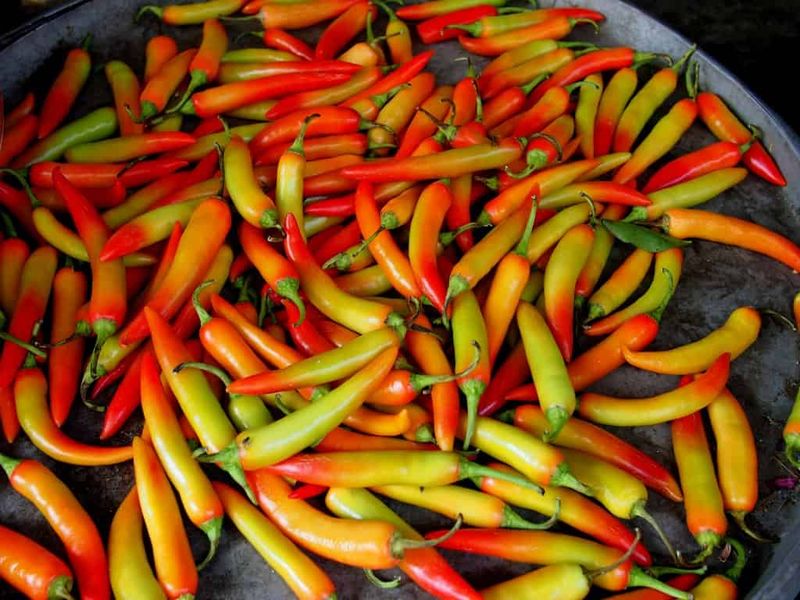
The warm, wet climate of Mesoamerica — modern-day Mexico and Central America — was tailor-made for growing corn and chili peppers. Both crops thrive in high heat with seasonal rainfall, and indigenous civilizations like the Aztec and Maya built entire food systems around these two ingredients long before European contact.
Corn provided calories and structure, while chilies added heat, flavor, and natural antimicrobial properties. The tropical climate did not just encourage this combination — it made these two ingredients the most logical, reliable foods available for thousands of years.




Comments
No Comments