













British kitchens are full of convenient snacks that are quick to grab and easy to enjoy, but many of them come with a hidden cost. Ultra-processed foods are packed with artificial ingredients, added sugars, and chemicals that your body wasn't designed to handle in large amounts.
Researchers are increasingly linking these snacks to health problems like obesity, heart disease, and even poor mental health. If any of these sound familiar in your home, it might be time to take a closer look at what's on the shelf.
1. Pringles
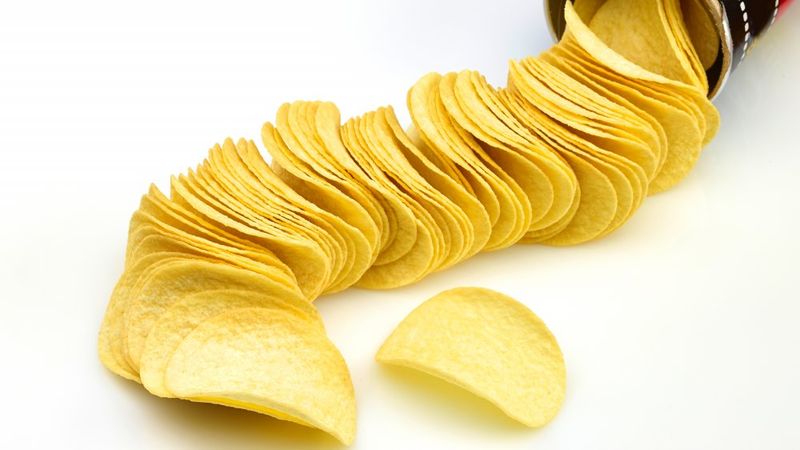
That satisfying pop when you open the tube is part of the magic, but Pringles are a textbook example of ultra-processed snacking. Made from dehydrated potato flakes mixed with starches, oils, and a long list of flavourings, they barely resemble a real potato.
The flavour combinations are engineered to keep you reaching in for more, which is exactly the problem. One serving is rarely enough.
Swapping these for plain popcorn or rice cakes can make a real difference to your daily intake.
2. Pot Noodle
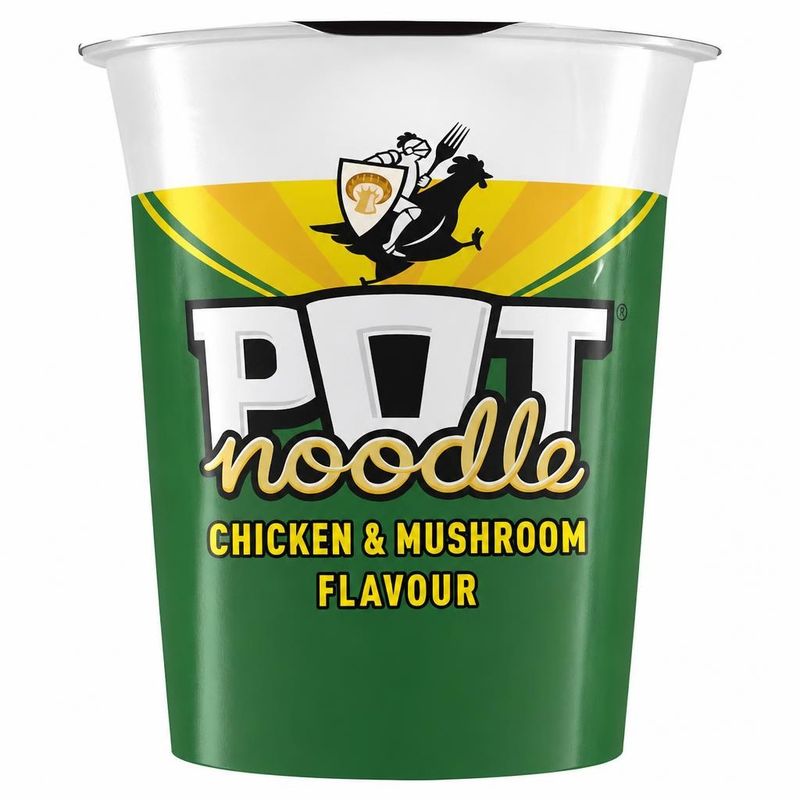
Pot Noodle has been a British student staple for decades, but its ingredient list tells a less comforting story. Loaded with sodium, flavour enhancers, and artificial additives, a single pot can contain more salt than is recommended for an entire day.
The noodles themselves are made from refined flour and offer very little nutritional value. That said, the convenience is undeniable.
Making a quick stir-fry with rice noodles and fresh veg takes only slightly longer and does your body far more good.
3. McVitie's Jaffa Cakes

Jaffa Cakes feel harmless enough, partly because they're called cakes and partly because of that orange layer, which sounds almost fruity. But the orange filling is mostly sugar and artificial flavouring with very little actual fruit content.
The biscuit base and chocolate coating add refined carbohydrates and processed fats to the mix. They're genuinely enjoyable, and that's the tricky part.
Enjoying one occasionally is fine, but a whole sleeve disappears surprisingly fast when you're watching TV.
4. Walkers Crisps
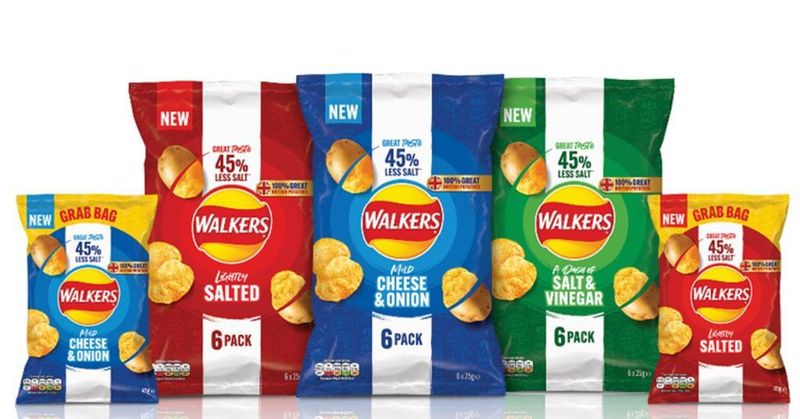
Walkers are practically a British institution, found in lunchboxes and cupboards across the country. But these crisps go well beyond just potato, salt, and oil.
Most flavoured varieties include yeast extract, artificial colours, flavour enhancers, and a range of additives to create that intense taste.
Regular crisps consumption has been linked to weight gain and increased blood pressure due to the high salt content. Homemade oven-baked potato slices with a pinch of seasoning offer a much cleaner alternative when the craving hits.
5. Cadbury Chocolate Fingers
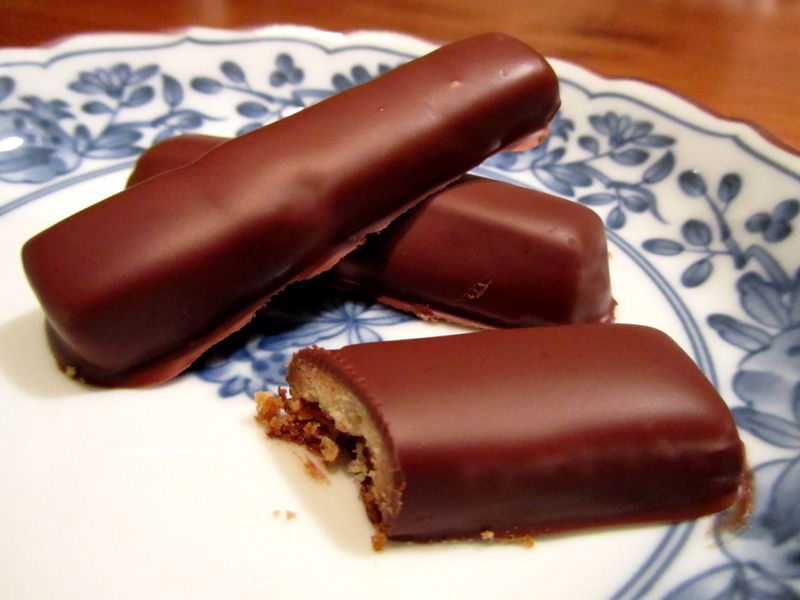
Few biscuits feel as classically British as Chocolate Fingers, dunked into a warm cup of tea on a rainy afternoon. The nostalgia is real, but so is the ingredient list.
The chocolate coating contains emulsifiers, artificial flavourings, and palm oil alongside the cocoa.
The biscuit beneath is made from refined wheat flour and sugar, offering little fibre or nutrition. Enjoying them as an occasional treat is perfectly reasonable, but having them as an everyday snack adds up quickly in terms of sugar and saturated fat.
6. Haribo Starmix
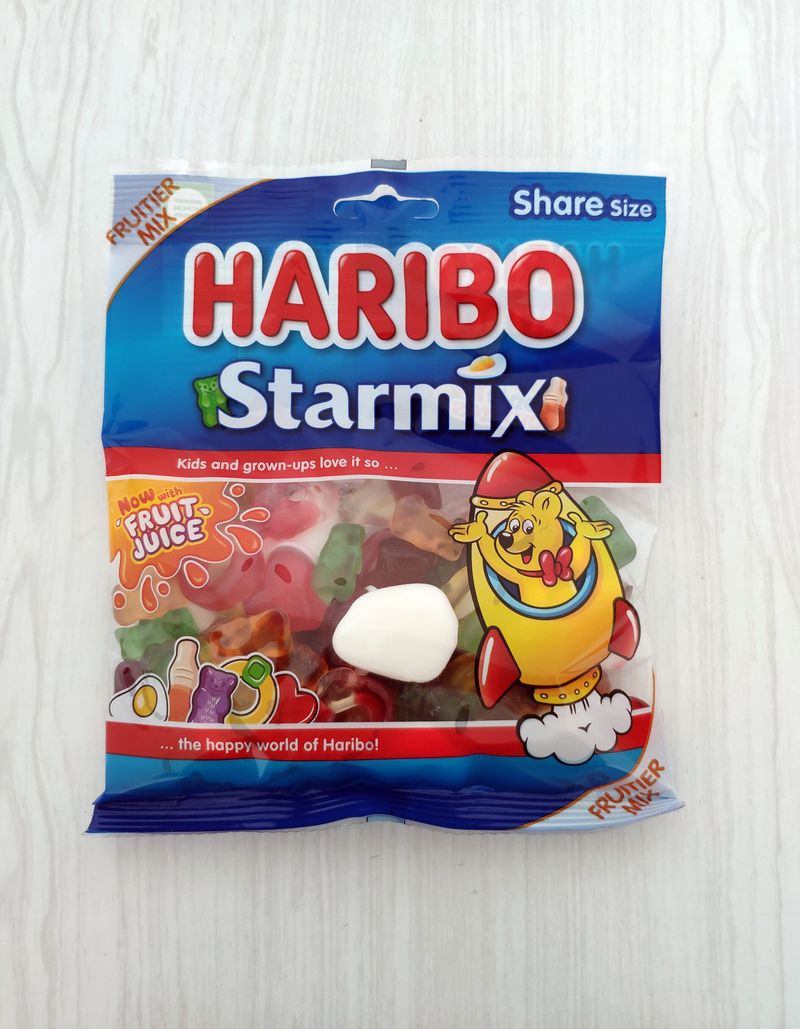
Haribo Starmix is the sweet that somehow ends up at every party, film night, and road trip. The chewy texture and bright colours make them wildly appealing, especially to kids.
But they're made almost entirely from glucose syrup, sugar, gelatine, and artificial colours.
Some of those artificial dyes have been linked to hyperactivity in children, which is worth keeping in mind. A handful here and there won't cause harm, but when a sharing bag disappears in one sitting, the sugar load is significant.
7. Greggs Sausage Roll (Packaged)
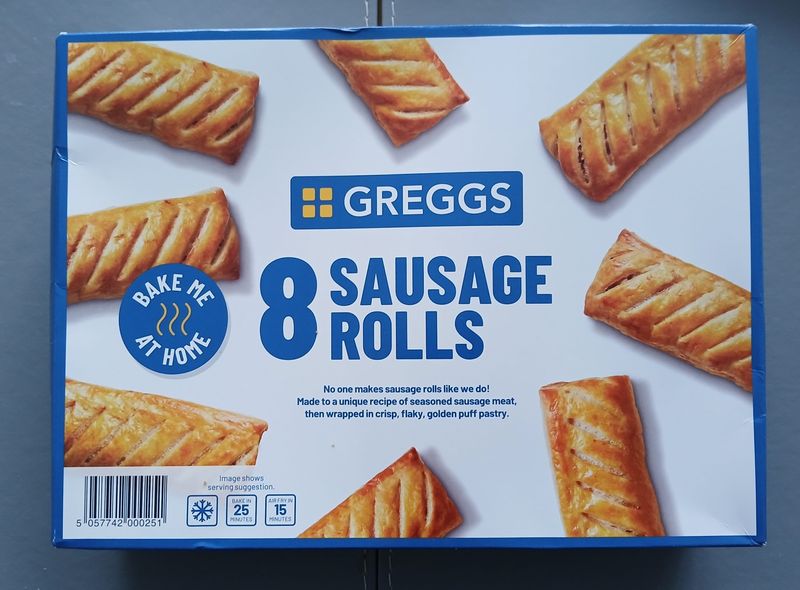
The Greggs sausage roll is a British icon, but the packaged, supermarket version is a different beast from a freshly baked one. These pre-packaged rolls contain modified starch, preservatives, and flavour enhancers to extend shelf life and boost taste.
The pastry is made with highly refined flour and hydrogenated fats, while the meat filling often includes mechanically separated pork and added sodium. As an occasional grab-and-go lunch, it is manageable, but eating them several times a week pushes sodium and saturated fat levels uncomfortably high.
8. Maryland Cookies
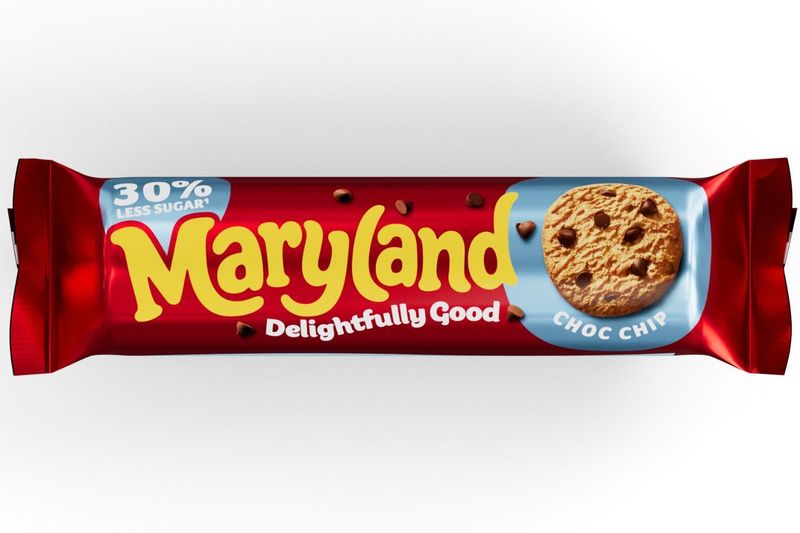
Maryland Cookies have been a teatime staple in British homes since the 1950s, and their sweet, crumbly charm hasn't faded. But behind that familiar taste is a mix of refined flour, vegetable oils, artificial flavourings, and glucose-fructose syrup.
Glucose-fructose syrup is a highly processed sweetener that the body metabolises differently from regular sugar, potentially contributing to fat storage. The portion size printed on the packet rarely reflects how many most people actually eat in one go.
9. Quavers
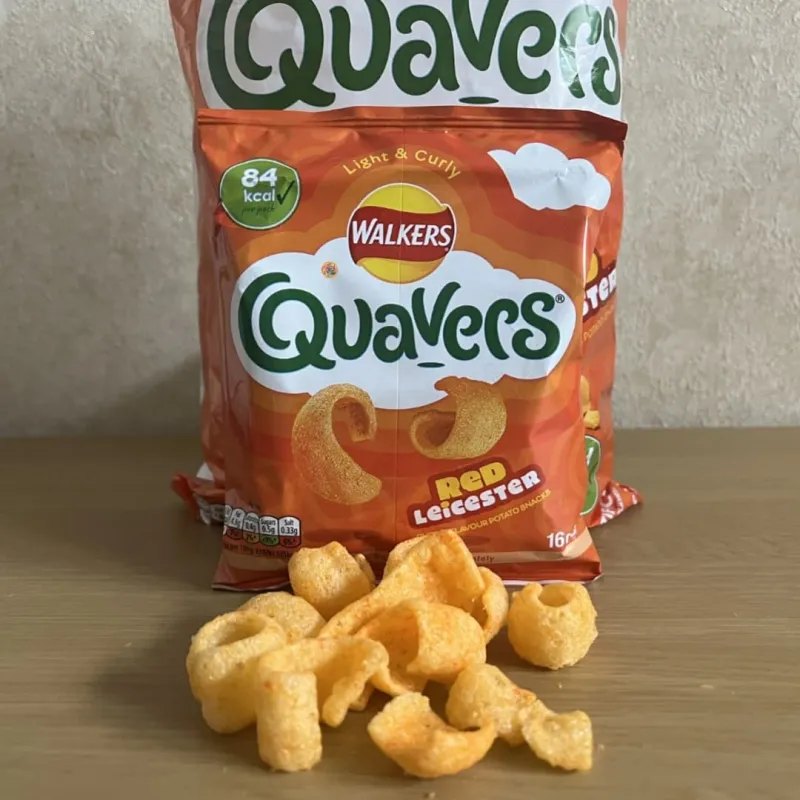
Light, airy, and almost impossibly moreish, Quavers have fooled many a dieter into thinking they're a low-calorie win. While they are lower in fat than many crisps, the ingredient list is far from simple.
They're made from maize starch, vegetable oil, and artificial cheese flavouring rather than anything resembling real cheese.
The puffed texture is created through an industrial extrusion process, which is about as far from natural food as you can get. Real cheese on a rice cracker is a far more satisfying and nutritious swap.
10. Muller Corner Yoghurt
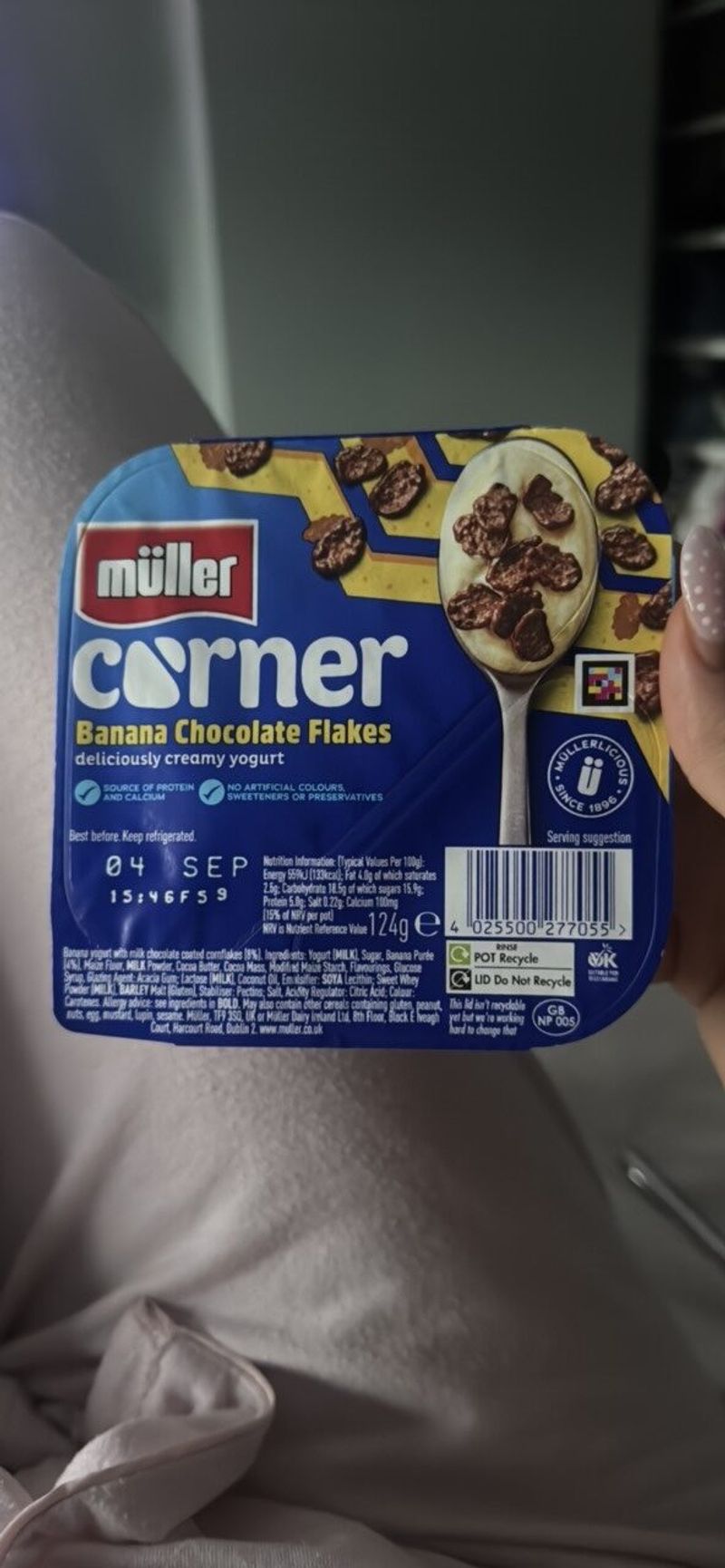
Yoghurt sounds healthy, and plain yoghurt absolutely can be. Muller Corner, however, is a different story.
The flavoured base contains modified starch, artificial sweeteners, and fruit preparations that are mostly sugar. The add-in compartments often contain chocolate drops, caramel pieces, or cereal coated in more sugar and additives.
Marketing these as a nutritious snack is a stretch. Plain Greek yoghurt with a spoonful of real fruit or honey delivers genuine protein and probiotics without the long list of processing ingredients.
11. Cheesestring
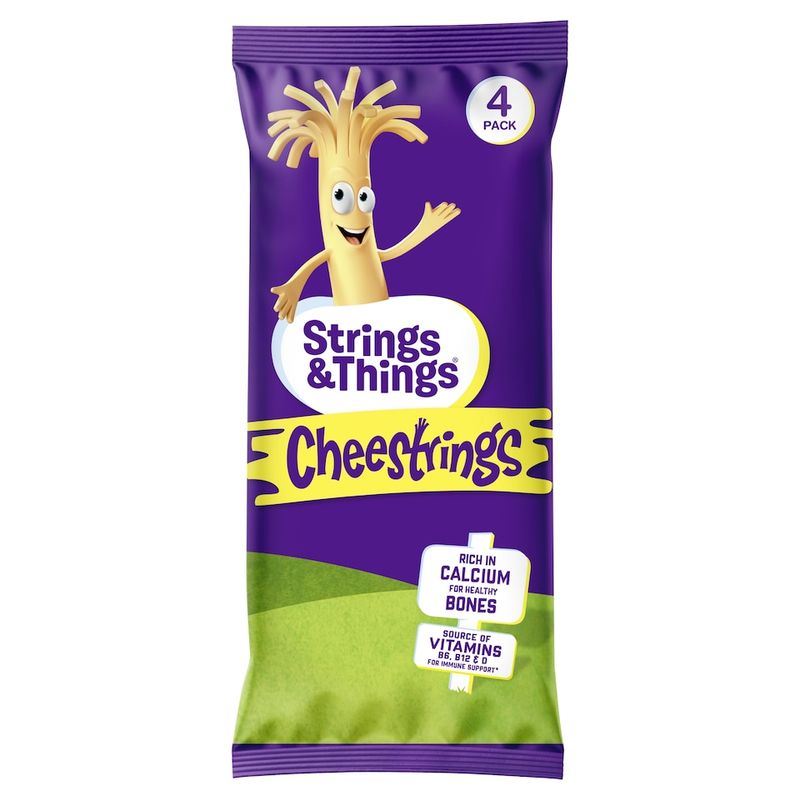
Cheesestring is heavily marketed to children as a fun, healthy snack, and the peelable texture is genuinely entertaining. However, these are processed cheese products, not natural cheese.
They contain emulsifying salts, preservatives, and added flavourings to achieve that stretchy consistency.
Real cheddar or edam provides the same calcium and protein without the industrial processing. Cheesestrings are not the worst snack in this list, but presenting them as a wholesome dairy option overlooks the significant processing involved in making them shelf-stable and uniformly stretchy.
12. Pepperami
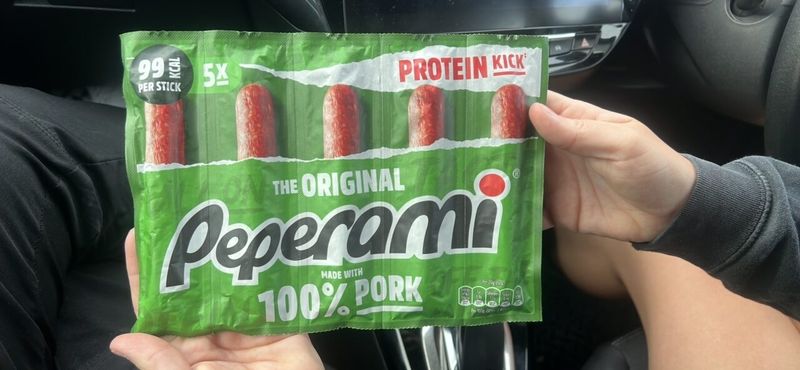
Pepperami markets itself as a high-protein, on-the-go snack, and the protein content is real. The problem is everything else that comes with it.
These spicy meat sticks are made from mechanically separated pork, pork fat, and a cocktail of preservatives including nitrites, which have been classified as potentially carcinogenic.
The sodium content is also extremely high for such a small snack. Protein is important, but getting it from a heavily processed meat stick regularly is not the smartest approach when boiled eggs or nuts are easy alternatives.
13. Kellogg's Pop-Tarts
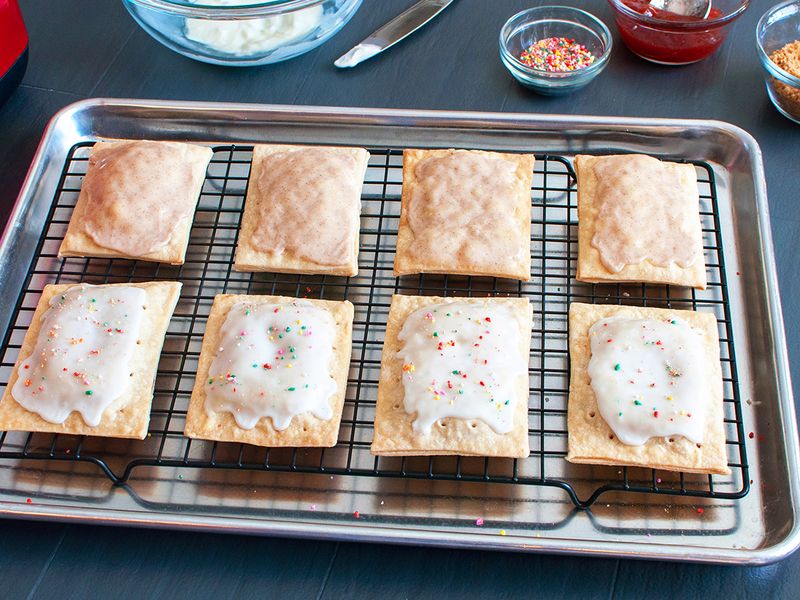
Pop-Tarts crossed the Atlantic and found a surprisingly enthusiastic audience in British kitchens. Toasted or eaten straight from the foil, they feel like a fun breakfast or snack.
But they are essentially a sugar delivery system wrapped in refined pastry.
The filling is made from corn syrup, artificial flavours, and food dyes, while the frosting adds another layer of sugar on top. With almost no fibre, protein, or vitamins, they spike blood sugar quickly and leave you hungry again within an hour.
14. Rustlers Microwave Burgers
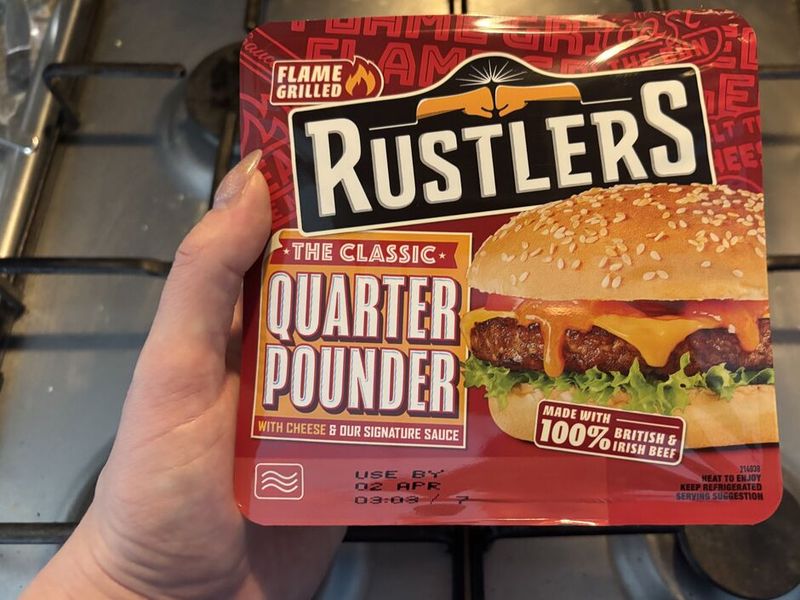
Rustlers microwave burgers are a testament to how far food technology has come, though not always in a good direction. The beef patty contains textured soy protein, modified starch, and a range of flavour enhancers to mimic the taste of a proper burger.
The bun is made from refined flour with dough conditioners and emulsifiers baked in. Everything about them is engineered for convenience and shelf life rather than nutrition.
For a quick hot meal, scrambled eggs on wholegrain toast is faster, cheaper, and far better for you.
15. Fruit Winders
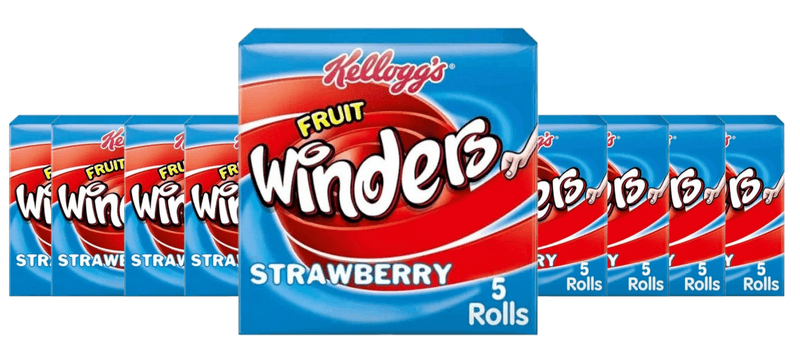
Fruit Winders are sold as a fruit snack, and that word fruit does a lot of heavy lifting on the packaging. In reality, the fruit content is minimal.
The main ingredients are glucose syrup, sugar, and fruit concentrates that have been processed to the point where most natural nutrients are lost.
They're often found in children's lunchboxes as a healthy alternative to sweets, but nutritionally they're very similar. A piece of actual fruit provides fibre, vitamins, and natural sugars that the body processes far more efficiently.
16. Dairylea Lunchables

Lunchables are designed to look like a fun, balanced mini-meal, and children absolutely love the build-it-yourself format. But look past the playful packaging and the picture changes.
The ham is a processed meat product containing nitrites and preservatives, the cheese is a processed slice, and the crackers are made from refined flour.
Salt levels across the components add up quickly. For a child eating these regularly, the cumulative effect of the additives and sodium is worth taking seriously.
Simple crackers with real cheese and sliced turkey is a much cleaner option.
17. Naked Bars
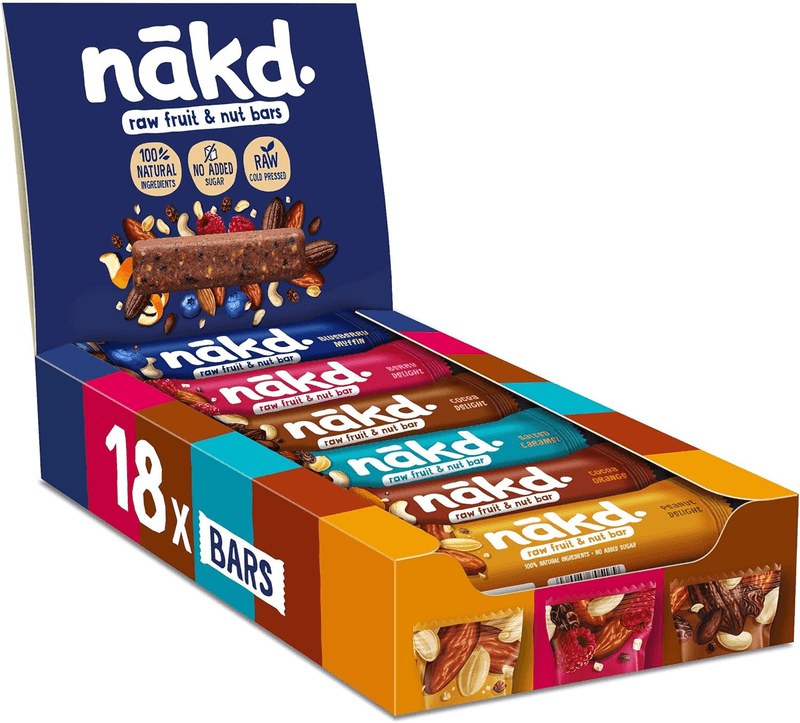
Naked Bars sit in a tricky middle ground. They look and feel like health food, with wholesome ingredients listed on the front.
But many varieties contain added syrups, flavourings, and binding agents that push them firmly into ultra-processed territory.
The sugar content in some flavours rivals a chocolate bar, despite the natural branding. They are certainly better than many snacks on this list, but assuming they are guilt-free because of the packaging can lead to overconsumption.
Homemade energy balls with oats, dates, and nut butter do the same job with zero processing.
18. Skips Prawn Cocktail Crisps
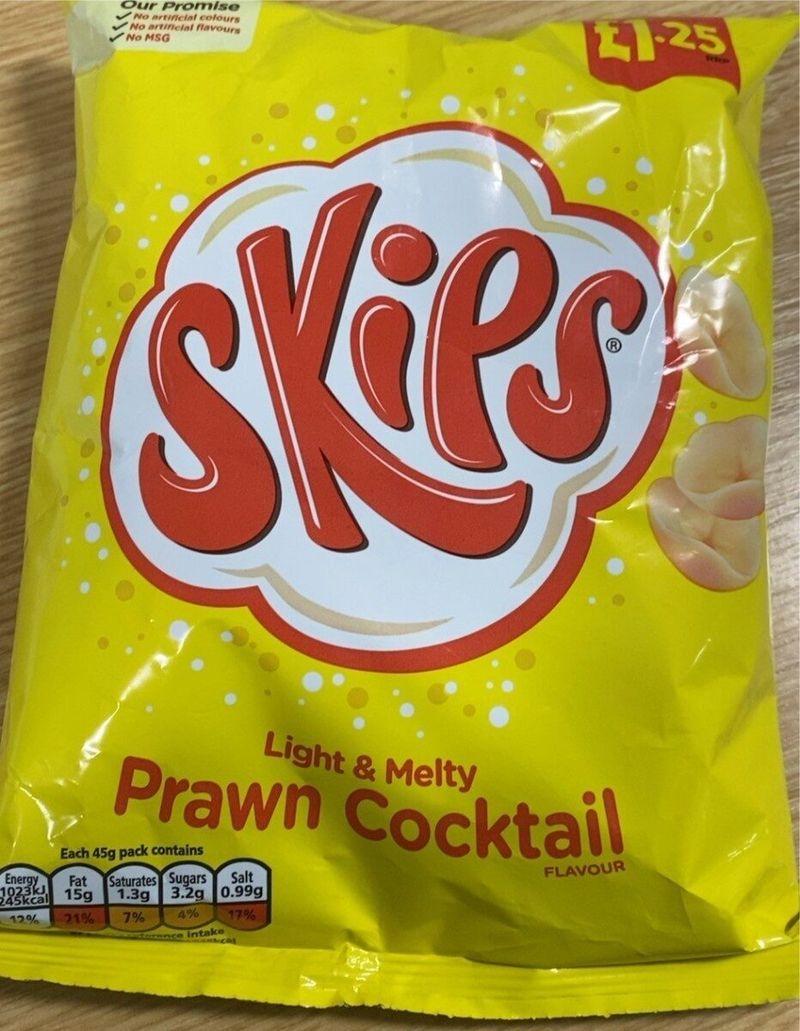
Skips are one of those snacks that dissolve on your tongue before you even realise you've eaten them, which makes it very easy to finish the bag without noticing. Made from maize starch rather than potato, they contain no actual prawn.
The flavour comes entirely from artificial prawn cocktail flavouring and a blend of flavour enhancers.
The light texture makes them feel innocent, but the sodium and additive content is comparable to regular crisps. Portion awareness is key with these because the bag size is deeply misleading.
19. Mr Kipling Exceedingly Good Cakes
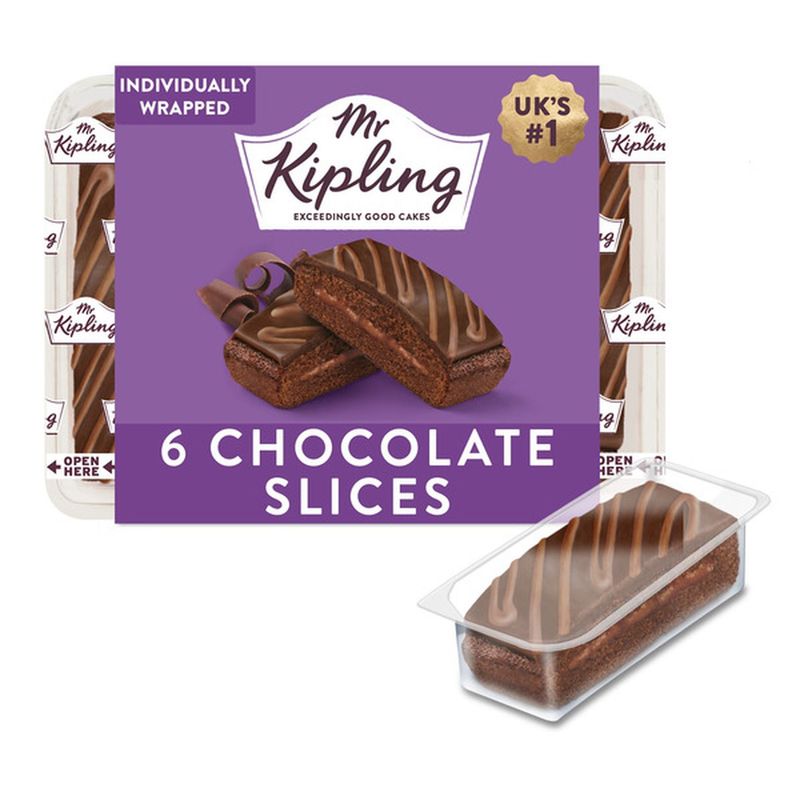
Mr Kipling has built an empire on the promise of exceedingly good cakes, and taste-wise, it is hard to argue. But these individually wrapped cakes are a masterclass in food technology.
They stay soft and fresh for weeks thanks to humectants, emulsifiers, preservatives, and modified starches.
Real homemade cake goes stale in days because it doesn't contain any of that. The extended shelf life is a useful clue about how heavily processed these are.
A homemade sponge made with butter, eggs, and flour is a far more wholesome occasional treat.




Comments
No Comments